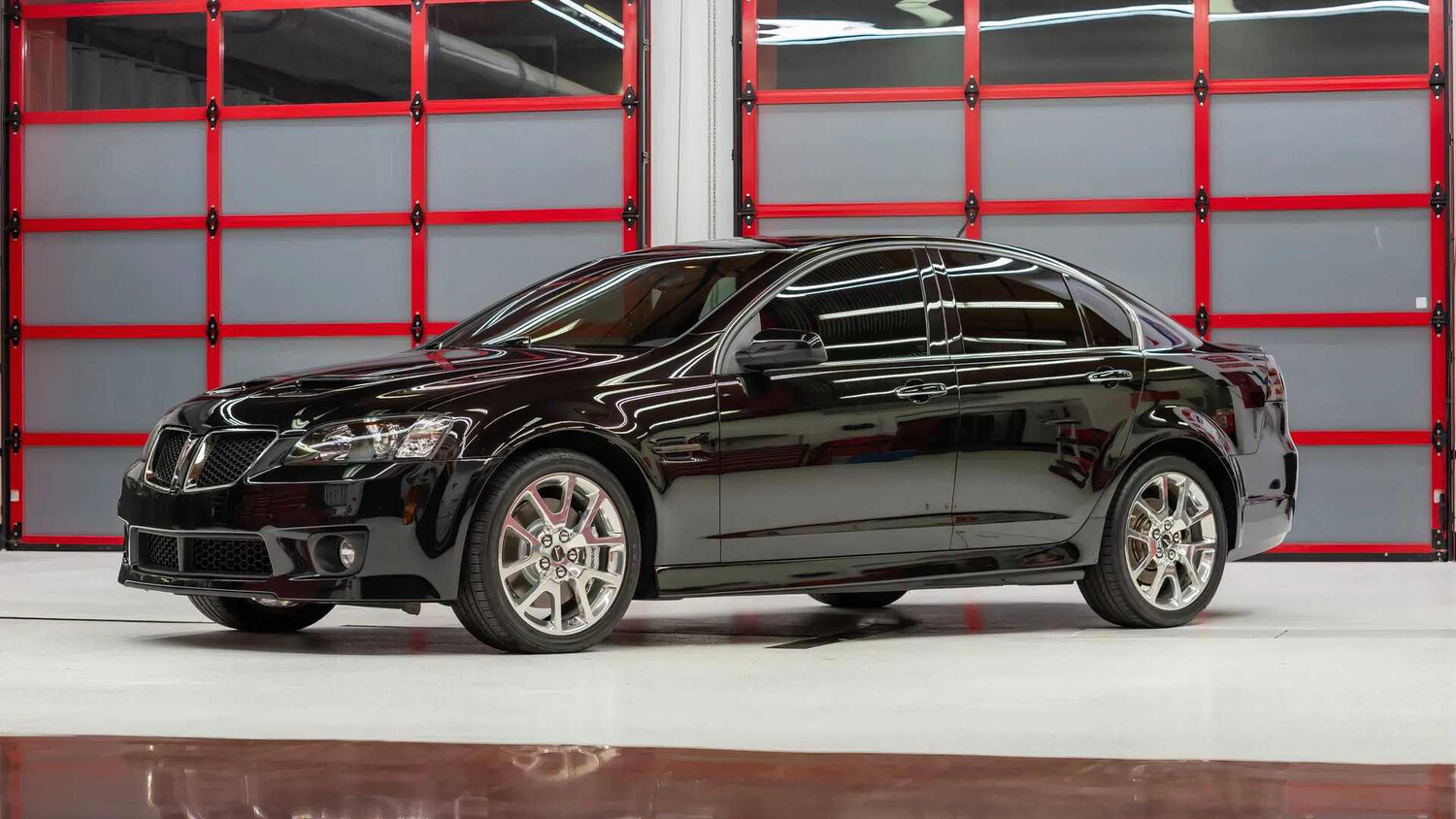
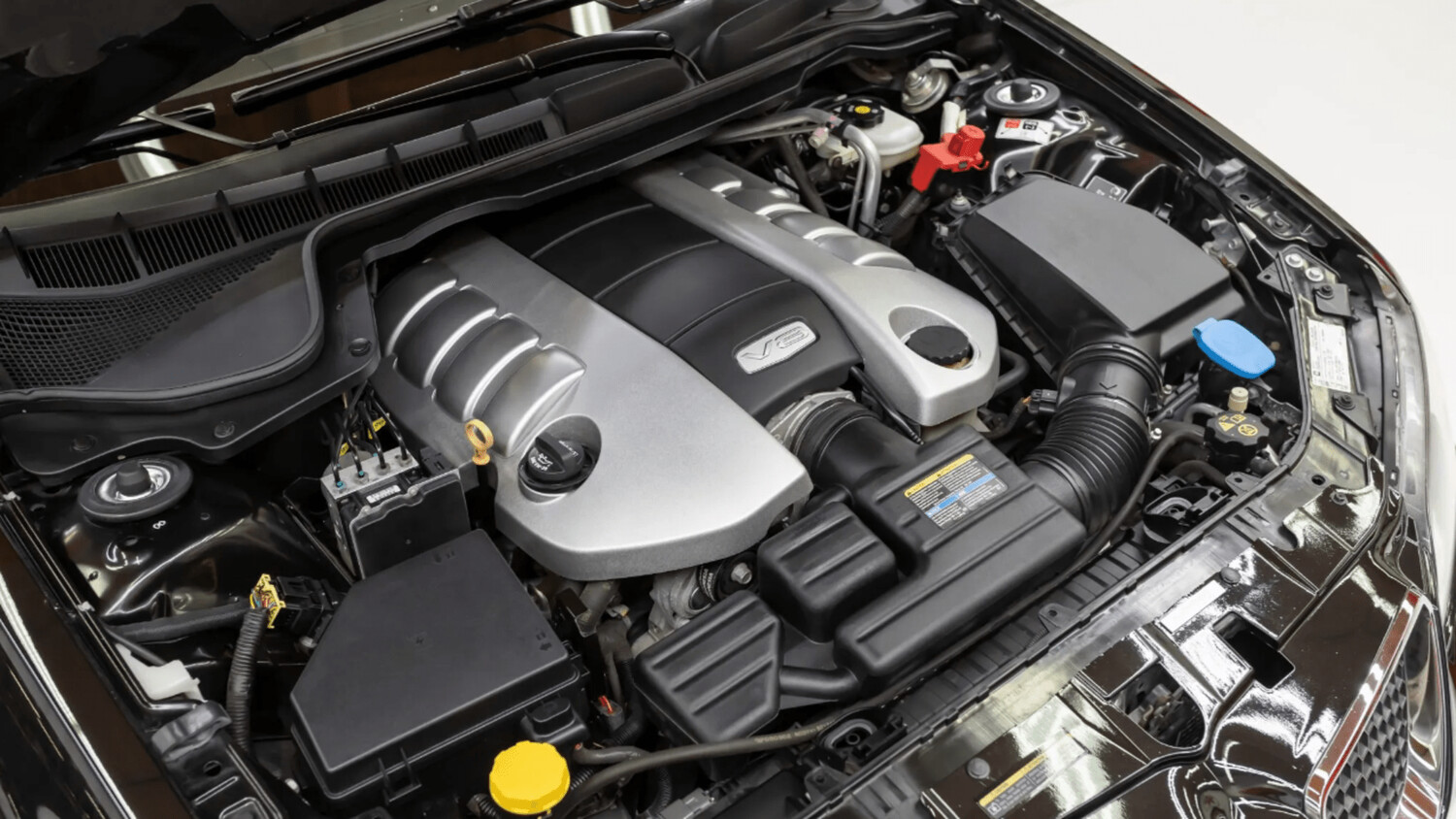
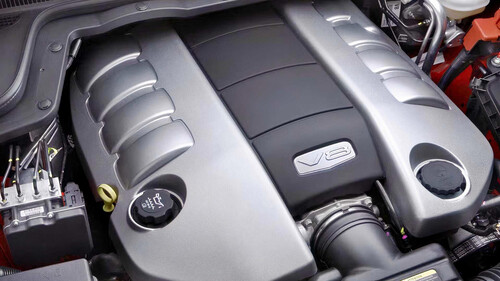
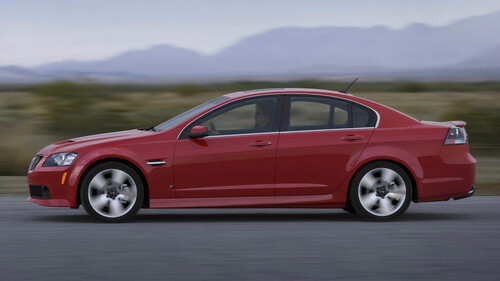
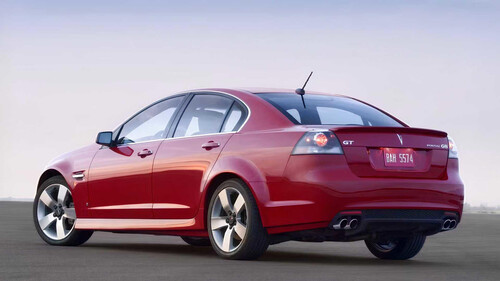
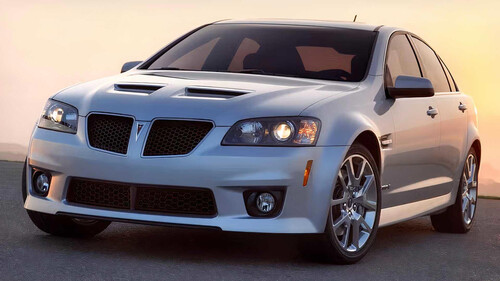
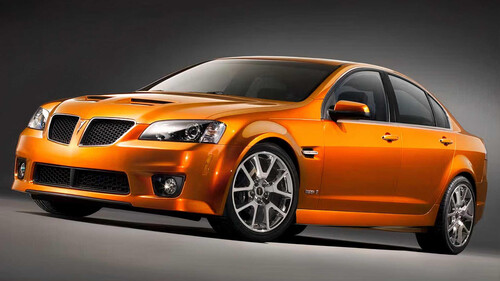
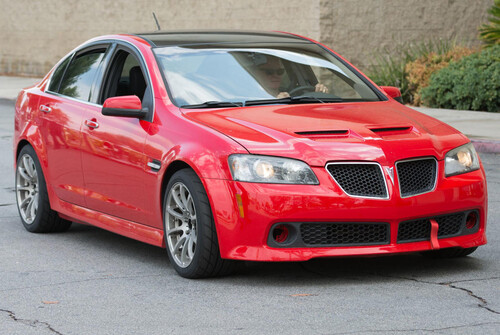
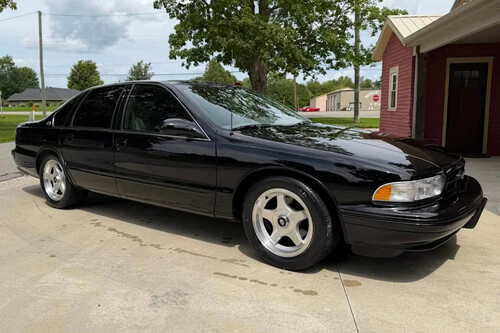
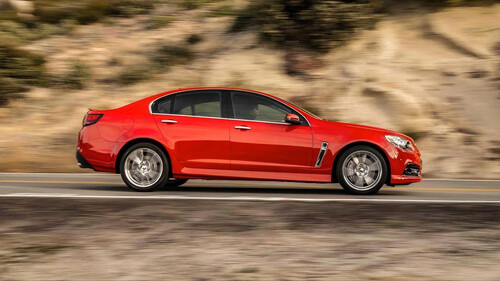
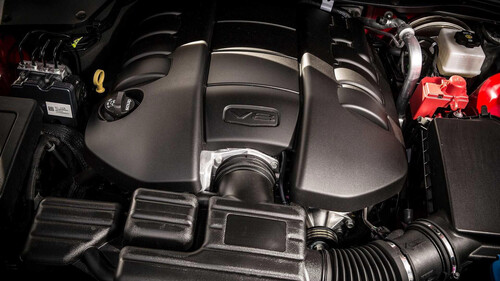
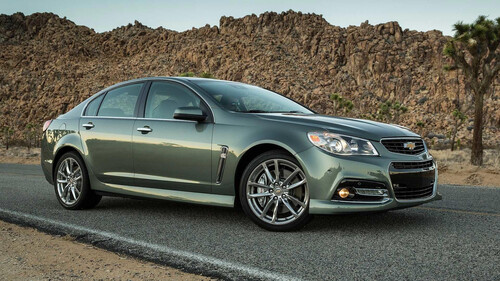
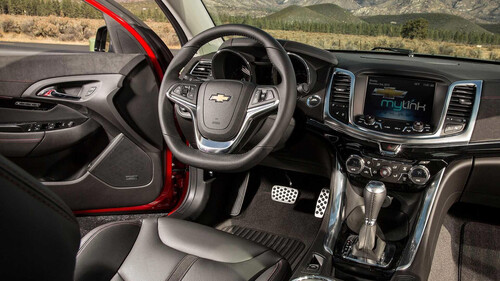
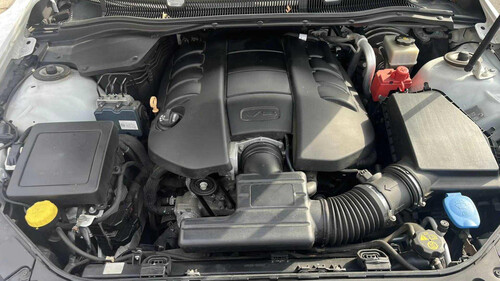
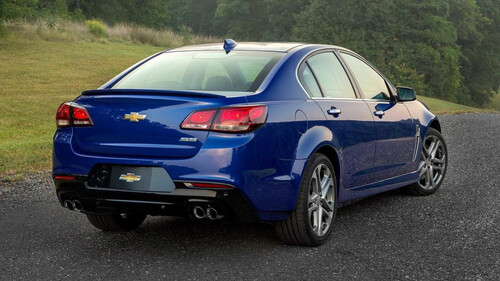
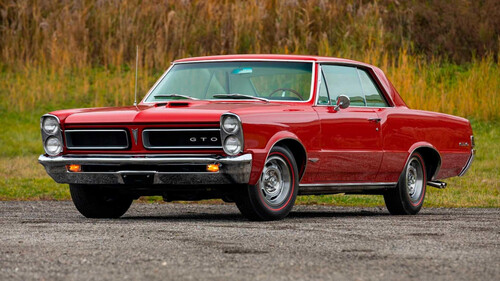
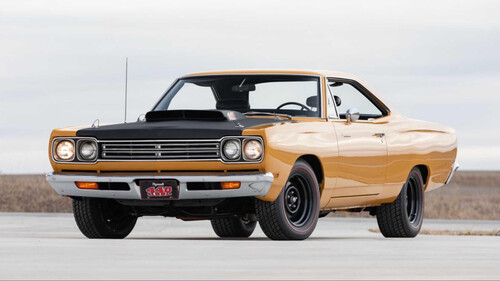
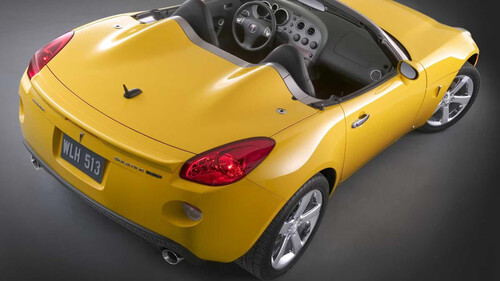
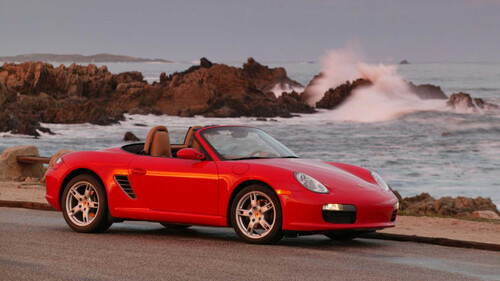
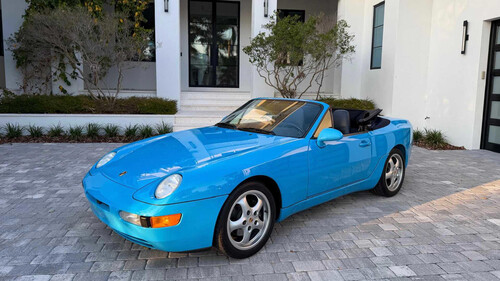
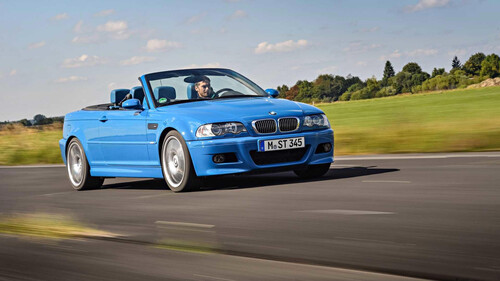
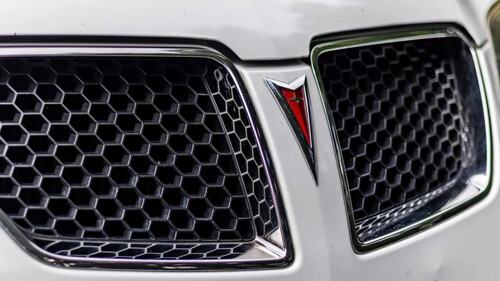
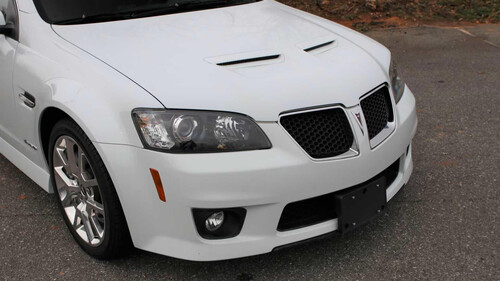
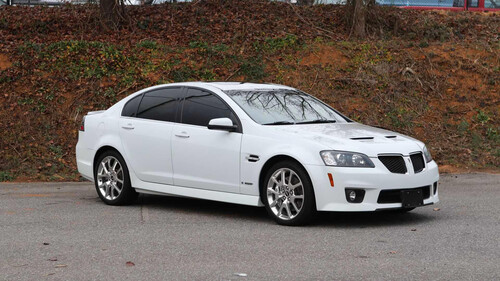
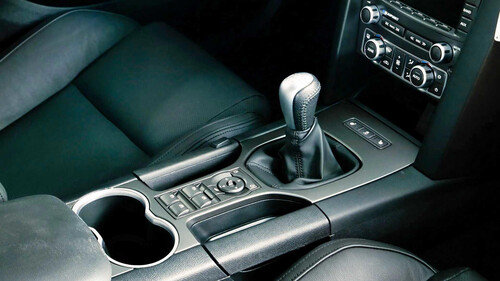
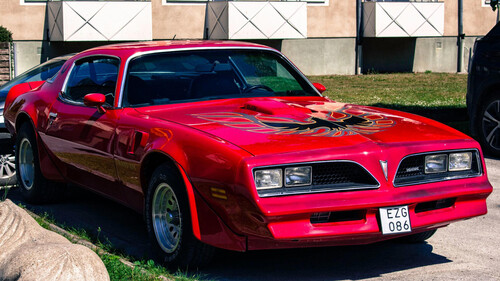
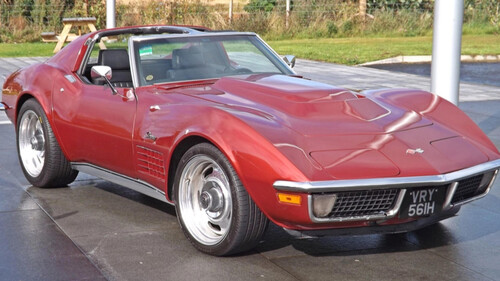
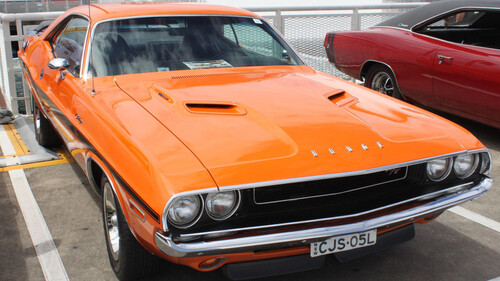
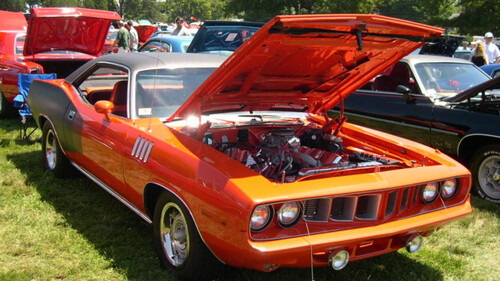
In the 2000s muscle cars were all but extinct, with many manufacturers giving up on the genre altogether. There were a number of factors that had worked against the classic America V8 sports car in the decades before, and many people must have thought that it was gone for good. But while techy coupes and lightweight sports cars from Japan and Europe were very much the flavor of the day, who would have thought that a four-door muscle car would come out of nowhere and make them seem rather pointless. This V8 sedan was the last hurrah for a manufacturer that would sadly disappear for good shortly after — but, boy, was it a good way to go out. The Muscle Car Took A Hiatus After The '70s Mecum If you told anyone remotely into cars around 1970 that the muscle car was about to die out, they probably wouldn't have believed you. That's because this segment, made up of monster V8-powered coupes, was in full stride, and was the hottest thing on four wheels. It felt like nothing could stop muscle cars, and that's not just because they often had near-on 500 horsepower and 500 b-ft of torque. But it turned out something could stop a muscle car in the early '70s: an oil crisis and a lot of boring regulations. Buyers Turned To Coupes And Sports Cars For Thrills Porsche No one realized it in the freewheeling '60s, but driving a car that needed a tank of fuel to go and buy a bottle of milk wasn't such a great idea when gas got pricey. There were soaring insurance premiums too, not to mention clever imports that matched muscle car styling with frugality, and by the '80s there were barely any powerful V8 coupes left. During the '90s, a few cars like the Impala SS gave unexpected muscle car memories, but generally people were more interested in whizzy coupes than eight cylinders. The Pontiac G8 GXP Wasn't Messing Around Via Bring a Trailer The death of the muscle car must have been harder for Pontiac than a lot of manufacturers. Pontiac was always the racier division of GM, and while the company soldiered on with the Firebird, you couldn't help but think it was a bit lost in the '90s. What Pontiac needed was a bit of rebranding. Bob Lutz was brought in by GM to help get Pontiac's swagger back. The obvious starting point was to bring back the GTO, the car that had kicked off the whole muscle car craze in the '60s. This would be based on the Australian-market Holden Monaro and was the fastest American muscle car of the 2000s.There were some other quirky models such as the Solstice, but a key piece of the Pontiac renaissance puzzle was to have a flagship rear-drive sports sedan that would be an affordable take on the likes of BMW and Mercedes. Turning Down Under again, Pontiac used the Commodore VE performance sedan as the basis. To show it was serious, Pontiac introduced the 2009 GXP version, designed to take aim at the M-Division and AMG. This was fitted with an all-aluminum 6.2-liter LS3 V8, and it wasn't messing around... The GXP Was A Firebreathing Four-Door Bring A Trailer 2009 Pontiac G8 GXP Specs Source: Pontiac/ Independent TestsOn paper, the G8 GXP had everything it needed to take on the BMW M3 and put Pontiac in a brave new direction. The LS3 made 415 horsepower and 415 lb-ft of torque, enough to send it to 60 mph in 4.7 seconds, with the quarter mile demolished in a shade over 13 seconds. This was the same as a manual M5. Power in the GXP was sent through either a Tremec TR-6060 six-speed manual transmission or a 6L80-E auto.The suspension had been tuned at the Nürburgring, and stopping power came from Brembo ventilated four-wheel disc brakes with four-piston front calipers. The cabin was updated nicely to give it more of a sporting edge and reviewers called it a four-door Corvette. High praise indeed. But it wasn't just Euro sports sedans that should have worried, even sports cars suddenly seemed a bit pointless. How The G8 GXP Made Sports Cars Seem Irrelevant Bring A Trailer Imagine this: in 2009, a Porsche 911 Carrera cost $76,395. That car can hit 60 mph in 4.2 seconds and cover the quarter mile in 12.5 seconds. The G8 GXP of that year, however, cost just $39,995, or almost half the price, and it was just half a second slower. Not only were you saving almost $40K, the GXP had acres of space, a nice comfy spec, and a ton of practicality. To put it another way, the GXP was only four grand more than a 2009 BMW 135i. The $36,675 Beemer was a tad slower to 60 mph and made do with a 300-hp inline-6. A $52,475 2009 BMW Z4 sDrive35i was slower too, as was a $48,325 2009 Audi TTS. The G8 GXP Had All The Makings Of A Giant Slayer Bring A TrailerThere was pretty much nothing around 2009 that could contest the G8 GXP when it came to price and performance. But it wasn't enough to save Pontiac. The 2008 crash spelled the end for Pontiac and the GXP was a victim of bad timing. While Pontiac sold 37,000 of the standard G8, just 1,829 of them were GXPs. The GXP has ended up being one of the rarest mainstream muscle car models of recent times and a glimpse at what could have been for Pontiac. These days, coupes are nowhere near as popular as they once were, often made irrelevant by fast four-doors and SUVs. In that way, the GXP was ahead of its time. The GXP Is A Four-Door Corvette On The Cheap In 2026 Bring a Trailer Despite its rarity, the G8 GXP is something of a performance bargain these days. Hagerty puts the price of good condition GXPs at $25,200 in 2026. But that might not tell the whole story. Recently, a 108-mile 2009 Pontiac G8 GXP 6-Speed sold for $61,614 on Bringatrailer, while other cars have gone for closer to the $30,000 mark. There are also cheaper G8 GXPs to be had if you can handle higher mileages. With Pontiac not looking like it will be coming back soon, the GXP remains a last hurrah for the company. But rather than the car representing a dismal end for the company, it remains one of the most exciting models of recent times. Who said you need a sports car to have fun?Sources: Hagerty.com