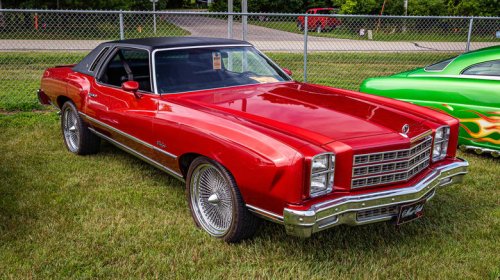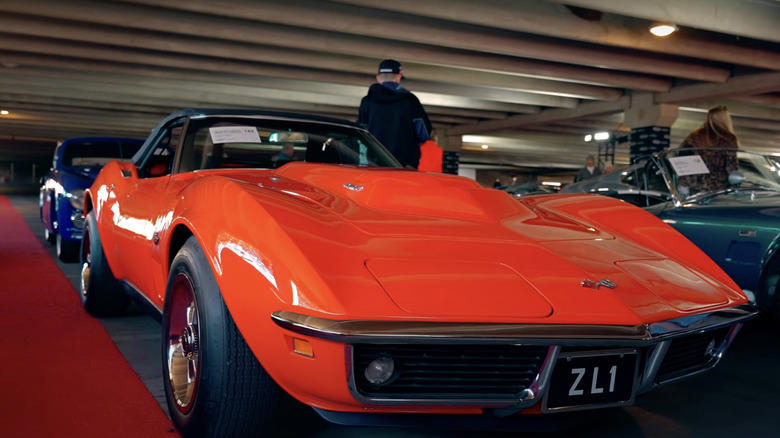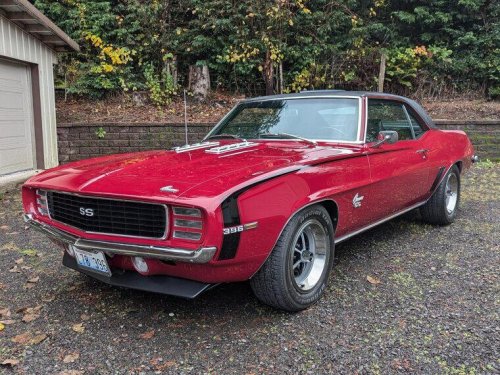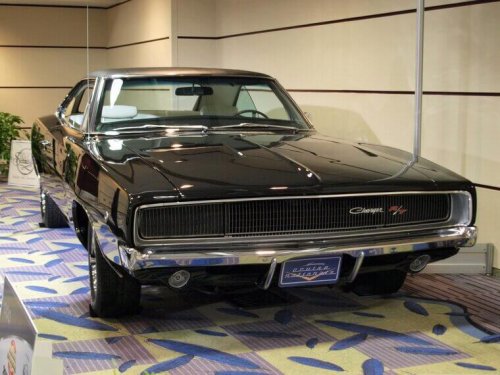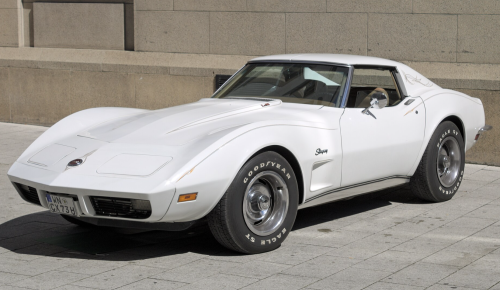



















These Used Muscle Cars Are Finally Getting Cheap Again — Here’s Where Buyers Have LeverageFor the first time in years, buyers are finally starting to regain control of the used muscle car market.That might sound impossible after the wild pandemic-era boom that sent prices on Mustangs, Camaros, Corvettes, Broncos, square-body trucks, and almost anything with a V8 through the roof. For a while, it felt like every auction result broke another record. Ordinary project cars suddenly carried premium pricing. Drivers that would have struggled to bring $20,000 a few years earlier were selling for double that without much resistance.More Stories Like ThisTeen Shot at Massachusetts Car Meet as Burning Stolen Car Full of Bullet Holes Sends Crowd RunningHellcat Murder Case Takes Dramatic Turn After Suspect Rejects Plea Deal in Deadly AirTag Tracking ConfrontationAdvertisementAdvertisementThat market is changing now.The shift is not happening evenly, and that is where things get interesting for buyers paying attention. Ultra-rare blue-chip collector cars are still bringing huge money. High-end Shelby models, pristine split-window Corvettes, Ferrari supercars, and low-production halo cars continue attracting wealthy collectors who are largely insulated from interest rates and economic pressure.But the middle of the market is softening in a very noticeable way.That includes many of the enthusiast-level muscle cars ordinary buyers actually shop for. Driver-quality Fox Body Mustangs, C3 Corvettes, square-body trucks, Monte Carlos, and non-specialty Camaros are no longer commanding the easy-money prices they saw during 2021 and 2022. Auction results, private listings, and market reports are all starting to point in the same direction.AdvertisementAdvertisementBuyers suddenly have leverage again.Recent auction trends have shown growing numbers of “Bid Goes On” results at major events like Mecum Indy, meaning vehicles failed to meet reserve and did not officially sell on the block. Hagerty’s broader market data has also reflected cooling momentum, with the collector market index reportedly down from its late-2022 highs.And honestly, this was probably inevitable.During the pandemic years, a massive amount of speculative money entered the collector car hobby. People were stuck at home, interest rates were low, stimulus money flowed through the economy, and social media turned collector cars into status symbols and “investments” almost overnight. Buyers who had never attended auctions before suddenly convinced themselves every old V8 was guaranteed to appreciate forever.AdvertisementAdvertisementThat mindset created a bubble in several parts of the market.Now financing costs are higher, inflation squeezed discretionary spending, and many buyers became far more selective. The average enthusiast shopping for a used Mustang or Corvette is not operating like the billionaire bidding on a Ferrari 250 GTO. Most buyers in the $25,000 to $75,000 range are watching monthly payments, insurance costs, and broader economic uncertainty much more carefully.That pressure is showing up everywhere.One of the biggest changes right now is how brutally the market punishes average-condition cars. During the peak frenzy, buyers overlooked questionable paint, rough interiors, poor restorations, and incomplete documentation simply because they feared prices would climb even higher if they waited.AdvertisementAdvertisementThat fear faded fast.Today, clean, highly original, low-mile cars still attract serious money while rougher drivers and unfinished projects sit longer than they used to. Buyers know restoration costs exploded over the past few years. Paint work alone can easily climb into five-figure territory. Machine shop labor, interior restoration, chrome work, and parts sourcing all became dramatically more expensive.That means buyers are no longer willing to overpay for projects the way they did two years ago.Fox Body Mustangs are a perfect example of this split. Truly clean, unmodified five-speed cars still generate strong interest because good original examples are getting harder to find. But heavily modified cars, rough automatics, and tired projects are not bringing the same excitement they once did.AdvertisementAdvertisementThe same thing is happening with C3 Corvettes.For years, nearly any chrome-bumper or late-70s Corvette seemed to attract attention simply because the market was hot. Now buyers are becoming much more selective about engine combinations, originality, documentation, and overall condition. Several driver-quality C3s recently struggled at auction despite sellers still pricing them like it was peak 2022.Square-body trucks have also cooled noticeably after becoming one of the hottest collector trends of the pandemic era. During the boom, clean K10s, Blazers, and lifted trucks exploded in value as buyers rushed to capitalize on nostalgia and internet hype. Some still bring strong money, especially highly restored or exceptionally original examples, but average builds are no longer moving effortlessly.And honestly, that cooling may create opportunity.AdvertisementAdvertisementFor enthusiasts who missed the earlier boom, the current market feels far healthier than the chaos of a few years ago. Buyers can negotiate again. Private sellers are increasingly realistic. Auction no-sales create post-block opportunities where sellers may accept significantly less after failing to hit reserve.That is where smart buyers are finding deals.Related IncidentsClassic Car Buyers Lose Thousands After Scammers Hijack Real Auto Shops in Multi-State Fraud SchemeStellantis’ Stunning Comeback: Hemi V8 Demand Helps Reverse $26 Billion Collapse as Massive Cost Cuts BeginThe Real Story Behind a 1966 Mustang Running Tesla Full Self-Driving and Why It’s Exposing a Major Industry StandoffThe key right now is knowing where the leverage actually exists. Driver-quality enthusiast cars are softening the fastest, especially those with questionable modifications, incomplete histories, or cosmetic needs. Sellers who bought near peak pricing often remain emotionally attached to old values, but many are quietly learning the market changed underneath them.AdvertisementAdvertisementAt the same time, buyers still need to stay disciplined.Not every cheap muscle car automatically becomes a bargain. Some vehicles are softening because restoration costs simply outweigh their long-term value potential. A rough project Corvette or rusty Mustang can quickly become financially overwhelming once bodywork, driveline repairs, paint, and interior restoration enter the equation.That detail matters more now than it did during the boom years.The smartest buyers today are targeting the best-condition cars they can reasonably afford rather than chasing rough projects because they appear cheap upfront. Documentation, originality, rust-free bodies, and clean ownership history all matter far more in a cooling market.AdvertisementAdvertisementAnd there is another reason buyers suddenly have more breathing room.The emotional frenzy that drove pandemic-era buying is fading. Enthusiasts are starting to think rationally again instead of panic-buying out of fear they would never afford their dream car later. That shift changes everything because collector markets run heavily on emotion.When excitement cools, reality comes back fast.That does not mean the muscle car market is collapsing entirely. Great cars will always have buyers, and truly special vehicles still command strong prices. But for the first time in several years, ordinary enthusiasts shopping for used American performance cars are no longer competing against runaway hype and irrational bidding wars everywhere they look.AdvertisementAdvertisementAnd for buyers patient enough to wait out the chaos, that may end up being the best thing that could have happened to the hobby.Continue reading: This Automotive Segment is Crashing, and No One Will Admit It But UsJoin our Newsletter, follow our Instagram page, and connect with us on Facebook.