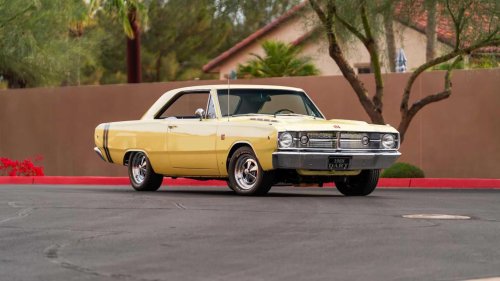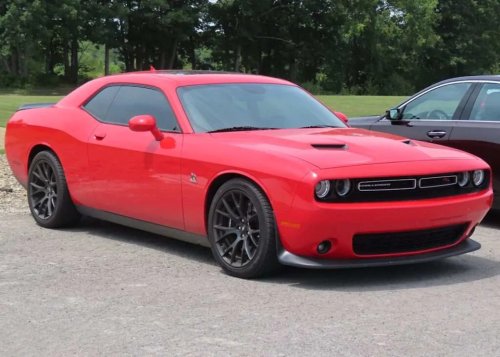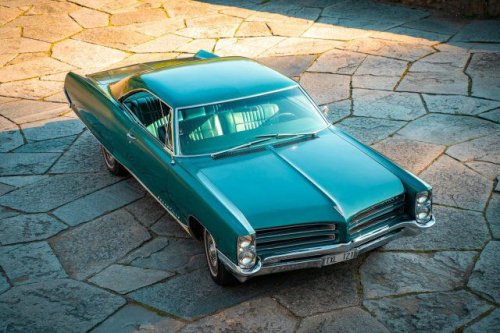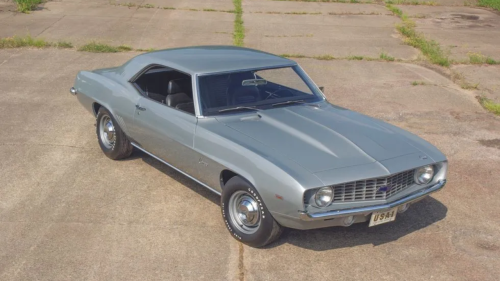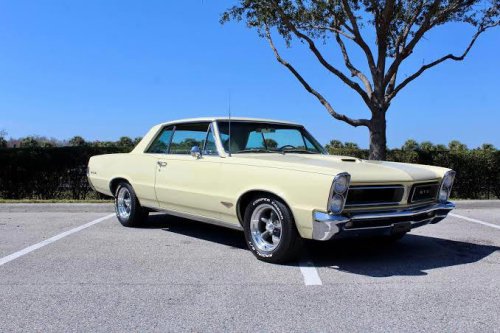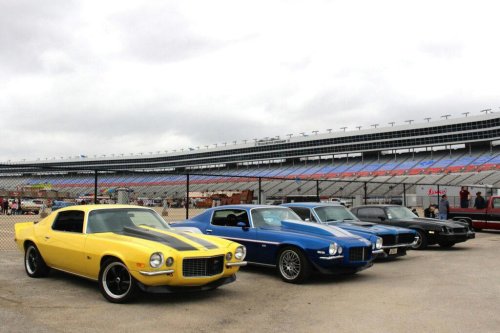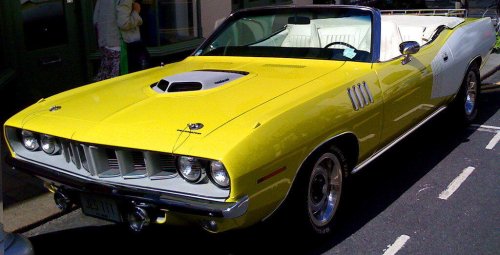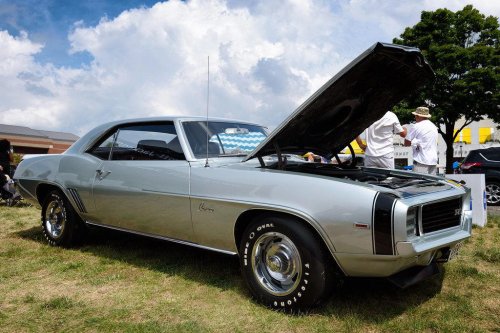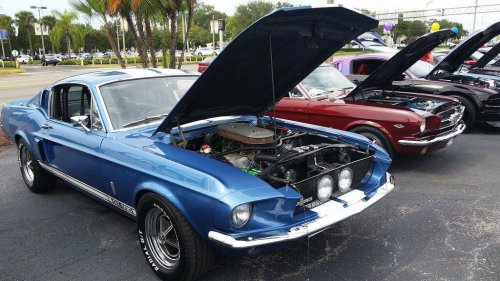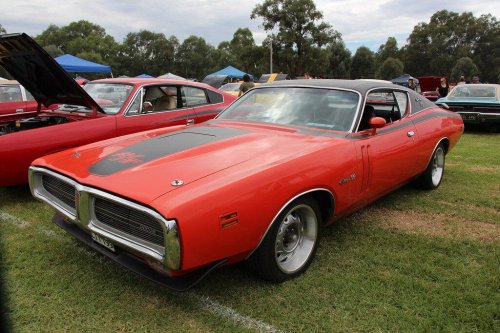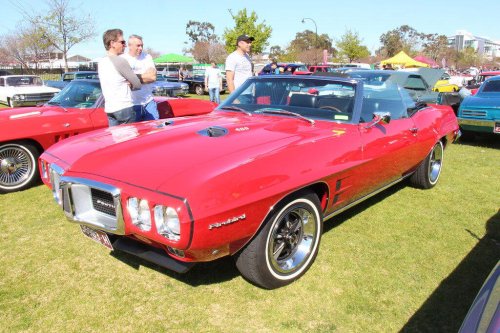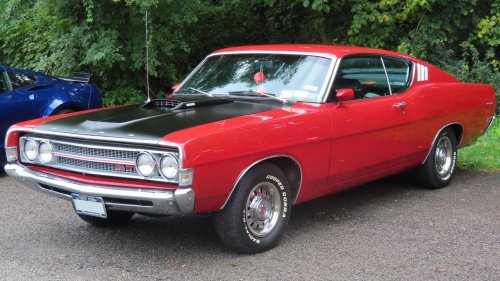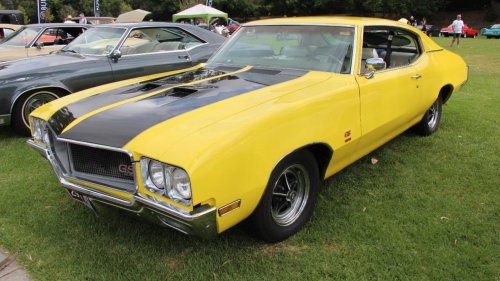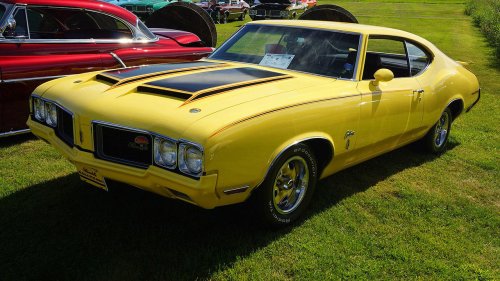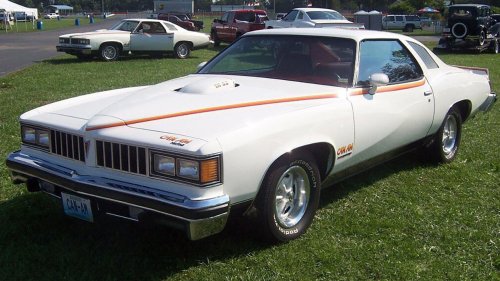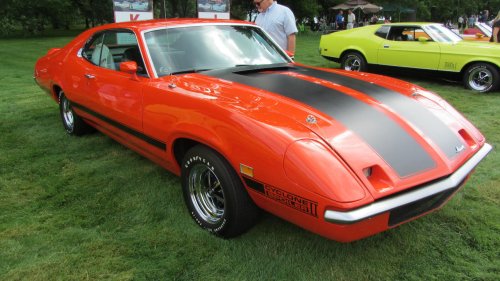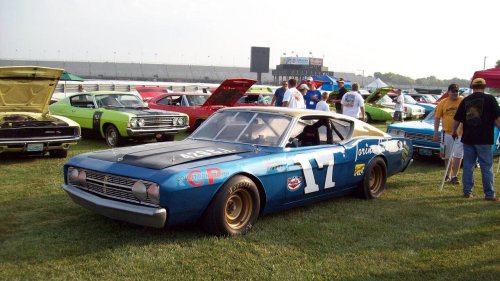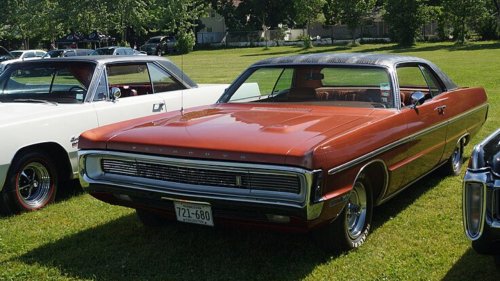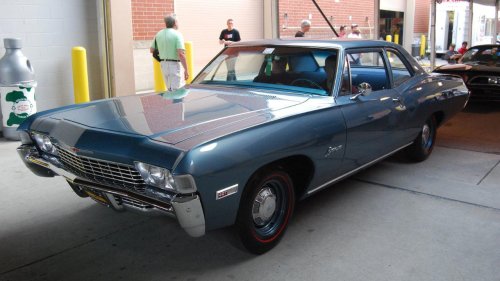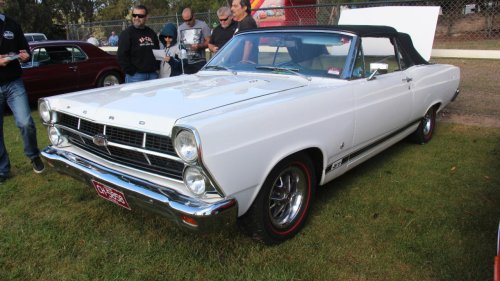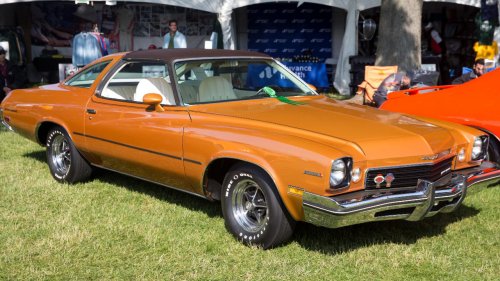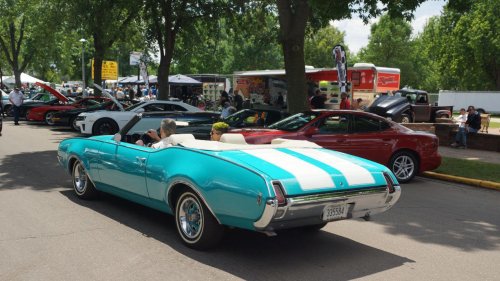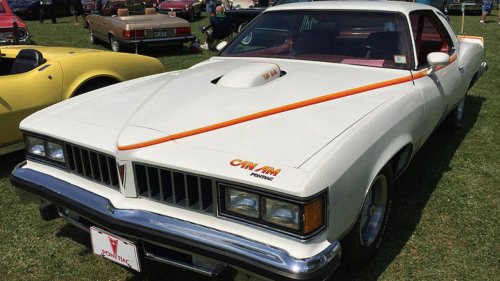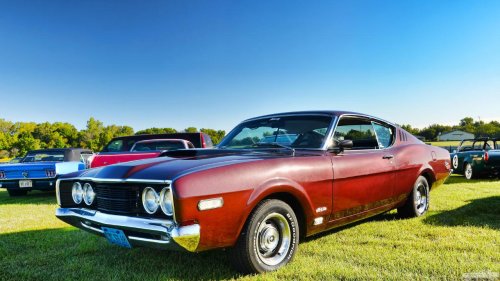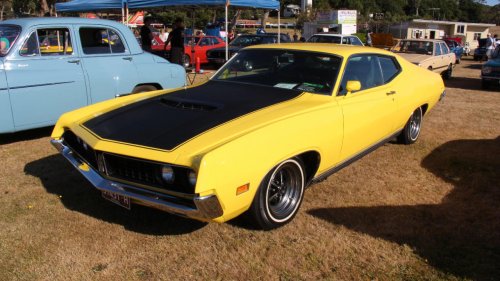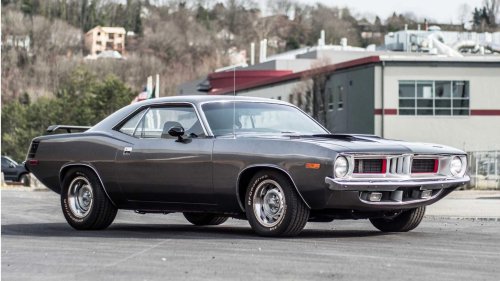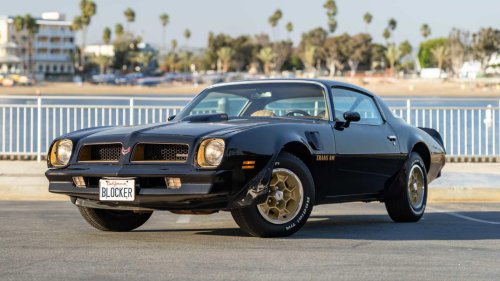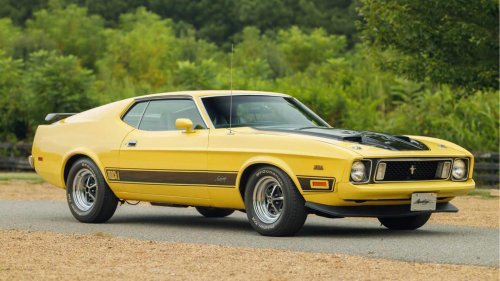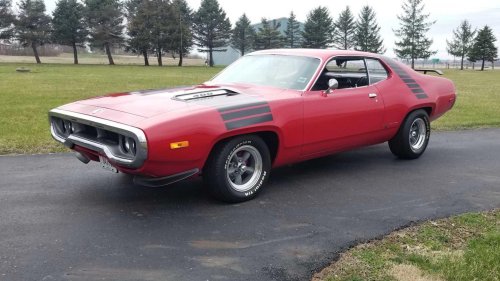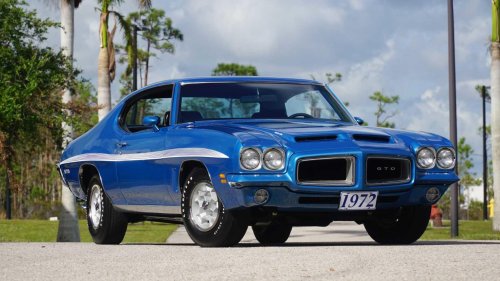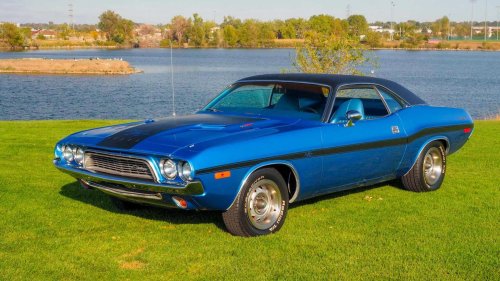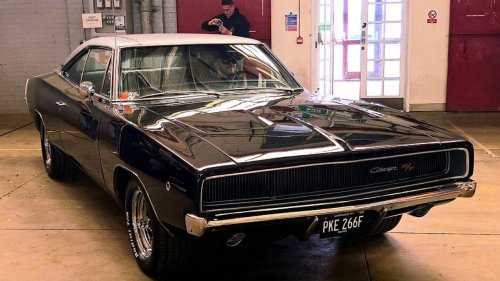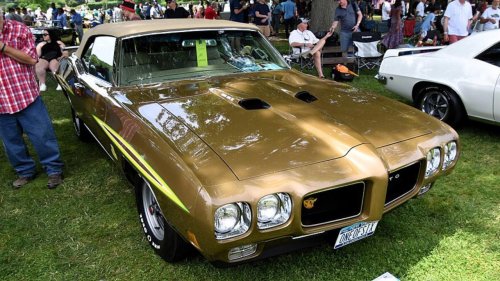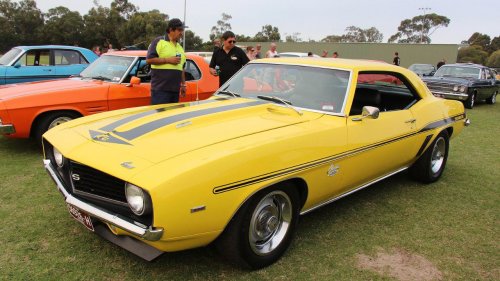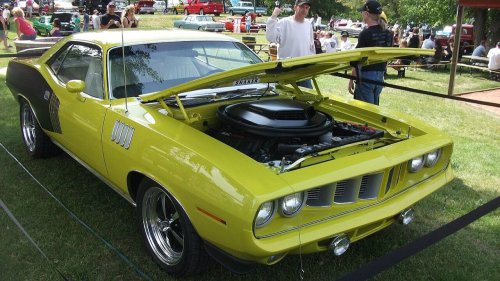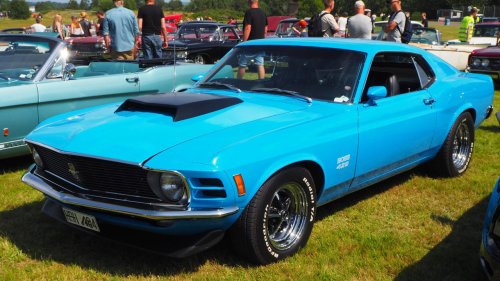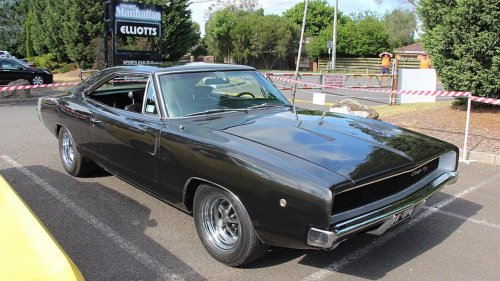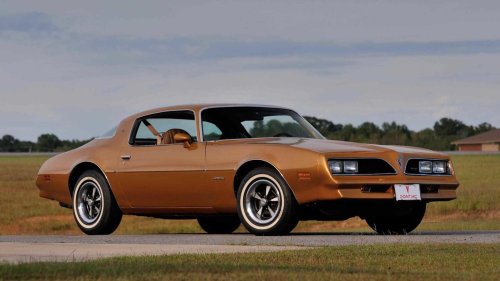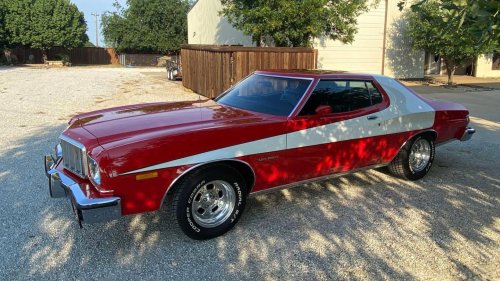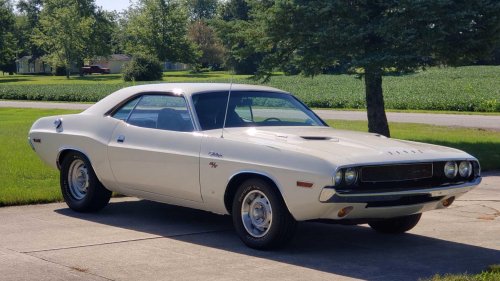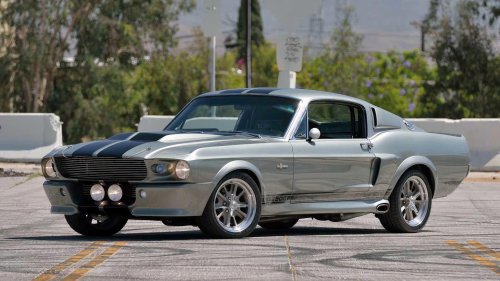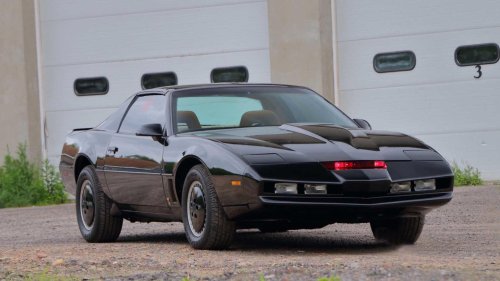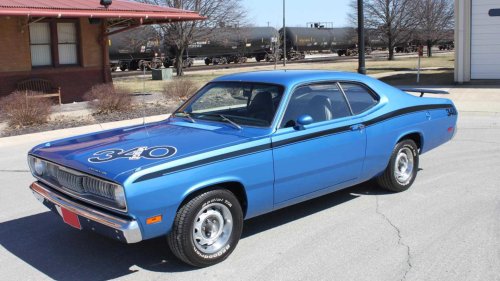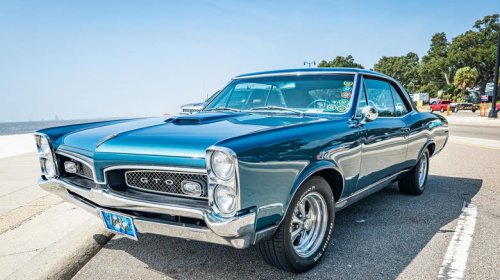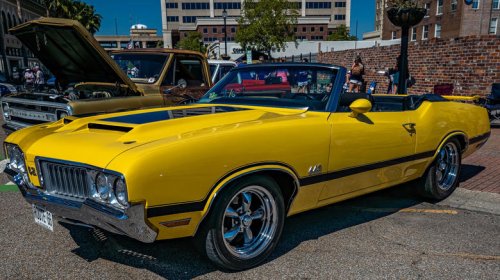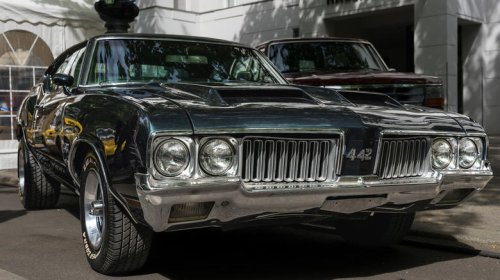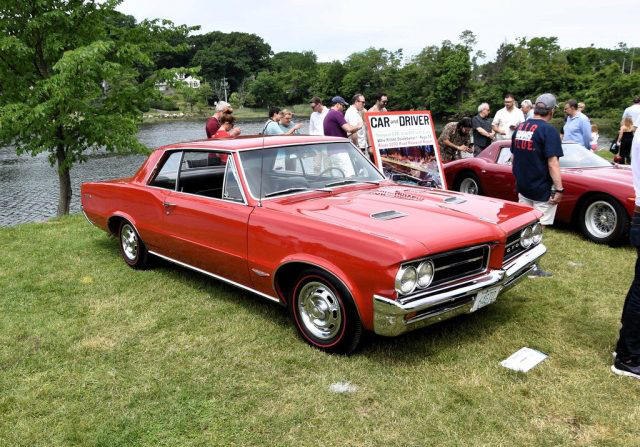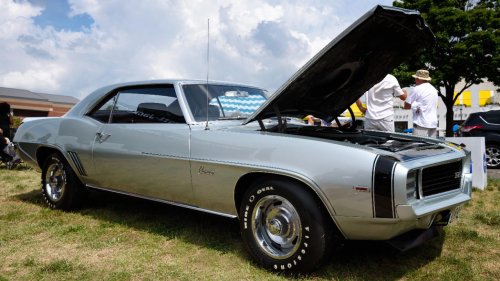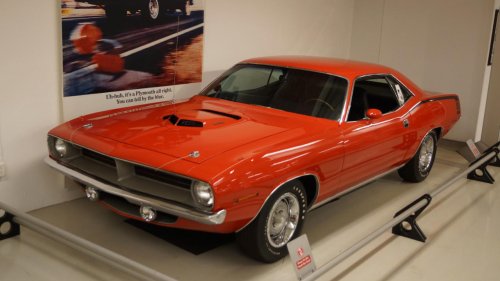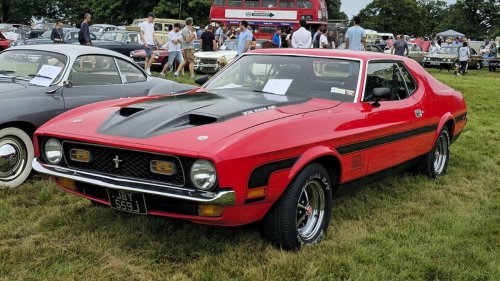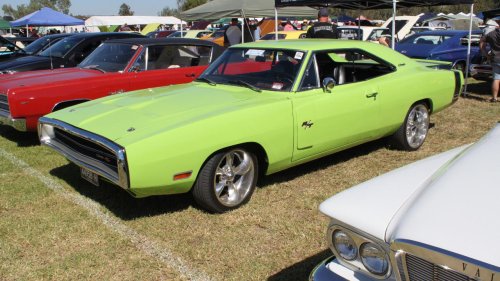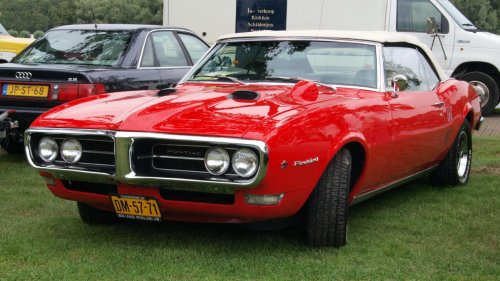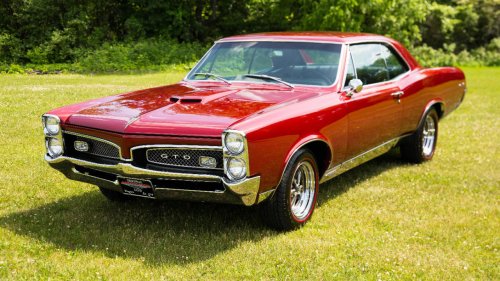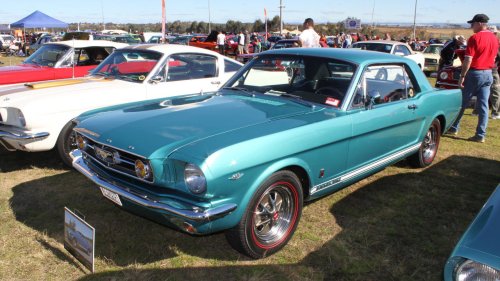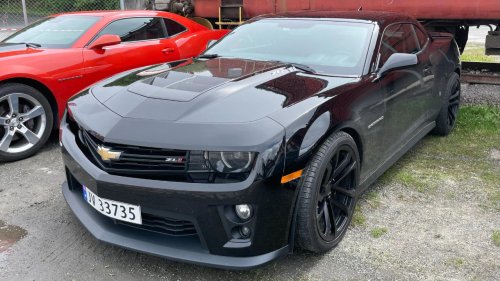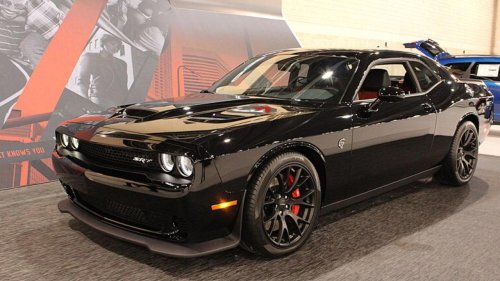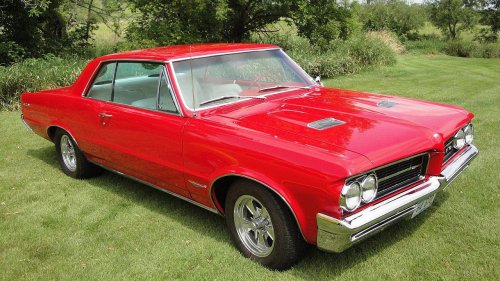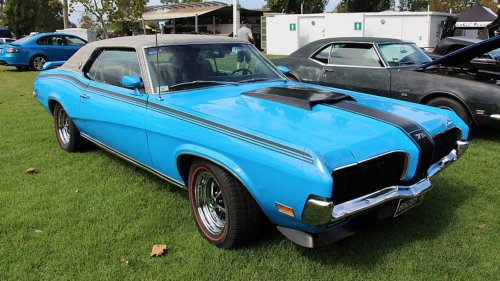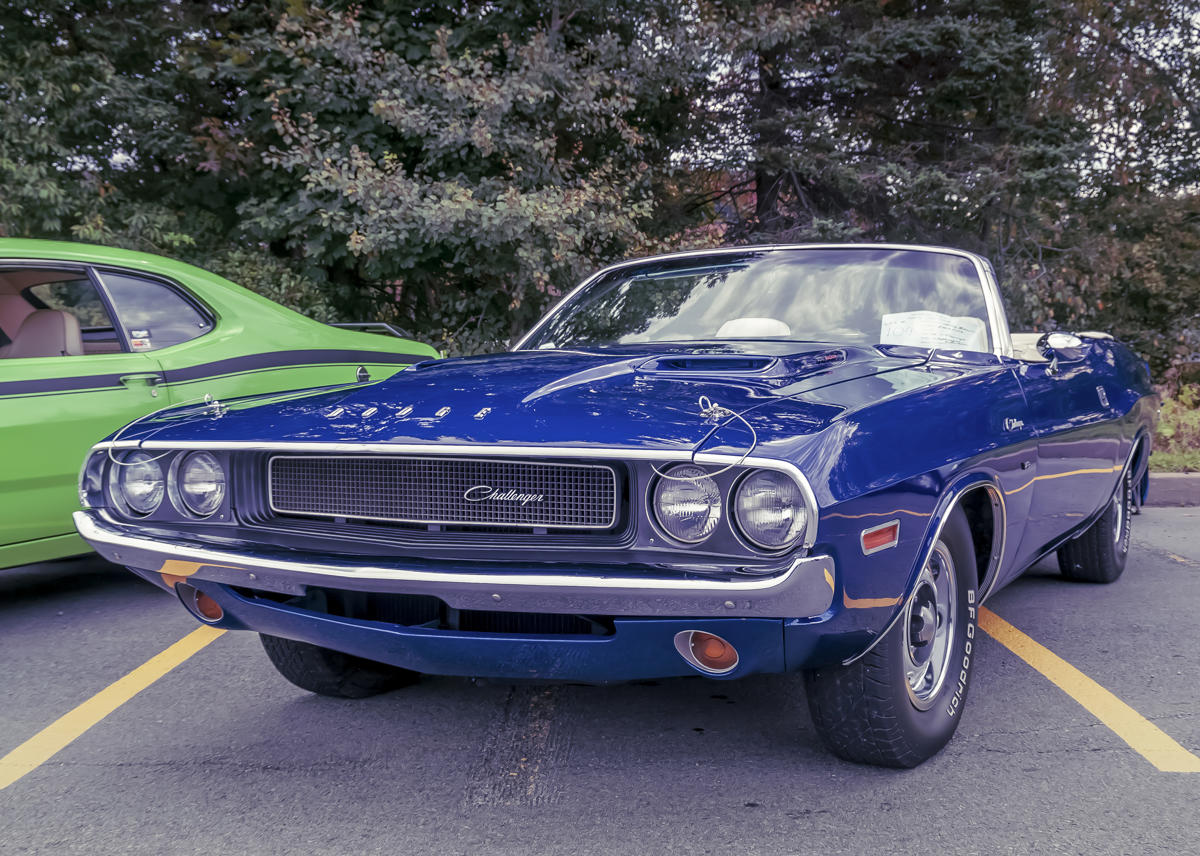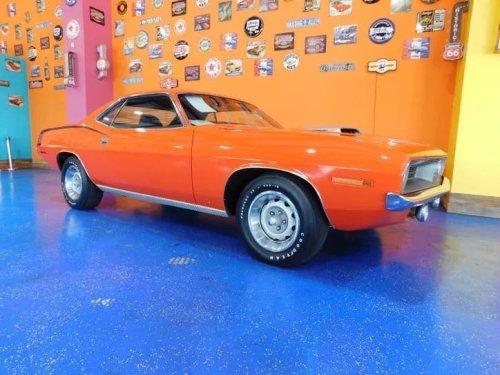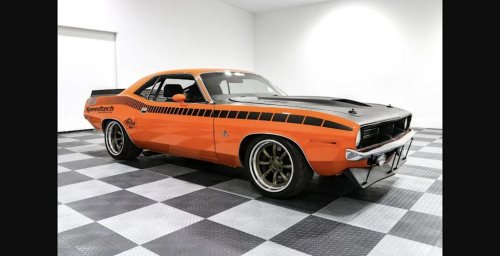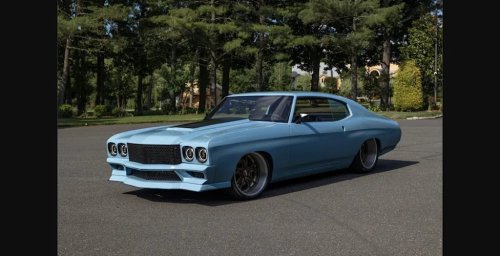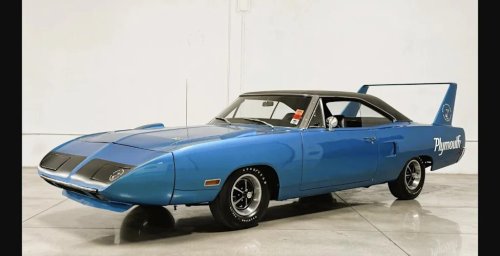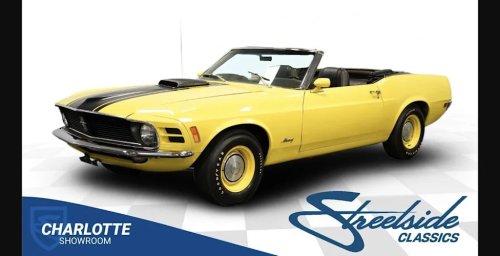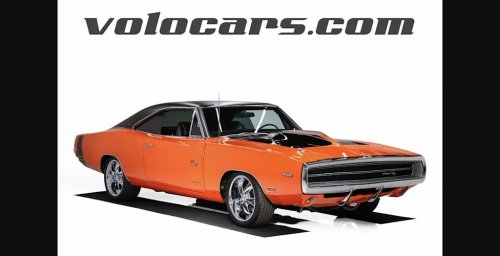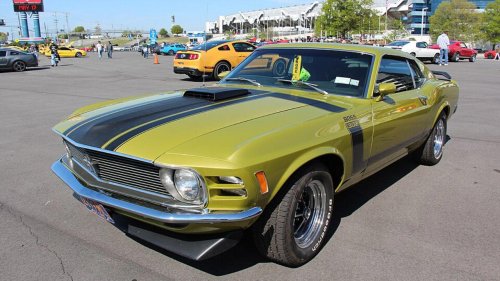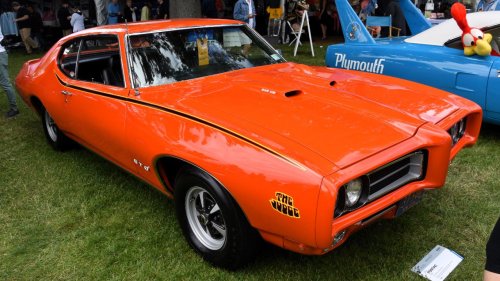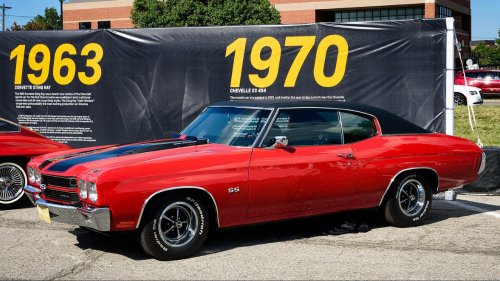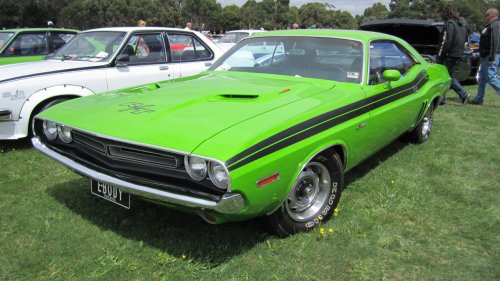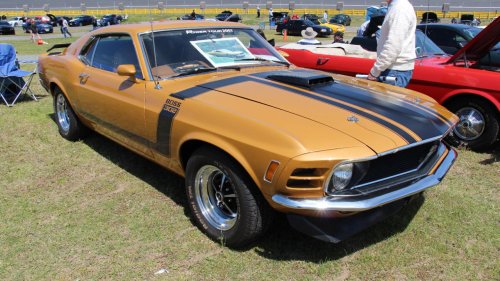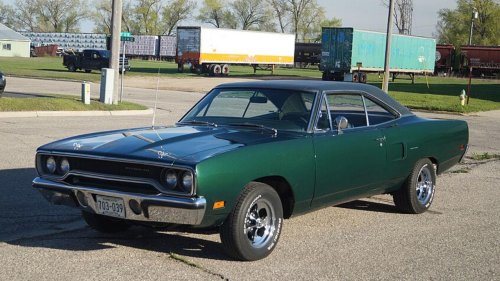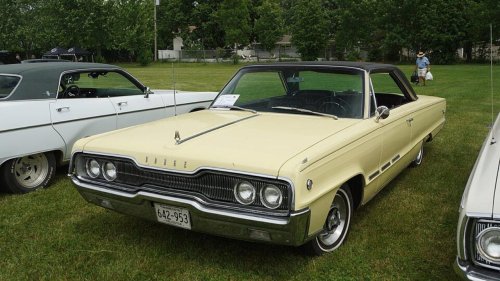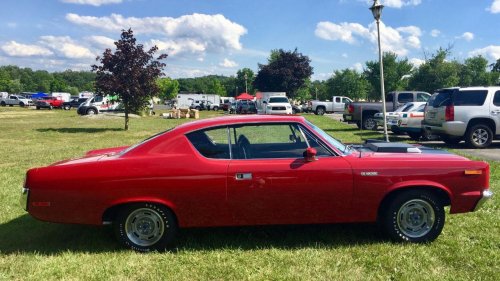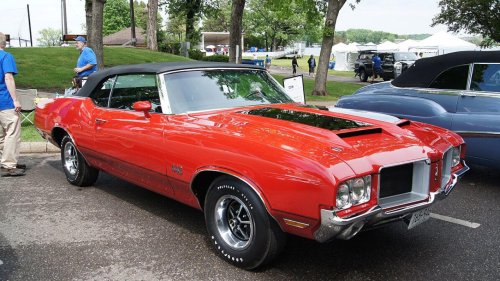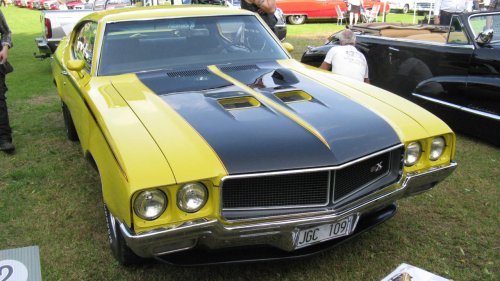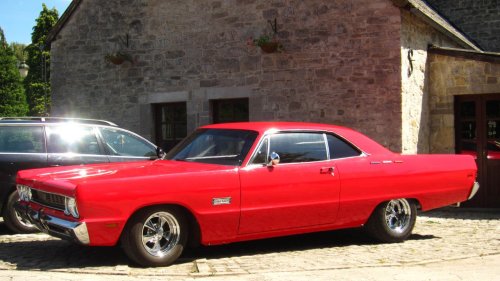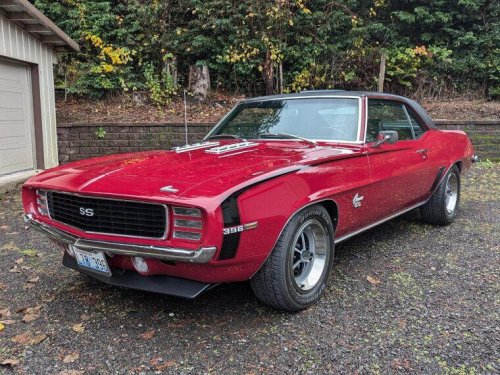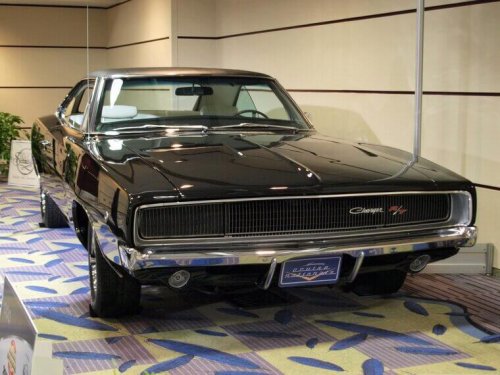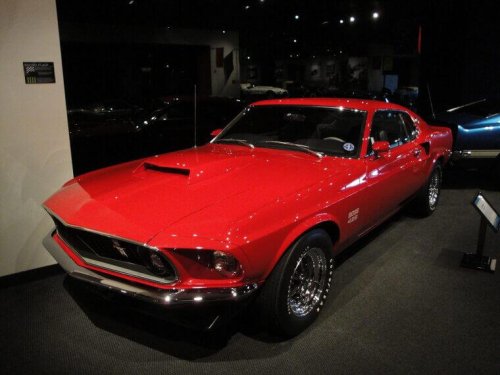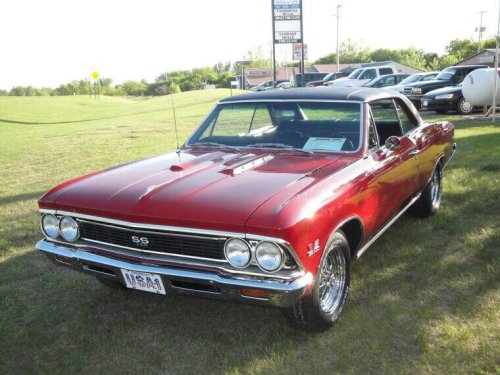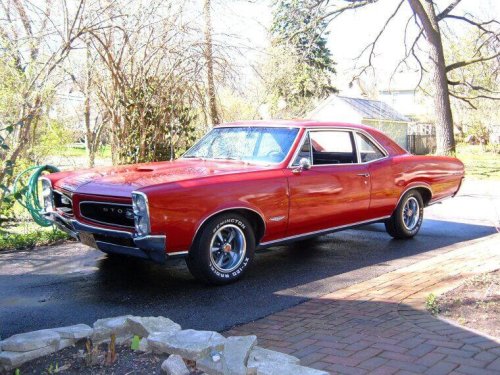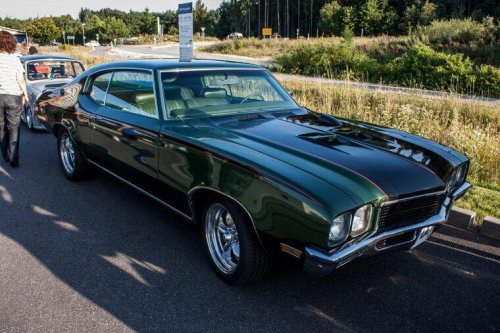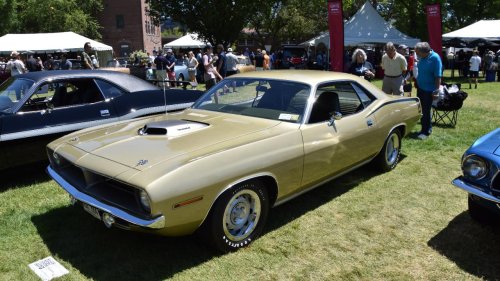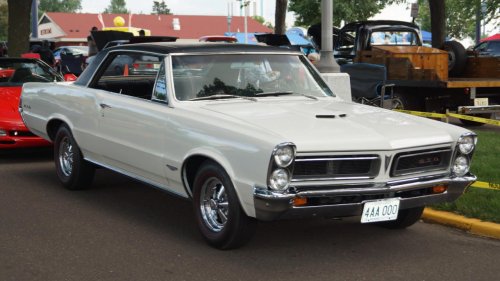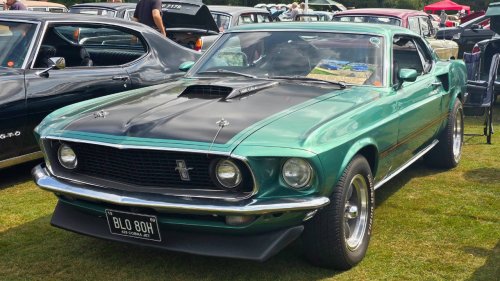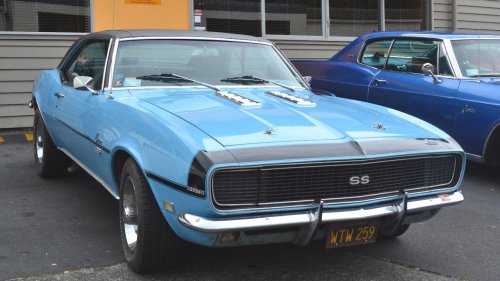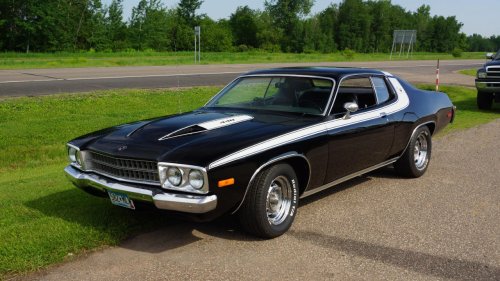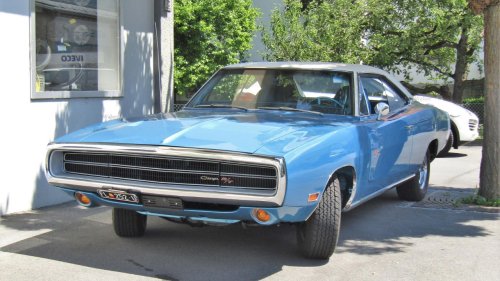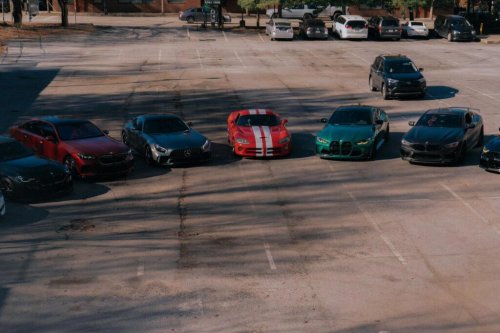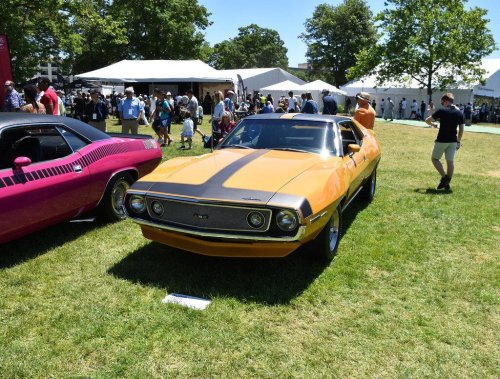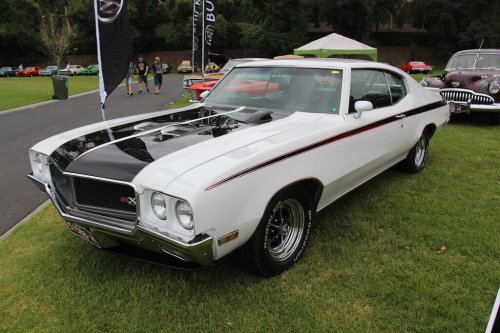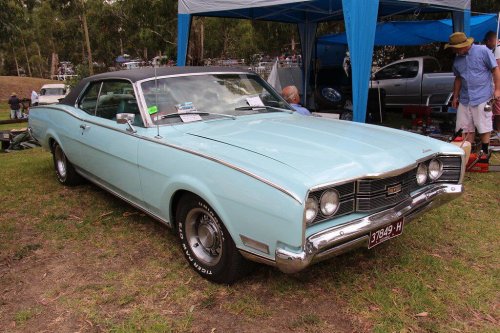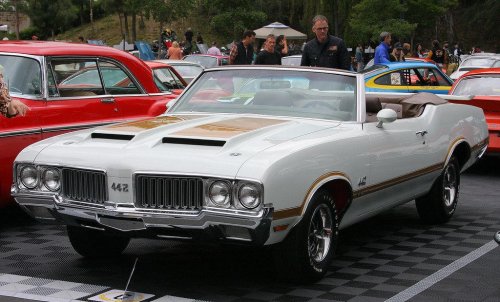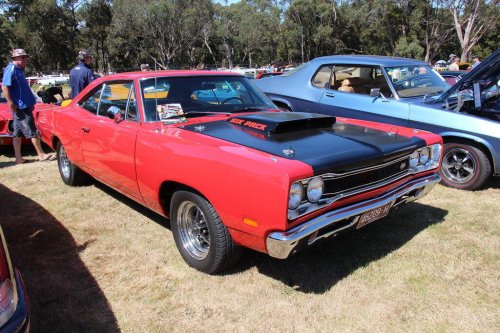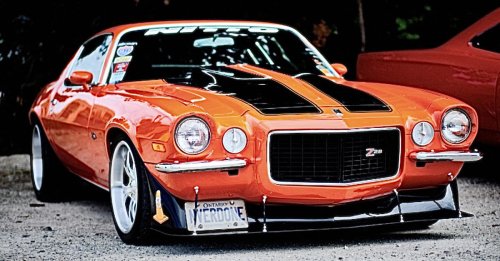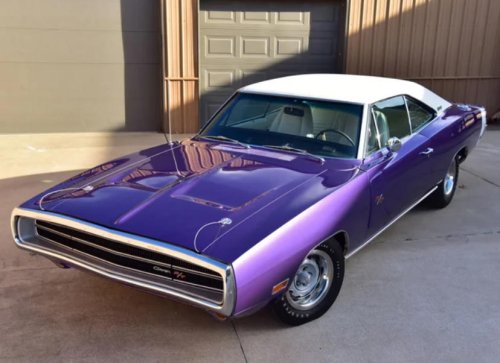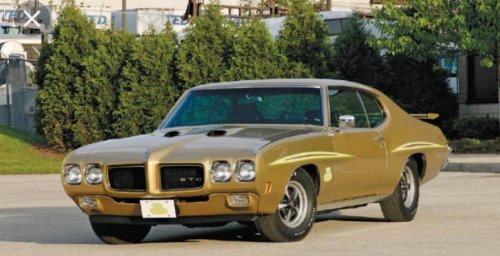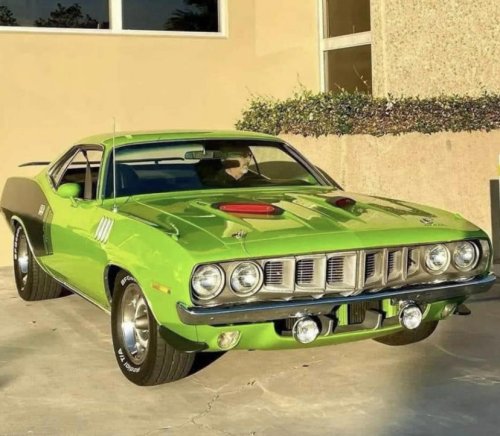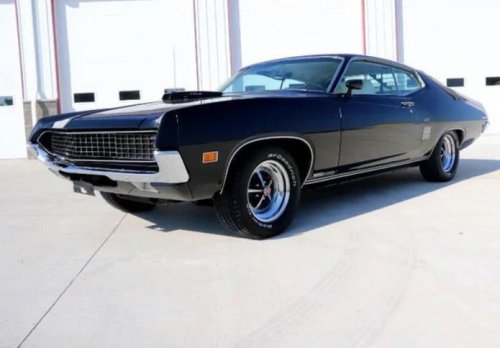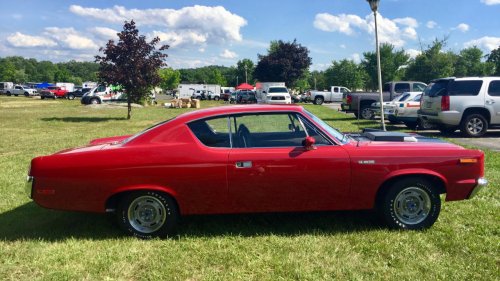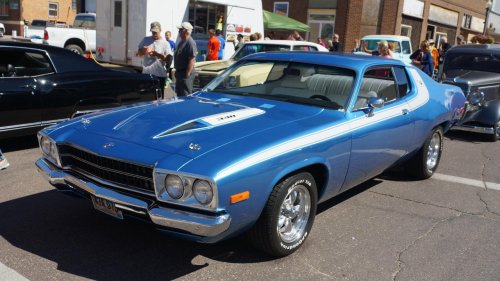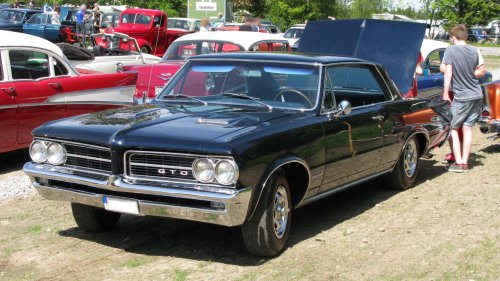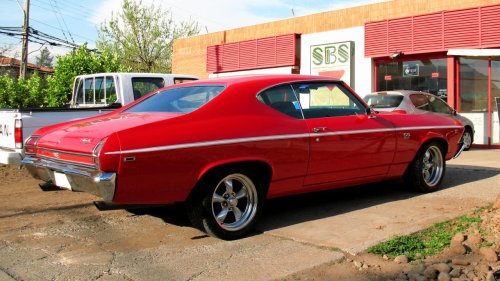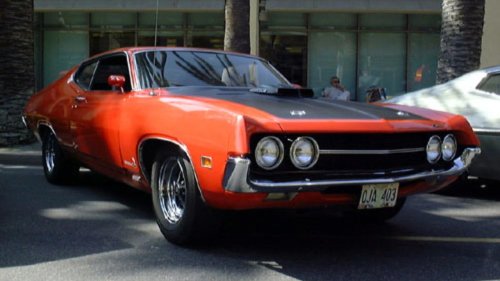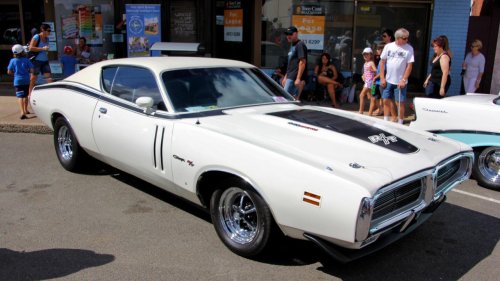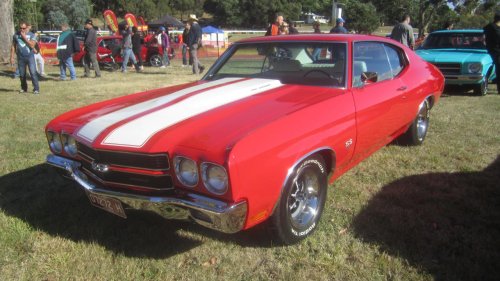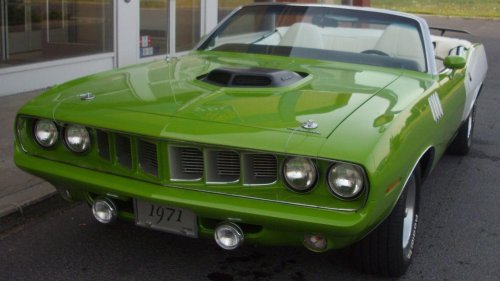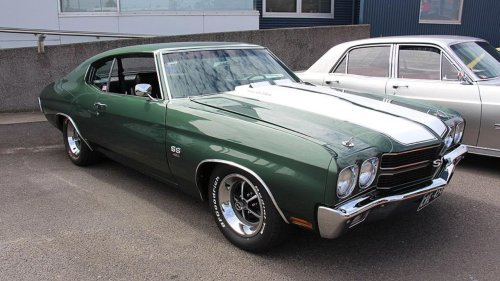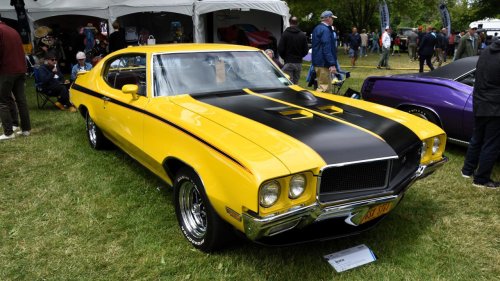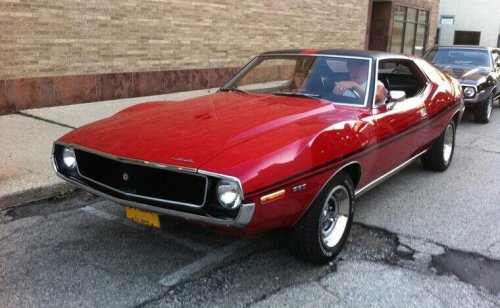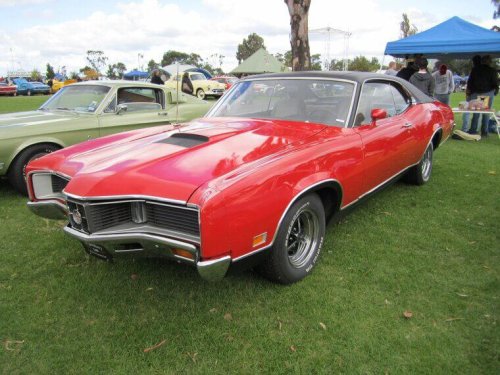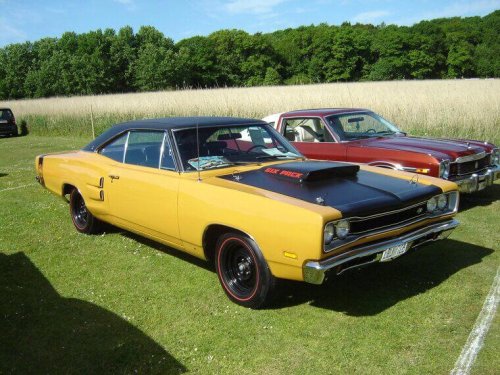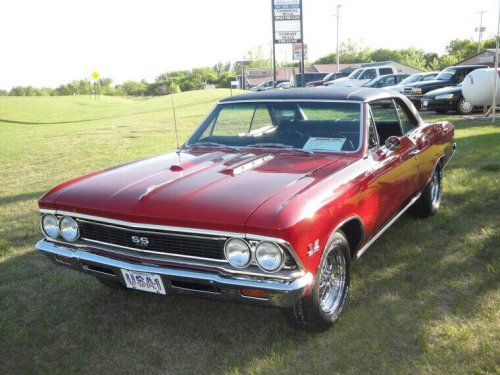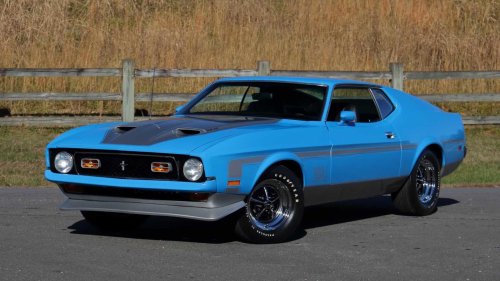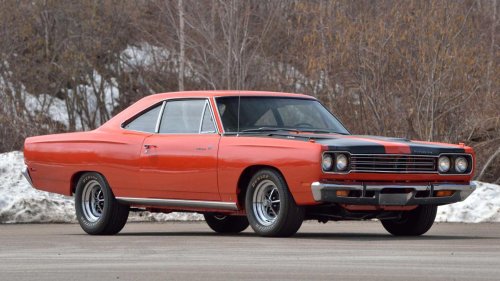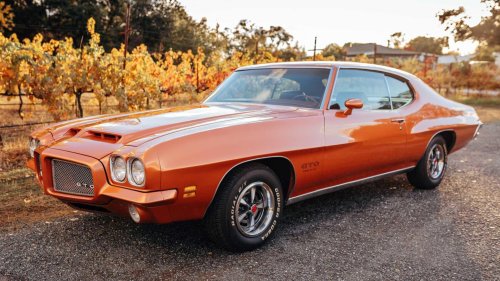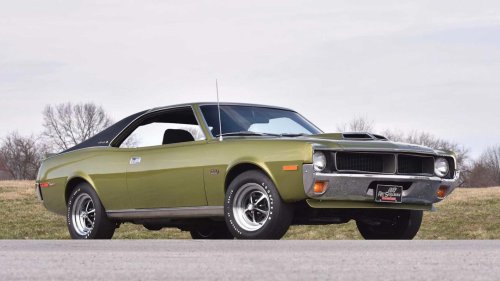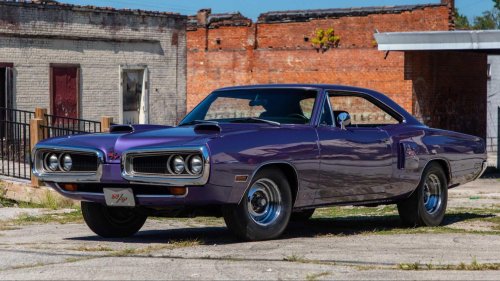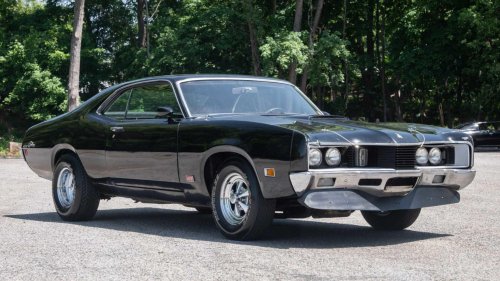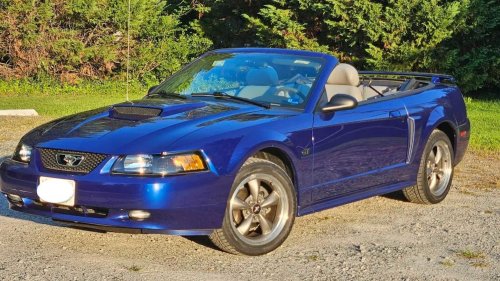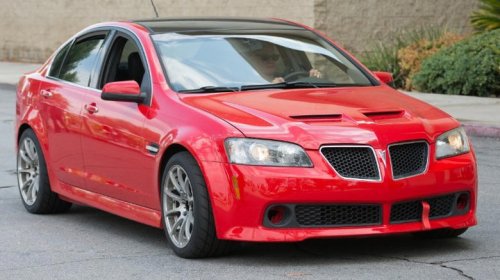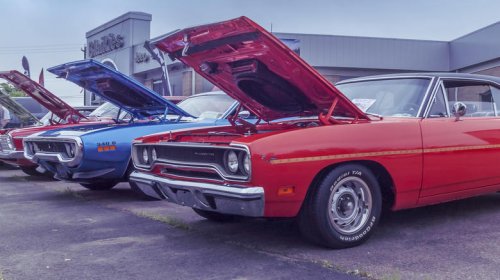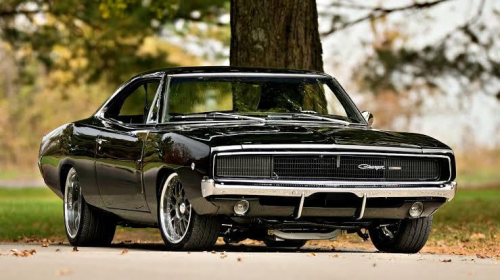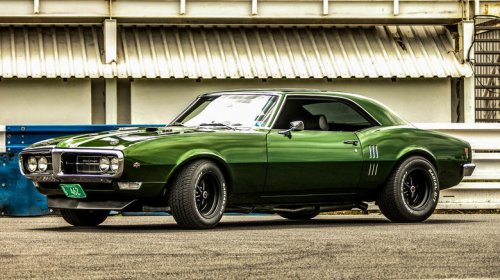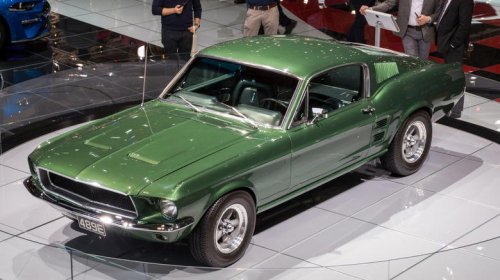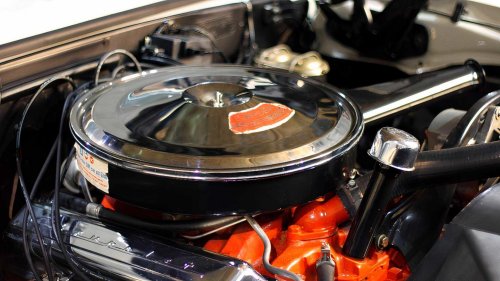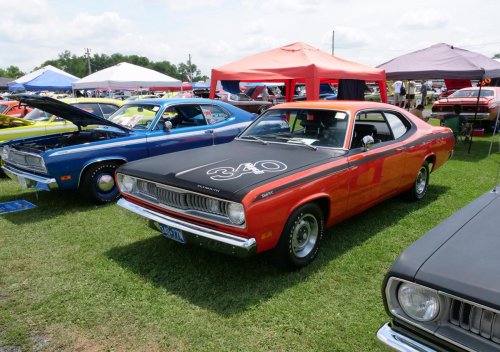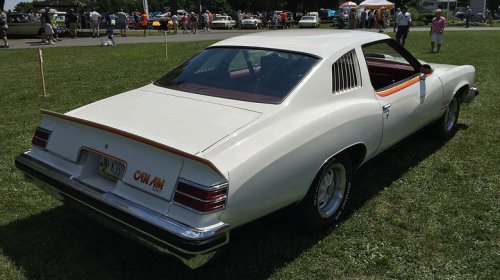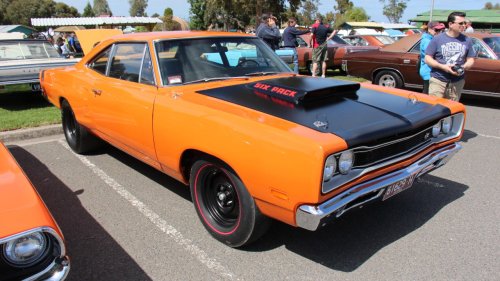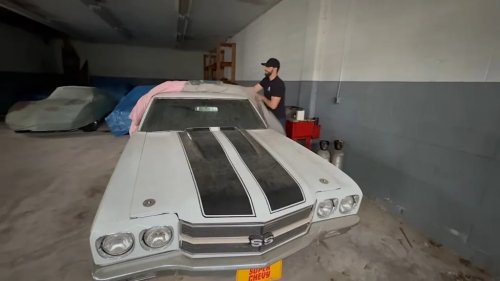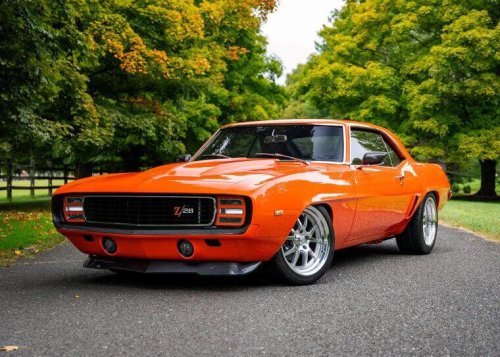
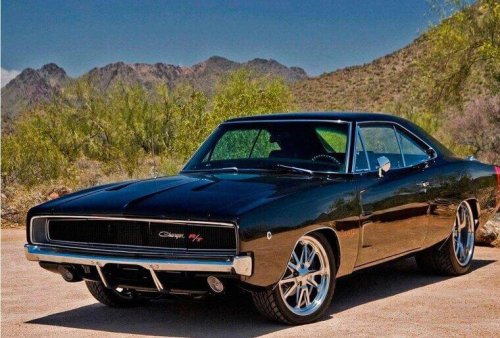
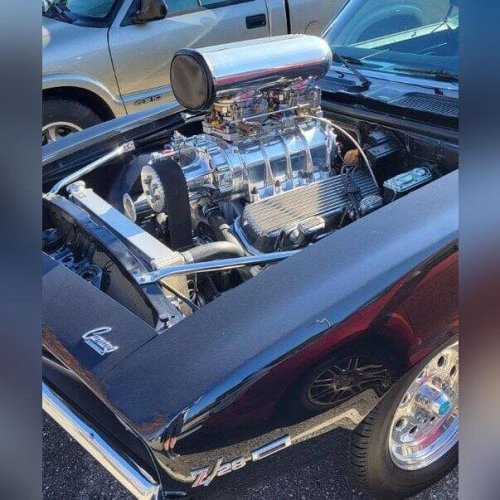
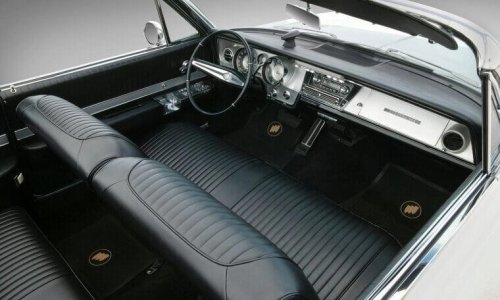
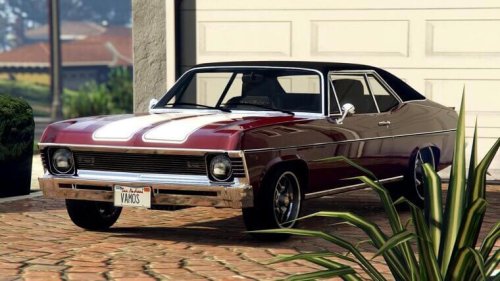
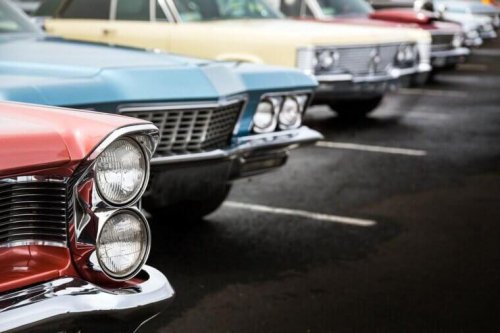
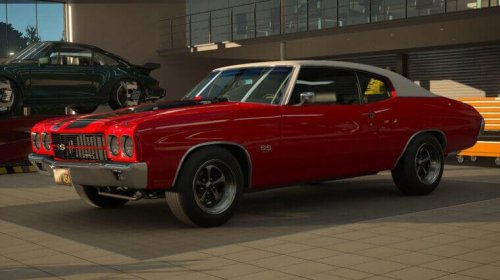


















The 1969 Camaro SS Turns HeadsFew silhouettes command a parking lot like a 1969 Camaro SS. The cowl-induction hood, the hips flaring over rear tires, the SS badge glinting under sodium lights — it all added up to a car that looked fast standing still. Chevrolet built it for a generation that wanted attention, not just transportation. Under the hood, a 396 big-block roared with enough torque to snap necks at a stoplight. Owners didn't baby these cars; they drove them loud and proud, windows down, radio cranked. Even decades later, spotting one at a car show stops conversations mid-sentence. That's the kind of presence no modern crossover will ever replicate.Pontiac GTO Ruled the BoulevardAsk any gearhead from the sixties who ruled the strip, and the Pontiac GTO name comes up fast. Nicknamed 'The Goat,' it practically invented the muscle car formula by stuffing a massive engine into a mid-size body. Teenagers saved paper-route money dreaming of one. On weekend nights, GTOs lined up bumper to bumper along the boulevard, engines idling with a menacing burble that promised trouble. The dual hood scoops and twin exhaust tips weren't just for looks — they backed up every bit of swagger. Pontiac marketed it as the ultimate driving machine before that phrase belonged to anyone else. It earned every ounce of its legend.Dodge Charger and That Iconic RumbleThere's a rumble only a Dodge Charger makes, and once you've heard it, you never forget it. That deep, uneven idle at a red light sends a signal: something powerful is waiting to be unleashed. The Charger's fastback roofline and hidden headlights gave it a sinister edge that TV and movies later immortalized. Back then, though, it was simply the car every rebellious teenager wanted parked in the driveway. Slide behind the wheel, drop it into gear, and the exhaust note changes from menacing purr to full-throated roar. Neighbors knew when a Charger rolled through, whether they liked it or not.Plymouth Barracuda Turned Heads DowntownDowntown streets buzzed differently when a Plymouth Barracuda rolled through. Its wide rear window and sleek fastback shape made it stand out among boxier competitors of its era. Plymouth built the Barracuda to be sporty yet approachable, which meant it attracted both drag racers and daily commuters looking for flair. The 'Cuda variant cranked things up with serious horsepower, but even base models carried themselves with confidence. Bright paint colors like Vitamin C Orange or Lemon Twist made sure nobody missed it rolling by. On a Saturday night, spotting a Barracuda parked outside the local hangout meant something exciting was happening nearby.Big V8 Engines Under the HoodNothing defined this era quite like the engines hiding beneath those long hoods. Big-block V8s weren't subtle; they announced themselves through vibration, sound, and raw power delivery. A 440, a 426 Hemi, a 429 Cobra Jet — numbers that still make enthusiasts speak with reverence decades later. These engines weren't built for efficiency or quiet commuting. They existed purely for acceleration, torque, and the thrill of flooring the pedal on an open stretch of road. Mechanics of the time became local celebrities if they could coax extra horsepower out of a stock setup. Under every muscle car hood sat a promise: press harder, go faster, feel everything.Bench Seats Made for Cruising CouplesBefore bucket seats became standard, wide bench seats ruled muscle car interiors, and they served a very specific purpose. Cruising with a date meant sliding across vinyl upholstery, arm resting behind shoulders, no console dividing the front seat. It was intimate by design, built for couples who wanted closeness during long drives to nowhere in particular. Manufacturers knew their audience — young drivers looking for romance as much as speed. Bench seats also made it easy to fit three across for a group outing to the drive-in. Comfort mattered, but connection mattered more, and these seats delivered both in equal measure.Drive-In Theaters and Muscle CarsDrive-in theaters and muscle cars belonged together like popcorn and butter. Rows of Chargers, Camaros, and GTOs would pull in just as the sun dipped below the horizon, engines ticking as they cooled. Teenagers piled out to grab snacks before settling in for a double feature, often paying more attention to each other than the screen. The parking lot itself became a social hub, a place to admire someone's fresh paint job or compare engine specs between showings. Speakers hooked onto rolled-down windows, and the hum of idling V8s occasionally interrupted movie dialogue. It was community, romance, and horsepower rolled into one unforgettable evening ritual.Racing Stripes That Meant BusinessPainted stripes running from hood to trunk weren't just cosmetic flourishes — they signaled intent. A car wearing bold racing stripes told onlookers that its owner meant business, whether at a stoplight drag race or a Sunday car show. Manufacturers offered various stripe packages, from subtle pinstripes to wide, contrasting bands that practically shouted for attention. Some stripes even mimicked actual race car liveries, borrowing credibility from the track. Applying them correctly required precision, and factory workers took pride in getting every line straight. Decades later, those stripes remain instantly recognizable symbols of an era when cars wore their personality on the outside.Cruising Main Street on a SaturdayMain Street transformed every Saturday night into something between a parade and a competition. Cars crawled bumper to bumper, engines revving just enough to announce their presence without breaking any actual rules. Teenagers leaned out windows to chat with friends in neighboring cars, while others circled the block multiple times just to be seen. Local diners and drive-ins served as unofficial checkpoints, places to park and compare notes on who had the loudest exhaust or shiniest paint. It wasn't about destination; it was about the ritual itself. That slow, deliberate cruise created memories that outlasted the cars themselves by decades.Vinyl Roofs and Bold ColorsVinyl roofs added a touch of formal elegance to otherwise aggressive muscle car designs, creating an interesting contrast between refinement and raw power. Textured black or white vinyl stretched over steel roofs gave cars a two-tone appearance without complicated paint jobs. Combine that with bold factory colors like Plum Crazy Purple or Grabber Blue, and these cars became rolling statements impossible to ignore. Manufacturers understood that personality sold cars just as much as horsepower did. Choosing the right color and roof combination became a personal expression, almost like picking an outfit for a big night out. Style mattered as much as speed back then.