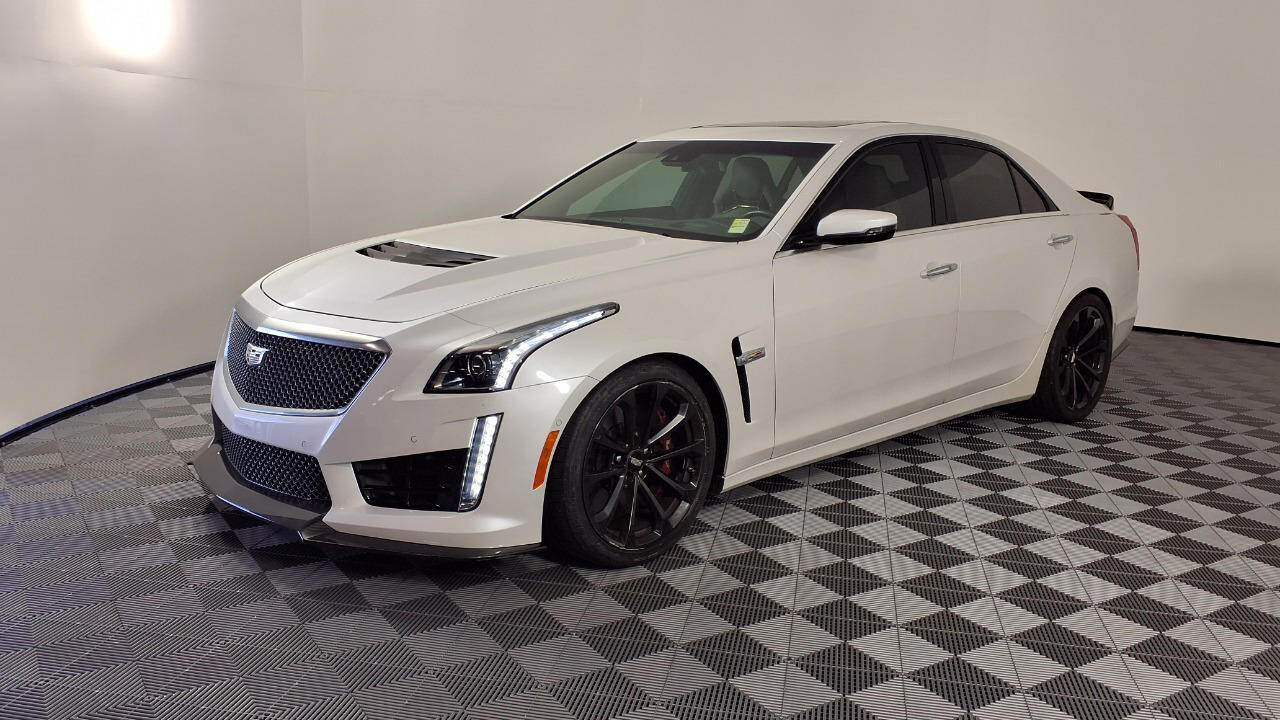
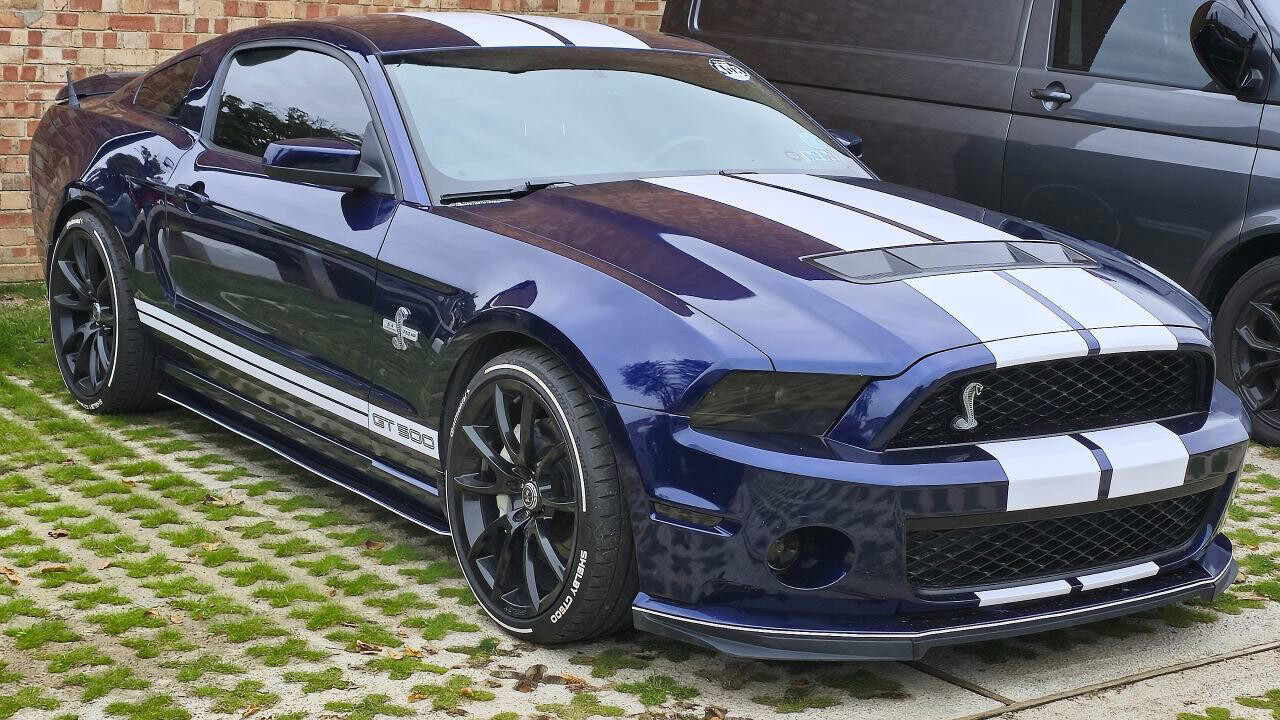
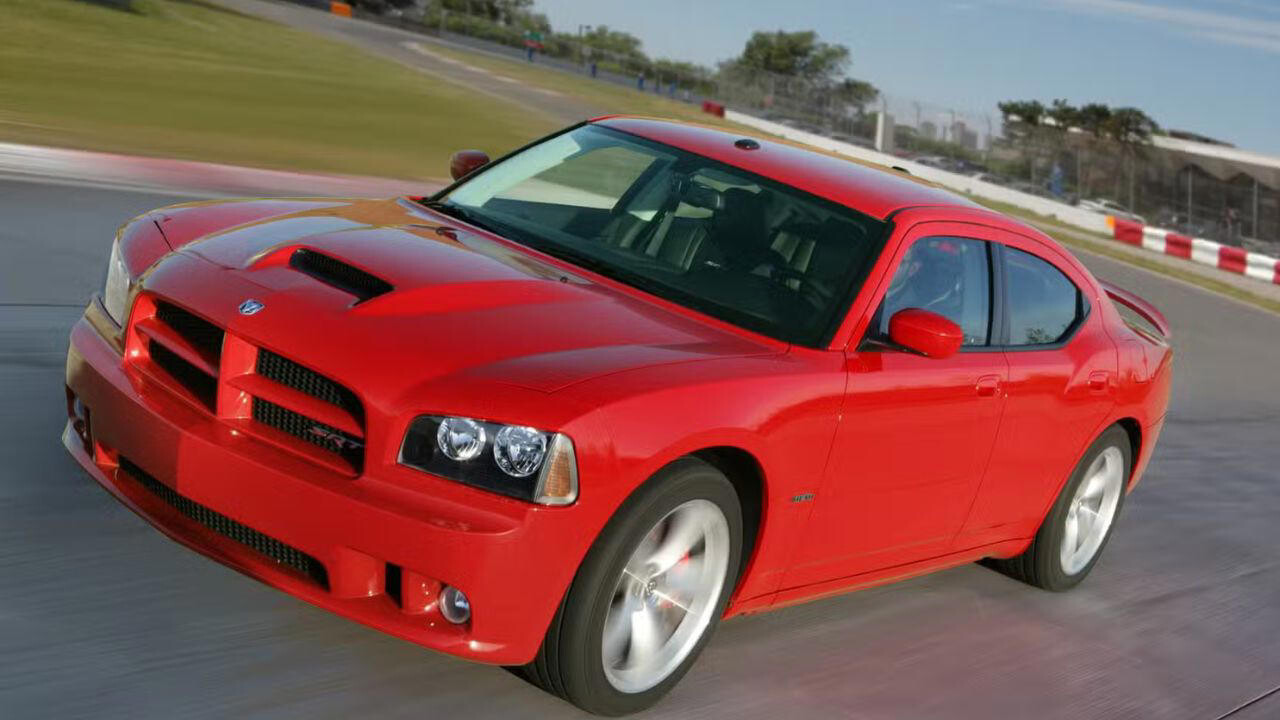
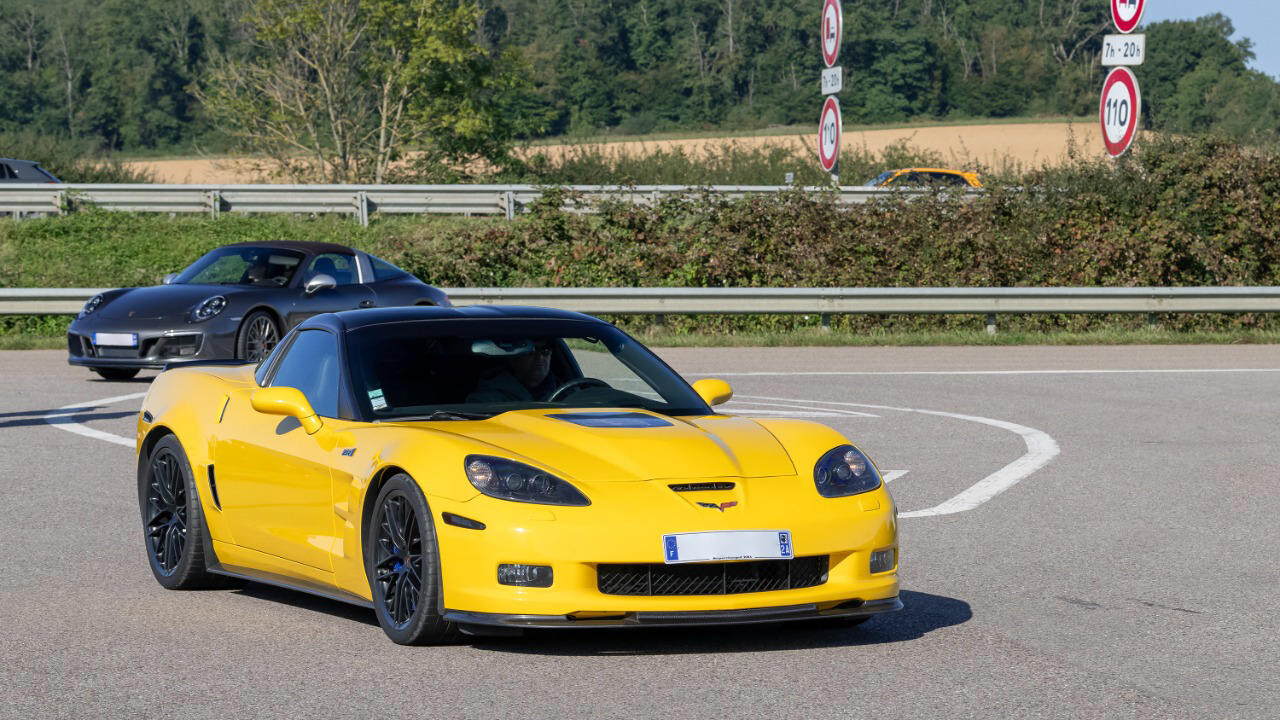
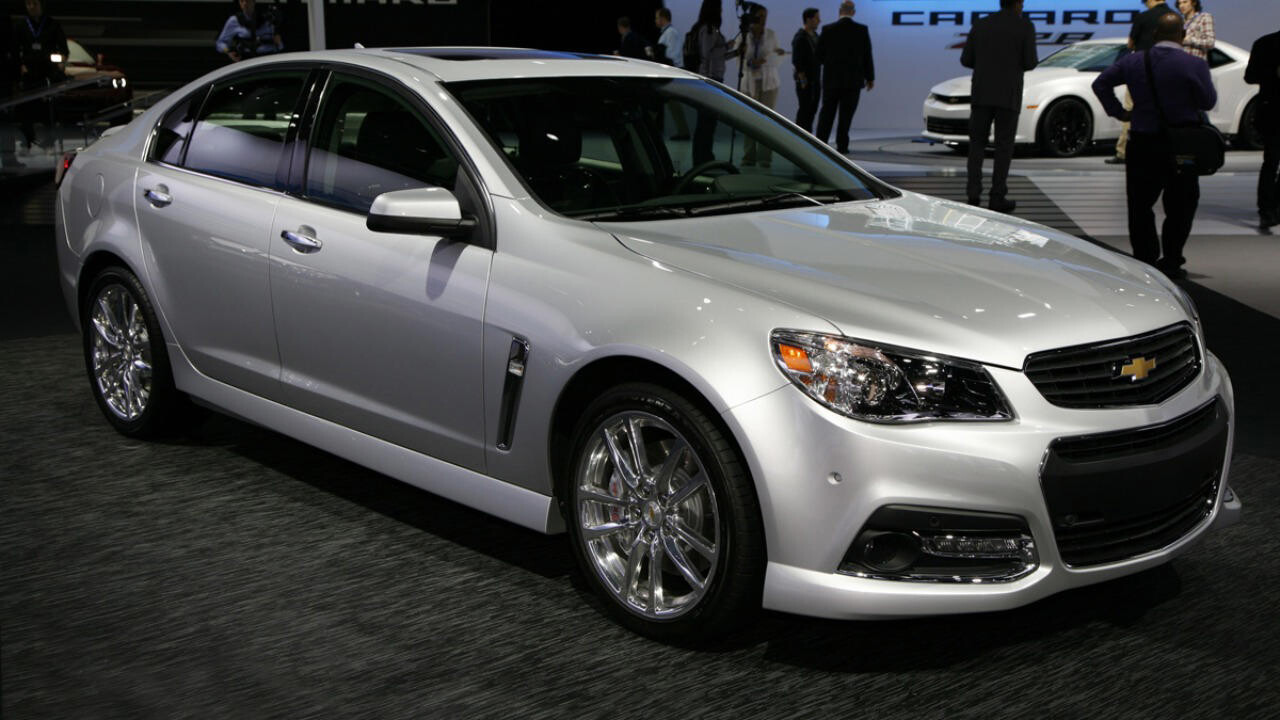
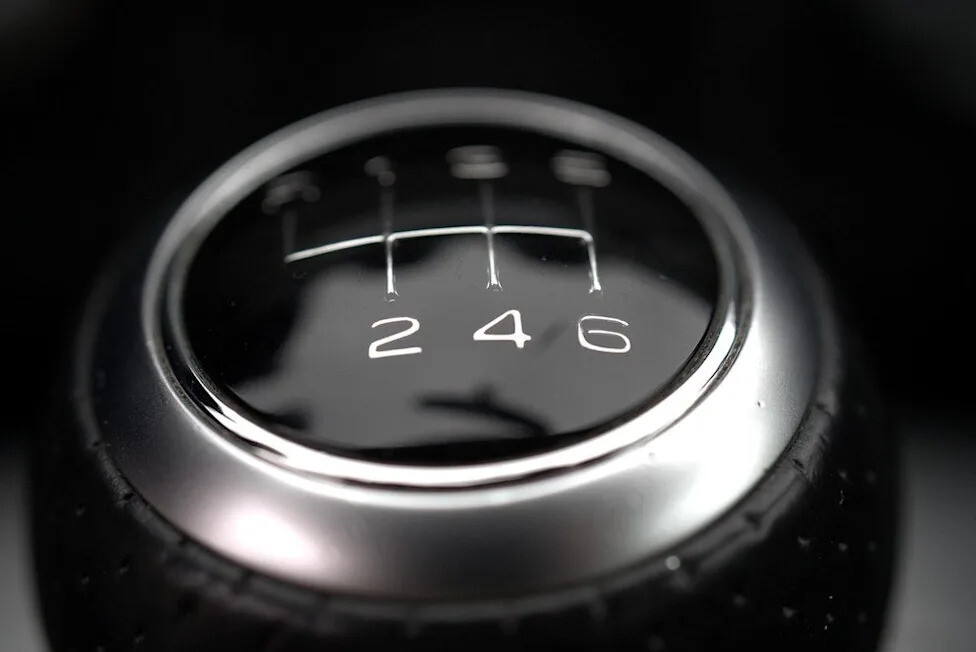
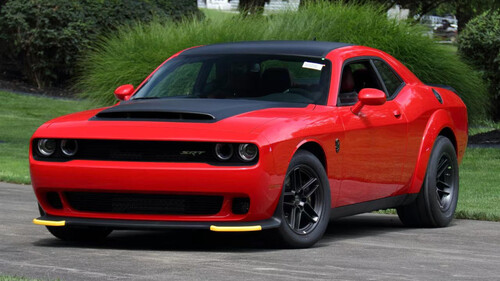
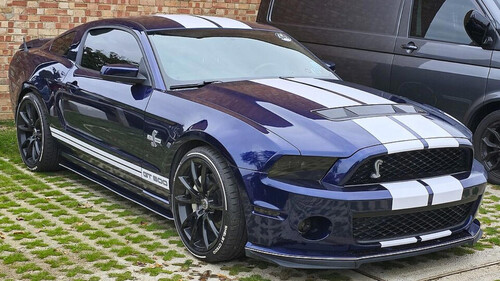
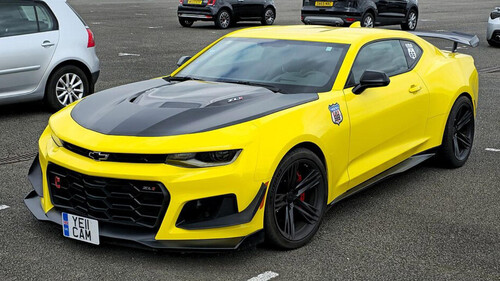
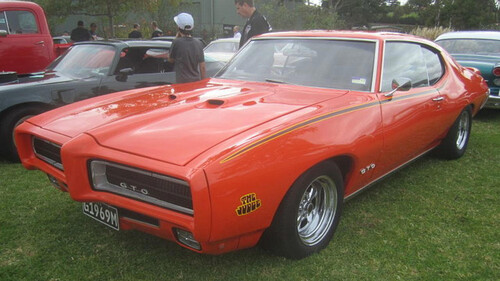
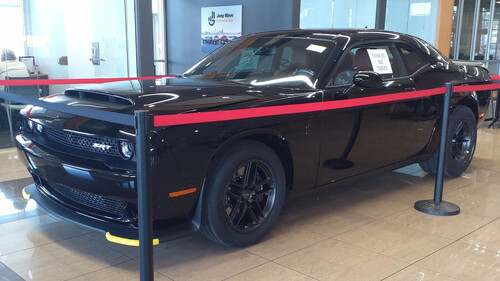
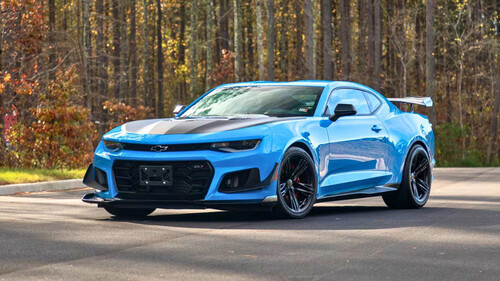
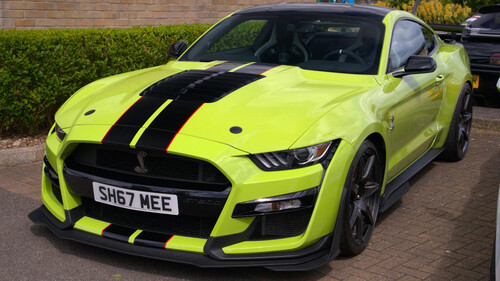
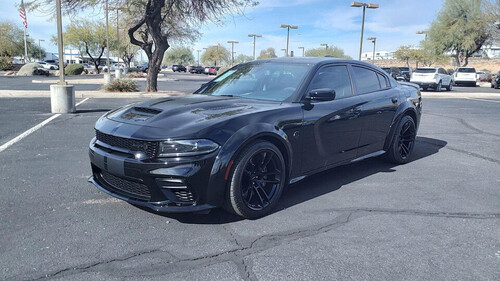
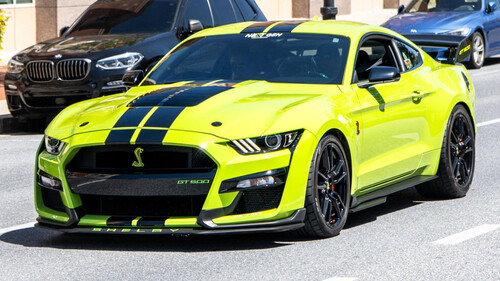
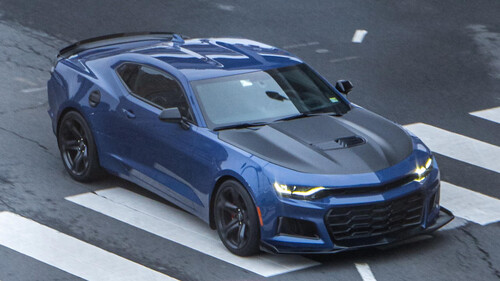
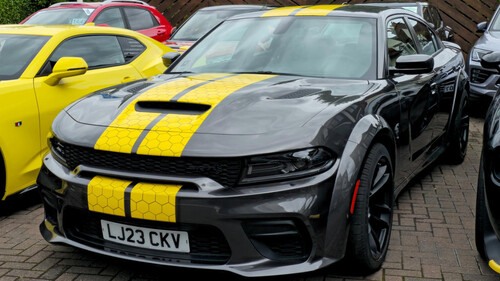
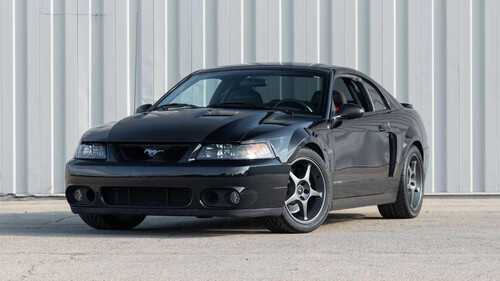
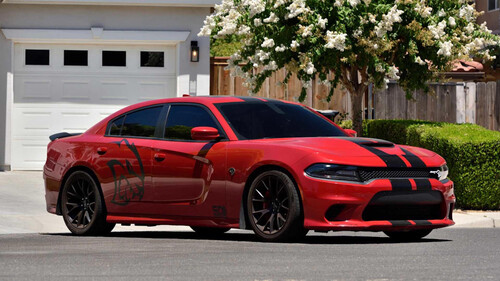
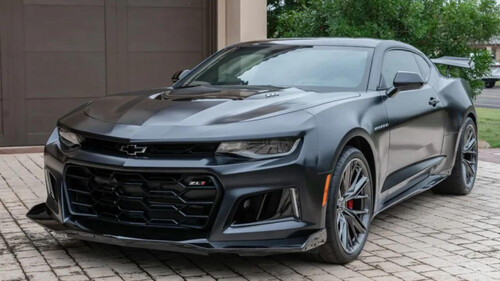
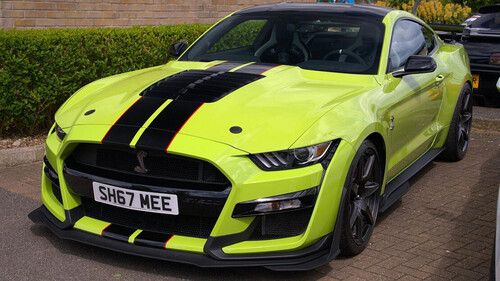
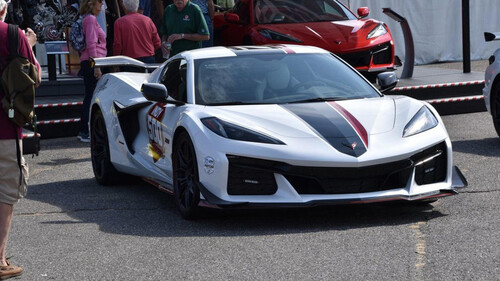
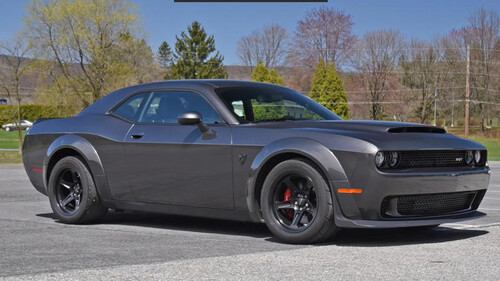
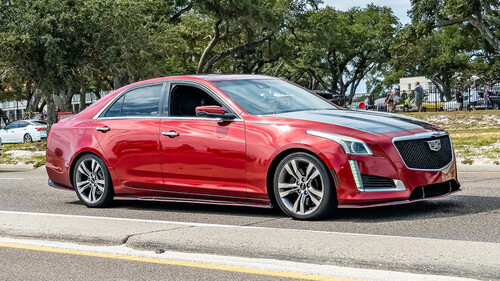
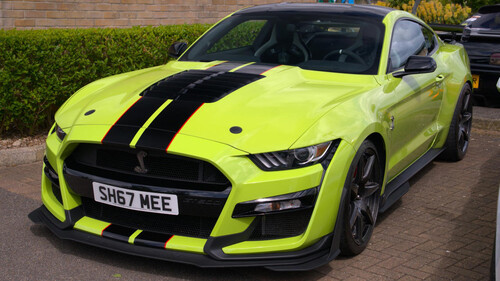
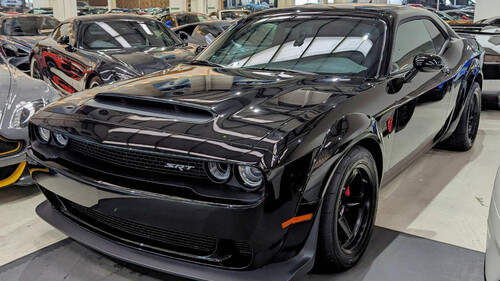
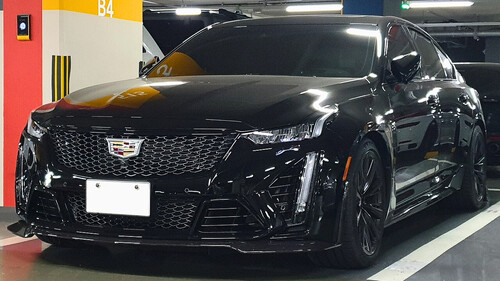
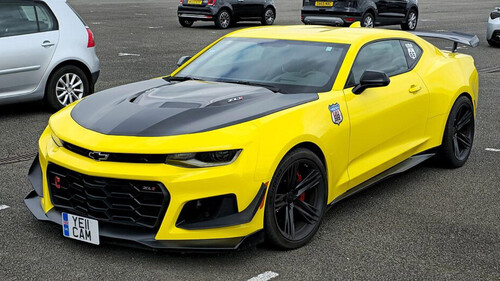
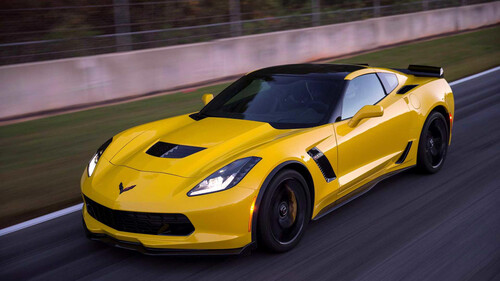
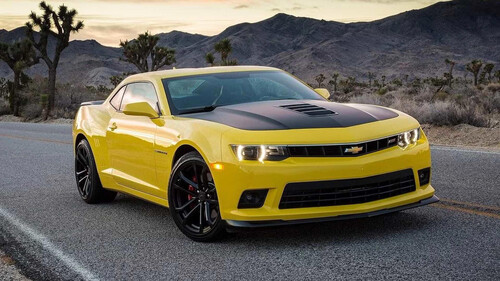
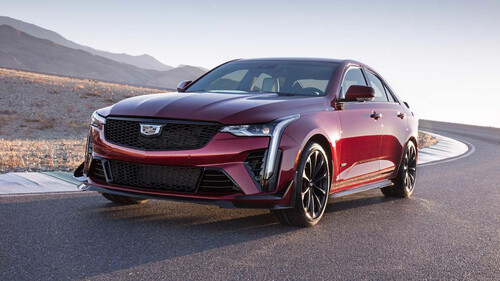
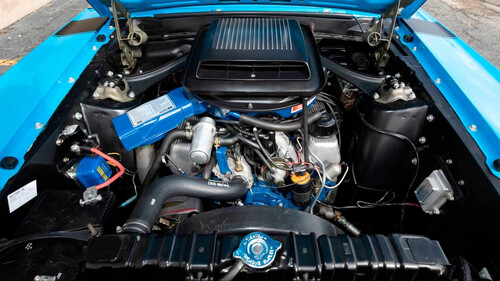
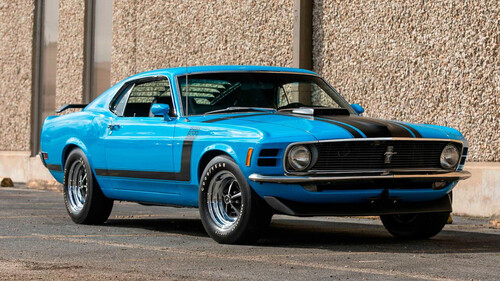
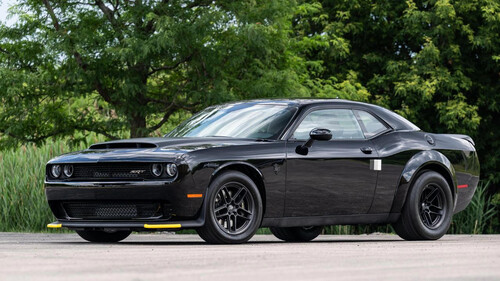
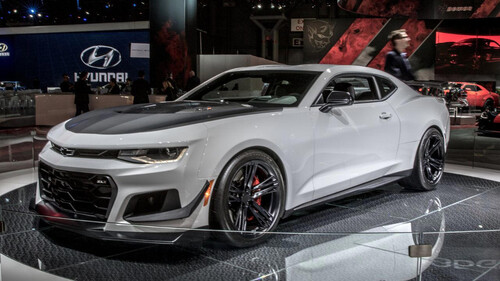
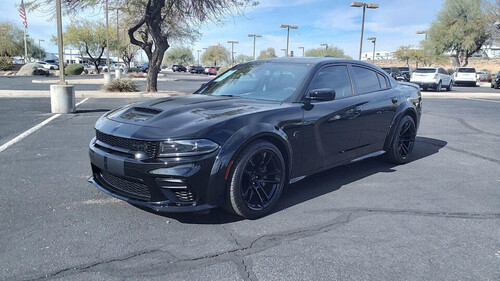
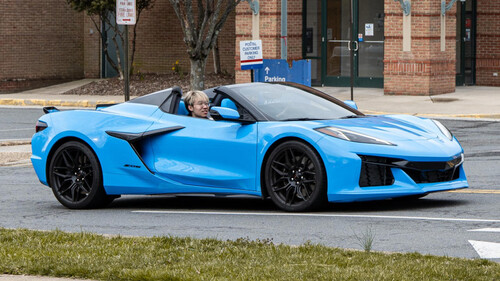
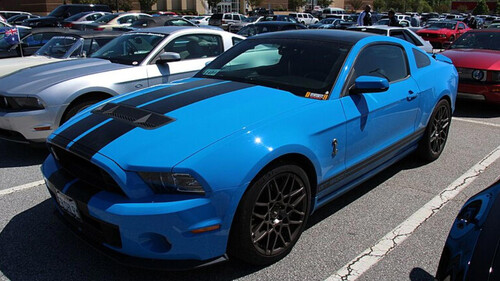
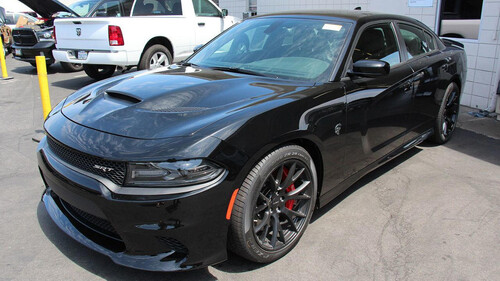
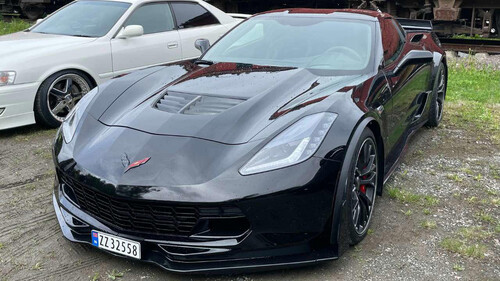
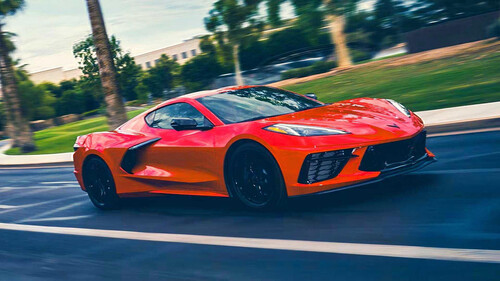
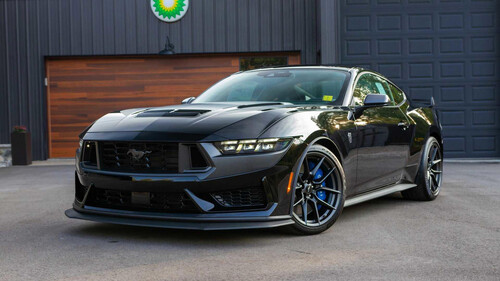
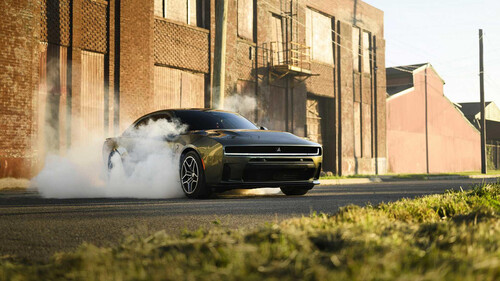
The 2010s became a golden era for modern muscle cars as automakers unleashed massive horsepower, advanced launch systems, and track-ready engineering. Cars that once relied purely on brute force suddenly gained technology capable of challenging exotic supercars in straight-line performance. These machines proved American muscle could combine tradition, comfort, and astonishing acceleration without losing their aggressive character.Dodge Challenger SRT DemonThe Dodge Challenger SRT Demon rewrote expectations for factory muscle cars by delivering outrageous drag-strip performance straight from the showroom. Powered by a supercharged 6.2-liter HEMI V8 producing massive horsepower, the Demon launched with violent acceleration capable of rivaling elite supercars. Specialized drag tires, launch control systems, and weight-saving engineering transformed it into a purpose-built quarter-mile machine. Mechanics admired how Dodge engineered such extreme capability while still keeping the car street legal and surprisingly usable for everyday driving situations.Chevrolet Camaro ZL1 1LEThe Chevrolet Camaro ZL1 1LE combined brutal straight-line acceleration with serious track capability rarely seen in traditional muscle cars. Its supercharged LT4 V8 produced enormous power, while advanced aerodynamics and suspension upgrades gave the car exceptional stability at high speeds. The ten-speed automatic transmission also delivered lightning-fast gear changes that improved acceleration dramatically. Many enthusiasts considered the ZL1 1LE a true all-around performance weapon because it could dominate road courses while still producing supercar-level acceleration during hard launches.Ford Mustang Shelby GT500The Ford Mustang Shelby GT500 became one of the most powerful production Mustangs ever created when Ford unleashed its supercharged Predator V8 engine. Delivering astonishing horsepower through a rapid-shifting dual-clutch transmission, the GT500 accelerated with the kind of force normally associated with exotic European machines. Engineers also improved cooling, aerodynamics, and chassis rigidity to handle the car’s immense performance potential. Mechanics appreciated how modern electronics and old-school supercharged muscle combined to create a machine capable of humiliating far more expensive sports cars.Dodge Charger Hellcat RedeyeThe Dodge Charger Hellcat Redeye proved a large four-door sedan could deliver acceleration levels once reserved for dedicated supercars. Its supercharged HEMI V8 generated incredible power, launching the heavy Charger forward with shocking speed despite its roomy interior and practical design. Advanced traction systems helped manage the enormous torque, while aggressive styling maintained classic American muscle presence. Enthusiasts loved the absurd concept of a comfortable family sedan capable of outrunning many exotic performance cars on highways and drag strips alike.Chevrolet Corvette ZR1The Chevrolet Corvette ZR1 pushed Chevrolet performance into genuine supercar territory with extreme horsepower and advanced engineering. Its supercharged LT5 V8 delivered explosive acceleration that rivaled some of the world’s fastest exotic cars during the late 2010s. Massive aerodynamic upgrades and upgraded cooling systems allowed the ZR1 to remain stable even at incredibly high speeds. Mechanics respected the car because Chevrolet successfully balanced raw American muscle with sophisticated technology, creating a machine equally capable on road courses and long straightaways.Dodge Challenger HellcatThe Dodge Challenger Hellcat shocked the industry by bringing outrageous horsepower back into mainstream American muscle cars. Its supercharged V8 produced enough power to overwhelm tires effortlessly, giving the Challenger brutal acceleration and unforgettable sound. Despite its large size and retro styling, the Hellcat delivered speed that embarrassed many expensive sports cars during highway pulls and drag races. Mechanics appreciated the simplicity of the supercharged setup, while enthusiasts loved how Dodge embraced excess rather than chasing smaller turbocharged performance formulas.Ford Mustang Boss 302 Laguna SecaThe Ford Mustang Boss 302 Laguna Seca revived a legendary Mustang nameplate while delivering serious modern performance capabilities. Its naturally aspirated 5.0-liter V8 produced strong high-revving power, and the lightweight track-focused setup improved acceleration and handling dramatically. While not as extreme as supercharged rivals, the Boss 302 gained respect for its balanced engineering and driver-focused character. Mechanics admired Ford’s attention to cooling, suspension tuning, and durability, which allowed the car to perform consistently under aggressive track conditions without sacrificing reliability.Cadillac CTS-VThe Cadillac CTS-V blended American luxury with astonishing acceleration by borrowing supercharged V8 power from the Corvette lineup. The result was a refined sedan capable of launching with frightening speed while maintaining premium comfort and advanced technology. Many enthusiasts considered the CTS-V one of the best sleeper performance cars of the decade because it combined understated styling with elite acceleration. Mechanics respected how Cadillac engineered the drivetrain to handle immense power without sacrificing the daily drivability expected from a luxury vehicle.Chevrolet SSThe Chevrolet SS quietly delivered serious muscle car performance despite its understated appearance and limited production numbers. Powered by a naturally aspirated V8 with strong torque and responsive acceleration, the SS became a favorite among enthusiasts seeking traditional rear-wheel-drive American performance. Available manual transmissions also appealed to drivers who wanted a more engaging experience. Mechanics appreciated the car’s straightforward engineering and balanced chassis, which made it feel like a modern interpretation of classic muscle sedans from earlier performance eras.