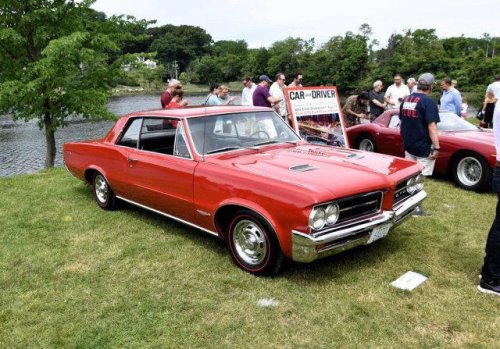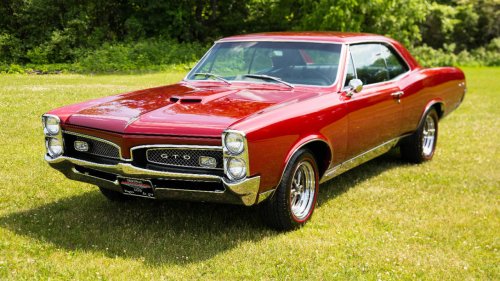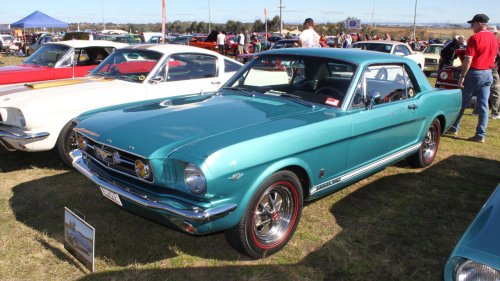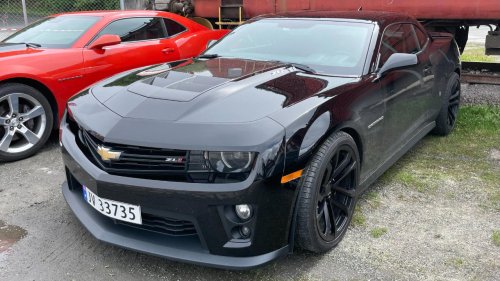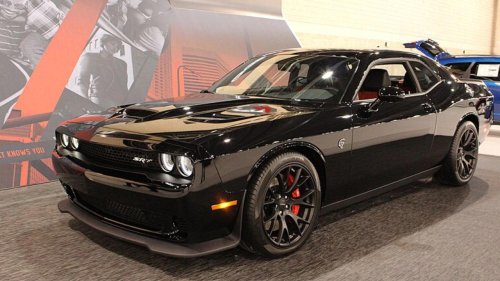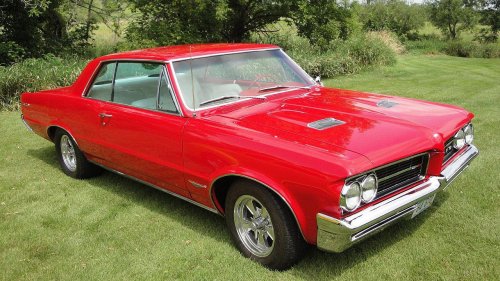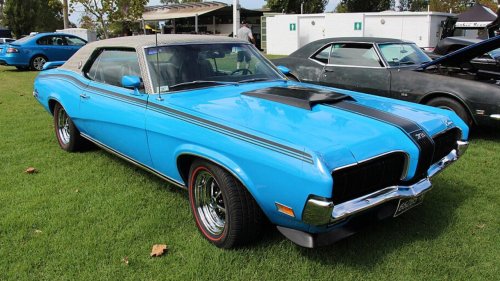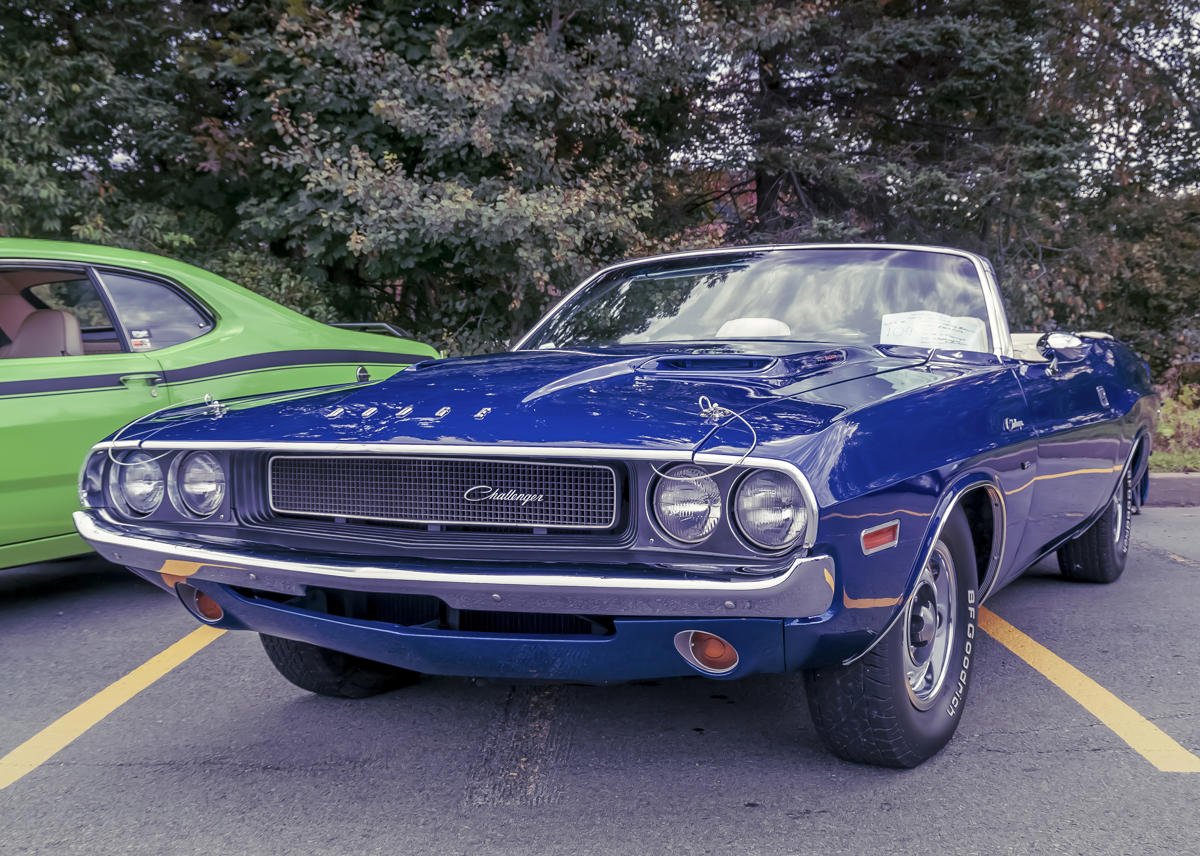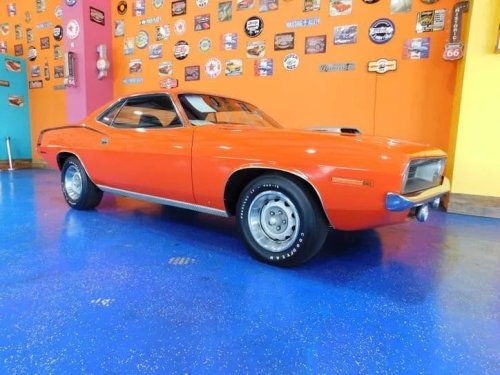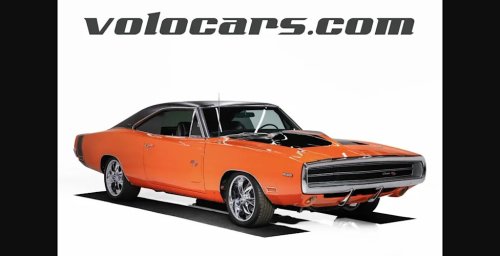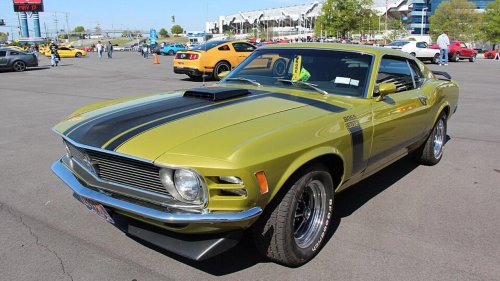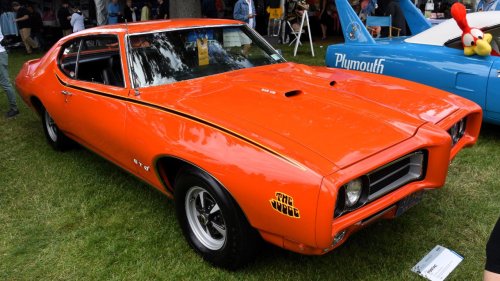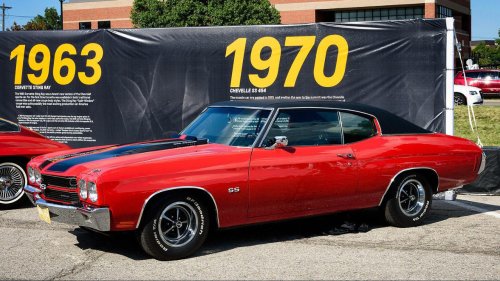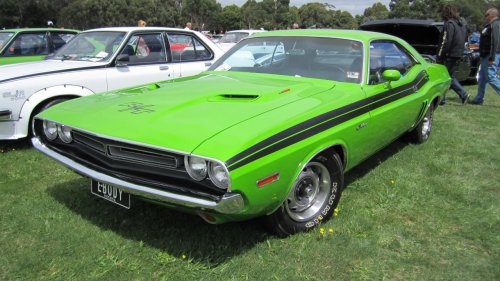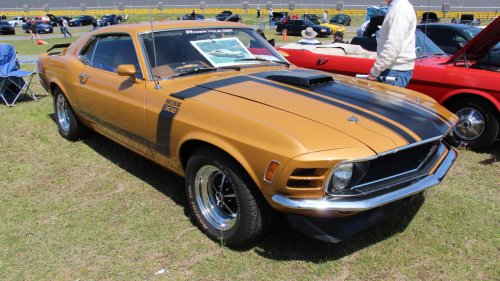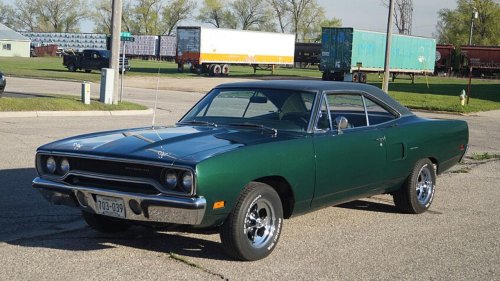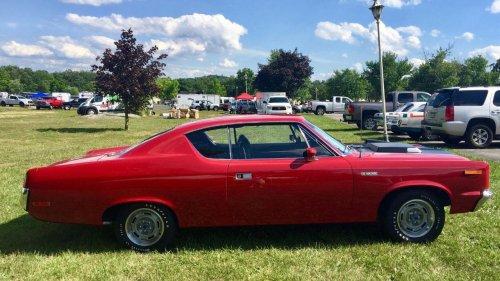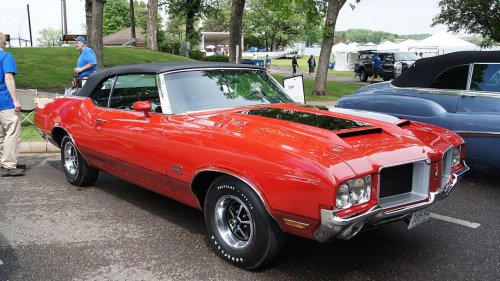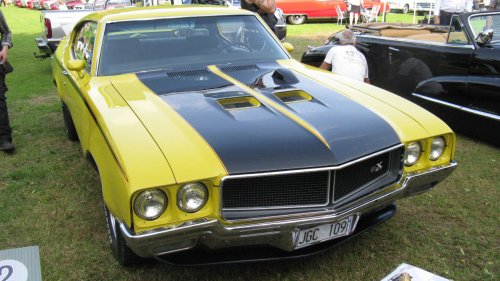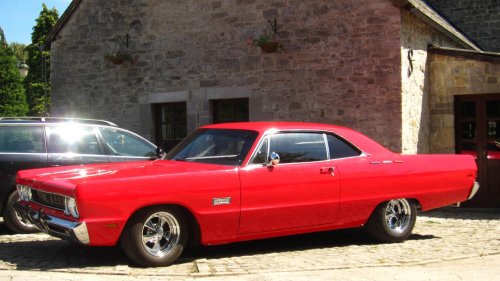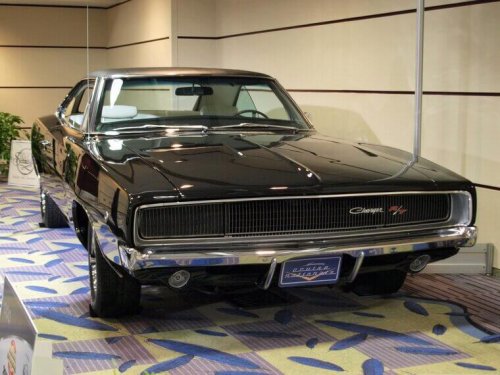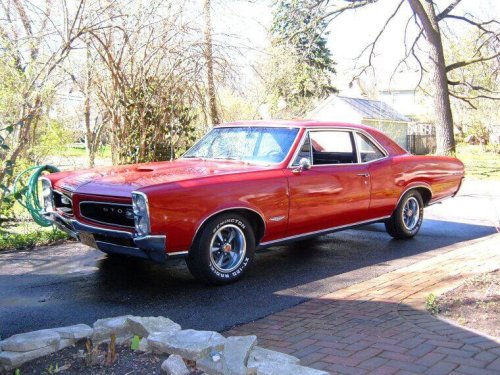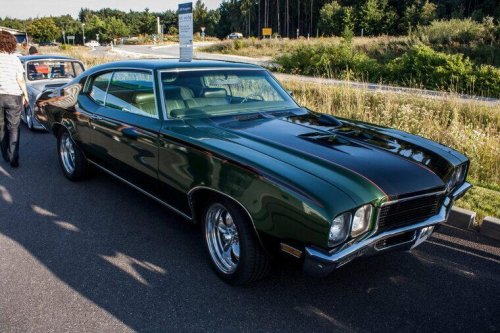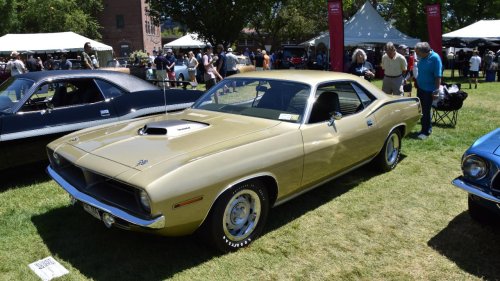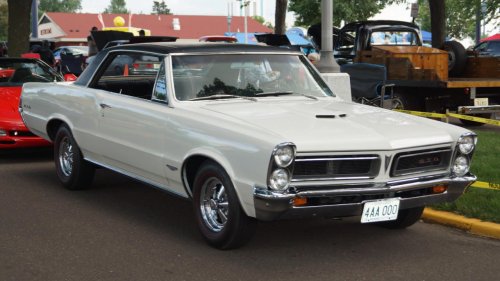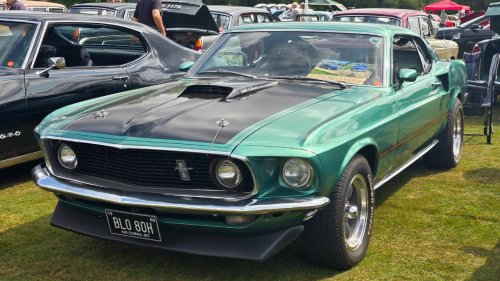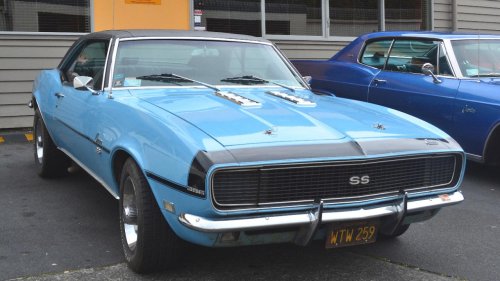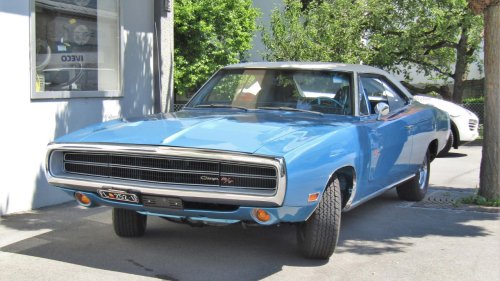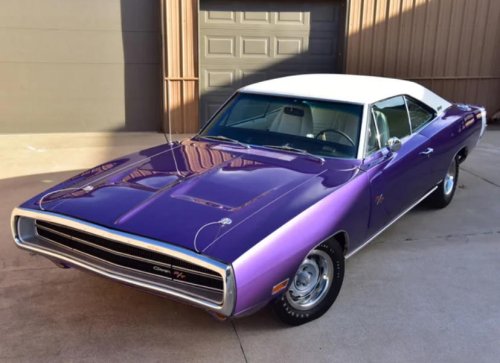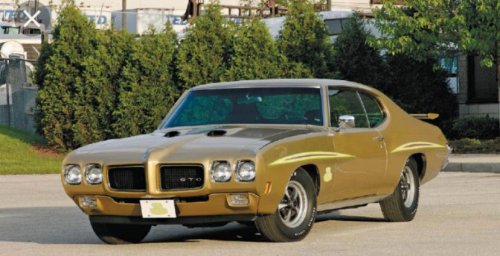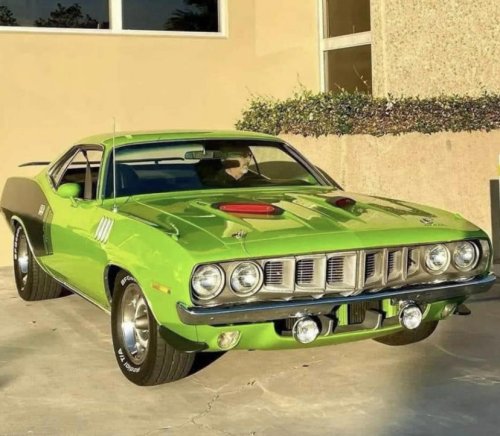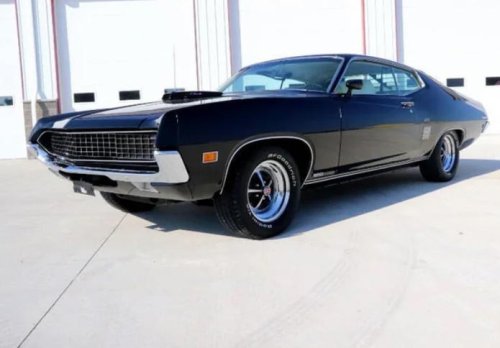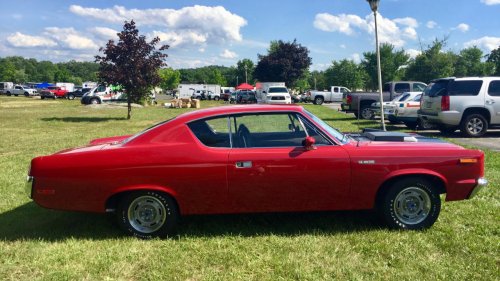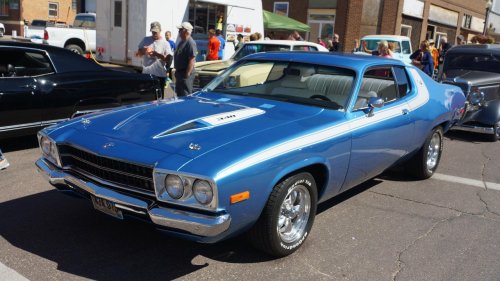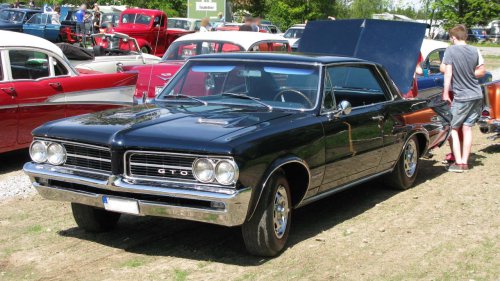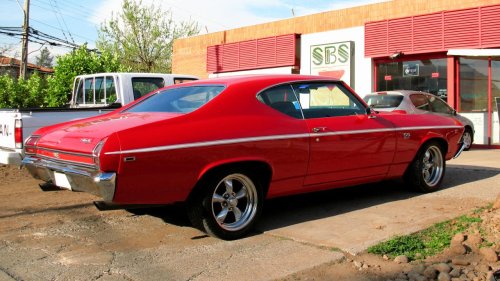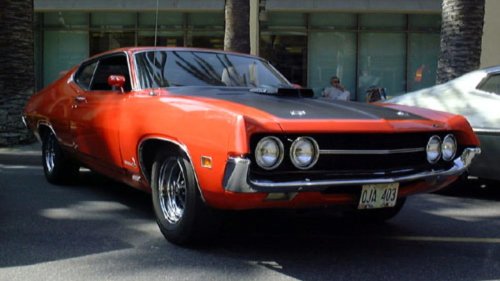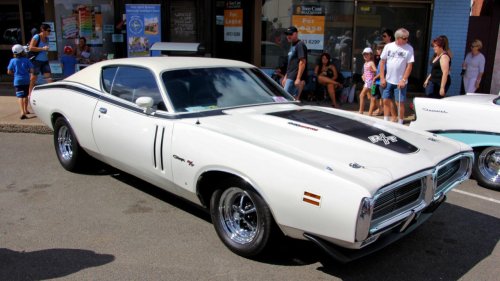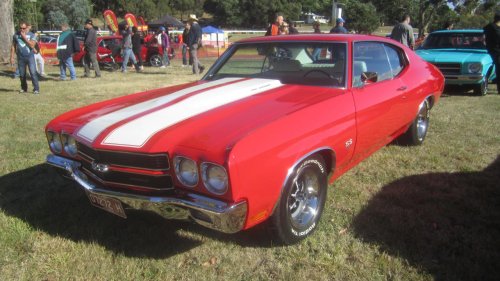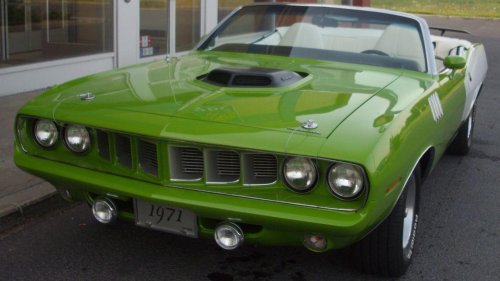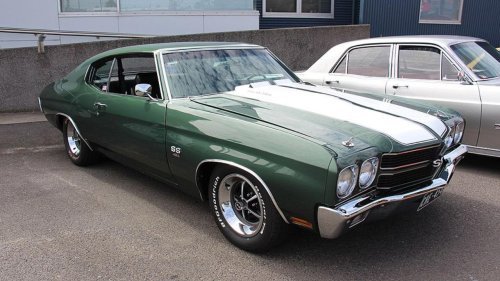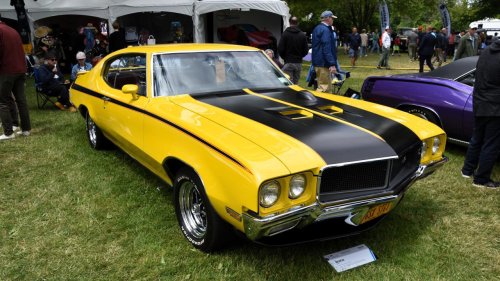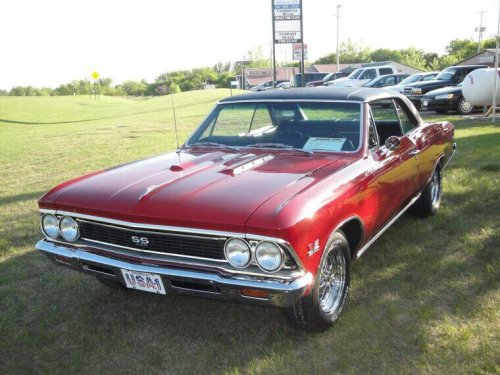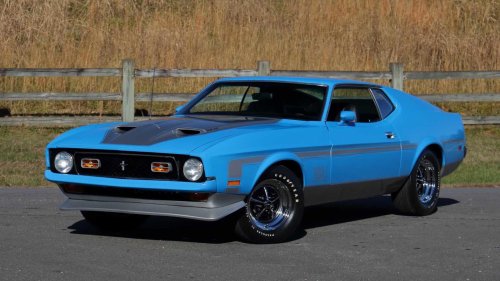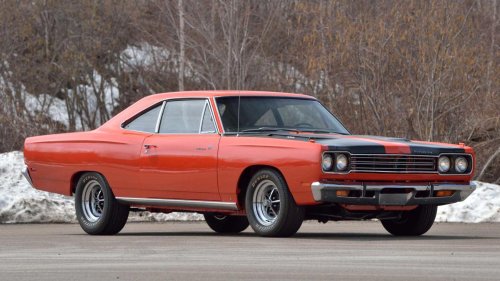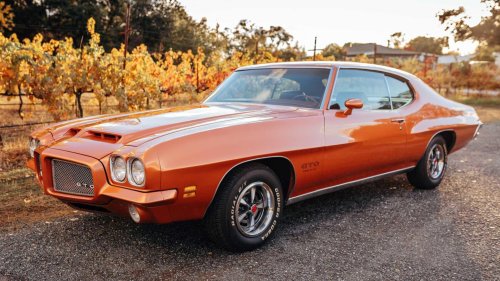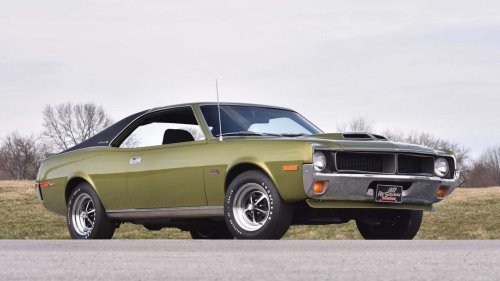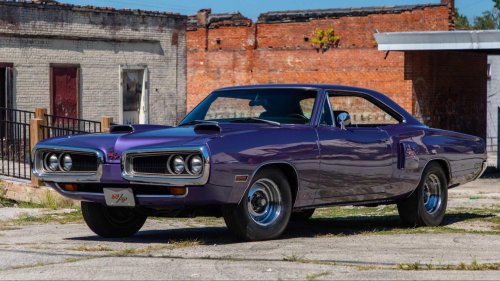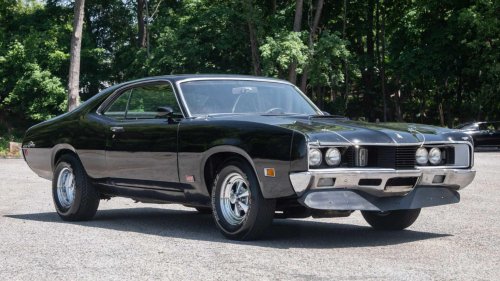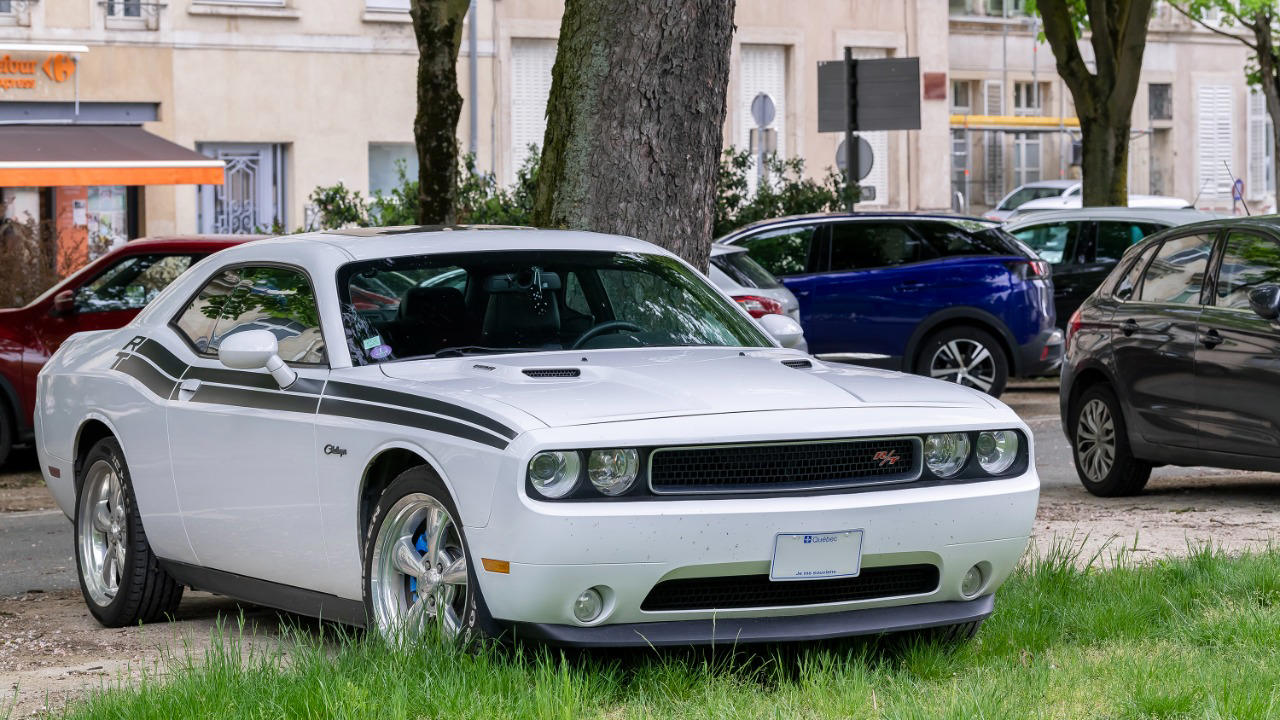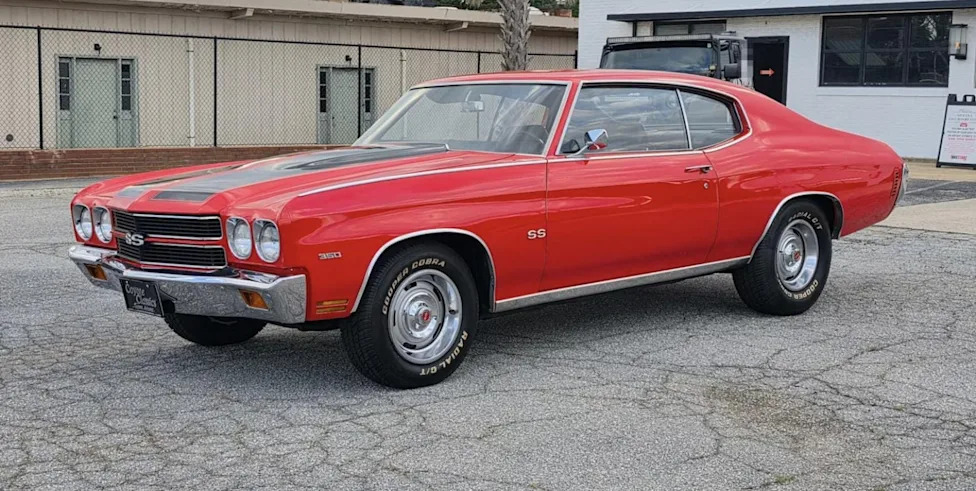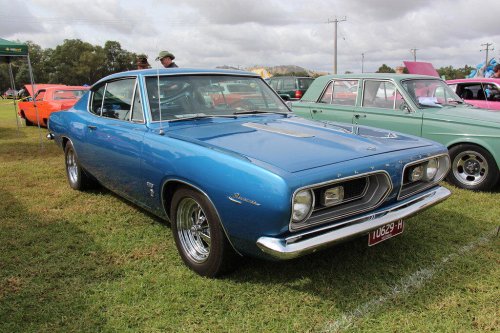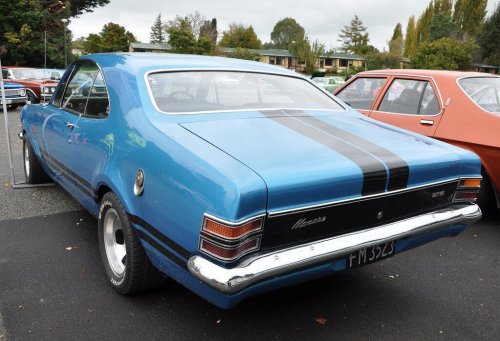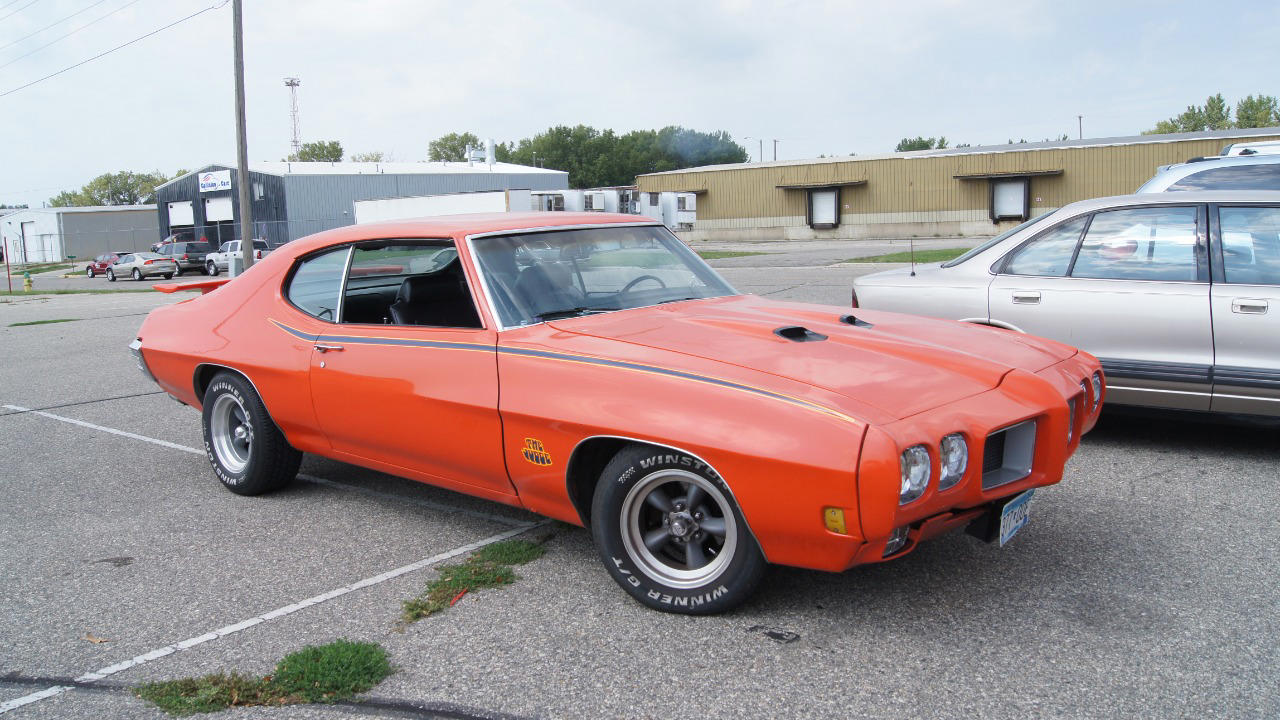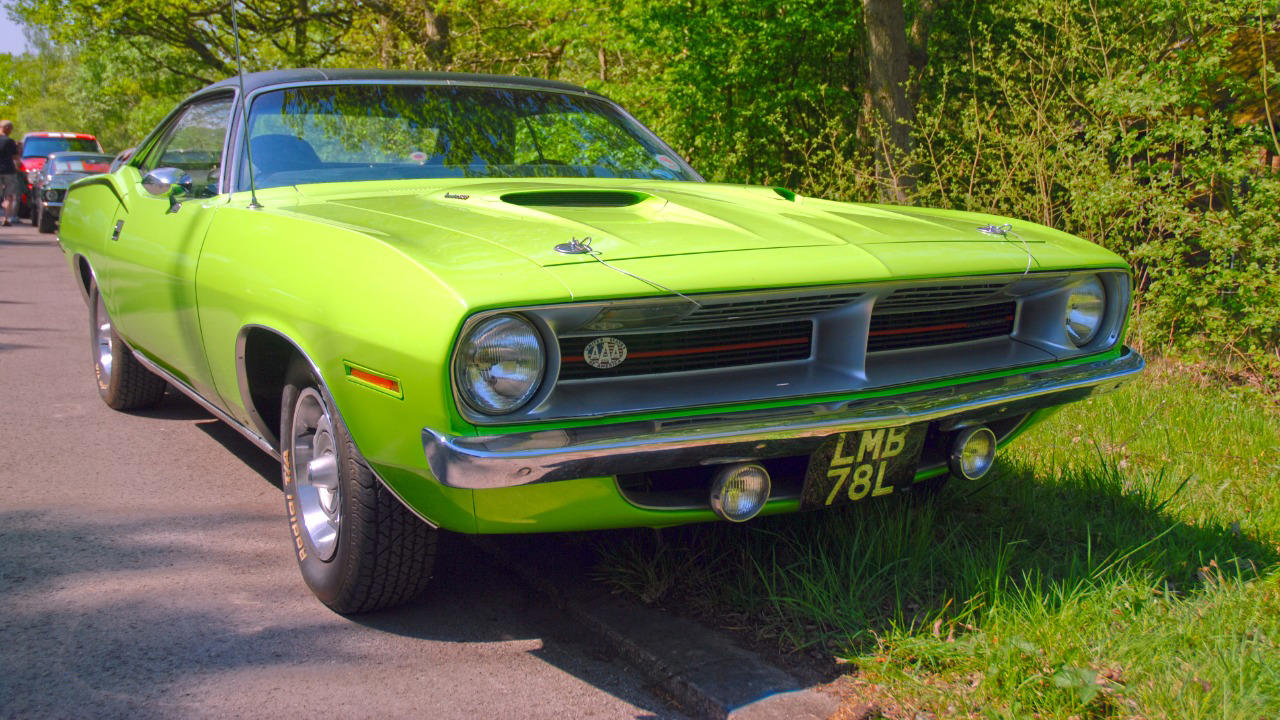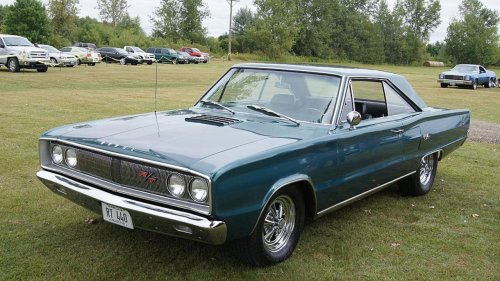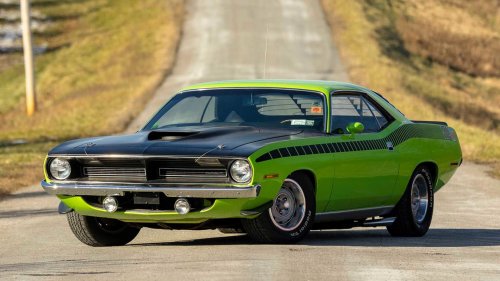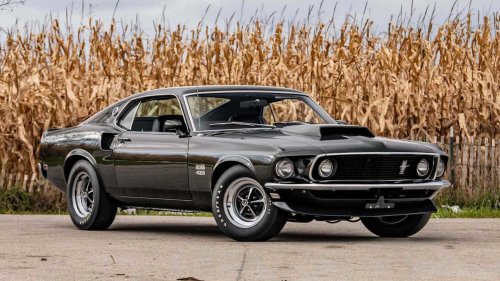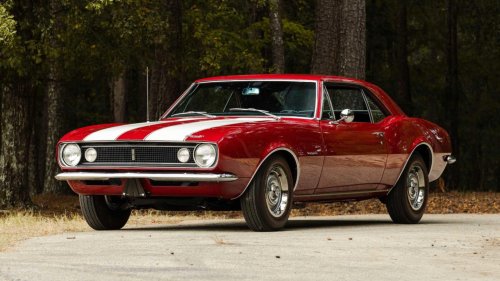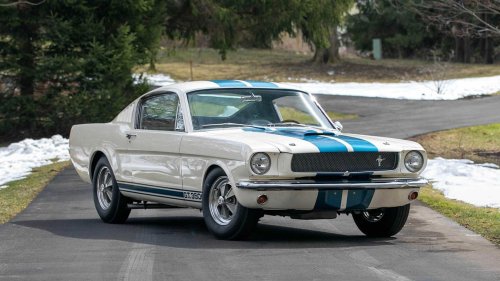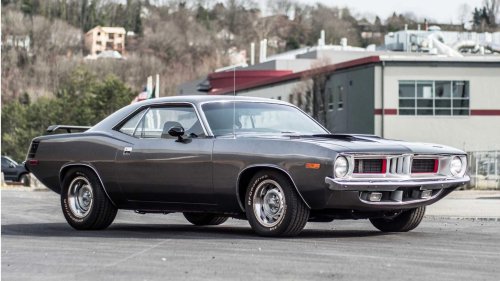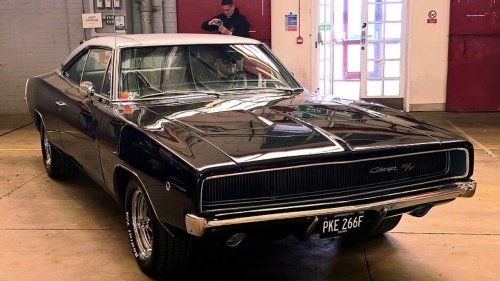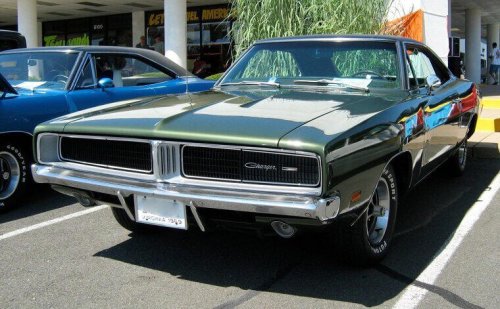
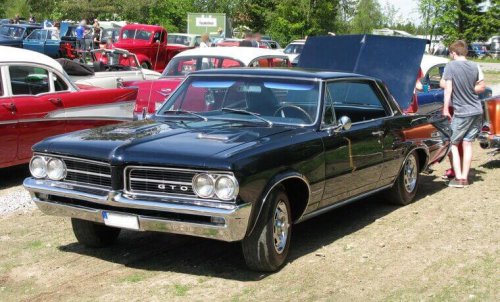
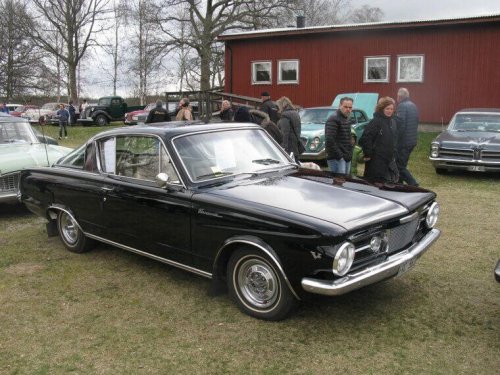
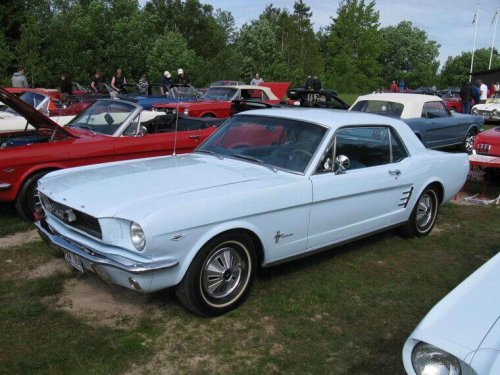
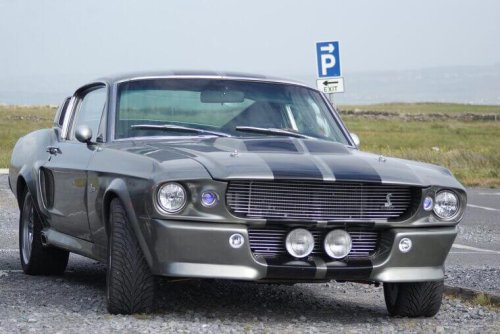
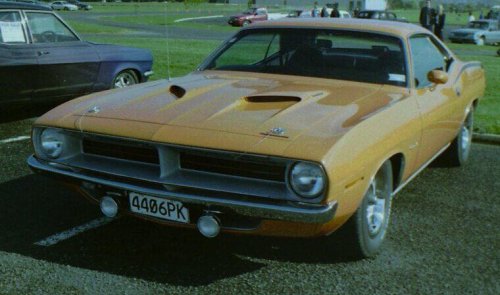
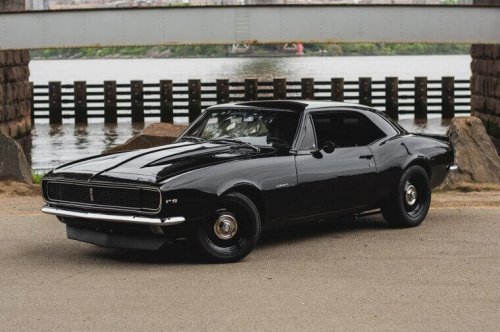
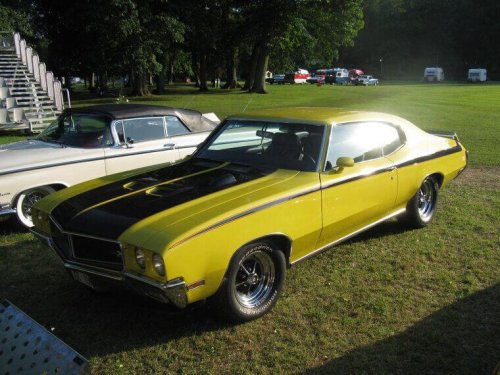
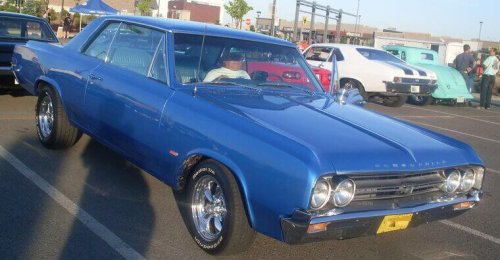
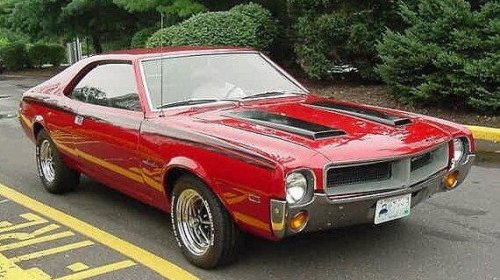
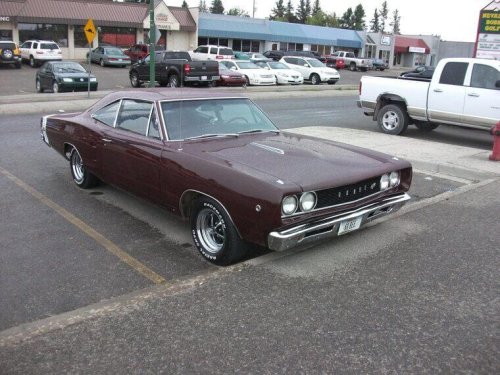
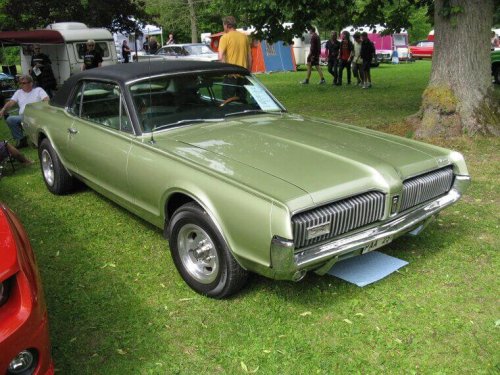
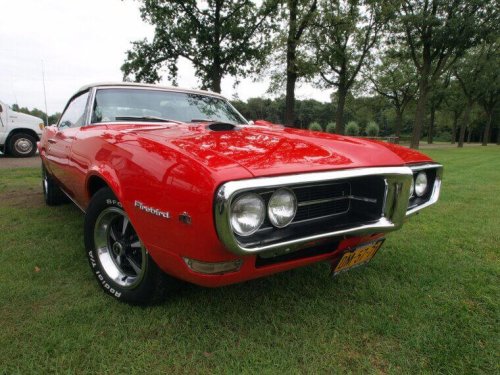



















The 1969 Dodge Charger's Unforgettable DebutFew cars have ever arrived with the visual impact of the 1969 Dodge Charger. That fastback roofline, the recessed grille, the hidden headlights — every line was drawn with intention. Under the hood, buyers could spec a 426 Hemi or the thunderous 440 Six Pack, engines that turned asphalt into a personal statement. It wasn't just fast. It was theatrical. Subsequent Chargers grew heavier, softer, and increasingly compromised by emissions regulations that strangled the very soul out of Detroit's muscle era. The 1969 model existed in a narrow window where engineering ambition and styling courage arrived at exactly the same moment — and that window closed the very next year.Why the First-Year Pontiac GTO Stood AloneJohn DeLorean essentially invented the muscle car segment by stuffing a 389 cubic-inch V8 into a mid-size Tempest body and calling it the GTO. That was 1964, and the automotive world had no framework for what Pontiac had just done. Buyers responded with wallets wide open — nearly 32,000 units sold despite GM brass trying to kill the project before it launched. The original GTO was raw, unfiltered, and slightly dangerous in the best possible way. Later versions added refinement, revised styling, and eventually a controversial downsizing to the Ventura platform in 1974 that enthusiasts still wince about. Nothing matched the purity of that first-year formula: big engine, light body, minimal pretense.The Original Plymouth Barracuda's Bold StatementApril 1, 1964. The Plymouth Barracuda beat the Mustang to market by exactly two weeks, yet history has largely forgotten that fact. Built on the Valiant platform, the first Barracuda featured a sweeping fastback glass hatch that was genuinely dramatic for its era. It wasn't the most powerful pony car — the engines were modest — but the design was daring and the proportions were clean. As years passed, Plymouth kept reworking the formula. The 1970 redesign brought serious muscle but sacrificed the original's elegant simplicity. That first-generation car had an honesty about it, a sense that designers were reaching for something genuinely new rather than chasing a competitor. The original Barracuda made a statement nobody else had thought to make yet.The First Ford Mustang That Started It AllLong before the Mustang became a brand, it was a revelation. The 1964½ model that debuted at the New York World's Fair triggered a buying frenzy that Ford's own projections couldn't have anticipated — over 400,000 units in the first model year alone. The formula was brilliantly simple: sporty styling, a long hood, a short deck, and a price low enough that young buyers could actually reach it. What made that first car special wasn't raw power — it was possibility. The options list let buyers configure something personal, something that felt like theirs. Subsequent Mustangs grew larger, heavier, and more complex chasing the muscle car wars. The 1971 redesign ballooned dimensions dramatically. The original's lightness and accessible charm proved impossible to recapture, even when Ford tried repeatedly in later decades.Shelby GT500's Debut Year Was Its BestCarroll Shelby took Ford's new Mustang fastback, dropped in a 428 Cobra Jet, and created something that wore a pony car body but thought like a predator. The 1967 GT500 — the first year of that specific designation — arrived with 355 officially rated horsepower and a reputation that outran even that generous number. Shelby's personal touch was still deeply embedded in every car leaving the San Jose facility. Ford's acquisition of the Shelby program in 1968 changed the dynamic fundamentally. Production scaled up, Shelby's hands-on involvement diminished, and the cars became more about the badge than the build philosophy behind it. The 1969 and 1970 models were competent but corporate. That first GT500 carried something intangible — the fingerprints of a man who genuinely believed he was building the most dangerous car on American roads.The 1970 Plymouth Hemi 'Cuda's Legendary Power425 horsepower. 490 pound-feet of torque. A cross-ram intake wearing two Carter four-barrels. The 1970 Plymouth Hemi 'Cuda packed the most exotic engine available in any pony car, full stop. Street racers knew it. Magazine editors knew it. Even Chrysler's own accountants knew it, which is why only 652 hardtops and 14 convertibles left the factory with that engine that year. Rarity and performance arrived together in a package that looked genuinely menacing — hockey stick stripes, pistol-grip shifter, and a hood with functional scoops that meant business. Emissions regulations hit Chrysler hard the following year, dropping the Hemi's effective output significantly. By 1972, the engine was gone entirely. The 1970 Hemi 'Cuda didn't just peak — it existed in a single perfect moment that the industry's regulatory environment immediately began erasing.Why the First Camaro Z28 Was Never ToppedChevrolet built the first Camaro Z28 to satisfy a single requirement: SCCA Trans-Am racing homologation. The result was a 302 cubic-inch small-block revving to 7,000 RPM, Corvette-spec cylinder heads, and a handling package that transformed the Camaro from pony car to genuine road racer. Just 602 were sold in 1967. Almost nobody noticed. Those who did notice, however, found a car with a personality entirely different from the big-block muscle machines dominating the era. The Z28 was about momentum and corners, not just straight-line brutality. Later Z28s grew more powerful on paper but also heavier and more comfort-oriented, chasing broader market appeal. The 1967 original had been built for one specific purpose with zero compromise — a clarity of mission that subsequent versions, however capable, never quite recaptured.The Buick GSX That Roared Loudest in 1970Stage 1. Those two words meant something very specific in 1970: a 455 cubic-inch V8 officially rated at 360 horsepower, though Buick's own engineers privately acknowledged the real number was considerably higher. The GSX arrived in just two colors — Saturn Yellow and Apollo White — both chosen to ensure the car was impossible to ignore at a stoplight. Buick had always been the gentleman's division, so the GSX felt genuinely transgressive — a country club regular showing up in a drag racing jacket. The combination of luxury brand refinement and genuine street terror made for something unique in the muscle car landscape. Production was always limited, and by 1971 the Stage 1's teeth had been dulled by emissions tuning. The 1970 GSX remains the one moment Buick completely abandoned its own identity and built something purely, unapologetically violent.Oldsmobile 442's Finest Hour at Its BirthOldsmobile's 4-4-2 designation originally stood for four-barrel carburetor, four-speed transmission, and dual exhausts — a performance recipe spelled out right in the name when it launched in 1964. That first-year car brought genuine sporting credentials to a division known for quiet competence, and the combination of available power and Oldsmobile's traditionally smooth chassis made for something unexpectedly well-rounded. The formula evolved through the decade, eventually receiving the legendary W-30 forced-air induction package in 1966 and growing into a full muscle car by 1968. Yet enthusiasts who study the lineage closely argue the original concept — performance as a thoughtful option package rather than a bludgeon — had an elegance the later cars replaced with sheer aggression. When Oldsmobile eventually reduced the 4-4-2 to an appearance package in the mid-1970s, the distance from that honest first-year formula felt immeasurable.The AMC Javelin AMX's Strongest First SeasonAgainst the Ford Mustang, Chevrolet Camaro, and Plymouth Barracuda, AMC had no business competing. Limited budget. Smaller dealer network. A reputation built on sensible economy cars. Yet the 1968 Javelin AMX — the two-seat performance variant launched in that debut season — arrived with a 390 cubic-inch V8 and a genuine racing program that earned respect the hard way. AMC hired Craig Breedlove to set land speed records with the AMX, generating headlines that money alone couldn't buy. The car was lighter than most competitors and handled with a directness that surprised road testers expecting something apologetic. Later AMX models were folded back into the standard Javelin body, losing the two-seat distinction entirely. The 1968 original stood apart precisely because AMC had everything to prove and built accordingly — desperation, it turns out, can be a remarkable engineering motivator.Dodge Super Bee's Peak Performance in Year OneDodge created the Super Bee in 1968 as a budget muscle car — the Hemi without the Charger's premium price tag. Strip away the fancy body, keep the drivetrain, sell performance to buyers who couldn't afford prestige. It was a brutally honest value proposition, and the market responded enthusiastically. The standard 383 Magnum made 335 horsepower and came mated to a heavy-duty suspension that could actually use the power. Optional 426 Hemi and 440 Six Pack engines turned the Super Bee into something genuinely fearsome. By 1971, Dodge had merged the Super Bee into the Charger lineup, diluting its stripped-down identity. By 1976, the name appeared on a Dodge Aspen — an economy compact — in one of the more dispiriting badge applications in automotive history. The 1968 original had been pure in purpose; nothing that followed came close to matching that clarity.The Mercury Cougar That Shone Brightest at LaunchMercury launched the Cougar in 1967 as a longer, more luxurious interpretation of the Mustang platform — a pony car for buyers who wanted sophistication alongside performance. That first-year car threaded an impressive needle: genuinely stylish, available with serious V8 power, and refined enough to appeal to buyers stepping down from full-size Mercurys. Motor Trend named it Car of the Year. Sales were strong. The formula seemed sustainable. Then Mercury began chasing the personal luxury market more aggressively, and each subsequent Cougar grew larger and softer. By the early 1970s it had become a full-size car with a sporty name. By 1977, it shared its platform with the Thunderbird and had shed any meaningful performance pretense entirely. The 1967 original represented the one brief moment Mercury found a genuine identity — and then systematically abandoned it.Pontiac Firebird's Debut Was Its Most Raw FormPontiac launched the Firebird in February 1967, months after the Camaro it shared a platform with, and the delay showed — the first-year car felt slightly rushed, slightly unresolved. But that roughness was also its character. The 400 cubic-inch H.O. engine option produced 325 horsepower in a car that hadn't yet been smoothed into corporate acceptability. Something unfinished lived in that first Firebird. The steering communicated every imperfection in the road. The engine note was less refined than later versions. It demanded engagement rather than offering comfort. The 1969 facelift improved the car objectively on almost every metric — and something ineffable departed with the rough edges. The Trans Am arrived in 1969 and became the nameplate's defining achievement, but the raw 1967 original captured a moment of genuine mechanical honesty that Pontiac's own refinement gradually, inevitably polished away.