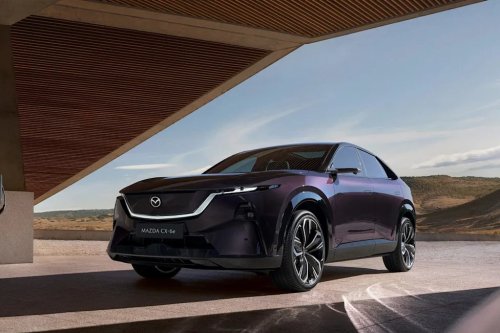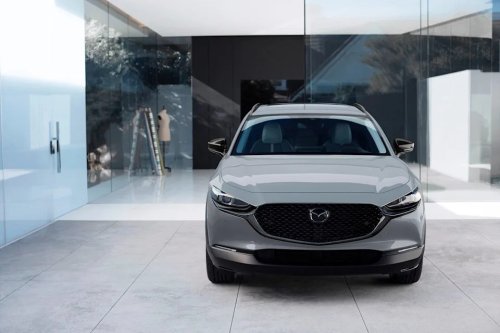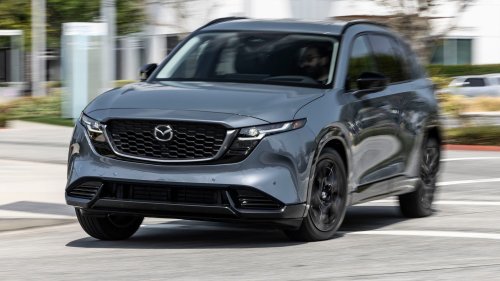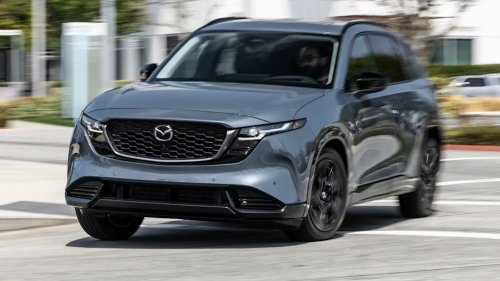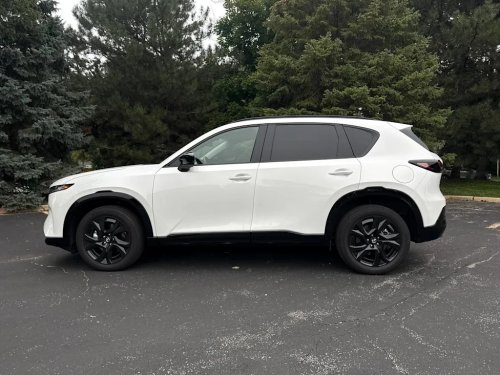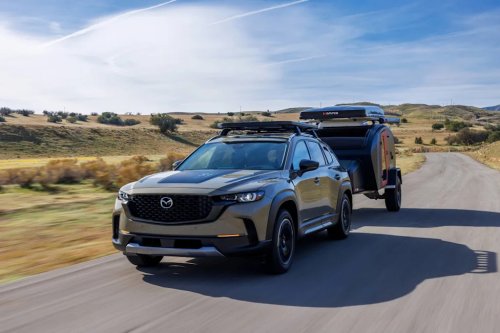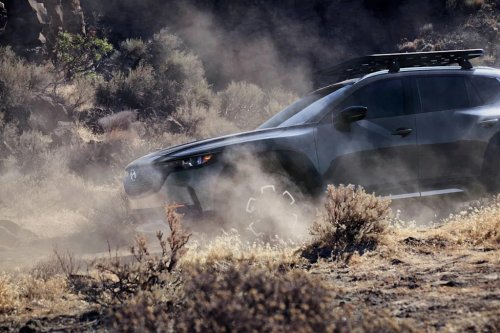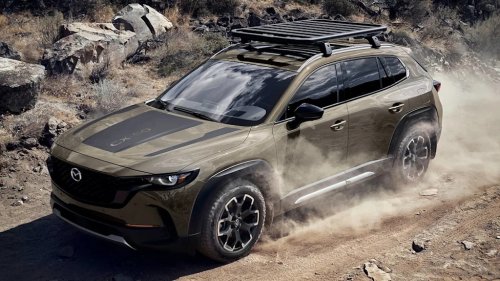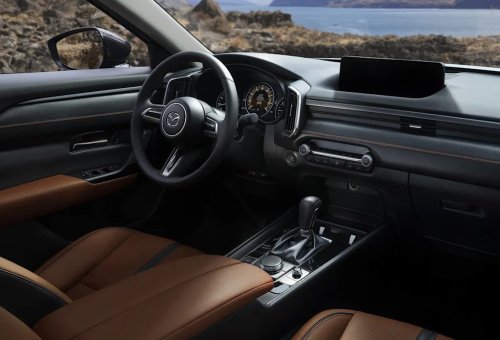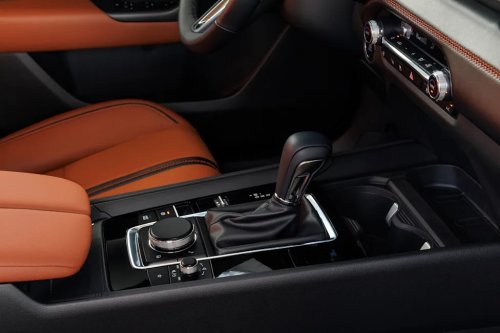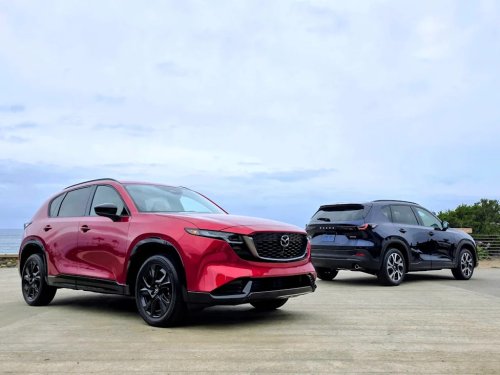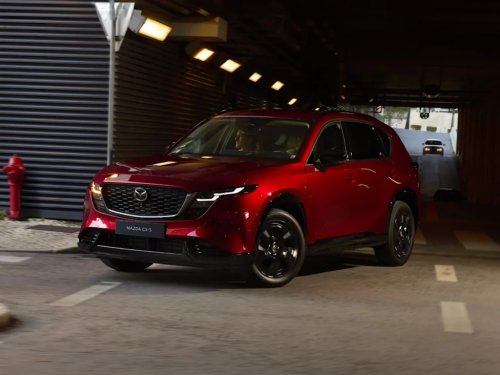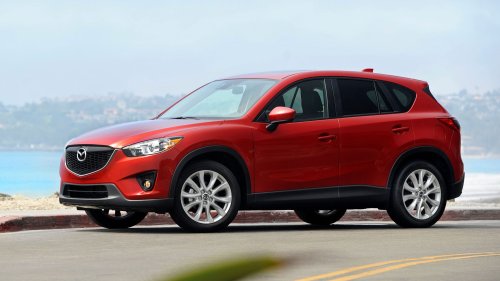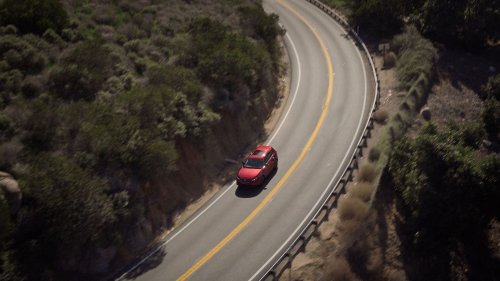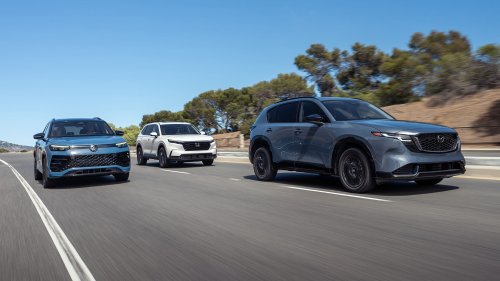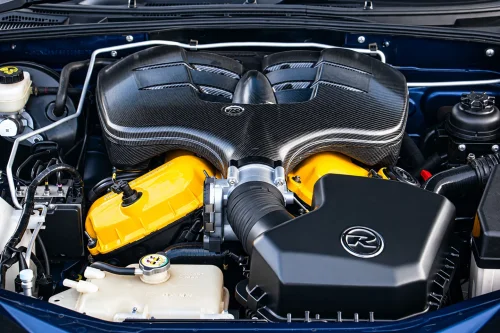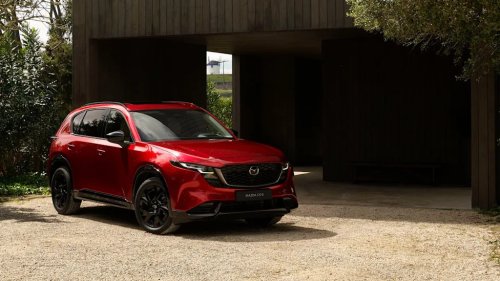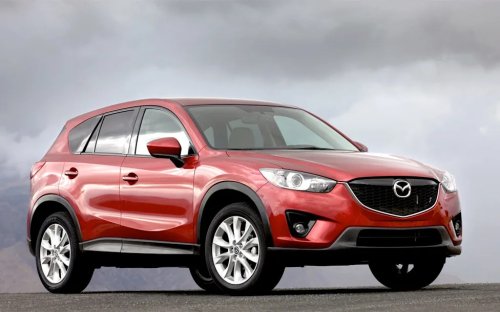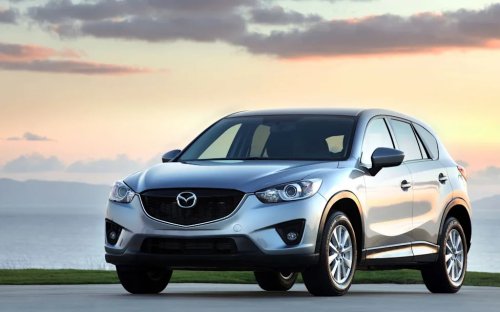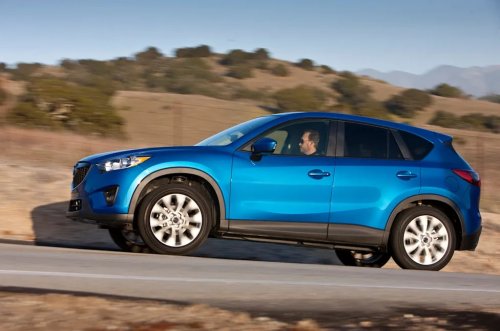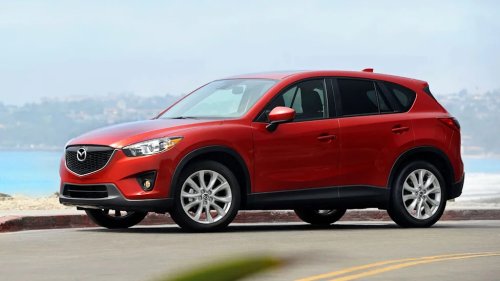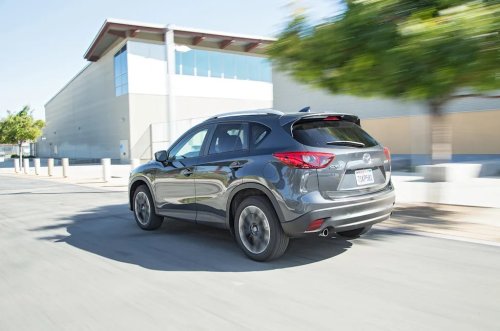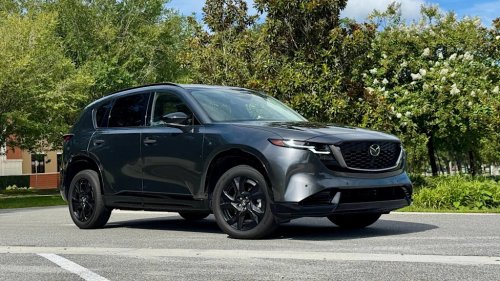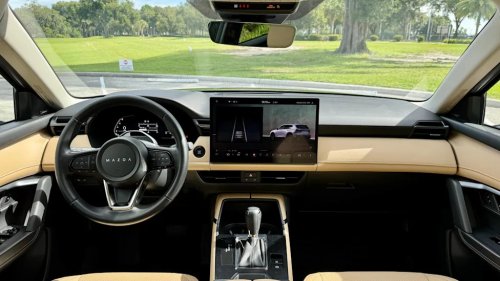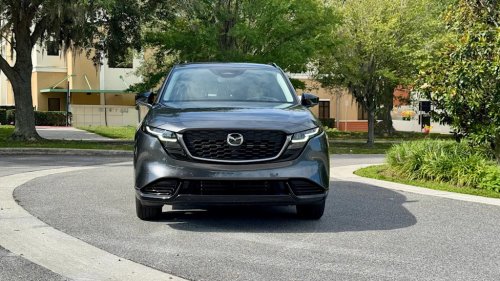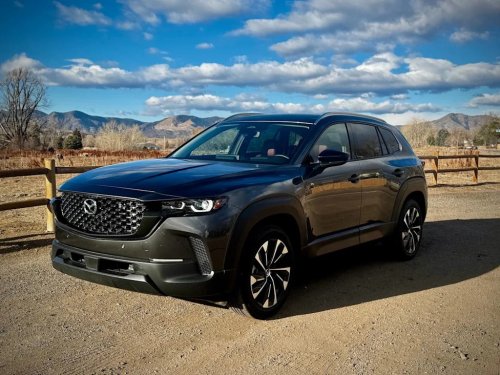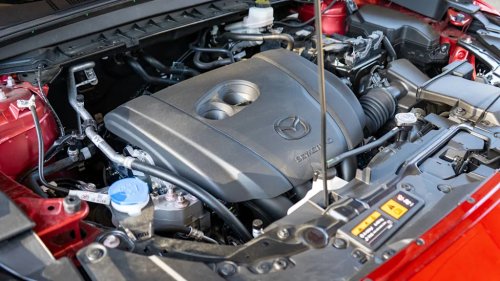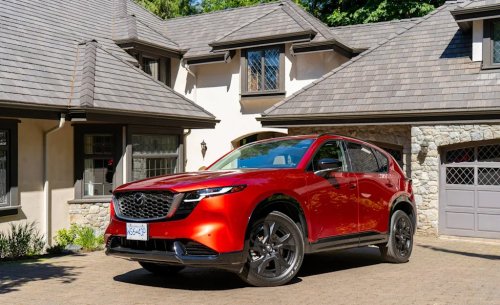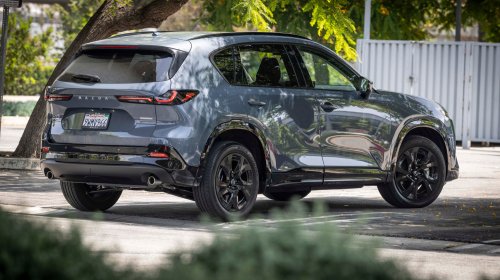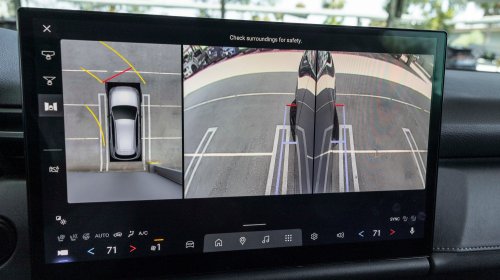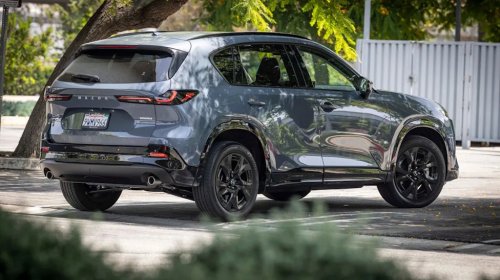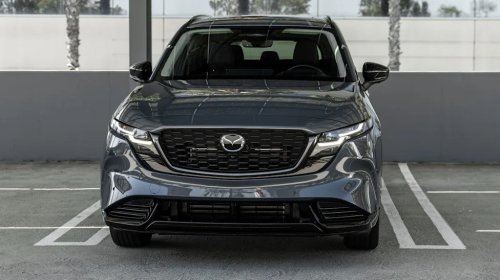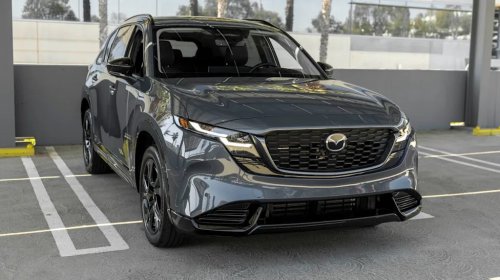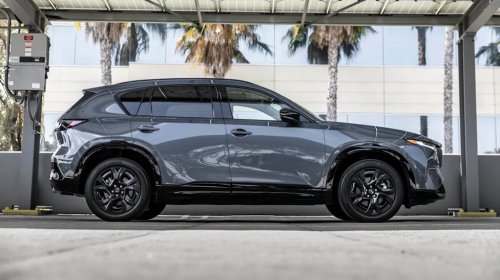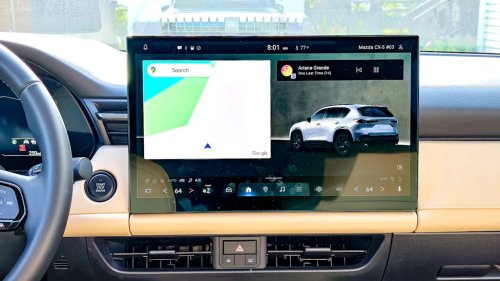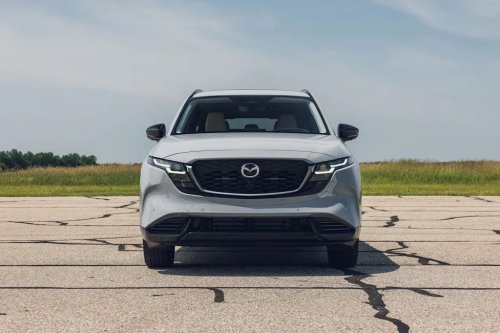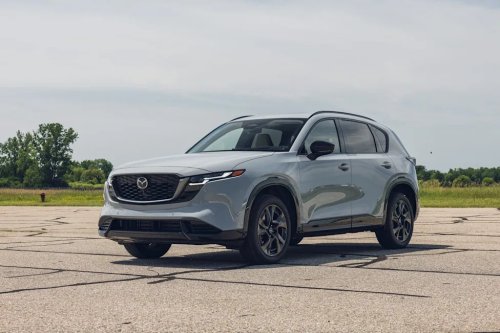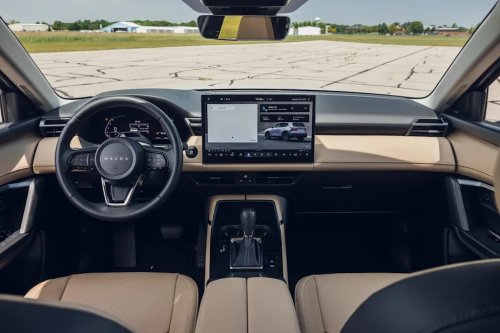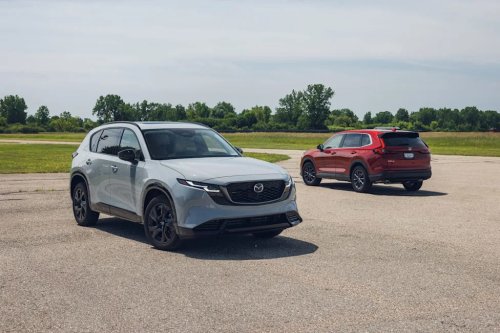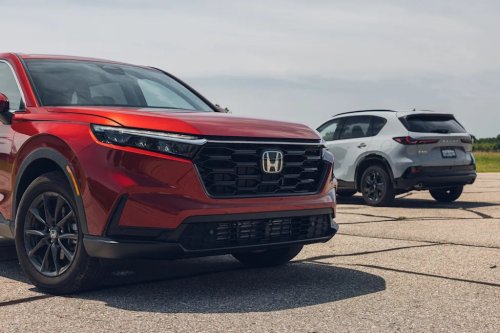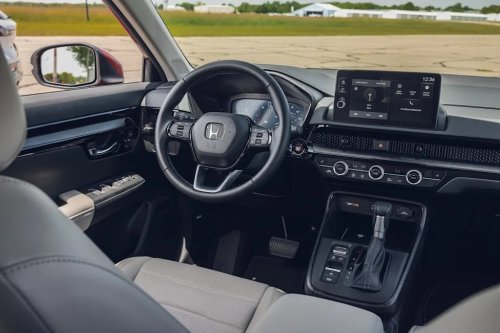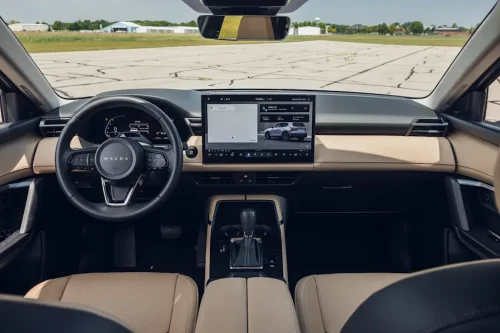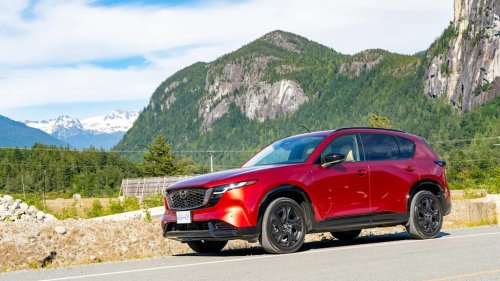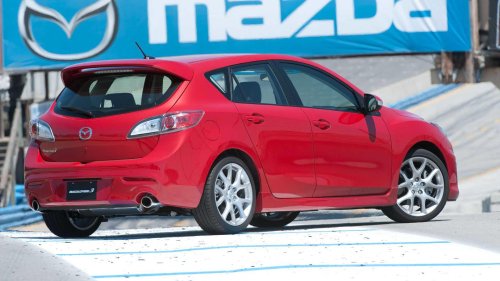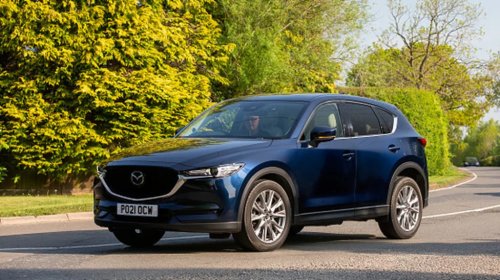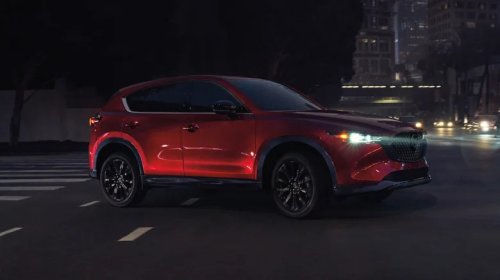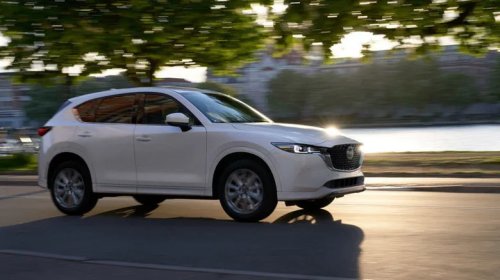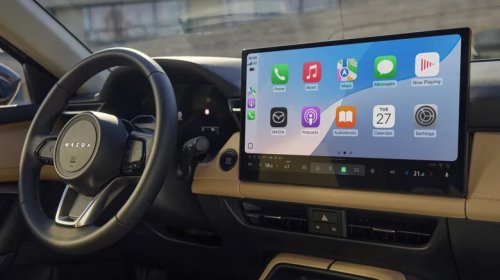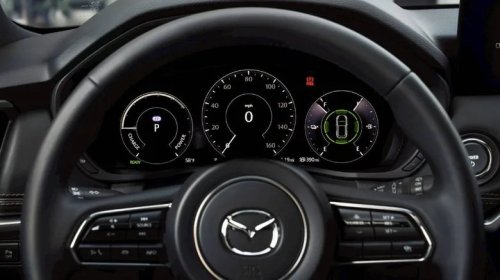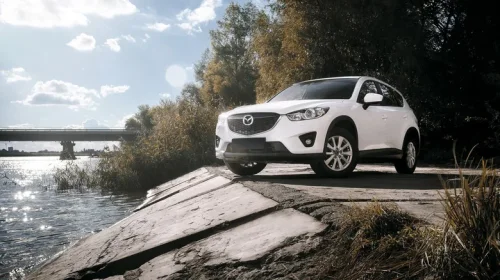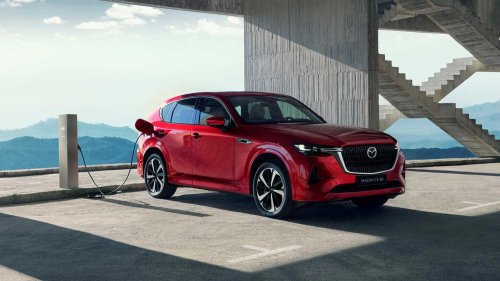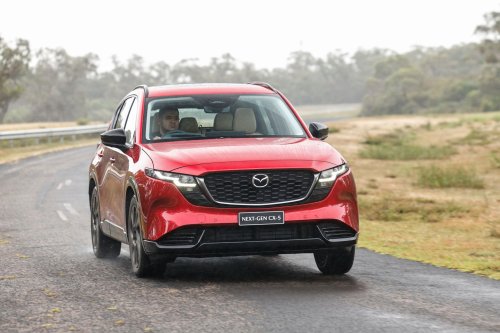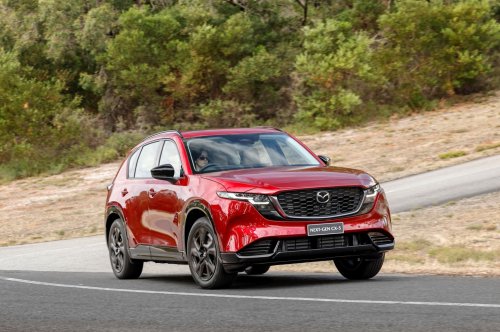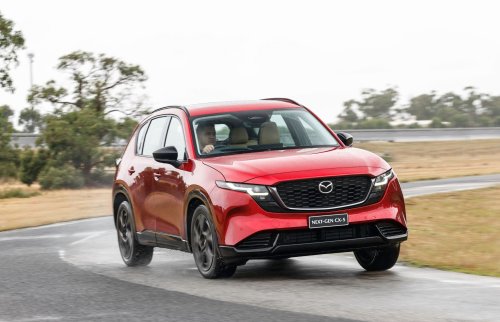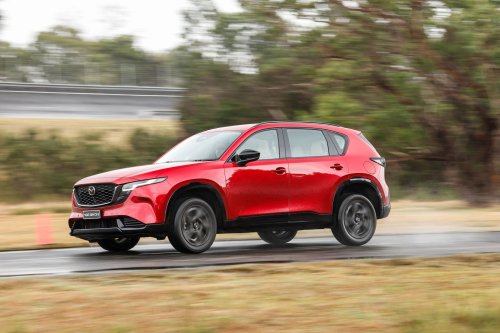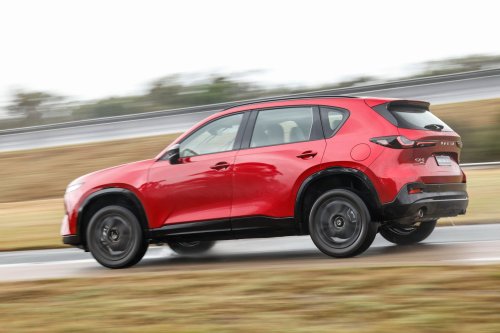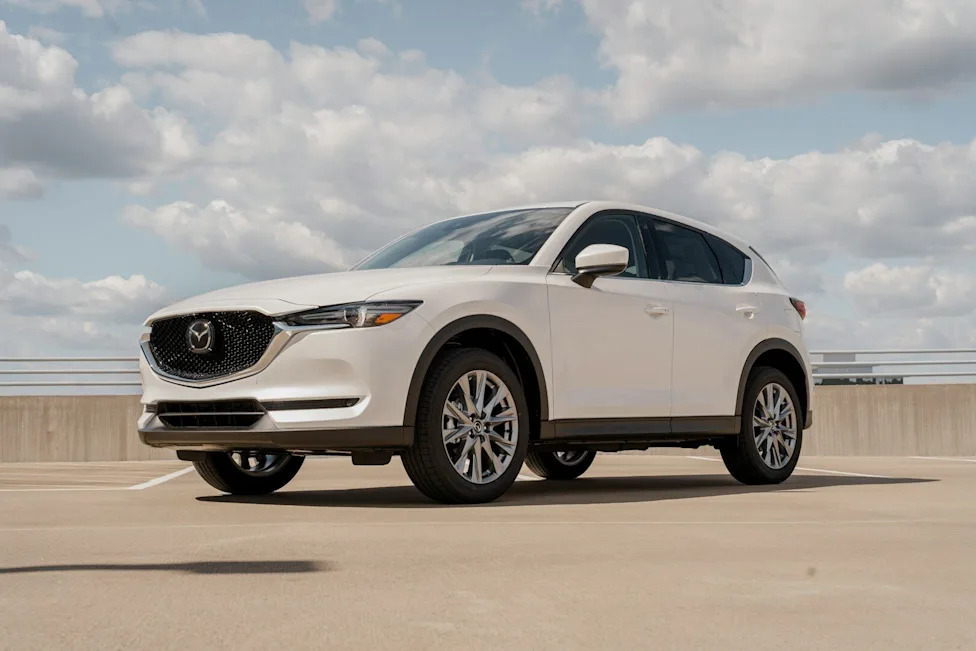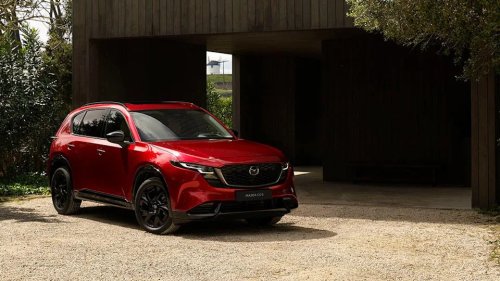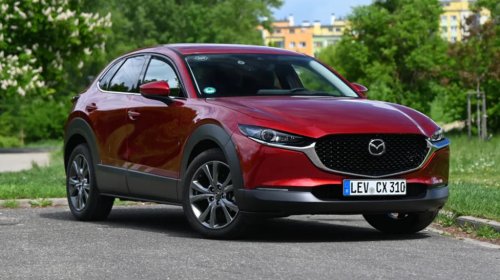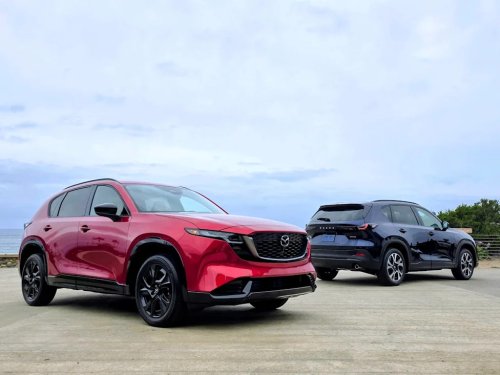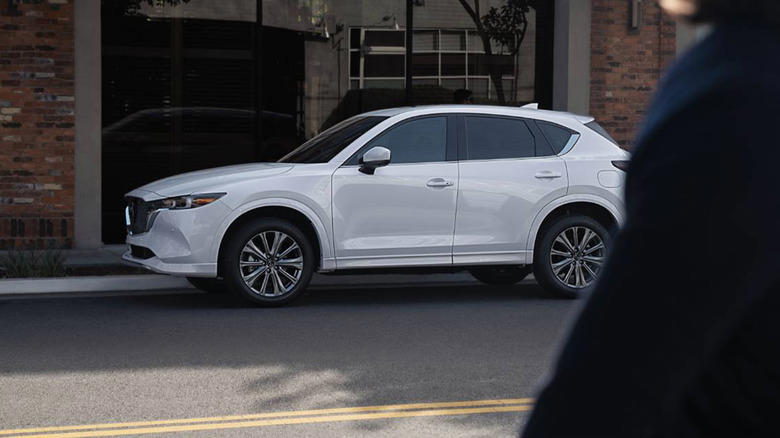
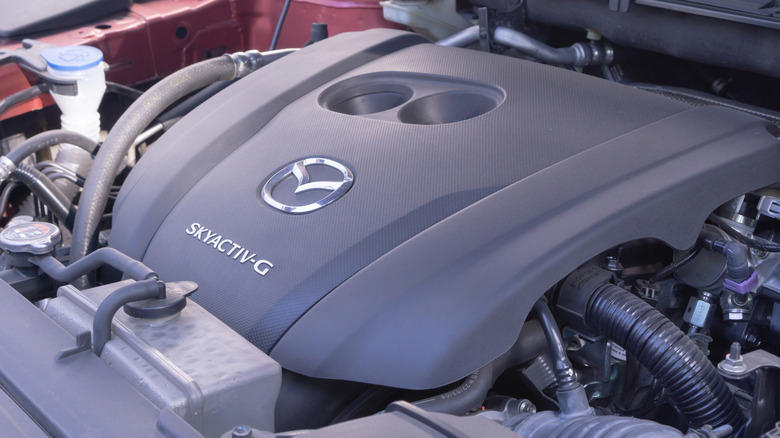



















There are only two generations to choose fromShopping for a Mazda CX-5 is fairly simple because there are only two generations to choose from. The nameplate started in 2013 and the first generation only lasted until 2016. Mazda's second generation started in 2017 and has been the same since. That means two things. One: other than tech upgrades, most CX-5s on the road today look alike. Two: shopping for one is surprisingly easy since the only real difference in model years are some tech add-ons dropped in over the years. The good news is that both generations have the same underlying driving characteristics, so you can choose whichever one you want. First generation CX-5 models still boast the hallmark sporty driving, albeit with a slightly weaker engine. They even look similar, with the first generation having a few extra curves, especially around the front-end. In short, if you load a webpage with a bunch of used CX-5 models, it may be difficult to tell them apart.However, of the two, we'd recommend the second generation. For starters, it's more likely you'll find newer used CX-5 models with lower mileage but also the improvement in things like engine selection, speaker quality, and driver assistance tech, and the inclusion of things like Android Auto and Apple CarPlay make the second generation the superior model. With that said, the first generation is still good if you want the simpler layout and don't mind less tech. You should get the turbo if you canIn general, there are two pros and one con to getting the turbocharged 2.5-liter over the naturally aspirated 2.5-liter. The first is avoiding the cylinder deactivation issues present in the 2018 to 2021 model years since the turbo engine doesn't have them. Buying a turbo avoids that situation entirely, leaving you free to shop for whatever model year you want. It's a smart decision, especially in the used market where the warranty may not be valid anymore. The other reason is because it's simply better. Per reviewers, the naturally aspirated engine gets you to 60 MPH in about eight to nine seconds. The turbocharged engine reduces that to about 6.5 seconds, depending on who you ask. Those extra two seconds can certainly help when merging onto the freeway and passing vehicles once you're there. It's also been pointed out by virtually everyone who's driven the car that the turbo engine better pairs with the CX-5's driving dynamics since you can go fast in a car that also handles well. In short, why bother buying a car that can take corners like a demon if you don't have the engine to match?As mentioned, there is one downside and that's the fuel economy. The naturally aspirated engine does 26 MPG in the city and 31 on the highway while the turbo reduces that to 22 and 27, respectively. Folks with a light foot can goose some pretty good fuel economy numbers out of the turbo engine, though.