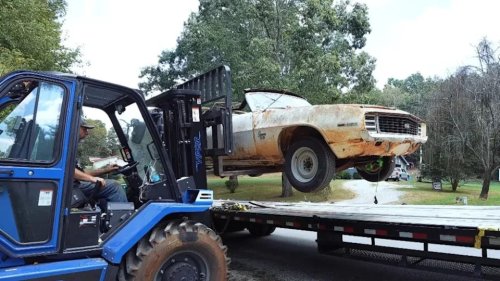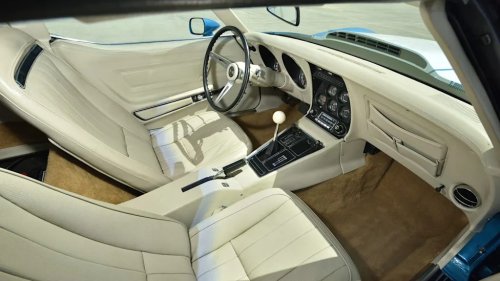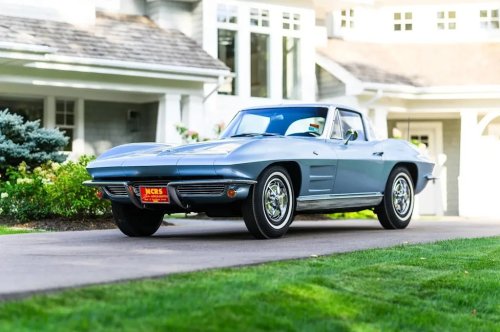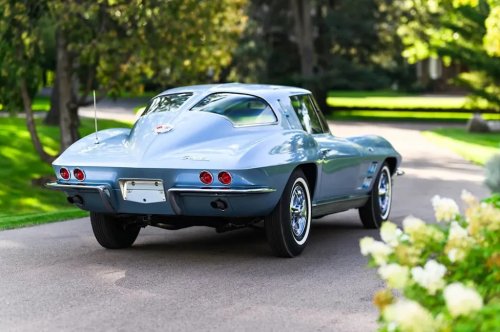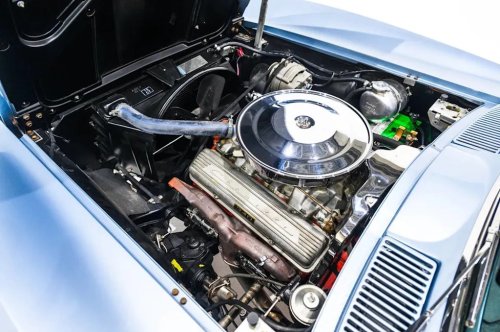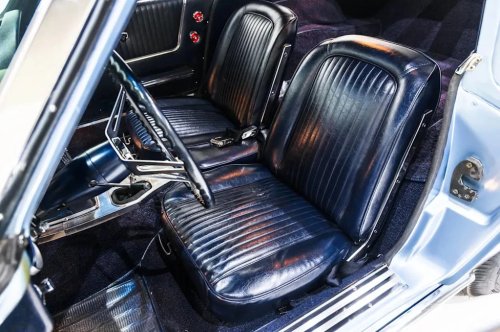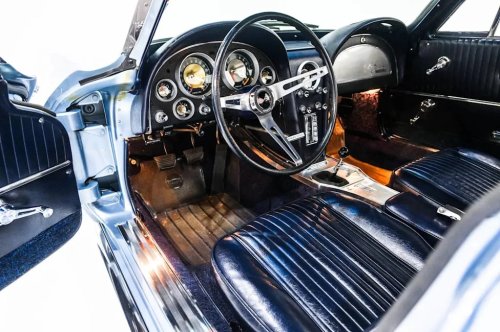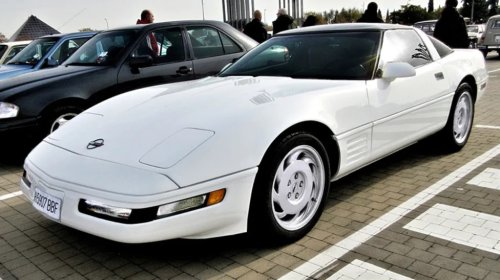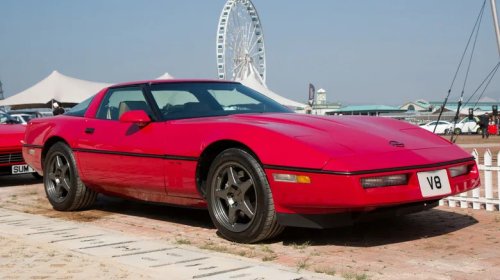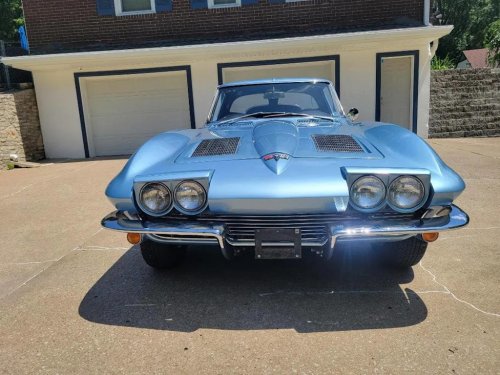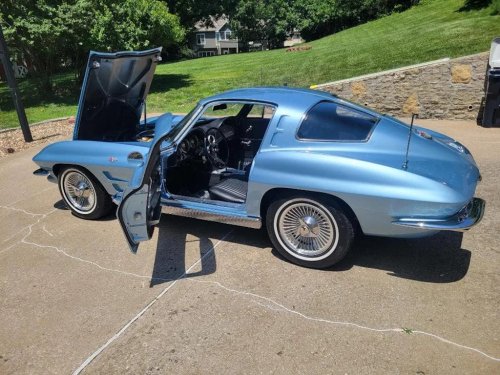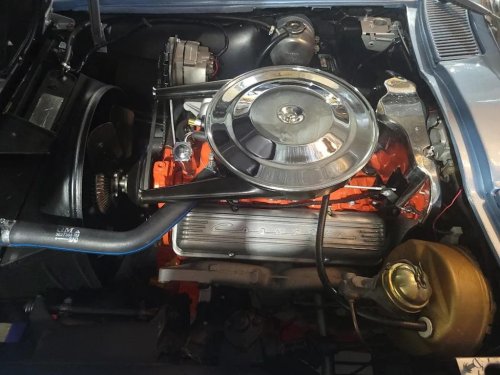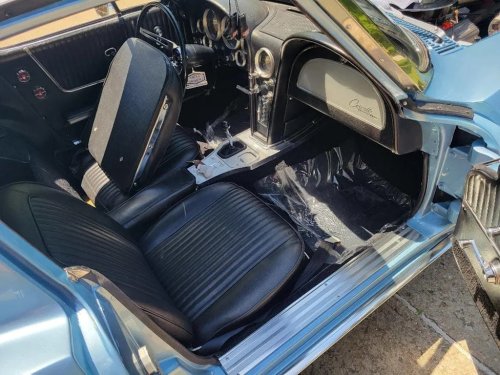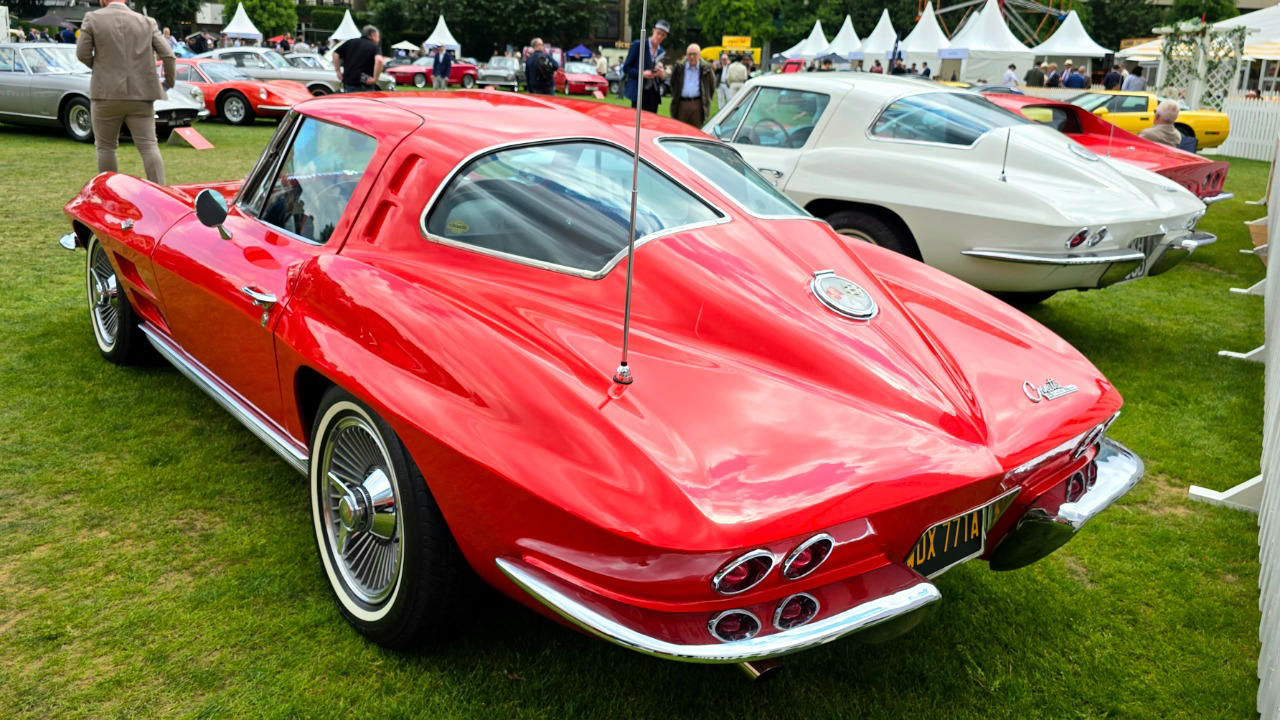



















The 1963 Chevrolet Corvette Split Window Was Discontinued After One YearThe 1963 Chevrolet Corvette split-window coupe lasted only a single model year, yet it became one of the most recognizable American performance cars ever built. The car’s divided rear glass, once criticized by engineers and owners, now defines a collectible that commands six- and even seven-figure prices at auction. The brief life of the split-window design captures a turning point for General Motors’ styling, racing ambition, and safety priorities. It also shows how one of the rarest Corvettes began as a compromise between dramatic looks and real-world drivability. A radical new Sting Ray When Chevrolet introduced the second-generation Corvette for 1963, the car represented a complete break from the soft-edged roadsters that came before it. The C2 Sting Ray arrived with sharp creases, hidden headlamps, and a compact, purposeful stance that drew heavily on experimental concepts and racing prototypes. Underneath, it finally gained an independent rear suspension and a more rigid chassis that could handle serious power. The centerpiece of the redesign was the new fixed-roof coupe. Until then, Corvette had been a convertible-only proposition. The coupe’s fastback profile, with its tapering roofline and muscular rear fenders, gave Chevrolet a chance to build a true grand touring car. Styling chief Bill Mitchell pushed for a bold graphic element on that roof: a spine that ran down the center, splitting the rear window into two panes of glass. The split window was not just a gimmick. It echoed earlier GM show cars and gave the Sting Ray a distinctive silhouette that looked more European than any previous Corvette. At a time when American buyers were becoming aware of Ferraris, Jaguars, and Aston Martins, the coupe’s dramatic rear treatment helped position the Corvette as a serious rival rather than a chrome-heavy boulevard cruiser. Why the split window disappeared Despite its visual drama, the divided rear glass quickly became a point of contention inside Chevrolet. Engineers and development drivers complained that the central pillar compromised rearward visibility, especially during lane changes and in tight traffic. Zora Arkus-Duntov, the engineer often credited as the father of the Corvette, strongly favored function over styling and considered the obstructed view an unacceptable tradeoff for a sports car. Owners made similar complaints once the cars reached the street. The spine and thick sail panels created a blind spot that could not be ignored in daily driving or competitive use. In an era before backup cameras and wide-angle mirrors, the split window felt more artistic than practical. Internal pressure from the engineering side, combined with customer feedback, pushed Chevrolet to act quickly. For the 1964 model year, the Corvette coupe kept its basic fastback shape but replaced the two-piece glass with a single curved rear window. The roof spine disappeared, the pillar between the panes was removed, and visibility improved. The decision was straightforward from a safety and usability standpoint, yet it instantly turned the 1963 version into a one-year-only curiosity. That short production run is why the split-window coupe now appears on lists of cars discontinued after. The car did not vanish because of poor performance or weak sales. Instead, it fell victim to a design correction that favored drivers over dramatic styling flourishes. Inside the C2 engineering leap The split-window story often centers on glass and sheet metal, but the 1963 Corvette also marked a major leap in engineering. The new chassis introduced an independent rear suspension with a transverse leaf spring, a layout that dramatically improved ride quality and cornering compared with the solid-axle cars that preceded it. The updated frame was shorter and stiffer, which helped the car respond more quickly to steering inputs. Under the hood, buyers could choose from several versions of the small-block V8, including fuel-injected options that pushed the Corvette firmly into high-performance territory. These engines, combined with the lighter, more agile chassis, made the Sting Ray a legitimate track weapon as well as a stylish street machine. Enthusiast histories of the C2 highlight how the 1963 model set the template for the entire generation. Lists of little-known C2 facts frequently point to the way that independent rear suspension, more advanced steering, and improved braking turned the Corvette from a fast cruiser into a genuine sports car. The split window may grab attention, but the underlying hardware is what made the car competitive with European rivals. Design tension inside General Motors The conflict over the split window reflected a broader tension inside General Motors between styling leadership and engineering priorities. Bill Mitchell and his team wanted a Corvette that would stand out on the street and in showrooms, even if that meant some compromises. Arkus-Duntov and the performance group, by contrast, focused on racing, lap times, and driver confidence. The divided rear glass became a symbol of that internal debate. For Mitchell, the spine created a signature look that could be recognized instantly from a distance. For Arkus-Duntov, it was an obstruction that undermined the car’s mission as a high-speed driver’s tool. In the end, the engineering argument prevailed, and the design team found ways to preserve the Sting Ray’s visual drama without the controversial pillar. That outcome foreshadowed later Corvette decisions in which performance voices pushed back against purely decorative flourishes. Subsequent generations would continue to balance sculpted bodywork with track-focused aerodynamics and visibility. The 1963 split-window episode showed that even a design triumph could be sacrificed if it interfered too much with how the car drove. From showroom oddity to blue-chip collectible When Chevrolet replaced the split rear glass in 1964, many owners of 1963 coupes saw the change as an upgrade. Some even had their cars converted to the single-window configuration by dealers or body shops. At the time, there was little sense that the one-year-only design would become a prize among collectors. Over the decades, the market reversed that logic. The combination of limited production, striking looks, and the car’s role as the first Sting Ray coupe turned the split-window into one of the most sought-after Corvettes. Price guides and collector analyses routinely rank it near the top of the C2 hierarchy. Even rough examples can command significant money, while well-restored or historically significant cars reach into the high six figures. General interest pieces on collectible Chevrolets often single out the 1963 coupe as a common classic now. The split window’s value is not solely about rarity. It also represents a very specific moment in American automotive design, when sculptural ambition briefly outran practical concerns before being reined in. The surge in value has created a cottage industry around locating, authenticating, and restoring these cars. Originality matters. Collectors pay close attention to whether the rear glass and roof structure remain as built, since period conversions to a single window can reduce desirability. Documentation, matching-number drivetrains, and factory-correct colors all play into how the market judges a particular example. Survivors, projects, and lost racers The split-window’s current status as a blue-chip collectible does not mean every car lives in a climate-controlled garage. Some have led hard lives as drag racers, weekend track toys, or neglected projects. Stories circulate of coupes that were modified heavily in the 1970s and 1980s, then parked and forgotten when tastes changed or owners moved on. One account describes a heavily modified drag-race that was claimed by a garage in 1980 and never ran again. Built with a hot small-block and race-focused suspension, it spent decades as a dormant project, a reminder that many of these cars were treated as expendable hardware rather than future investment pieces. At the other end of the spectrum, enthusiasts still chase rough C2 Corvettes in the hope of restoring them. Listings appear for 1963 cars that need complete overhauls, including convertibles that share the same basic chassis and engineering as the split-window coupe. A recent classified ad for a 1963 convertible project illustrates how even non-coupe C2s attract attention from buyers willing to tackle rust, missing parts, and decades of neglect. These survivor stories underline how ordinary many Corvettes once were. They served as daily drivers, drag-strip regulars, and long-distance cruisers. The idea that a 1963 split-window might sit under a tarp behind a workshop, or half-disassembled in a home garage, remains part of the car’s mystique and keeps barn-find hunters searching. How the one-year design shaped Corvette culture The decision to abandon the split rear glass after a single year did more than create a rare variant. It helped cement the idea that Corvette history moves in distinct, collectible chapters. Enthusiasts talk about fuel-injected C1s, big-block C2s, chrome-bumper C3s, and so on. Within that language, the 1963 split-window coupe occupies its own subchapter. Lists of one-year-only models and rare options often feature the car as a prime example of how a single styling choice can transform long-term perception. Enthusiast surveys of short-lived models use the split-window Corvette to show how quickly a manufacturer can pivot when customer feedback conflicts with design intent. The car also influences how modern Corvettes are judged. When Chevrolet experiments with bold styling cues or controversial elements, fans often compare those moves to the 1963 coupe. The lesson is clear: dramatic design can pay off, but it must coexist with real-world usability. The split-window’s legacy serves as both inspiration and cautionary tale. Market lessons from a one-year icon For collectors and investors, the 1963 split-window coupe illustrates how short production runs, strong design identity, and engineering significance combine to drive long-term value. The car checks all three boxes. It was built for only one model year. Its appearance is instantly recognizable. It also introduced hardware that transformed the Corvette’s capabilities. General guides to classic car values often point to the split-window when explaining why some models appreciate faster than others. The C2 coupe’s trajectory shows that not every rare car becomes valuable, but that rarity tied to a distinctive story can be powerful. The narrative of internal design conflict, rapid correction, and later reappraisal gives the 1963 coupe a depth that goes beyond simple scarcity. That lesson extends to the wider Corvette family. Articles that survey classic Chevrolets now often treat the split-window as a benchmark against which later special editions are measured. Limited-run performance variants, anniversary models, and race-inspired packages all seek a similar blend of technical significance and storytelling potential. Enduring fascination with the Sting Ray era Interest in the 1963 coupe also feeds into a broader fascination with the Sting Ray generation. Enthusiast retrospectives on C2 Corvettes highlight how these cars balanced mid-century style with serious performance. They trace the line from the first independent rear suspension in 1963 through the big-block power of later years and into the refined 1967 models that some analysts consider the peak of classic Corvette development. Within that arc, the split-window stands at the starting point. It represents the moment when the Corvette fully embraced its role as a world-class sports car, not just a stylish American two-seater. Its short-lived rear glass design adds drama to that story, but the underlying engineering and racing ambitions give it lasting substance. More from Fast Lane Only Unboxing the WWII Jeep in a Crate 15 rare Chevys collectors are quietly buying 10 underrated V8s still worth hunting down Police notice this before you even roll window down *Research for this article included AI assistance, with all final content reviewed by human editors.