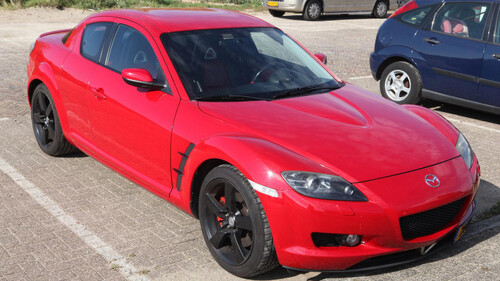
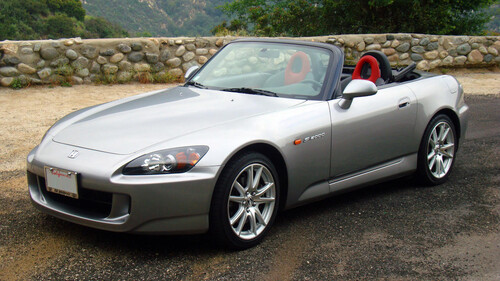
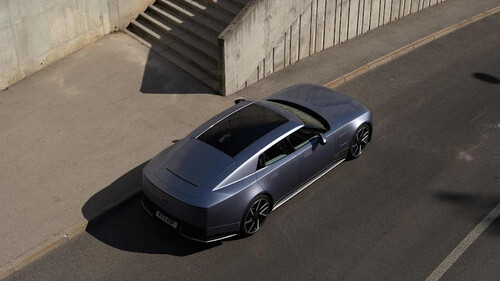
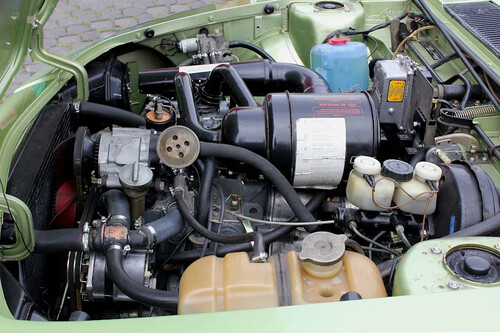
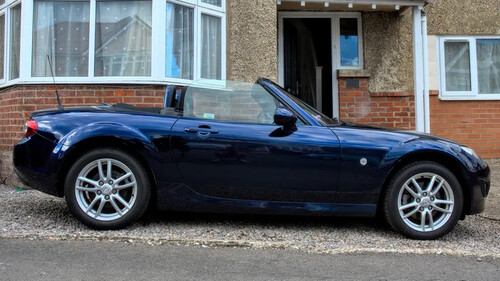
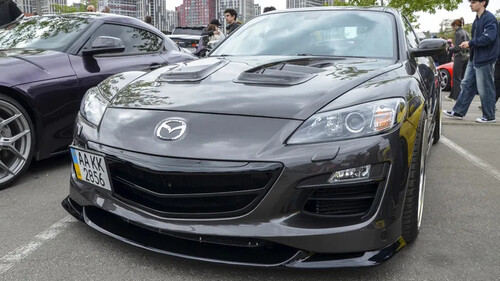
The thunderous roar of a naturally aspirated V8 or the symphony of a high-revving V12. Engines as big as 8.3 liters, all powering the rear wheels, with three pedals under your feet and a stick in your hand. This feeling of something visceral and truly analog is what describes the 2000s.Cars were simple yet deadly; no electronic aids, just the right foot to control the smoke out of the tires. The revs climbed as the naturally aspirated (NA) engine sang; the cars were alive, and every input had to be precise and calculated. The cars were light and responsive, with a nimble chassis. The more you push it, the more you are rewarded. Well, this was the 2000s, but modern performance cars now have a different face. The RPM Soft Limiter Hyundai Modern performance cars could be defined by one statement alone: the revs locked at 2,000 rpm at idle. Emission standards and regulations have muted car performance. A super sedan today can produce over 700 hp and put a supercar from 20 years ago to shame. Performance cars today, with turbocharged six- and eight-cylinder engines, can reach 0–60 in under three seconds, and some electric cars can do the same in under two seconds.All this to say, the feel of a big engine has been traded along the way to achieve record numbers. A turbo engine fails to replicate the sonorous sound of a V12 and the rumble of a big American V8. Cars fitted with all the safety tech mandated today make driving safer but also more subdued. The weight of cars has taken away the nimble feel, making the car feel less connected to the road. The manual has been replaced with a dual-clutch transmission, where the computer does the job better than you.800 hp is more accessible to drive today than ever before. But is it as entertaining as it was 20 years ago? The danger of losing the rear wheels kept the adrenaline high and focus sharp, as there is no stability control to watch your back. A proper gear shift into the gear slot at the perfect RPM to get the right traction and acceleration. All this in today’s world of cars feels rather monotone. Back To The Basics Of Driving Pleasure GM People are now nostalgic for the raw, visceral experience and for cars from the past, seeking the thrill that modern cars fail to produce. From the Mustang to the Mercedes CLK 63 AMG, for the torque fest. And the Honda S2000 to the Acura NSX for the analog high-revving experience. Older supercars with stick shifts and a 6.0-liter V-12 now evoke an emotion that modern cars have failed to capture. Older cars had fewer electronic sensors, which makes them easy to tune and modify for more power without breaking the bank.That being said, there is one special car that was not loved in its time but has found a new lease of life and is starting to build a following. It is different than any car of its era; it has a special engine, and no, it's not a V8 or a V6; it's not even a piston engine. So what was it? The 2000s Rotary-Powered Coupe The Mazda RX-8, powered by a twin-rotor Wankel engine, was naturally aspirated and revved to its 9,000-rpm redline. The rotary engine made it stand out from its competitors back then, as all other cars on sale had piston engines. But the reality was quite different: the rotary engine, the car's key highlight, also had flaws.The fuel economy was poor; it returned around 12–17 MPG in real-world use and consumed more fuel than the Chevy Corvette with its big American V8. The engine was designed to consume oil to keep wear low, so oil had to be topped up more frequently. The poor fuel economy and oil problem would have been excused, but the engine itself did not have enough power to pull the 3,200-pound car. The 1.3-liter twin-rotor felt quick, but the NA engine just never felt fast.Another unique feature of the RX-8 was that, although it was a coupe, it had four seats and four doors. RX-8 had suicide doors, a quirky design for a small sporty coupe. The interiors were quite spacious, but rear seat usability was still a challenge for a car of its size. The 50/50 weight distribution, paired with a limited-slip differential (LSD), made the driving experience more connected to the road. Specification Of The Enthusiast's Choice Of RX8 RX-8’s Rise To Re-Popularity Credit: Mazdamediapacks.com The RX-8 has started to carve out an audience for itself. Today, an early example is on the market for as low as $5,000. Though the engine's reliability remains a concern, many owners have driven their cars for upwards of 50,000 miles with proper maintenance. Over time, people have figured out how to keep it reliable and running.With low barriers to entry, the RX-8's thrill remains unmatched. People modify their cars and add a turbo for increased power. It offers a visceral experience at a lower cost than modern cars. The repairs and maintenance remain a bit of a challenge, yet manageable. The car fits perfectly as a weekend track car or even a canyon carver.Owners have often discussed their cars on Reddit forums. RotarySam27 said,"Will put a smile on your face every time you’re in it, turns petrol into lots of noise, RWD, LSD, looks pretty cool IMO, not many of them about, different unique car, stupid fun in the wet in empty car parks and private yards." RX-8's Relevance In 2026 Credit: Mazdamediapacks.com Mazda sold 14,673 cars in 2005, but sales dropped over time; just 93 cars were sold in 2012, and only one in 2013, the last model year. So what happened? As emission regulations became stricter, the rotary engine, the car's key feature, could not keep pace and was eventually discontinued. The maintenance was off-putting, and the performance just couldn't keep up with rivals over the years.The RX-8 was first launched at around $25,000, and later models were priced at around $32,000. Well, the listed price of a high-mileage RX-8 is lower now. An original, non-modified, low-mileage version can be for around $15,000. The RX-8 remains the last performance car with a rotary engine to date, making the experience it offers truly one of a kind. Prices Of Recently Sold RX-8s Source: Mazda USA newsroom, Classic.com, Reddit, CarFigures.