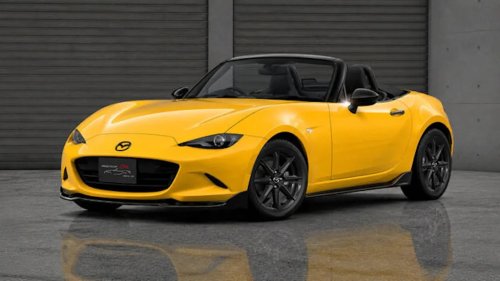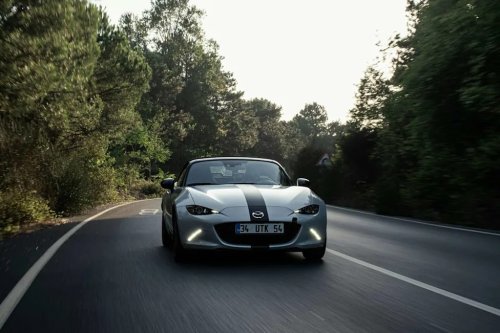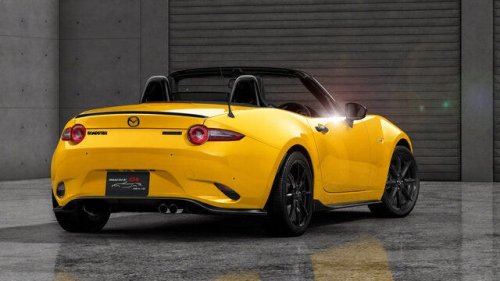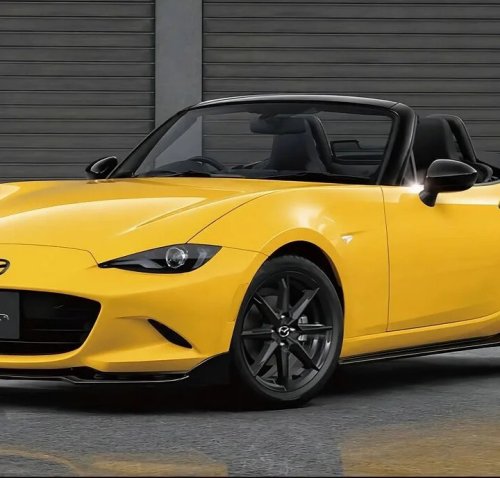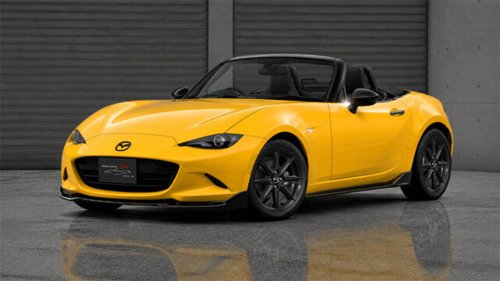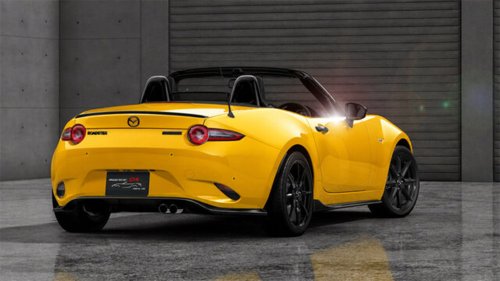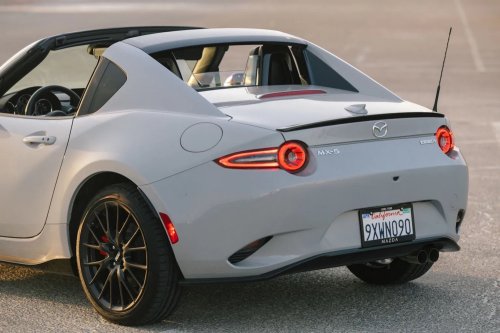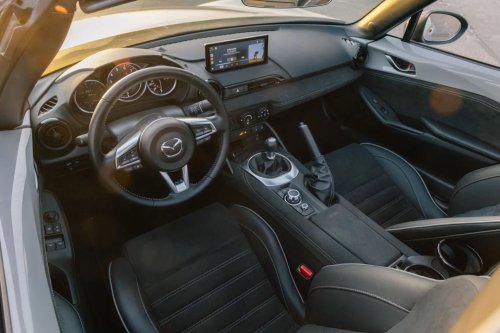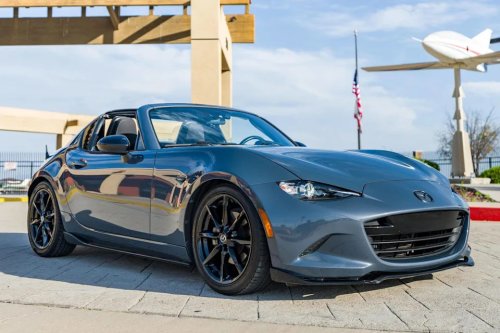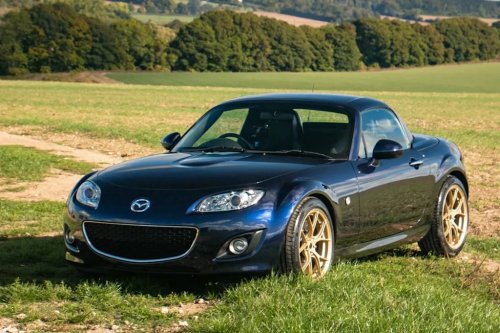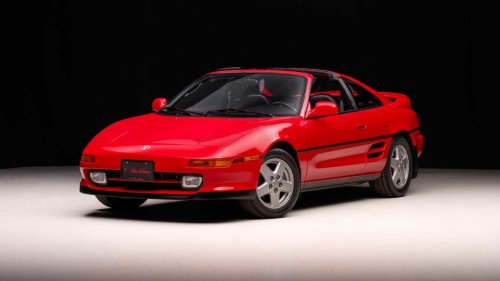
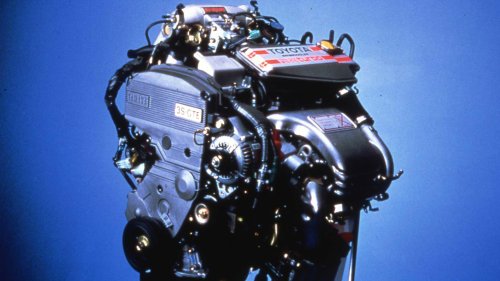
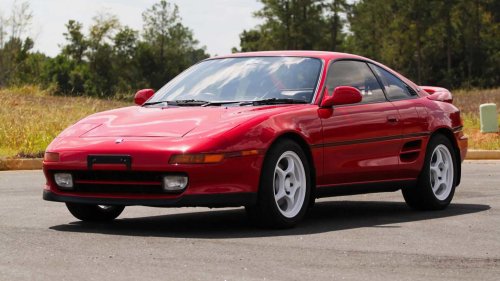
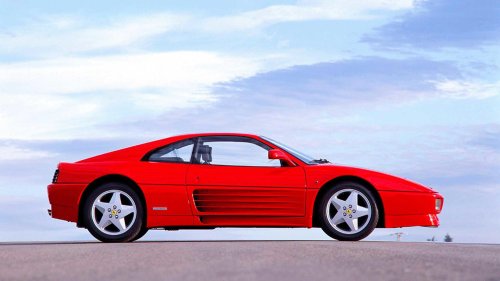
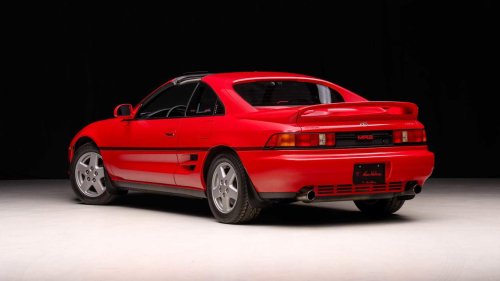
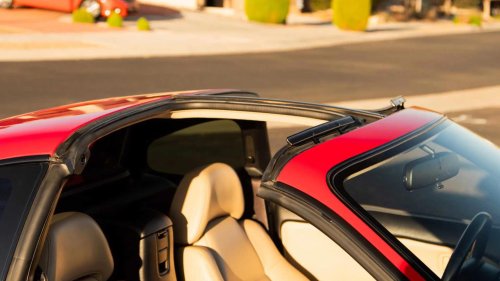
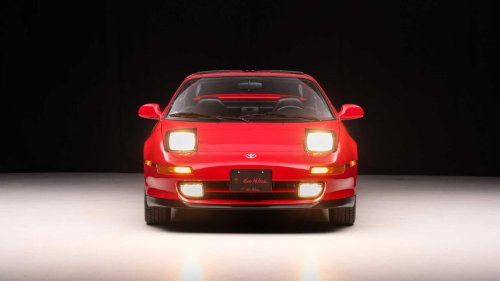
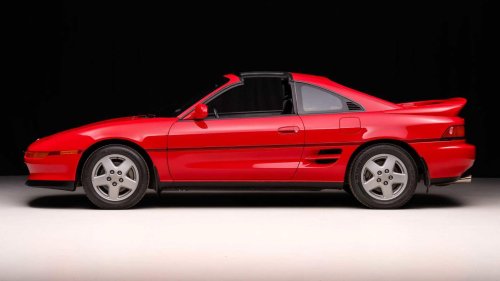
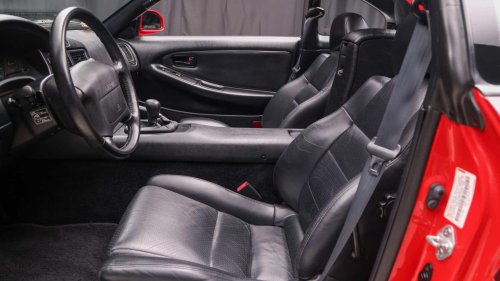
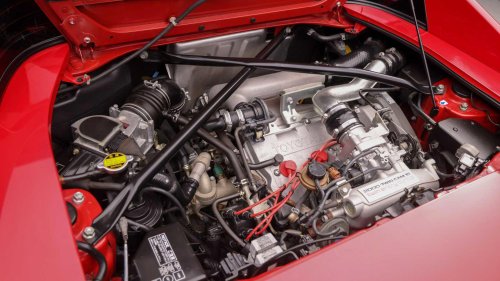



















If you’re looking for a fairly affordable, young enthusiast-friendly sports car, the variety of options on offer today is not quite as wide as it was in the past. As a result, many people choose to look into models from decades gone by as a way of getting the entry-level sports car of their dreams.One highly popular option in this category is the iconic Mazda MX-5 Miata, whose early generations provide heaps of driving fun without breaking the bank. However, there is another Japanese sports car that could be an even more exciting alternative: the Toyota MR2 Turbo. Here are 10 facts about it that tell us why it’s such a cool car and why it could be a better choice than the Miata for your garage. The SW20 Generation: A Jump Forward Compared To Its Predecessor Bring A TrailerThe MR2 Turbo belonged to the model’s second generation, known internally as the SW20. This generation was released in 1989 and represented a considerable step forward in terms of design compared to the one that came before it. While the first version embraced the angular style of the 1980s, the second-gen MR2 was sleeker and more streamlined, earning the model comparisons with Ferrari’s production cars of the era (such as the 348).Several key elements of the MR2, such as the suspension and interior, also received upgrades. The result was a car that combined comfort and performance, effortlessly going from the road to the track. The 3S-GTE Engine: A Powerhouse Built For Performance ToyotaOne of the key features that makes the MR2 Turbo an appealing choice is its engine, the 3S-GTE. The 2.0-liter turbocharged inline-four unit, in the US-spec version of the MR2, produced 200 hp and 200 lb-ft of torque. In this model, power went to the rear wheels via a single transmission choice: a five-speed manual.The 3S-GTE was a sturdy, reliable engine built in collaboration with Yamaha. It was equipped with a forged-steel crankshaft and electronic fuel injection and was also used in another famous Toyota sports car, the rally-inspired Celica GT-Four and All-Trac.By contrast, the first-gen Miata (known internally as the NA) was equipped with two engines in the US, both of which were less powerful: a 1.6-liter inline-four producing 116 hp in early examples and, later, a 1.8-liter inline-four producing 128 hp. The US-Spec MR2 Turbo Vs. The JDM GT-S/GT Bring a TrailerAlthough the US-market MR2 Turbo was no doubt a fun, exciting sports car, it was not quite as powerful as its Japanese counterpart. In the MR2’s Japanese lineup, the turbocharged engine was used in two trim levels: the GT-S and GT. Due to lower emissions standards, it produced 220 hp and 224 lb-ft of torque. These models also had a slightly higher top speed: 152 mph, compared with the American model’s 149 mph. By contrast, the NA Miata’s top speed is much lower than both at 126 mph.The good news is, if you think a Japanese-spec turbocharged MR2 is more to your taste, you are now free to import one legally under the 25-year rule. Of course, there will be a few extra costs to take into account. Not Just The Miata: The Japanese-Spec GT-S Was Faster Than Many Famous Models FerrariWhile the NA Miata is outperformed by both the American and Japanese turbocharged MR2s, the latter also beats several other well-known models of the era. The “Revision 3” version (model years 1994 and 1995) of the Japanese MR2 GT-S did the quarter mile in 13.1 seconds.For comparison, those figures are 13.5 seconds for the first-gen Acura NSX, 13.71 seconds for the Ferrari 348, and 13.8 seconds for the Mk4 Toyota Supra. The US-spec MR2 Turbo was not quite as quick, completing the quarter-mile in 14.7 seconds, but still remained fairly impressive. The NA Miata’s quarter-mile time, on the other hand, sits around the 16.5-second mark. The Advantages Of A Mid-Engine Architecture Bring A TrailerAmong the differences between the MR2 Turbo and its contemporary in the Miata world, the NA, is the placement of the engine. The MR2 famously had a mid-engine layout, while the Miata had a front-engine one. This greatly influenced their handling profile and overall driving experience.A mid-engined car has many advantages during high-performance driving, such as a more balanced weight distribution and more predictable handling. Mid-engine cars lend themselves well to track driving thanks to their characteristics, so if you’re a weekend track day warrior, the MR2 Turbo could be the perfect way to get many hours of driving enjoyment. Roof Options: T-Bar Or Hardtop Bring a TrailerOne of the crucial differences between the MR2 Turbo and the NA Miata is the roof options on offer. The MR2 Turbo was available with two roof options, which varied by model year. When it was first launched in 1991, both a hardtop and a T-bar roof variant were available. The former offered increased structural rigidity, which helped boost performance; the latter, however, added the experience of open-top driving into the mix.After the 1993 model year, however, things changed. The hardtop was no longer available, leaving only the T-bar model on offer until the MR2 Turbo was discontinued in 1995. This means that today the T-bar model is easier to find, while the hardtop variant is a veritable rarity. Performance That Outpaces The Miata Bring A TrailerThe MR2 Turbo beat the NA Miata on every performance metric. Its more powerful, turbocharged engine produced nearly double the power and propelled the car to 60 mph in just under six seconds, while the Miata took nearly ten. The Toyota’s top speed was 149 mph, against the Miata’s 126 mph. The quarter mile was faster as well, with the MR2 Turbo taking 14.7 seconds and the Miata taking 16.5 seconds. A Sought-After Rarity: The MR2 Turbo Today Bring A Trailer The MR2 Turbo did not have huge production numbers; approximately 10,000 units were sold in the US over the model’s five-year lifespan. Only around half of them are thought to still be on the road today, and even fewer are available for sale on the used market, which means it may take a little effort to snap one up. This is especially true given that the MR2 is a beloved model among car enthusiasts, and the MR2 Turbo is a highly sought-after variant.In terms of pricing, MR2 Turbo examples on sale today range from around $12,000 (for models in poorer condition and with higher mileage) to around $27,000 (for models in better condition and with fewer miles on the clock). The NA Miata, meanwhile, varies in price between around $5,000 and $25,000. The MR2 Turbo's Interior: Sporty And Ergonomic Bring A TrailerThe interior of the MR2 Turbo reflected its overall character: oriented towards performance while keeping an eye towards comfort. The cockpit wraps around the driver, with ergonomics at the heart of its design. The analog gauges are minimalistic and easy to read, even while driving at high speeds. There are plenty of small-item storage compartments dotted around for added practicality. In the T-Bar model, dedicated bags behind the seats store the roof panels during an open-top drive.The MR2 Turbo also includes a boost gauge in the middle of the instrument cluster, as well as a storage feature not seen in naturally aspirated versions of the model: a center compartment placed between the two seats. The Only MR2 Generation To Feature A Turbocharged Version Bring A TrailerThe MR2 Turbo is the only member of the MR2 family equipped with a turbocharged engine. Its first-gen predecessor, the SW10, was powered by a lineup of naturally aspirated and supercharged inline-four engines. Its third-gen successor, the SW30, offered a single naturally aspirated engine option, a 1.8-liter inline-four.The SW20 was also available with the naturally aspirated 3S-GE 2.0-liter four-cylinder at a lower cost than the turbocharged model. When combined with the second-gen MR2's relatively short availability in the US, it makes finding one fairly difficult.By contrast, used Miatas from the same time period are abundant, with a variety of options available at different price points today. The only production-version Miata with a turbocharged engine was the Mazdaspeed MX-5, just 5,428 examples of which were built over two years (2004 and 2005).Sources: Mazda, Toyota