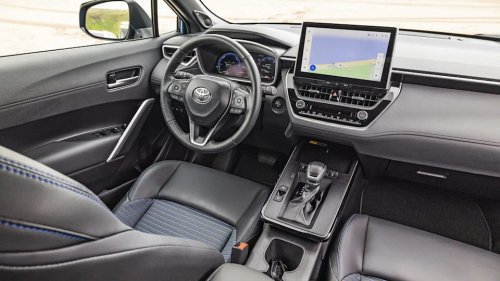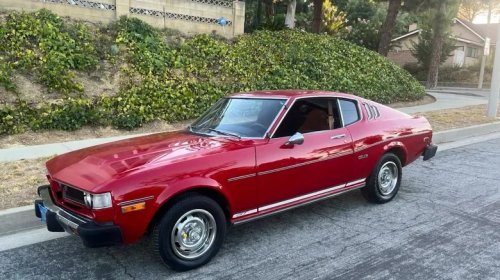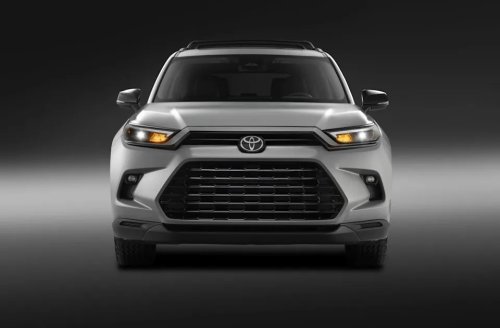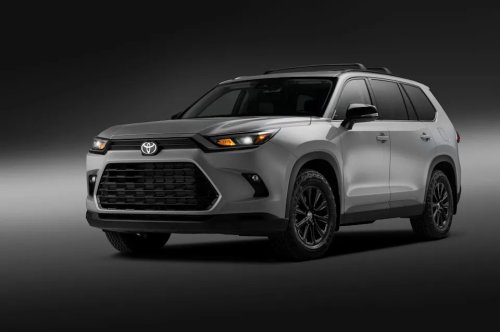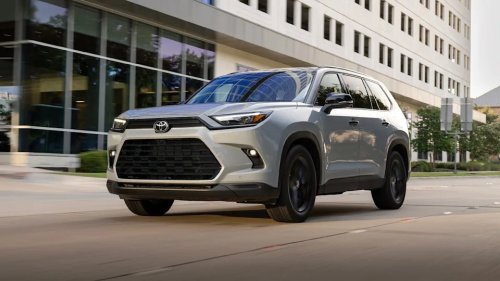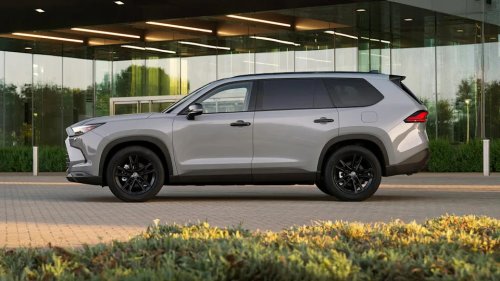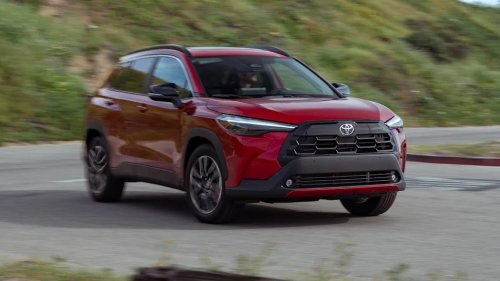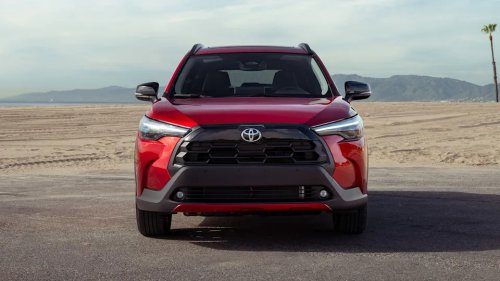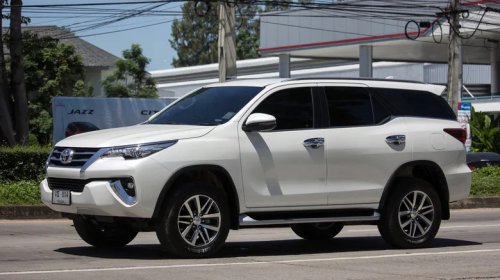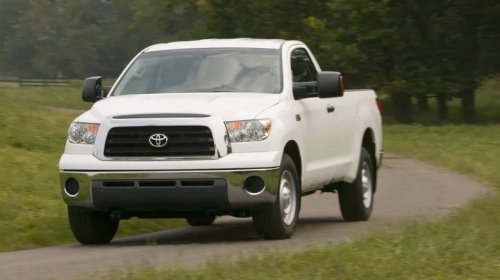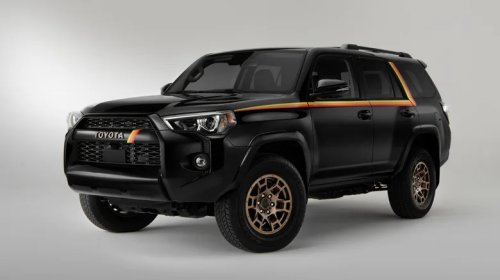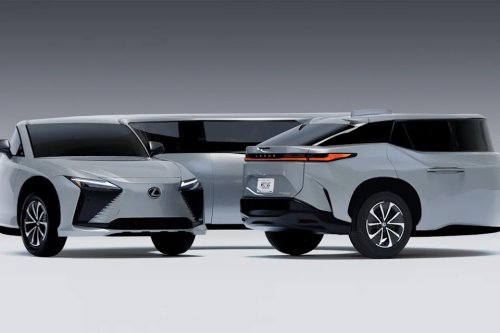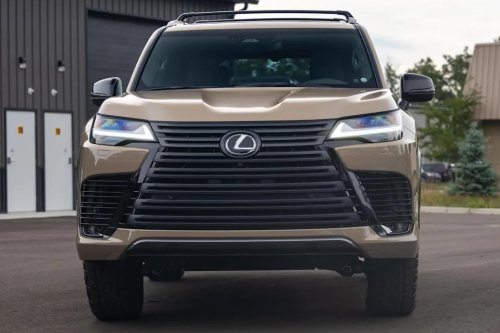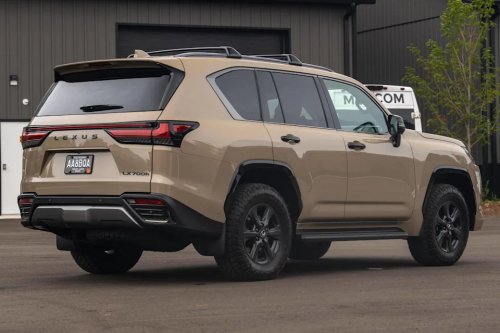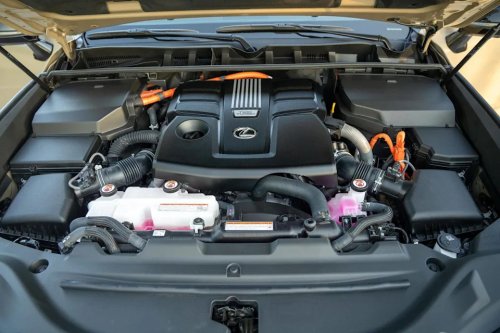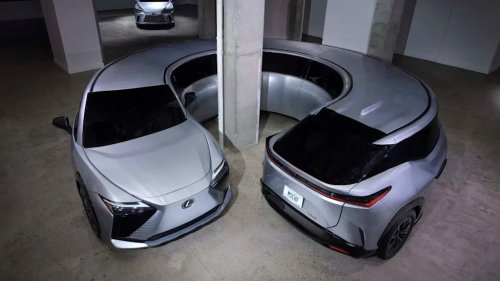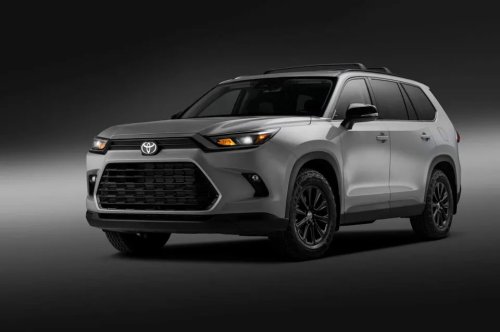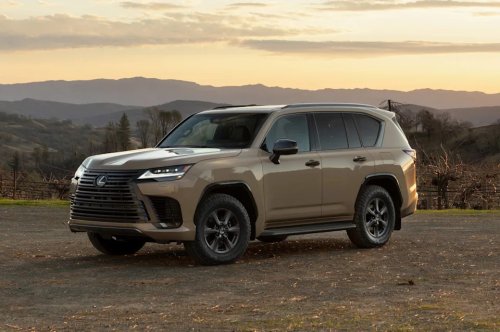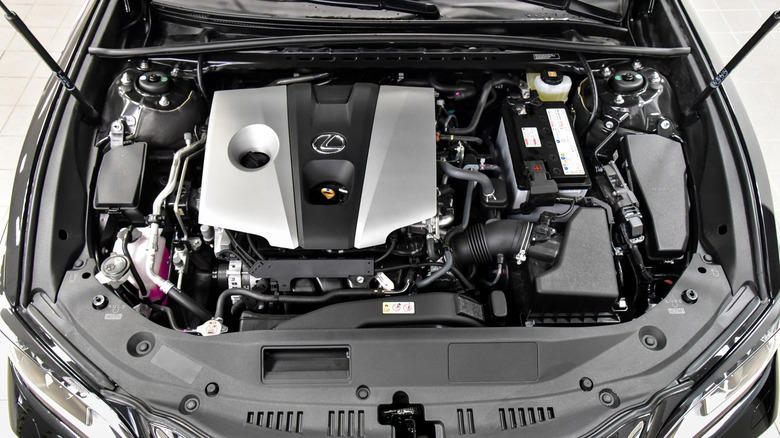
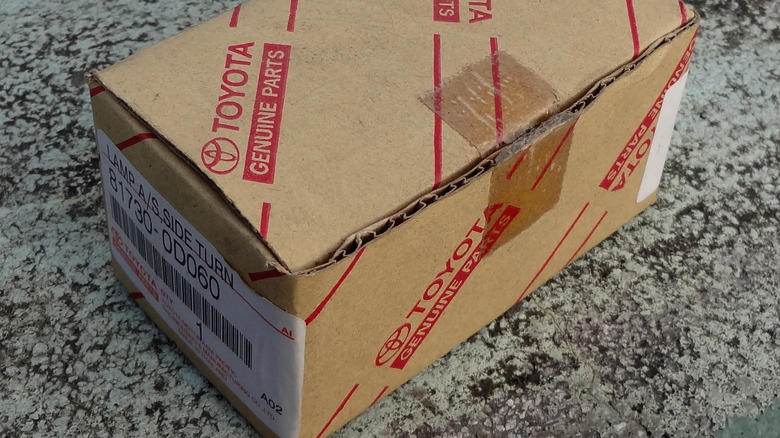


















A Lexus ES 250 engine bay on display - Renovacio/ShutterstockToyota and Lexus share more DNA — and even recalls — than even most enthusiasts may realize. Lexus may be Toyota's luxury branch, but under the leather and sound deadening, many Lexus models borrow Toyota platforms, engines , and supplier networks. This overlap naturally raises a money-saving question for owners and DIY mechanics: If a Lexus is built from Toyota bones, can you buy Toyota parts for your Lexus without complication? The answer is yes — sometimes — and the difference between a smart shortcut and a wasted return label often comes down to part numbers. In some cases, the Toyota-branded components are identical to the Lexus ones. In others, the parts look similar but vary by trim, model year, region, or even minor supplier changes."Parts sharing," of course, doesn't mean "everything is the same." Take, for example, the Lexus ES, which still shares a platform with the Toyota Camry; while they're structurally related, most components are uniquely tuned for each model. Additionally, the larger Lexus LS sedan has a more bespoke GA-L platform, giving it fewer ties to models like the full-size Toyota Crown sedan's TNGA-K platform.AdvertisementAdvertisementEnthusiasts lean on verifying part numbers as a safety precaution. A community answer from iconic internet mechanic Scotty Kilmer's CarKiller forum nails the practical method by considering the car's VIN as well as the part number. Although Lexus and Toyota parts share numbers across platforms, verifying it via your car's VIN ensures correct fitment.Read more: What Causes Foggy Headlights (And How Can You Fix Them)?The do's and don'ts of Toyota/Lexus parts interchangeabilityA small box labeled "Toyota Genuine Parts". - Solomon203/WikiMedia CommonsInterchangeability is about fitment, but OEM versus aftermarket is a separate issue. Lexus dealers themselves argue that OEM parts are designed for correct fit and installation, while warning that aftermarket parts may not match OEM tolerances or may affect warranty coverage. Even if a Toyota-branded part physically fits a Lexus, the "right" choice depends on what you're replacing (critical safety/engine components versus simple wear items), how picky you are about noise, vibration, and harshness, along with whether your car is still under warranty.If you're sourcing car parts outside a dealer, you can start by looking at a Lexus/Toyota parts catalog to pull exact OEM part numbers from your car's VIN, then searching that number across Lexus and Toyota channels. Another valuable source for finding used parts is Pull-A-Part's interchangeable parts tool, which is built specifically for cross-make compatibility lookups, not OEM verification.AdvertisementAdvertisementUltimately, Toyota and Lexus parts can be interchangeable, especially on shared-platform cars. Just don't treat it like a blanket rule. Start with your VIN, confirm the OEM part number, then cross-shop.Want more like this? Join the Jalopnik newsletter to get the latest auto news sent straight to your inbox, and add us as a preferred search source on Google.Read the original article on Jalopnik.