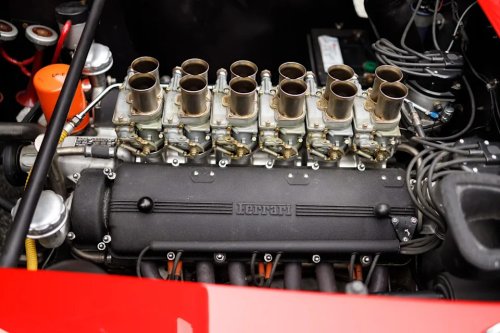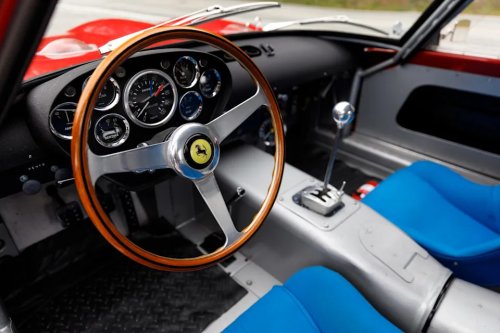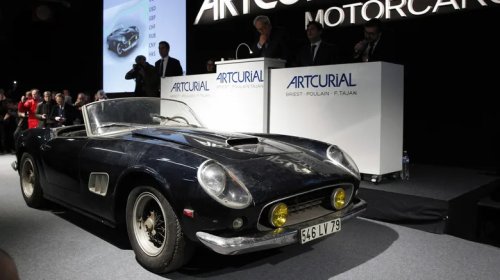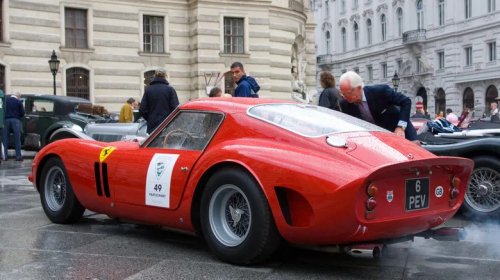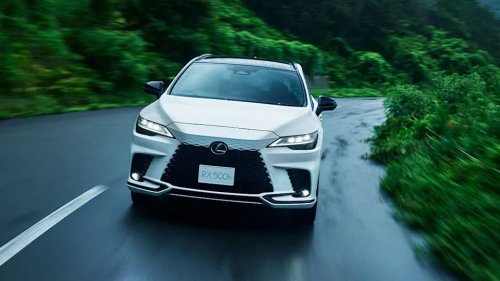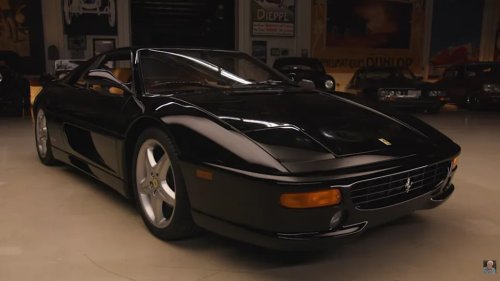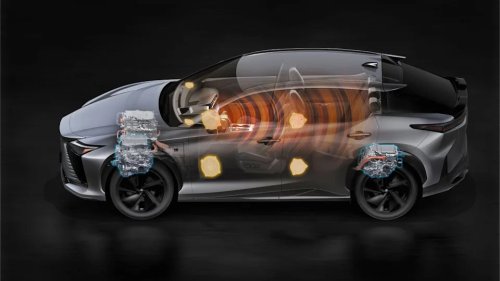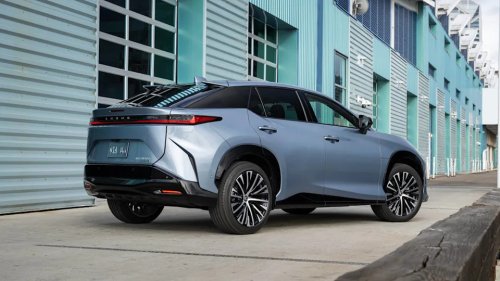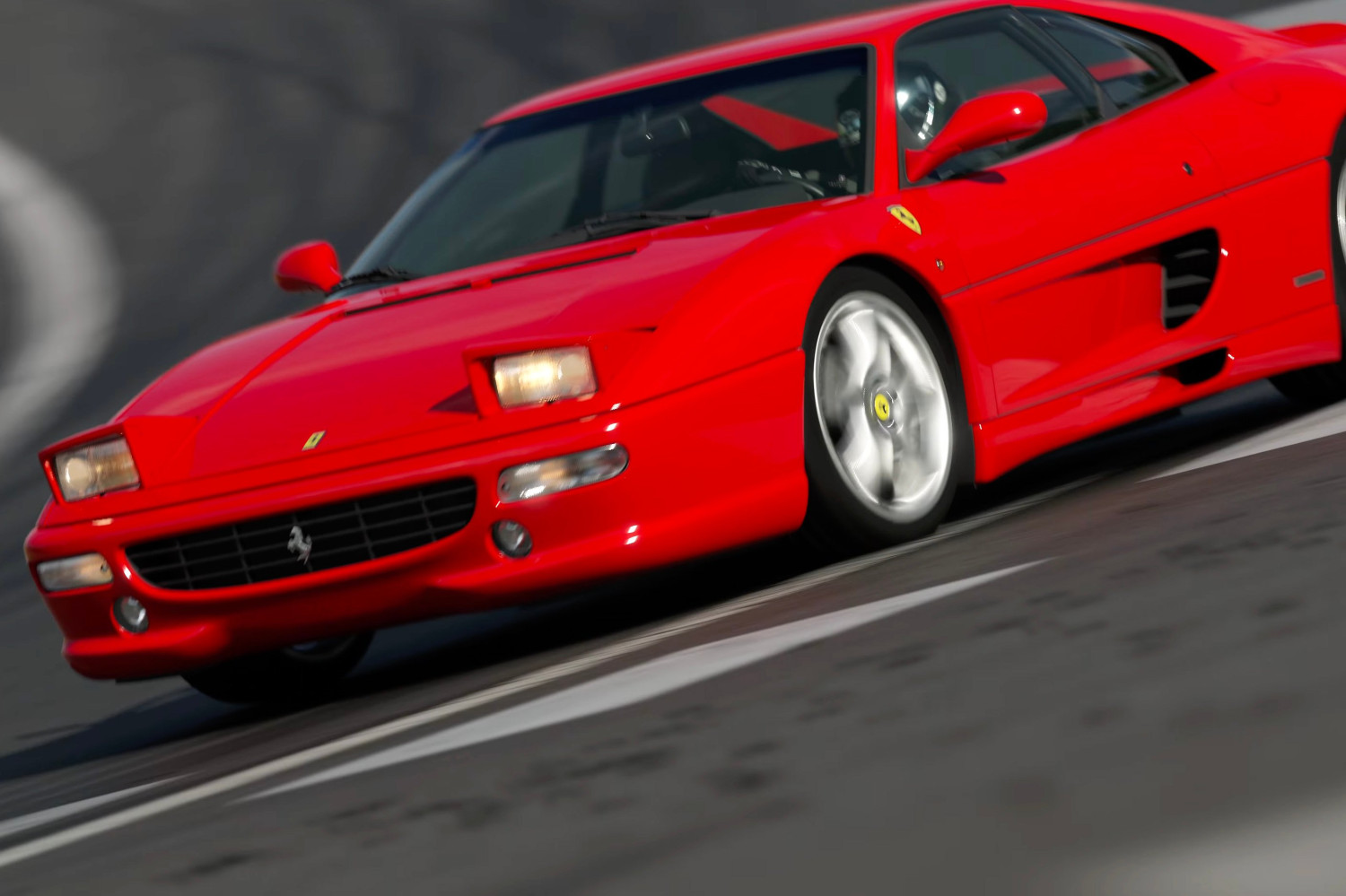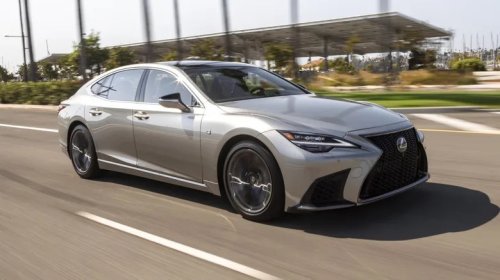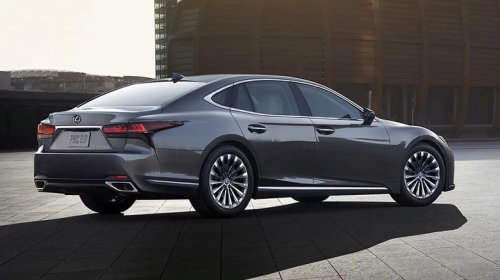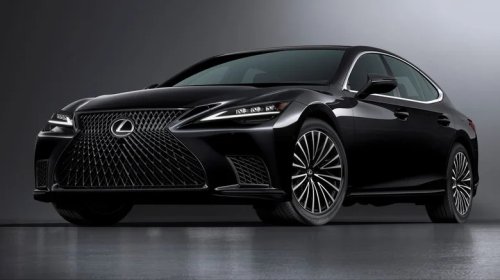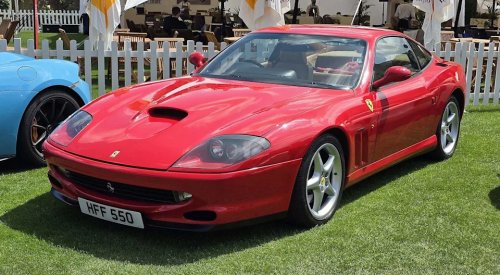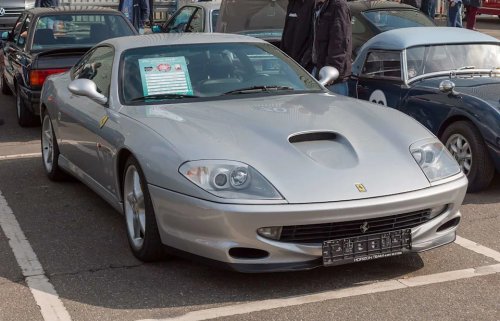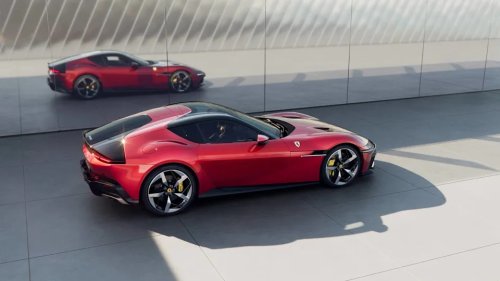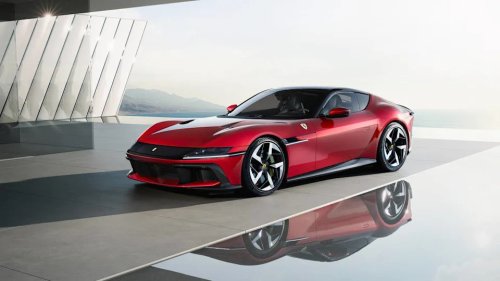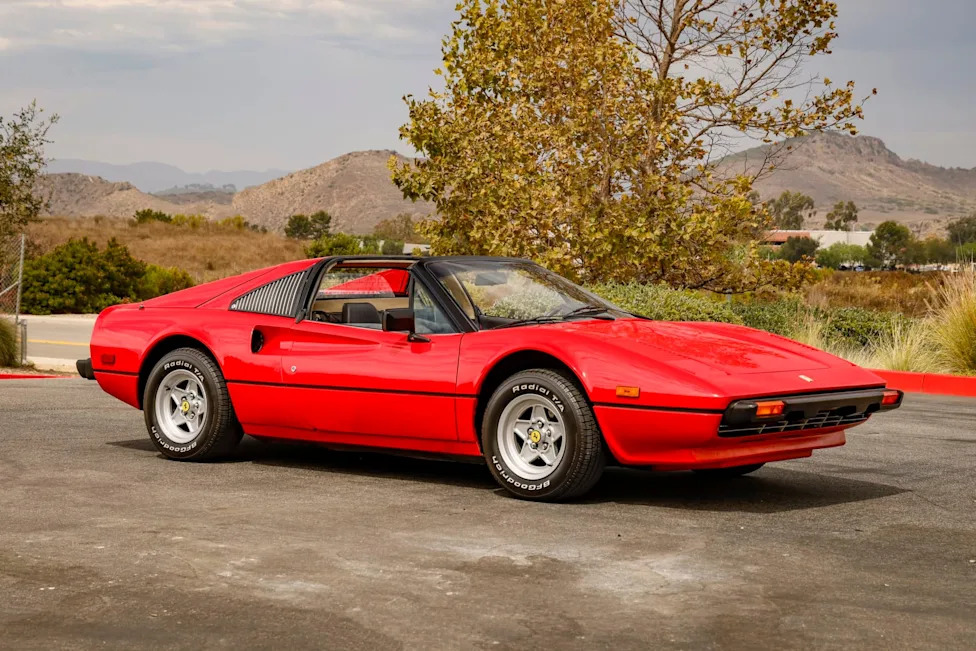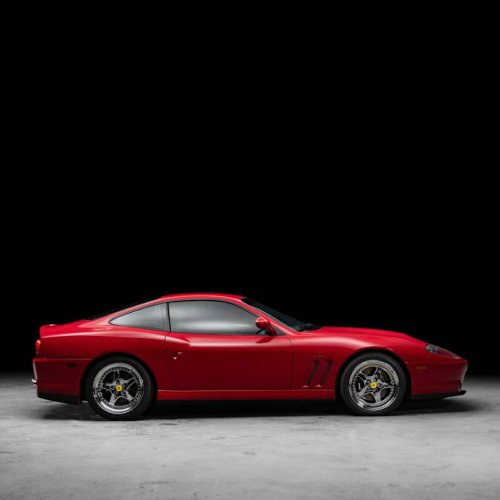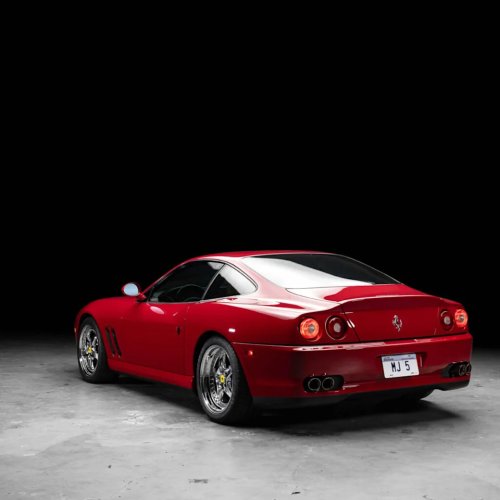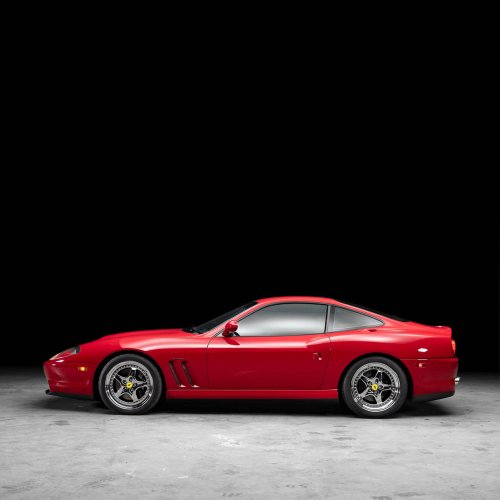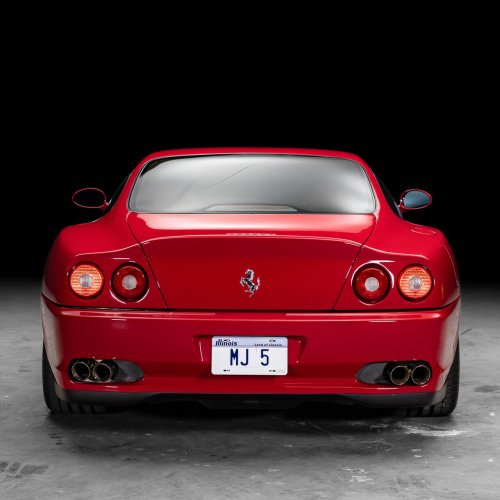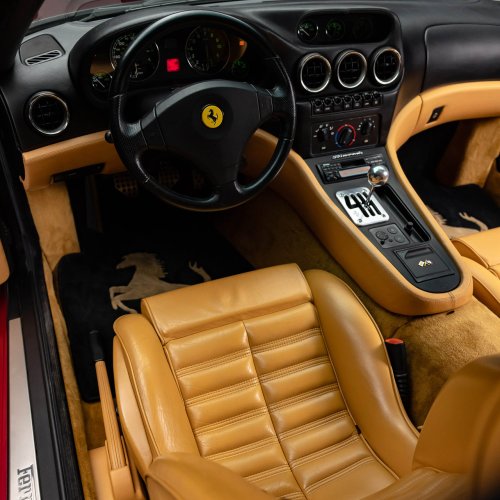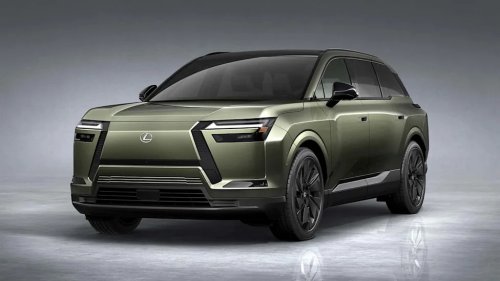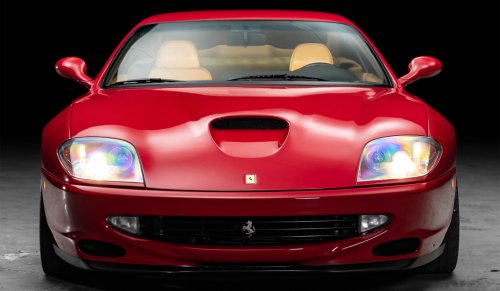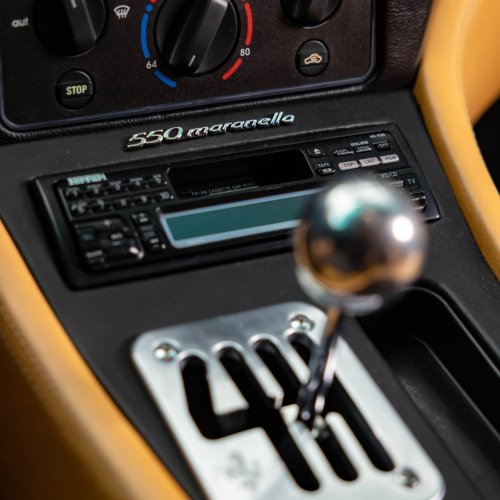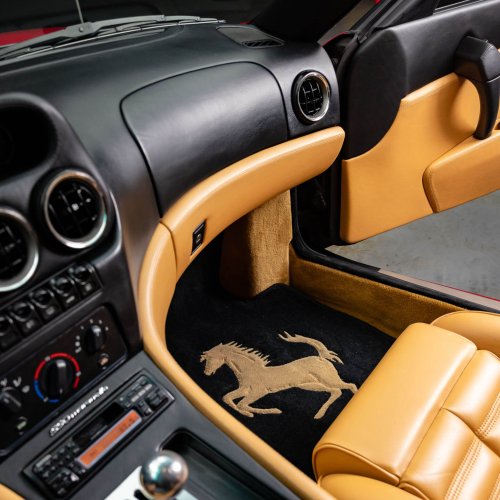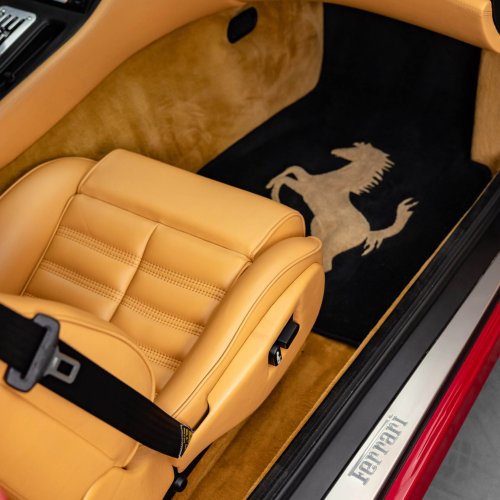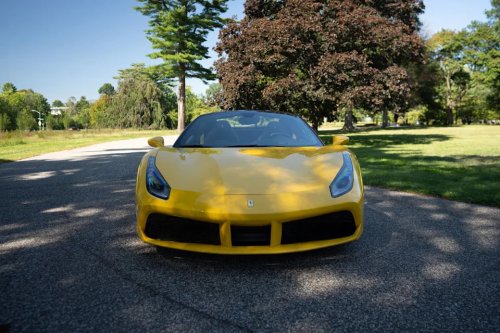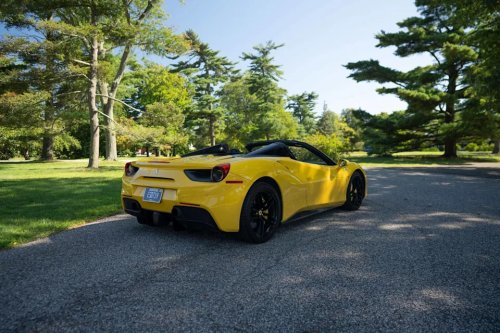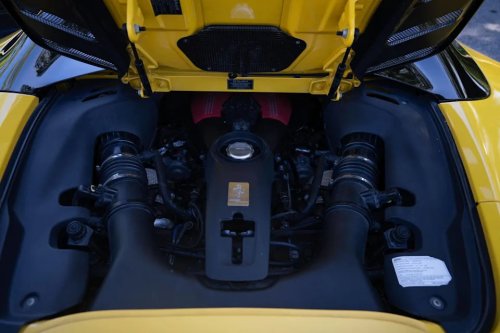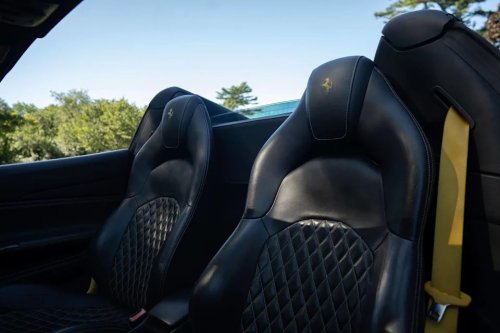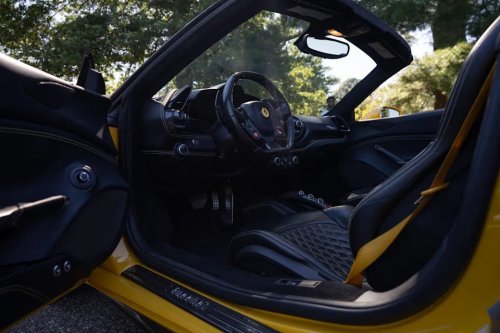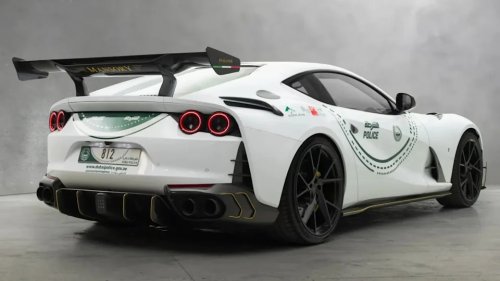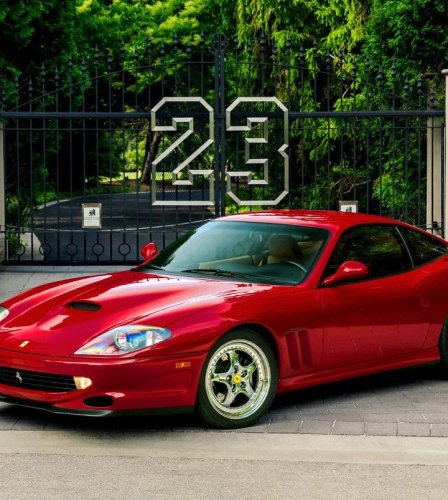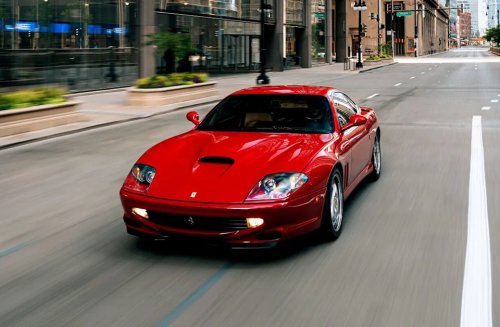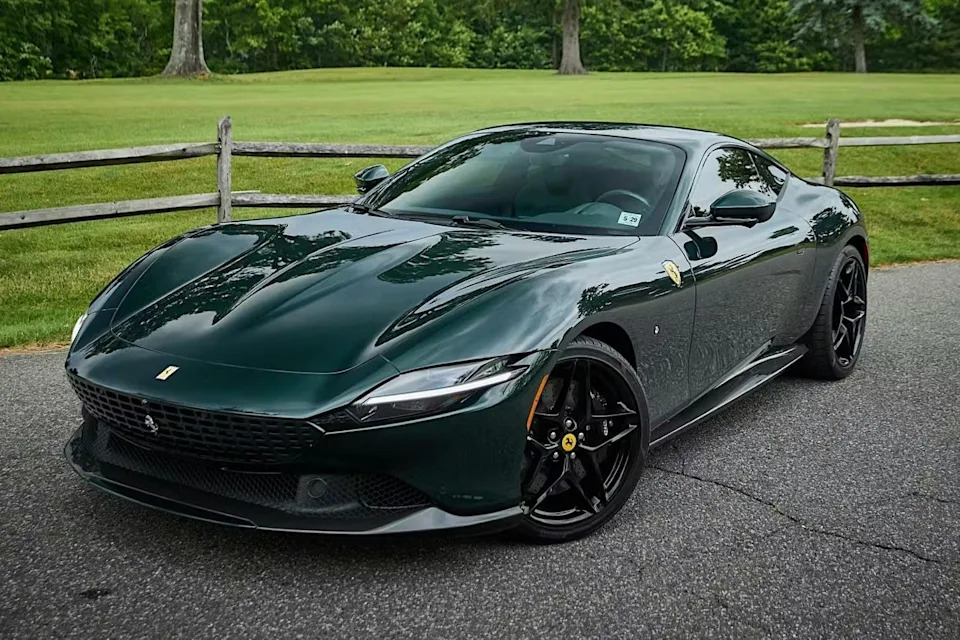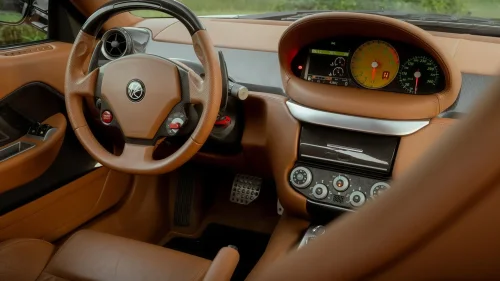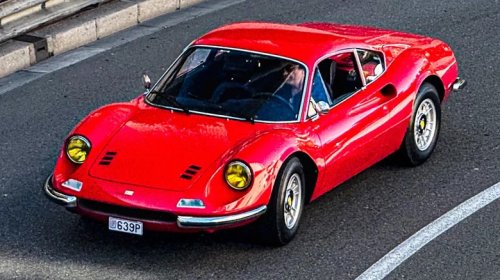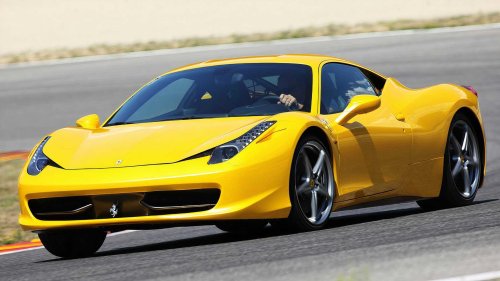
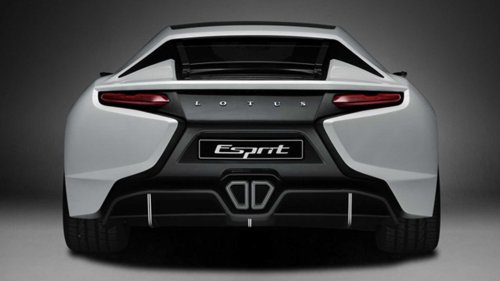



















Jump LinksIf you saw a Ferrari 458 Italia prowling the roads near the Lotus headquarters in Hethel, England, you might not think much of it. After all, it could belong to a well-heeled local resident who was simply going about their business, driving one of Maranello's great modern V8 supercars down those narrow country roads.However, there were other reasons that this Ferrari was driving around the British sports car company's HQ. Rumor has it that the presence of that 458 in Hethel was linked to a proposed 600 hp-plus Lotus supercar as part of quite an extraordinary plan. A Ferrari-Shaped Mule On Lotus Roads Ferrari Many manufacturers are understandably tight-lipped when developing a new vehicle for the market. Automakers go to great lengths to confuse the public, including using heavily modified test mules, wrapping the machine in dazzle camouflage, or installing fake body panels. The company wants to make sure that potential buyers don't see the new machine until the final item is ready to debut.Generally, these pre-production models are a normal step in a vehicle's development. And if Lotus chose a Ferrari 458 Italia for its work, that would certainly make this story more memorable to start with. While it's not entirely clear whether Lotus went down this road, and we don't have any clarification from the company, the 458 angle still represents a tantalizing "what if."If Lotus decided to use the Ferrari as a testbed to evaluate its own new engine, this might have been part of a cunning plan to relaunch its Esprit. Lotus allegedly wanted to convince the world that its home-grown Esprit could survive in a much richer, faster, and more power-hungry world of supercars in the 2010s. But before it could fully build this machine, the company had to decide on the type of engine to use, and initially, Lotus turned to an old development partner – Toyota. The Engine Story Started With A Lexus V8 Toyota Lotus had had a working relationship with Toyota for some time, which had spawned real production cars rather than motor show fantasies. For example, Toyota engines were available in versions of the Elise and the Exige. The Evora, the company's slightly more upscale 2+2 sports car, also had a 3.5-liter 24-valve Toyota-derived V6.So, when it came to the new Esprit project, it made perfect sense for Lotus to turn to Toyota. Specifically, the British company had its eye on the 5.0-liter V8from the contemporary IS F. This engine was already a star, producing 416 hp at 6,600 rpm and 371 lb-ft of torque at 5,200 rpm. The powerplant also had direct and port injection, VVT-iE intake cam control, and high-flow cylinder heads developed in association with Yamaha. In the IS F, the V8 connected to an eight-speed Sport Direct Shift automatic transmission.Lotus seemed to think that a supercharged version of that engine would give its new Esprit project serious power, without having to shoulder the full burden of a clean-sheet V8 program. The company produced a 2010 Esprit concept specification sheet suggesting that the modified Lexus V8 would deliver up to 612 hp and 531 lb-ft of torque. The projections included acceleration to 62 mph in 3.4 seconds, with a 210-mph top speed.Lotus estimated the new Esprit would cost around £110,000 (about $170,000 at the time). The reborn Lotus Esprit could have combined the famed English company's chassis knowledge with Toyota reliability and Ferrari-rivaling performance, if everything had gone to plan. Lotus Decided The Borrowed Engine Was Not Enough LotusAt the 2010 Paris Motor Show, Lotus unveiled a sweeping product blitz, including the Esprit, Elan, Elise, Elite, and Eterne, suggesting it was planning a luxury brand empire. Its new leader, Dany Bahar, clearly had some ambition. However, he may not have been too happy about the company relying on a borrowed engine for its flagship. This may be why Lotus decided to move away from using a Toyota engine and pursue its own V8, and it was when the Ferrari test mule came into the picture.In a 2011 interview, Bahar confirmed that Lotus considered using a Toyota-sourced V8 for the new Esprit. However, the in-house Lotus unit was going to be 176 pounds lighter and 40% smaller than the Toyota engine.As engine development continued, Lotus wanted to move beyond dyno testing to real-world feedback. The choice of a 458 seemed logical. After all, that Ferrari certainly had the right layout, strong performance, and the appropriate symbolic weight. And if Lotus wanted to really understand how its own V8 could live in the same world as the supercar world's top guns, then the 458 was a solid benchmark. The Ambition Was Bigger Than The Company Could Safely Carry Lotus In hindsight, it looks as if Lotus was biting off far more than it could chew with such an ambitious new lineup, and it might have been better off focusing on the Esprit. After all, the Esprit name had a rich history, and its earlier version had genuine supercar status, so if the new concept had the right layout and performance targets, it could well have succeeded in the marketplace. A mid-engined Lotus with more than 600 hp would certainly have given the company something that the Elise or Evora could never fully provide. And such a halo car might have been able to reset how buyers viewed the brand.It would clearly have been very expensive for Lotus to move forward with the bold and comprehensive plan outlined at the Paris Motor Show. If Lotus were to build its new flagship as well as a GT coupe, sedan, Elise, and Elan while potentially developing its own in-house V8, that would have required some significant capital. The Esprit itself would have required major engineering work on cooling, emissions, durability, gearbox calibration, and hybrid integration. And the company would have had to undergo substantial crash-test development as well in pursuit of a low-volume supercar.Things got even more complicated when Lotus CEO Bahar left the company in 2012. The wider product plan unraveled quite quickly, even though the Esprit reportedly remained alive longer than the rest. The new incoming CEO, Jean-Marc Gales, came up with a much narrower plan, with the Esprit project on hold and the idea of building in-house engines quickly heading for File 13. The Ghost Esprit Helps Explain Why Lotus Survived Lotus Perhaps the greatest irony surrounding the stillborn Esprit project is that Lotus had already done the hard part once before. After all, its final production Esprit had its own Type 918 engine, a 3.5-liter twin-turbo V8 rated at about 350 hp and 295 lb.-ft of torque. And this in-house engine gave the Esprit genuine supercar pace, even though the company paired it with an odd gearbox. For reasons best known to itself, Lotus linked a Renault-derived UN-1 five-speed manual gearbox with a transaxle to its big engine, instead of a bespoke transmission worthy of a new V8 flagship.Today, the old Esprit V8 is one of the more attainable ways into a mid-engine twin-turbo V8, and its prices typically sit far below contemporary Ferrari money, in the region of about $50,000. But, despite previous achievements, a canceled Esprit may nevertheless have helped Lotus move forward with greater confidence. And while the project cancellation risked making Lotus look small, it probably made it look more honest instead.Lotus was clearly capable of coming up with a credible supercar idea, especially in its Lexus-powered form. And with this specific approach, Lotus might have been able to create something generally different from a 458 rather than creating just a copy of it. But the in-house V8 version, while more romantic in many respects, was clearly more dangerous. Developing a proprietary engine like that would have absorbed resources much faster than most niche manufacturers of this nature could achieve.LotusEven though cancellation was a smart move, a 458 mule might suggest that Lotus was getting quite close to the supercar world it was chasing. And even though there's uncertainty around the very existence of the mule, some more information may yet come to light, given that Lotus plans a new chapter to the Esprit story.As part of its Focus 2030 strategy, Lotus will unveil the Type 135, which it's calling Vision X, and which may well be a spiritual return to the Esprit idea. The car should appear in 2028 and use a V8 hybrid powertrain with around 1,000 hp, once again returning the company to the idea of a flagship hybrid V8 supercar. Until that car appears or until somebody at Lotus sheds more light on the 458 story, we can still imagine that the best Lotus of the modern era may, for a time, have been hiding under the skin of a Ferrari.