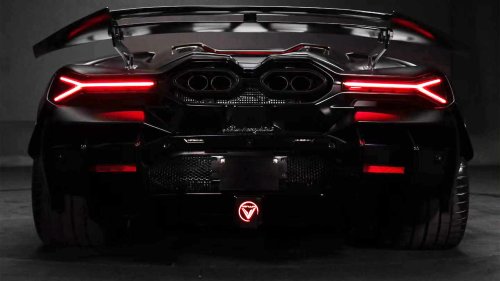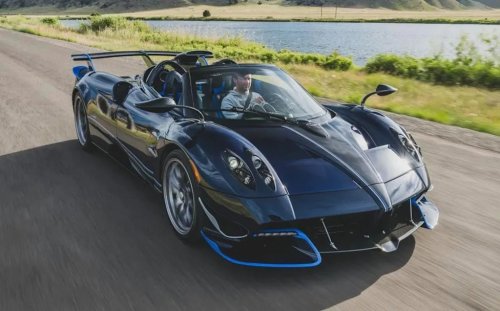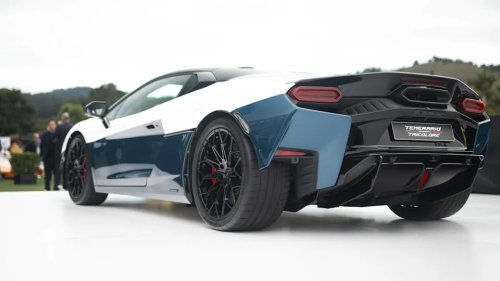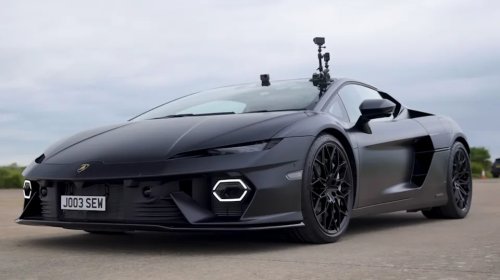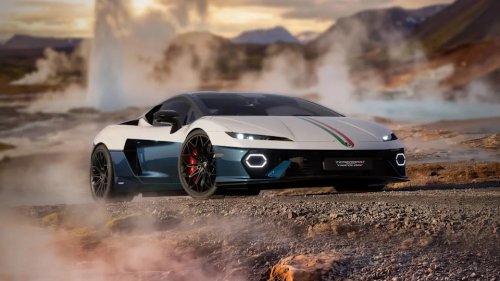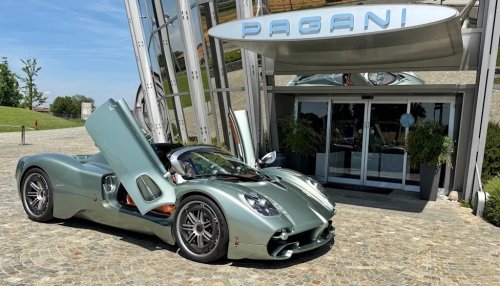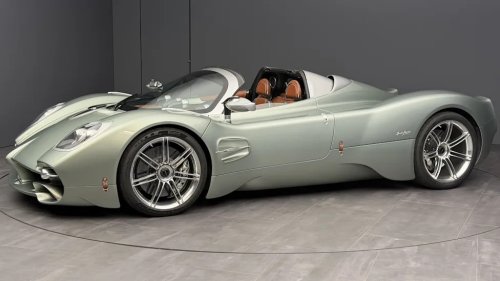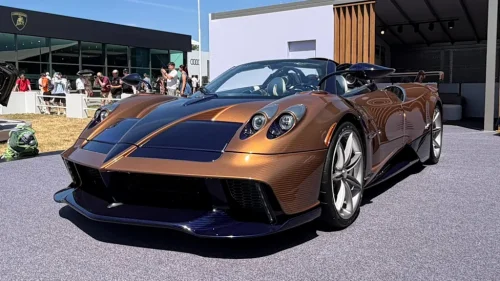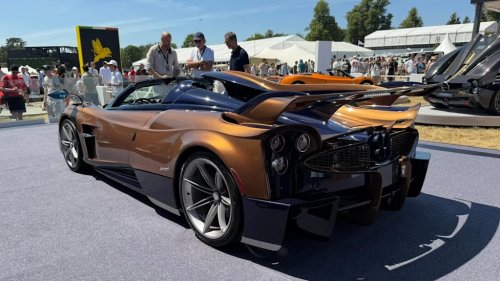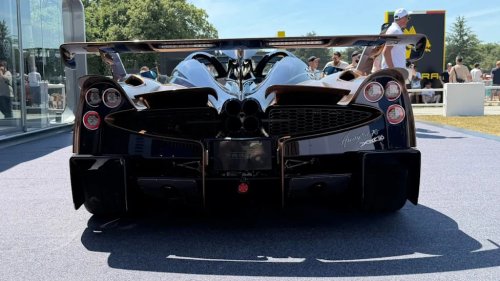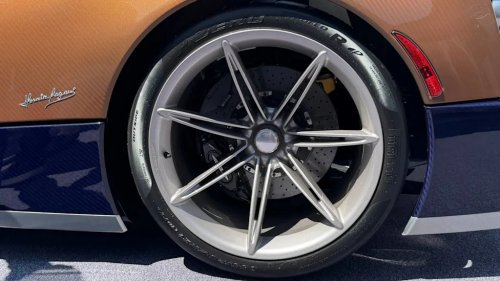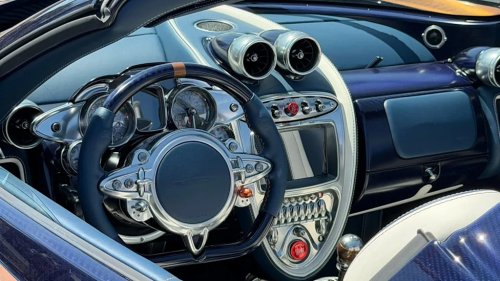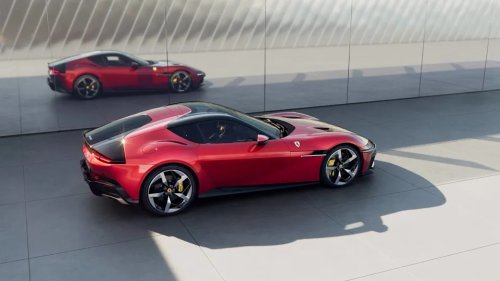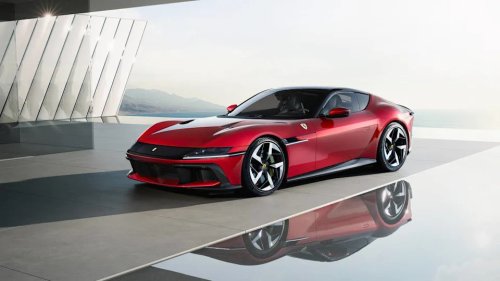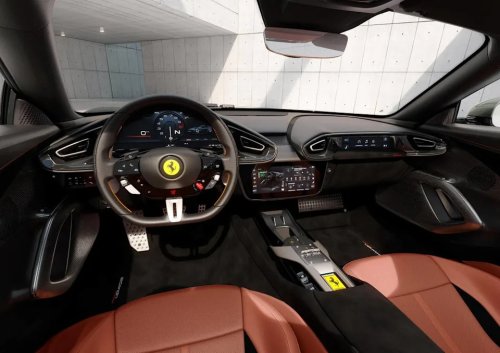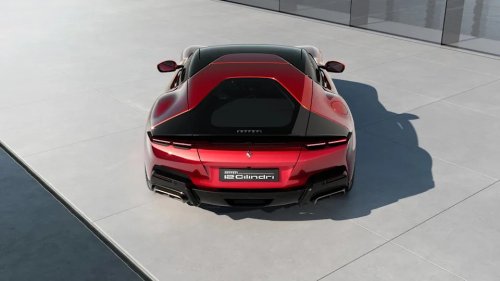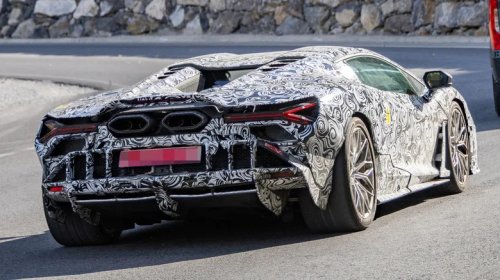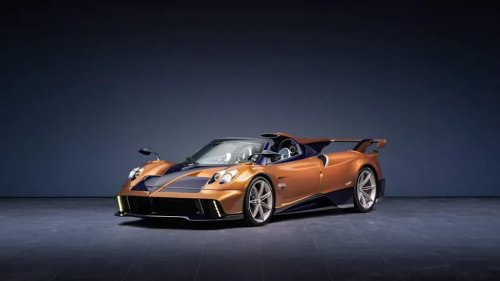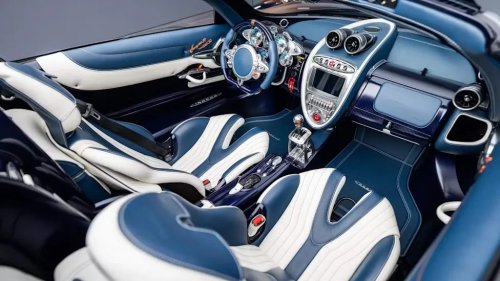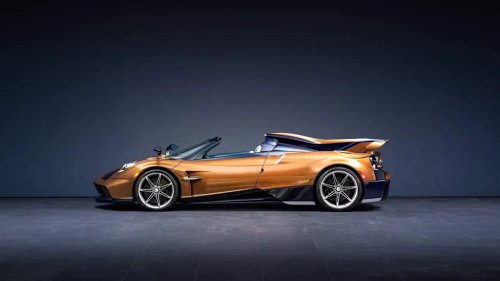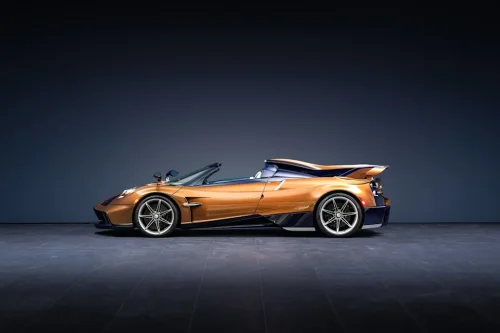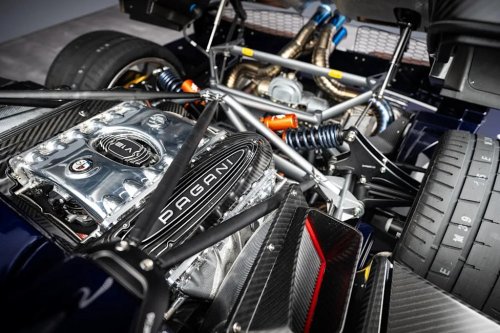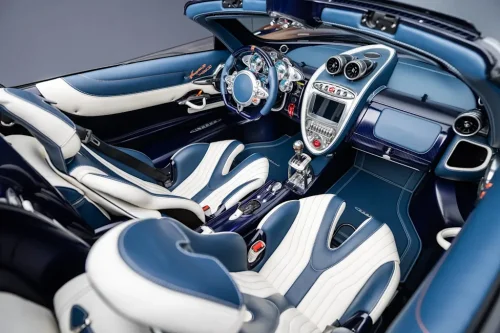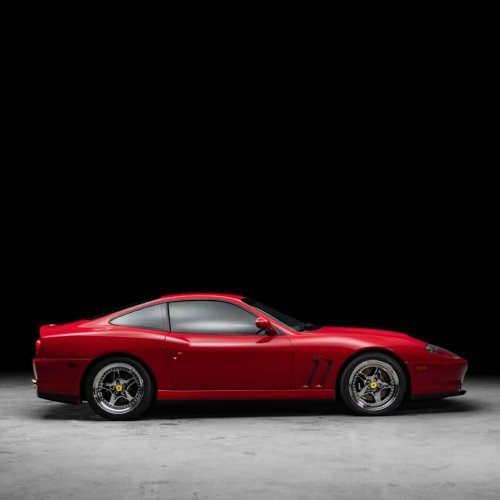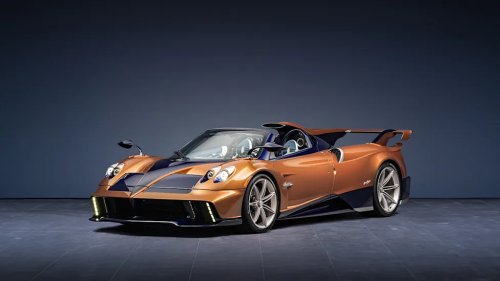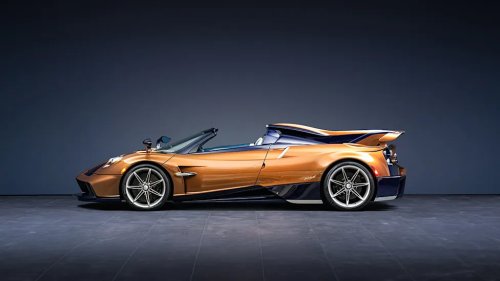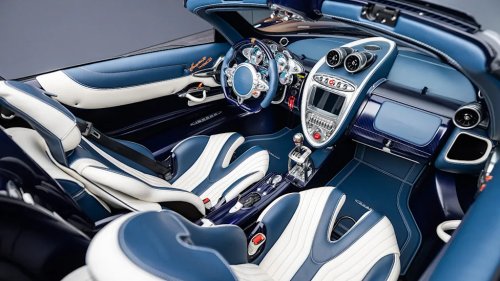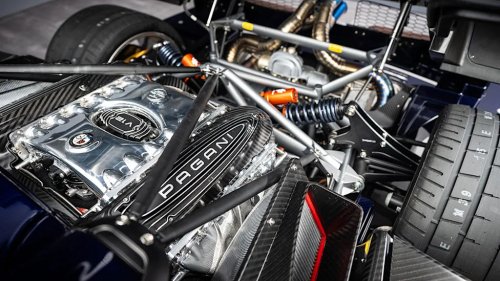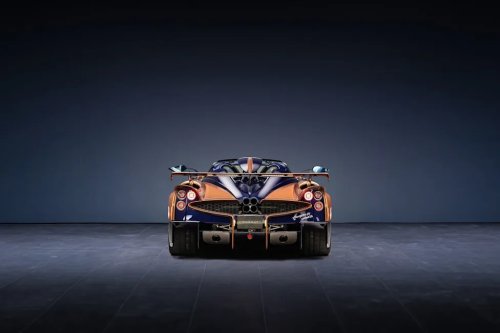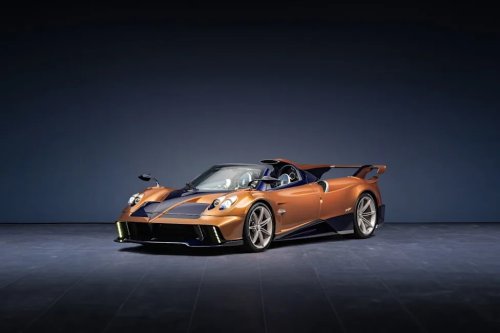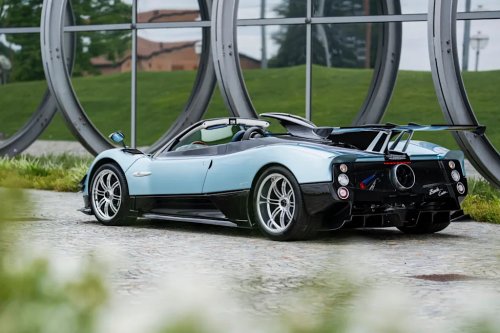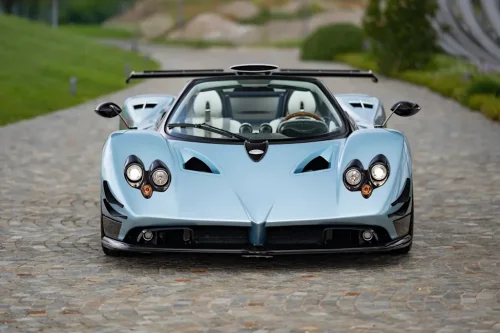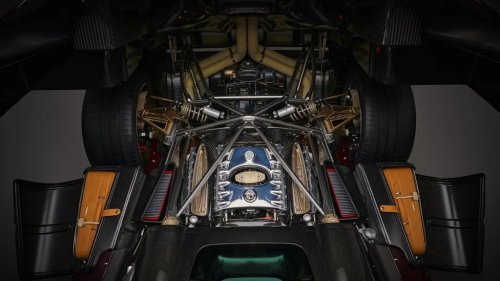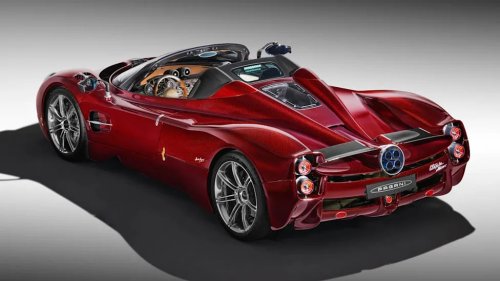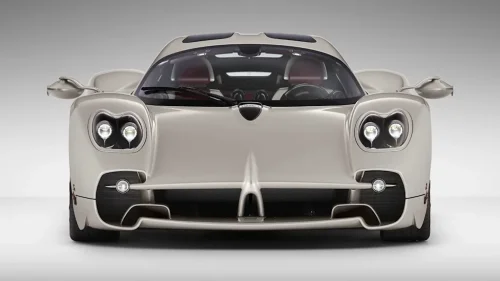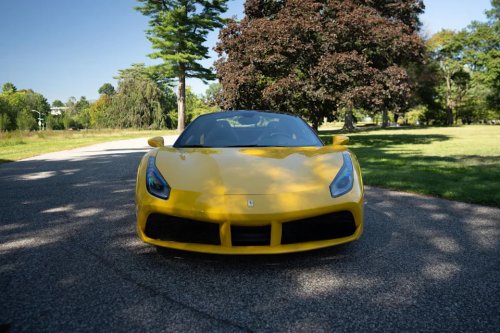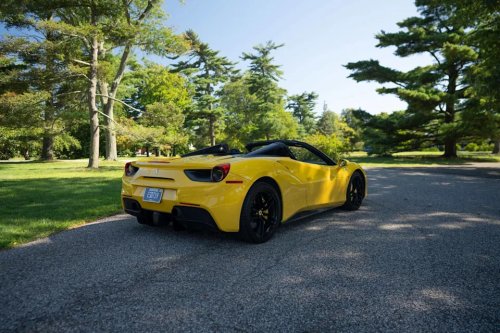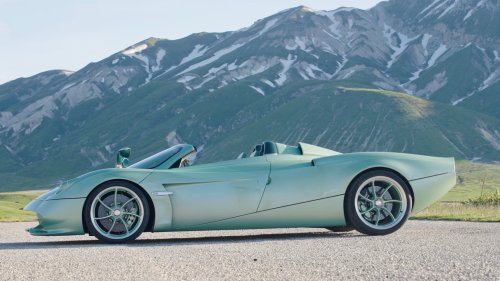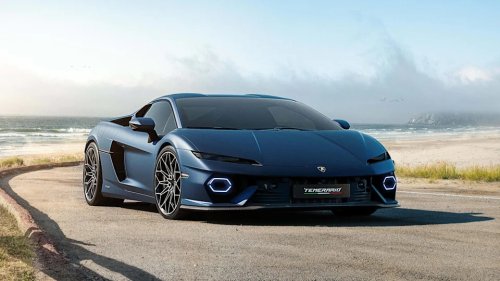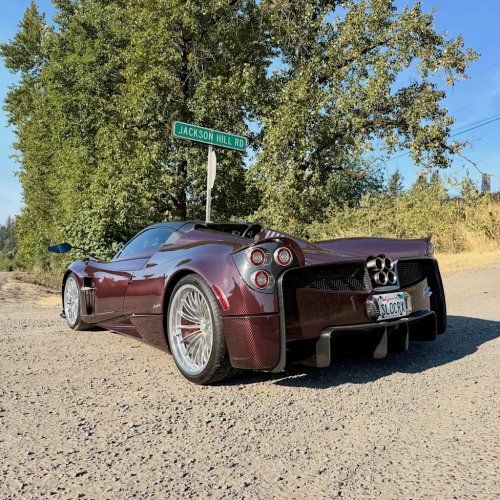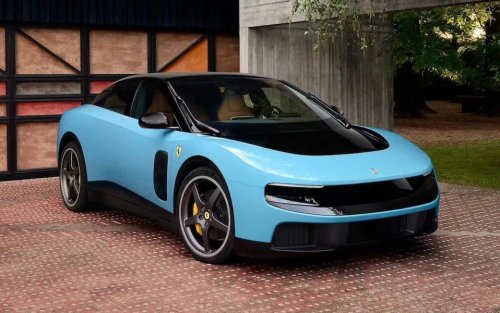
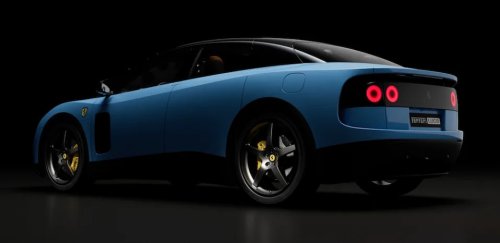
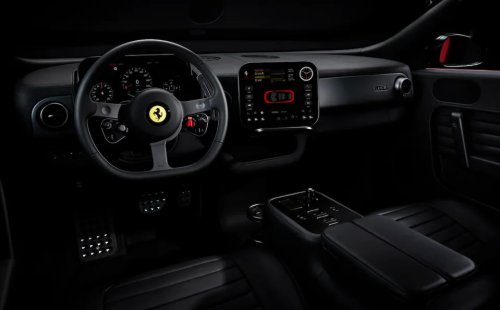
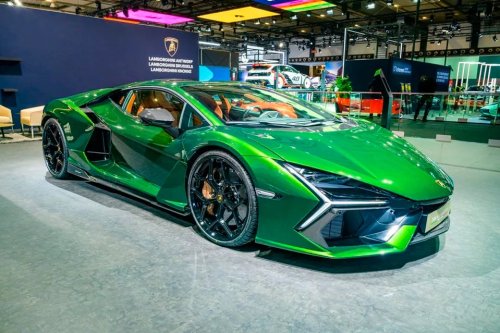
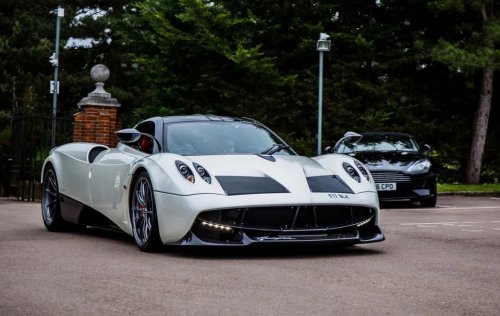



















The new Luce costs $640,000.Photo by FerrariWhen Ferrari unveiled its first fully electric vehicle, the 1,000-horsepower Luce, it did more than launch a new model. It broke ranks with its main rivals in the exotic-car industry.At a time when many governments continue to push electrification and most mainstream automakers are investing heavily in battery-powered vehicles, Ferrari has become the first major Italian supercar manufacturer to fully embrace the idea of an all-electric halo model.The Luce is aiming at a new client basePhoto by FerrariFerrari's closest rivals, however, are not following suitBoth Lamborghini and Pagani have publicly signaled that they believe the future of high-performance automobiles still includes internal combustion engines—albeit increasingly assisted by hybrid technology.AdvertisementAdvertisementThe divergence raises an intriguing question: Why has Ferrari decided to take the plunge that many of its competitors appear reluctant to follow?Part of the answer lies in Ferrari's unique position within the luxury automotive world.Unlike Lamborghini and Pagani, Ferrari is not simply a supercar manufacturer. It is also a publicly traded company with shareholders expecting long-term growth and a brand that increasingly extends beyond traditional sports cars.The car's design has been likened to a Nissan LeafPhoto by FerrariThe central touchscreen was designed by an Apple designerPhoto by FerrariAccording to a story in Top Gear in October 2025, Ferrari's management emphasized that the company is not abandoning combustion engines. Models such as the V12-powered 12Cilindri remain central to its identity. Instead, Ferrari sees electrification as an additional pillar of its future product strategy. The Morningstar publication reported on June 1 that, "ICE and hybrid vehicles are still expected to represent 80% of Ferrari's vehicle mix offered in 2030, making them the primary drivers of Ferrari's volumes and earnings in the medium term."AdvertisementAdvertisementThe Luce is intended to attract new customers rather than replace existing Ferrari owners. That distinction is important. The fact that the Luce costs $640,000 might be an issue, though.Ferrari executives appear to believe that there is a growing group of wealthy technology-focused buyers who appreciate performance but are less emotionally attached to the sound and character of a naturally aspirated V12. For these customers, acceleration, innovation and exclusivity may matter more than exhaust note.Lamborghini Revuelto mid-engine plug-in hybrid previewed in January 2026 in Brussels, Belgium.(Photo by Sjoerd van der Wal/Getty Images)Getty ImagesLamborghini has taken a far more cautious approachThe Sant'Agata-based manufacturer has fully embraced plug-in hybrid technology through models such as the Revuelto and Temerario but has repeatedly delayed the introduction of a full EV.Lamborghini CEO Stephan Winkelmann has publicly defended that strategy, arguing that the company's customers still strongly prefer internal combustion engines and hybrid powertrains. He announced in late May that the carmaker had officially canceled its plans to launch a fully electric vehicle, calling the heavy investment in an unready market as "expensive hobby." He has also suggested that the market for an all-electric supercar remains uncertain and that battery technology still has limitations when it comes to weight, emotion and driving engagement.AdvertisementAdvertisementIn other words, Lamborghini is betting that its buyers still want the theatre of pistons, combustion and engine noise.Pagani's position is even more revealing. The Modena-based hypercar manufacturer spent years studying the possibility of an electric vehicle before ultimately deciding against it. According to company founder Horacio Pagani, customer research played a decisive role.The company surveyed clients and discovered that many had little interest in a fully electric Pagani. In fact, many indicated that they would lose interest in the brand altogether if it abandoned the combustion engines that form such an important part of the Pagani experience.he Pagani Huayra will keep its ICE powertrain. (Photo by Martyn Lucy/Getty Images)Getty ImagesFor Pagani customers, the engine is not simply a power sourceFor Pagani fans the motor is the centerpiece of the car. And of course, when we speak of Pagani powertrains, we are basically speaking of specially tuned Mercedes-AMG twin-turbocharged V12 engines.AdvertisementAdvertisementThe sound, vibration, mechanical complexity and emotional connection are viewed as integral parts of the ownership experience. For many Pagani owners, including those of the much lauded Huayra, the AMG V12 is every bit as important as the carbon-fiber bodywork surrounding it. In fact, if you ask many enthusiasts what defines a Pagani, most will blurt: "That AMG V12."As a result, Pagani concluded that a battery-electric hypercar would not align with what its customers actually wanted.That decision highlights the broader challenge facing the exotic-car sector. For mainstream vehicles, electrification is often evaluated through metrics such as efficiency, emissions and operating costs.For supercars, the equation is different. Emotion matters. The sensory experience matters. The mechanical drama matters.AdvertisementAdvertisementFerrari's Luce suggests the Maranello company believes those emotional qualities can be recreated—or perhaps replaced—through new forms of technology. Artificial powertrain sounds, advanced torque-vectoring systems and unprecedented performance figures are all intended to help bridge that gap.Whether customers agree remains an open questionThe reaction to the Luce has been deeply polarized. Some observers praise Ferrari for showing leadership and embracing the future. Others argue that the car's styling and synthetic driving experience stray too far from the qualities that made Ferrari legendary. Would company founder Enzo Ferrari be turning over in his grave? Some say 'yes.'The irony is that Ferrari may not need the Luce to convince traditional Ferrari owners.Instead, it may simply need to convince a new generation of affluent buyers who have grown up with smartphones, software and electric vehicles.AdvertisementAdvertisementIf that strategy succeeds, Ferrari will be remembered as the company that moved first. If it fails, Lamborghini and Pagani may look remarkably wise for choosing evolution over revolution.For now, Ferrari has become the industry's test case. The rest of the supercar world is watching closely.This article was originally published on Forbes.com