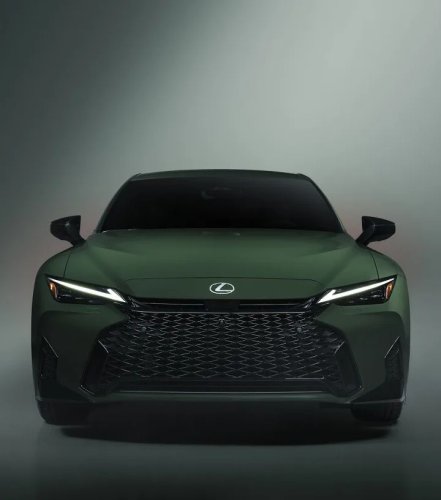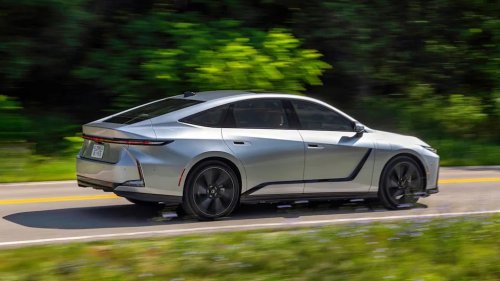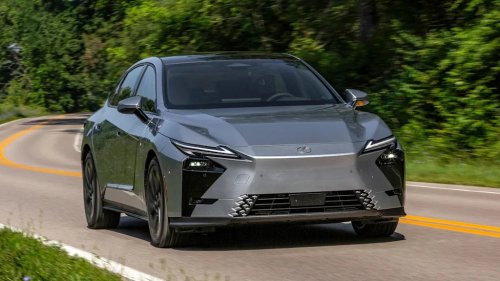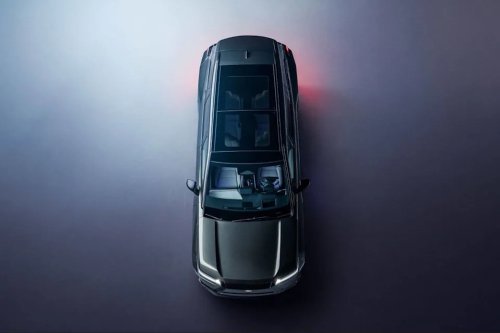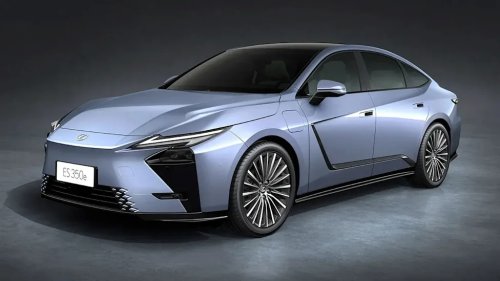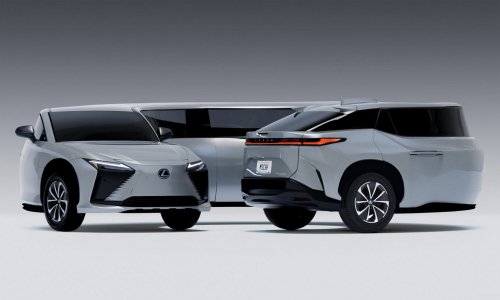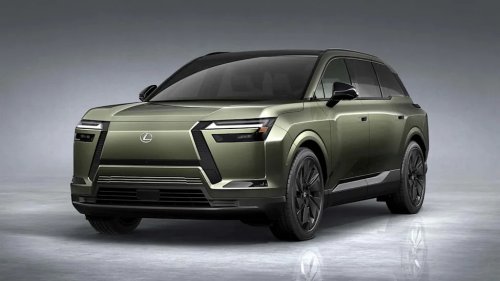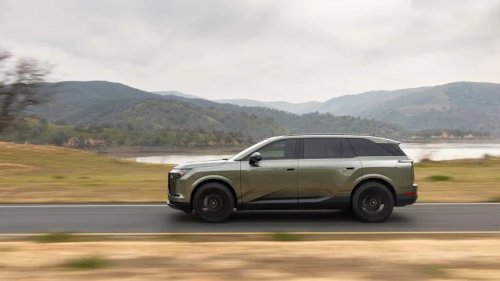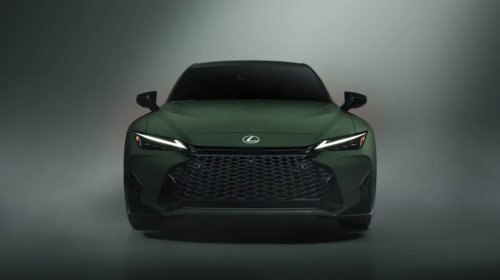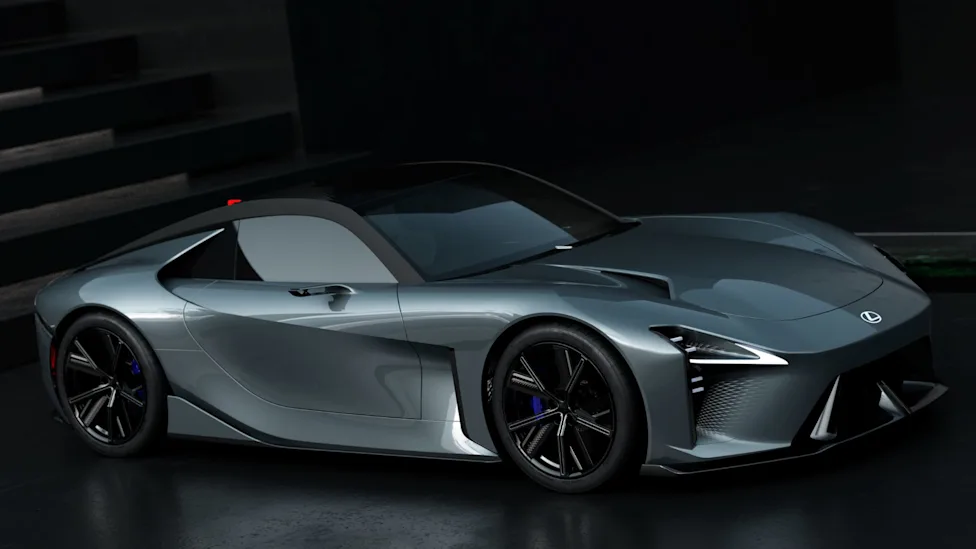



















Toyota's EV Flagship Is Dead: Why Lexus Just Scrapped the Car Meant to Lead a 1 Million-EV FutureToyota's EV Flagship Is Dead: Why Lexus Just Scrapped the Car Meant to Lead a 1 Million-EV FutureToyota has pulled the plug on one of the most important electric vehicles it had planned for the decade, canceling the Lexus LF-ZC before it ever reached showrooms. The decision wipes out a vehicle that was supposed to do far more than add another EV to the market. It was intended to launch Lexus' next generation of dedicated electric vehicles and serve as a showcase for advanced manufacturing technologies that Toyota had heavily promoted as part of its future strategy.Related: Honda Just Reported Its First Annual Loss Since 1955 — And the EV Pullback Is Hitting HardAdvertisementAdvertisementFor a company that has often faced criticism for moving more cautiously into battery-electric vehicles than some rivals, the cancellation stands out. The LF-ZC was not a side project or niche experiment. It was supposed to be a cornerstone of Lexus' electric future.Related: Toyota's Motor Oil Shortage Warning Just Exposed a Bigger Problem Brewing Across the Auto IndustryToyota confirmed the cancellation on May 31, saying the decision was made after considering changes in market demand and the workload involved in vehicle planning and production. That explanation may sound straightforward, but the implications stretch much further than the fate of a single model.The LF-ZC first appeared as a concept at the 2023 Japan Mobility Show. Lexus presented it as a highly aerodynamic sedan that would preview the brand's next generation of dedicated EVs. Alongside it was the LF-ZL crossover concept, another glimpse into where Lexus expected its electric lineup to go.AdvertisementAdvertisementAt the time, the LF-ZC carried enormous expectations.Its name stood for Lexus Future Zero-emission Catalyst, a title that reflected its planned role as the vehicle that would kick off an entirely new family of electric models. Rather than adapting existing platforms, the LF-ZC was designed around a dedicated EV architecture intended specifically for future Lexus electric vehicles.That detail matters.Related: Cadillac Just Hit 100,000 EV Sales by Pulling Buyers Away From Tesla, BMW, and Mercedes — Here's Why That MattersThe LF-ZC was not simply another luxury EV entering a crowded market. It was supposed to be the foundation upon which Lexus would build a significant portion of its future electric strategy. When automakers invest in dedicated platforms, they are often planning entire families of vehicles around that architecture. Canceling the lead vehicle can dramatically alter the direction of those plans.AdvertisementAdvertisementThe vehicle was expected to arrive this year, making its cancellation particularly notable. This was not a distant concept sitting years away from production. Lexus had already positioned the LF-ZC as an upcoming model that would help define the brand's next chapter.The project also carried significance beyond the vehicle itself.Toyota had highlighted advanced production methods as part of the LF-ZC program. The car was expected to showcase technologies including gigacasting and highly automated manufacturing processes. Those techniques have attracted growing attention throughout the industry as automakers search for ways to streamline production, reduce complexity, and improve efficiency.Instead of becoming a real-world demonstration of those manufacturing ambitions, the LF-ZC now joins the growing list of concept vehicles that never make the leap to production.AdvertisementAdvertisementThis is where the story turns.The cancellation lands directly against Lexus' previously announced electric goals. The luxury brand had outlined ambitions to sell as many as 1 million EVs annually by 2030. It also targeted becoming an EV-only brand beginning in 2035.Related: Auto Sales Crash for Eighth Straight Month as EV Demand Collapses and Drivers Feel the SqueezeThose are aggressive objectives by any measure. Reaching them would require a steady stream of new electric products, strong consumer demand, and major investments in production capacity.The LF-ZC was expected to play a critical role in that effort.AdvertisementAdvertisementWithout the sedan that was supposed to launch the next-generation EV family, questions naturally emerge about how Lexus plans to move forward with those goals. Toyota has not indicated any change to the targets themselves in the information provided, but removing a flagship project inevitably changes the conversation surrounding those ambitions.Market conditions appear to be a key factor behind the decision.Toyota specifically cited fluctuations in demand as part of its reasoning. Automakers across the industry have been closely monitoring EV demand as consumer purchasing patterns evolve. Product plans created several years ago are increasingly being reassessed as manufacturers balance investment costs with actual market conditions.Related: GM's EV Truck Future Suddenly Looks Uncertain as Reports Clash With Company DenialsAdvertisementAdvertisementVehicle development programs require enormous commitments of engineering resources, manufacturing capacity, and financial investment. Toyota also pointed to the workload associated with planning and building the vehicle, suggesting the company evaluated the project against competing priorities.For enthusiasts and industry watchers, the cancellation sends a message that even the largest automakers are willing to rethink major EV programs when market realities shift.That is significant because the LF-ZC was never presented as a minor addition to the lineup. It represented Lexus' vision of what the next generation of electric luxury vehicles could become. It was intended to be the catalyst, both in name and function, for a broader transformation of the brand.Now that catalyst is gone.AdvertisementAdvertisementThe broader challenge facing automakers remains clear. Companies must make long-term product decisions years before vehicles reach customers. Those decisions are often based on forecasts, demand expectations, and technology roadmaps that can change dramatically before production begins.Toyota's decision to cancel the LF-ZC shows how difficult that balancing act has become. A vehicle once positioned at the center of Lexus' electric future has been shelved despite its importance to the brand's long-term vision.For Lexus, the question is no longer what the LF-ZC would have delivered. The focus now shifts to what comes next and how the brand plans to pursue its ambitious EV goals without the very vehicle that was supposed to lead the charge. When a flagship project disappears this late in the game, it is rarely just about one car. It often reveals a deeper reassessment of strategy, priorities, and what the future may actually look like.SourceJoin our Newsletter, follow our Instagram page, and connect with us on Facebook.