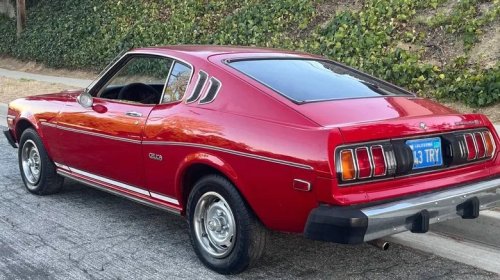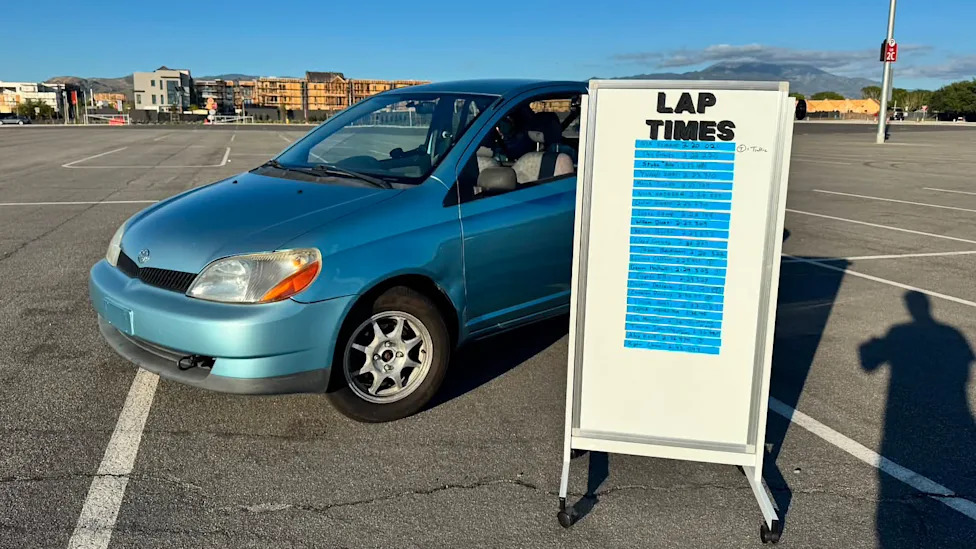
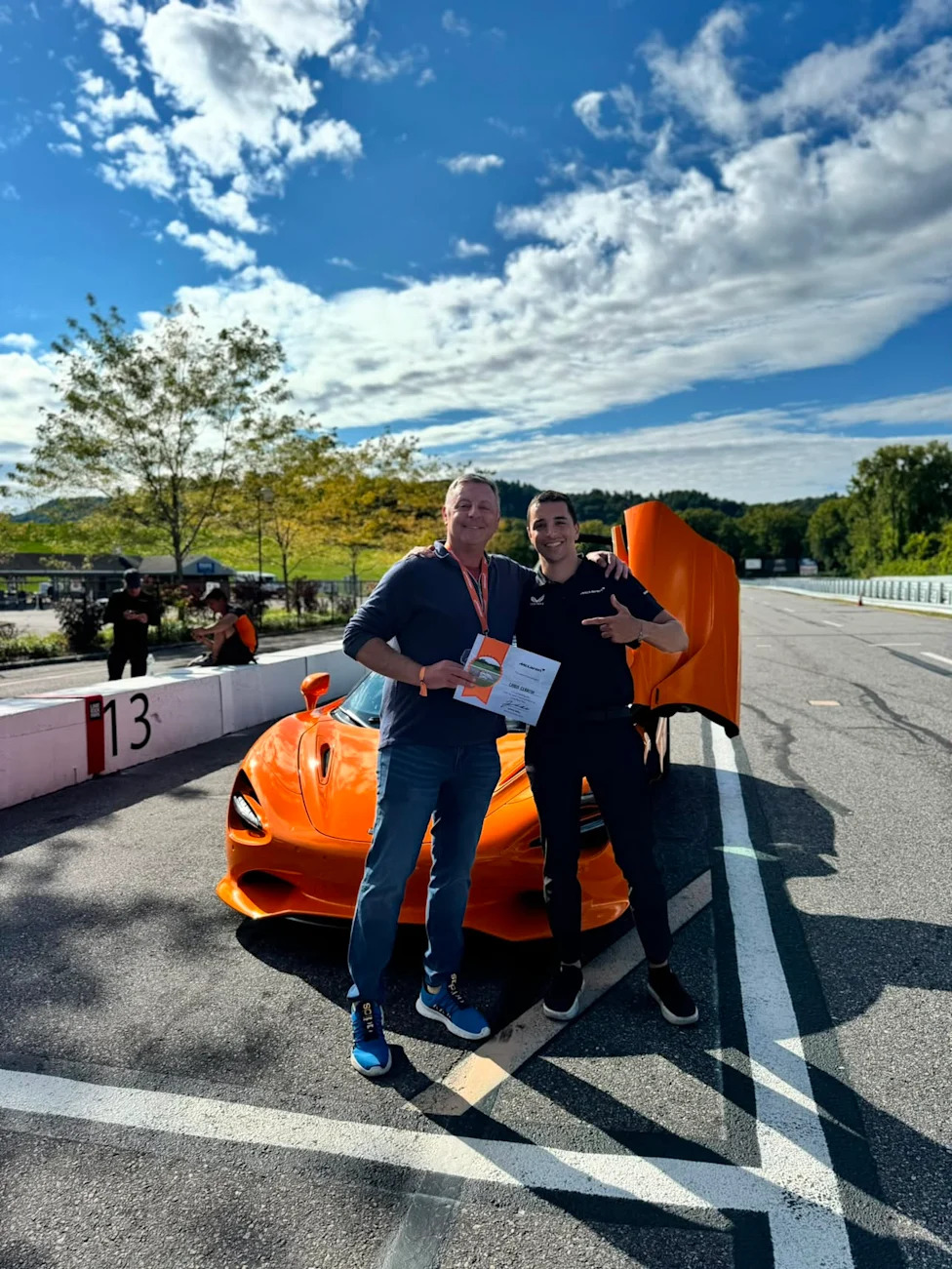
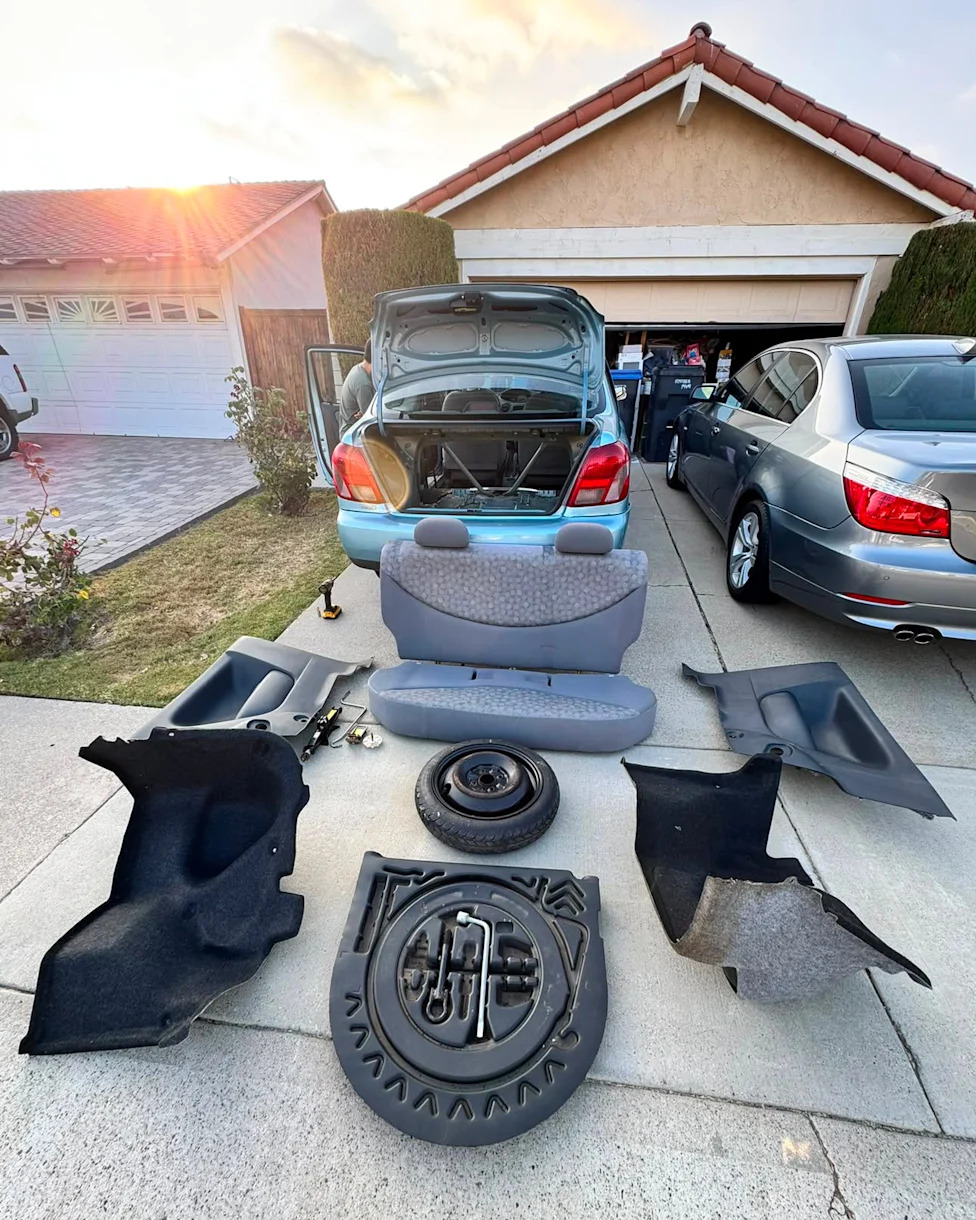
















Sold here in the States from 1999 until 2005 and originally retailing for the low, low price of $9,995, the Toyota Echo is a mostly forgotten relic of a time when the barrier to entry-level cars was lower, as was, in fairness, the minimum level of equipment that passed for "entry-level." With a 108-horsepower, 1.5-liter four-cylinder and small, skinny tires, it was never the sort of vehicle you'd expect to see on a race track of any kind. But, much more recently, professional driving coach Abdullah Ibrahim saw something in the plucky little Echo that no one else had.Abdul is an instructor for McLaren, previously worked for Porsche and Skip Barber, and also runs his own independent service called Ace Racer. Naturally, he's no stranger to taming some of the meanest supercars in the world. But he's also someone who came up cutting his teeth, as so many do, in spec Miatas and BMW E30s, and has thought critically about the financial barrier to motorsport that keeps so many people from exploring the world, getting involved, and becoming better drivers.To put it as simply as possible, the Echo Challenge is his way of doing something about that.AdvertisementAdvertisement"I can't speak for anyone else, but at least for me, [I was] almost like indoctrinated into thinking that the only way that you can enjoy motorsports at its fullest potential is to be in something that's like a flagship car, like a McLaren 720S or 911 GT3 or something like that," Abdul told me over the phone. "And I've thought that ever since I laid my eyes on the Lamborghini Gallardo Superleggera in, you know, those Scholastic book fairs when I was in elementary school. And I was like, 'OK, one day I'm going to drive that car' or, 'One day I'm going to drive a Ferrari F430, and that's going to be my peak motorsport experience.'"Abdul at his day job—and the people he meets! That's Bruno Senna at the top right. Courtesy Abdullah IbrahimWhat Abdul found when he finally achieved that dream and level of skill was that, while the experience was gratifying, it left him wondering what to chase next."I found that later on in life—I don't want to be grim and call it resentment—but, for lack of a better term, like my resentment for motorsports came from the fact that, well, if I didn't have any money to go race in Carrera Cup, or McLaren Trophy, or Huracan Super Trofeo, I had to kind of fake it till I make it to an extent, you know, by trying to find these amateur clients to go pro-am racing with. After just delving into that whole scene, I was like, 'OK, well, what makes me truly happy is understanding that the economic aspect of it should be taken care of, which is driving something that is cheap to maintain, cheap to own, very modest, very humble, and something that everyone else can do as well.'"Once you get there—"there" meaning on the track in whatever vehicle does the job—"you no longer feel like you're on the outside looking in," Abdul told me.AdvertisementAdvertisementEnter the Echo Challenge. About a year and a half ago, Abdul stumbled across a Toyota Echo for sale. The tiny two-door's side profile immediately reminded him of the Suzuki Liana—famously, the first vehicle that Top Gear used for its "Star in a Reasonably Priced Car" segment, where helmeted celebrities and professional racing drivers alike would jump into a completely ordinary econobox and attempt to set the fastest lap on the show's test track.The owner of this particular example, a red coupe, was demanding two times market value for the thing, which killed the deal. But Abdul kept searching until he found a silvery-blue alternative (a color very similar to Top Gear's Liana, fans will note) on a farm in Northern California, and took the plunge.Courtesy Abdullah IbrahimAbdul had a plan from the moment he got the Echo. Once it was cleared of all its rat poop and a mangled wiring harness was fixed, restoring power to all four of the little Toyota's cylinders, he enlisted the help of a friend to 3D scan the interior in order to build a half cage—which "arguably cost more than two times the cost of the car," as he put it. The rest of the Echo was in decent enough shape, and soon enough Abdul was bringing it with him to Buttonwillow Raceway Park outside Bakersfield, California, inviting friends and fellow enthusiasts to take it for a spin.You can take in some footage of these trials on Abdul's YouTube channel, and I suggest you do. It's just fun to watch everyone, from newcomers to seasoned vets, like our friends Nik Romano and former The Drive staffer Chris Rosales, hop in what was once Toyota's most basic form of transportation on offer, with its awkwardly high seating position and zero expense made to mitigate body roll, and go toe-to-toe. Sure, they're trying—it's impossible for that not to happen when a leaderboard is involved, and you can keep tabs on the fastest times through the dedicated website Abdul has set up. But there's a refreshing sense of comedy about the whole thing, too, that these videos suitably seize on, especially in their expert musical choices.AdvertisementAdvertisement"It's on 700 treadwear tires, I think it has a blown front-right strut, had AutoZone brakes, which were on their last life," Abdul said. "I think Nik corded the tires. It was hilarious, and that's when he [recorded a personal best], so I guess we could get some data that the fastest form for the car is on corded tires."Abdul told me he enlisted a bunch of drivers to take the Echo out who are good enough to lap Buttonwillow in around 1 minute and 50 seconds or less—a quick time—in their high-end sports cars and supercars built for time attack. "They drove my car and they were like, 'This felt way faster and this felt way sketchier and more entertaining.'"In the long term, Abdul hopes to one day enter the Echo into the 24 Hours of Nürburgring, where it might finally give that famous Dacia Logan a little healthy competition. His ultimate dream, though, is to entice some Formula 1 drivers into doing the challenge."There's such a large bandwidth for that car. People will be very quick to write off the car—say, whatever, a Miata or an Echo—as a beginner car, but what they don't realize is that the bandwidth for what that car has to offer you is much, much, much wider," Abdul said. "To extract the last three tenths out of the Echo or a spec Miata or whatever, it takes years and years and years to hone that craft. Because momentum cars, by essence, are much more difficult to extract time out of than cars with big power because, once you lose that momentum, you can't get it back, and any little thing you do with the wheel is considered braking and losing speed. Any bit of percentage above your ideal braking pressure is way too much braking and is exponentially magnified."The Echo "teaches you a lot of discipline, about energy conservation, how to be very efficient with your inputs, how to be very precise, how to use all the track, and it's a challenge that I don't think a lot of people knew they were getting into," Abdul remarked.AdvertisementAdvertisementThe result is often a "toss-up," in the driving coach's words, as to who ultimately turns the best times. People with relatively less experience have actually outperformed those more familiar with the track in some cases. And it goes to show that every car, even the humble Echo, has something to teach a willing driver who chooses to listen.If that sounds like you, keep your eyes peeled for the Echo's plans on Abdul's Instagram page, @agi_racing, and swing by Buttonwillow sometime. And, if you happen to have F1 experience, definitely slide into his DMs.Is there a completely unseeming car in your history that taught you more than you expected about technical driving? Let us know in the comments!