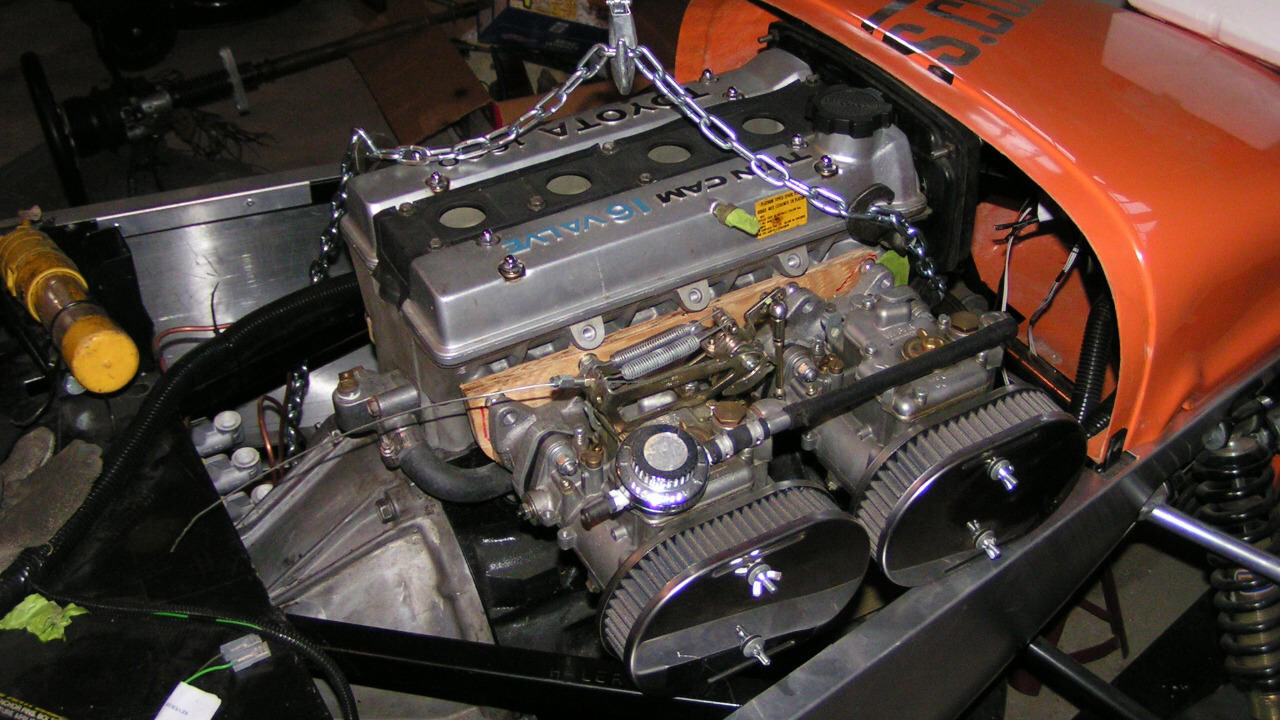
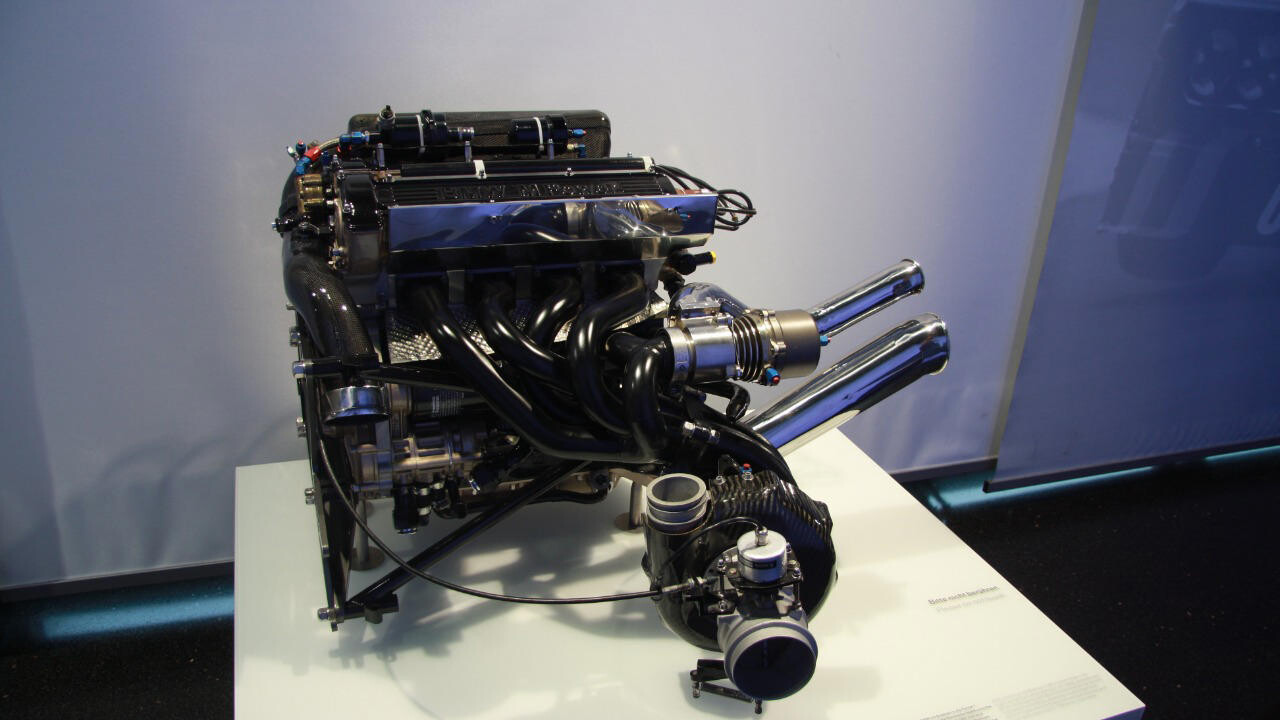
Racing engines are built to withstand extreme conditions, pushing the boundaries of performance and reliability. Some engines have not only succeeded on the racetrack but have also proven their durability in the face of challenges that would have sidelined lesser engines. Here are eight remarkable engines that have survived and thrived under pressure, showcasing engineering excellence and resilience.Ford Cosworth DFV: The Indestructible V8The Ford Cosworth DFV, introduced in 1967, revolutionized Formula 1 with its unmatched power and reliability. This V8 engine, with its 3.0-liter capacity, dominated the racing scene, powering cars to 155 Grand Prix victories over two decades. Its design allowed for ease of maintenance, making it a favorite among teams. The DFV was known for its ability to endure high RPMs without sacrificing performance, demonstrating remarkable durability under the intense conditions of F1 racing. One of its most notable achievements was during the 1970s when it powered the Lotus 49, leading to wins in the hands of legendary drivers like Jim Clark. The engine’s success can also be attributed to its advanced engineering, which included a unique dry-sump lubrication system. This innovation helped maintain oil pressure even during extreme cornering forces, ensuring consistent performance. For those interested in racing history, the DFV’s legacy is well-documented in various sources, including Carroll Smith’s “Tune to Win”.Porsche 917 Flat-12: Endurance ChampionThe Porsche 917 Flat-12 is synonymous with endurance racing, particularly in the 24 Hours of Le Mans. First raced in 1969, this engine was pivotal in establishing Porsche’s dominance in long-distance events. With a staggering power output of around 600 horsepower, the 917’s Flat-12 engine was a masterpiece of engineering, balancing power and weight in a way that few could match. Its durability was proven in the grueling conditions of endurance racing, where it often faced extreme temperatures and varying altitudes. The 917’s success culminated in a historic win at Le Mans in 1970, where it showcased not only speed but exceptional reliability. The engineering innovations behind the Flat-12 have influenced countless designs since, and enthusiasts can find detailed insights into its performance in resources like Old Cars Weekly.Toyota 4A-GE: The Little Engine That CouldThe Toyota 4A-GE is a compact inline-four engine that has earned a legendary status in the automotive world. Launched in the early 1980s, this engine became famous for its performance and adaptability in various motorsport disciplines, including rallying and drifting. With a displacement of just 1.6 liters, it produced around 130 horsepower, making it a potent option for lightweight vehicles. Its resilience can be attributed to its robust construction and ability to handle modifications, which allowed tuners to extract even more power. The 4A-GE’s engineering focused on high revs and a balanced power band, making it a favorite among motorsport enthusiasts. Its legacy continues, with many modified versions still competing today, showcasing that small can indeed be mighty. For those curious about its impact, discussions about the 4A-GE can be found on platforms like Reddit.Chevrolet Small Block: The Versatile WorkhorseThe Chevrolet Small Block engine, introduced in 1955, is one of the most widely used and versatile engines in automotive history. Known for its compact design and lightweight characteristics, this V8 engine has powered everything from everyday cars to high-performance racing machines. Its adaptability is unmatched, allowing it to be tailored for various applications, including drag racing and NASCAR. Over the decades, the Small Block has evolved, with numerous iterations providing even more power and efficiency. Its durability has been tested under extreme conditions, particularly in racing environments where performance is paramount. The engine’s ability to withstand high RPMs and produce consistent power has made it a staple in the racing community. For a detailed exploration of its evolution, enthusiasts can refer to resources such as Google Books.Ferrari 312T: Mastering the ElementsThe Ferrari 312T, raced in the 1970s, is revered for its innovative design and remarkable performance in Formula 1. The heart of this car was the Tipo 015 engine, a 3.0-liter flat-12 that showcased Ferrari’s engineering prowess. With a unique transverse layout, it provided exceptional weight distribution and handling, crucial in the demanding world of F1 racing. The 312T’s reliability was a key factor in its success, allowing drivers like Niki Lauda and Jody Scheckter to secure numerous victories. Its ability to perform under varying conditions, from rain-soaked tracks to high-speed circuits, showcased its engineering resilience. The legacy of the 312T continues to influence modern Ferrari designs, reminding us of its significant place in racing history.Honda RA168E: Revving Through AdversityThe Honda RA168E was a turbocharged V6 engine that powered the iconic McLaren cars during the late 1980s. Known for its high-revving capabilities and impressive power output, this engine was instrumental in McLaren’s dominance in Formula 1. Its innovative design featured a unique twin-turbo setup, allowing it to produce around 1,000 horsepower during qualifying sessions. Despite the challenges of turbo lag and varying track conditions, the RA168E proved to be exceptionally reliable, enabling drivers like Ayrton Senna to achieve remarkable success. Its engineering excellence allowed it to thrive in the highly competitive F1 environment, showcasing Honda’s commitment to performance and reliability. The RA168E remains a testament to Honda’s engineering prowess and is often discussed in motorsport circles.BMW M12/13: Turbocharged ResilienceThe BMW M12/13 is a famous engine in the world of motorsport, known for its innovative turbocharging technology. Introduced in the early 1980s, this 1.5-liter inline-four engine was designed for Formula 1, pushing the boundaries of performance with its ability to generate over 1,400 horsepower in qualifying trim. Its compact design and lightweight construction made it a formidable competitor on the track. What sets the M12/13 apart is its ability to endure the harsh conditions of F1 racing, including extreme temperatures and high-stress scenarios. Its resilience was on full display during the 1982 season, where it powered the Brabham BT52 to numerous victories. The engineering behind this engine has influenced many modern turbocharged designs, establishing the M12/13 as a benchmark in racing history.