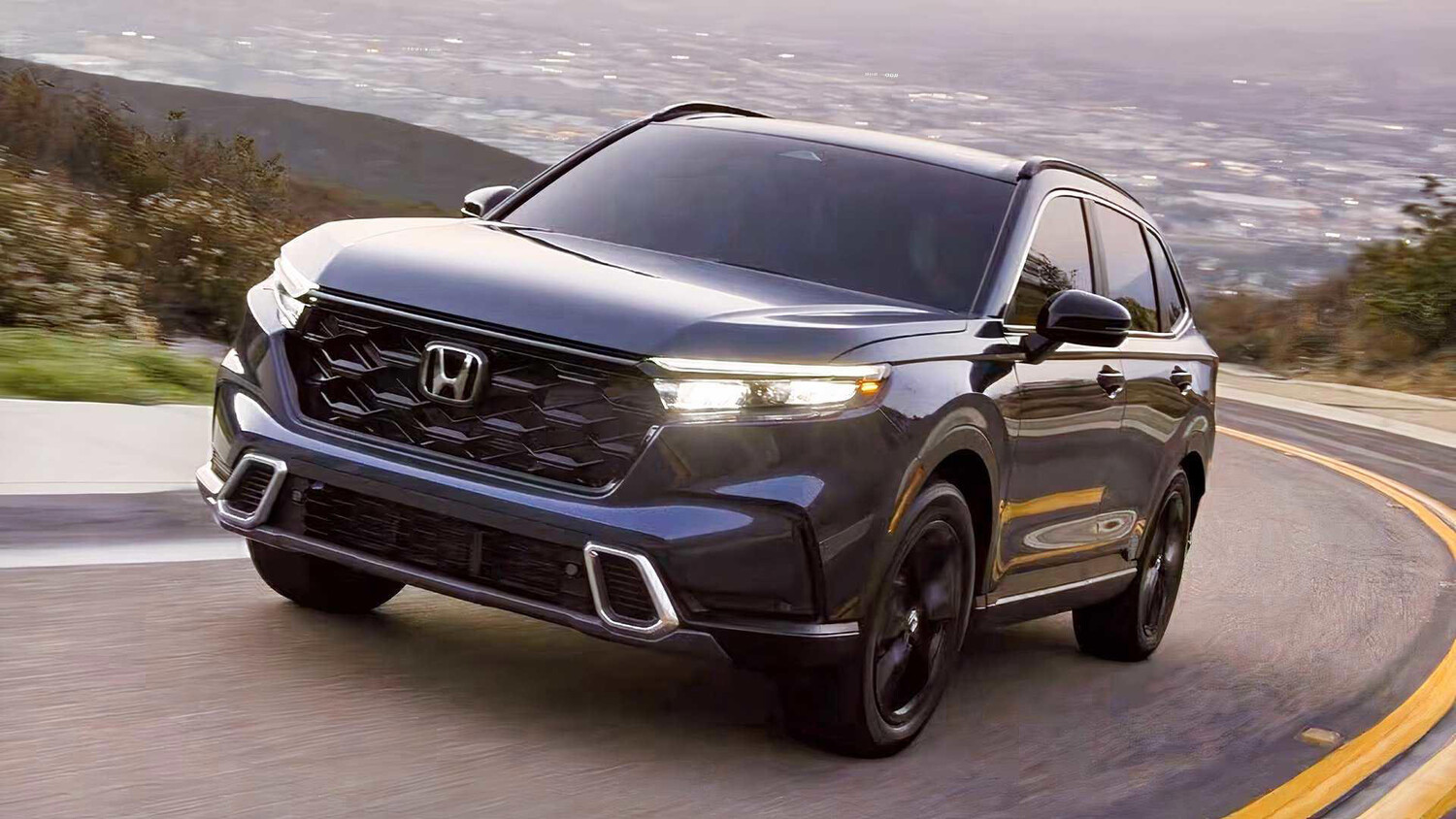
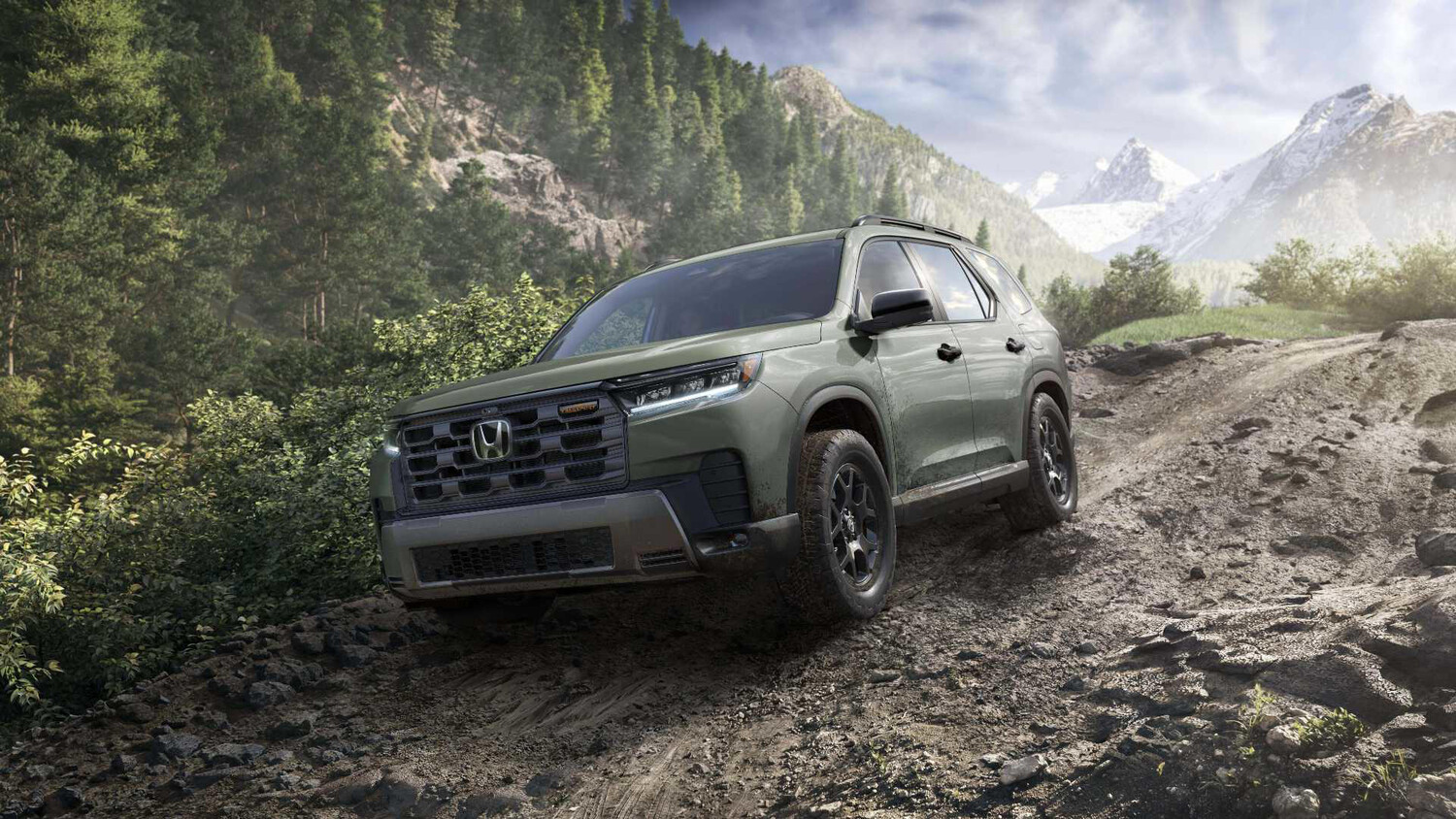
Canada’s most-stolen vehicle is not an exotic sports car or an ultra-expensive luxury SUV. It is the Honda CR-V, a familiar family crossover that recorded 2,137 thefts in 2025, reclaiming the top position in Équité Association’s national rankings released on November 10, 2026.
However, the most alarming figures appear further down the data. Certain newer luxury SUVs, including the Lexus TX, experienced theft rates exceeding 11% of insured vehicles. The findings reveal two troubling trends: widespread theft involving popular everyday vehicles and unusually concentrated targeting of expensive SUVs. Although national vehicle thefts have declined, organized criminal networks continue exploiting security weaknesses, raising fresh concerns about insurance costs, vehicle protection, and public safety.
The Honda CR-V Reclaims Its Unwanted First-Place Ranking
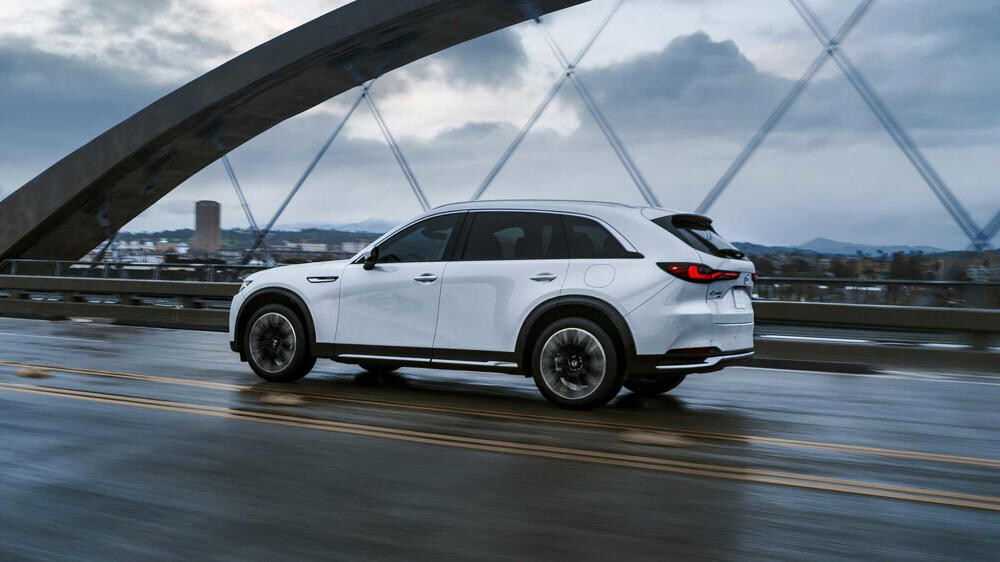
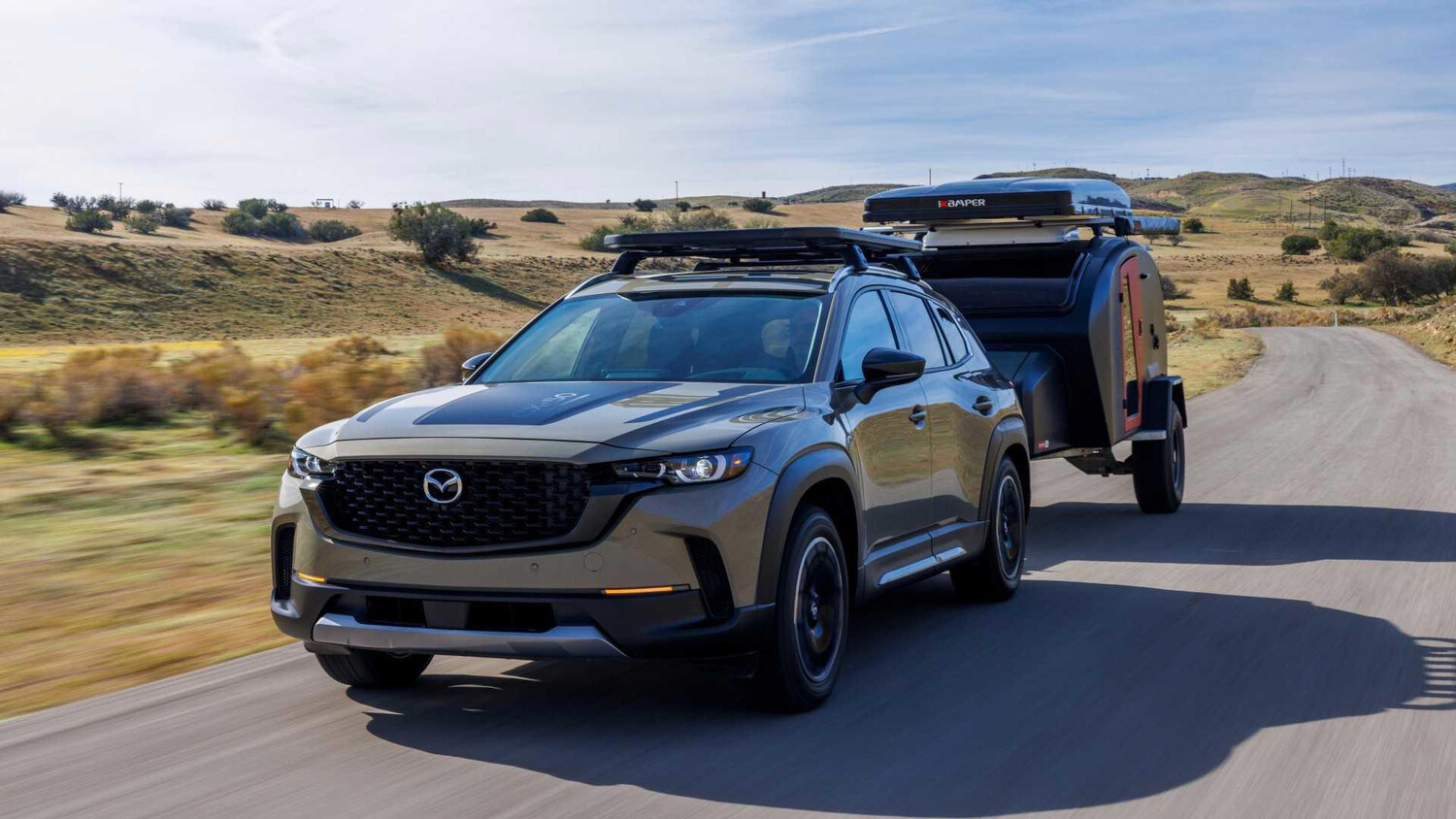
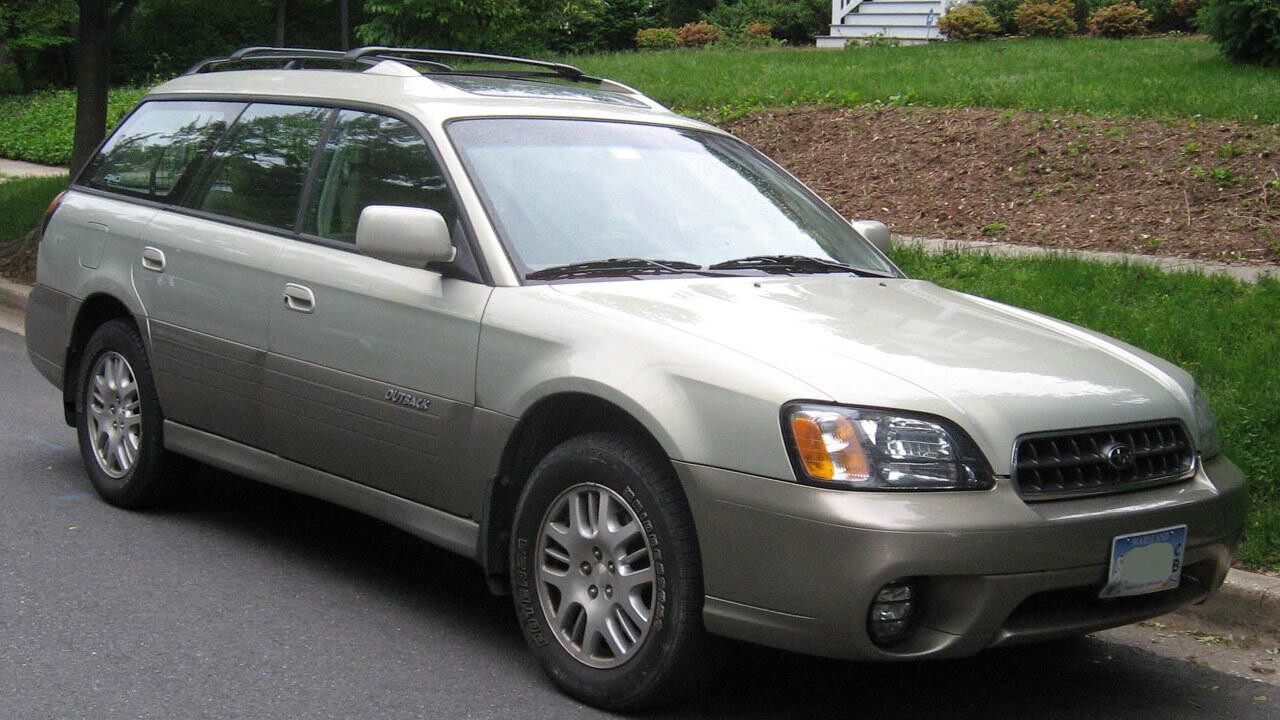
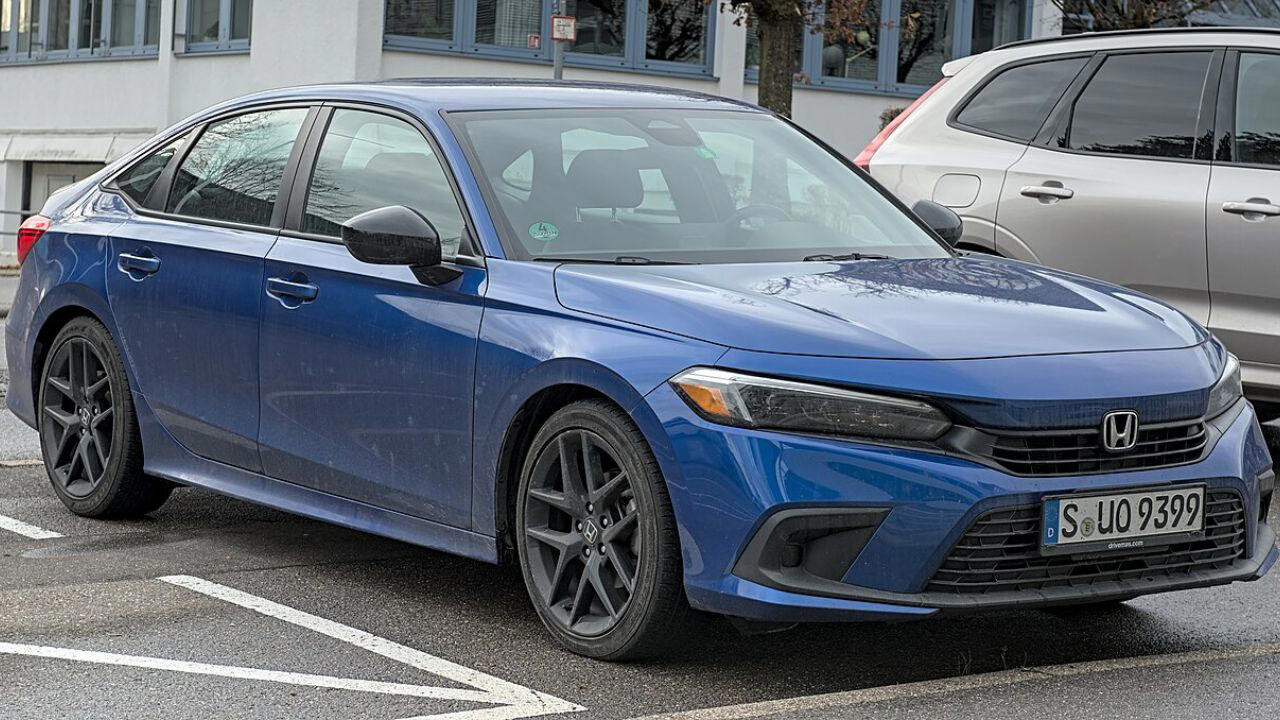
Équité Association’s 2025 data show 2,137 Honda CR-Vs stolen across Canada, a return to the top position the model previously held in 2021 and 2022. The organization released the new rankings on November 10, 2026, using the number of thefts rather than the share of vehicles stolen to establish the order. The CR-V finished ahead of another Honda, the Civic, which recorded 1,813 thefts. The 2024 model year was the most frequently stolen CR-V model year, but the overall count includes CR-Vs from different years.
Part of the explanation is the CR-V’s sheer presence on Canadian roads. Équité’s data, as summarized by insurance comparison service Rates.ca, count 550,586 insured CR-Vs and put the national theft frequency at 0.39%. That works out to roughly four thefts per thousand insured examples in 2025, far below the rates seen among some expensive SUVs. Still, a low percentage can represent thousands of disrupted households when a vehicle is so common. For a family relying on its crossover for daycare, work, and groceries, the consequences extend beyond the vehicle’s resale value.
Lexus TX and Toyota Land Cruiser Face Extraordinary Theft Rates
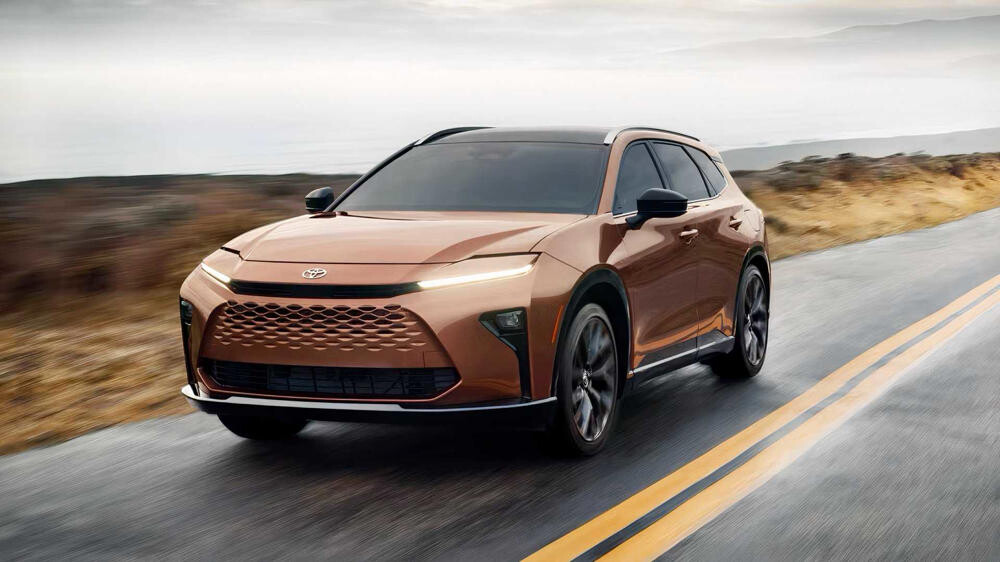
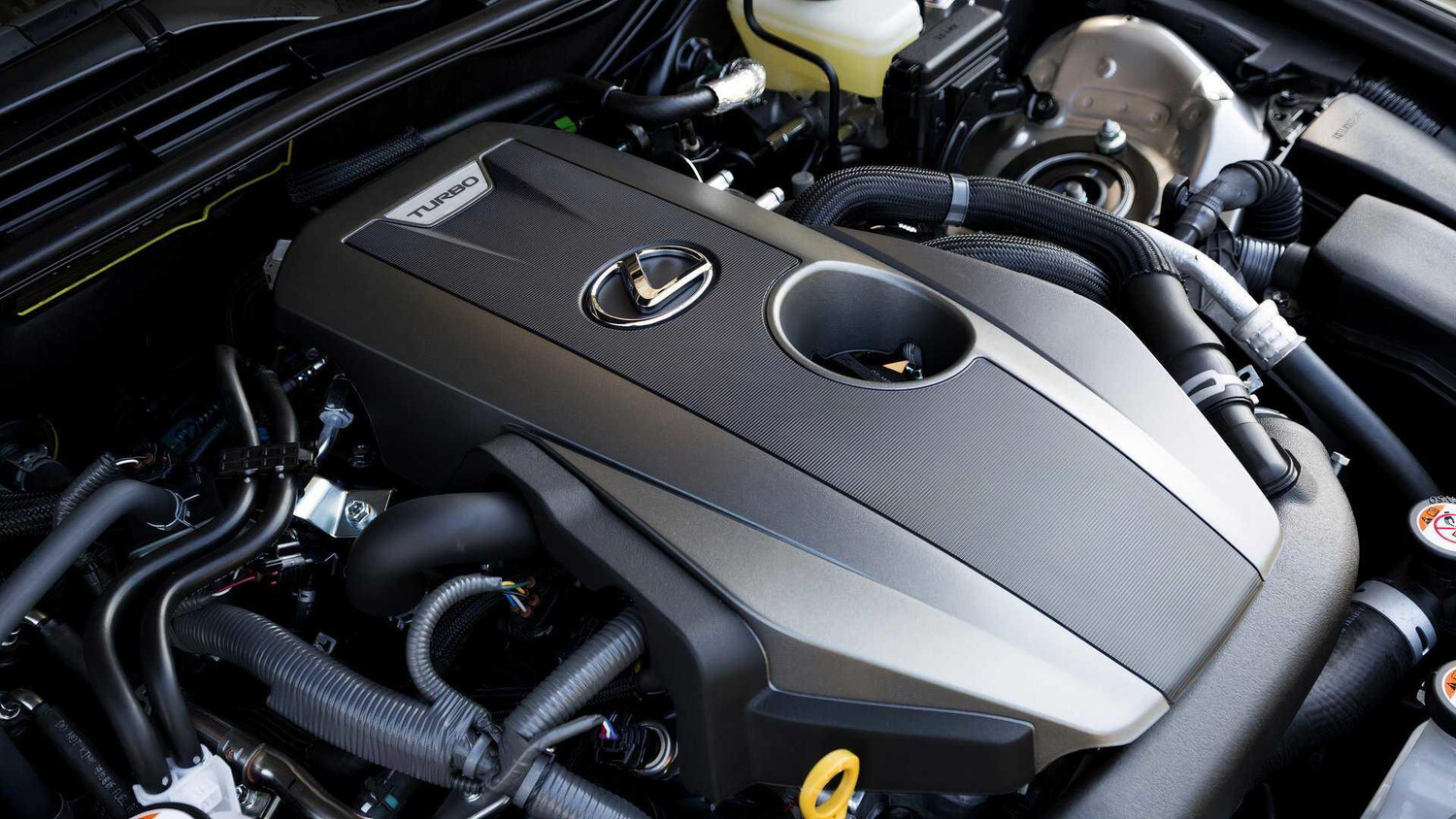
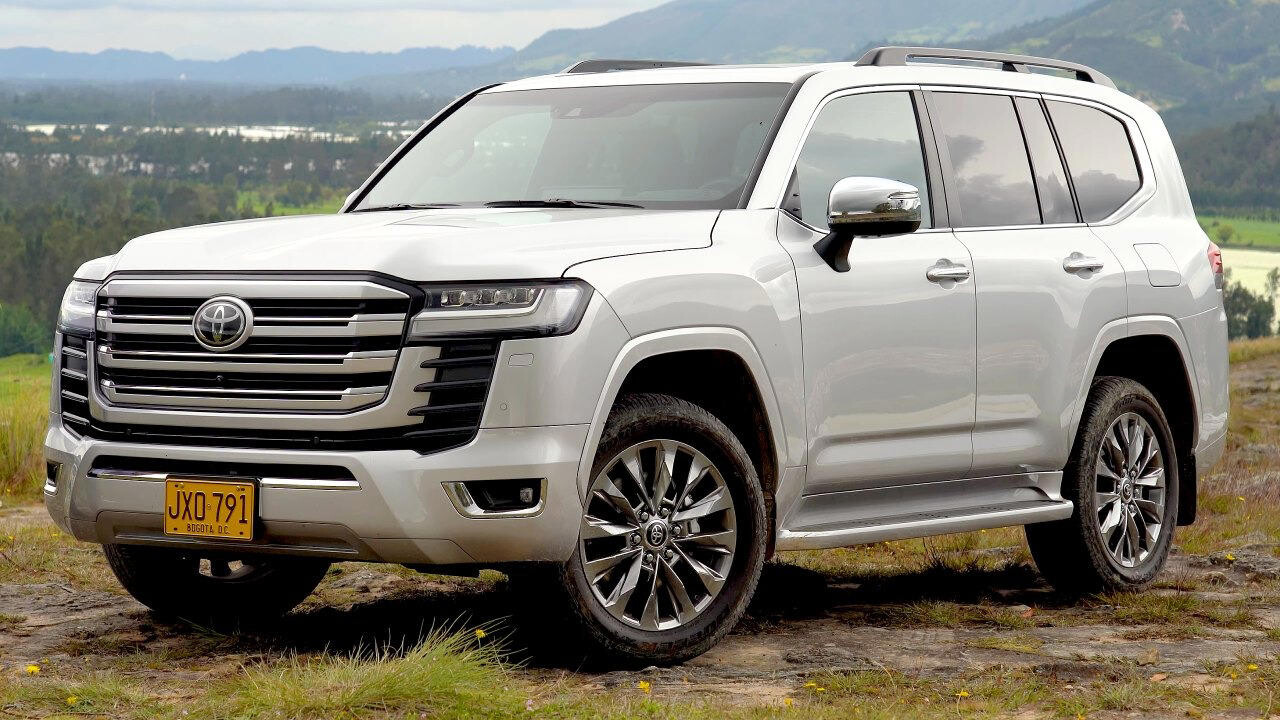
The most startling figures appear when thefts are measured against the number of insured vehicles. The Lexus TX recorded 279 thefts from 2,455 insured examples nationwide in 2025, a theft frequency of 11.37%. The Toyota Land Cruiser wagon was almost even: 253 thefts among 2,236 insured vehicles, or 11.32%. In everyday terms, more than one in nine insured examples of each model was reported stolen during the year. Both sit well above the CR-V’s 0.39%, even though far fewer were stolen in total.
These rankings show why a list based only on raw thefts can mislead someone assessing the risk associated with a particular vehicle. A relatively scarce, high-value SUV can be a far more concentrated target than a mass-market crossover. The figures are annual model-level statistics, not a prediction that any individual owner’s vehicle will be stolen. With only a few thousand examples insured, the percentages can also change substantially from one year to the next. Yet rates above 11% are sufficiently striking to raise serious questions about security and criminal demand.
Toyota and Luxury Brands Dominate the Highest-Risk Rankings
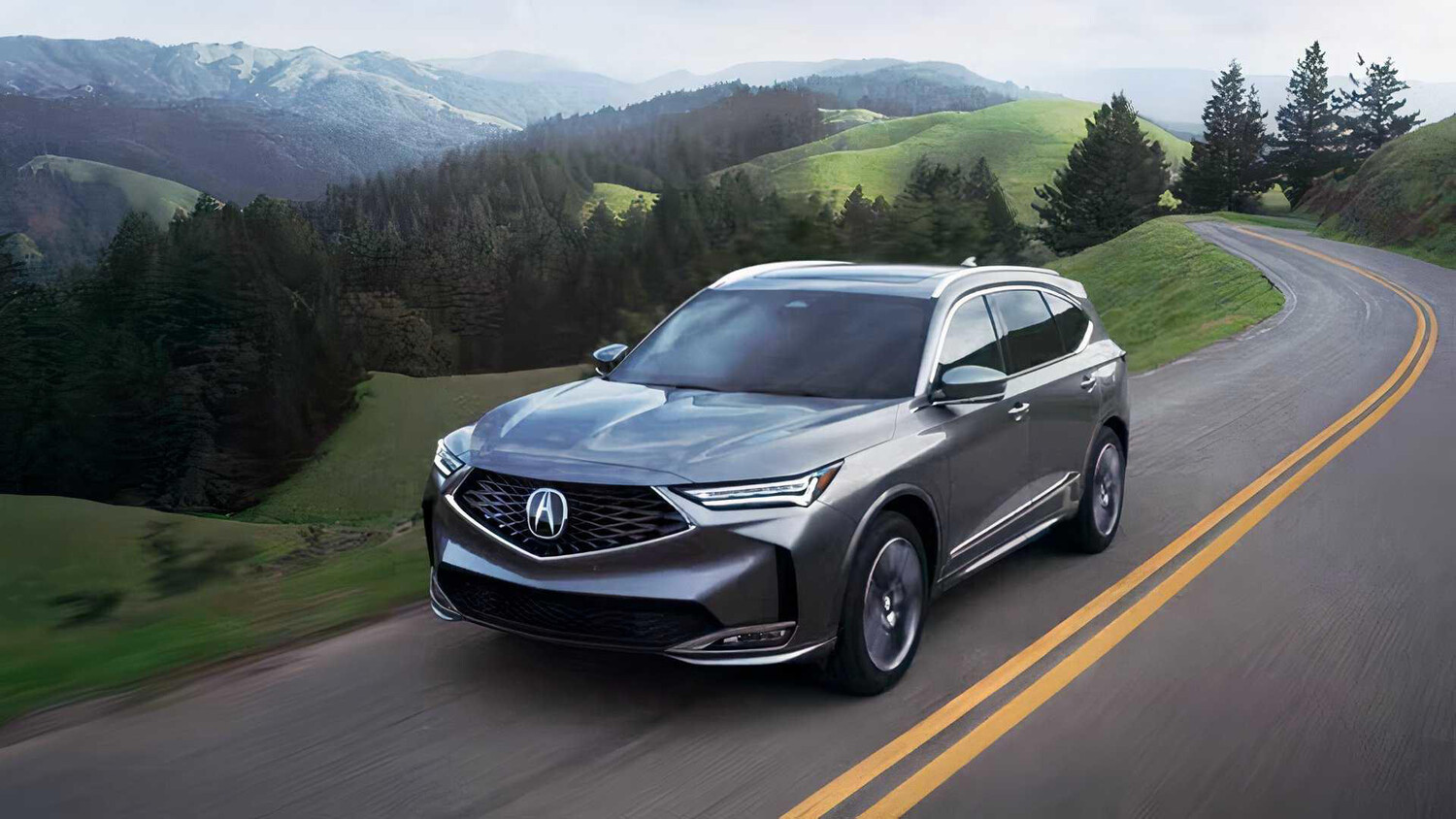
The Toyota Grand Highlander ranked third nationally for theft frequency at 4.77%, representing 480 thefts among 10,059 insured vehicles. Behind it came the Toyota Sequoia at 1.53% and Land Rover Defender at 1.39%. The Acura TLX sedan followed at 1.32%, a reminder that the higher-risk list is not entirely made up of SUVs. The Lexus GX, Mercedes-Benz GLS, Range Rover and Toyota Tundra completed the top ten, each with a recorded frequency near or above 0.95%. The rankings include only models meeting a minimum of 50 thefts.
The pattern goes beyond one manufacturer or even one price bracket. Large family SUVs, premium off-road vehicles and luxury sedans all appear, suggesting thieves evaluate marketability rather than simply chasing the most expensive nameplate. At the same time, the different percentages matter: a Grand Highlander’s 4.77% is serious, but it is less than half the Lexus TX figure. Treating all listed models as equally vulnerable would conceal useful differences. For prospective buyers, checking the exact model and current insurance exposure matters more than assuming a badge alone determines theft risk.
Ontario Emerges as Canada’s Biggest Vehicle-Theft Hotspot
Ontario sits at the centre of Canada’s vehicle-theft problem. Équité’s 2025 figures show 19,319 vehicles stolen in the province, more than 40% of the national total. Of the 2,137 CR-V thefts recorded across Canada, 1,598 happened in Ontario—nearly three out of four. The province’s luxury-SUV numbers are even more unsettling: 199 of 791 insured Toyota Land Cruisers were stolen, a frequency of 25.16%, while the Lexus TX registered 266 thefts among 1,371 insured vehicles, or 19.40%.
Those percentages do not mean every Land Cruiser or Lexus TX on an Ontario street faces identical odds. They describe what happened in 2025 within comparatively small insured fleets, where each additional theft has a noticeable impact on the rate. Nevertheless, the concentration is difficult to dismiss. The Insurance Bureau of Canada separately reported $485 million in Ontario auto-theft claims costs for 2025, with Toronto, Brampton and Mississauga leading its ranking of costliest cities. For residents, the danger is not confined to one parking lot or neighbourhood; it has become an expensive regional problem.
Popular Cars and Pickup Trucks Fill the National Theft Rankings
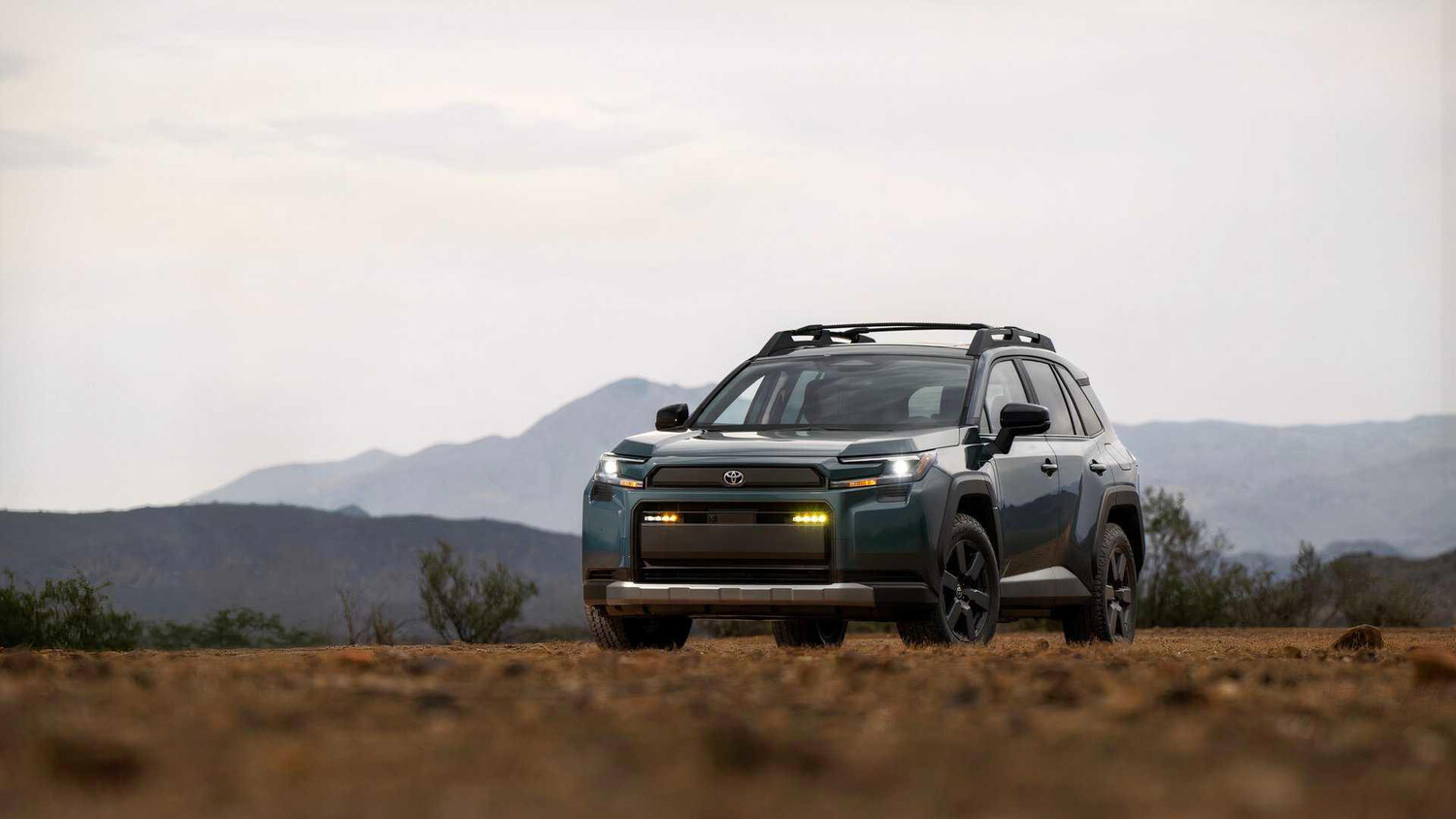
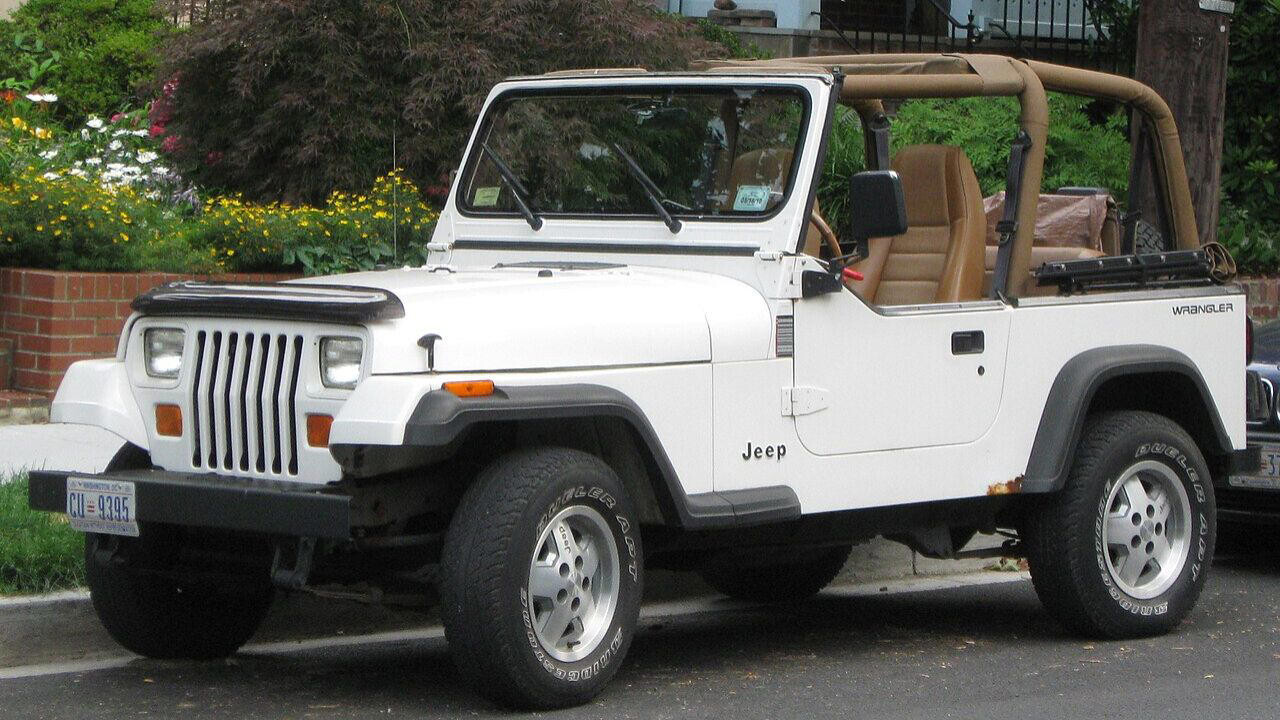
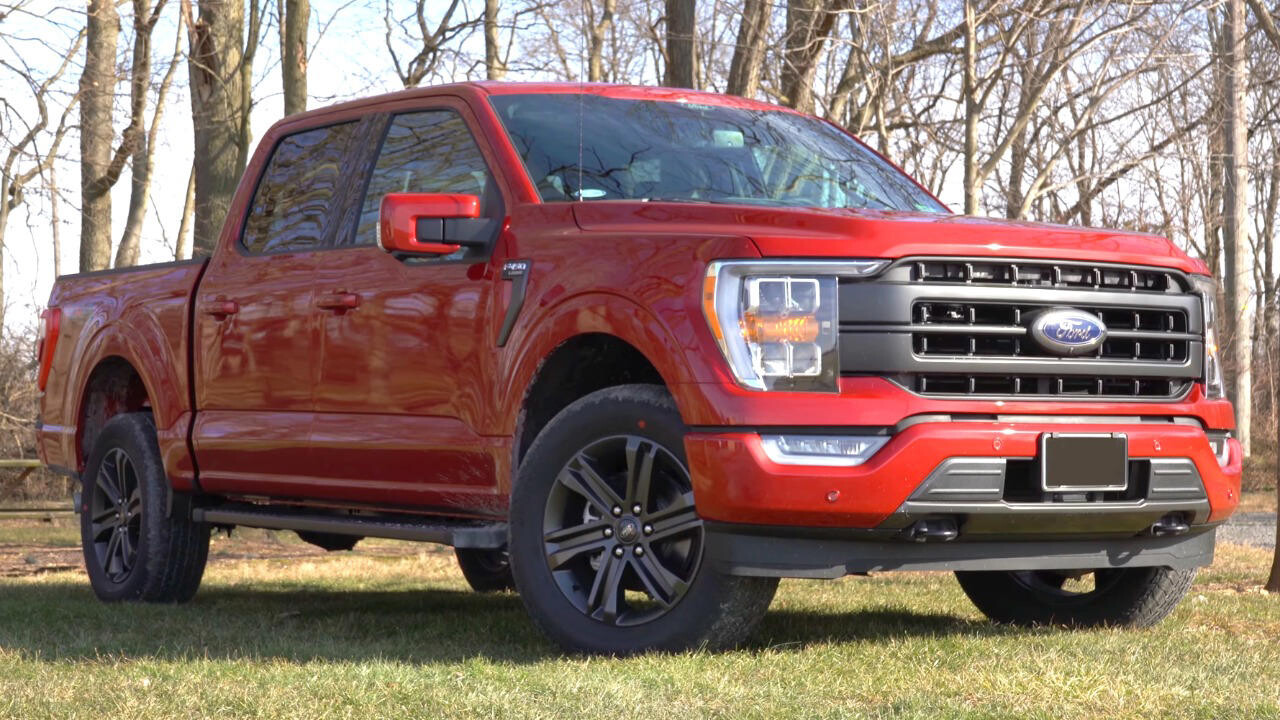
Beyond the Honda CR-V, the national theft-volume ranking reads like a cross-section of Canada’s roads. The Honda Civic finished second with 1,813 thefts, followed by the Toyota RAV4 at 1,147. The Ram 1500 and Ford F-150 recorded 1,072 and 1,057 respectively. The Lexus RX ranked sixth with 964, ahead of the Chevrolet Silverado/GMC Sierra 1500 family at 927, Toyota Tundra at 787, Jeep Wrangler at 603 and Hyundai Elantra at 484. Together, these ten model groups accounted for 10,991 reported thefts.
The mix matters. Four entries are pickups, four are SUVs and two are passenger cars, so a theft-prevention strategy focused exclusively on luxury vehicles would miss much of the problem. The Civic and Elantra illustrate that ordinary sedans remain targets, while the Wrangler and Tundra show criminals’ interest in vehicles with distinctive demand. There is another important limitation: these rankings group vehicles by model, sometimes across different years and closely related nameplates. A vehicle’s appearance on the list is a reason to examine its specific security and insurance history, not proof that every version carries the same risk.
Toyota RAV4 Theft Numbers Drop Sharply as Rankings Shift
The CR-V’s return to first place also reflects substantial changes elsewhere in the rankings. In the 2024 data published a year earlier, the Toyota RAV4 led the country with 2,080 thefts, while the CR-V placed third at 1,911. The new 2025 numbers show RAV4 thefts falling to 1,147, a decline of roughly 45%, while CR-V thefts increased to 2,137, approximately 12% higher than the previous year. The Jeep Wrangler also dropped sharply, from 1,491 thefts to 603.
That movement is encouraging for some owners but should not be mistaken for a simple verdict on which manufacturer has the strongest security. Criminal demand changes, enforcement efforts disrupt particular networks, and vehicle populations evolve. The published totals do not isolate the cause of each model’s rise or fall. Someone considering a used RAV4 should not conclude that the vehicle has suddenly become theft-proof, just as the CR-V’s first-place finish does not mean it is the riskiest choice in percentage terms. The year-to-year comparison instead demonstrates how quickly organized theft patterns can shift.
Quebec and Alberta Reveal Different Theft Patterns
The national headline also hides significant differences between provinces. In Quebec, the Honda Civic led the 2025 rankings with 487 thefts, ahead of the Toyota RAV4 at 374 and CR-V at 334. Alberta presented another picture altogether: pickup trucks occupied all five leading positions, headed by the Ram 1500 with 313 thefts. Chevrolet and GMC Silverado/Sierra 1500 models followed with 256, their 2500 counterparts with 227, then the Ford F-150 with 219 and F-350 with 142.
The age of the targeted vehicles differs, too. In Alberta, 2006 was the most frequently stolen model year for both Chevrolet/GMC truck groups, and 2007 led among stolen Ford F-350s. That contrasts with the newer luxury SUVs prominent in Ontario’s theft-frequency rankings. These distinctions matter when owners assess their own exposure: a pickup commonly used for work in Alberta may face a different theft environment from a recently launched three-row SUV in the Greater Toronto Area. A national top-ten label is useful, but provincial figures provide a clearer view of local patterns.
How Electronic Theft Methods Defeat Modern Vehicle Security
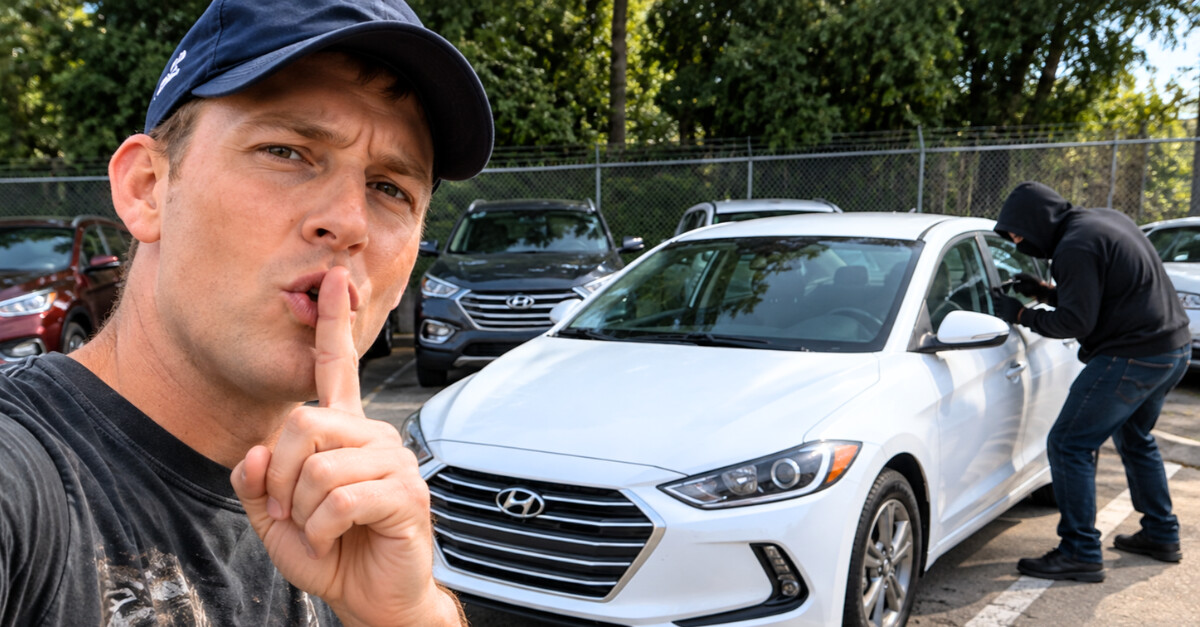
Modern vehicle theft is no longer adequately explained by smashed windows and hot-wiring. Équité Association has identified electronic methods, including key-fob relay attacks and key reprogramming, as important weaknesses exploited by organized networks. In a relay attack, thieves abuse a legitimate key’s wireless signal; other methods target vehicle security electronics without needing the original key. The technology differs from one make and model to another, and the existence of a known technique does not establish how any particular CR-V or Lexus TX was stolen.
The concern extends beyond criminals’ equipment to the way vehicles are designed and tested. Canadian insurers have argued that older immobilizer requirements have not kept pace with modern electronic attacks. Transport Canada published proposed amendments in December 2025 to recognize updated standards for theft protection, including newer electronic-threat testing. Until stronger protections are consistently built in, buyers can reasonably feel caught between the convenience of keyless access and the cost of protecting it. The industry is increasingly asking manufacturers to reduce theft opportunities before a vehicle ever leaves the showroom.
Organized Crime and Export Networks Add Another Layer of Risk
A stolen SUV can enter a much larger criminal supply chain after it disappears from a driveway. Équité Association says some vehicles are exported for resale, while others are dismantled or given fraudulent vehicle-identification numbers to disguise their origin. Its 2025 trend report put recovery rates at 51% in Ontario and 48% in Quebec, underscoring how many vehicles in those major markets were not recovered. The same report identified a 72% year-over-year increase in vehicle-finance fraud detected at the ports of Montreal and Halifax.
Authorities have been trying to interrupt those routes. The Canada Border Services Agency intercepted 1,590 stolen vehicles at railyards and ports during 2025. Separately, the federal Project NoCargo initiative, launched in June 2025, helped recover 392 vehicles worth an estimated $28 million through August 2026 by targeting vehicles acquired through fraudulent financing and intended for export. That distinction matters: not every criminally obtained vehicle is taken from a driveway. Identity fraud, illegal resale and international shipping can be connected parts of the same business.
National Vehicle Thefts Decline, but the Financial Damage Remains
There is meaningful progress in the broader fight against auto theft. Équité Association counted 46,999 stolen private passenger vehicles nationwide in 2025, down from 57,359 in 2024—an 18% decline. Its report for the first half of 2026 then recorded a further 10.1% reduction compared with the same months of 2025. Those improvements suggest that enforcement, border inspections and cooperation among insurers, governments and police have made a difference, although the statistics alone cannot assign an exact share of the improvement to any single initiative.
The financial picture remains troubling. The Insurance Bureau of Canada reported $724 million in theft-related insurance claims costs for 2025, even after a 30% annual decrease in the value of those claims. A decade earlier, the comparable figure was $269 million. That means the burden remains substantially higher than it used to be, despite fewer vehicles being stolen. A falling national count is welcome news for drivers, but it can coexist with concentrated theft risk among particular SUVs and serious costs for households and insurers.
Insurance Premiums Bring the Theft Problem Home
The financial consequences do not end when a stolen vehicle is reported to police. Insurers assess theft experience alongside repair costs, vehicle value, driving history and location when setting premiums. In a November 2026 comparison, Rates.ca estimated an annual premium of $6,109 for a 2024 Lexus TX350 in Toronto and $5,815 for a 2024 Toyota Grand Highlander. Those figures were based on a specific hypothetical driver—a 35-year-old man with a clean record travelling 10,000 kilometres a year—and a personal-use policy including collision and comprehensive coverage.
The estimates are illustrations, not universal prices for everyone who owns those SUVs. An identical model insured in another province, or by a driver with different coverage, could carry a substantially different premium. Still, the comparison shows how theft exposure can turn an ownership decision into a recurring household expense. Some insurers may require additional theft-prevention devices or apply theft-related charges to high-risk vehicles. An owner shopping for a replacement after a theft must therefore consider not just the price at the dealership, but the annual cost of keeping the next vehicle insured.
Layered Protection and Stronger Standards Offer a Way Forward
For now, prevention works best as a series of barriers rather than a single gadget. Insurance Bureau of Canada recommends locking doors, parking in a secure garage or well-lit location, and adding visible deterrents such as steering-wheel locks. Keeping a key fob in a properly functioning signal-blocking pouch can help resist relay attacks, while an independent immobilizer addresses additional electronic weaknesses. A tracking system may help authorities locate a vehicle if theft occurs; it cannot guarantee recovery. Owners should also ask insurers whether installing a device could change their coverage or premiums.
Longer-term protection may depend on decisions made before vehicles reach the showroom. In a June 2026 poll commissioned by Équité Association, 72% of respondents supported built-in anti-theft technology, but only 18% believed new vehicles were adequately protected against modern theft methods. Transport Canada has proposed updating theft-protection requirements to reflect newer standards. For manufacturers, regulators and police alike, the CR-V’s return to first place and the extreme rates among select luxury SUVs make a common point: stronger vehicle security matters even when national theft numbers are moving in the right direction.