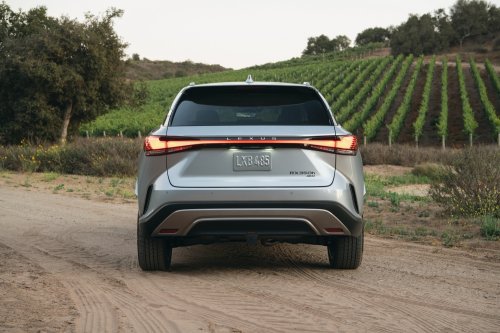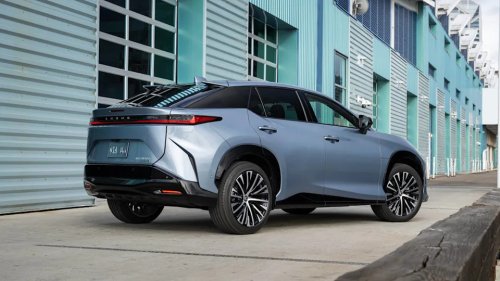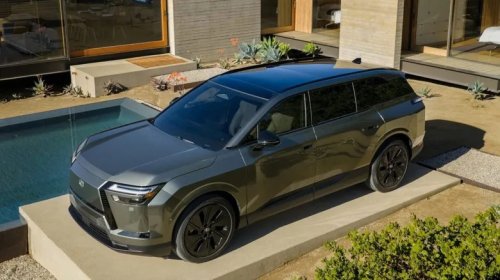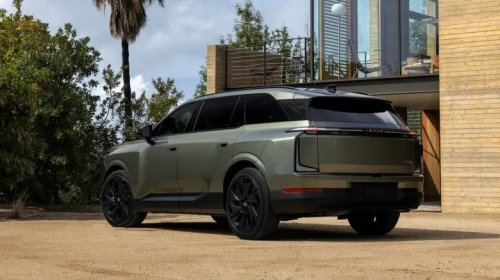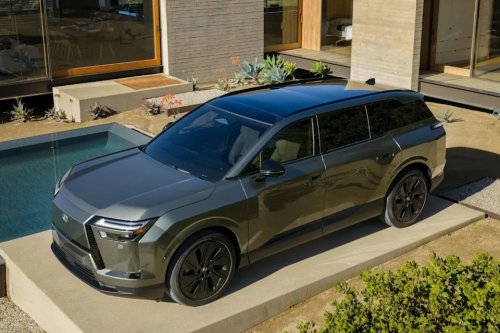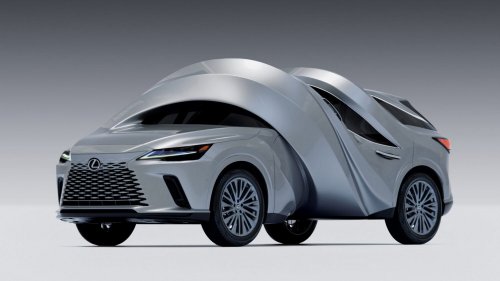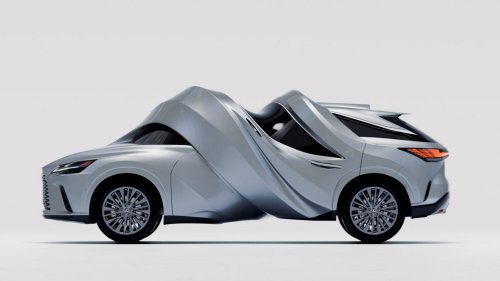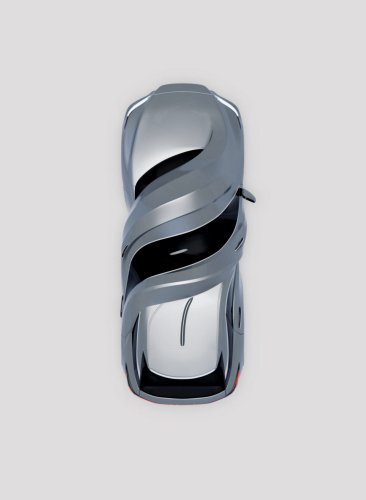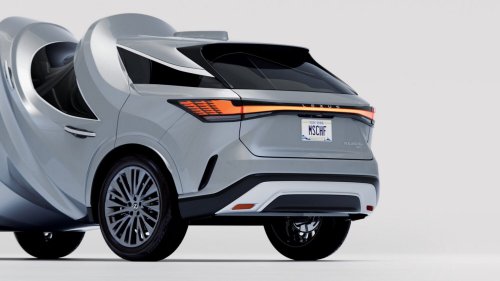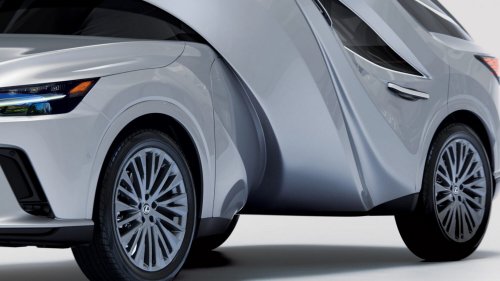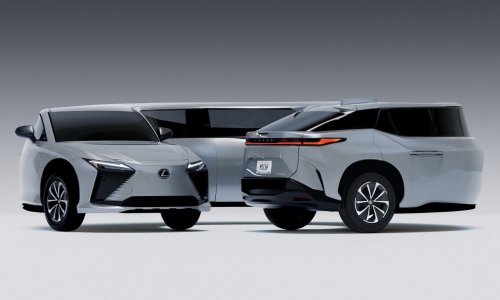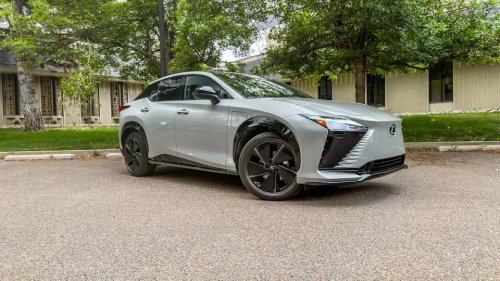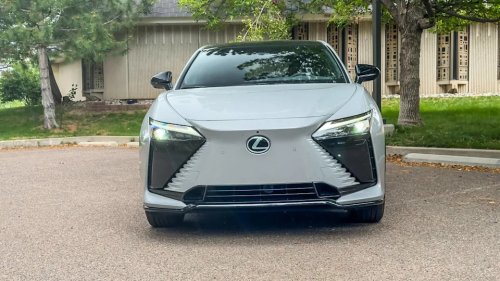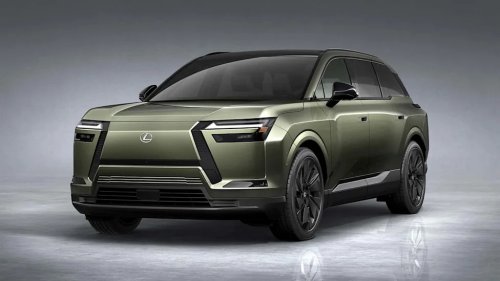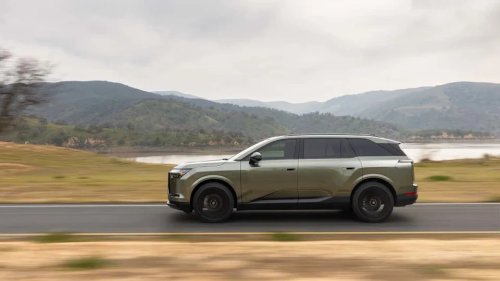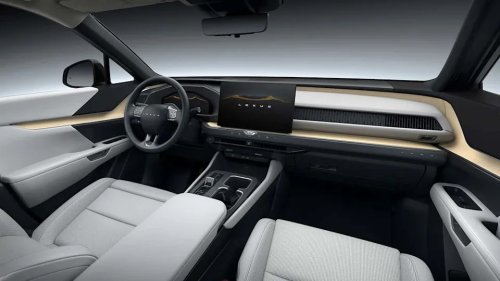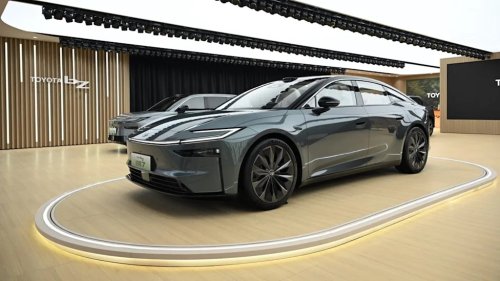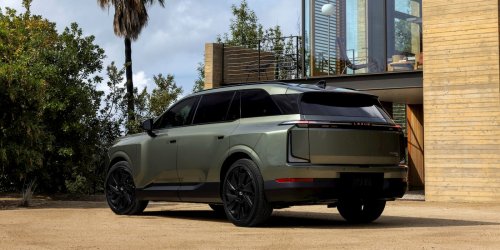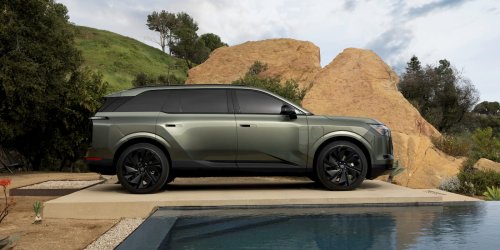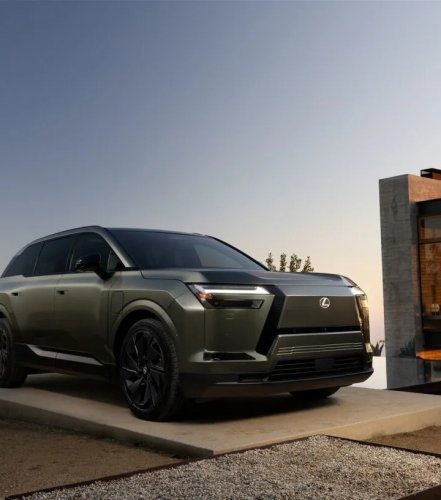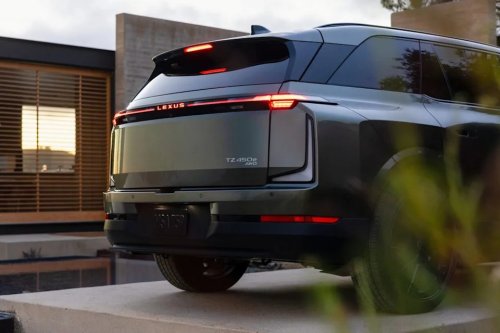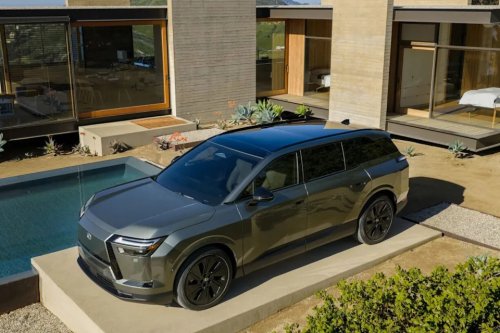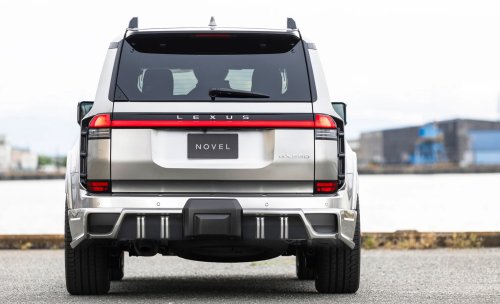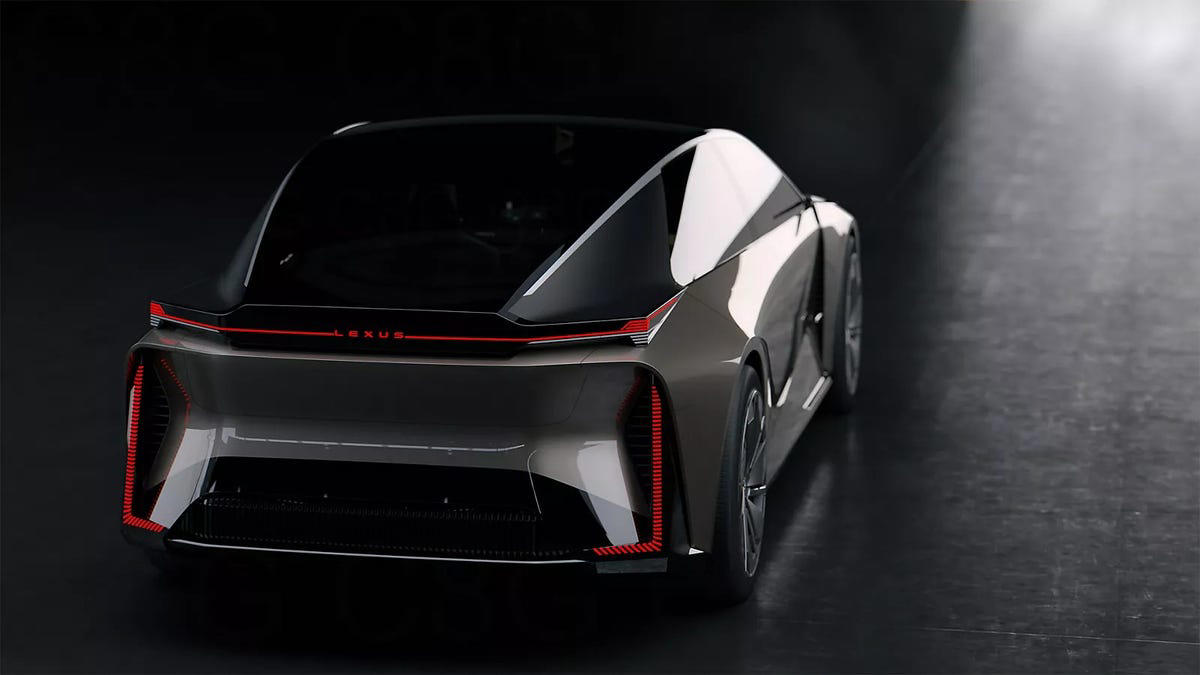



















The Lexus LF-ZC was its flagship, its next-generation electric vehicle that was supposed to rocket launch the automaker’s battery-electric ambitions while showcasing a host of advanced manufacturing technologies designed to make Toyota more competitive with EV leaders such as Tesla. Instead, the Japanese automaker gave it the ax.The decision marks a big step back from plans unveiled in 2023, when Lexus placed the LF-ZC sedan at the center of a new family of EVs. The production version was slated to launch this year and play a starring role in Lexus’ goal of selling up to 1 million EVs annually by 2030 while transitioning to an all-electric lineup by 2035.Toyota said the cancellation was decided on after a companywide review of vehicle programs, reports Automotive News.The move isn’t exactly surprising, coming as many automakers across the industry have been rethinking their EV investment and goals. Honda, Mazda, and Subaru have all scaled back or delayed EV programs in recent months, while US domestic automakers have all slowed their electric rolls since demand softened and government incentives were eliminated.futuristic lexus car design viewed from the rearThe LF-ZC (for Lexus Future Zero-emission Catalyst) debuted alongside the LF-ZL crossover concept at the 2023 Japan Mobility Show. It demonstrated advanced production techniques including gigacasting, a process pioneered by Tesla, as well as self-propelled vehicles on factory lines, and modular assembly systems.The automaker insists it remains committed to battery-electric vehicles despite killing off the LF-ZC.Autoweek SOC EV Newsletter sign upAnd yet rather than investing in dedicated EV architectures, Lexus increasingly has turned its focus more to platforms that can spin off multiple powertrains variants, most notably, hybrid electric vehicles.Toyota and Lexus sold 188,785 EVs globally in the fiscal year ended March 31, up 31 percent from a year earlier but still accounting for just 1.8 percent of the company’s worldwide sales volume.