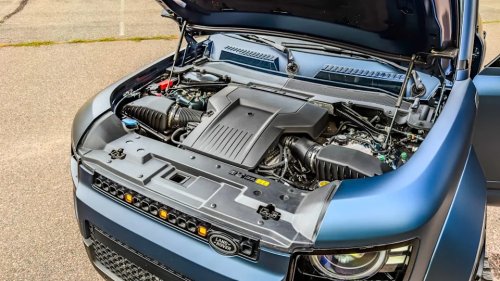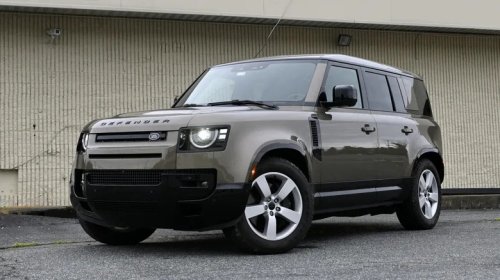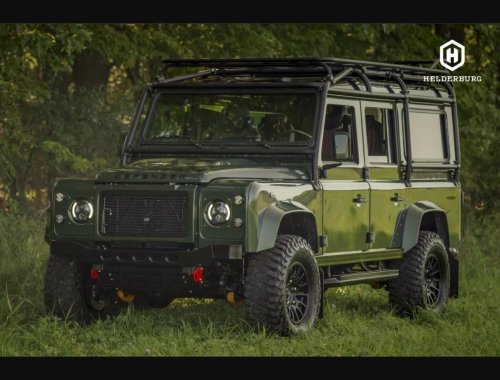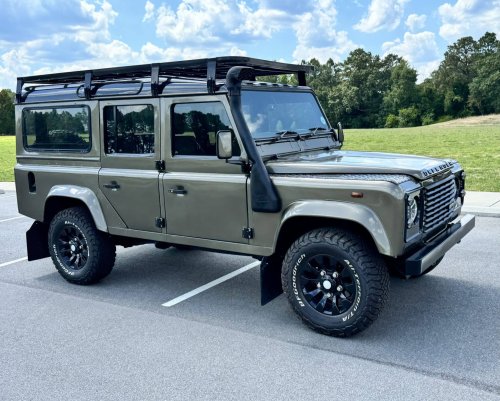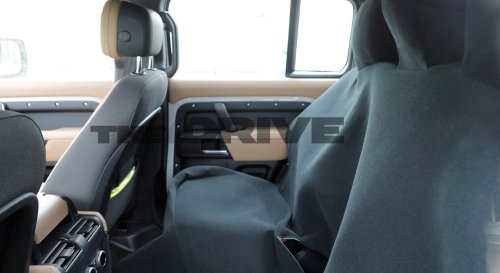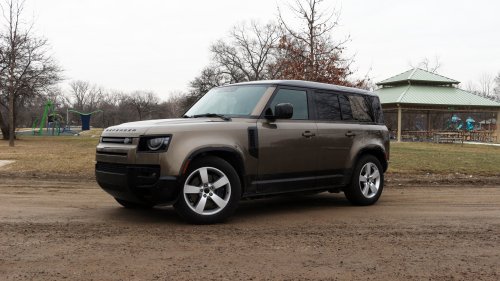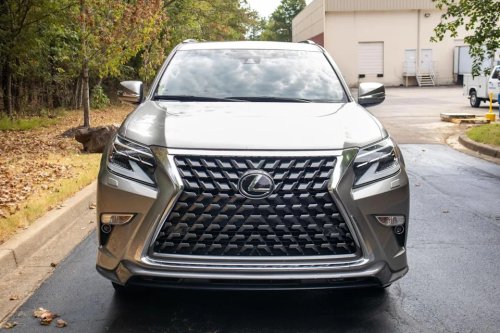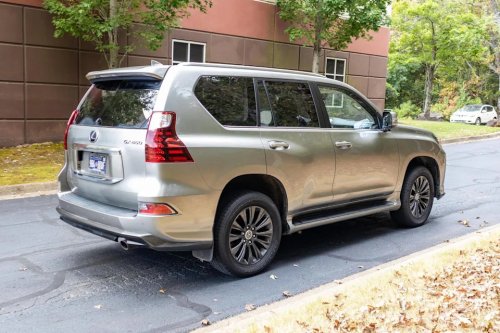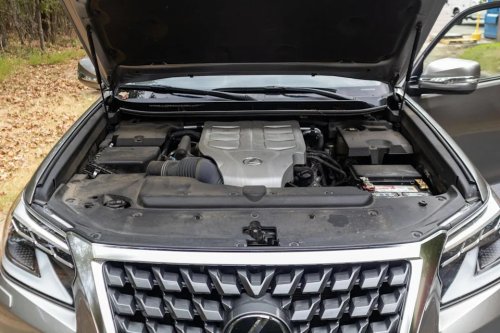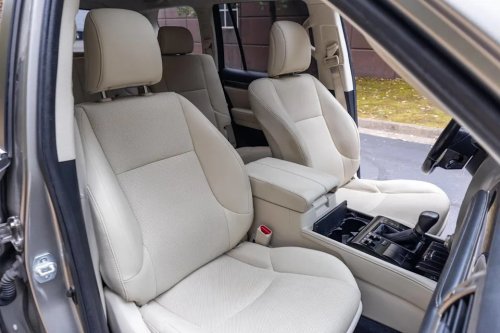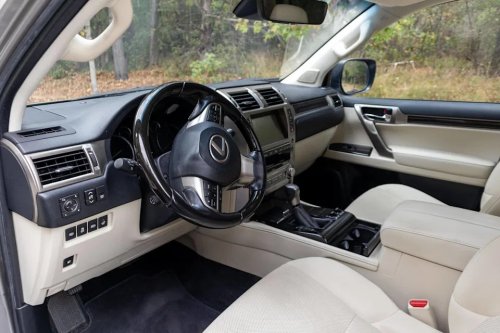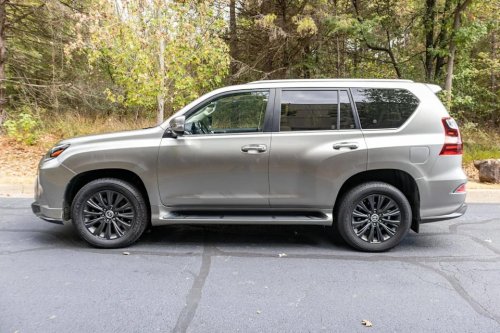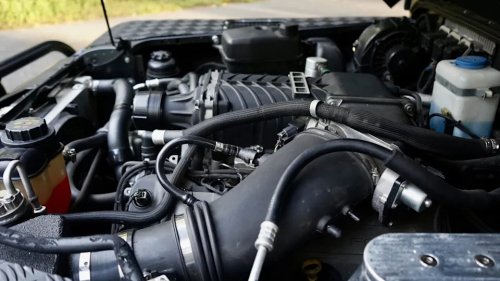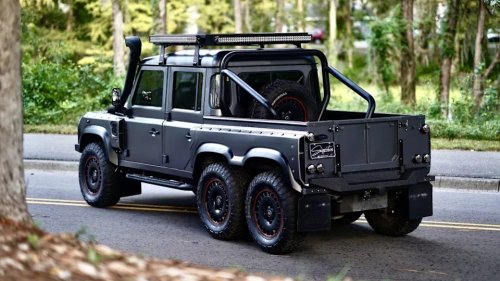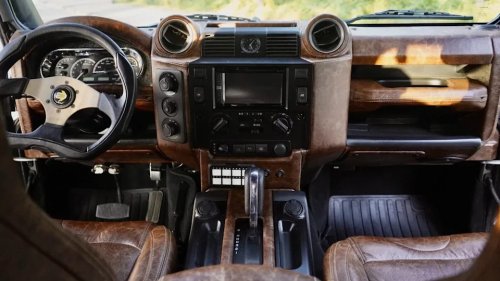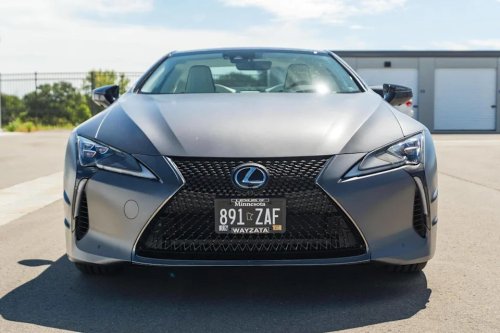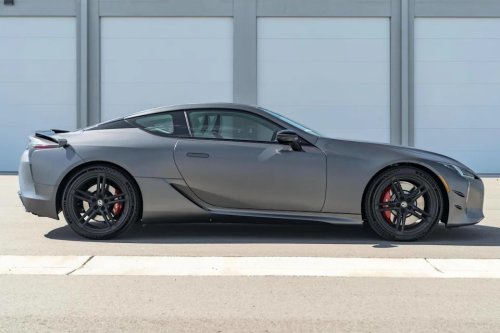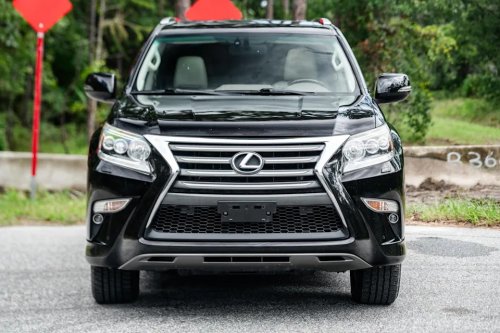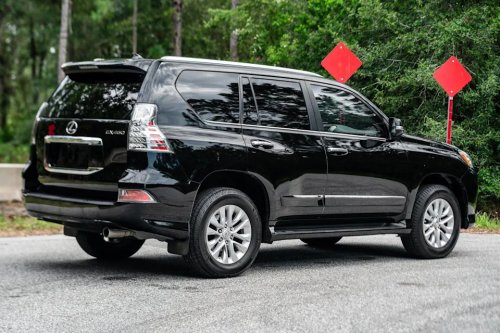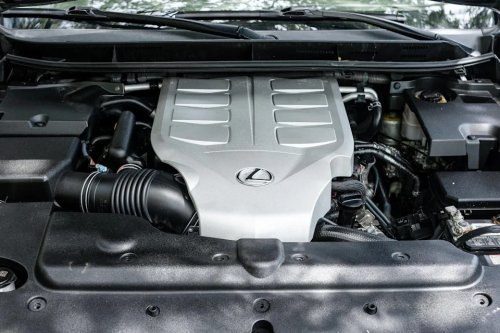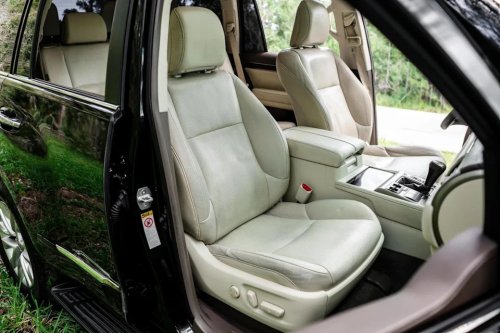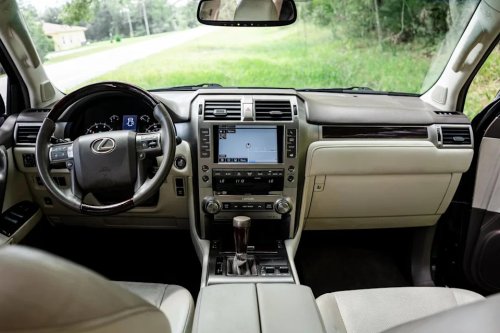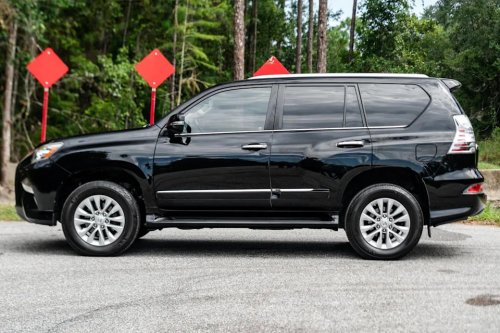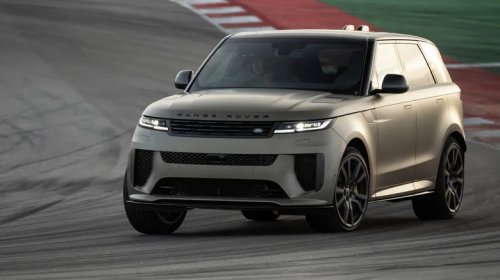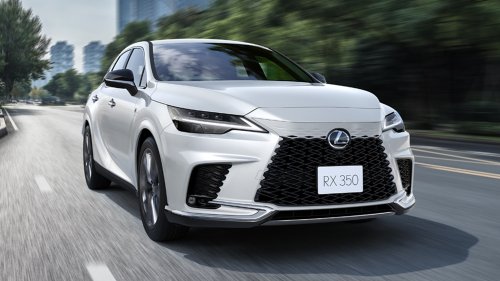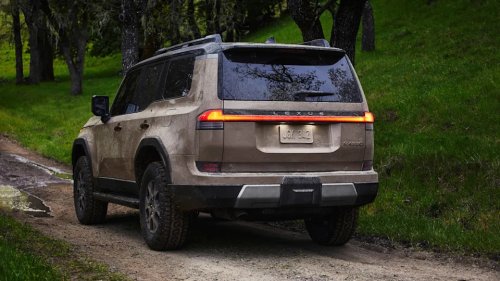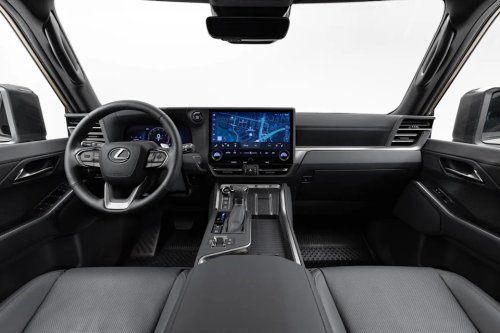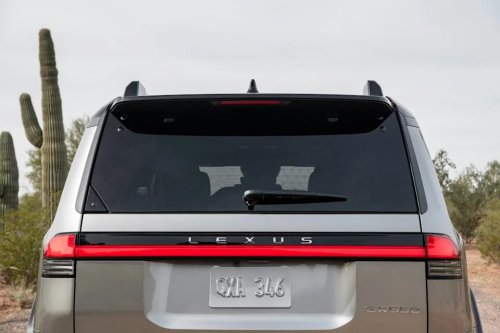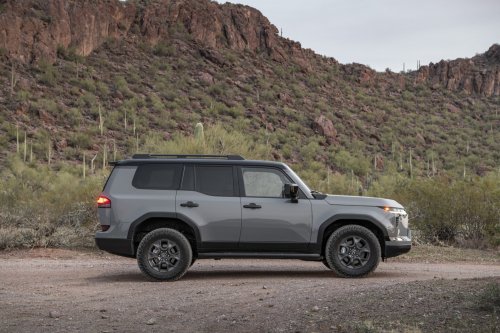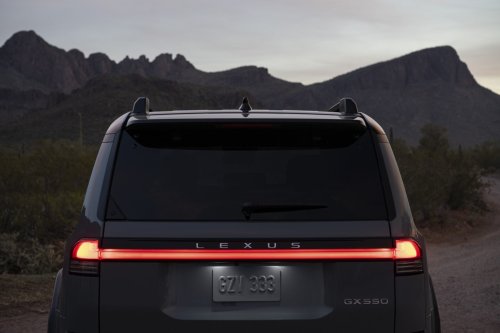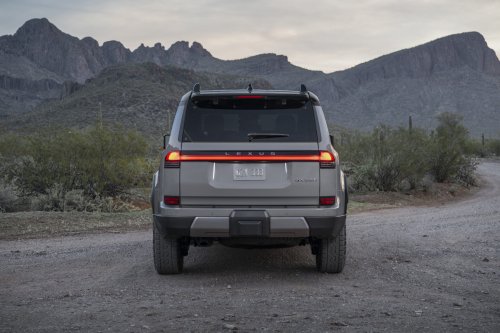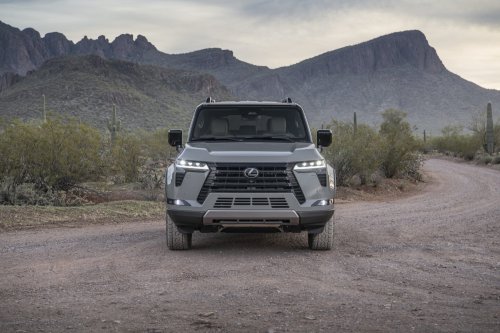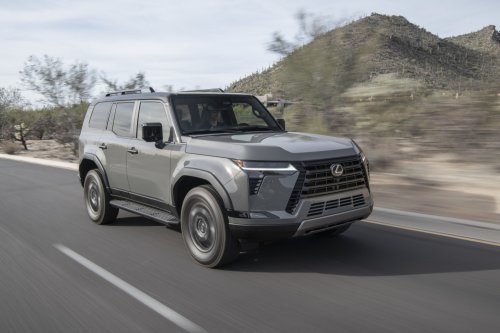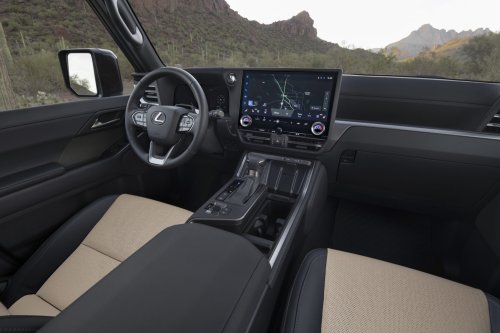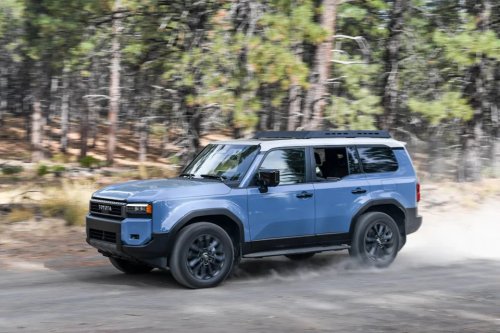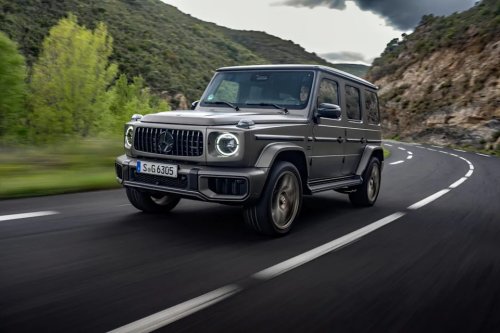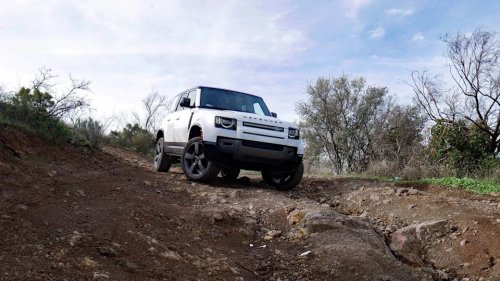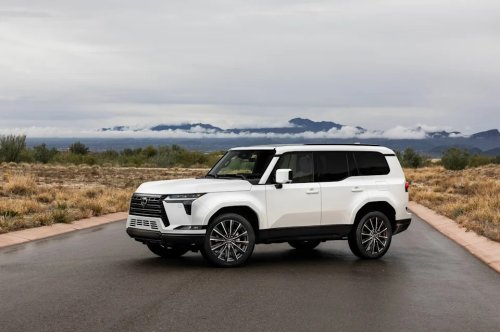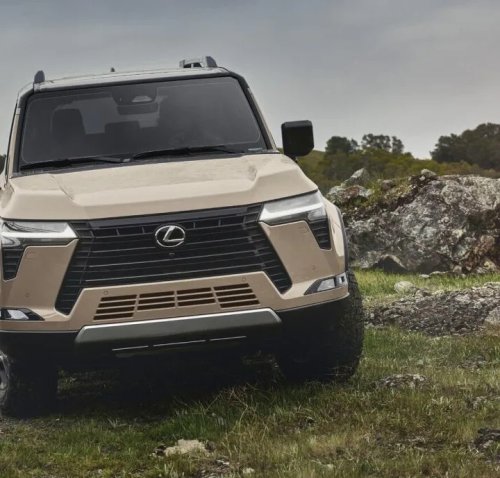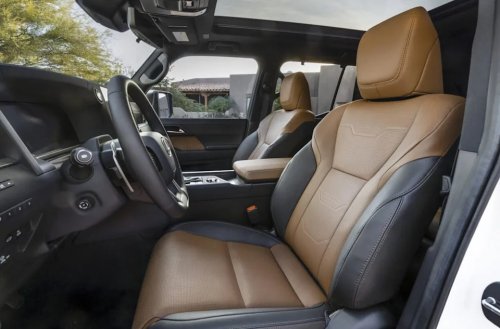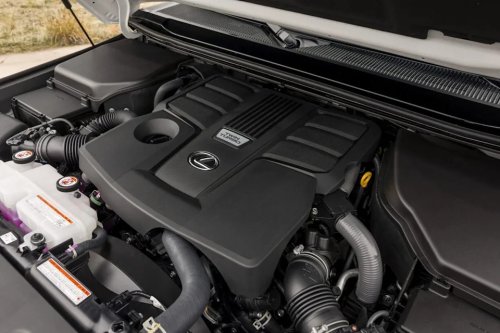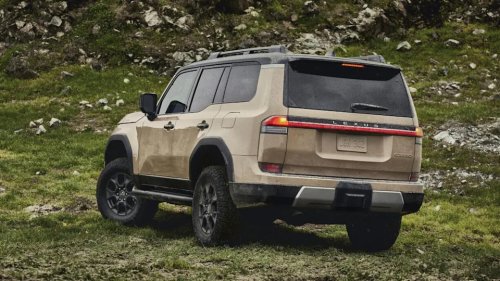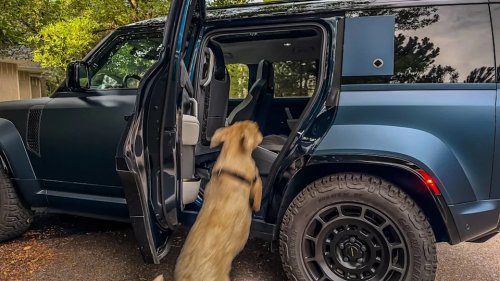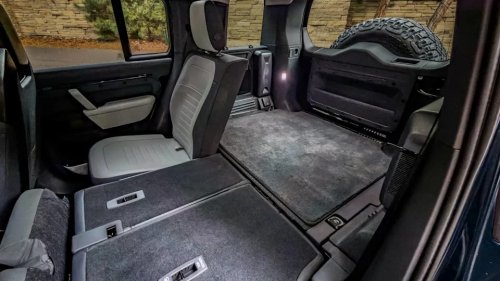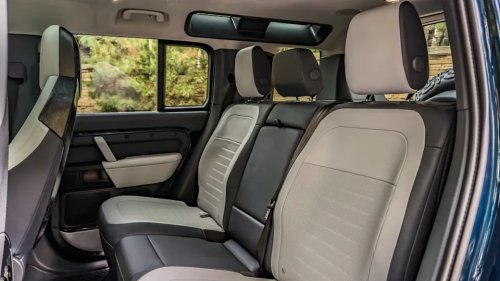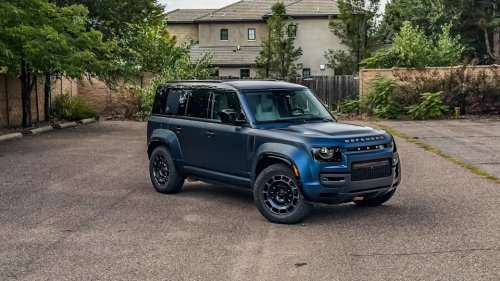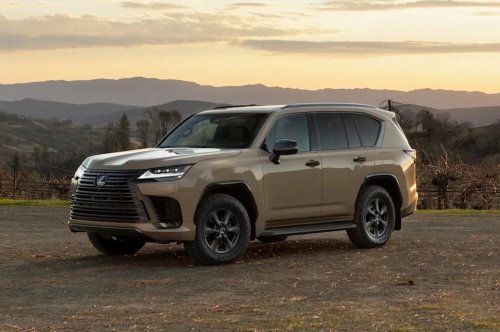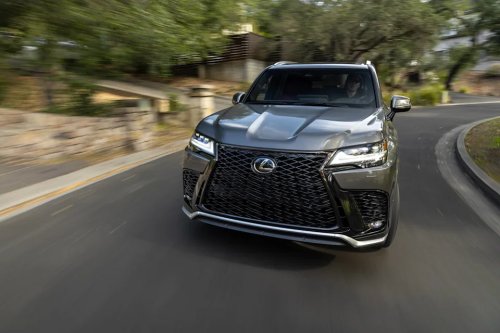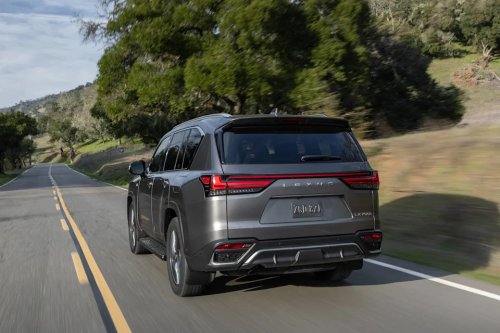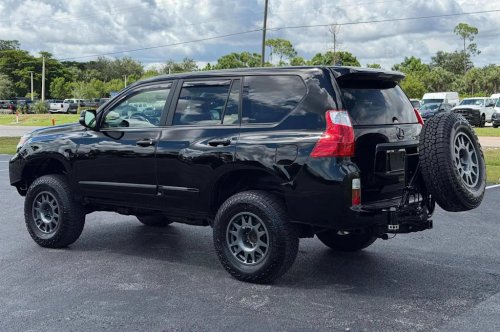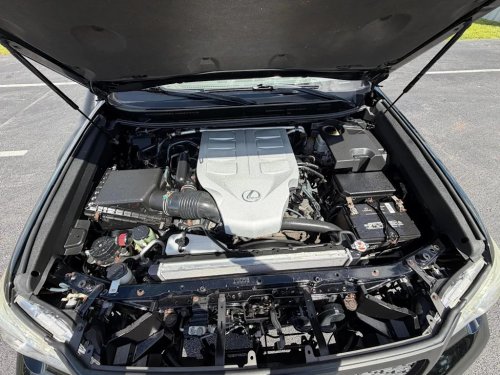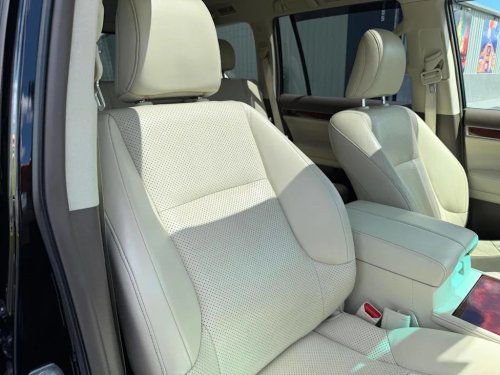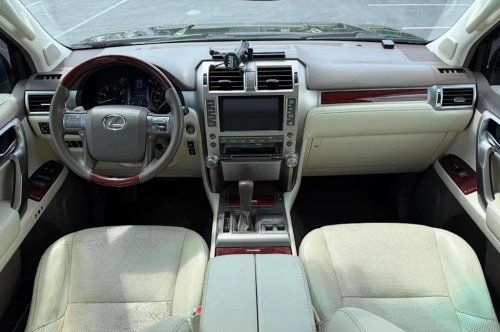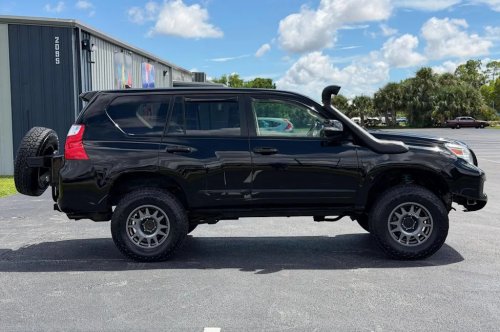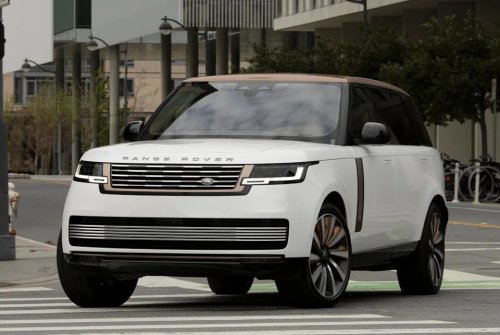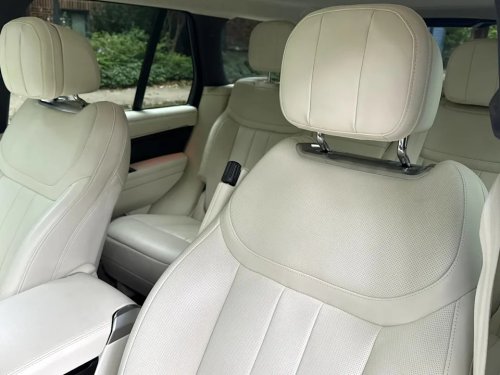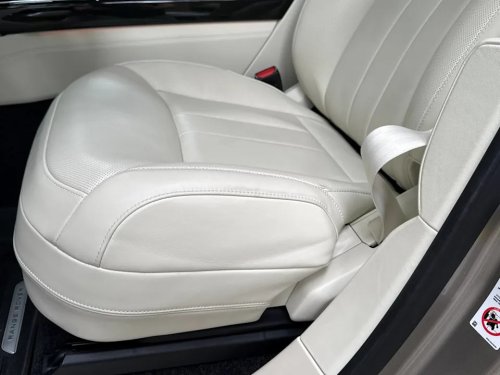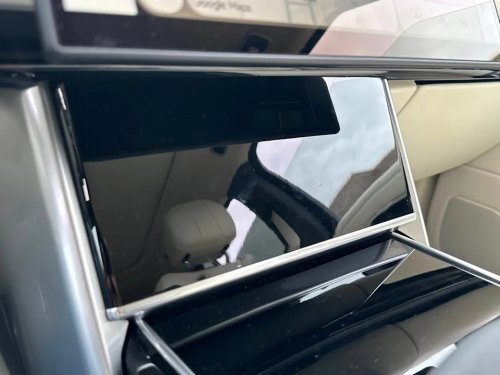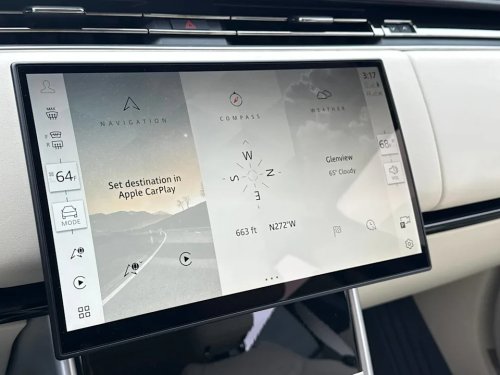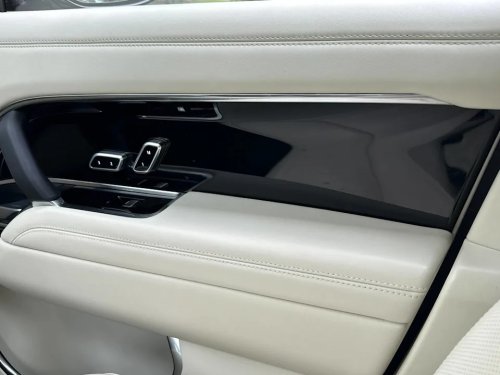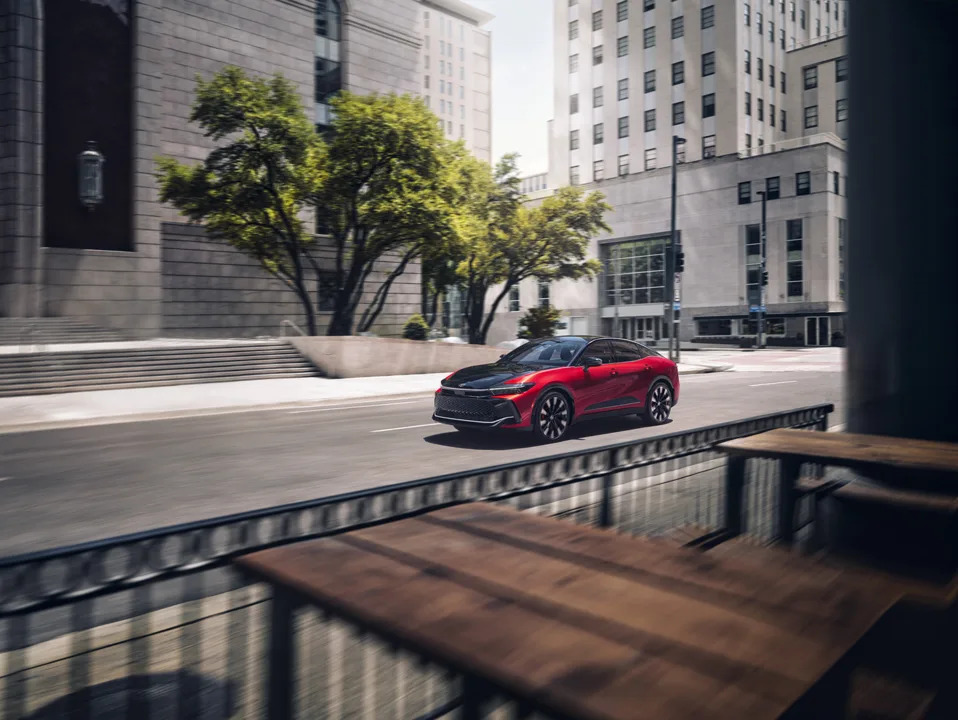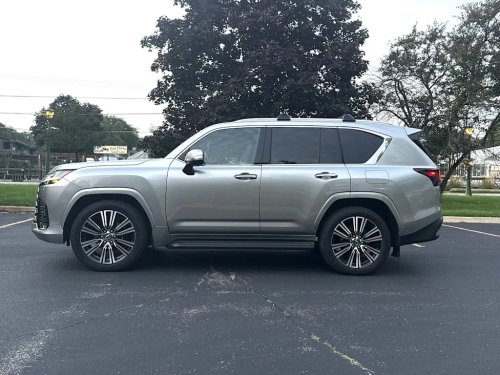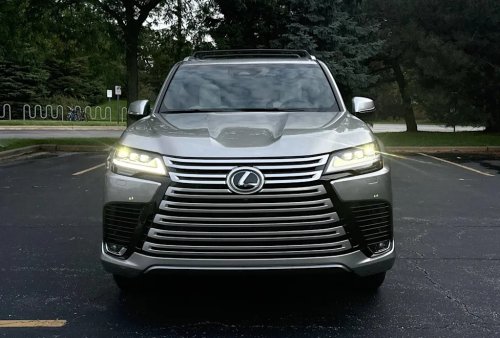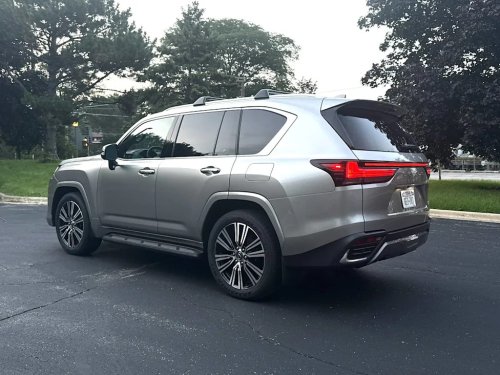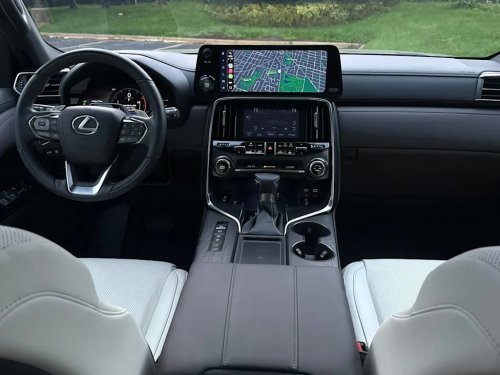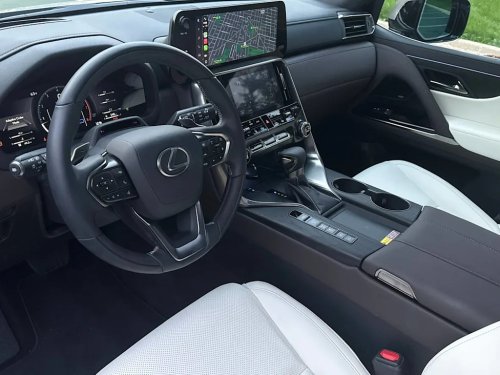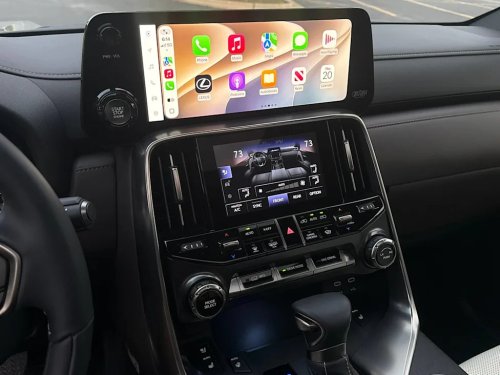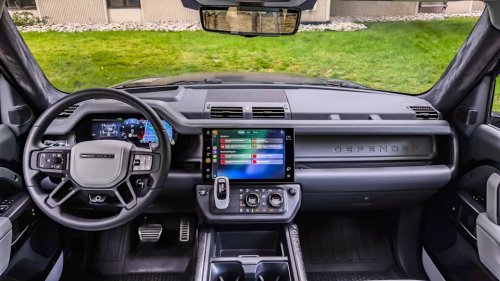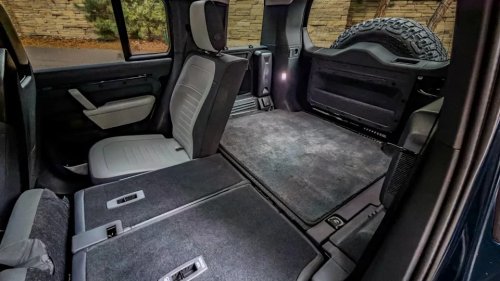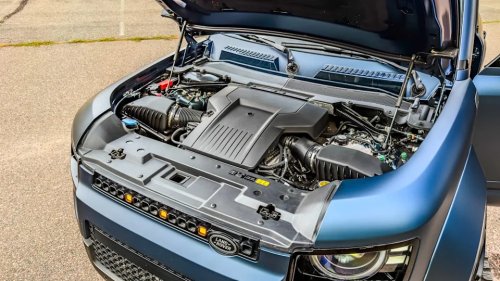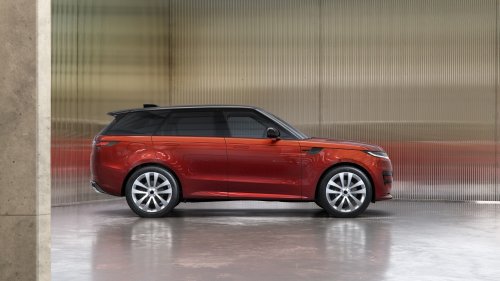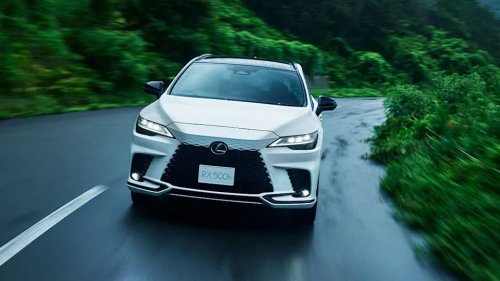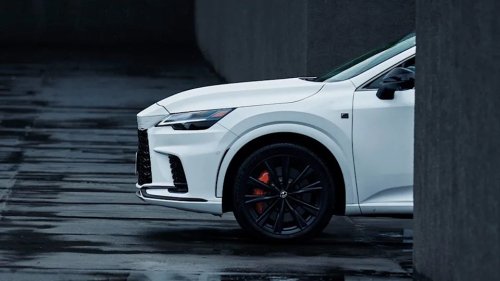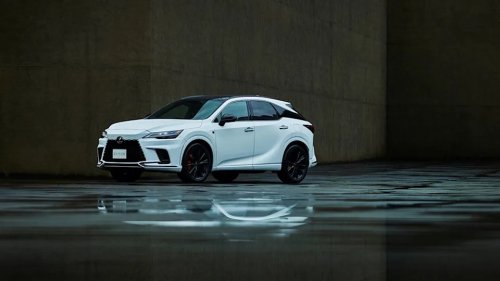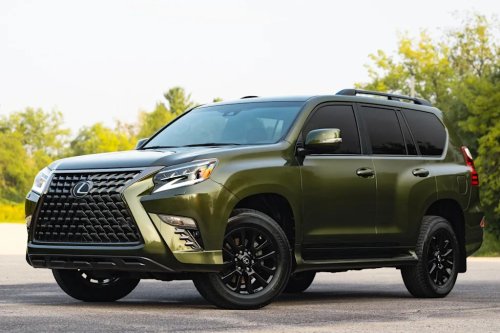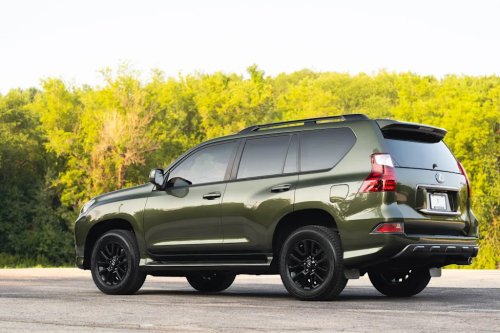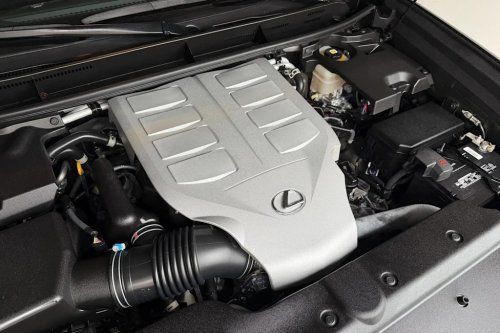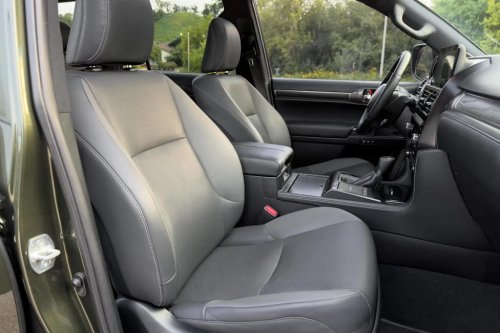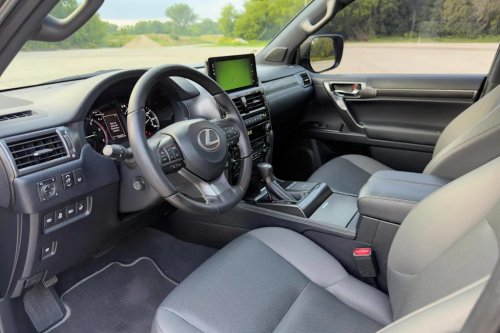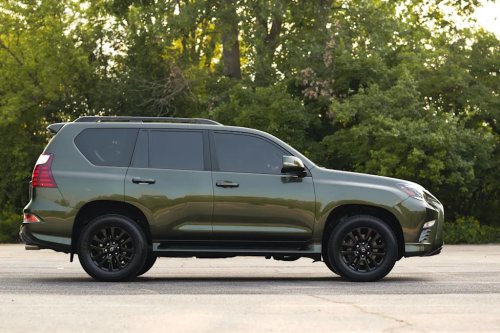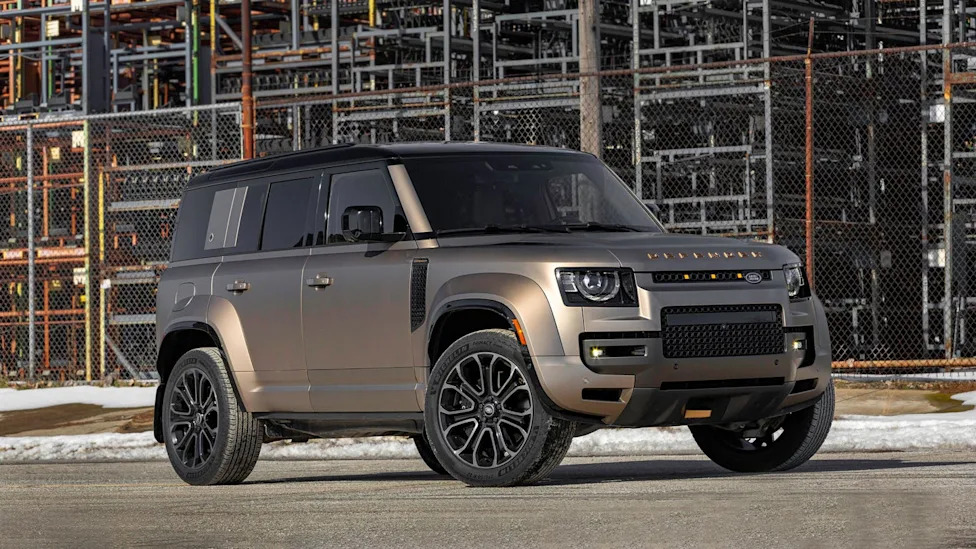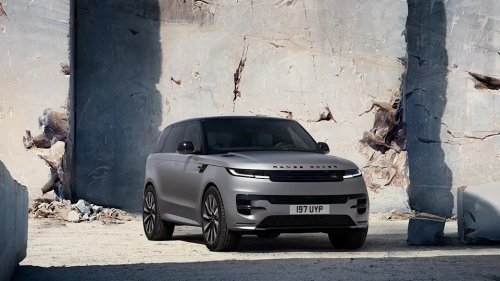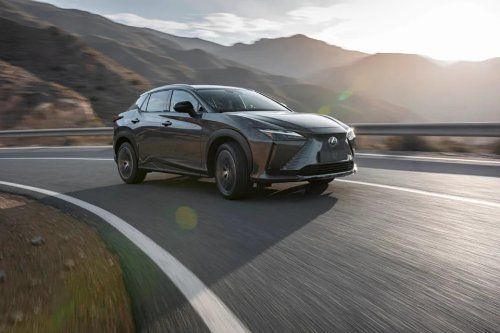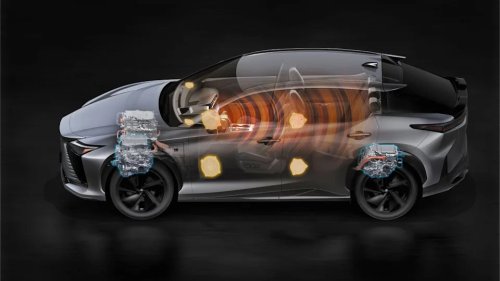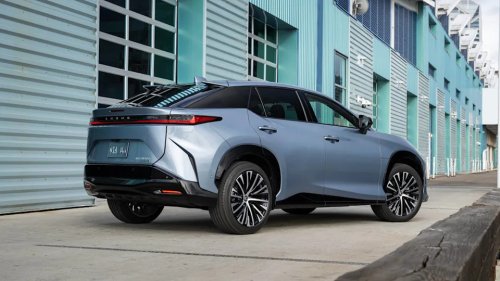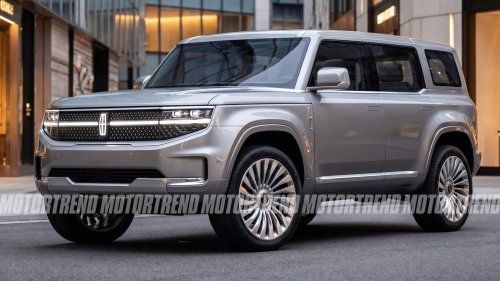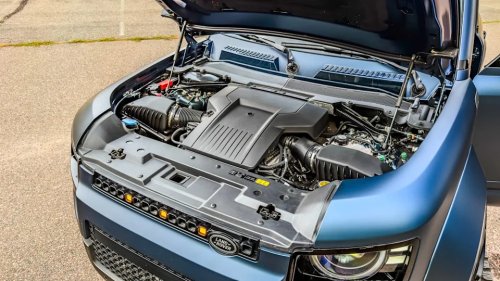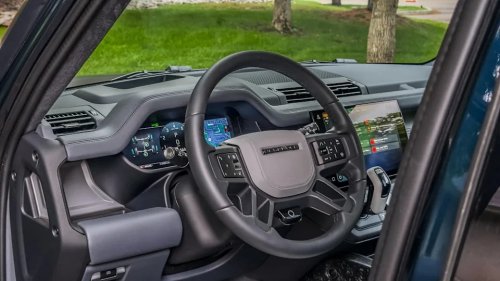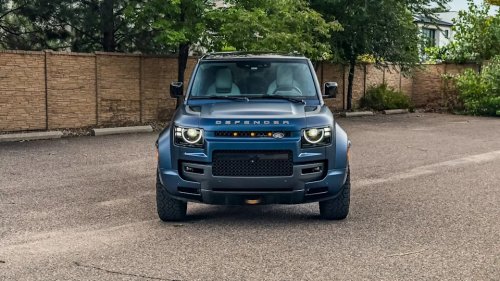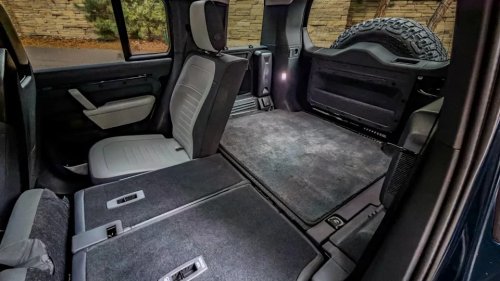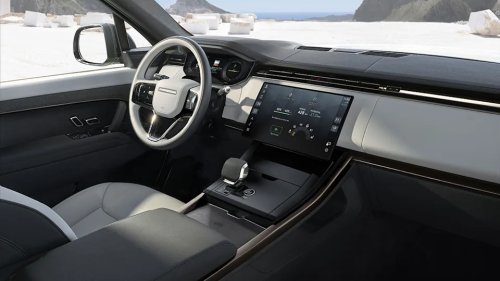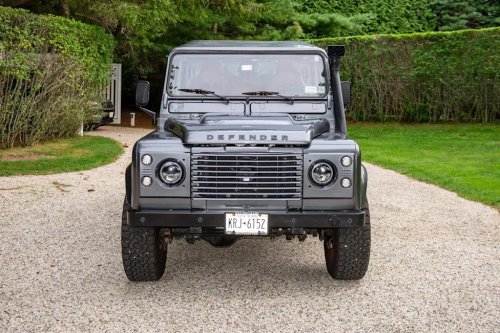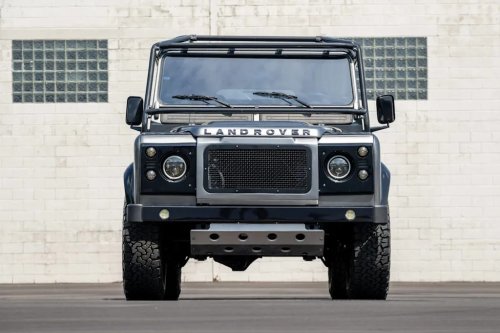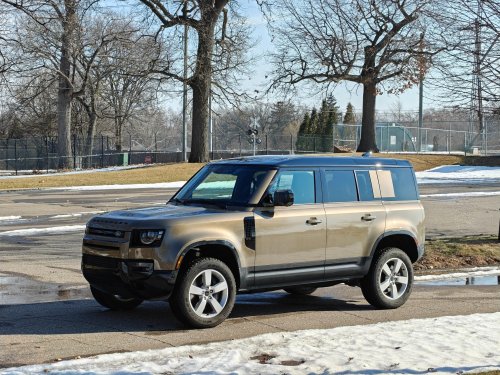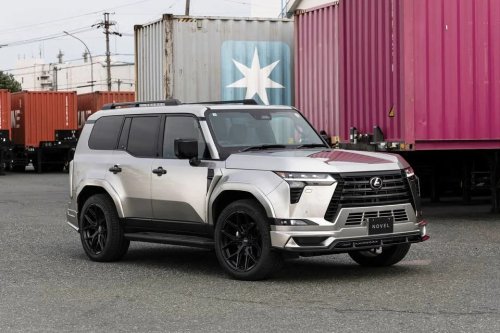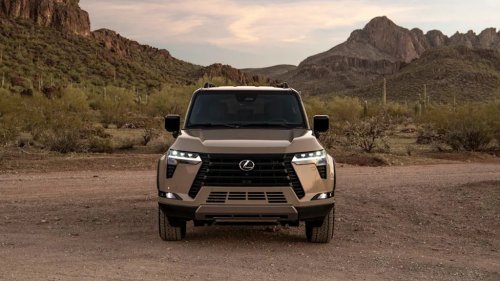

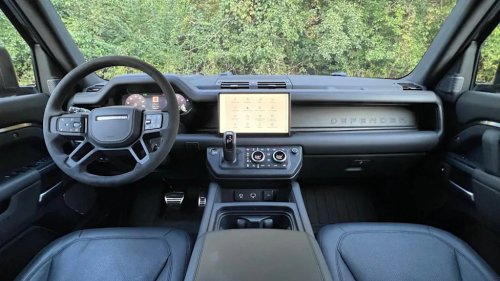
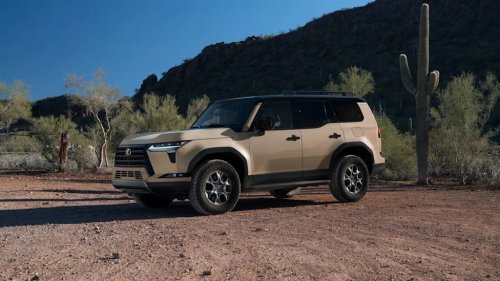
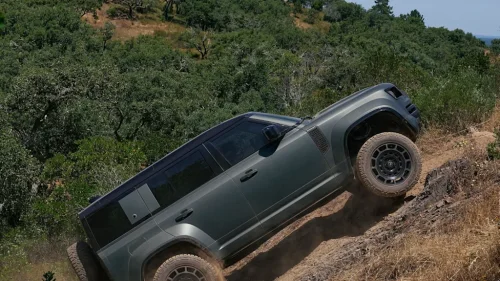



















Autoblog and Yahoo may earn commission from links in this article.The Lexus GX 550 and Land Rover Defender 110 represent two completely different philosophies on what a luxury off-road SUV should prioritize. Lexus built the GX on a body-on-frame truck chassis shared with the Land Cruiser and wrapped it in the kind of long-term reliability that makes Toyota owners insufferable at dinner parties. Land Rover built the Defender on an aluminum monocoque with the most sophisticated off-road electronics money can buy. Both cost roughly the same amount. Both will go places that would terrify a Range Rover Sport owner.Lexus GX 550LexusUnder the hoodLexus keeps it simple. Every GX 550 runs the same twin-turbocharged 3.4-liter V6 producing 349 hp and 479 lb-ft, paired with a 10-speed automatic transmission and permanent four-wheel drive. No engine upgrades. No configuration decisions. Just one powertrain done exceptionally well, with torque delivery so flat and accessible that steep climbs feel like mild inconveniences. Towing reaches 9,096 pounds on Overtrail trims, which is enough to haul a large boat or a fully loaded camper without the engine breaking a sweat. Fuel economy is roughly 18 mpg combined, which is poor but expected for a vehicle built on the same architecture as the Tundra.Land Rover Defender OctaLand RoverLand Rover offers a menu. Base Defender 110 models start with a 2.0-liter turbocharged four-cylinder at 296 hp, which feels underpowered in a vehicle this heavy and should be avoided. Step up to the P400, and you get a 3.0-liter mild-hybrid turbocharged inline-six at 395 hp and 406 lb.ft, which is the engine the Defender deserves. A 4.4-liter twin-turbo V8 at 523 hp sits at the top for buyers who want their off-roader to also embarrass sedans at traffic lights. Towing peaks at 8,201 pounds on the P400. More engine choices sound like an advantage until you realize that three powertrains mean three sets of long-term reliability data, and Land Rover's track record with complex drivetrains is, charitably, inconsistent.Off-road hardwareGX 550's body-on-frame construction is its foundation. Shared with the Land Cruiser and built on Toyota's TNGA-F platform, it absorbs trail abuse in a way unibody vehicles physically cannot. Electronic Kinetic Dynamic Suspension (E-KDSS) disconnects the front and rear stabilizer bars independently to maximize wheel articulation over obstacles. Crawl Control acts as low-speed cruise control on trails. Multi-Terrain Select adjusts traction management across multiple surface types. Skid plates protect the underbody, and a locking rear differential is available on Overtrail and Overtrail+ trims. It is a truck pretending to be an SUV, and on a trail, that distinction is an advantage.Lexus GX 550LexusDefender's approach is more electronic and more sophisticated. Terrain Response 2 automatically reads the surface beneath the tires and adjusts throttle, transmission, differential, and stability systems without driver input. Standard air suspension raises the body by up to 11.5 inches for 35.4 inches of water fording, which is genuinely remarkable. ClearSight Ground View projects a camera image of the terrain directly beneath the vehicle onto the center screen, effectively making the hood transparent. On technical trails with tight lines and hidden obstacles, the Defender's electronics give it an awareness advantage the GX cannot match. Whether you trust those electronics to keep working at 80,000 miles is the question that separates GX from Defender.2024 Land Rover Defender V8Land RoverAdvertisementAdvertisementInterior and daily livingInside, the GX plays the Lexus card. A 14-inch touchscreen runs the Lexus Interface system with wireless CarPlay and Android Auto. Available Mark Levinson 21-speaker audio fills a cabin built with the kind of material quality and assembly precision that Lexus has been perfecting for 35 years. A cool box in the center console keeps drinks cold without needing a separate cooler, which is either a gimmick or a revelation depending on how often you road trip in August. Seven-seat configurations are available on Premium and Luxury trims. Cargo measures up to 76.9 cubic feet maximum.Lexus GX 550LeuxsDefender's cabin is deliberately utilitarian. Exposed structural elements, rubberized flooring options, and bolt-on aesthetic touches give it the feeling of a tool designed to be used hard and hosed off afterward. A 13.1-inch curved Pivi Pro touchscreen handles infotainment, and second-row legroom meaningfully exceeds the GX. The 110's available third-row seating adds a sixth and a seventh seat. Maximum cargo hits 78.8 cubic feet.Land Rover Defender V8John Beltz SnyderReliability and the five-year questionThis is where the comparison stops being close. Lexus consistently ranks at or near the top of every major reliability study. GX owners report minimal unscheduled maintenance, strong resale retention, and the kind of long-haul durability that justifies the Toyota tax. Body-on-frame construction means the GX can withstand off-road abuse without the structural fatigue that unibody vehicles experience over time. A 4-year/50,000-mile basic warranty and 6-year/70,000-mile powertrain warranty back it up, along with two years of complimentary maintenance.Lexus GX 550LexusLand Rover consistently ranks at or near the bottom. Electrical gremlins, software glitches, air suspension failures, and sensor malfunctions are documented across multiple model years. Repair costs are among the highest in the luxury segment. A 4-year/50,000-mile warranty covers the basics, but out-of-warranty Land Rover ownership is a financial commitment.Land Rover Defender V8Land RoverAdvertisementAdvertisementPricingGX 550 Premium starts at $68,385. Overtrail sits at $76,030. Luxury Plus tops out at $84,850. Defender 110 starts at $65,350 for the S trim but climbs quickly: the X-Dynamic SE P400 lands at $77,050, and the V8 crests $115,000. At comparable off-road-focused configurations, both land near $80,000. Where the money goes after that depends entirely on how long you plan to keep the vehicle and how much you plan to spend maintaining it.The bottom lineBoth SUVs can take you far off the beaten path. The difference is what happens after the adventure ends. The GX prioritizes certainty and longevity, while the Defender prioritizes capability and innovation, even if that means greater ownership risk. In 2026, that trade-off still defines the choice.This story was originally published by Autoblog on Jun 5, 2026, where it first appeared in the Car Buying section. Add Autoblog as a Preferred Source by clicking here.