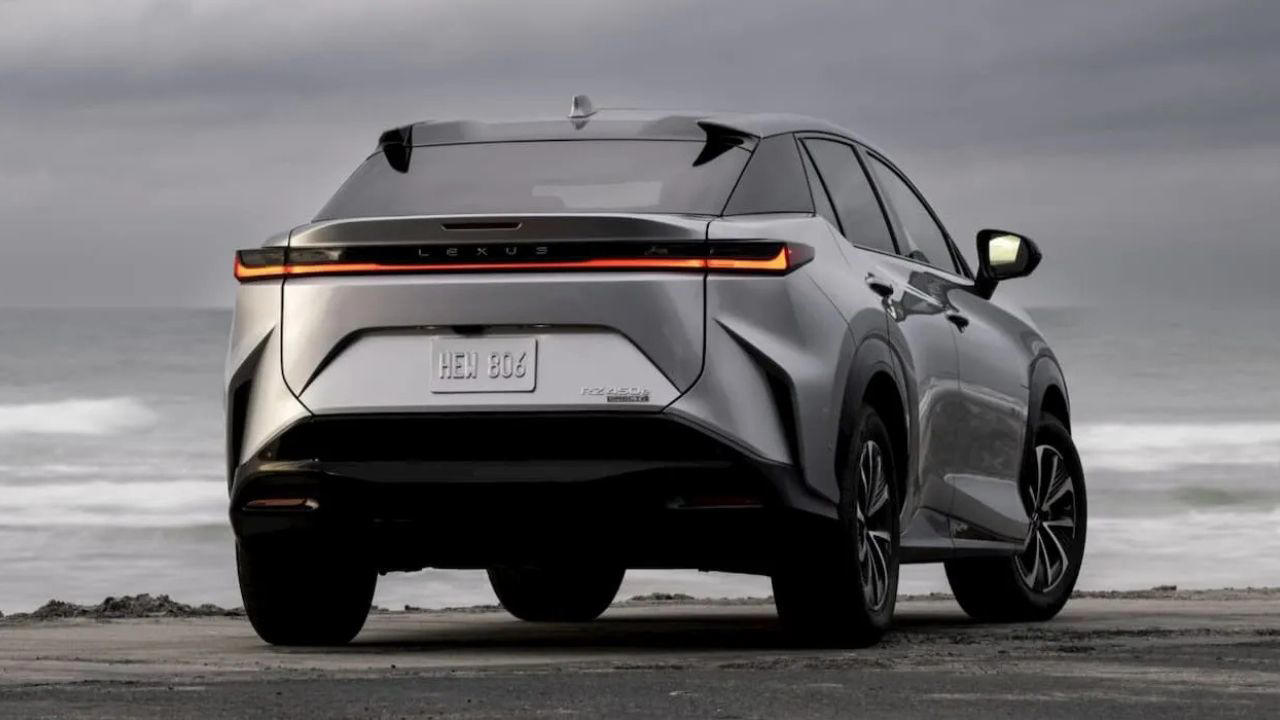
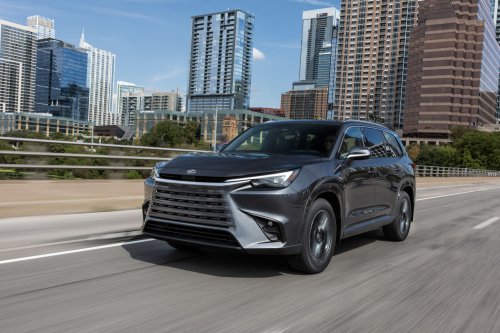
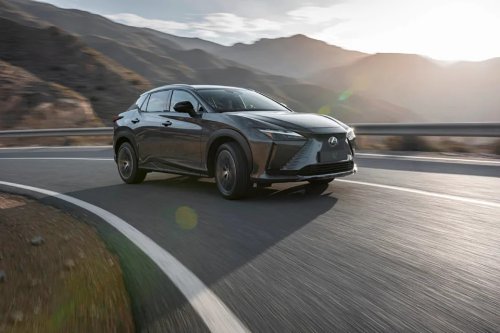
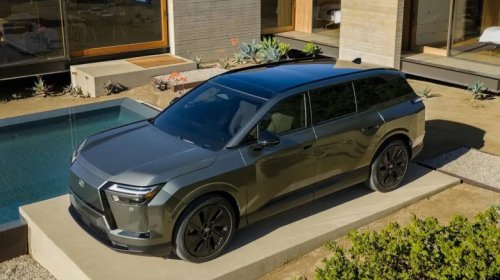
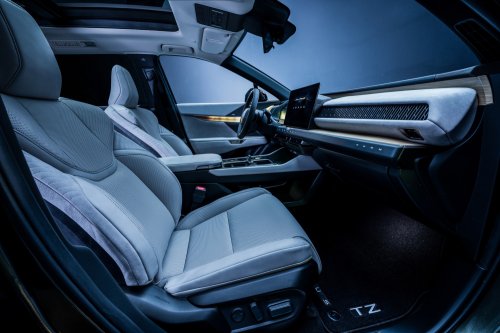
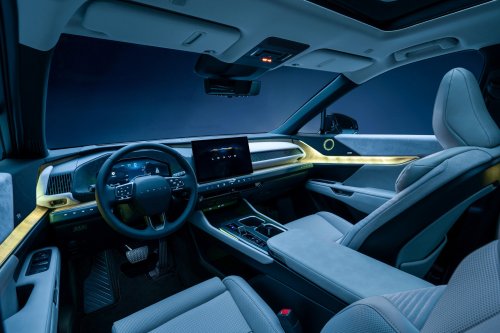
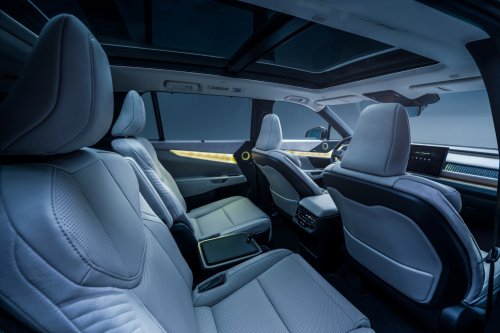
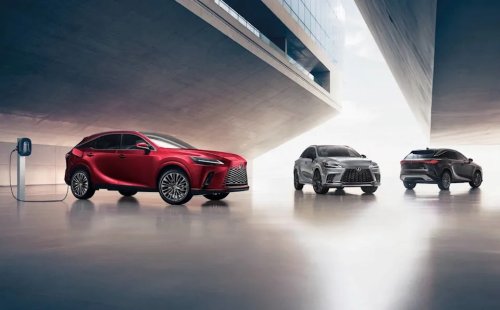
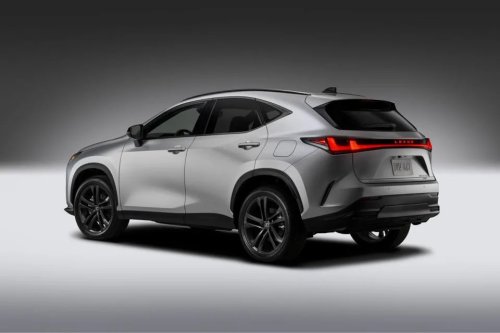
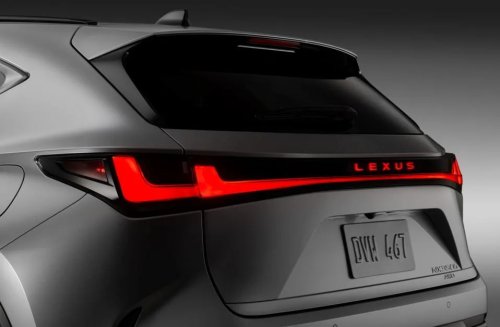
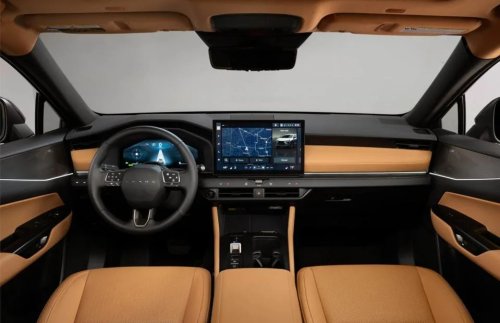
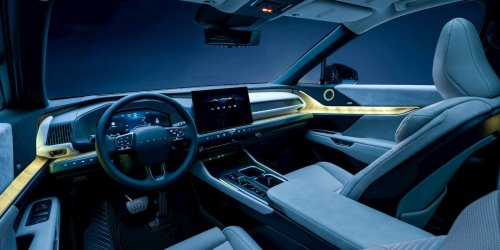
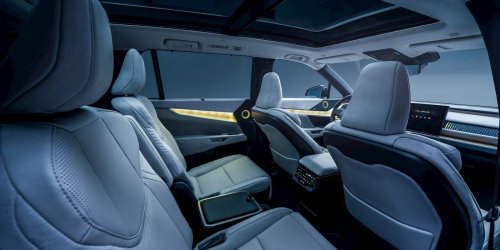
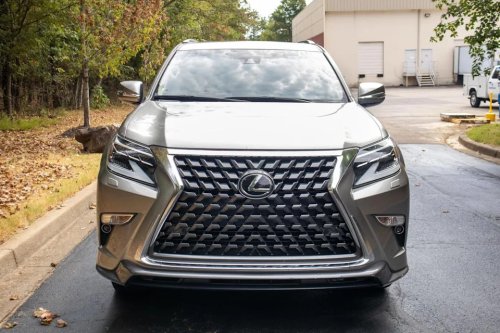
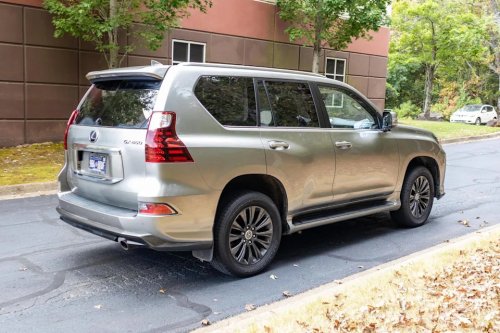
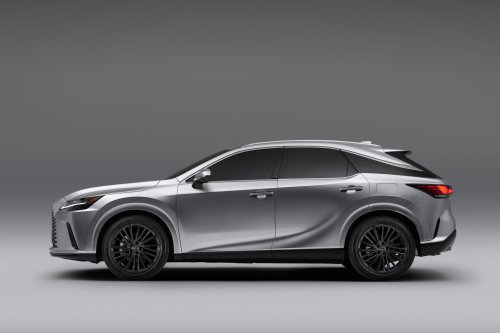
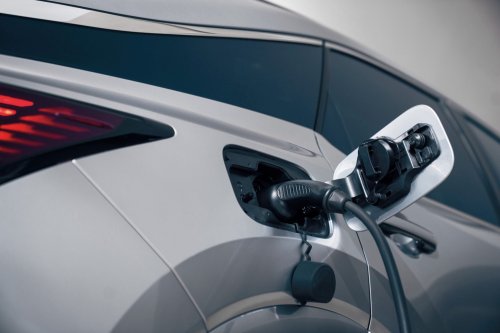
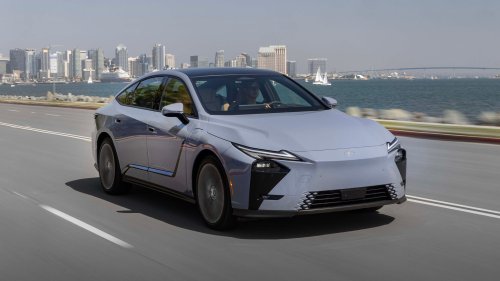
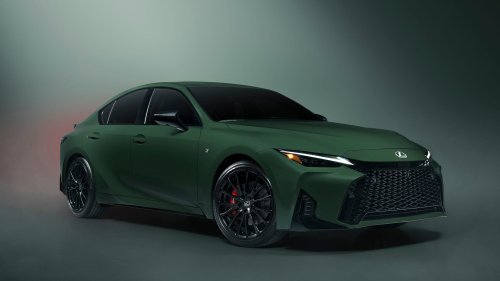
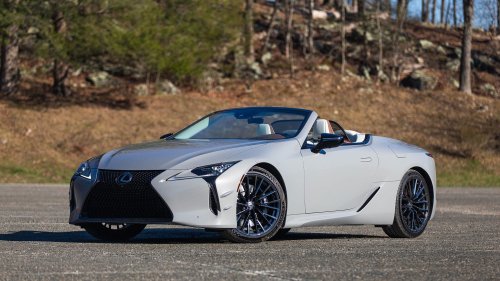
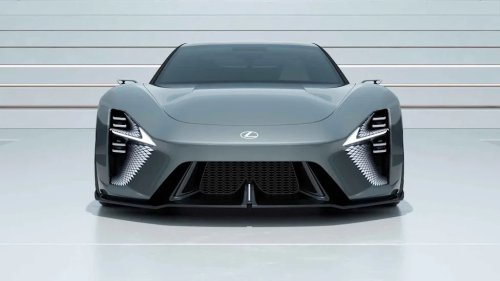
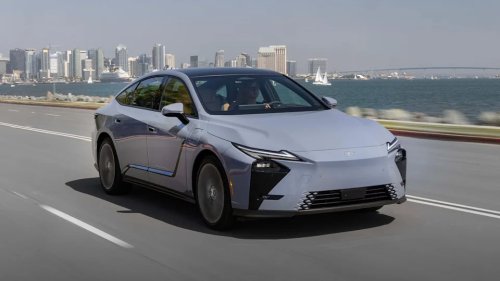
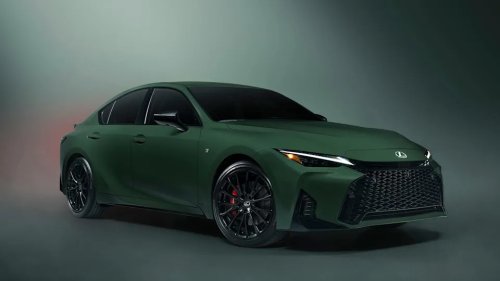
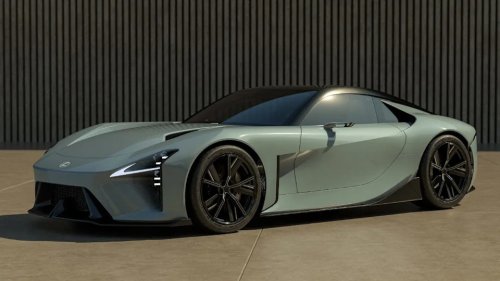
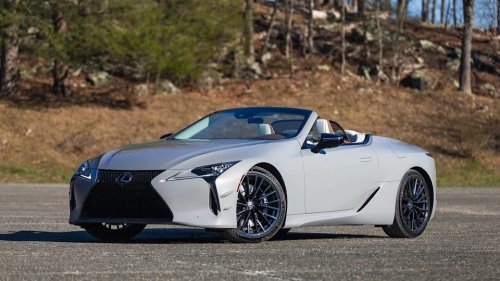
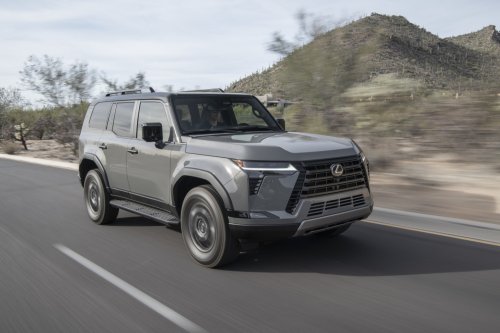
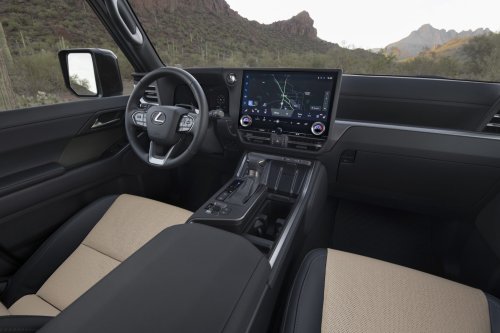
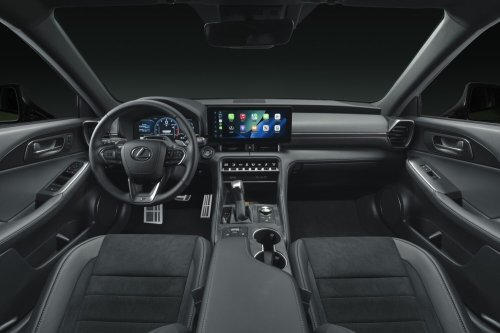
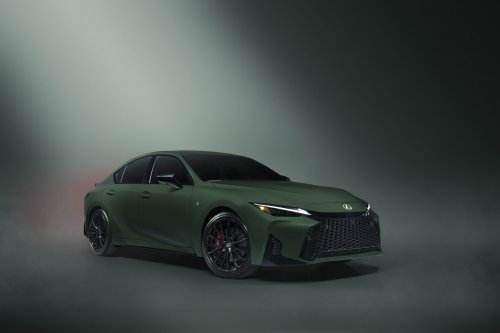
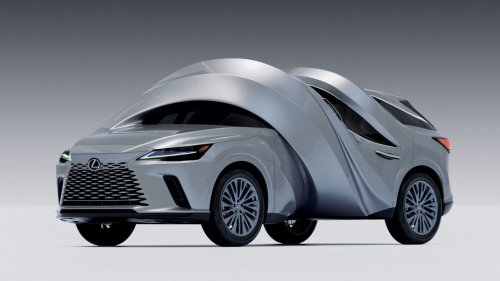
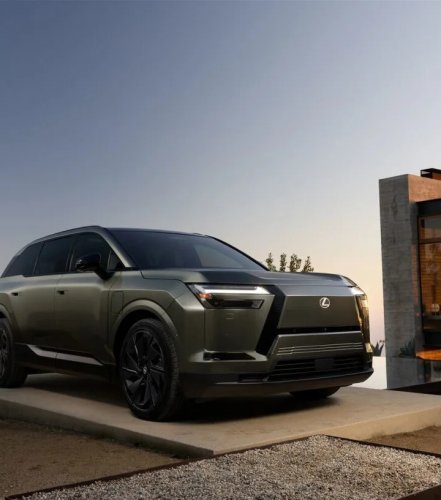
Lexus slows its EV push as strategy shifts away from all-electric plansLexus is quietly stepping away from earlier ambitions to go all in on battery-electric vehicles, reshaping its product plans in response to slower demand and rising costs. The brand is not abandoning EVs, but its latest moves show a clear pivot back toward hybrids and plug-in hybrids as the core of its near-term strategy. The change reflects a broader recalibration inside Toyota’s luxury division, where executives are rethinking how quickly premium customers will switch from gasoline to full electric. That reassessment is already influencing model programs, factory investments, and how Lexus positions itself against German and American rivals. What changed inside Lexus’s all-electric playbook The clearest signal of the shift came when Lexus halted development of a planned pure electric sedan that had been intended to anchor its next-generation EV lineup. According to reporting on the decision, the project was paused after internal reviews raised concerns about cost, expected sales volumes, and the pace of battery technology improvements, prompting Lexus to redirect resources to other electrified models instead of pushing ahead with the sedan at any price. The move effectively freezes a flagship EV that was meant to sit above the existing RZ crossover and serve as a halo for the brand’s zero-emission ambitions. The decision did not happen in isolation. Executives had been watching slower than expected uptake of premium EVs in several key markets, along with aggressive price cuts from competitors that compressed margins. In that context, the planned sedan, which would have required a bespoke platform, high-capacity batteries, and extensive software investment, started to look like a risky bet for a brand that still sells large volumes of hybrids. The internal review process weighed the sedan’s projected returns against alternative uses of capital, such as expanding plug-in hybrid offerings and updating core models like the RX and NX with more efficient powertrains. Product planners also had to consider Lexus’s existing EV, the RZ, which has faced scrutiny over range and value compared with rivals. Launching another high-end EV sedan on top of that, with similar battery constraints and charging infrastructure challenges, risked cannibalizing limited demand rather than unlocking a new wave of customers. By shelving the sedan, Lexus can instead focus on improving the next generation of its dedicated EV platform, including software-defined vehicle architecture and more competitive battery packs, before committing to another flagship electric model. The reporting on the sedan decision, including details on how Lexus weighed development costs and market conditions, is captured in an analysis of the brand’s choice to halt its pure electric sedan program. That account describes a company that is not retreating from electrification altogether, but is becoming far more selective about where full battery-electric fits into its portfolio. Why Lexus’s slower EV push matters in 2026 Lexus’s recalibration matters because it challenges the assumption that premium brands will naturally lead a rapid shift to all-electric lineups. For years, luxury automakers were expected to move first, using higher price points to absorb battery costs and fund new technology. Now, Lexus is leaning back into hybrids and plug-in hybrids, signaling that even affluent buyers are not yet ready to abandon combustion engines at the pace some forecasts assumed. The shift also has implications for global climate targets and regulatory planning. Policymakers in regions such as Europe, North America, and parts of Asia have been counting on luxury segments to electrify quickly, both to cut emissions and to help scale battery supply chains. When a major premium brand slows its EV rollout, it suggests that incentives, charging networks, and consumer confidence are still not strong enough to sustain the volumes needed for an all-electric future on earlier timelines. That tension becomes sharper as more cities discuss low-emission zones and future bans on new internal-combustion sales. For competitors, Lexus’s move is both a warning and an opportunity. Brands that have already committed heavily to EVs, including German luxury manufacturers and newer entrants that sell only electric models, now face a rival that is willing to differentiate itself by offering a broader mix of powertrains. Lexus can appeal to customers who want lower fuel consumption and some electric driving capability, but who still worry about range, charging access, or resale values of full EVs. At the same time, if EV demand accelerates faster than Lexus now expects, those competitors could gain share while Lexus scrambles to revive postponed projects. The strategy also shapes dealer economics and customer experience. Dealers that invested in EV chargers, training, and showroom upgrades based on earlier Lexus guidance may now find that the bulk of their volume remains hybrid and gasoline-based for longer. That can be financially stabilizing in the short term, since hybrids often sell quickly and require less discounting than EVs in a price war environment. However, it may also slow the buildout of public charging infrastructure that depends on a critical mass of EV drivers to justify investment. From a technology standpoint, Lexus’s decision reinforces the idea that software and battery efficiency, not just badge prestige, will determine who wins the next decade. If Lexus uses the breathing room created by a slower EV rollout to refine its next-generation platforms, improve over-the-air update capabilities, and secure better battery supply, the brand could re-enter the EV race later with more competitive products. If it simply prolongs the life of older architectures without that deeper transformation, the delay could leave Lexus behind on digital features and energy efficiency even if its hybrids remain profitable. What comes next for Lexus after stepping back from all-electric plans In the near term, Lexus is expected to double down on the formula that has served it well: hybrid powertrains across core models, selective use of plug-in hybrids, and cautious expansion of its EV lineup rather than a rapid flood of battery-only vehicles. That likely means more variants similar to the RX 450h+, NX 450h+, and hybrid versions of the ES and UX, giving buyers a spectrum from conventional gasoline to full electric, with multiple shades of electrification in between. The company’s internal roadmap, as described in reporting on the canceled sedan, suggests that resources will shift toward improving battery chemistry, thermal management, and charging performance before it commits to another flagship EV. Engineers are expected to focus on raising real-world range, especially in cold climates, and on integrating software platforms that can support advanced driver assistance, subscription features, and over-the-air upgrades. Only once those pieces are in place is Lexus likely to greenlight new high-profile EVs that can compete head-on with models like the Mercedes-Benz EQE or BMW i5. Geographically, Lexus will probably tailor its pace of electrification to local conditions more aggressively than before. In markets with strong charging networks and generous EV incentives, such as parts of Western Europe and selected U.S. states, the brand can keep pushing the RZ and any future electric crossovers while layering in plug-in hybrids that qualify for subsidies. In regions where infrastructure lags or electricity prices are volatile, hybrids that require no charging infrastructure at all will remain the primary tool for lowering fleet emissions. For customers, the next few years are likely to bring more choice rather than a forced march to one technology. Shoppers considering a Lexus sedan or SUV can expect overlapping options: a traditional gasoline engine, a familiar hybrid that improves fuel economy without changing daily habits, a plug-in hybrid that offers tens of kilometers of electric range for commuting, and a smaller set of full EVs for those ready to commit. That variety may reduce the pressure some buyers feel around the EV transition, but it also risks confusing shoppers if Lexus does not clearly explain the trade-offs in cost, range, and maintenance. More from Fast Lane Only Unboxing the WWII Jeep in a Crate 15 rare Chevys collectors are quietly buying 10 underrated V8s still worth hunting down Police notice this before you even roll window down *Research for this article included AI assistance, with all final content reviewed by human editors.