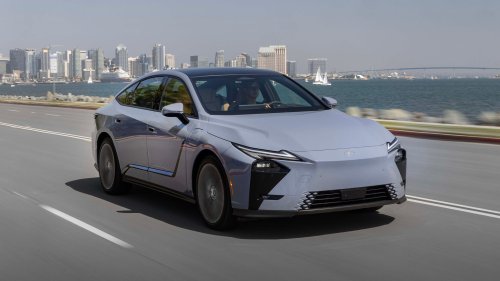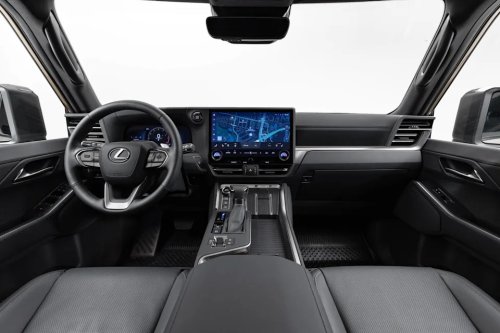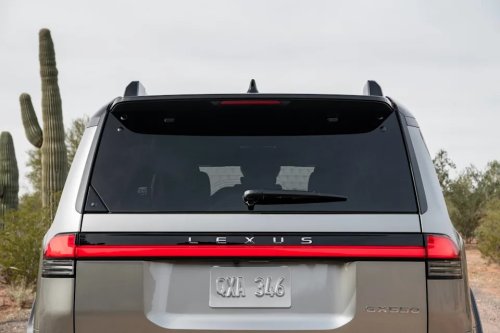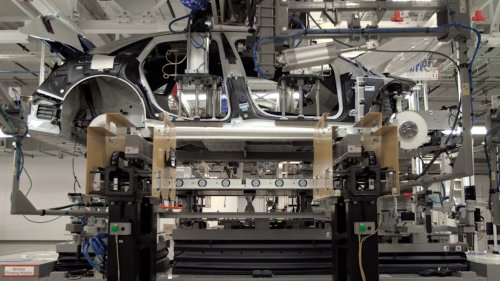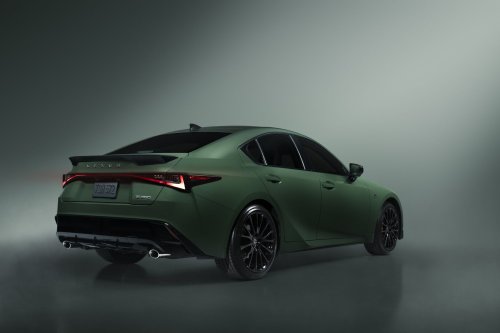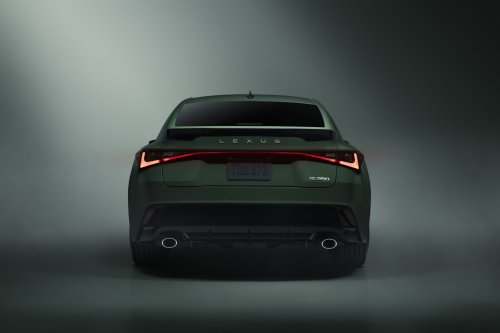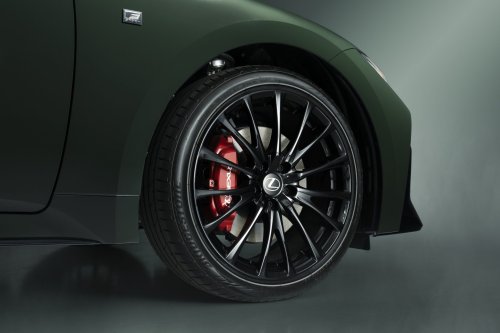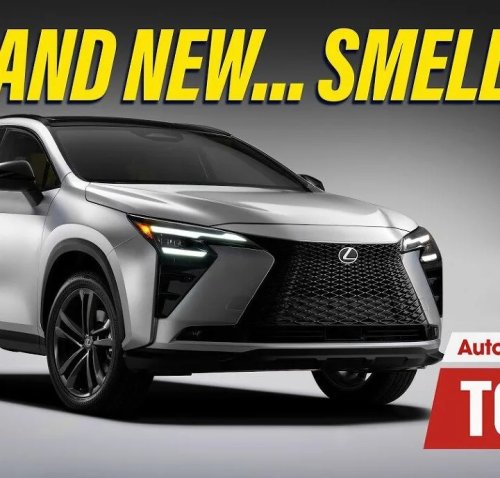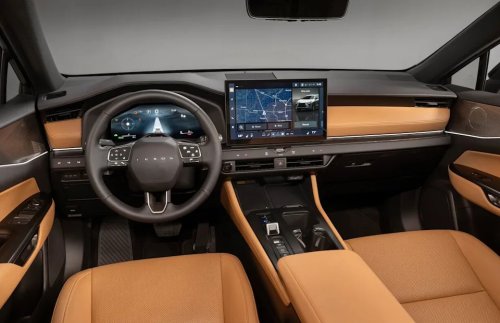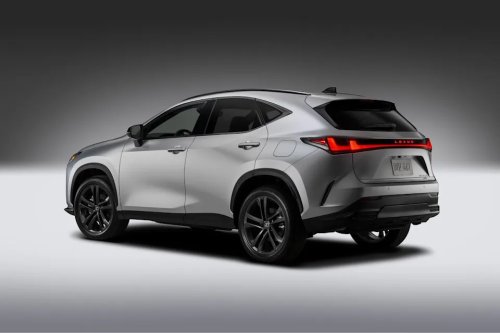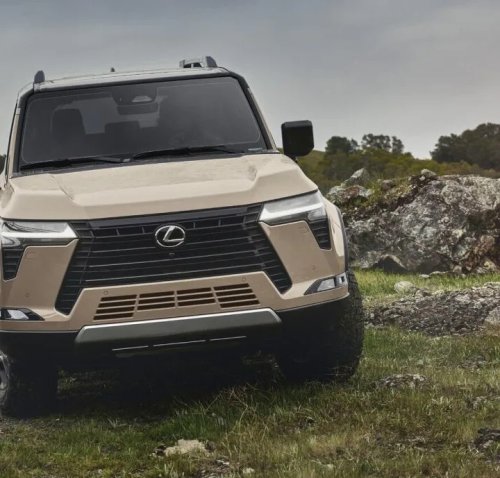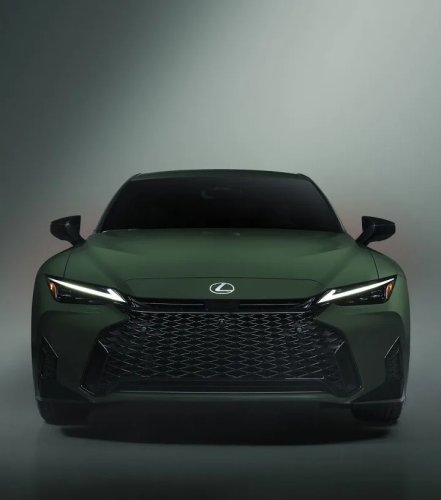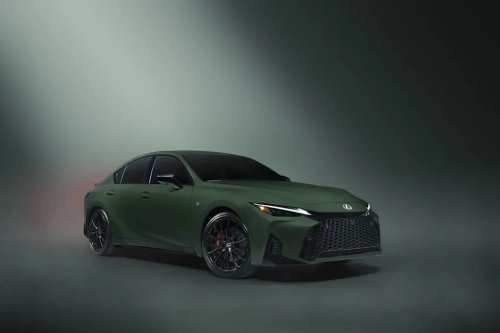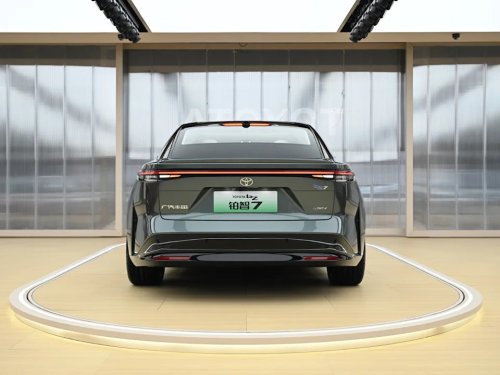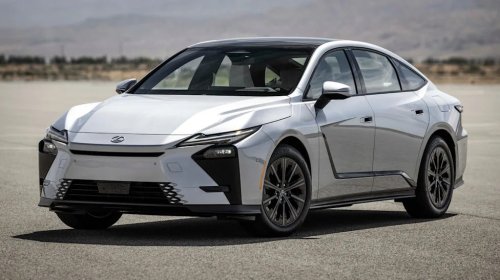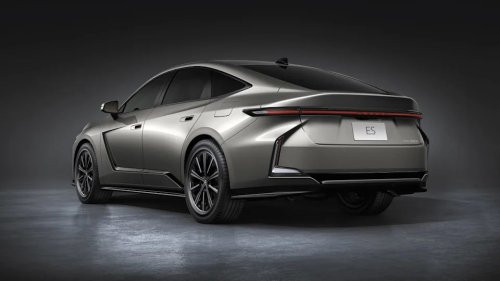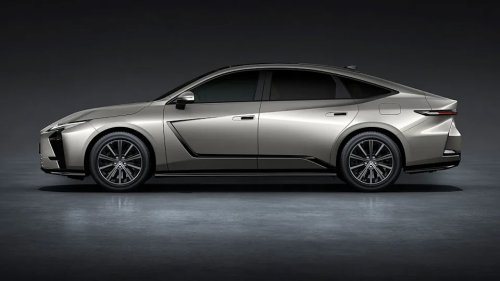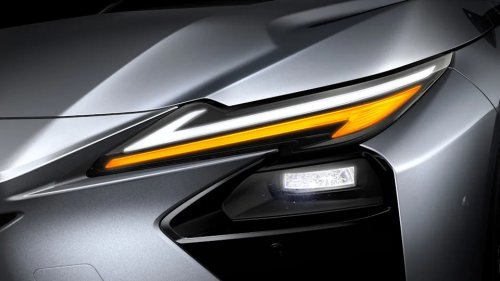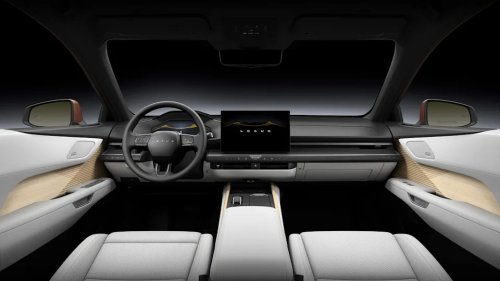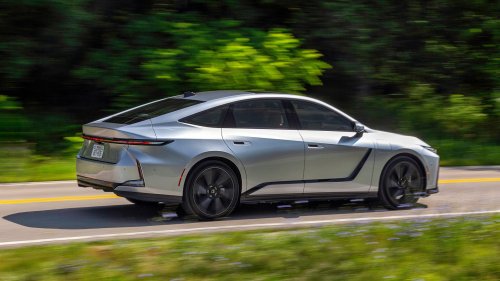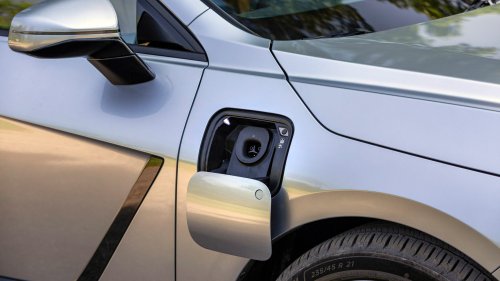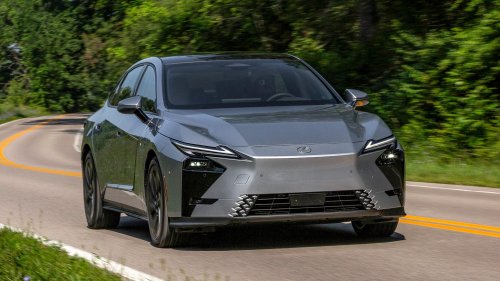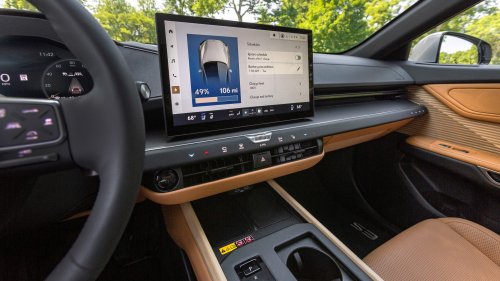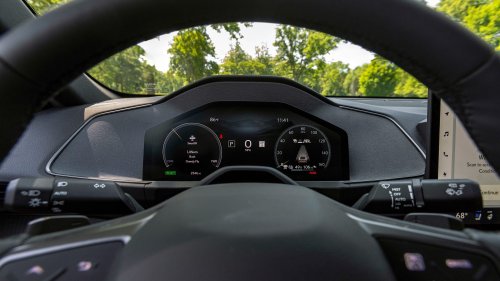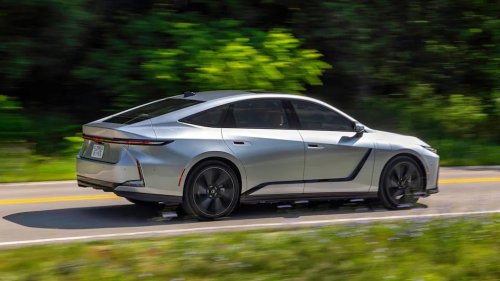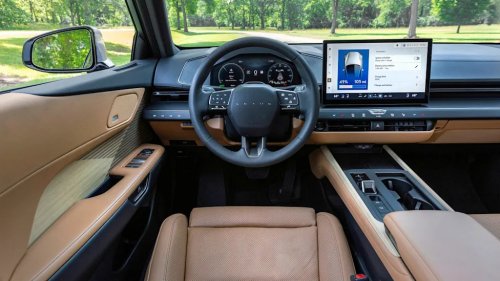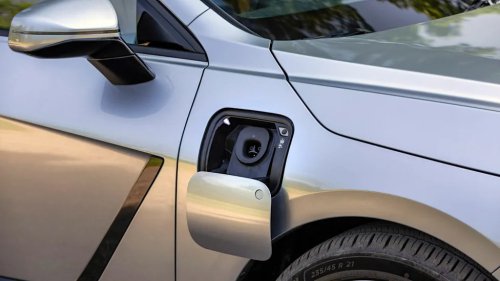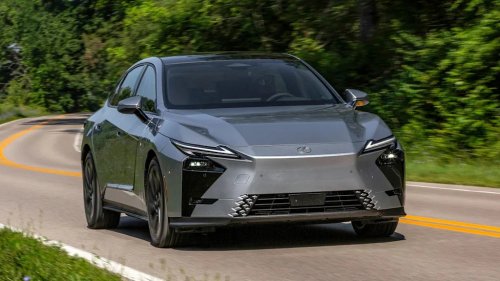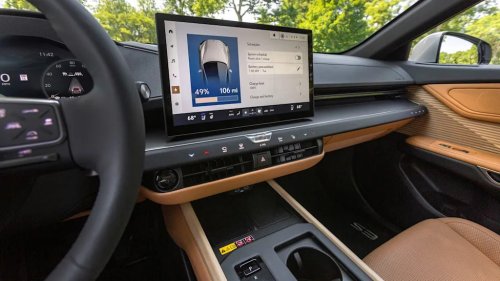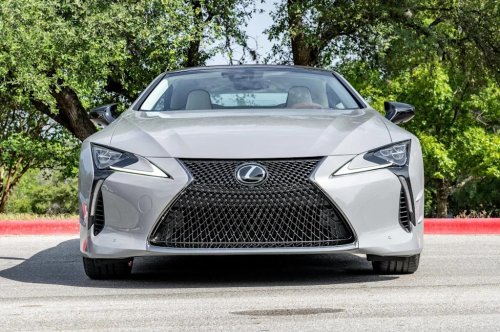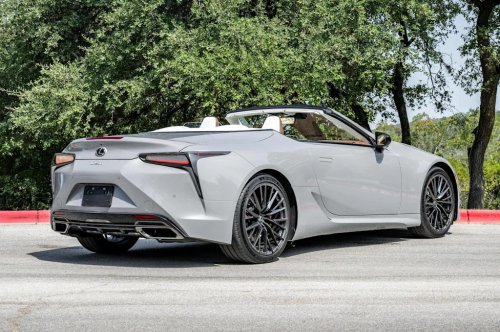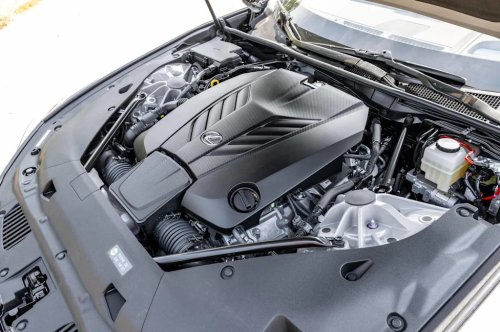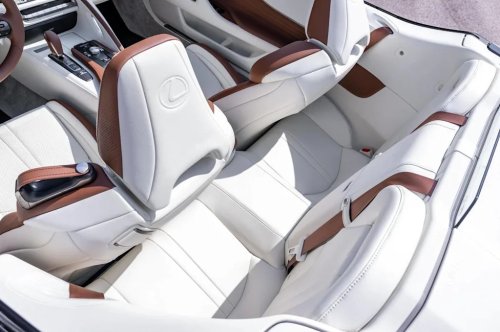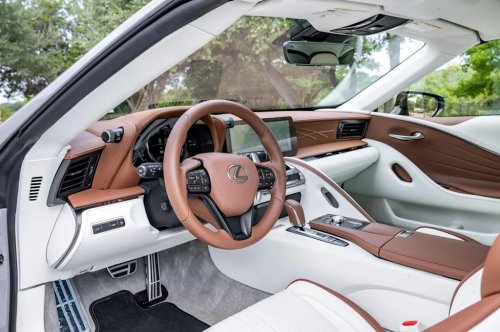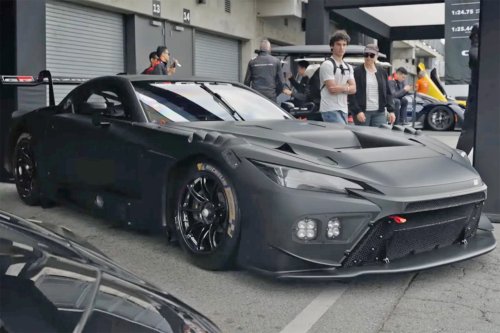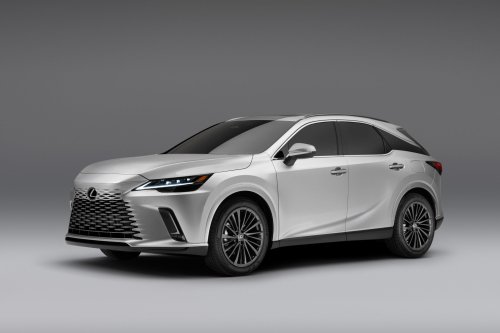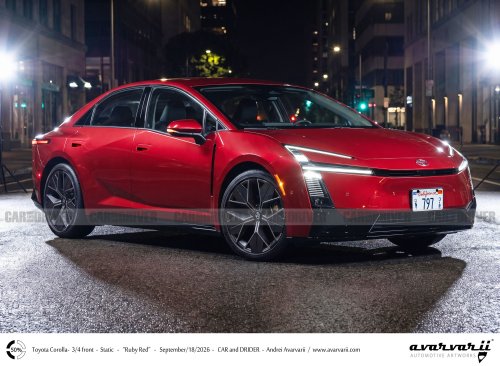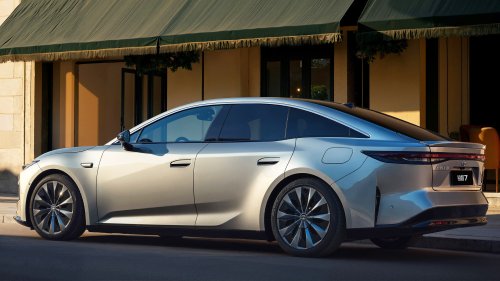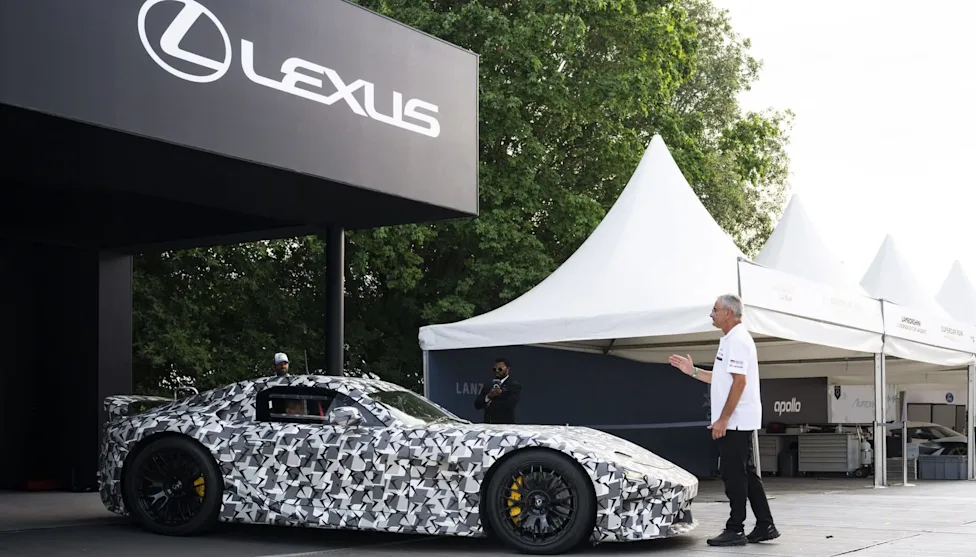



















Photo Credit: LexusToyota is again signaling that its long-discussed solid-state batteries may be edging toward a real-world debut, with a Lexus model expected to introduce the technology first, as Autocar reported.If those plans materialize, the result could be about 620 miles of driving range and a charge from 10% to 80% in roughly 10 minutes.What happened?A recent video by The Electric Viking (@electricviking) took a closer look at Toyota's newest claims about solid-state batteries.Citing Autocar's reporting, the creator suggests the upcoming Lexus LFA is expected to become Lexus' first production vehicle to use Toyota's solid-state battery technology.AdvertisementAdvertisementToyota says its first-generation battery is being developed for roughly 621 miles (1,000 kilometers) of WLTP range, and a second-generation version is aimed at about 745 miles.In the video, The Electric Viking notes that solid-state batteries could store more energy in a smaller package than today's packs, potentially allowing for lighter vehicles, shorter charging times, and better safety.Even with those promises, Toyota is facing heavy skepticism because its timeline for the technology has slipped more than once.The company first publicly pointed to market-ready solid-state batteries in 2014, with 2020 as the initial target. That forecast later moved to the early 2020s, then 2025, and it is now being discussed as around 2027 or 2028, the Electric Viking said.AdvertisementAdvertisement"Believe it when I see it," one commenter reacted.Another notable aspect of the vehicle is its sound, or lack thereof."Buyers see an EV as fake when it imitates an engine sound," Lexus LFA program boss Yukihiko Yuhikata said while referencing competitors' cars that pipe in noise."Simulator engine sound is for Pavlov dogs," a supportive user wrote. "EV silence is priceless."Why does it matter?If solid-state batteries perform as advertised, they could ease several of the biggest concerns that still keep some drivers from switching to electric vehicles.More range would mean fewer charging stops on long trips, while a 10-minute fast charge could cut one of the biggest time barriers for commuters and families with packed schedules.AdvertisementAdvertisementLighter, more energy-dense batteries could also improve overall efficiency and help lower operating costs.Delivery services, rideshare operators, and municipal fleets lose valuable time and money when vehicles stay plugged in too long.Safer, more compact batteries may make electric vehicles easier to design and potentially more resilient in extreme conditions. As battery technology advances, those gains could also carry over into other energy storage applications that help communities better manage blackouts and severe weather.What's being done?Toyota appears to be taking a cautious approach, introducing the chemistry first in a premium halo vehicle rather than a mass-market model.AdvertisementAdvertisementPast solid-state programs have repeatedly run into familiar obstacles, including battery life, degradation, cost, and manufacturability.Toyota is far from the only company pursuing the technology.The Electric Viking also noted that BYD and CATL are testing solid-state batteries, while U.S. developers keep advancing their own next-generation battery efforts. More competition could speed up progress and eventually reduce costs for consumers.It could also allow the tech to arrive sooner, as commenters were deeply dubious about Toyota's claims."Unless I can touch it, I do not believe anything Toyota says," one commenter wrote bluntly.AdvertisementAdvertisementGet TCD's free newsletters for easy tips, smart advice, and a chance to earn $5,000 toward home upgrades. To see more stories like this one, change your Google preferences here.