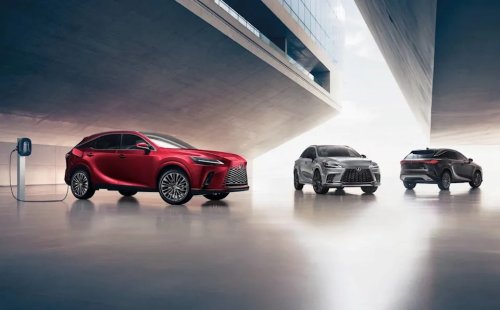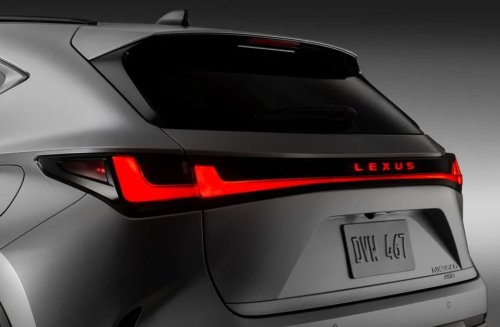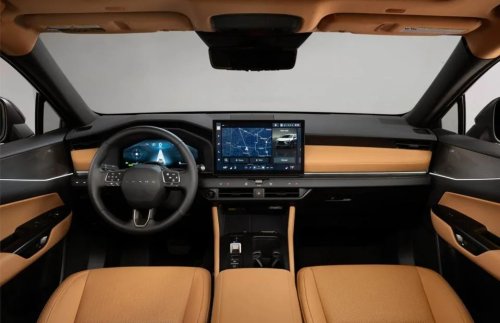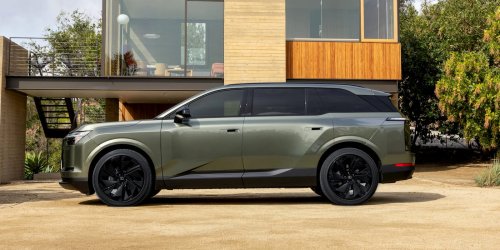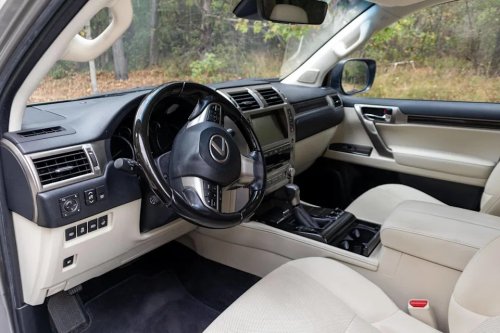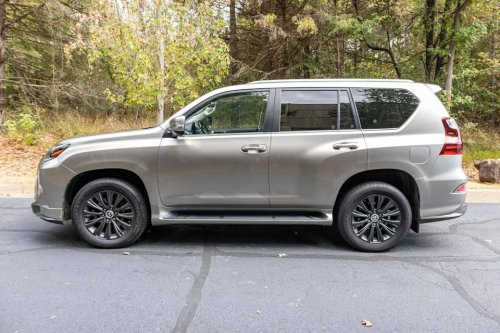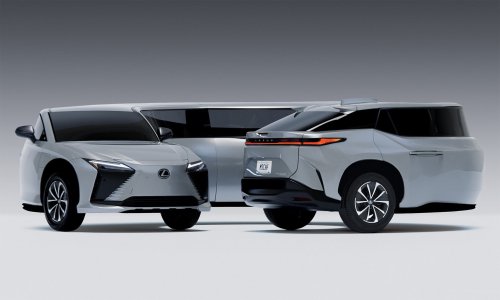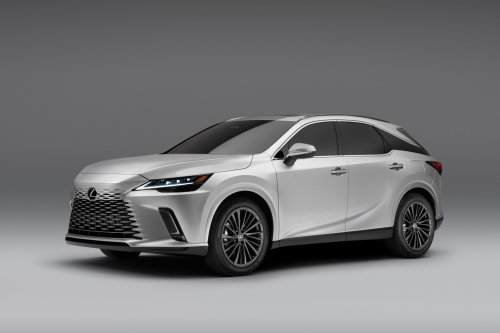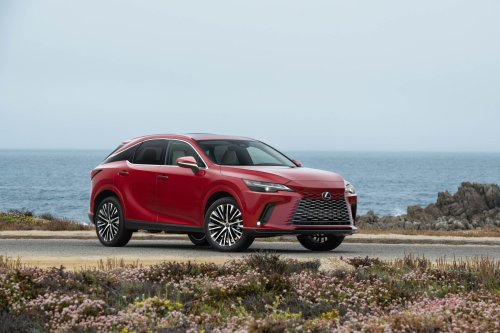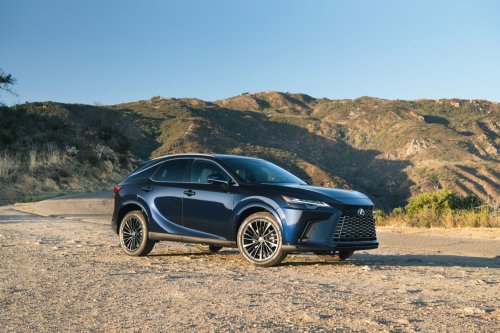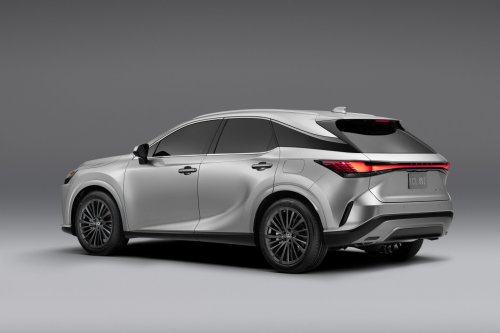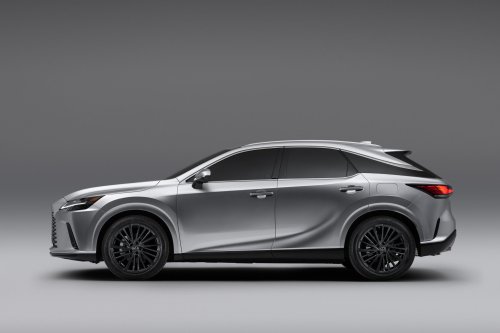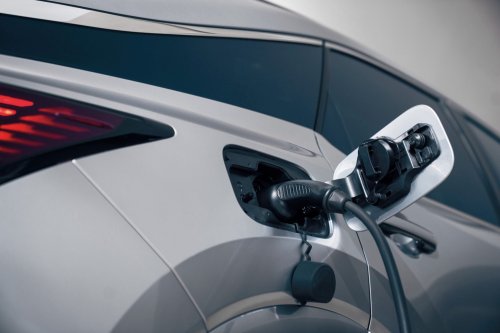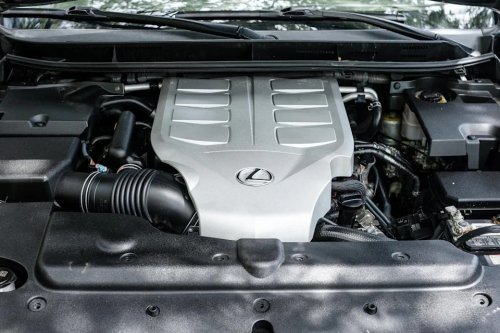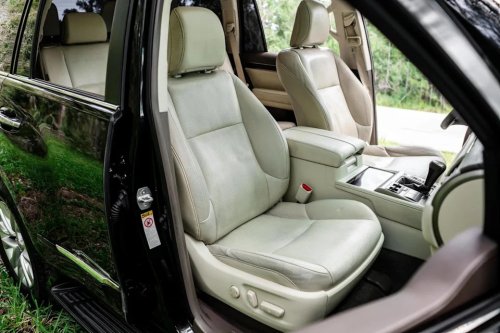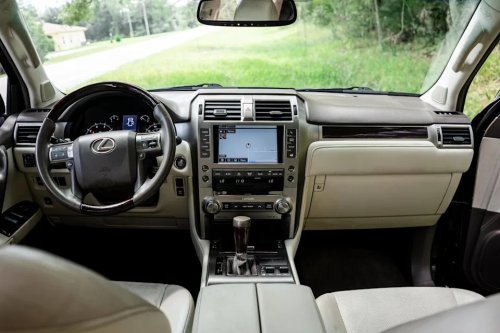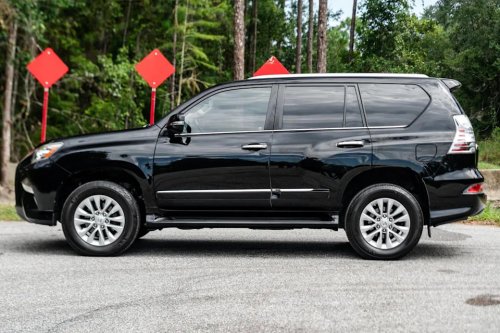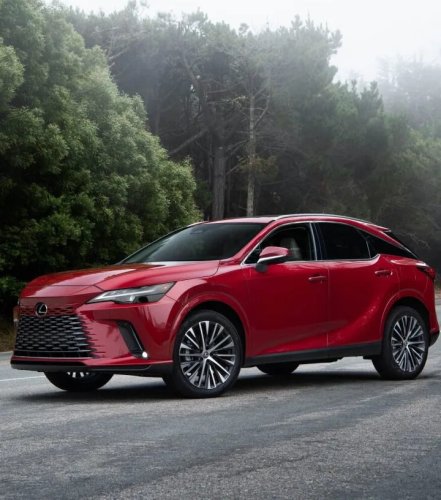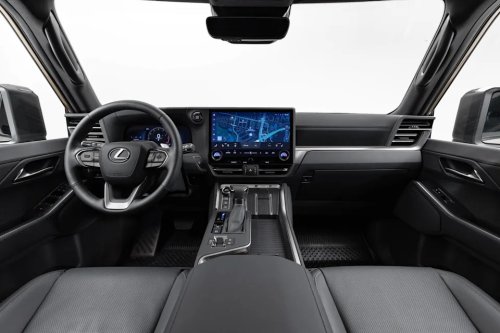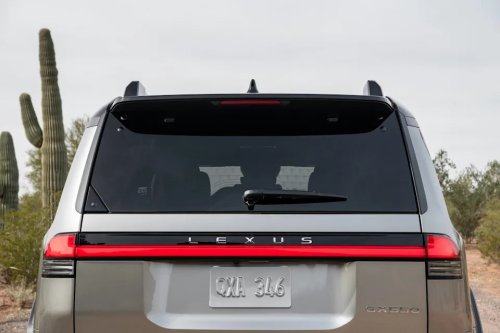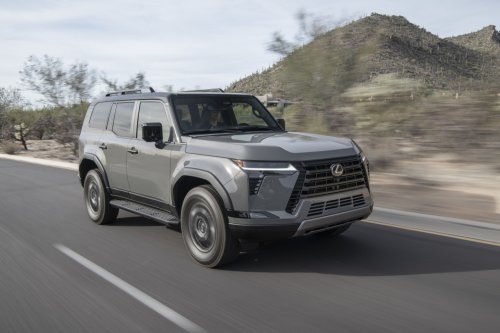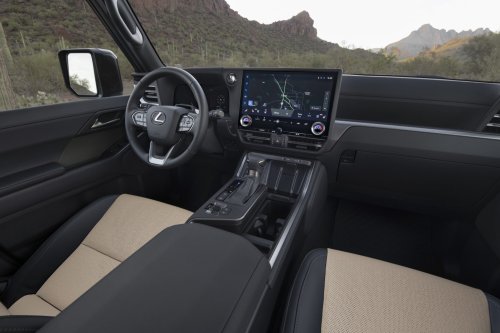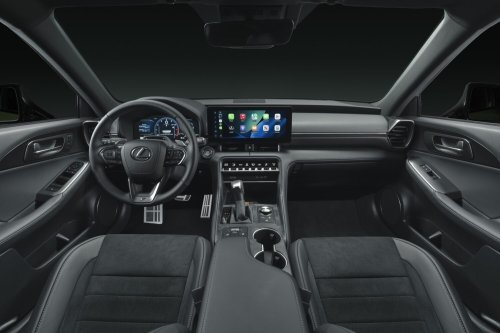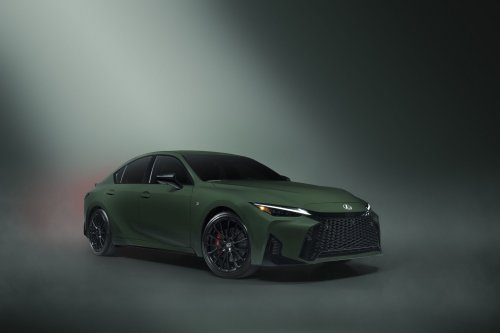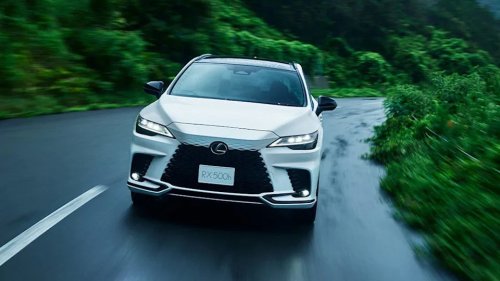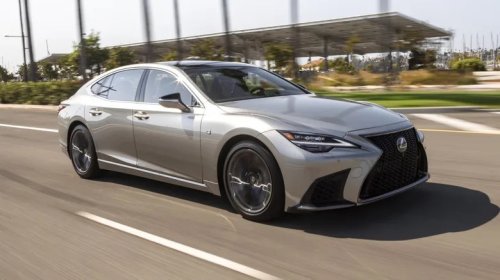
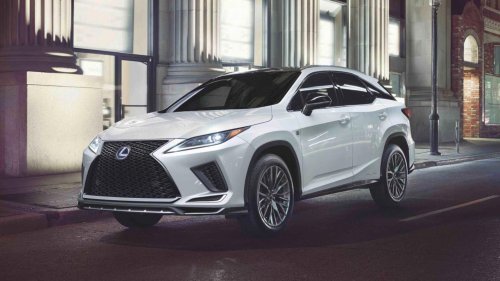
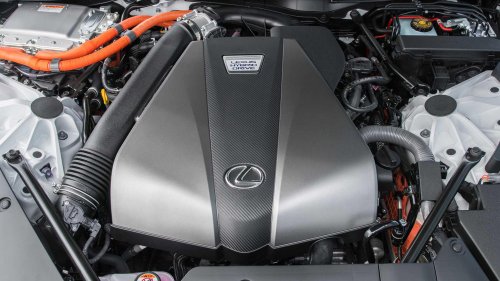
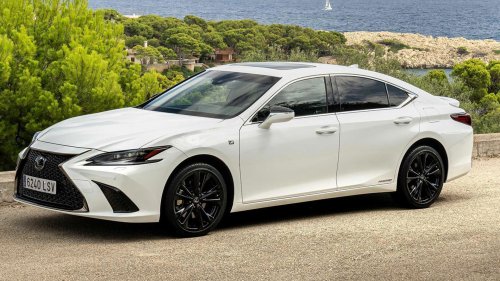
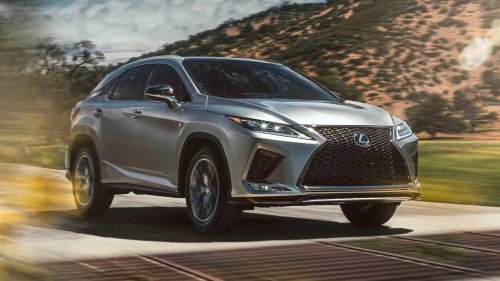
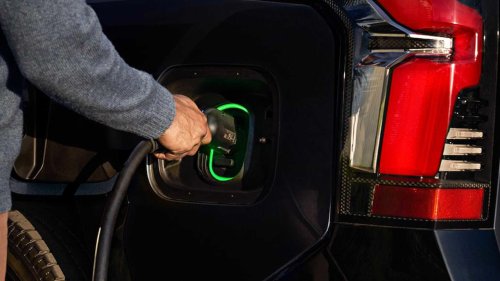
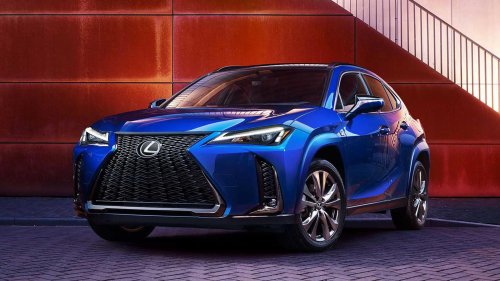



















For the last five years, the car industry has been telling itself that electric cars are inevitable, hybrids are a stopgap, and anyone paying attention is already charging overnight. Something quieter is happening in the used car market.A specific type of buyer has done the math on charging failures, on high depreciation, on battery life from brands that barely existed a decade ago and decided to take a path few expected. The question is where they ended up. The Charging Network Is Still Letting EV Drivers Down Porsche The pitch for a new EV is genuinely great, but only on paper. Lower fuel costs, fewer moving parts, a smoother driving experience, and the satisfaction of pulling away from the pump forever. The reality underneath that pitch, though, is a little more complicated and buyers are starting to notice.Start with the charging infrastructure. ChargerHelp's 2025 EV Charging Reliability Report found that nearly one in three charging attempts still fails, and that first-time charge success rates at stations drop from 85% when new to below 70% by year three as the hardware ages.J.D. Power's 2025 U.S. Electric Vehicle Experience Public Charging Study found that 14% of EV owners visited a charger without successfully charging. An improvement from 19% the year before, but still meaning roughly one in seven attempts ends in failure. That figure gets worse in high-demand cities. In 2025, the Pacific region saw 21% non-charge visits against a 14% national average, with Seattle and Los Angeles logging 25% and 24% failed charging attempts respectively.Mercedes-Benz The uptime numbers that charging networks advertise do not help much either. A 97% uptime rate sounds impressive until you realize it allows a charger to be completely non-operational for nearly 11 days a year. And that a charger can register as technically up while still failing to serve a driver due to a broken payment terminal, or a software handshake failure between the car and the network.Then there is the depreciation problem, which is where buyers really start to reconsider. While older studies suggested a 49% loss, current 2026 market analysis from Cox Automotive shows the average EV now loses between 58% and 63% of its value within five years. Nearly 20% more than the gasoline market average, compared with 35.4% depreciation for hybrids, leaving the hybrid owner with better retained value from the same starting price.In 2024 and 2025, used EVs in the US dropped in value by more than 15% year-over-year, while gasoline and hybrid prices barely moved. The EV that cost more to buy is now worth dramatically less to sell, and in between, its owner has been negotiating with broken chargers. It is not a coincidence that some buyers are looking for a different answer. Why Smart Buyers Are Stockpiling Old Lexus Hybrids LexusThe car that keeps coming up in this conversation is not new, and it is not cheap. But it is available, it is reliable in a way that feels almost old-fashioned by current standards, and it costs less to own over time than almost anything else in its competitive set. The used Lexus hybrid, led by the RX 450h, with the ES 300h and NX 300h close behind, has become the quiet center of gravity for buyers who have done their homework and decided that proven beats promising.The starting point is the battery, because that is where EV anxiety lives and where the Lexus story is strongest. Based on owner reports, dealership data, and independent repair networks, most original Lexus hybrid batteries last between 150,000 and 300,000 miles, with many exceeding 20 years of service under normal driving conditions, and less than 20% of all Lexus hybrids require battery replacement before 150,000 miles. Toyota has been refining this specific hybrid system since the late 1990s.Lexus Toyota's hybrid batteries typically last between eight and 15 years or 100,000 to 200,000 miles depending on usage and maintenance. On top of that, snce 2020, Toyota has offered a 10-year or 150,000-mile warranty on hybrid batteries, with annual health checks that can extend coverage up to 15 years. No EV maker currently operating in the mainstream luxury market can offer a comparable combination of real-world longevity data and warranty coverage.Furthermore, RepairPal puts the annual maintenance cost of a Lexus RX 450h at $540. BMW vehicles cost about $968 annually and Mercedes-Benz models about $908 annually for repairs. A used RX 450h undercuts both European alternatives by roughly $400 a year while returning an EPA-estimated 30 mpg combined, achievable without a single working charger anywhere near you.Used Lexus RX models are selling quickly, averaging about 32 days on dealer lots, with fast turnover meaning buyers can expect less room for negotiation. The nationwide average price for a used RX 450h currently sits around $29,169. Which means a luxury SUV with a V6 hybrid powertrain, all-wheel drive, and a near-indestructible battery is trading at roughly the same price as a base used Tesla Model 3. Why A Used Lexus Hybrid Beats A New EV On Paper LexusiSeeCars says a new Lexus RX 450h+ depreciates just 38.8% after five years, well below the luxury hybrid midsize SUV category average of 54% depreciation over the same period. The RX Hybrid is expected to lose only around 29.5% of its value in three years. Roughly half of what the midsize hybrid SUV category average loses over the same period. A buyer purchasing a three-year-old example is stepping into a vehicle that has already absorbed its steepest depreciation hit and still has the vast majority of its usable life ahead of it. That is the sweet spot, and the market knows it.The ES 300h makes the same case for sedan buyers. The Lexus ES 300h depreciates 39.6% after five years, leaving a resale value of around $26,309, outperforming the luxury hybrid midsize car category, which loses 44.9% on average over the same period. Whether you want an SUV or a sedan, the Lexus hybrid depreciation story holds up.Lexus The EV comparison makes the gap look even wider. iSeeCars research found that despite a Tesla Model Y saving its owner roughly $400 per year in energy costs compared to a Toyota RAV4 Hybrid. The RAV4 Hybrid owner came out ahead by $15,701 over five years once depreciation was factored in. Scale that dynamic up into the luxury tier, where EV MSRPs are higher and the depreciation curves are steeper, and the Lexus hybrid advantage only grows.The Lexus RX has earned KBB's Lowest 5-Year Cost to Own Award in its class, driven by good resale value, low maintenance costs, and the fuel economy advantages of the hybrid variants. It is a consistent pattern that has repeated itself across multiple model cycles and market conditions. No Charger, No App, No Problem Chevrolet A used Lexus RX 450h refuels in about three minutes at any of the roughly 150,000 gas stations across the US. There is no app to check before you leave the house, no broken payment terminals, and no 40-minute wait to recover 80 miles of range somewhere off a highway exit.The powertrain itself is a product of conservative engineering taken to a high level of refinement. The RX 450h pairs a naturally aspirated 3.5-liter V6 with two electric motors. No turbocharger lag, no dual-clutch hesitation, no software layer mediating your throttle input. Toyota has been building this specific architecture for long enough that the failure modes are well understood, and spares are readily available. Lexus Hybrids Vs New EVs The interior quality available at used prices is genuinely surprising. A 2019 to 2021 RX 450h with under 80,000 miles can regularly be found in the $28,000 to $36,000 range, putting genuine Mark Levinson audio, semi-aniline leather upholstery, and one of the quietest cabins in the segment within reach of buyers who cannot get close to a comparable new car at that price.Additionally, in the 2025 J.D. Power U.S. Vehicle Dependability Study, Toyota ranks third among mass-market brands with 162 problems per 100 vehicles, and in 2024, Toyota led the entire mass-market segment with 147 PP100. Affirming a sustained track record that very few brands can match. Lexus sits on top of that foundation at the luxury tier, with a reliability rating and ownership cost profile that consistently outperforms German and American alternatives. The Case For Buying The Proven Lexus Hybrid Over The Promise Of An EV Lexus None of this is an argument that they are bad automobiles. Several EVs are genuinely excellent. The argument is about whether right now, with public charging still failing one in seven attempts and used EV depreciation running at 58-63%, is the right moment to stake your household's primary vehicle on infrastructure that is still finding its feet.The used Lexus hybrid sits in a rare position in this market. It offers genuine luxury-brand quality, a powertrain with 25 years of refinement behind it, 30 mpg without the need to charge it overnight or at a public service, maintenance costs well under $600 a year, and resale retention that beats almost everything in its competitive class. Very few vehicles can make all of those claims simultaneously.It is a car for people who drive 10,000 to 20,000 miles a year, may not have a home charger, live somewhere that is not downtown San Francisco, and fundamentally want their car to work without requiring a support system around it. That describes a much larger share of the American car-buying public than the EV conversation tends to acknowledge.The counterintuitive truth of this market moment is that the old luxury hybrid with the indestructible nickel-metal hydride battery pack, the one that has been quietly doing its job since before most EV startups existed, looks less like a compromise and more like the most rational choice.Sources: Cox Automotive, RepairPal, Charger Help, JD Power