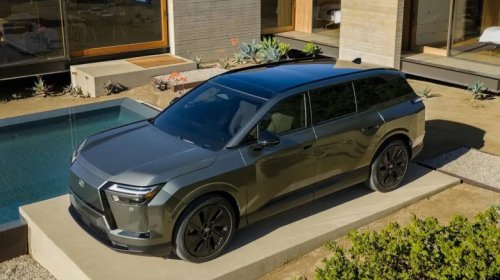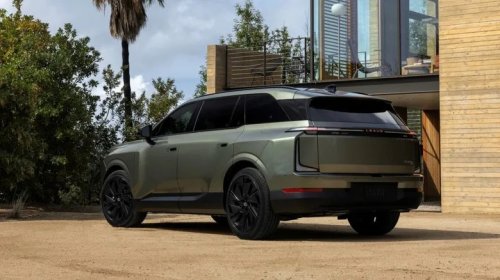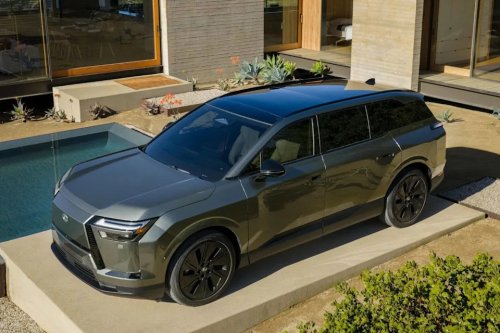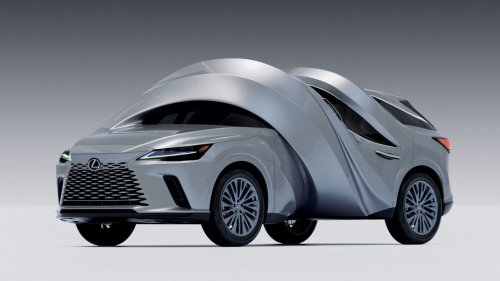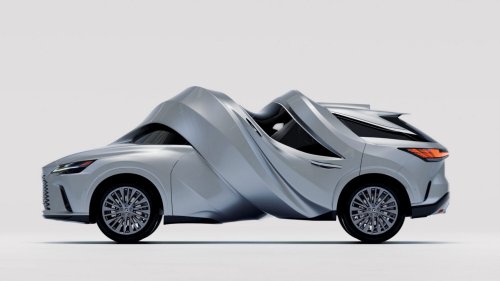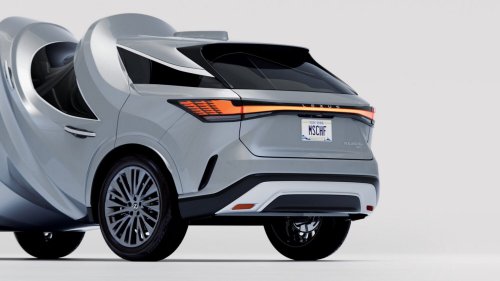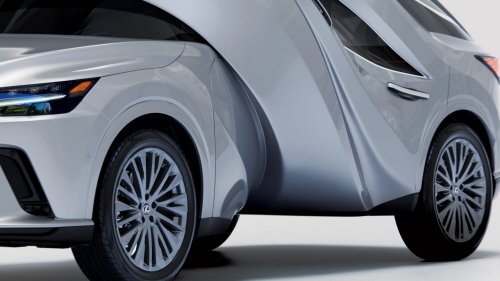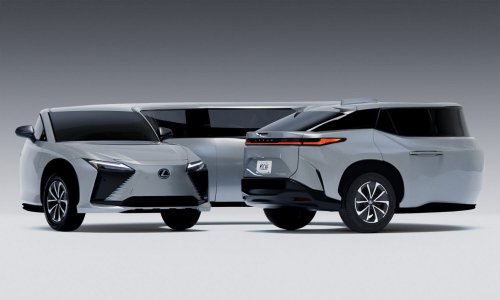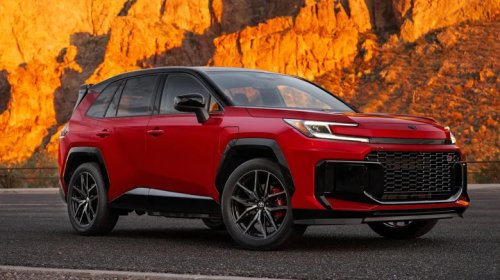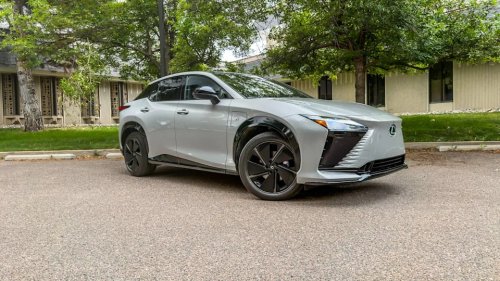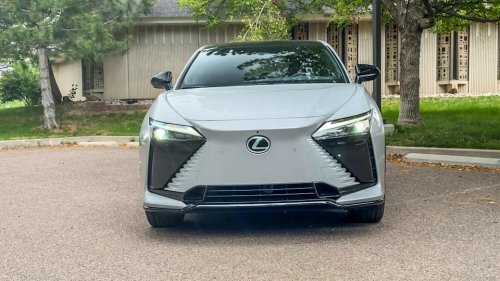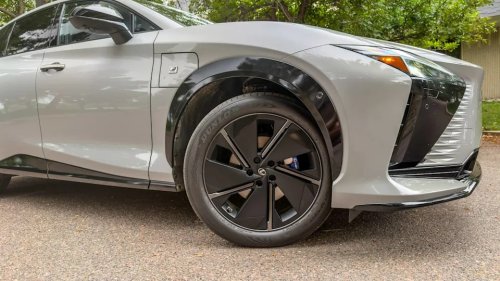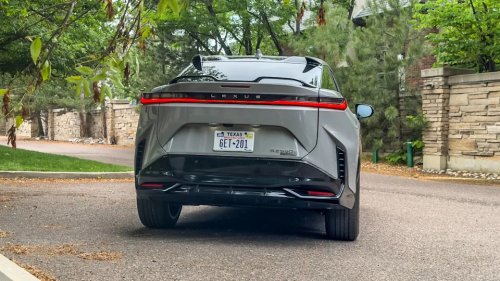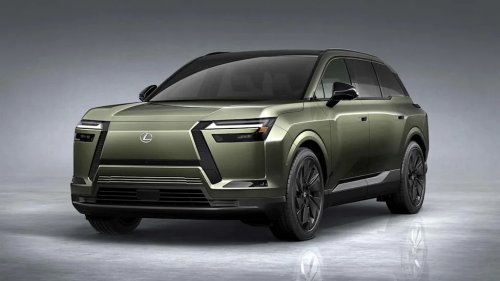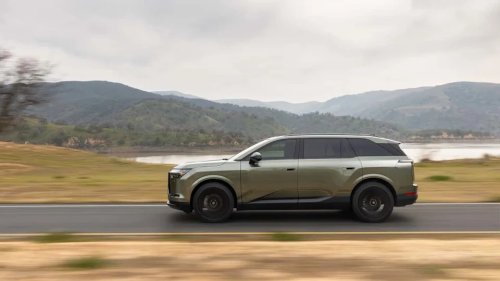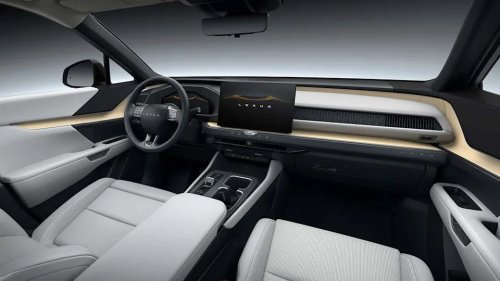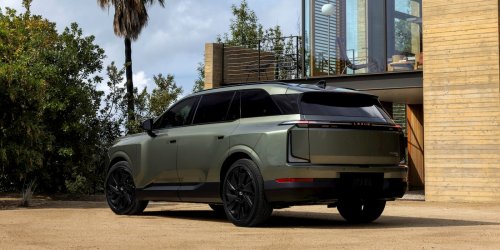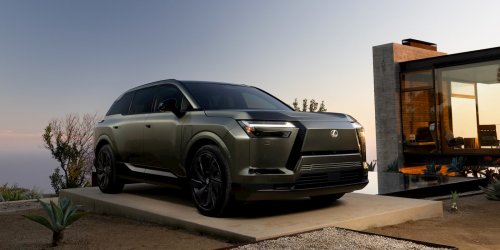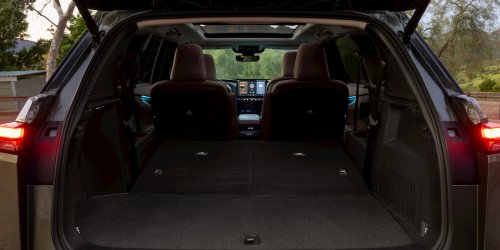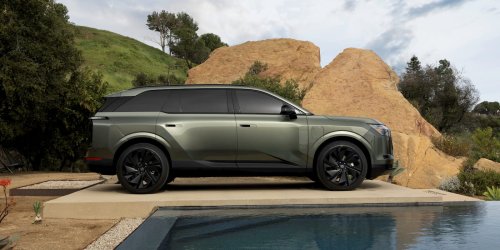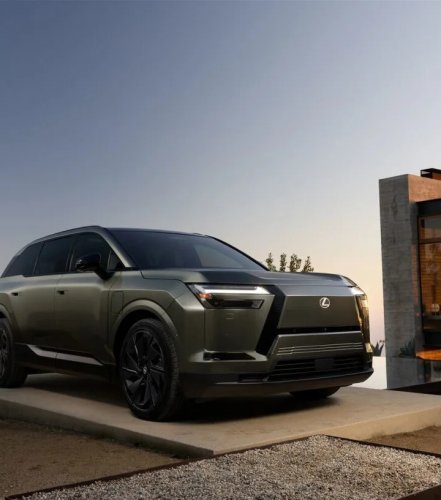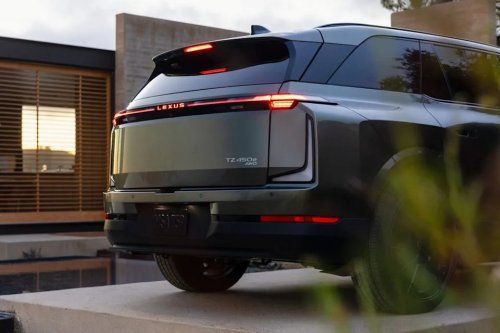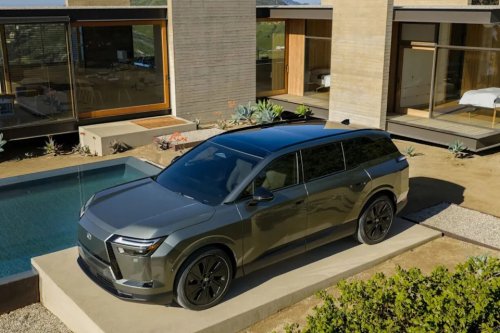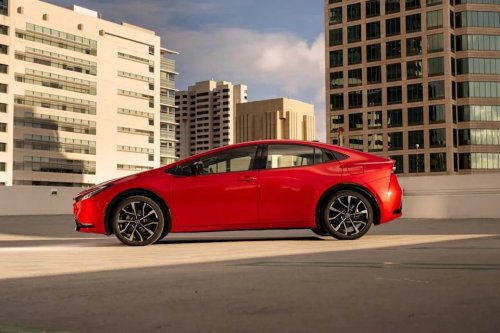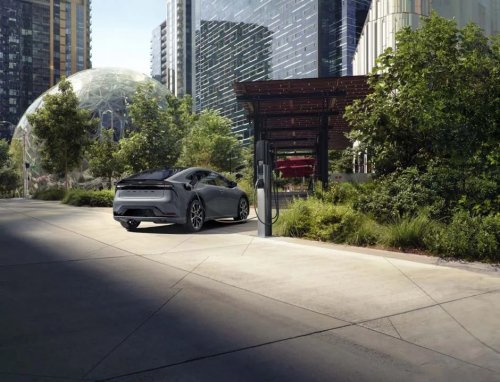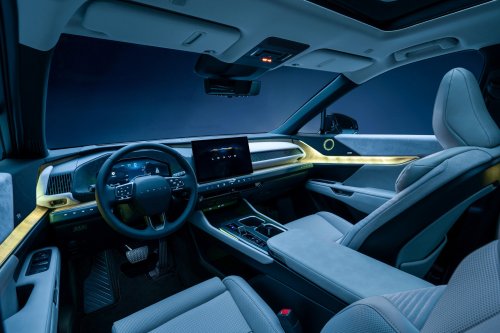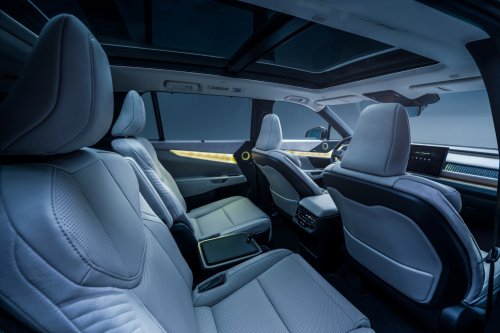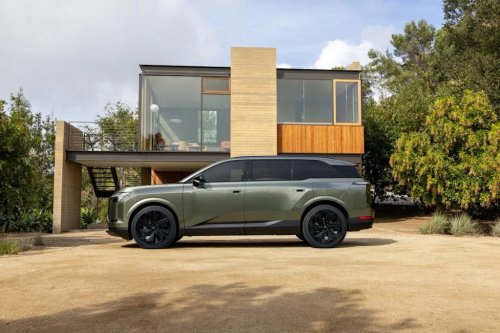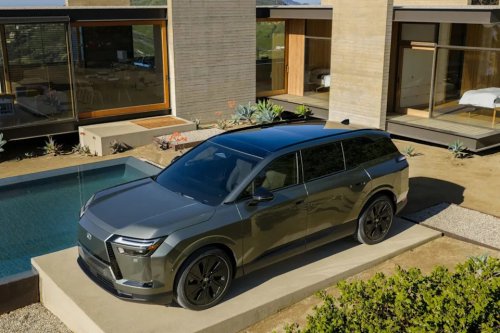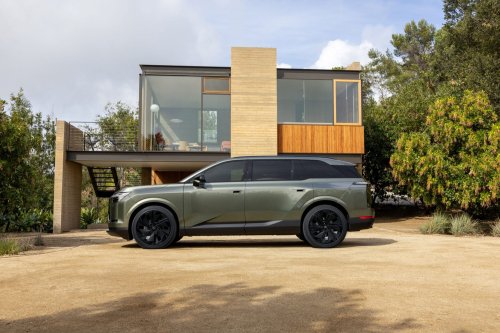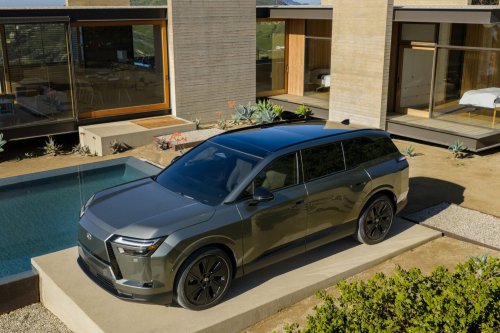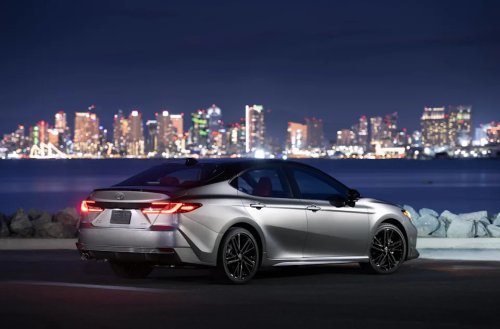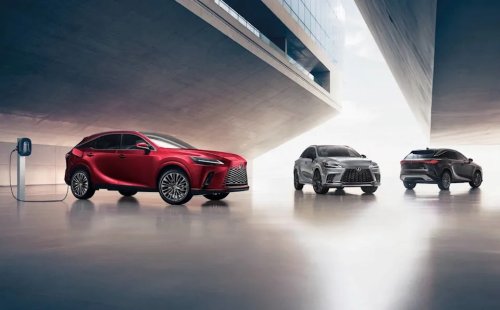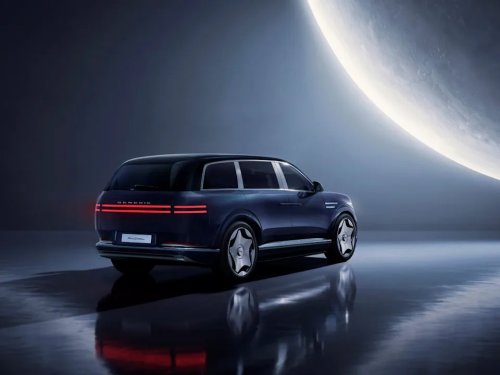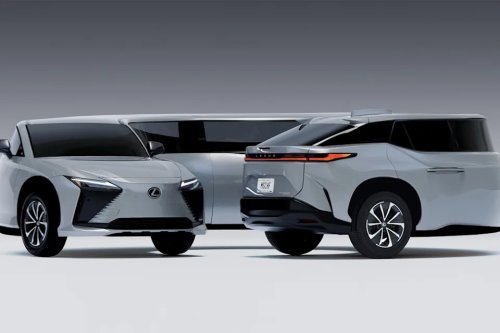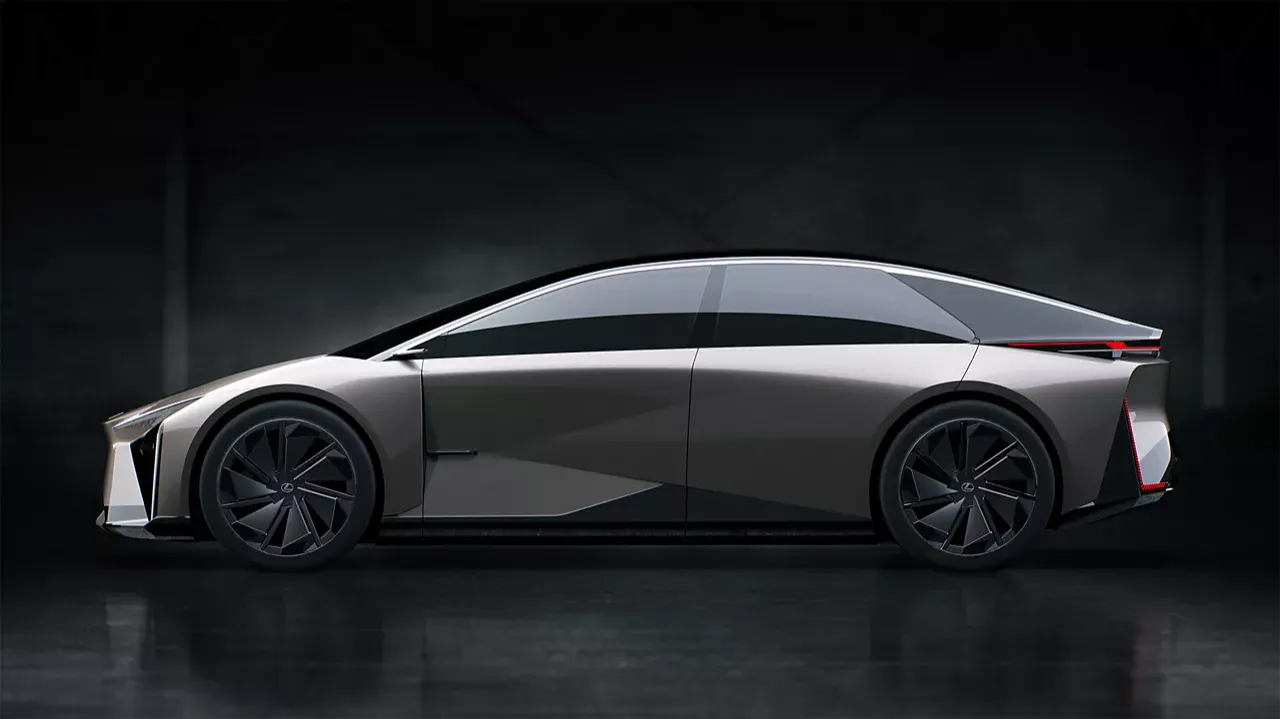
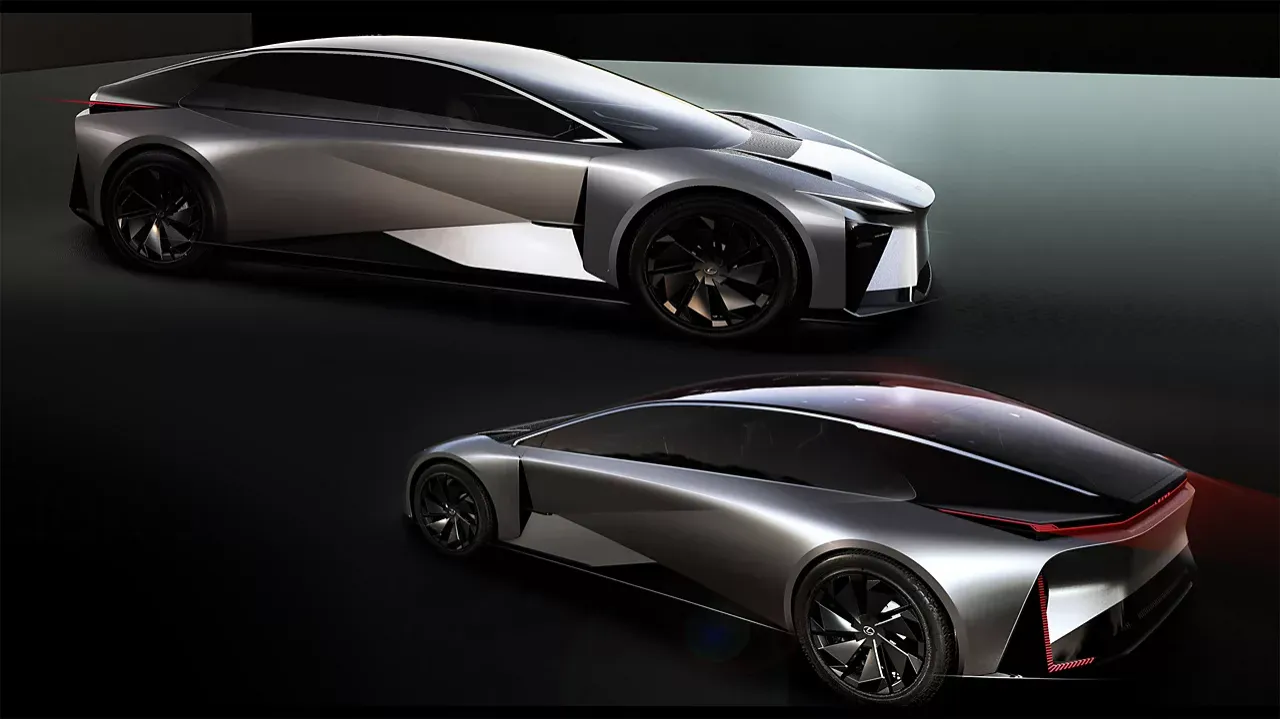



















Toyota (TYO: 7203) has halted development of the production Lexus LF-ZC electric sedan, scrapping a vehicle the brand had positioned as the centerpiece of its next-generation EV strategy.The decision, first reported by Nikkei Asia and confirmed by Toyota to German trade publication Automobilewoche, ends a program that had already slipped once — from a planned 2026 start to mid-2027 production at Toyota's Tahara plant, south-east of Nagoya.Lexus LF-ZC profile (Lexus)The LF-ZC was unveiled as a concept at the Japan Mobility Show in October 2023. Lexus promoted it as "a symbol of Lexus' electrification journey," featuring a coefficient of drag of approximately 0.20 and prismatic battery technology engineered to deliver roughly twice the range of conventional battery-electric vehicles.The body was to be built using large-section gigacasting, splitting the alloy structure into front, centre, and rear sections — a technique aimed at reducing complexity, cost, and weight while improving rigidity. Despite the cancellation, Toyota confirmed both gigacasting and advanced battery development will continue, with those technologies expected to appear in future vehicles. A spokesperson said innovations tied to the LF-ZC program remain part of the company's broader product strategy.Where those vehicles land is becoming clearer. According to Nikkei Asia, Lexus will redirect its focus toward SUVs and other higher-riding segments to reflect sustained consumer demand. Traditional luxury sedans have struggled to gain traction in EV form in every major market, and the case for building the next technological leap around an SUV body is straightforward.Lexus LF-ZC front and rear (Lexus)The cancellation comes despite Toyota's global EV sales growing 42 percent in 2025 to more than 190,000 units, driven by models including the updated bZ4X and the China-market bZ3X.Conditions have, however, changed materially since the LF-ZC program was conceived. The removal of federal EV purchase incentives in the United States under the Trump administration, alongside the European Union's revision of its planned 2035 combustion ban, have forced automakers to recalibrate plans drawn up during a very different political and market environment. Toyota is not alone in retreating. Ford (NYSE: F), General Motors (NYSE: GM), Honda (NYSE: HMC), Mercedes-Benz (ETR: MBG), Stellantis (NYSE: STLA), Volvo (STO: VOLCAR B), Volkswagen (ETR: VOW3), and Subaru (TYO: 7270) have all shelved or scaled back EV programs over the past two years. Honda's withdrawal from parts of its 0 Series EV strategy reportedly resulted in nearly $16 billion in charges and write-downs.Lexus has not abandoned battery-electric vehicles entirely. The brand is still developing a flagship electric coupe as a successor to the V10-powered LFA, positioned as a counterpart to Toyota's upcoming V8-powered GR GT. Chief Executive Officer Kenta Kon has continued pushing profitability initiatives as the automaker balances electrification investment against shifting market realities.Whether the LF-ZC's underlying technology — expected to eventually reappear in an SUV — can put Lexus in position to compete depends entirely on how quickly the luxury EV sedan market that Toyota has now stepped back from continues to grow without them.