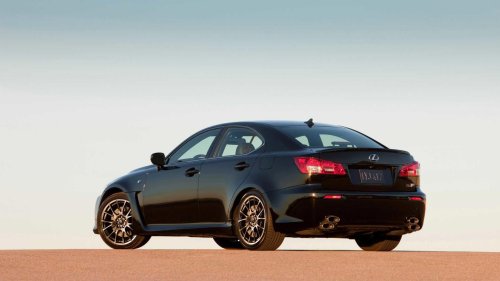
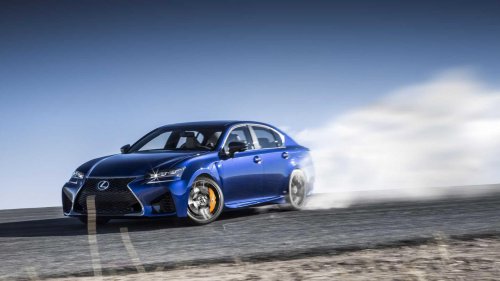
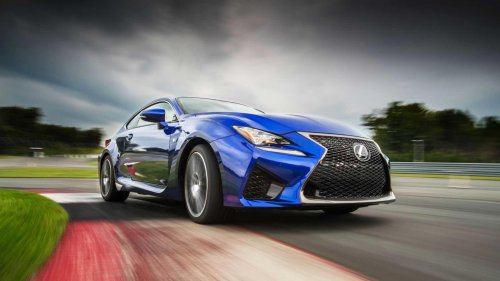
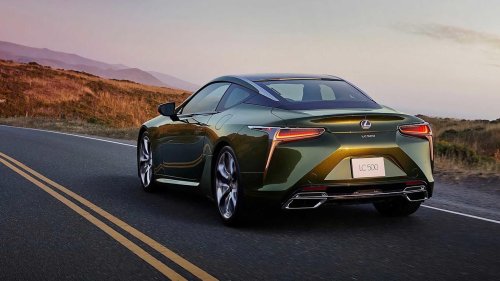
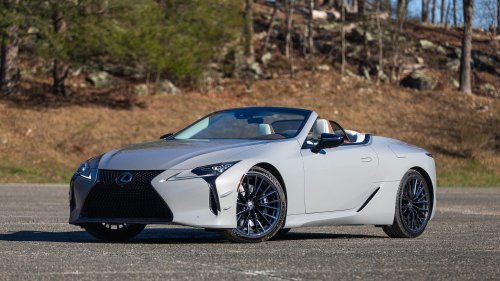
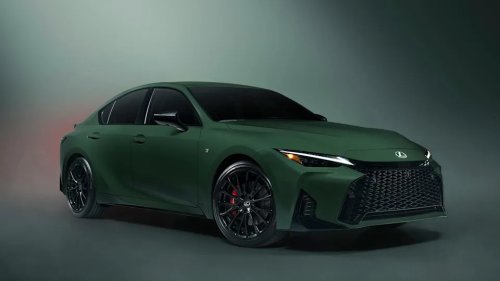
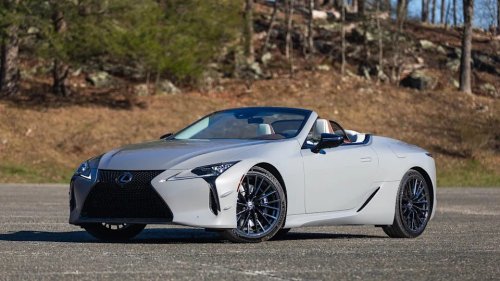
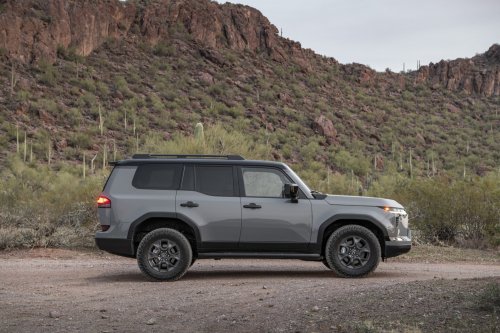
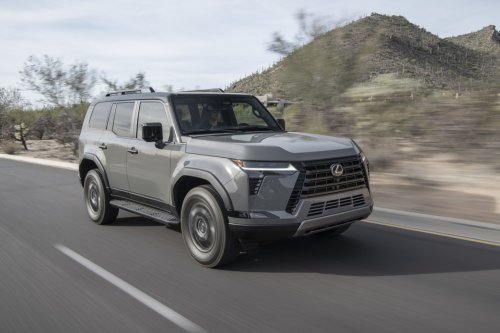
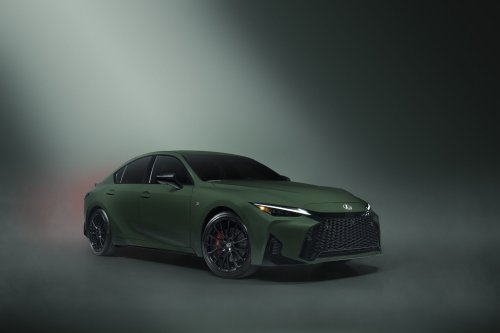
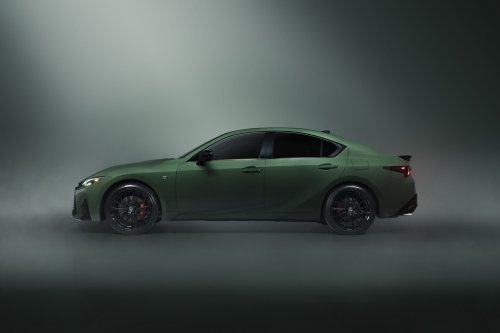
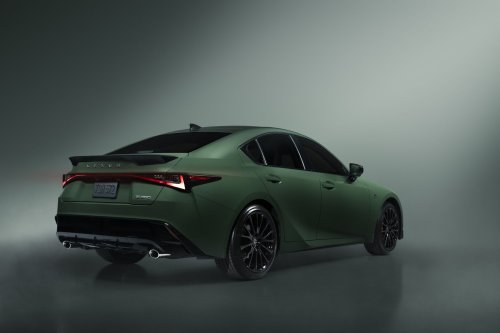
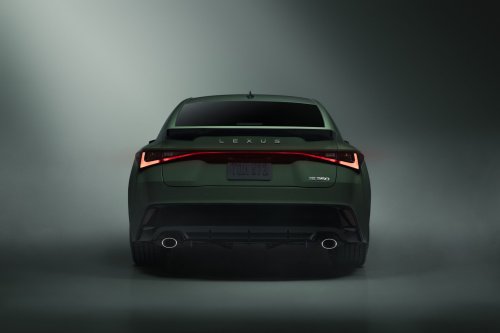
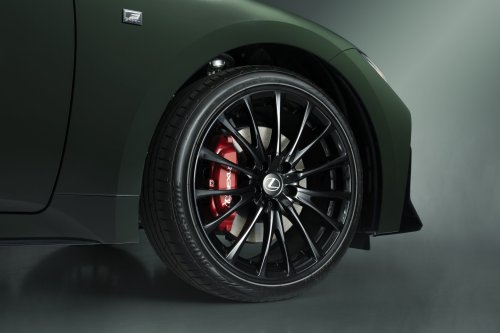
If you want a car that will hold its value better than most, print out a list of Lexus models, pin it to the cork-board, and throw a dart at it. You'll land on something that will lose value slower than a turtle on his way to a dentist appointment. Whether we're talking a classic like the first-gen Lexus LS, or a brand-new Lexus GX SUV, Lexus doesn't just hold its value well for a luxury brand, it's one of the slowest-depreciating automakers in any segment.In some cases, though, a Lexus doesn't just depreciate slowly, it plateaus, or even appreciates in value over the years. Sometimes, it holds steady for months before doubling and tripling in value, seemingly overnight. There's never a guarantee that a car will appreciate in value, but a little market research will tell you when it might happen, and savvy collectors are eyeing these models, in particular.Data for this overview has been pulled from our own marketplace, with average sale prices taken into account for the first half of 2026 in order to get an idea of whether prices are rising or falling for a given used Lexus. Ownership costs have been included as well, with sources cited as relevant. Note that data for our market overviews are based on short-term gains over the last six months, according to sales made through our own marketplace. 2014 Lexus IS F This Rear-Wheel Drive V8's Prices Are Rising Fast 2012-2014 Lexus IS FIn the last week of January this year, the price of a 2014 Lexus IS F rose from an average of $25,000 to an average of $29,000, in our own marketplace.The 416-horsepower, rear-wheel drive Lexus IS F left the market after the 2014 model year, and has remained a beloved collector's car ever since. Maintenance Is Cheap, But The IS F Is A Bit Thirsty Unless you plan to simply freeze your new-to-you Lexus in carbonite like Han Solo, you're going to have to take annual ownership costs into account. For yearly expenses, we've consulted RepairPalfor maintenance costs, FuelEconomy.gov for fuel expenses, assuming 15,000 miles a year, and our insurance estimates come from CarEdge, based on what a 40-year-old driver with good credit and a clean record should expect to pay.Note that, where CarEdge does not have a model-specific insurance estimate, we've added the average insurance cost for the brand, instead, at $3,038.Most common repairs for an IS F are fairly cheap, but RepairPallists cylinder head replacements at a whopping $9,886, and new oil pumps at $5,396. In other words, don't skimp on the pre-sale inspection. More concerning is that, at a combined 19 MPG, the IS F is the thirstiest model on this list, which might be a problem with gas prices on the rise. 2017 Lexus GS F The Lexus GS F's Values Are Skyrocketing 2016 Lexus GS FIn mid-March, this year, the 2017 Lexus GS F was selling at an average price of around $25,000. By the end of the month, the average price landed at $41,000, where it has stayed ever since, according to our own sales data.At 467 hp with a 4.5-second 0-60 mph takeoff, the Lexus GS F is a rear-wheel drive sedan that delivers exactly what you're after in an eight-cylinder Lexus. The Lexus GS F Is Cheap To Fix And Cheap To Own At an annual maintenance estimate of just $499, the Lexus GS F is the most affordable car on this list to own. The most expensive fixes include an AC evaporator replacement, at up to $2,135, and new knock sensors, costing up to $1,717.Fuel expenses aren't bad for a 467-hp V8. Officially, the car can get up to 24 miles to the gallon on the highway. One driver in the r/Lexus subreddit notes that eco-mode and good driving habits can get them up to 23 MPG combined, and 32 MPG on the highway. That's in Florida, where you won't encounter a lot of hills, but still, that's an extra eight miles to the gallon. 2015 Lexus RC F Buy The Dip While You Can 2015 Lexus RC-F front 3/4 lowThe Lexus RC F actually lost a bit of value from January 1 into February, starting the year at $42,832 and plateauing at $36,798. But, the car bounced back from a $29,500 low in the middle of the month, and our data shows high price volatility at the moment, meaning that this one could easily see some more price spikes in the future.Essentially a Japanese muscle car, delivering 472 hp and clearing 60 mph in just 4.2 seconds, the Lexus RC F is an affordable buy at the moment, but you'll want to buy the dip while you can. The RC F Is More Expensive To Insure Than Most Lexus Models At an annual ownership estimate of $10,214, the Lexus RC F is the most expensive vehicle on this list to keep, owing in large part to higher insurance premiums, no doubt stemming from the RC F's status as a muscle car.It's not uncommon to see modified RC Fs cranking out +700 hp. We're not here to judge anyone for buying a Lexus RC F and slapping a supercharger on it, but these drivers are partly why the insurance premiums are a bit high on this one.Expensive fixes for the RC F include $2,135 replacements for the AC evaporator, and $1,717 knock sensor replacements. 2020 Lexus LC 500 The LC 500 Is Appreciating, But Repairs Can Be Expensive 2020 Lexus LC 500 Inspiration Series rear 3/4Our market data shows the LC 500 appreciating by nearly $4,000 from mid-February to mid-April, with middling price volatility and a general bullish trend, meaning high demand and low supply, for the first half of the year.A 471-hp Grand Tourer powered by the legendary 2UR-GSE 5.0-liter V8 engine, the LC 500 is a car that will always have its fans. Make Sure You're Buying An LC 500 In Excellent Condition The LC 500 is cheap to maintain, generally speaking, but when something does break, it can be very expensive. According to RepairPal, the priciest common fix is for a new oil pump, which can cost up to $5,955 with parts and labor. A new engine oil cooler can cost $1,826, and a new valve cover gasket can cost up to $1,273.Lexus is one of the most affordable brands to own in any segment, whether we're talking mainstream, budget cars, or performance models. But any car that you're not just keeping in storage is a whole new set of bills to pay, month after month.For this reason, we generally advise against treating a car like an investment in the same way that you would, say, real estate. Your home is almost guaranteed to eventually be valued for way more money than you put into it. A car, even if it sells for twice what you bought it for, will have cost you tens of thousands of dollars in refueling, maintenance, and insurance over just a few years.We're not saying to not take appreciation into account when buying a car, but, unless you're just parking this car in storage and sitting on it, you're unlikely to actually earn money on the deal, even if the car appreciates by thousands of dollars over the years. In other words: go ahead and take resale value into consideration when buying a pre-owned car, but buy it for the fun of driving it, first, and the potential resale value second.