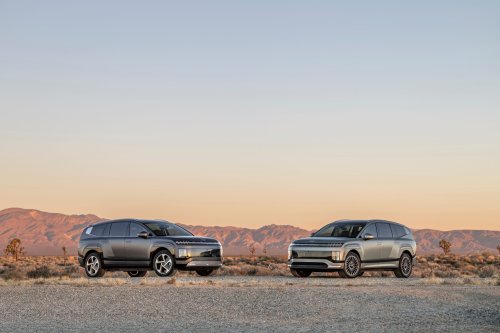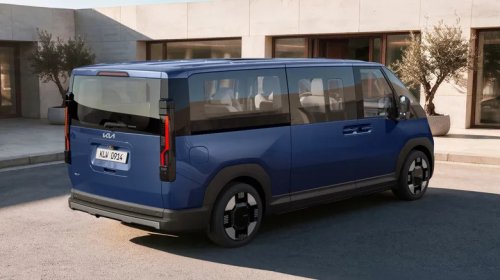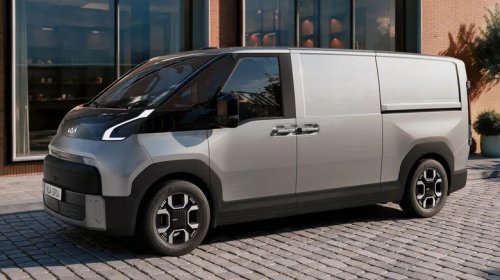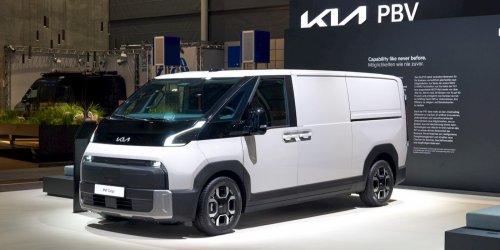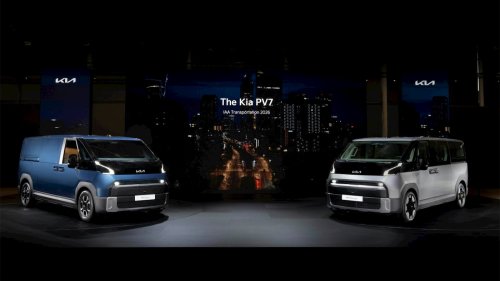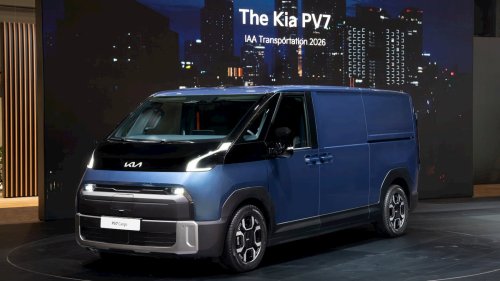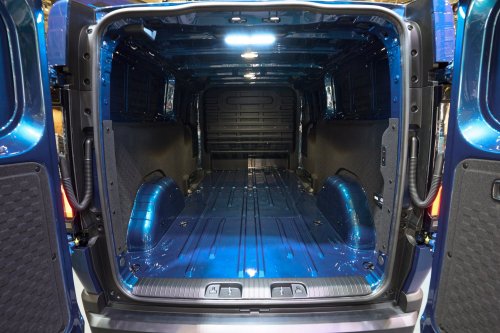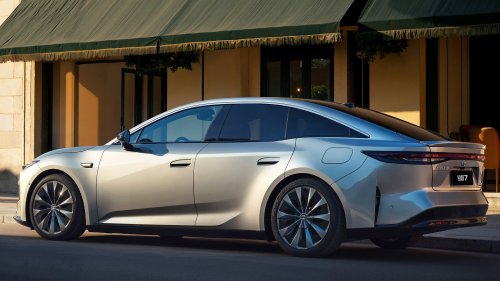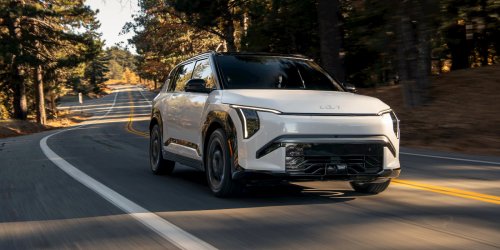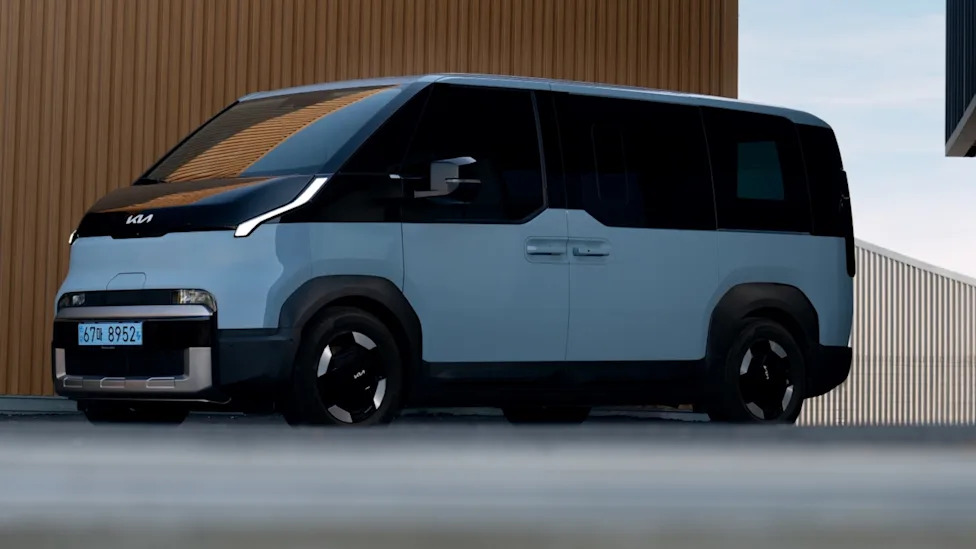



















Photo Credit: KiaKia is making a bold move in one of the world's toughest auto markets.The South Korean brand has officially launched its first electric van in Japan, targeting domestic giants including Toyota, Honda, and Nissan.That is significant because Japan has long been considered a difficult market for foreign automakers to gain traction. It could also mean more affordable, lower-maintenance electric vehicle options for drivers and businesses.What's happening?As reported by Electrek, Kia has opened orders in Japan for a five-seat PV5 Passenger variant and the PV5 Cargo, marking a major step in its push into the country's EV market.AdvertisementAdvertisementKia says more versions are coming, including a seven-seat PV5 Passenger and a PV5 Wheelchair Accessible Vehicle. A larger electric van, the PV7, is also planned for 2028.The timing stands out. As Electrek noted, local automakers make up about 90% of Japan's new car market, reinforcing the country's reputation as a difficult place for foreign brands. But Kia appears to see an opening as many Japanese carmakers continue to prioritize hybrids over fully electric vehicles.The PV5 was designed with Japan's narrow streets in mind. Its compact frame and tight turning radius could make it especially useful for urban deliveries, shuttle services, and family transportation.Kia is also bringing momentum from other markets. Per Electrek, the PV5 is already being sold in Europe, the U.K., and South Korea; it moved 8,113 units in the first quarter of 2026. In Europe, it held 9% of the electric light commercial vehicle market.Why does it matter?For drivers and fleet operators, a wider choice of EVs typically means more price competition and more models built for practical, everyday use.AdvertisementAdvertisementElectric vans can also help owners save money over time through lower fuel costs and reduced maintenance needs. Unlike gas-powered vehicles, EVs do not require oil changes and generally have fewer moving parts.That could be especially important in Japan, where the government aims for EVs to account for 30% of new car sales by 2030. If more foreign brands bring practical electric models into the market, it could pressure established automakers to accelerate their own EV plans.There is also a pollution benefit. Replacing gas-powered vans with EVs can reduce tailpipe pollution in crowded cities, improving local air quality for residents, workers, and commuters.Kia's focus on commercial and accessibility-oriented vehicles could broaden those benefits beyond early adopters, potentially helping small businesses, transportation providers, and families in need of specialized options.What's being done?Kia is supporting the launch with a broader expansion strategy.AdvertisementAdvertisementAs reported by Electrek, Kia is working with Sojitz Corporation and plans to nearly double its footprint in Japan by the end of 2026, expanding to 11 directly operated stores and 100 service centers. Its initial goal is to sell 1,000 electric vans in the country.The larger plan is even more ambitious. Kia's target by decade's end is annual sales of 250,000 electric vans, suggesting the company sees purpose-built EVs as a major growth opportunity rather than a niche test.For consumers considering the switch, more EV competition could make ownership easier and more practical. If you are wondering whether an electric vehicle makes sense for your next purchase, the TCD Guide has more tips and resources to help you decide whether making the switch is right for you. Charging at home can also be significantly cheaper than relying on public chargers. Qmerit can help you with free, instant installation estimates for Level 2 chargers. Installing solar panels can increase those savings even more, since charging with your own electricity is often cheaper than using public stations or drawing power from the grid.AdvertisementAdvertisementTCD's solar partner, EnergySage, can also help you with installation estimates by connecting you to vetted solar installers. By curating competitive bids, EnergySage could help you save up to $10,000 on installation. Japan has long been viewed as a "graveyard" for foreign brands, as Electrek mentioned, but Kia is betting the PV5 can lead a full-scale push as the country works toward its goal of getting EVs to 30% of new car sales by 2030."Together with Kia PBV Japan, we will build long-term trust tailored to the needs of Japanese customers and establish ourselves as a reliable partner supporting the transition to electrification," Sangdae Kim, head of Kia's PBV business, said.Get TCD's free newsletters for easy tips, smart advice, and a chance to earn $5,000 toward home upgrades. To see more stories like this one, change your Google preferences here.