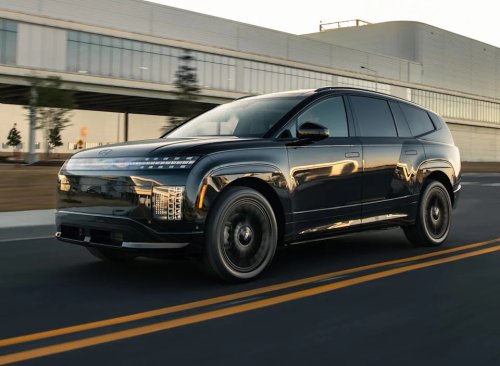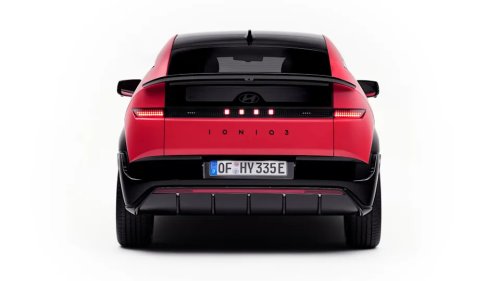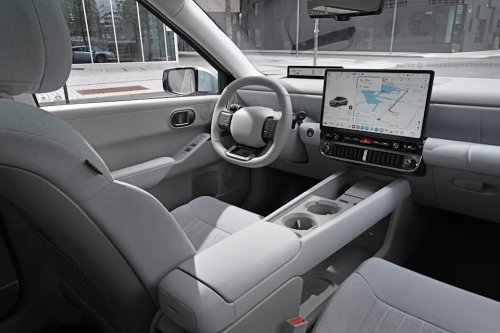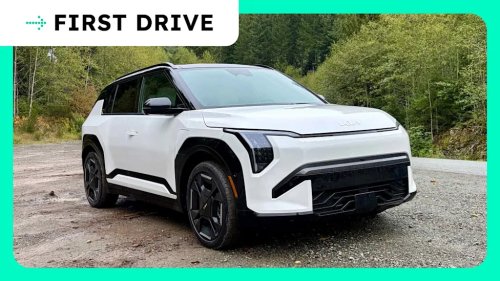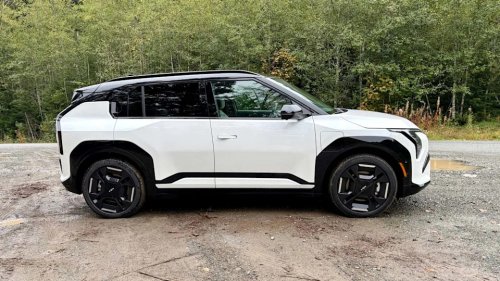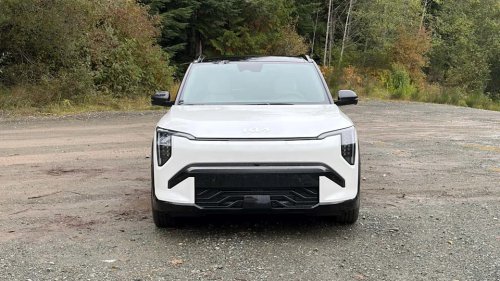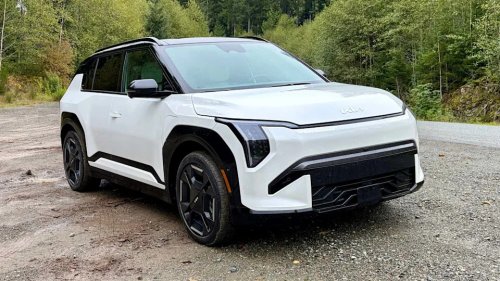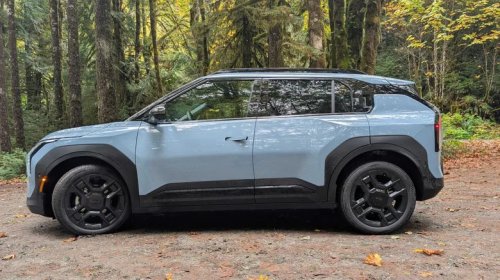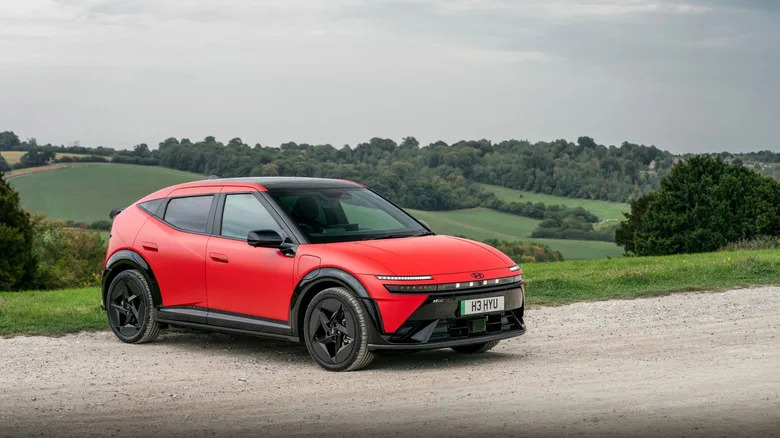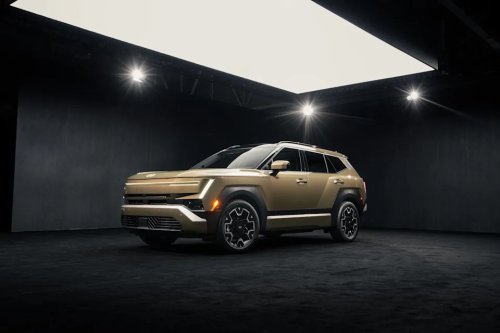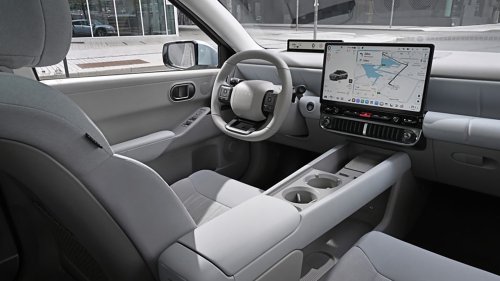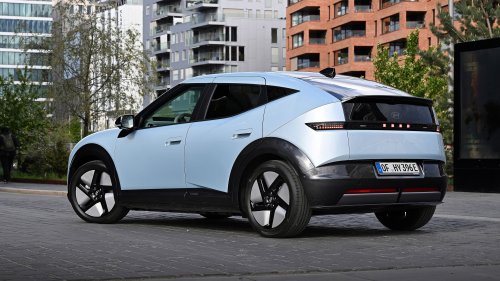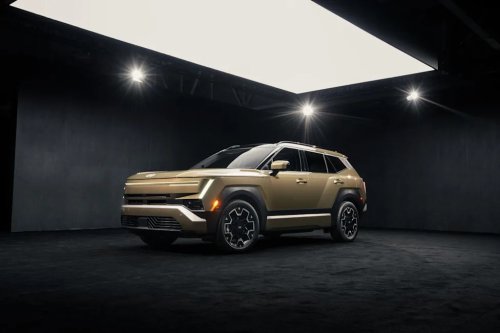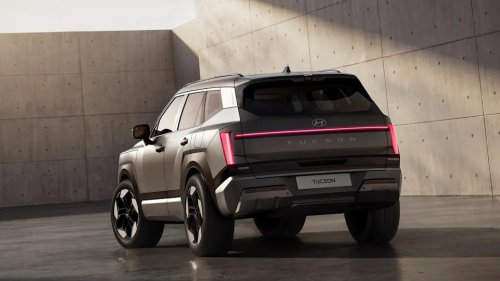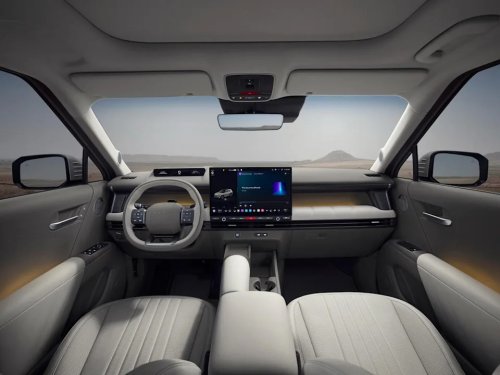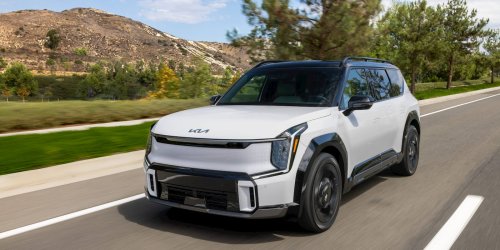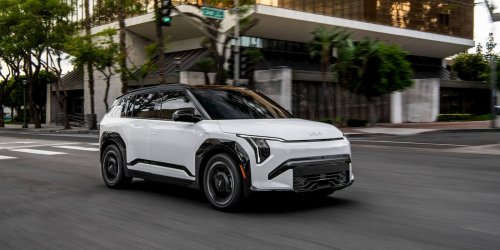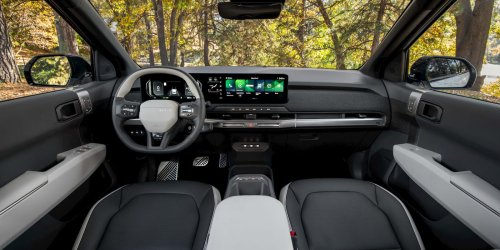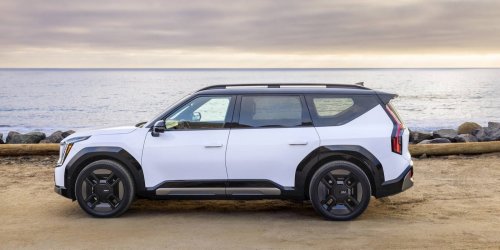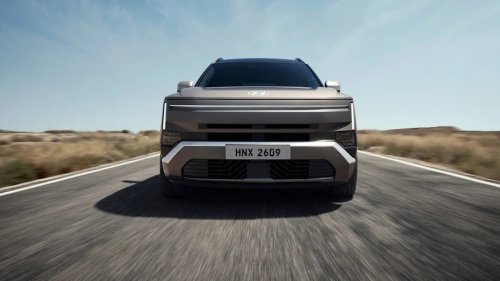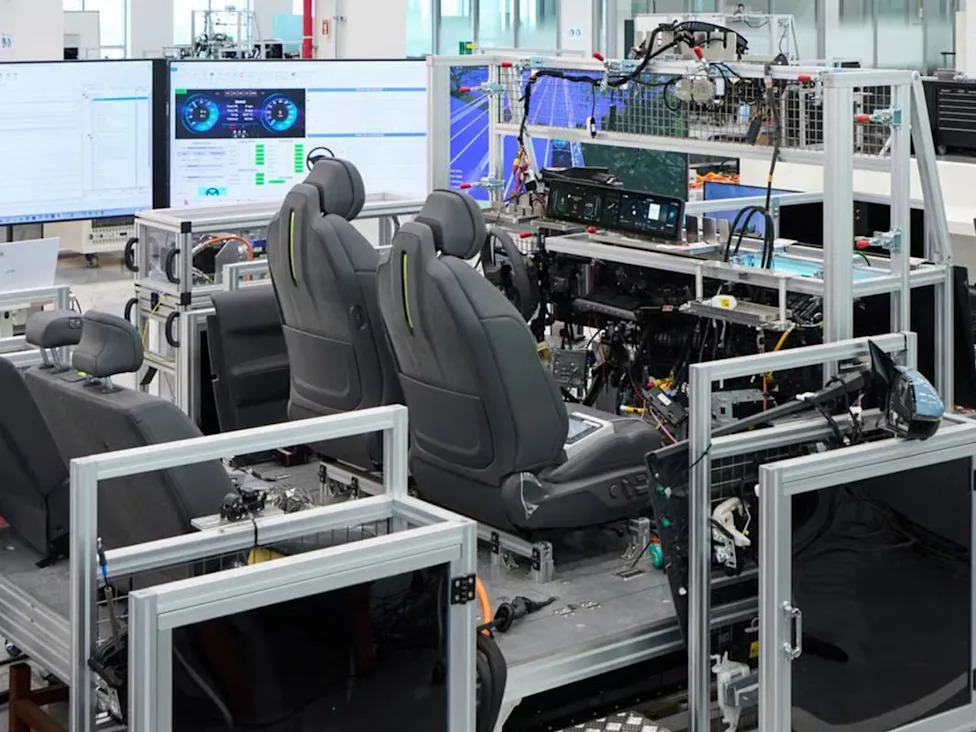
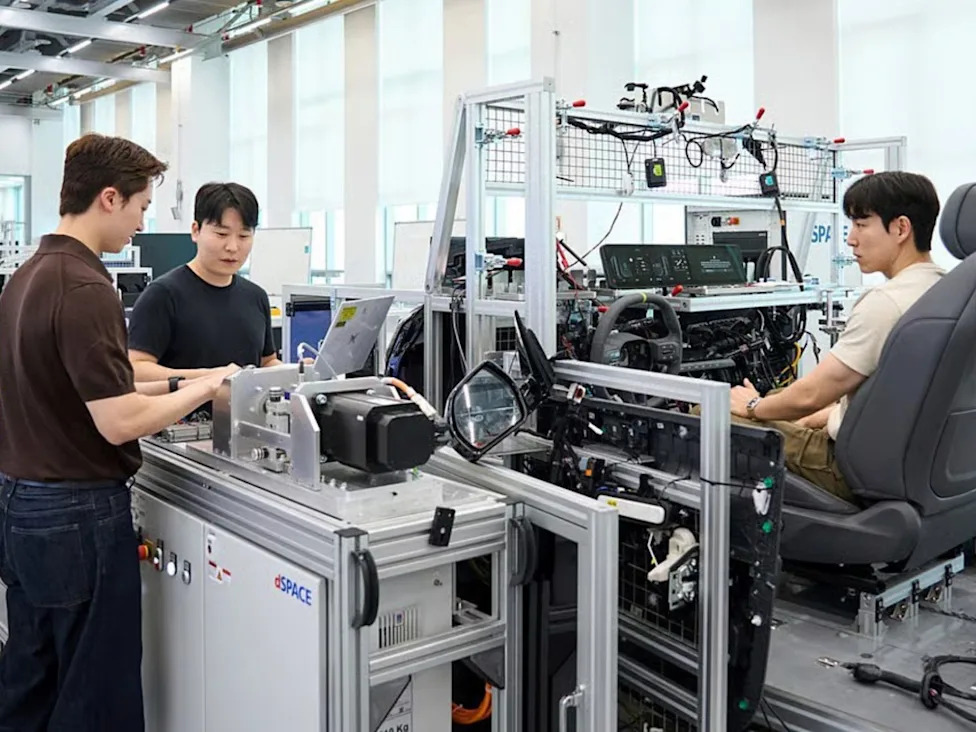



















Autoblog and Yahoo may earn commission from links in this article.Cars Are Becoming ComputersSoftware-defined vehicles have become increasingly common, so much so that Rivian explicitly describes its models that way. These vehicles can bring innovative features such as over-the-air updates and more advanced driver-assistance systems, but they can also introduce new types of quality problems that largely analog cars from decades ago never had to deal with.Even so, Hyundai and Kia are doubling down on SDVs with a dedicated testing facility called the NOVA Lab. The facility can uncover approximately 150 to 200 issues before a physical prototype is assembled, allowing the automakers to save development time while reducing potential headaches for customers once the vehicles reach the road.HyundaiA Car Made of WiresThe NOVA Lab, situated at the Namyang Research and Development Center in South Korea, centers on a wire-car test bench. The setup uses no vehicle body, doors, or interior. Instead, hundreds of controllers, wiring harnesses, and electronic components are physically connected exactly as they would be inside a production vehicle. Engineers can connect 300 to 500 controllers through approximately 500 wiring connectors, allowing them to evaluate a vehicle's complete electronic architecture and identify potential issues.AdvertisementAdvertisementThe goal is to ensure that every electrical component works properly as part of a larger system, as a single communication or signaling error can cause problems across multiple functions. That risk becomes more significant in SDVs because systems controlling propulsion, infotainment, connectivity, safety, and advanced driver-assistance systems are increasingly interconnected.Other NOVA Lab capabilities include real-world driving simulations using a proprietary Torque Wheel Dynamometer and a virtual environment for testing ADAS features. The facility has also expanded its testing capabilities to cover high-speed Ethernet-based communication, 48-volt power systems, and OTA software updates.HyundaiHyundai's Software Bet Gets BiggerNOVA Lab will also support the development of Hyundai and Kia's future SDVs, including planned robotaxi platforms designed to operate without a human driver. They would compete against the likes of Tesla, which unveiled the two-door Cybercab, designed without a steering wheel or pedals.To some extent, Hyundai and Kia's growing reliance on software is already evident in their newer vehicles, particularly their electric vehicles. In the U.S., Hyundai offers the Ioniq 5 and Ioniq 9. It discontinued the standard Ioniq 6 for 2026, likely because of a combination of weak sales and tariffs. Kia, meanwhile, offers the Niro EV, EV6, and EV9, with the smaller EV3 scheduled to arrive in late 2026.HyundaiView the 3 images of this gallery on the original articleAdvertisementAdvertisementThis story was originally published by Autoblog on Aug 8, 2026, where it first appeared in the News section. Add Autoblog as a Preferred Source by clicking here.