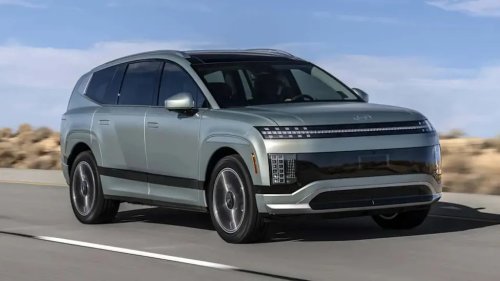
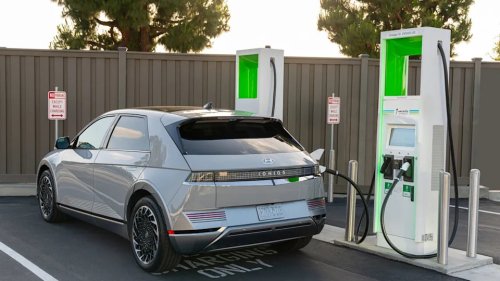
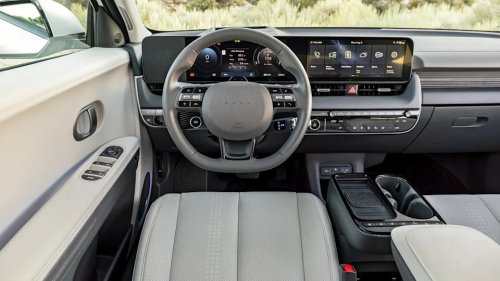
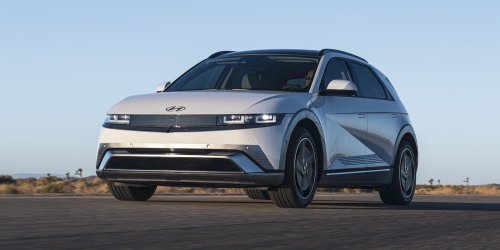
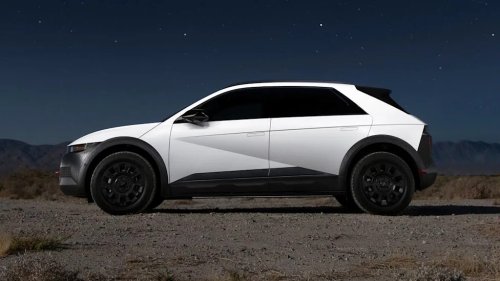
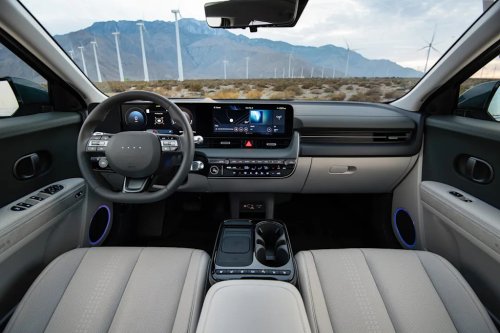
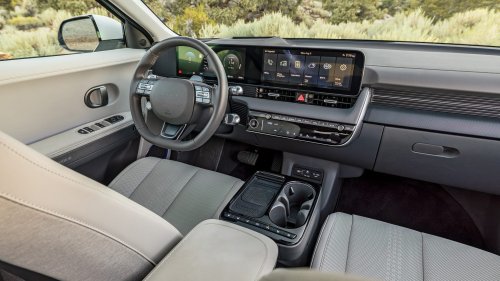
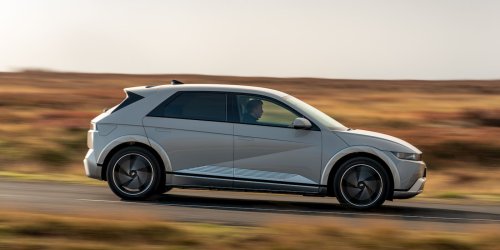
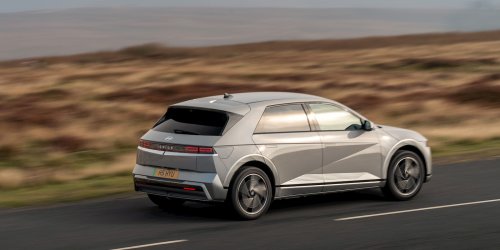
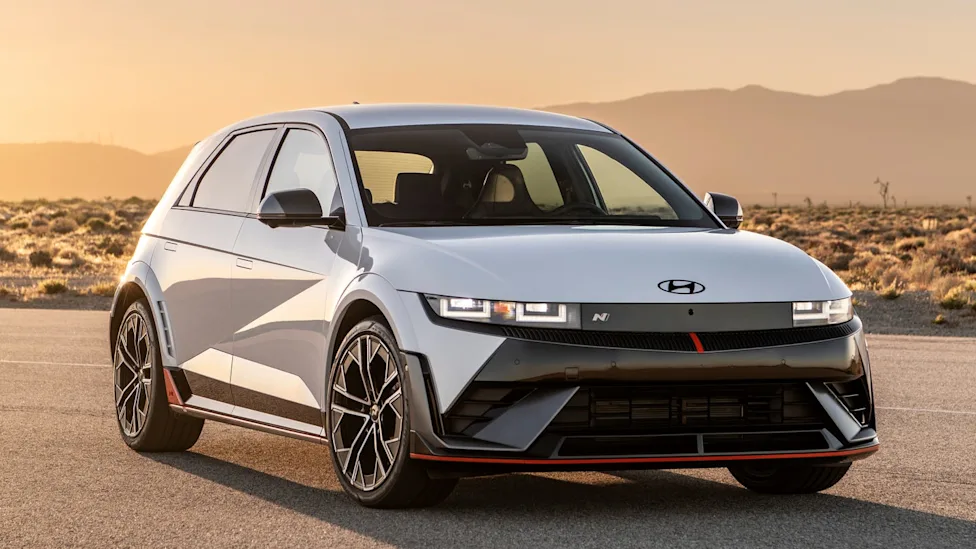
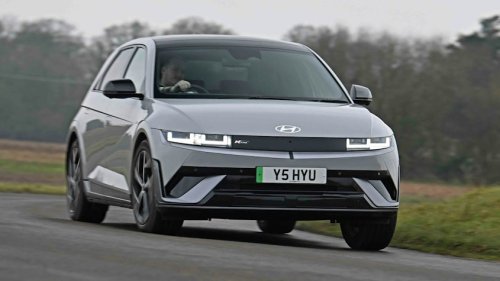
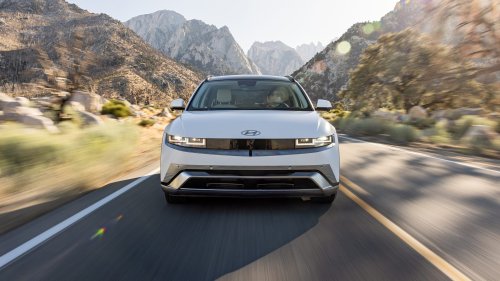
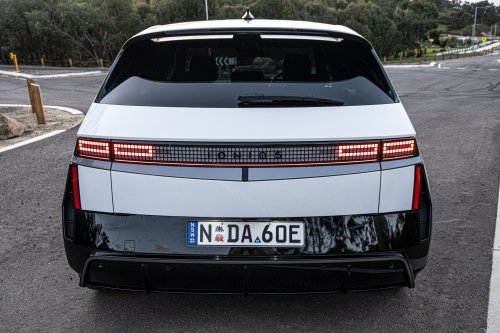
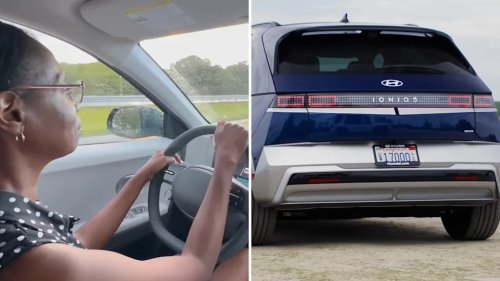
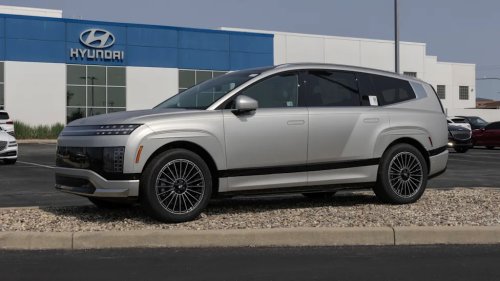
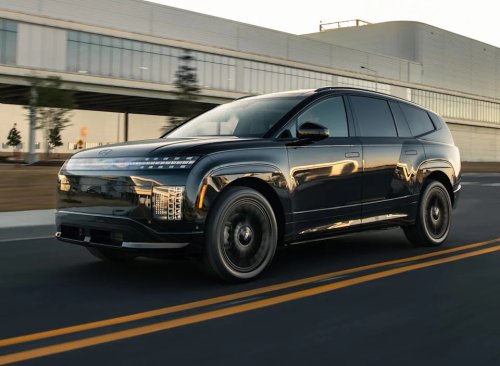
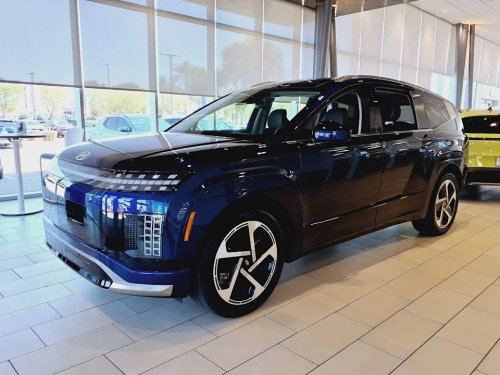
Should You Lease or Buy a Hyundai Ioniq 5?MotorTrendAffordable new EVs have been having a bit of a moment lately (at long last), spurred by the Chevrolet Bolt, Nissan Leaf, and the new Kia EV3—each with pricing clustered near $30K. All these new value options may have encouraged Tesla to cost-cut its Model 3 Standard rear-drive model down into the $30s. All these EV-value plays have also inspired some mighty attractive lease and purchase options for the 2023 MotorTrend SUV of the Year–winning Hyundai Ioniq 5. Its pricing for the 2027 model year starts between those entry models and the Tesla, but Hyundai has been offering aggressive deals for both leasing and buying. Which option makes the most sense for you?After the $7,500 Federal tax incentive expired, Hyundai slashed pricing of the Ioniq 5 by up to $10,000 depending on trim level, and the company has been offering attractive cash-purchase discounts, low-rate financing options, and discount lease deals. Let's review the various upsides.MotorTrendReasons to Lease an Ioniq 5Car loans finance the whole value of a car (less down payments and trade-in values). Recently, for example, on Hyundai's 2027 Ioniq 5 page, Hyundai was showing finance terms of $645 a month over 60 months at 1.9 percent interest with a $0 down payment (this, of course, is subject to change given your credit history and other factors).A lease payment is based primarily on the vehicle's depreciation during the lease term—the difference between its negotiated sales price and its predetermined residual value (plus finance charges, taxes, and fees). Financing this smaller amount typically results in a smaller monthly payment. At the same 2027 Ioniq 5 page, Hyundai was showing a two-year lease for $396 a month with $4,999 due at signing, with 12,000 miles a year of driving (the same stipulations and changes apply as with buying). Worth noting, you can probably get deals on outgoing 2026 Ioniq 5s or other, older off-lease models if you search.MotorTrendLeasing can make sense if:Your total annual driving won't exceed the lease-term mileageYou like driving the latest and greatest technologyYou feel most comfortable with a new-car warrantyYou fear fast-developing EV and battery technology might "obsolete" your new carLeasing CautionsJust note that the fine print on most leasing agreements limits the "customization" and accessorizing you can do to your car, and there's also a limit to the size and severity of minor dings and scratches when you turn it in. So if your garage is a car-door-ding zone, you might face bump-and-paint fees at the end of a lease that you'd be more than willing to overlook if you owned the car.William Walker - MotorTrendReasons to Buy an Ioniq 5When you purchase an SUV like the Ioniq 5, you build equity in the vehicle and eventually own an asset outright. This can make more sense for you if:Your job security is such that you can't guarantee your current commute will remain within a lease's annual mileage limitYou don't like having to learn an all-new car every few yearsYou like to make a car your own by adding styling flourishes or other enhancementsYou prefer to pay a car off and continue driving it (perhaps cadenced so a spouse's new car payment picks up when yours finishes) to extract the full value out of it over 7 to 10 years.Note that the math can change dramatically if fitting the purchase into your budget requires an extended-term (six- or seven-year) loan. The nature of the amortization schedule can greatly increase the likelihood that you end up "underwater" in the loan. That means owing more than the car is worth, which can be disastrous. For example, if your car gets totaled and the insurance value is substantially less than what you owe, you could end up making payments on a car you can't drive.This is highly unlikely to happen with leasing because the lease term requires collision insurance and typically includes a contractual guaranteed asset protection (GAP) waiver, stipulating that if the vehicle is totaled, the lessee's collision/comprehensive insurer pays the car's actual cash value, while the leasing company generally waives any remaining difference between that payment and the lease payoff. The waiver protects against the car's negative equity, but the lessee may still have to pay deductibles, unpaid charges, excess mileage, wear—and, of course, any capital payment money paid at signing is forfeited.MotorTrendHyundai "Underwater?"Attractive lease deals often get written with generous, overly optimistic residual values that make it utterly disadvantageous to buy "your car" out from a lease. There is some evidence that this has been going on with Hyundai Ioniq 5 leases, according to the car financing company Lease End, which helps buyers purchase their car at the end of a lease. It reports that while the vast majority of Hyundai lease buyouts featured cars that were worth more than their agreed-upon residual value, many Ioniq 5 leases coming through the company are ending with negative equity, thanks to falling used-EV prices, Hyundai's subsequent MSRP reductions, and the aggressive lease incentives that made new Ioniq 5s cheaper when those leases were written.In most cases, buyers facing substantial negative equity are better served by returning the car and shopping for an equivalent used example—provided its buyout price exceeds its market value by more than any return, mileage, or wear charges. But what to do at the end of a lease is a whole other topic.William Walker - MotorTrendIn Summary: It Depends on Your NeedsThe short version: Lease the Ioniq 5 if you value a low near-term outlay, drive within the mileage allowance, and want to hand the residual-value risk back to Hyundai's finance arm. Buy it if you drive a lot, plan to keep it well beyond the loan term, and/or can take advantage of 0 percent financing without stretching the loan too far. At lease end, don't assume that the advertised residual value is a fair price; obtain the actual buyout quote, compare it with real market values for that specific trim and mileage, and include all taxes and fees. If the buyout is thousands above market value, return the car. If the figures are close—or you intend to keep it for many years—the buyout may make sense.




















 +73 others







































![Hyundai is testing a smaller EV — could it be the IONIQ 4? [Video]](https://cdn.topcarnews.net/thumb/id/aHR0cHM6Ly9pMC53cC5jb20vZWxlY3Ry-ZWsuY28vd3AtY29udGVudC91cGxvYWRz-L3NpdGVzLzMvMjAyNi8wMi9IeXVuZGFp-LUlPTklRLTEtRVYtZnJvbnQuanBlZz93-PTE1MDAmYW1wO3F1YWxpdHk9ODImYW1w-O3N0cmlwPWFsbCZhbXA7c3NsPTE/62d7459438201b3f1399106554e467d7.jpeg?t=20261008&post_id=68203)