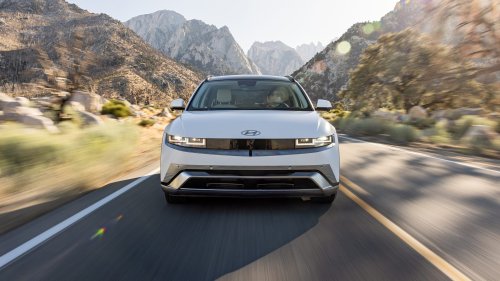
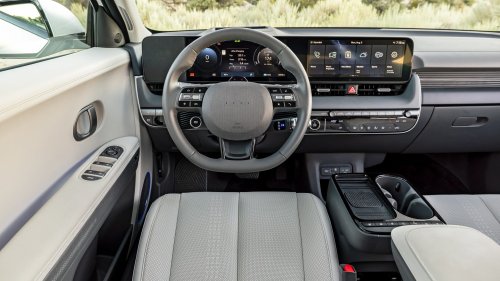
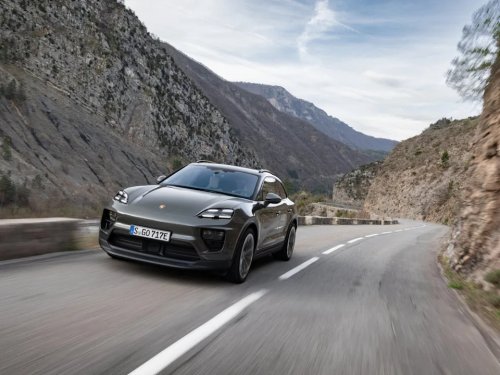
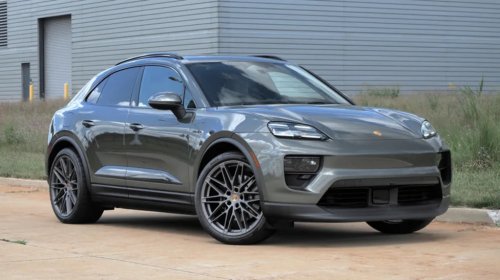
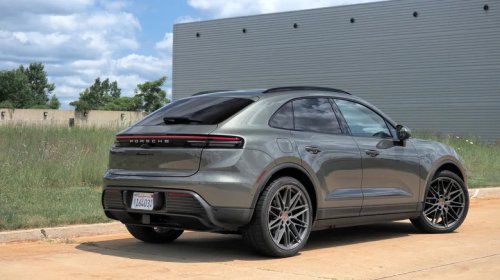
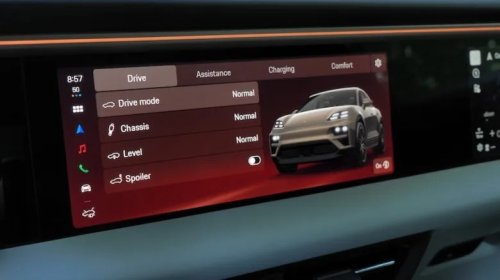
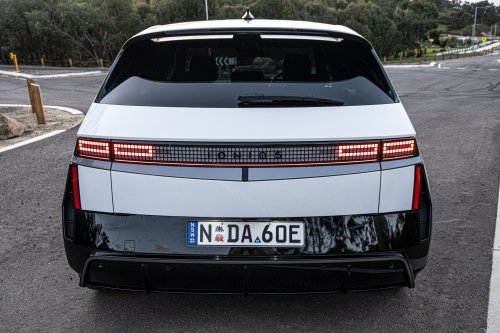
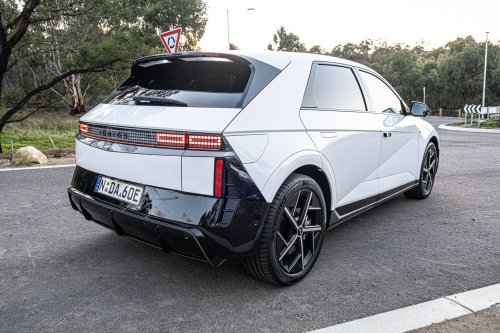
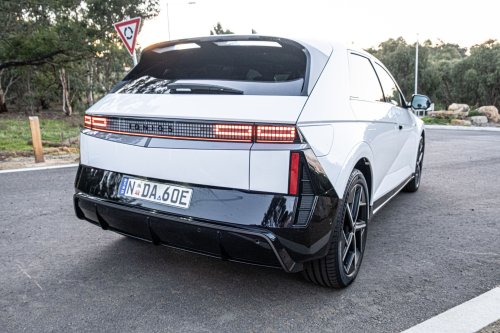
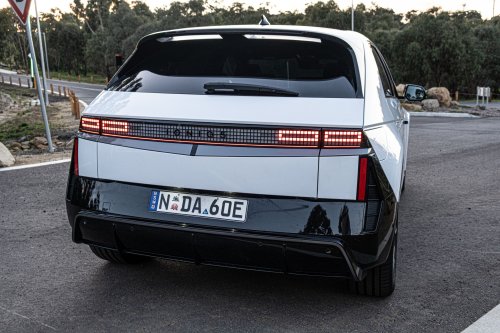
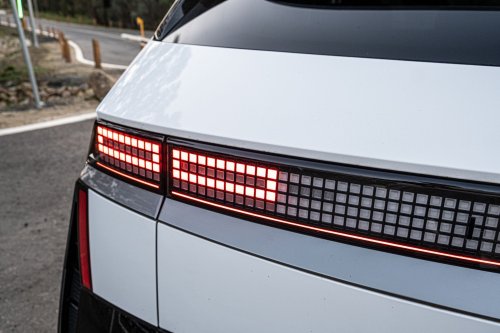
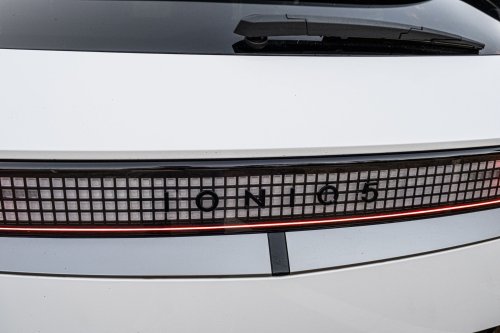
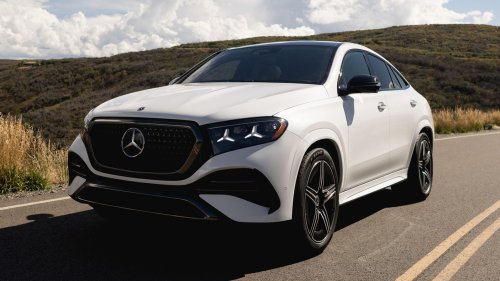
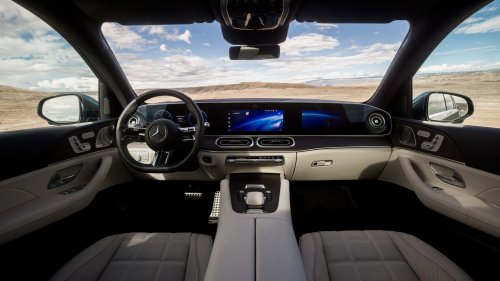
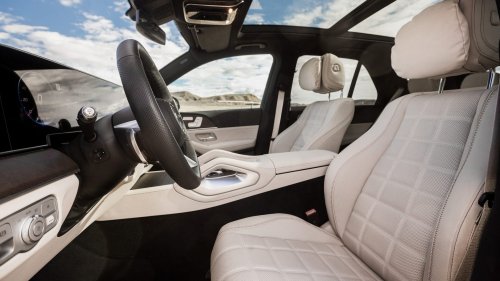
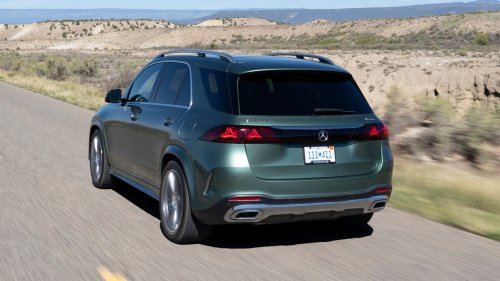
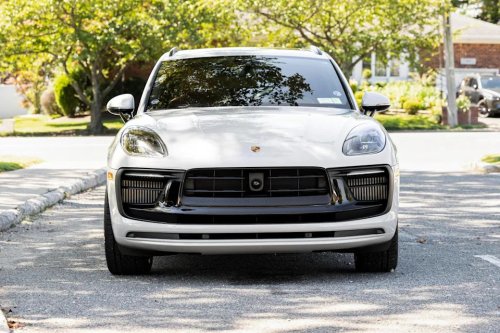
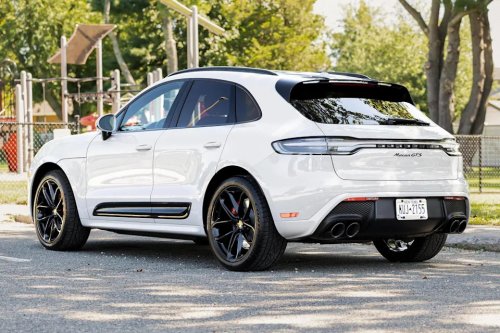
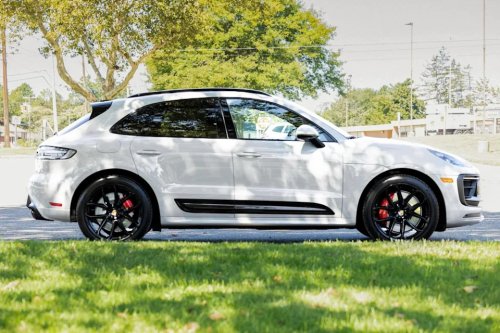
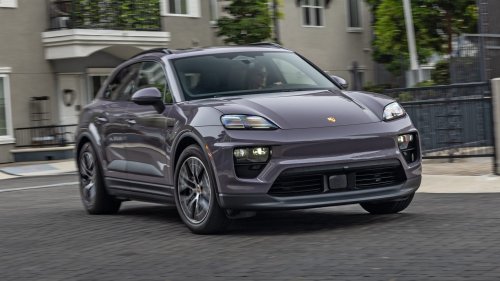
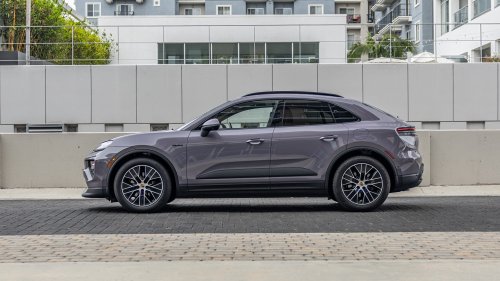
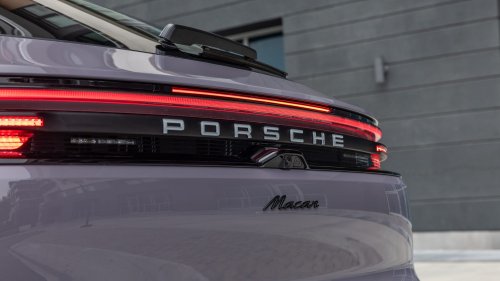
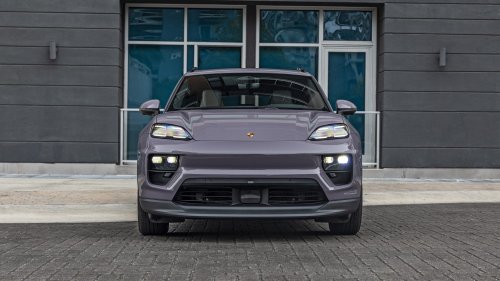
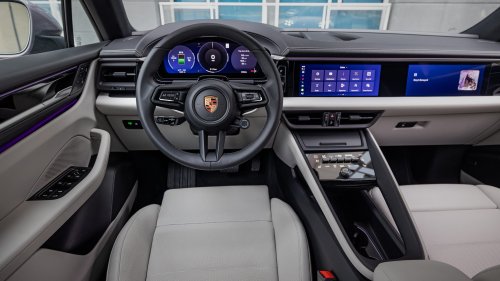
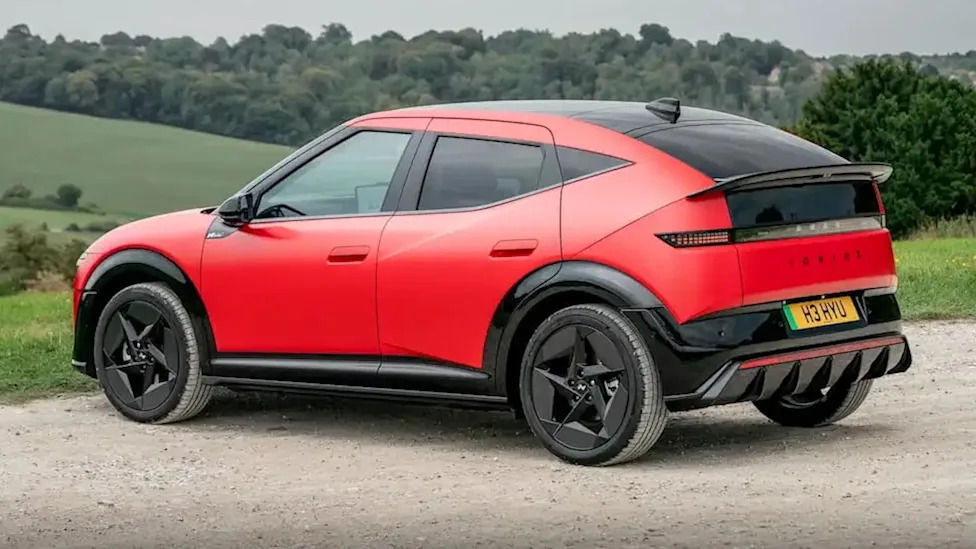
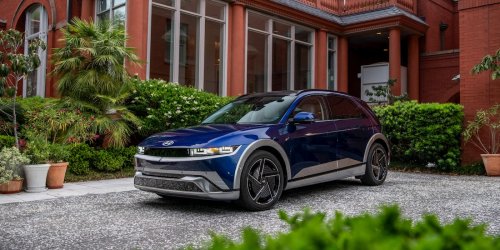
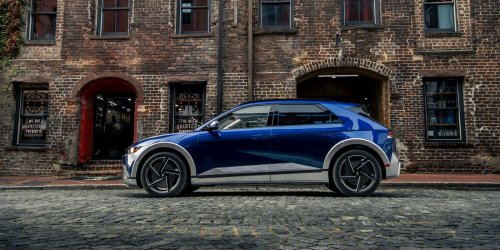
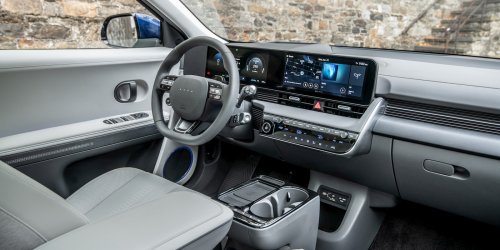
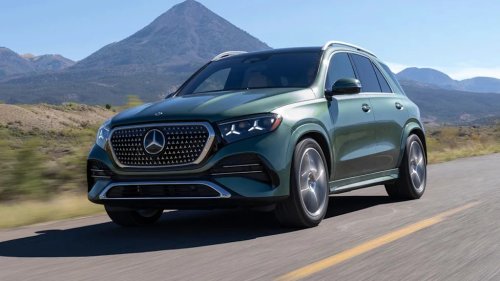
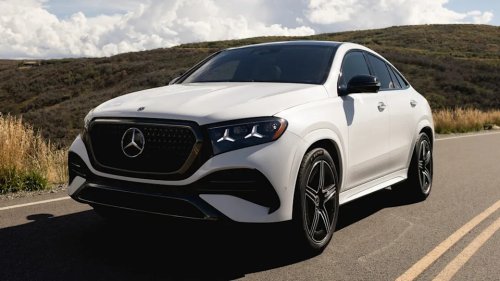
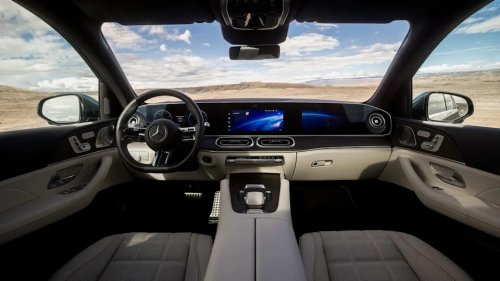
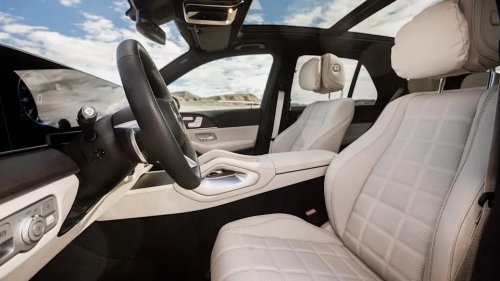
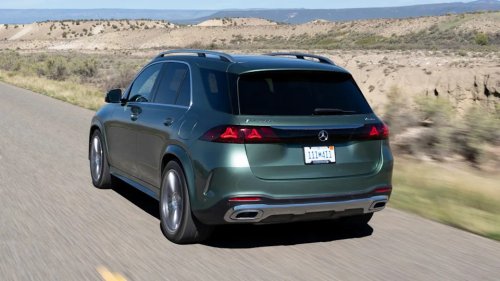
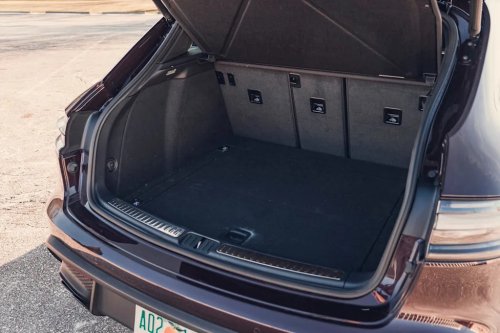
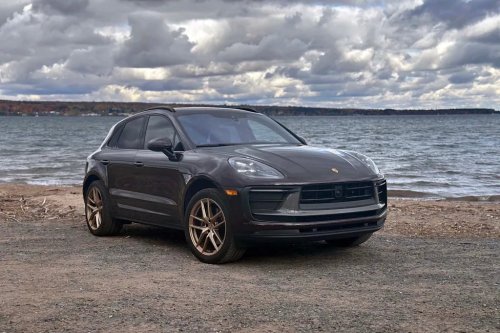
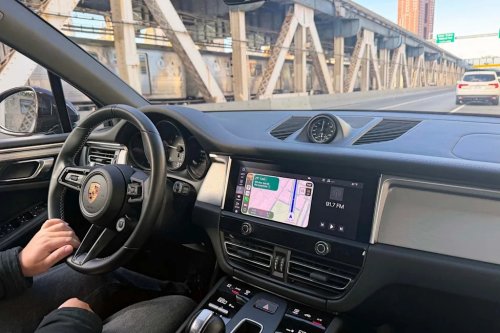
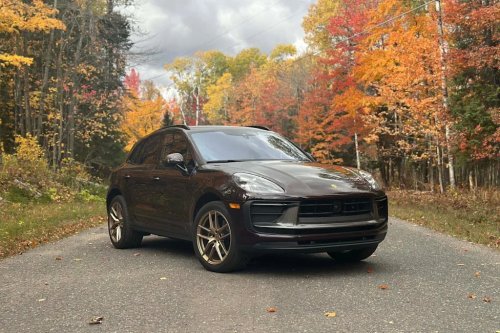
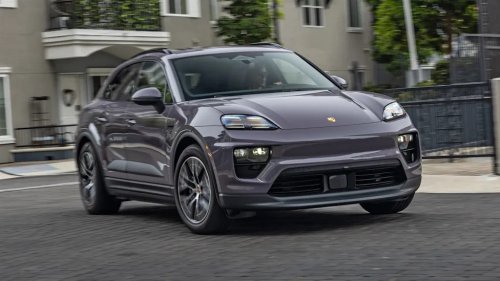
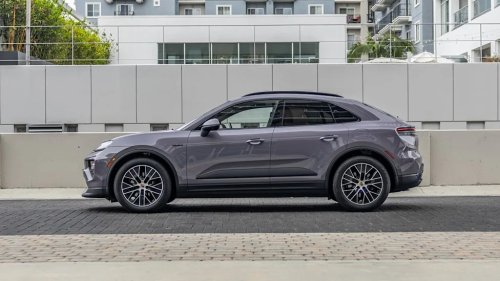
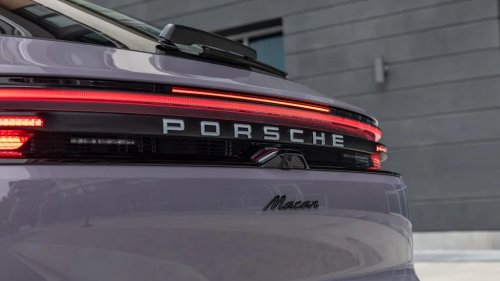
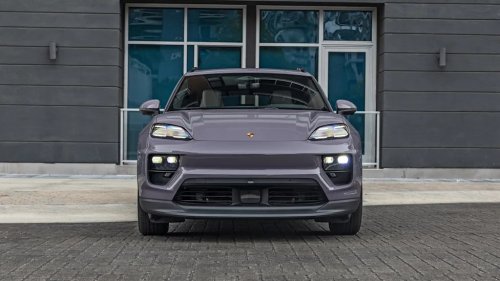
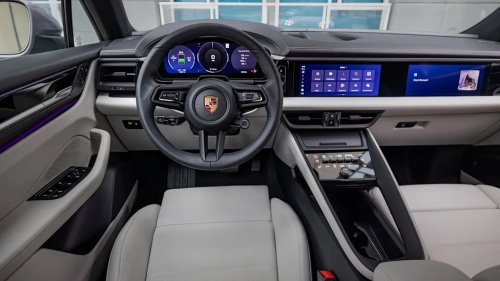
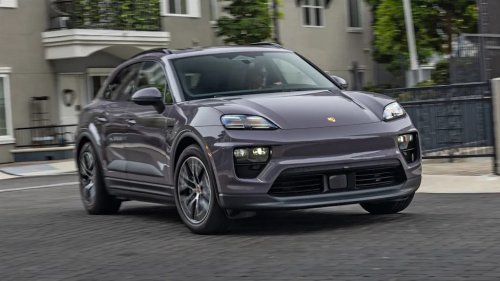
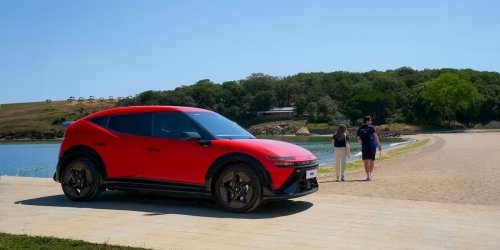
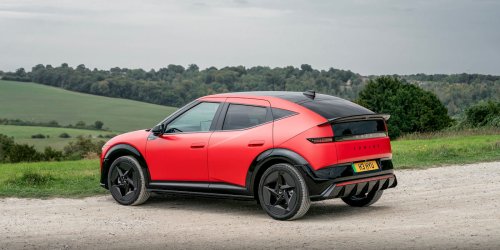
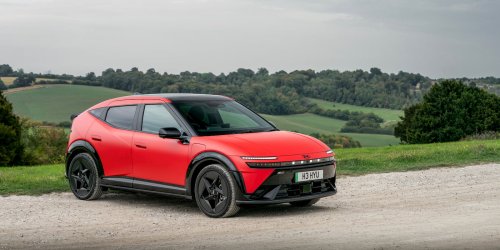
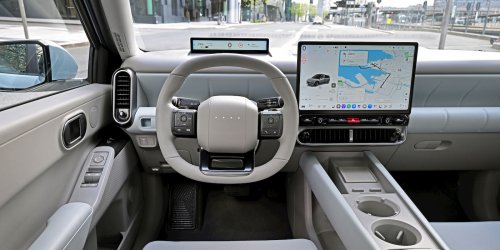
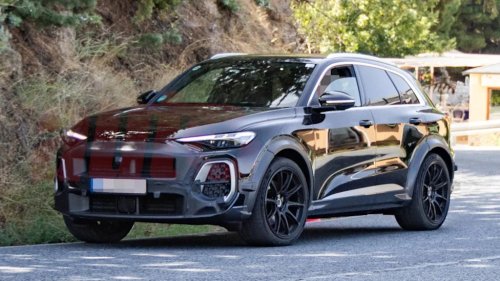
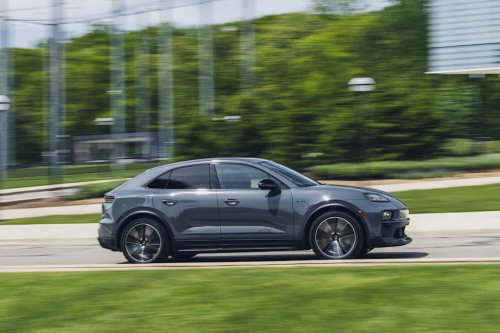
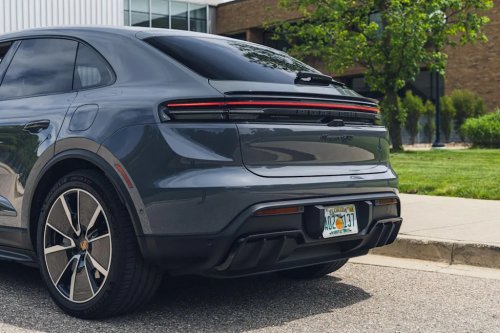
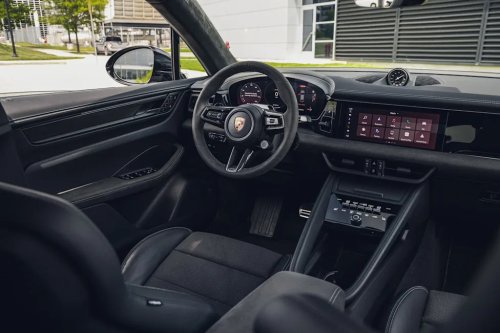
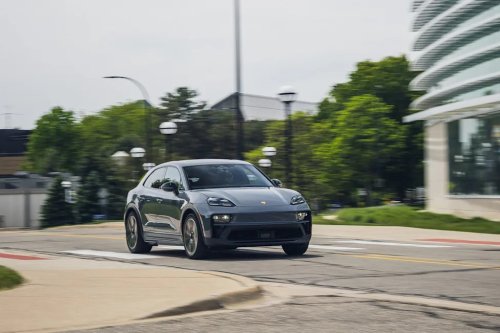
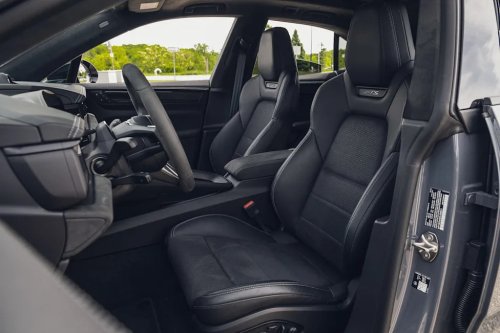
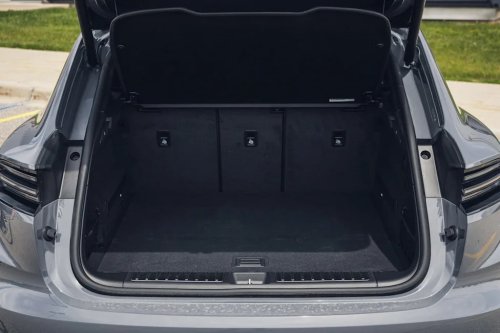
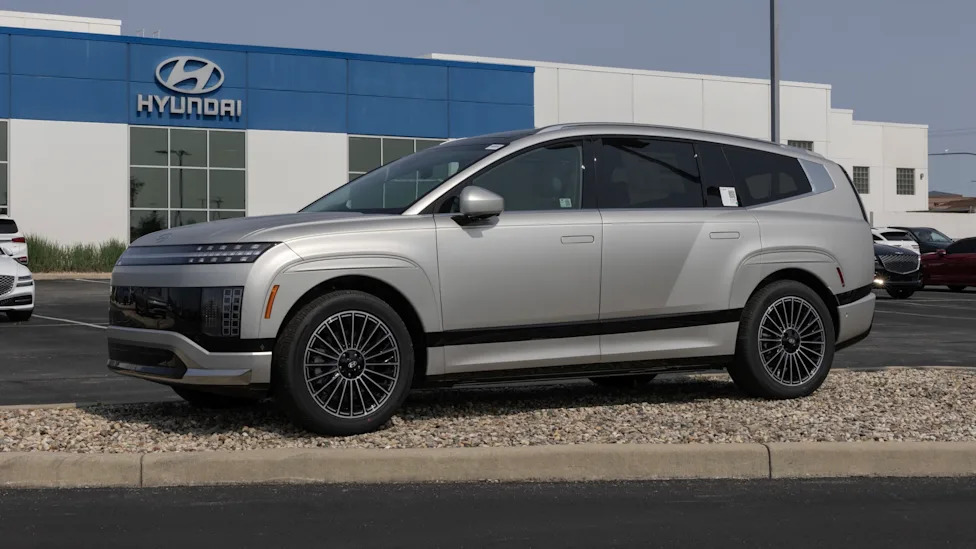
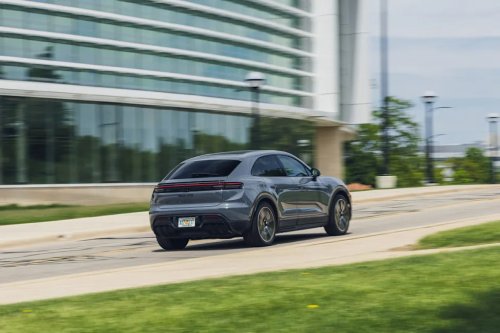
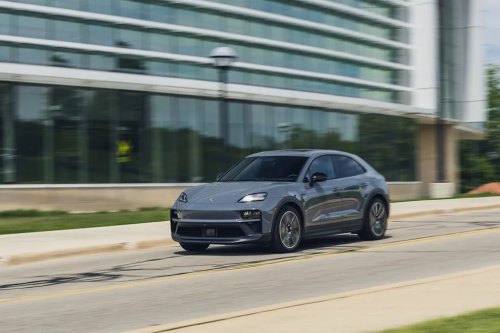
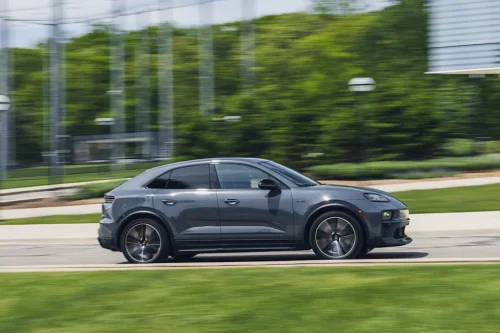
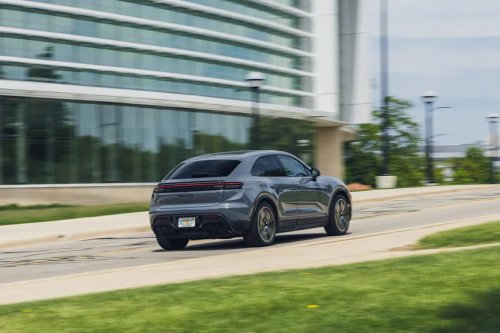
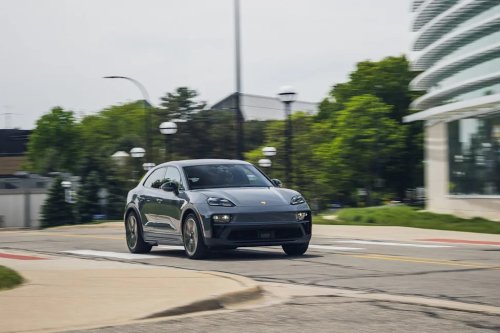
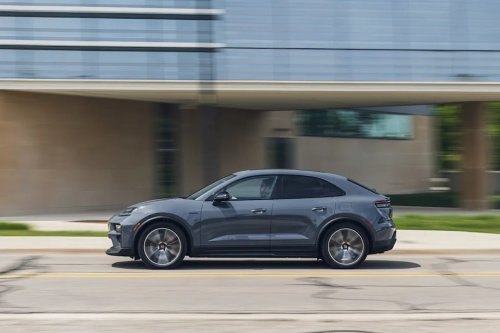
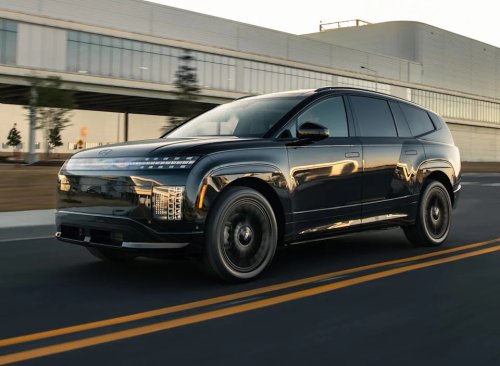
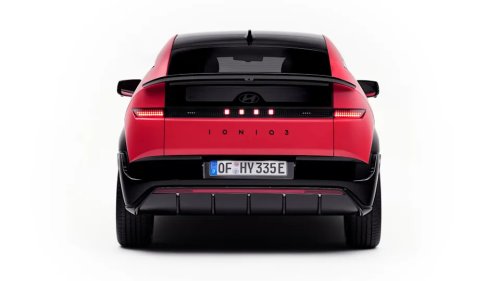
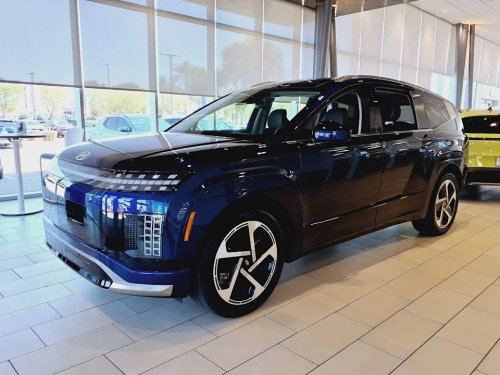
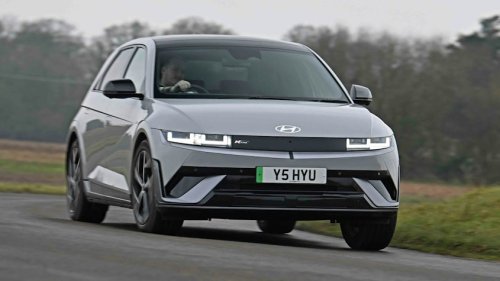
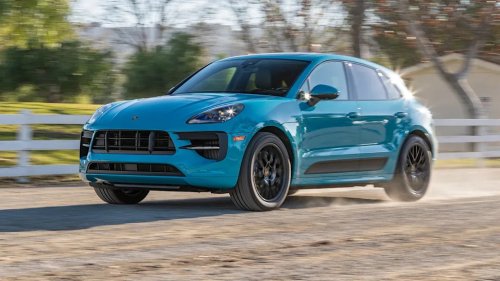
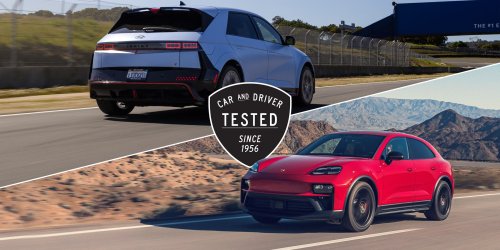
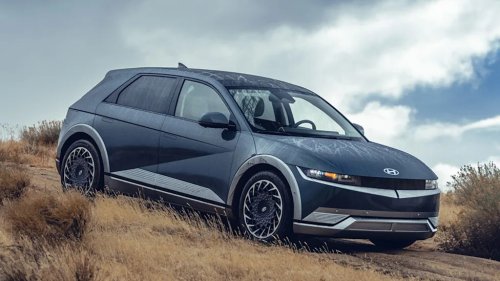
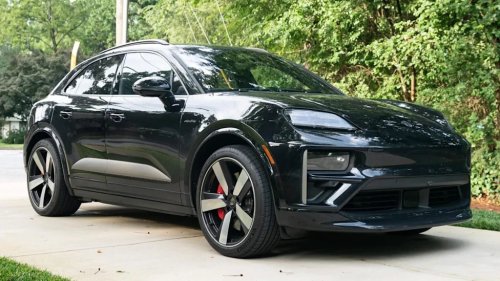
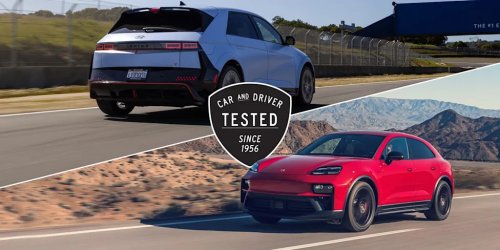
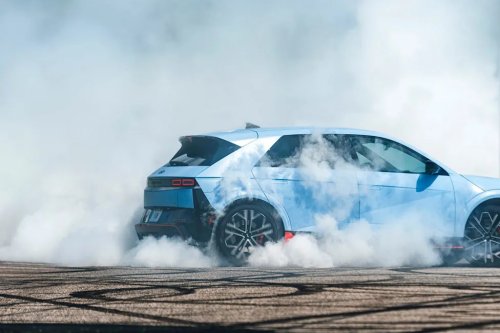
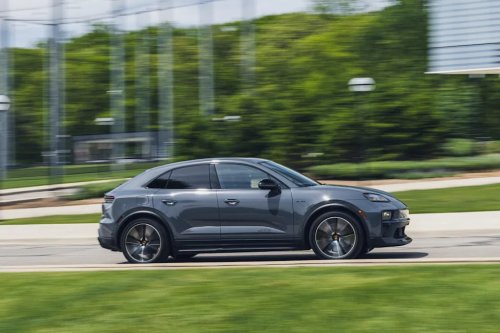
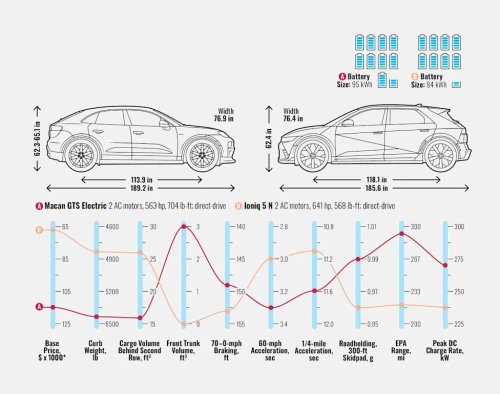
Tested: Macan GTS EV vs. Ioniq 5 NCar and DriverHere's how the Porsche Macan GTS Electric and Hyundai Ioniq 5 N stack up based on our observed test numbers.The Porsche offers more range, faster charging, more grip, and better braking, but the Ioniq 5 N provides quicker acceleration and a lower curb weight at a much lower price.Both models offer a practical format and performance normally restricted to esteemed sports cars, though the Hyundai does it for $61,550, while Porsche charges $107,650.Welcome to Car and Driver's Testing Hub, where we zoom in on the test numbers. We've been pushing vehicles to their limits since 1956 to provide objective data to bolster our subjective impressions (you can see how we test here).Performance electric SUVs are a relatively new but growing segment in the automotive world. Two examples that might not often get thrown into the same conversation are the Porsche Macan GTS Electric and the Hyundai Ioniq 5 N. They're comparably sized and offer similar performance, but their price tags have a lot of daylight between them.Marc Urbano - Car and DriverNow that we've tested both models, we got curious about how the two performance SUVs stack up against one another. Using our own testing data, how does the $107,650 Macan GTS Electric fare when positioned alongside the $61,550 Ioniq 5 N?AdvertisementAdvertisementStarting with the metrics we all really care about, the Hyundai generates an impressive 641 horsepower and tipped our scales at a healthy 4849 pounds, meaning it clocks in at 7.6 pounds per horsepower. The Porsche produces 563 ponies and graced our scales at a more robust 5426 pounds, meaning the German carries 9.3 pounds per horsepower.Michael Simari - Car and DriverWhen the rubber meets the road, that difference in power-to-weight is enough for the 5 N to walk away from the GTS. The Hyundai launches to 60 mph in 3.0 seconds flat, while the Porsche requires three more tenths. Stretch the race to a quarter-mile, and the gap widens, with the 5 N breaking the tape in 11.1 seconds, and the Porsche in 11.6.Turn the wheel, or mash the brakes, and the Porsche earns a bit of its cred back. Despite its heavier curb weight, the Macan's 15.7-inch vented front discs stop the car from 70 mph in just 148 feet. The Hyundai, with its equal-diameter front rotors, required 153 feet. While neither can match true sports cars for grip, they're no slouches on the skidpad. The Porsche, with its optional Pirelli P Zero Corsa PZC4 tires, managed 0.99 g of grip before giving way, while the Hyundai, with its Pirelli P Zero PZ4 Elect tires, managed 0.96 g. (Although when wearing Michelin Pilot Sport EV tires, which are more comparable to what's on the Ioniq 5 N, the Macan pulled 0.94 g.)Car and DriverThe head-to-head matchup remains a toss-up when looking at the less exciting data. The Macan comes with a larger battery, 95 kWh vs. 84 kWh, and provides considerably more EPA range from a full charge: 294 miles vs. 221 miles. That gap is even larger in our 75-mph highway-range test, where the Macan managed an impressive 290 miles to the Ioniq 5 N's 190 miles. The Porsche is the quicker charger of the two, as well. We recorded an average DC fast-charge rate of 148 kW during our 10–90 percent test of the Porsche, and an average of 129 kW during the same test of the Hyundai. Despite its larger footprint, the Macan has less practical storage space, with just 17 cubic feet of storage behind its rear seats versus 26 cubic feet for the Ioniq 5 N.AdvertisementAdvertisementIf you're interested in a larger, even more ridiculously capable electric SUV from Porsche, check out the Cayenne Turbo Electric, which is the quickest and highest-grip SUV, plus the fastest-charging EV we've ever tested. At our recent 0-150-0 test, it was neck and neck with a McLaren 750S.➡️ Skip the lot. Let Car and Driver help you find your next car.Shop New Cars Shop Used CarsYou Might Also LikeGift Guide: Best Ride-On Electric Cars for KidsFuture Cars Worth Waiting For: 2025–2029



















 +29 others