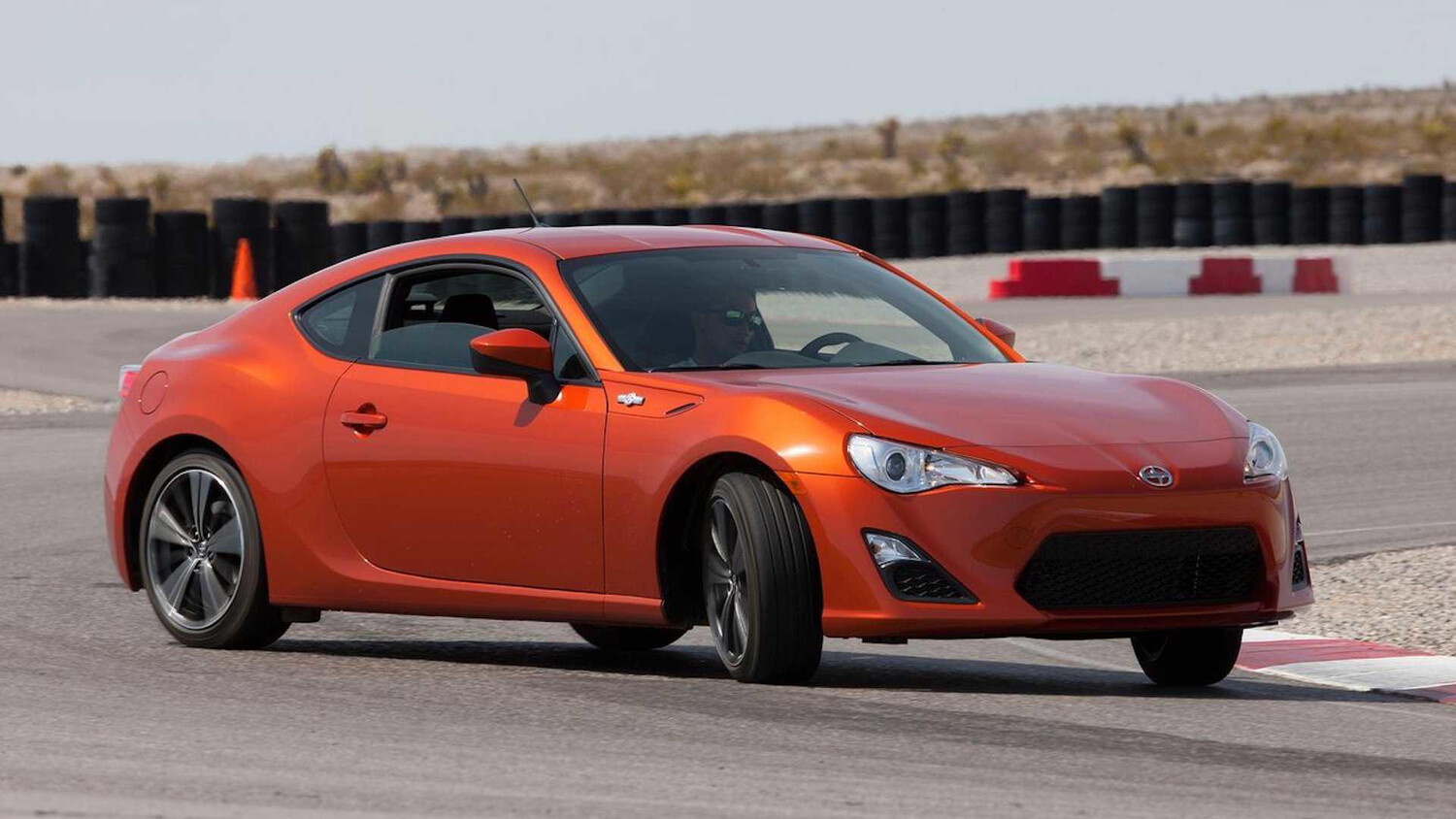
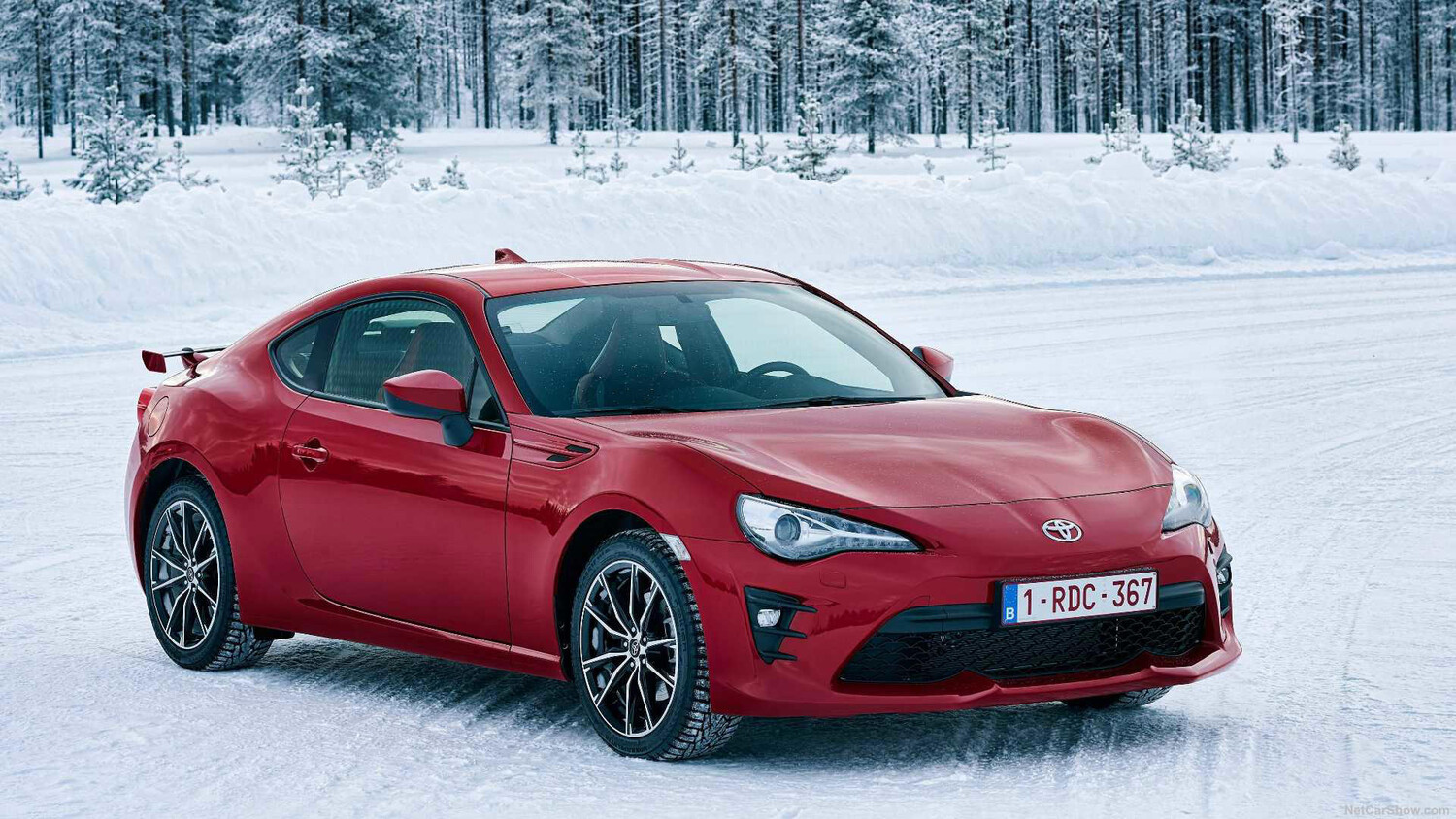
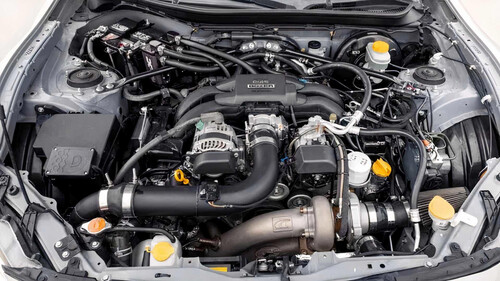
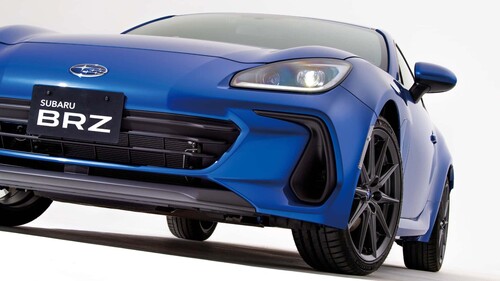
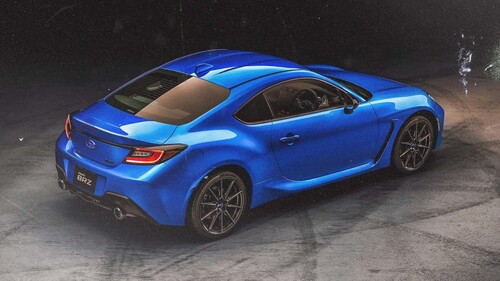
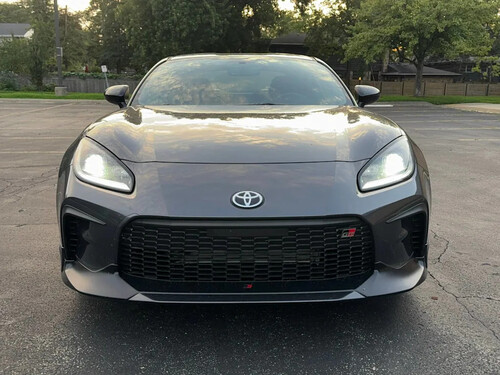
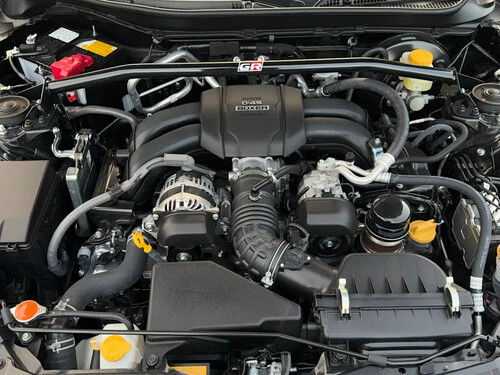
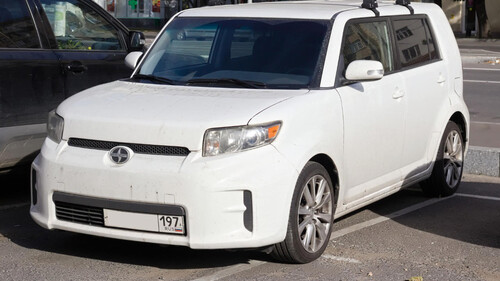
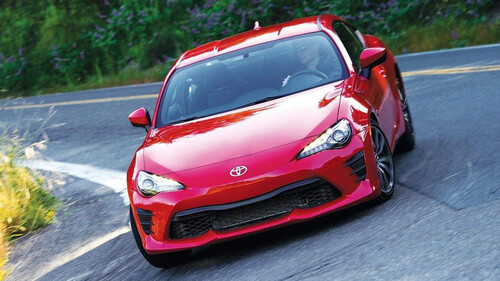
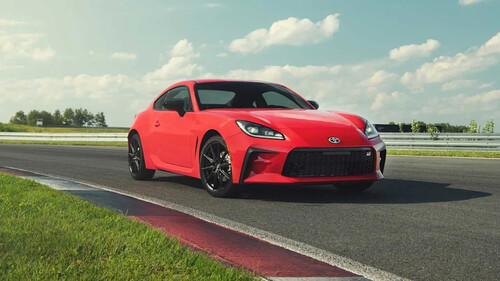
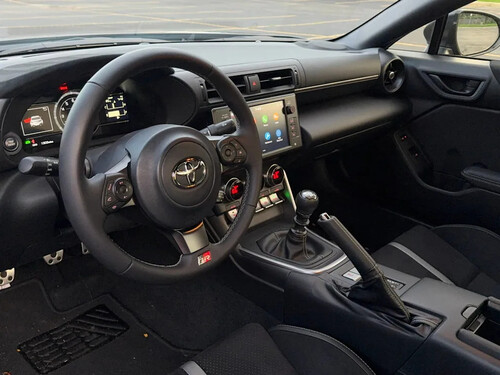
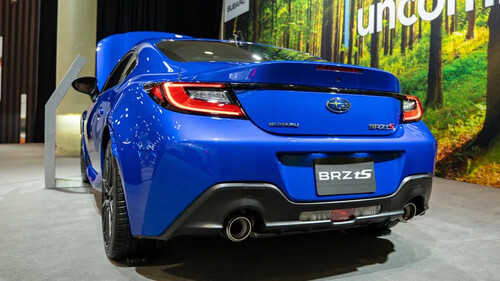
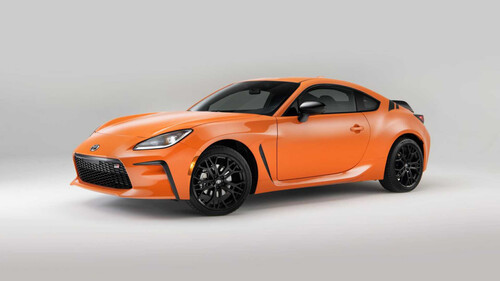
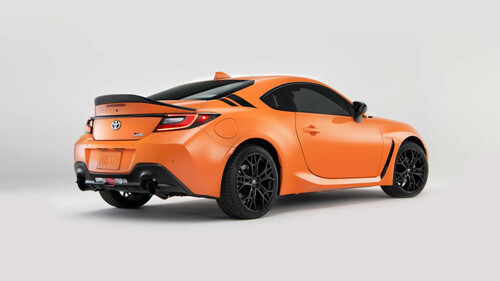
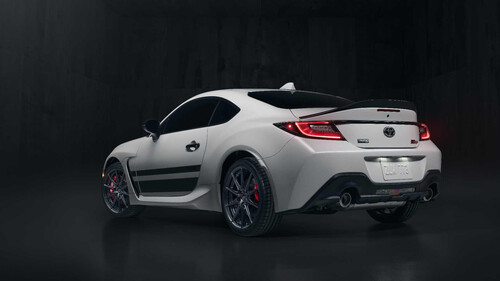
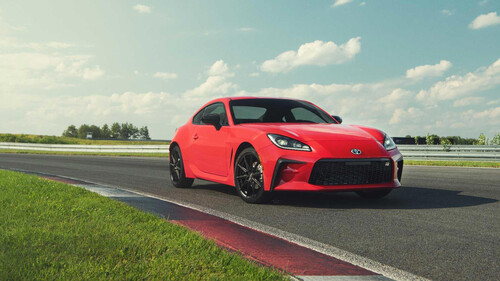
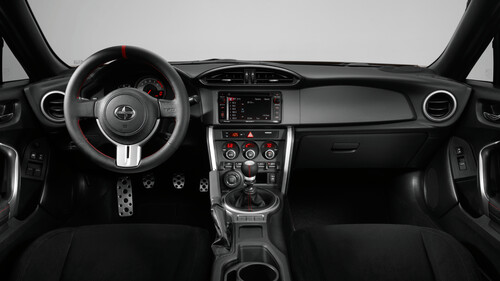
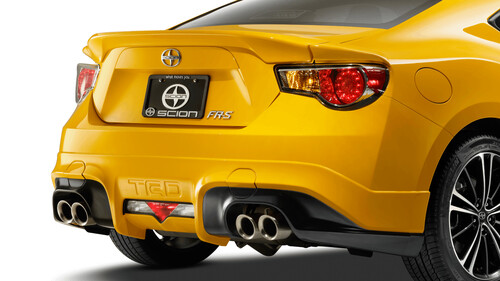
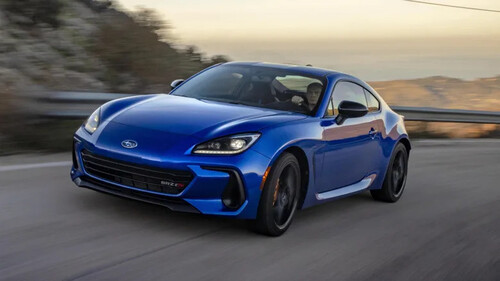
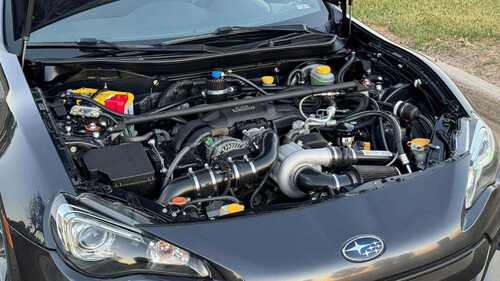
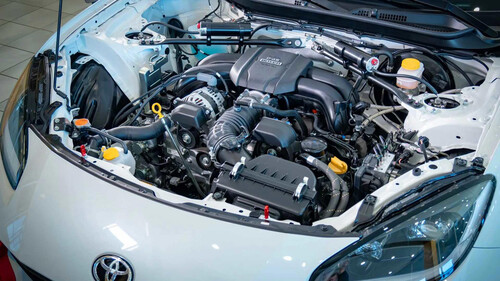
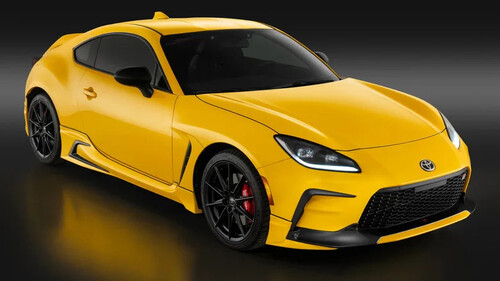
Although some say the compact sports car market is on its final breath, the Toyota GR86 and Subaru BRZ live on to provide one of the most engaging packages across the whole market.With a focus on low weight, a free-revving boxer engine plus rear-wheel drive, the recipe continues to be one we fall for each and every time we get behind the wheel.Yet, for almost a third of the cost, we think there’s a bargain alternative to be had, and one that’s very close to home. Scion FR-S and Subaru BRZ ToyotaBefore the GR86 and BRZ, there was the Scion FR-S and… Subaru BRZ. Yeah, that was an obvious one.Introduced in 2012, the first generation of the affectionately known Toyobaru twins served a market that had begun to be underserved. An affordable, small, rear-driven coupe designed by, and for, enthusiasts.The FR-S and BRZ were a result of a co-development between Toyota and Subaru, predominantly leveraging the funding and product planning of the former, with engineering and manufacturing handled largely by the latter.Under the hood was a 2.0-liter naturally-aspirated four-cylinder boxer engine, codenamed FA20, producing 200 hp and 151 lb ft of torque. Helping to manage power at the rear axle (and allow for controlled slides) was a standard-fit Torsen limited-slip differential, while buyers had the choice of a six-speed manual or automatic gearbox.Its lightweight unibody chassis and use of an aluminum hood kept its weight at around 2,800 lbs (depending on spec), helping to make use of its free-revving powertrain. MacPherson struts for the front suspension and double-wishbones at the rear rounded out the enthusiast credentials. How Much Are They Worth, And Which Should I Go For? Subaru At launch in 2012, both the Scion FRS and Subaru BRZ retailed for close to $25,000. Differences between the two were few and far between, although the FR-S was sold as a single base-level trim initially (as it focused on keeping costs low), while the BRZ was available with a slightly higher level of equipment for a higher cost.Mechanically, they were identical, with the only notable difference being spring rates. The FR-S had a slightly stiffer setup from the factory than the BRZ, but the differences were only obvious if you drove both cars back-to-back, and even then, it was a minute change at best. Really, picking between the two will come down to budget, availability, and whichever bumpers you like more.Today, the Scion FR-S can be found for under $10,000, with the average market rate close to $12,000. The BRZ has held stronger values generally, commanding closer to $16,000 across the board, though that includes higher specification models. Plenty of special edition models were offered, including a pair of Scion Release Series limited-editions, which generally command higher prices. Worth it for Yuzu yellow? We think so. What About The Toyota 86? Toyota In 2016, Toyota ended its sales of Scion models, and that led to a rebrand for the FR-S. It became the Toyota 86 for the 2017 model year, bringing it in line with the JDM model and European GT86, alongside an extensive refresh for both it and the Subaru BRZ.Both models had a light redesign with fresh bumpers, head- and tail lights and some interior upgrades. The gauge cluster received a new LCD display, a smaller-diameter steering wheel with audio controls was fitted, and a shorter final drive for manual-equipped models to improve in-gear acceleration.Those models remained on sale until the 2022 model year, when they made way for the GR86 and second-generation BRZ as direct replacements. Expect to pay a notable premium for these models compared with the FRS and pre-facelift BRZ, owing to higher equipment levels and generally much younger ages. $17,000 is a rough average ballpark, although again, numerous special editions existed and command high asking prices. What Mods Should I Do? Subaru From the get-go, the Scion FR-S and Subaru BRZ were pitched both as pure sports cars and a platform for enthusiasts to go wild with modifications. The result is a deep, rich aftermarket with plenty of routes you can go down.If you want to make some light adjustments, the first upgrade you should look at is tires. From the factory, both models came with low-grip Michelin Primacy HP tires.From there, the only real limitation is your imagination. Numerous forced induction kits, engine swaps, extensive engine rebuilds, and everything in-between have been covered by the aftermarket, so there’s plenty of support out there, no matter the type of build you’re looking for.See also the huge range of visual modifications, from subtle manufacturer-sold TRD accessories to bonkers widebody conversions from the likes of Rocket Bunny and Liberty Walk. The platform can be anything you want it to be, honestly. Reliability And Common Problems Scion If the Scion FR-S and Subaru BRZ are left stock, both are generally very reliable vehicles. The biggest concern was a valve spring recall for models built in 2012 and 2013, which was covered by the manufacturer for free on affected vehicles.We’d recommend checking if an example you’re looking at has had this work done already with paperwork to prove it, as defective models could suffer from a total engine failure if left unattended. At this stage, we’d expect the vast majority of cars in the 2012 and 2013 model years to have had this work done already.Provided maintenance has been done routinely, the FA20 engine shouldn’t give you any major problems. High oil consumption is one of its drawbacks, though, so we’d keep an eye on that dipstick regularly, while road bearing failures aren’t unheard of on poorly maintained vehicles.While the FA20 was a strong engine from the factory, the oil pump is something widely noted as being a must-upgrade item if you’re going down the route of more power. The factory pump is quite restrictive, causing poor pressure and flow, leading to common failures. There are several options out there from the aftermarket to remedy this.As for the chassis and bodywork, front and rear subframes are worth checking out as they are prone to rust, but otherwise, there’s little to worry about. That said, given that the FR-S and BRZ encourage drifting, we’d be extra careful to look for crash damage and repairs.Sources: Toyota, Subaru