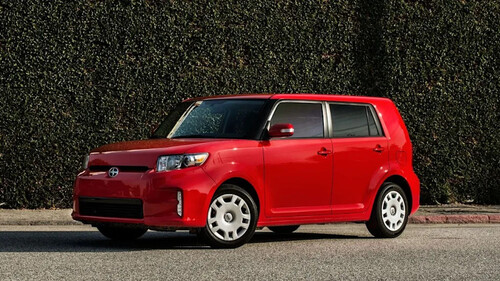
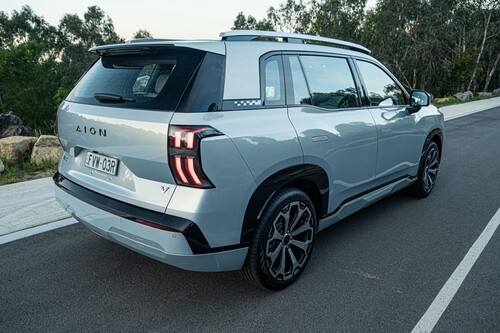
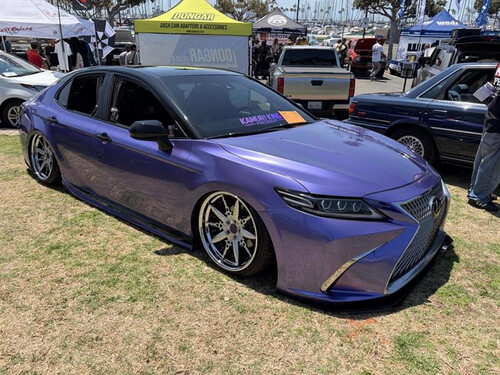
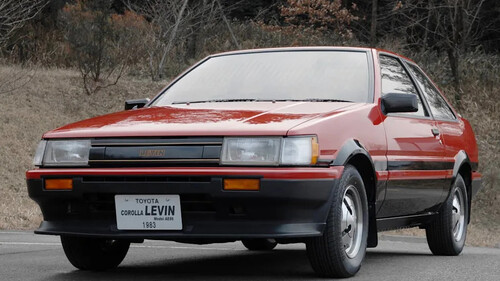
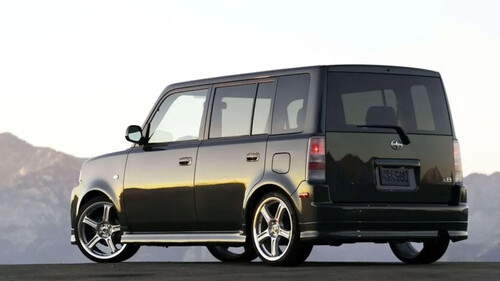
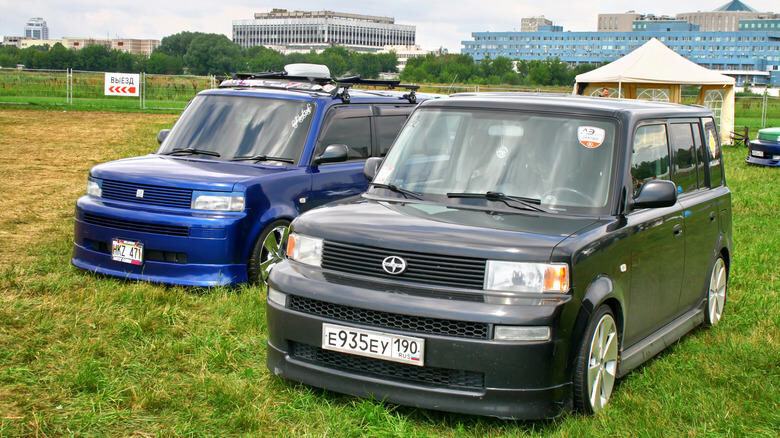
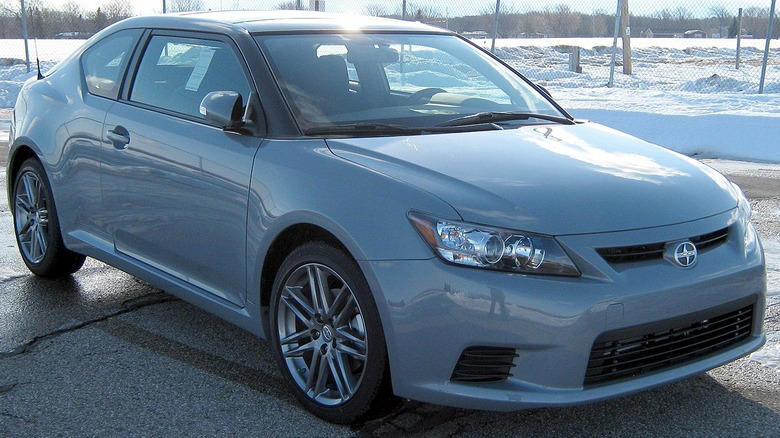
Claire Girard · 7 months ago@clairegirard38Why did Toyota make the Scion brand? The company's history, explained Liked by+22 othersFortune 500MoneyPost commentRelated PostsThe Reasons Why The Affordable Toyota Echo Was A Total Flop 80 · Ava Poirier · 3 months agoUsed Versions Of This Popular Toyota SUV Are Listed 16% Above New MSRPMason Wilson · 13 days agoReddit users challenge each other to find the most obscure cars for less than $5,000 in their area 48 · Connor Walker · 3 months ago5 New Family Minivans Ranked From Best To Worst IIHS Safety RatingsMorgan Harris · 13 days agoOne Of The Cheapest, Most Reliable Used Toyotas Doesn't Wear A Toyota Badge 78 · William Pelletier · 4 months agoHyundai Tucson Resale Value: How Much Has The Compact SUV Depreciated?Zoë Hall · 13 days ago5 forgotten American brands enthusiasts still miss today 81 · Ryan Morgan · 4 months ago7 Cars With Lease Deals That Cost Less Than $300 Per MonthGabriel Côté · 13 days agoAt $45,500, is this manual-equipped 2016 Chevy SS a super steal? 57 · Emma Harris · 4 months agoGeorgia Wrongful-Death Suit Goes After the Dealer, the Installer and the Maker of a Six-Inch F-150 LiftCaleb Roy · 13 days ago8 Discontinued Cars That Are Still Easy To Own Used 94 · Evan White · 4 months agoThe GAC Aion V Looks Odd But Is Incredible Value | ReviewAudrey Nelson · 13 days ago9 Affordable Car Brands We Wish Would Make A Comeback 45 · Henry Mitchell · 4 months agoCar Prices Are Near $50,000, but Buyers Keep Returning to These BrandsParker Hill · 14 days agoAt $4,999, is buying this 2012 Scion iQ the smart thing to do? 84 · Morgan Young · 4 months agoAmerica’s Only True Crossover Convertible Was an Absolute FlopVictoria Bouchard · 14 days ago30th annual Toyotafest shows even Camrys can be cool 70 · Thomas Wilson · 4 months agoToyota Almost Renamed the Corolla, Then One Engineer Rebuilt ItEvan Anderson · 14 days agoThis is How The Toyota AE86 Accidentally Started Everyone's Obsession with Drifting 11 · Ethan Turner · 5 months ago7 Used Midsize Pickup Trucks You Can Get For Under $30KLeo Côté · 14 days ago



 +22 others