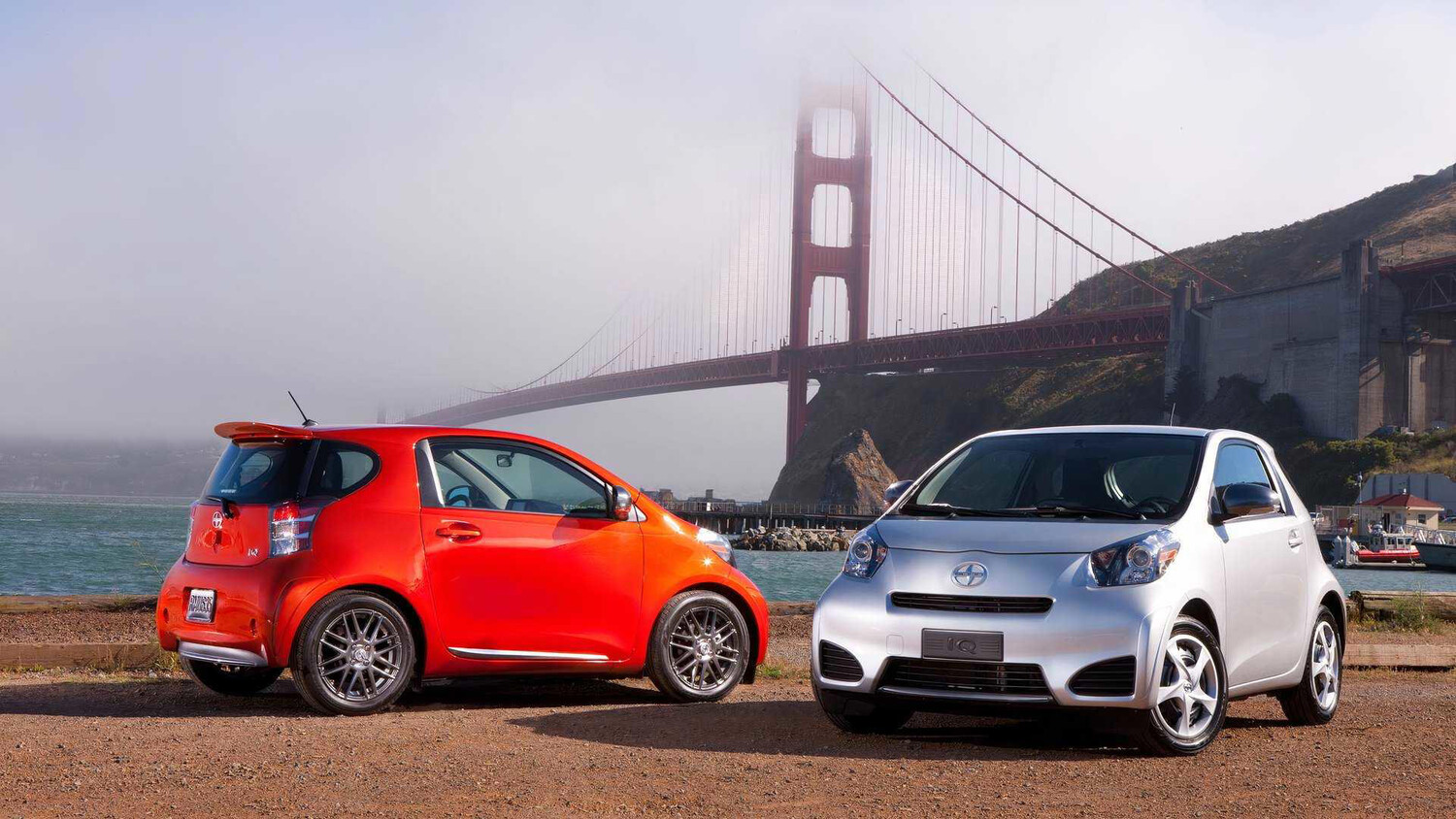
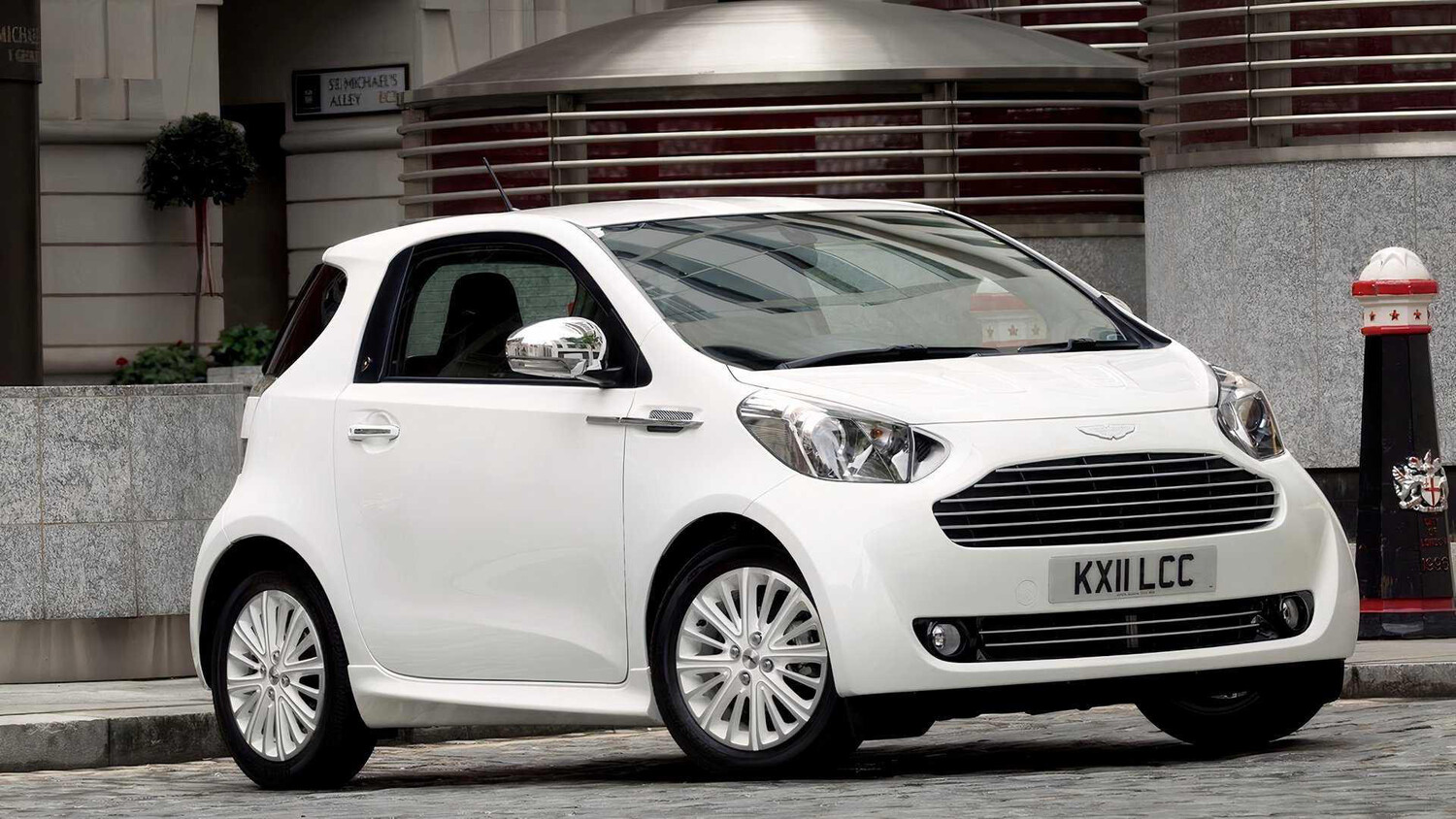
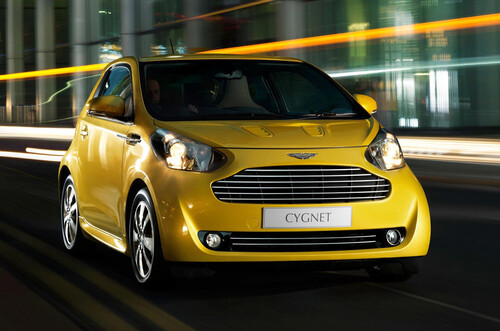
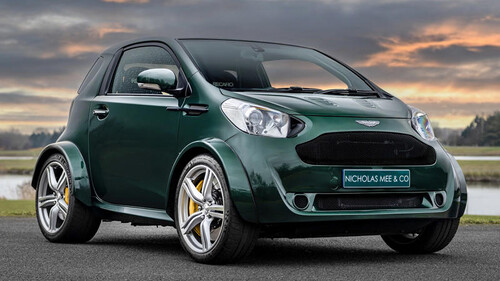
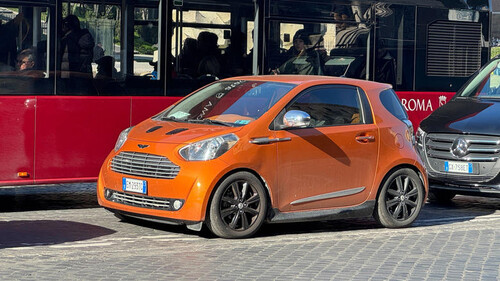
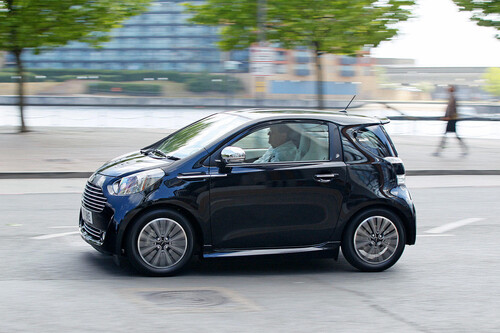
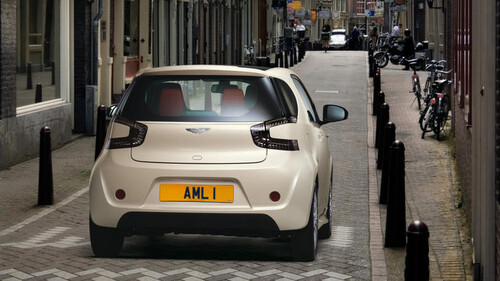
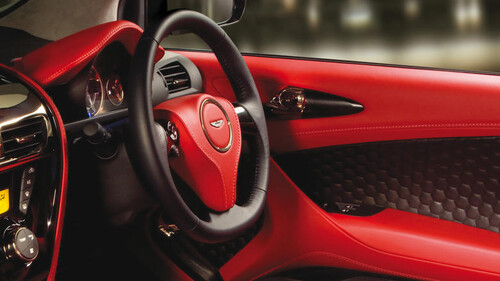
Jump LinksToyota's City Car Featured Fascinating Engineering ApproachesWhat Makes The Scion iQ So SmartToyota's Efficient City Car Wasn't The Fastest AroundToyota has always worked to be at the forefront of addressing the various issues facing the automotive industry worldwide, with a particular focus on reducing the environmental damage our beloved metal cans cause. Take a look at the Prius as a good example: it was one of the first mass-produced hybrid cars that reduced fuel consumption across a range of journeys.Toyota revealed its odd take on the city car, called the iQ, in 2008. Having decided to address the rising issues of congestion and emissions in busy cities, the marque developed an ultra-compact machine that was more practical than you might realize at first glance. While it ultimately failed to make much of a mark in sales, the iQ remains one of the most intelligently designed cars ever built.This piece explores the technical makeup and used value of the 2012-2015 Scion iQ, and why it features one of the smartest designs of any car on the planet. We also looked at its badge-engineered sibling, which is worth a relative fortune in 2026. The iQ's Cabin Was Painstakingly Designed To Make The Most Of Its Small Footprint ScionToyota's idea was to make a four-seater city car that was as small as it could get away with. The company felt that as long as you could fit four people within its confines, then two key criteria would be met. Firstly, the iQ was small enough to help reduce the amount of congestion and allow more cars to inhabit an area at the same time. Secondly, having the ability to squeeze four folks inside would mean that carpooling would remain possible.The brand's engineers had to rethink the strategy they usually took when designing a new car, with the iQ featuring some of the most innovative packaging of any car. Given that it only measured 120 inches long, just 14 inches longer than the Smart ForTwo two-seater, this approach was crucial.The dashboard was as small and flat as possible to free up cabin space, while the glove box was detachable to allow the front passenger to be moved forward. This allowed for greater rear space, making rear passengers more comfortable. Toyota also developed an ultra-compact air conditioning unit that did not compromise occupant space, and this approach carried over into the machine's engineering. Toyota's City Car Featured Fascinating Engineering Approaches Scion While the iQ struggled with cargo capacity, it could undeniably fit four full-size passengers in its cabin. This was made possible by elements such as its wheelbase, which placed all four wheels as far into each corner of the chassis as Toyota could get away with. This maximized cabin space by reducing protrusion, and further space was saved by using an ultra-thin fuel tank. Rather than being placed in the rear like a conventional component, the iQs was laid flat along the floor to prevent it from robbing the occupants of critical room.This brought other challenges, as the tank's design made fuel starvation more likely when traversing steeper gradients. To get around the problem, Toyota had to develop a bespoke fuel pump that was small enough to fit under the front seats but powerful enough to keep fuel circulating. A new center take-off steering layout was also employed, which not only provided a tighter turning circle, but also enhanced interior room and reduced body overhang. All these design choices gave the iQ a standout aesthetic, primarily because the wheels are tucked so far into each corner. The iQ's Powerplant Was Chosen To Keep Emissions On The Down Low Scion The iQ's impressive packaging was only one element of the design, albeit a crucial one. Aside from maximizing cabin space, it also helped keep the vehicle's weight as low as possible. It weighed just over 2,100 pounds, so it didn't need a huge engine to get down the road. Not that there was enough space for anything larger than a tiny powerplant, in any case.The US-bound iQ, which was badged as a Scion, featured a naturally aspirated 1.3-liter inline-four. It sent its power to the front wheels via a CVT gearbox, and even here, Toyota made additional gains in packaging. The differential was also placed ahead of the engine, freeing up more cabin space. What Makes The Scion iQ So Smart Scion The wheels were tucked in the corners of the body to increase cabin space A thin fuel tank was laid along the floor to enhance rear space The engine was installed with the differential ahead of it to reduce front cabin intrusion The seats and dash were developed to be as small as possible to maximize usable room Special steering system made better use of cabin space, and also reduced body overhang Toyota's Efficient City Car Wasn't The Fastest Around Scion The upshot of this was a total of 94 horsepower, which, if you were lucky, would get you past the 60 mph barrier in around 10 seconds. The iQ wasn't about performance, though, so its impressive 36 miles per gallon city figure was more pertinent to those considering buying one. This meant it could cover over 300 miles when cruising through city streets, which was handy given the fuel tank's capacity of only 8.5 gallons.Another advantage is that the iQ's small footprint makes it agile in tighter streets so that you could zip around other cars like a little go-kart. This trait also made the tiny vehicle much easier to park, making the iQ an excellent servant for metropolitan settings. The iQ Can Be Picked Up For Cheap These Days Scion The Scion iQ was offered in the US between 2012 and 2015, though Toyota's budget marque struggled to sell many examples. The brand shifted just 15,701 specimens during this period, which ultimately led to its being discontinued after just a few years on sale. Still, its unpopularity means they're a cheap commodity on the used market these days, with CarBuzz's Marketplace reporting that the average used value of even the latest 2015 models is only $8,771.Considering they retailed for over $15,000 when new, getting a 50% discount on a car that was so cheap in the first place is a pretty useful deal. Seeing as it's a Toyota, you can also trust it'll remain reliable as long as you look after things, a fact backed up by RepairPal's estimate that you'd only need to spend around $313 per year to keep it running sweet. Even the cabin is solid, as Toyota chose more premium materials to ensure it didn't feel like a cheap hunk of plastic.It may lack the outright space to be a usable family car, but for those needing a small and nippy city car that'll keep you away from the pumps, the smart iQ is one of the very best used specimens for the job. If You're Feeling Rich, A Special Version Can Be Had Aston Martin One of the strangest side tales attached to the iQ is that of its badge-engineered sibling. Seeking to lower the average emissions figures of its range, Aston Martin needed something to offset its lineup of V8- and V12-powered exotic models. It spotted a golden opportunity with the iQ, and cut a deal with Toyota to build a special version of the car called the Cygnet. While the machine remained an iQ underneath, Aston gave the cars a redesigned front end featuring the British brand's customary grille, as well as new wheels.The interior was also awarded a makeover, with swathes of plush leather and a range of new dials helping make the cabin feel more upmarket. This treatment was the bare minimum it deserved, given Aston charged over $40,000 for the car during that period, over double what the Scion version cost.It remains pretty expensive to this day, with an average used price of a little over $40,000. Seeing as the Cygnet lacks a V8 engine (except for one of them), we reckon you'd be much better off saving some cash and opting for the Scion version instead.