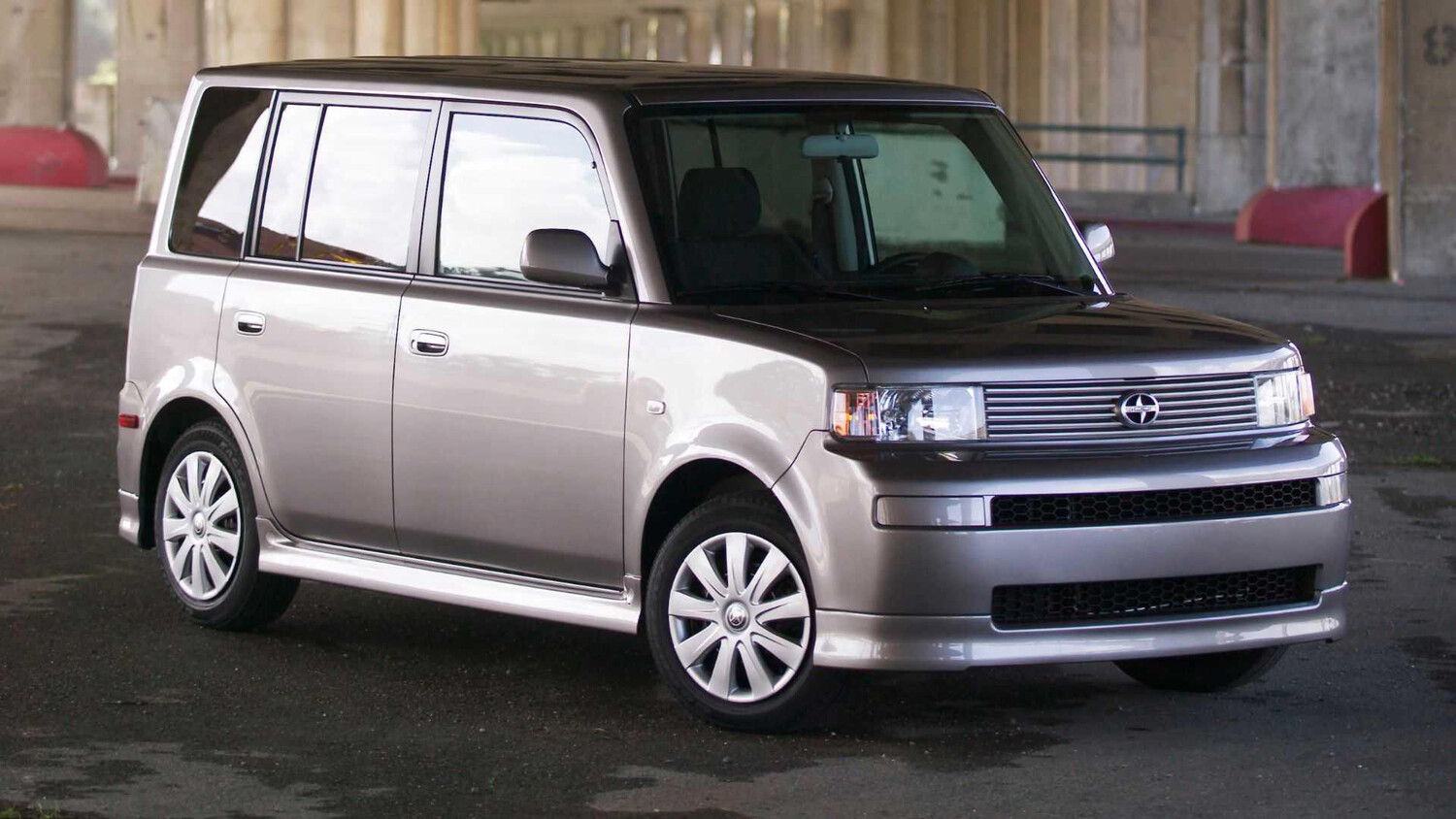
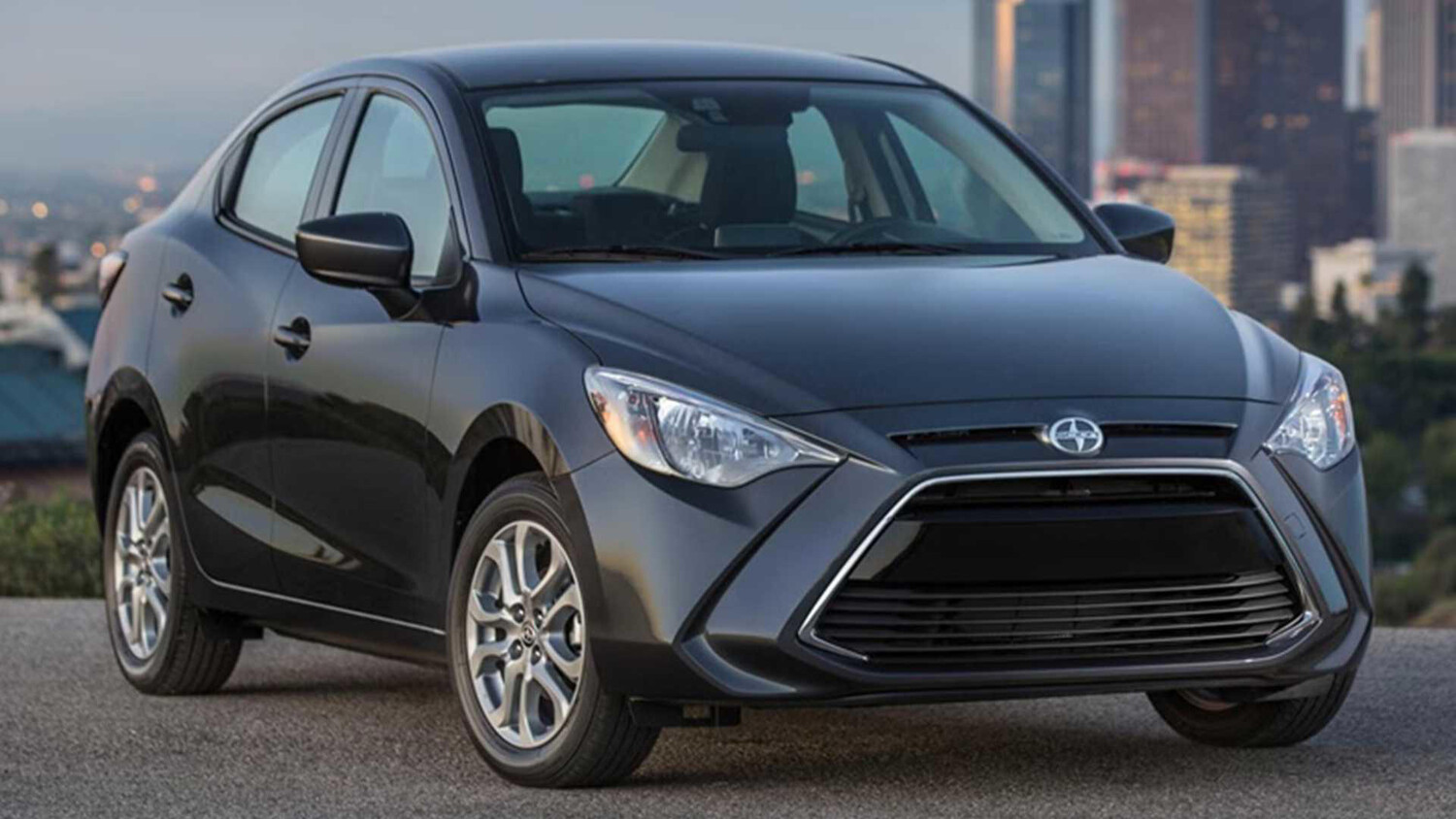
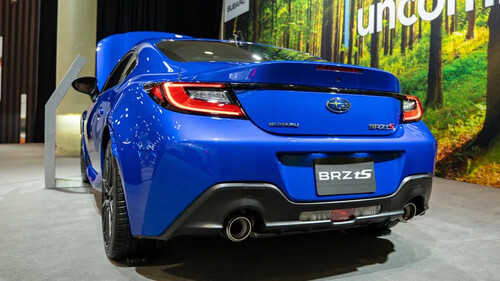
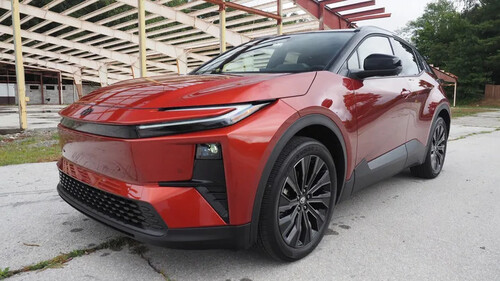
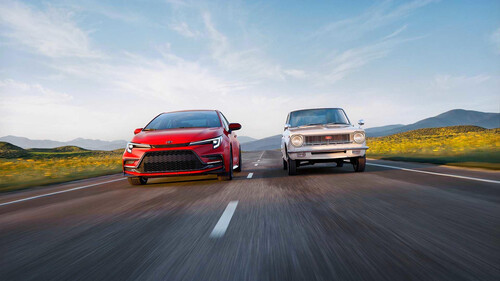
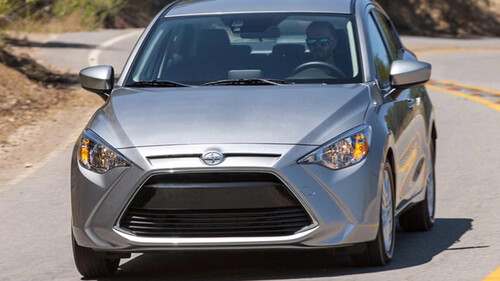
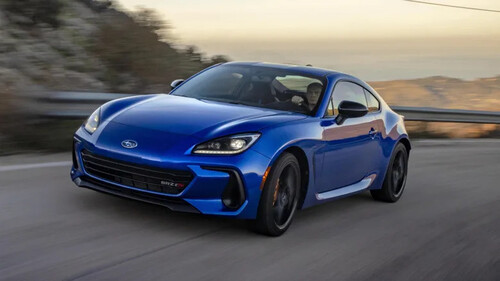
For a brief moment in time, Toyota badged small, unconventionally quirky cars under its Scion brand to do the unthinkable: be considered a cool brand. Banking on the Millennial Generation’s claims of wanting a car that wasn’t their parent’s Toyota, Scion was developed to appease an audience of customers looking for more individuality in their cars.At first, sales followed an upward trend and looked good for the first four years. Right before the financial crisis in 2008, sales began tumbling downwards with little recovery happening after. Thirteen years is not a lot of time, but in between its founding in 2003 and dissolvement in 2016, the brand sold over one million cars before the plug was pulled.Toyota officially ended the brand in 2016 and merged three of its products into the Toyota lineup. Scion became remembered as “Toyota’s failed attempt to be cool,” but the truth of the matter is far more complex. Well before Akio Toyoda, chairperson and former chief executive of Toyota, exclaimed the brand would no longer build boring cars, Scion was the brand that paved the way for the mindset which followed. Without Scion, there probably wouldn’t be a GR86, or a GR Corolla, so we should pay our respects to the brand that died so GR could live and see what could have saved it if it weren’t for a global economic crisis.All sales data mentioned refers to the US market. Planting Roots: 2003-2007 ToyotaLiving up to both definitions of the word (a wealthy heir to a family, or a plant offshoot cut for replanting), Scion was founded in 2003 to funnel buyers in at a lower level than what Toyota was reaching. Customers could become life-long buyers that started with Scion, then moving up to Toyota, and later Lexus. Less complicated than General Motors’ hierarchy, Scion distinguished itself as the cool and youthful brand for young buyers, offering oodles of OEM and aftermarket accessories and easy customization on all cars.Debuting with two models, the xA compact hatchback and slightly larger xB hatchback, Scion squared up to face the competition. Think new cars look too boxy? The xB takes the cake as the boxiest-looking car to have ever existed. Later joining the lineup would be the two-door tC for 2004, the brand’s only coupe until the famed FRS would arrive later on. Everything was looking good for the brand so far. Scion redesigned and rebadged the xA to the xD for 2007, along with rounding out the boxy xB which severely diminished its quirkiness.Despite pressures of a looming recession stirring as early as 2006 in the housing market, Toyota pushed on with its experiment. Sales were pushing up for the first two years but saw a slight downturn in 2007 when sales dropped by 24%. Not two years into the brand’s life did it already begin to seem grim. The Downward Spiral: 2007-2010 ScionSales went from its peak in 2006 at 173,034 cars to 130,181 in 2007. Down a quarter of sales from the year prior, the first effects of the recession were hitting the automotive industry. Fewer people were buying new cars, and if they were going to buy cars, they were more comfortable opting for Toyotas and their proven track record of reliability.Despite Scion being part of Toyota, the brand wasn’t perceived to have the same reliability as its parent marque, aside from being listed amongst the top performers in reliability studies. Scion was also lacking a certain quality, which caused buyers to look at Toyotas before considering a Scion as their first option. Lexus uses a Toyota platform and builds on it, providing luxurious features and separate dealerships to enhance the buying experience. Scion used Toyota dealerships on top of containing Toyota platforms but felt even cheaper than the cheapest Toyota on sale.Toyota 2008 saw 113,884 units sold, a 12.5% decrease from 2007, with Scion only moving 57,961 cars in 2009, a 49% loss over the previous year. 2010 would become one of the worst sales years in the brand’s history with only 45,878 cars being sold. If the brand was to do anything to come out swinging on the other side of the recession, it needed to kick into high gear and refresh the lineup. Lacking strong laurels to rest on, the brand didn’t have enough clout to warrant newcomers interested in something different. Scions were cheap cars made cheaply, and nothing was going to save it from going under before it did unless it offered something no one else had. The Eleventh-Hour Rally: 2011-2014 NetCarShowIn December 2011, Scion pulled the sheet off the FR-S, the 2+2 coupe built in conjunction with Subaru. The saving grace for the brand, or so we thought it would be. The rest of the lineup remained unchanged, with refreshes to existing models happening here and there. Sales, however, were on the uptick. Not skyrocketing but trending upwards in 2011 and 2012 with 49,023 and 53,205 units sold respectively.NetCarShow The FR-S and its Subaru counterpart were controversial at first. Purists loved the lightweight nature and high-revving engine that redlined at 7500 RPM after making peak horsepower at 7000. The six-speed manual was nice but nothing noteworthy, but all the great things about the car weren’t shouted louder than the things people disliked about it. We even said the only way to enjoy the FR-S/BRZ was with significant power upgrades, which, in retrospect, we were only half-correct in our thinking. Of course, one car wouldn’t be enough to save the brand and two years of declining sales followed in 2013 and 2014. The End: 2015-2016 ToyotaIronically, sales were slightly higher in the last two years of the brand’s life. But up until the very end, even when Toyota knew it would have to call it quits unless a miracle happened, it kept introducing new models into the brand. The Scion iA nameplate would return as a rebadged Mazda2 sedan, along with the Corolla-based Scion iM which was known overseas as the Toyota Auris. Using the Scion brand to offer body styles of specific cars not otherwise available was a good move by Toyota. The Mazda2 was available only as a hatchback in the states while the iA was on sale, along with iM being the spiritual successor of the Corolla-based Matrix.Scion When Toyota officially announced the death of Scion in February 2016, it laid out the plans for the iA, iM, and FR-S to become part of the Toyota lineup. Each would be named the Yaris iA, the Corolla iM, and GT86. The C-HR was hinted at being a Scion after appearing at auto shows badged with both nameplates over the two years it was teased. This would have marked the brand’s first crossover, which, if it pressed on with, might have saved the brand altogether. Could Scion Have Been Saved? ToyotaThe first blow to the brand was not Toyota’s fault. A global recession crippled the industry and severely weakened General Motors and Chrysler. Toyota watched from across the Pacific as Saturn, GM’s budget brand, get pruned in 2010. The very brands that it was formed to compete against are what ultimately killed it, but that should’ve been the warning to Toyota about what happens to brands that are derivative of others and offer little to no added value. The things within Toyota’s control to save Scion would be to ensure the products and technology used in its vehicles were unique, rather than rely on its buyers to make their cars unique themselves with accessories and modifications.By the end, Toyota seemed disinterested in the brand since two of the four vehicles were from other brands. The tC and iM were the only in-house platforms used, but the forthcoming C-HR would’ve made it three. If Toyota were to continue offering smaller sedans and compact SUVs smaller than the RAV4, they would’ve been Scions. However, the sports cars that would later arrive under the GR umbrella are better suited by having Toyota badges on them. The FR-S, the model that put Scion on borrowed time, would’ve been moved over to the Toyota lineup to build its performance car portfolio anyway, leaving Scion without anything noteworthy.In order for the Toyota models we know and love today, Scion would still have to be killed. Should it have lived, the GR brand would just be Scion vehicles, but if the Supra’s return was inevitable, it would never have been branded a Scion. This would leave Toyota with two options, sever the Supra from its performance prefix, or brand all sports cars the same and with one marque. Scion couldn’t have been an all-electric sub brand either, since Toyota was still firm in its stance on being anti-all-electric. If it wasn’t, it’s very possible Scion would have become the brand’s electric vehicle epicenter, but that would drive the price up above the cheapest Toyotas and thwart the brand’s purpose as Toyota’s entry-level brand for first-time car buyers.The last we’ve heard about the brand comes from its appearance at SEMA with Toyota teasing a side-by-side concept built mainly to show interest in competing with Honda’s powersports division. But we wonder if Toyota is hiding something else as it resurrects the brand name with a new vision of what its future holds.