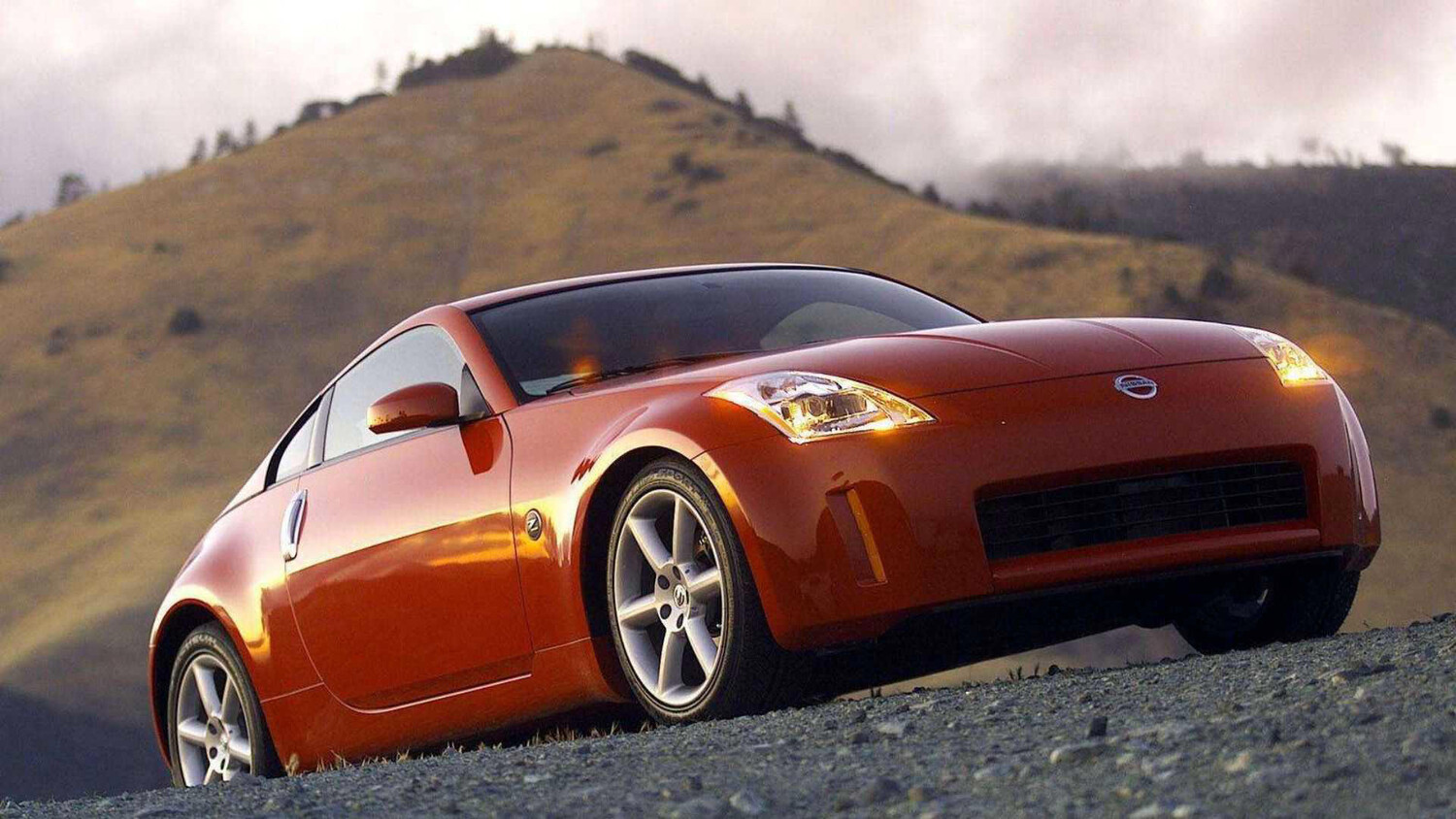
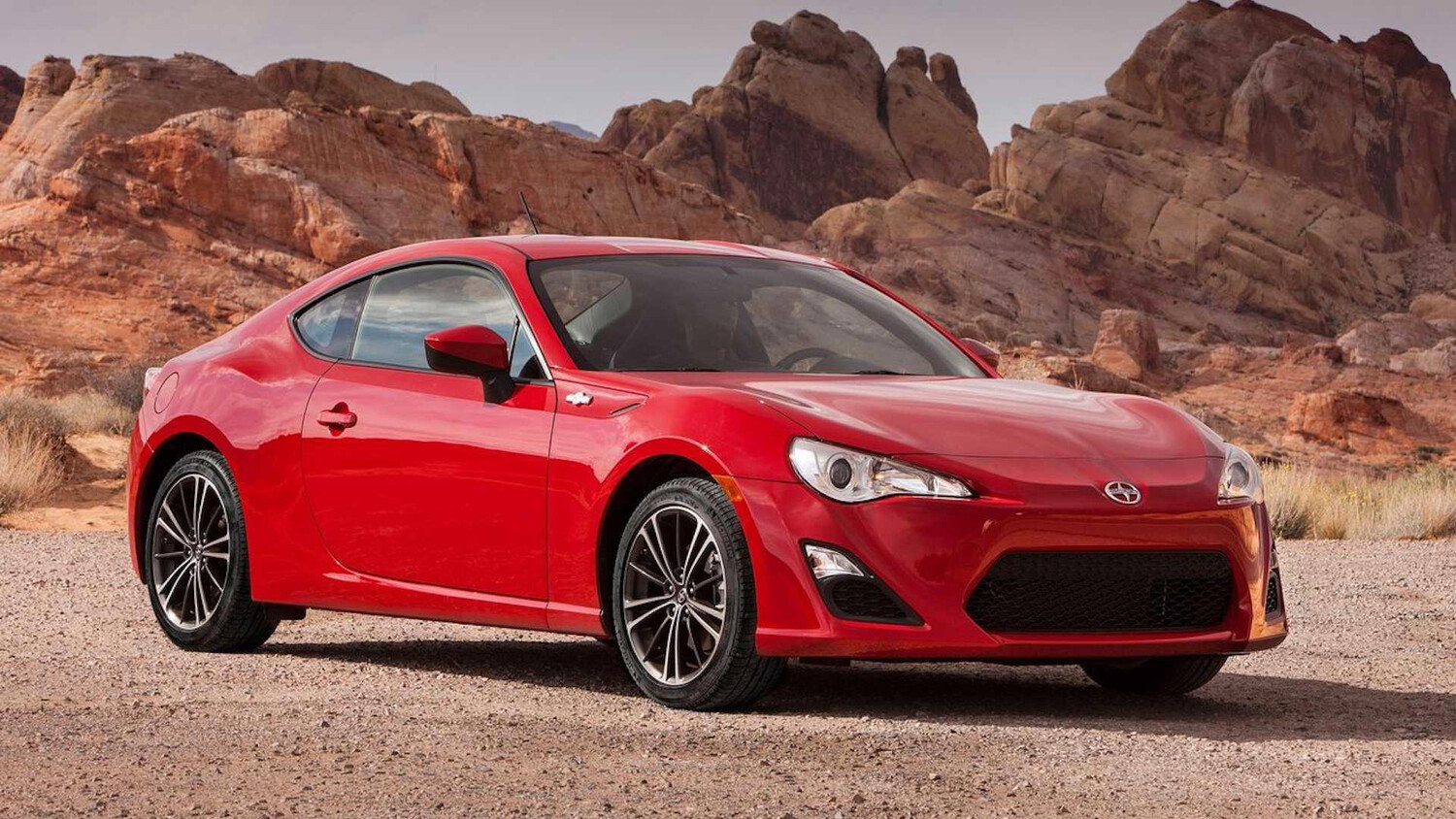
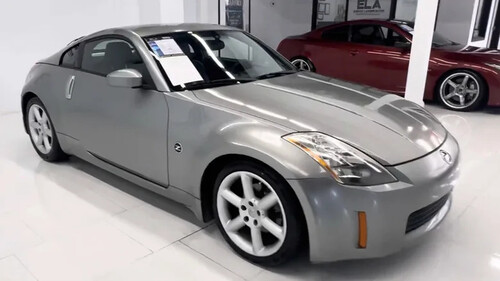
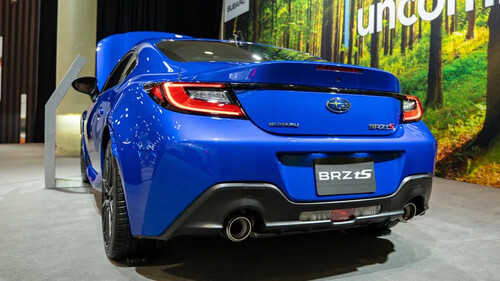
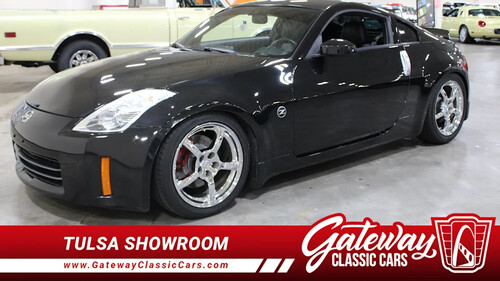
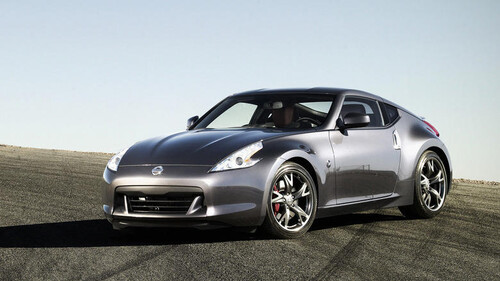
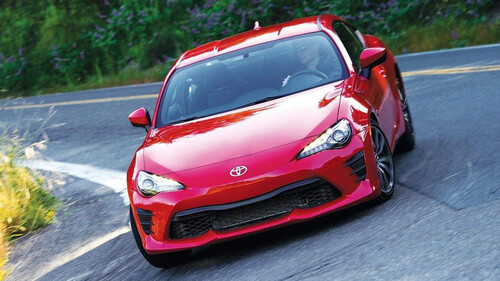
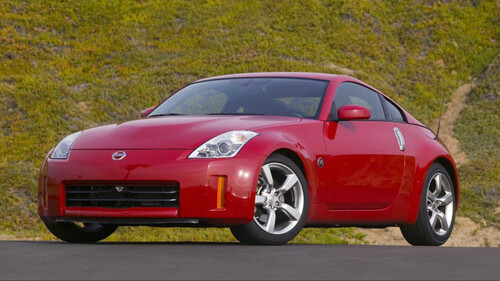
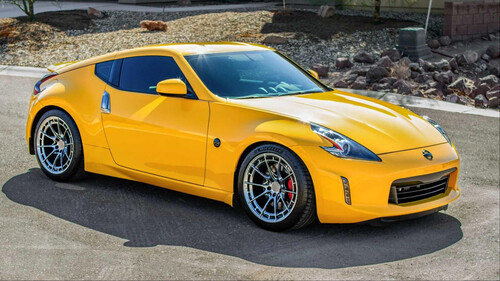
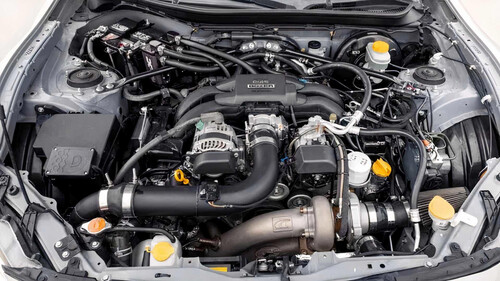
So, you’ve got a $10,000 budget to buy a used sports car. First of all, well done to you, and second, there are two cars we’d direct you towards. They are two stalwarts of the rear-drive Japanese compact coupe scene: the Scion FR-S and the Nissan 350Z. Both can now be had for under five figures, and both offer a compelling enthusiast-focused driving experience.Which should you pick, though? Let’s compare the two and help you decide. Performance NissanThere’s a lot in common between the Scion FR-S and Nissan 350Z. Both have a front-mounted engine and rear-wheel drive. Plus, they're best when you opt for a manual gearbox over the automatic transmission option.However, the cars differ in power output, with one having vastly more horsepower. Under the hood of the Scion FR-S is a Subaru-built 2.0-liter four-cylinder boxer engine, producing 200 horsepower and 151 pound-feet of torque. Go for the six-speed manual, and the coupe can hit 60 miles per hour in 6.2 seconds and a top speed of 136 miles per hour.With a relatively short production run going on sale for the 2013 model year before being replaced by the Toyota 86 in 2016, the FR-S never received any power increases during its time on the market.NetCarShowBefore that arrived, though, the Nissan 350Z had a bigger engine and plenty more power than the FR-S. Introduced in 2003, it used a 3.5-liter naturally aspirated V6 engine, initially with 287 hp and 274 lb-ft of torque, before a 2007 update increased peak power to 306 hp but reduced torque to 268 lb-ft.Naturally, that makes the Nissan 350Z a faster straight-line car than the Scion FR-S. Early versions (which are more likely to fall into a $10,000 budget) had a 0-60mph time of 5.7 seconds and a 155mph top speed. So if it’s sheer speed you want, there’s a clear winner here. Handling Scion Particularly by modern standards, both the Scion FR-S and Nissan 350Z offer an engaging, drive-focused experience behind the wheel. Both take that approach in different ways, though, and the choice between the two would more likely than not come down to you wanting an out-and-out driver's car or something that blends sportiness with a hint of GT car about it.In the case of the FR-S, it was designed from the outset to appeal to the driving enthusiast. All versions had a limited-slip differential as standard, allowing excellent power management at the rear axle and enabling controlled slides. It even came on an economy-focused Michelin tire from the factory, in a bid to artificially reduce grip and add an extra sense of excitement. The 101.2-inch wheelbase lends itself to agile handling, with well-weighted, responsive steering and a firm-set suspension setup putting the cherry on the excitement cake.In contrast, the Nissan 350Z offers a softer ride, balancing driver enjoyment with the ability to cruise. If the FR-S is a car best enjoyed 100% on the limit, the 350Z is at home at 80%. Most 350Zs came with a limited-slip differential, but it wasn’t standard, so keep that in mind if you’re looking at base models. That aside, the experience was quite different from the FR-S. No doubt it had more mechanical grip with wider tires, but both the steering and suspension had a more forgiving feel. At the same time, the Nissan's extra mass (3,197 pounds in its lightest configuration, compared with 2,806 pounds for the FR-S) was certainly noticeable when taking tight corners. Values NissanDespite five years between the Nissan 350Z ending production and the Scion FR-S starting, both now command very similar values on the used market.Nissan 350Z prices tend to be more volatile than those of the Scion, due to their age, resulting in a wider range of market conditions from the bad to the very good. Go for a 2008 model, the final year of production, and you could pay from as little as under $4,000 to the heady heights of around $17,000. The average tends to fall between the two at around $13,000, so $10,000 should net you a more used but still decent condition example.By comparison, FR-S values are a little tighter across the board. A 2013 model-year car, the first year of production, would cost from $7,000 to $17,000, depending on the condition, with the market averaging around $11,000. Keep in mind that the early FR-S had just one trim with dealer-fit accessories available through Scion, unlike the 350Z, which had various options. Running costs Nissan Gas mileage is the biggest differentiator between the running costs of the Nissan 350Z and Scion FR-S. Neither car is especially efficient, but you’ll spend less time at the gas station in the FR-S, with its quoted combined 225 miles per gallon for the manual. In the case of the 350Z with a stick shift, you’re looking at 21 mpg.With smaller tires, the FR-S would be cheaper to swap the rubber on, too, if you’re sticking to the original manufacturer specifications. Maintenance is generally cheaper, too, although it is worth keeping in mind that a spark plug change on the boxer engine requires more work than the Nissan's more accessible V arrangement, which is the most notable difference for doing routine maintenance costs.ToyotaDespite all that, though, insurance premiums are widely reported as being higher by owners of the Scion FR-S compared with the Nissan 350Z. That could come down to several factors, including parts replacements and crash frequency, so it’s worth keeping in mind. Reliability NetCarShowIn stock form, both the Scion FR-S and Nissan 350Z are generally reliable vehicles. Both cars are common platforms for modifications, though, which can dramatically reduce powertrain reliability when done improperly. Be mindful if you’re buying a modified example.Both cars can be quite susceptible to corrosion, particularly the subframes in the case of the FR-S, so make sure to have a good look underneath, especially if you’re buying a car in places with salty roads during a considerable part of the year.More FR-S-specific issues include a recall for a valve spring issue on 2013 model-year cars (which was a free manufacturer fix; check this has been done already), and excessive oil consumption if the car has been tracked heavily or poorly maintained.For the Nissan 350Z, keep an eye out for weak gear synchros on early manual transmissions, faulty camshaft sensors, and high oil consumption on revised "Revup" engine cars sold in 2005 and 2006. Which Should You Go For? Nissan We can sit on the fence and tell you that both the Scion FR-S and Nissan 350Z are fantastic, affordable sports cars. Quite frankly, neither is a bad buy. However, despite many similarities in their concepts, both serve a different purpose. If you want something that puts the driving experience above all else, the Scion FR-S is surely the way to go.Is there a car that better balances an enthralling experience with a more comfortable drive for longer trips? The Nissan 350Z, although it would come at the cost of excitement at the limit, in our view.