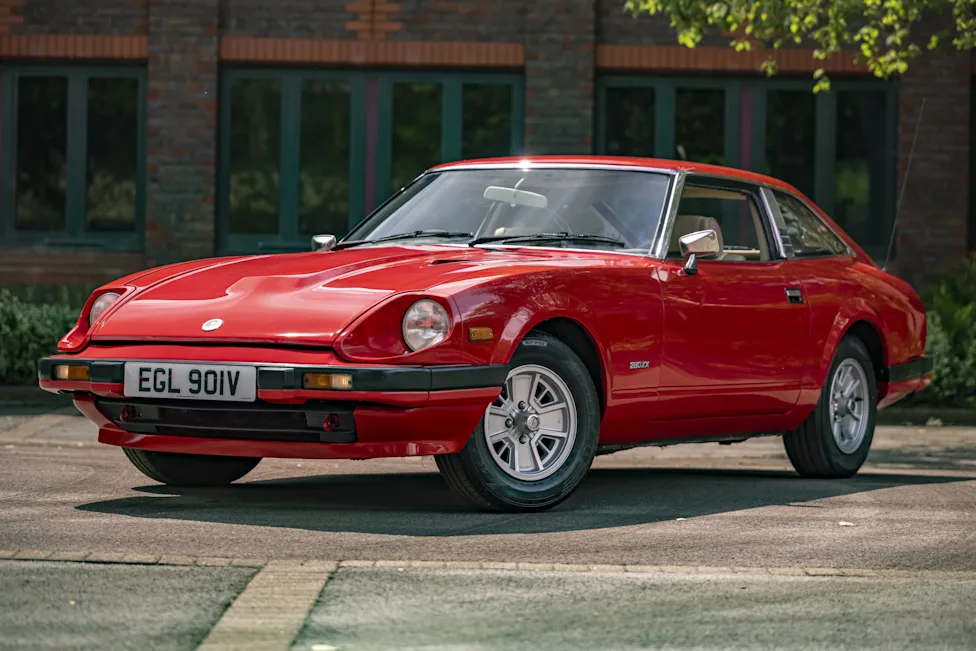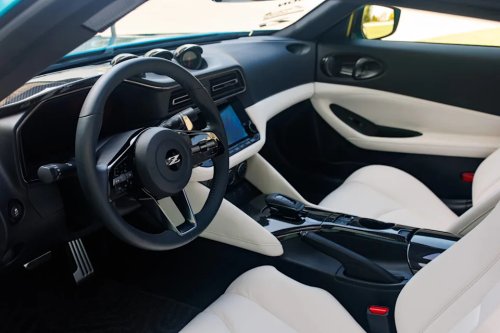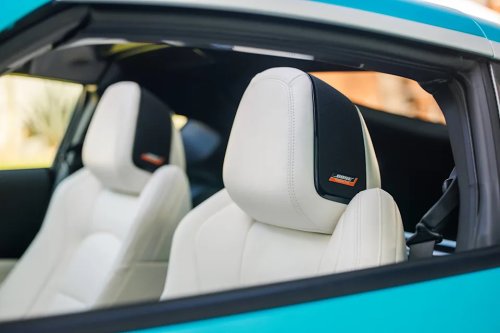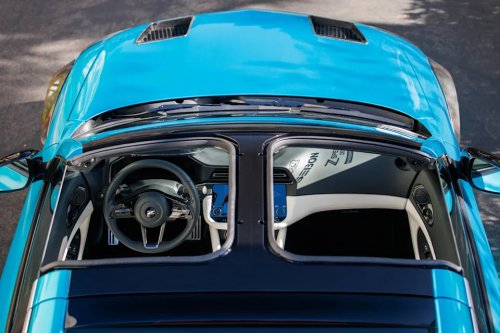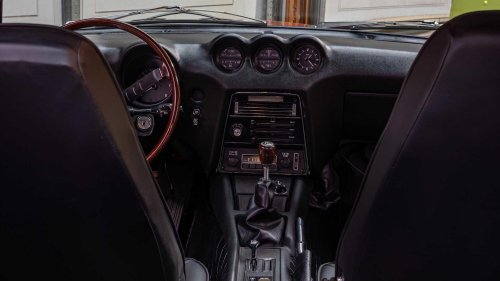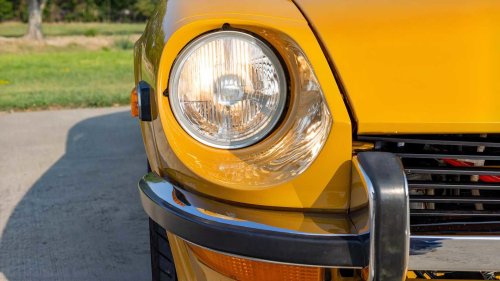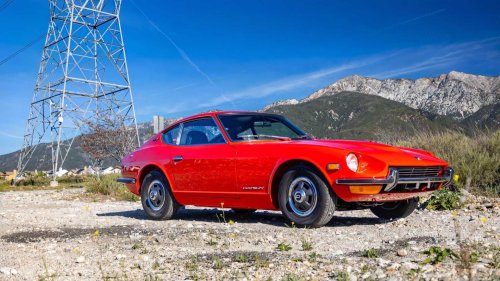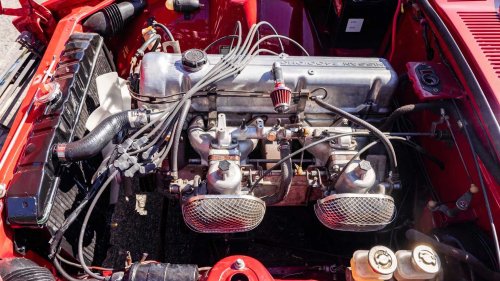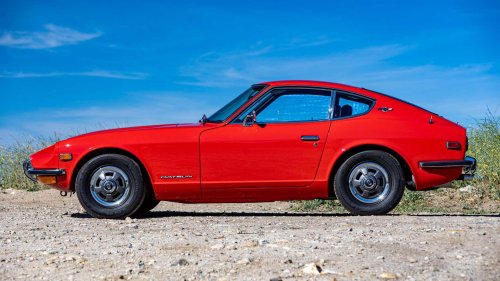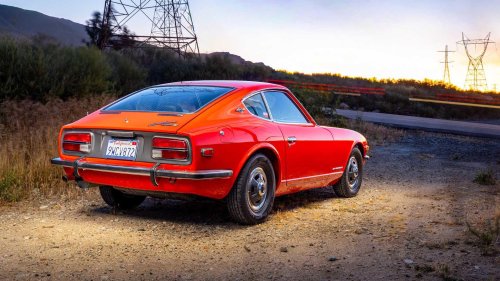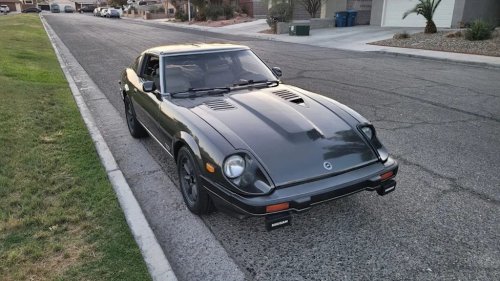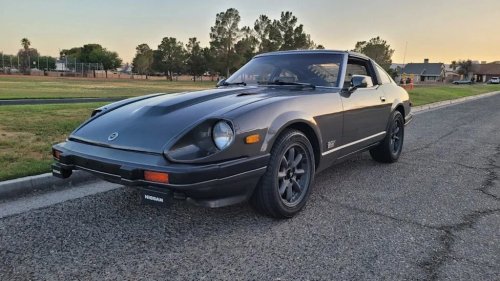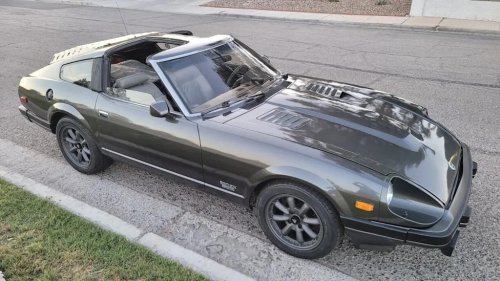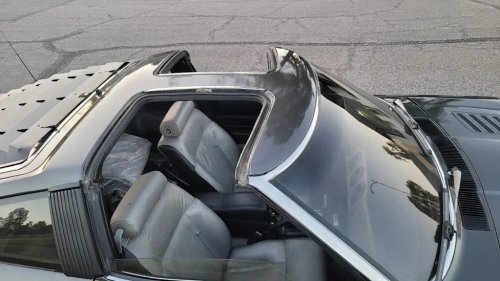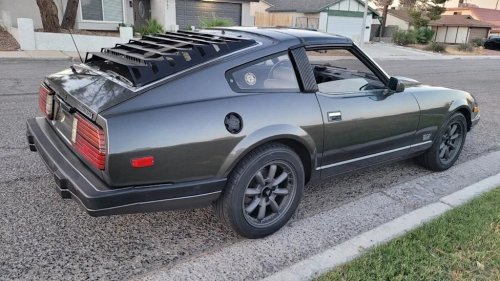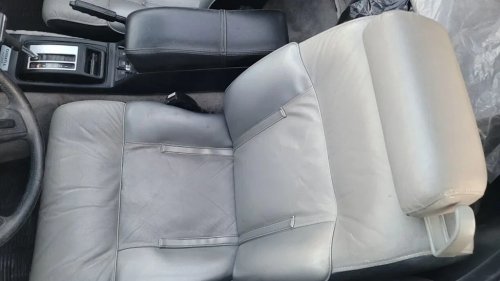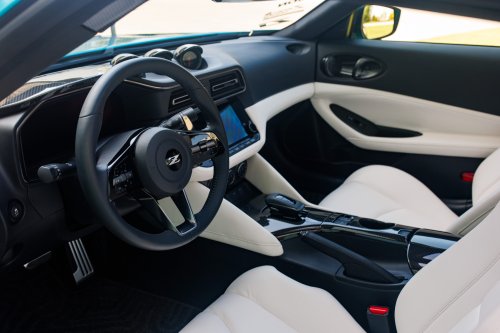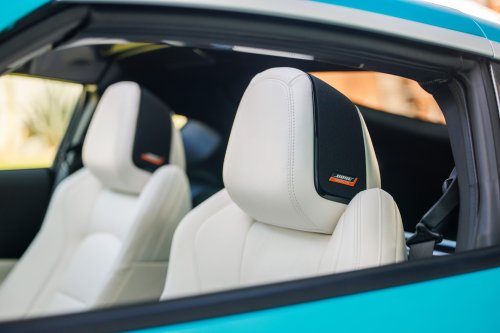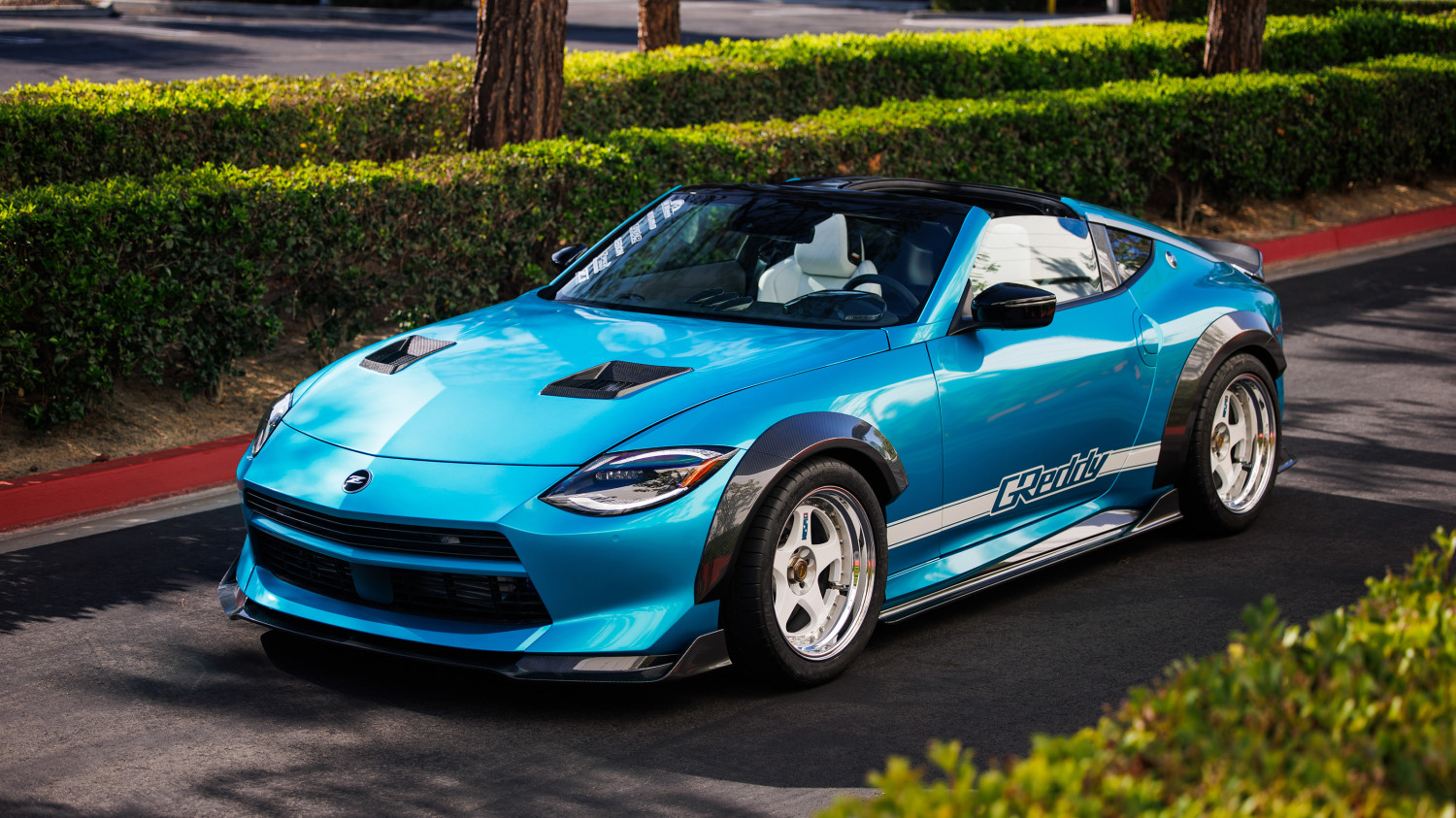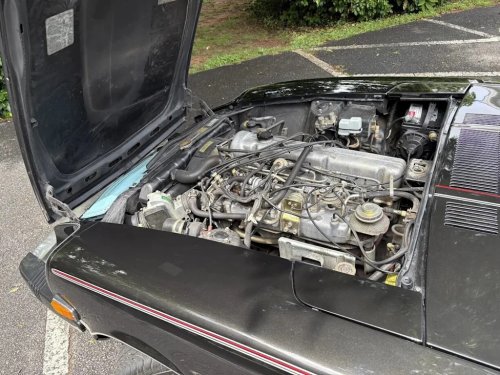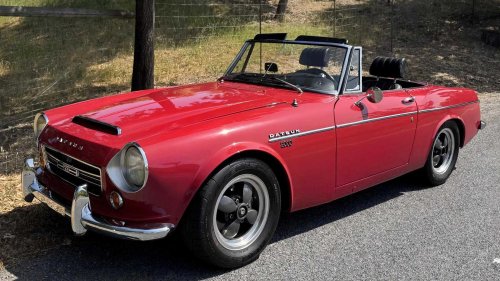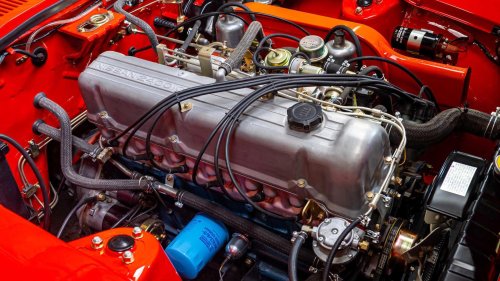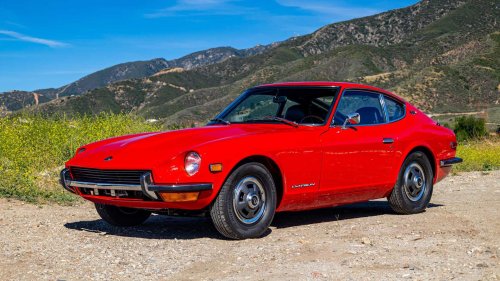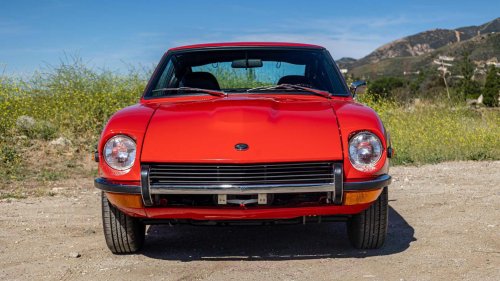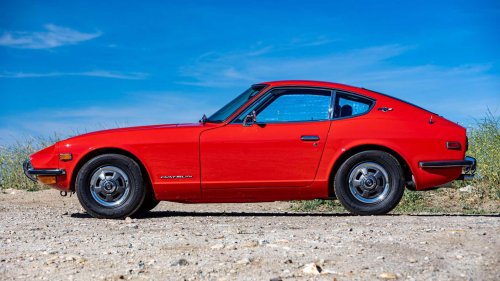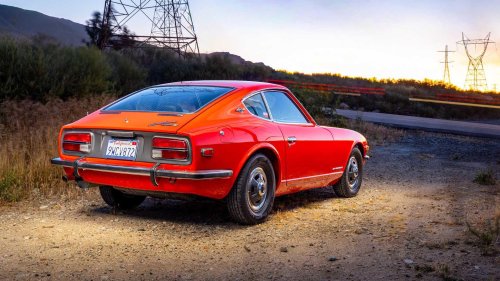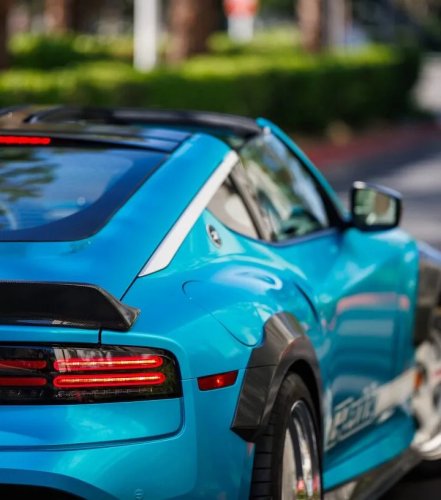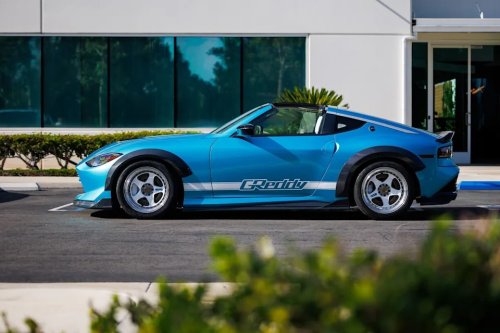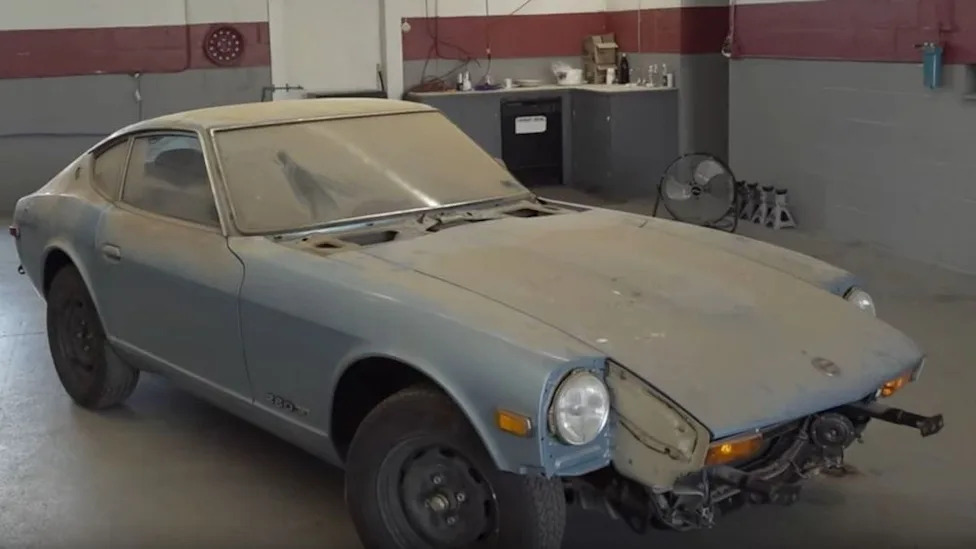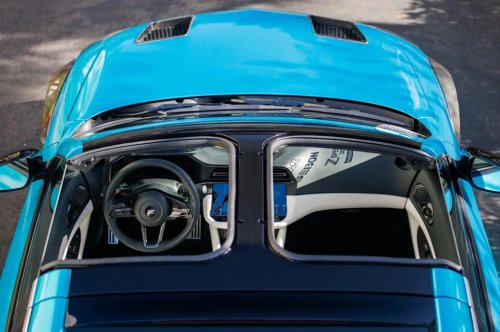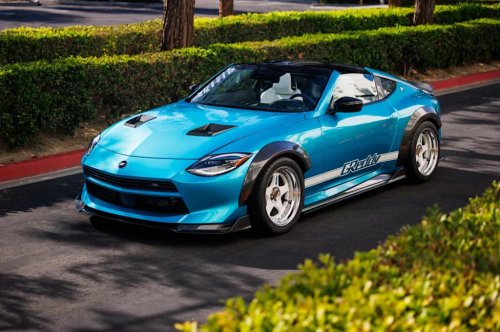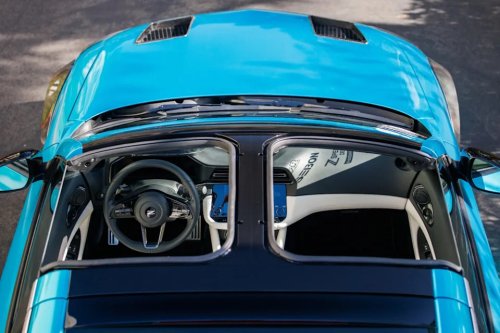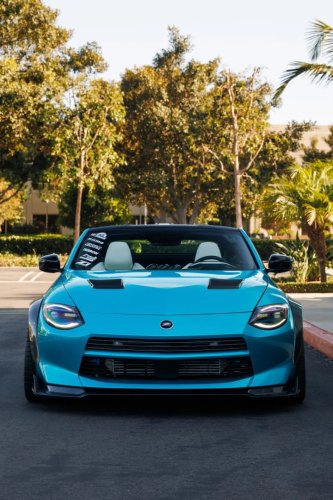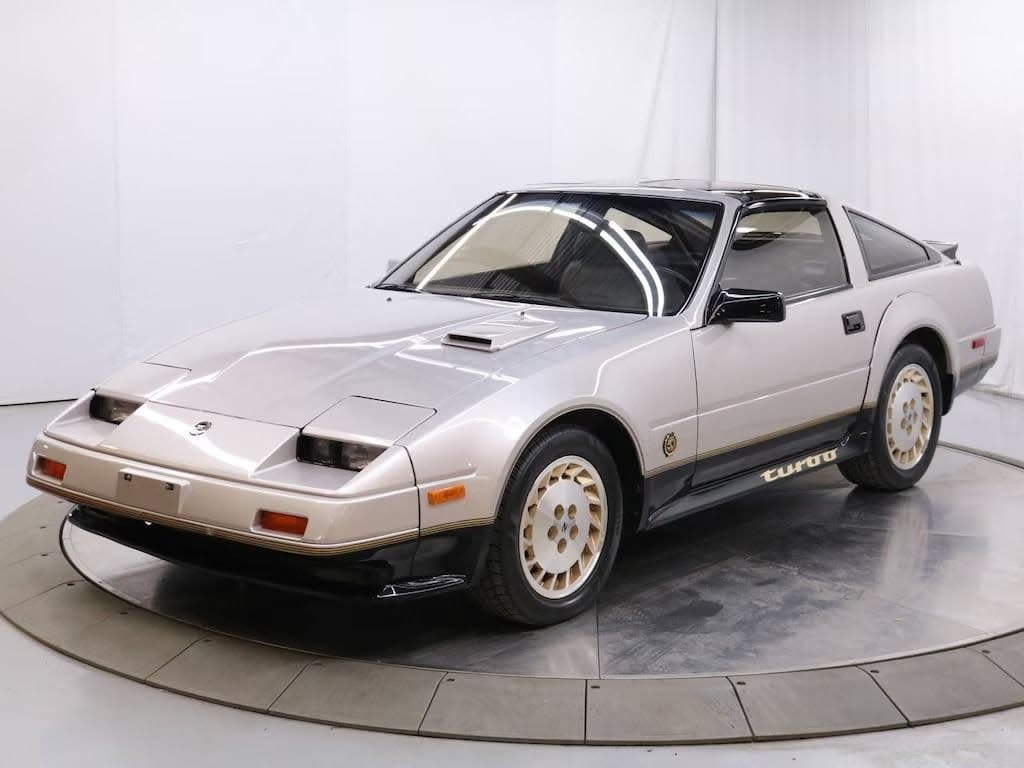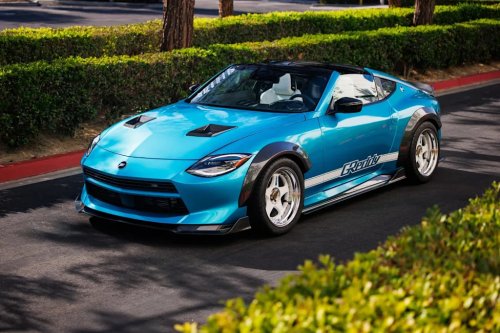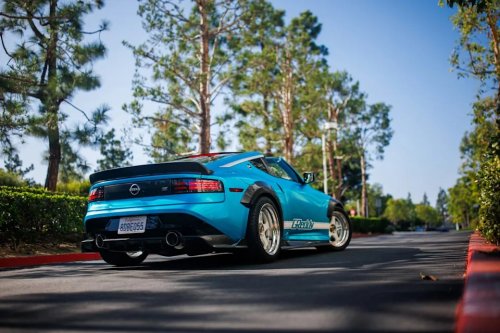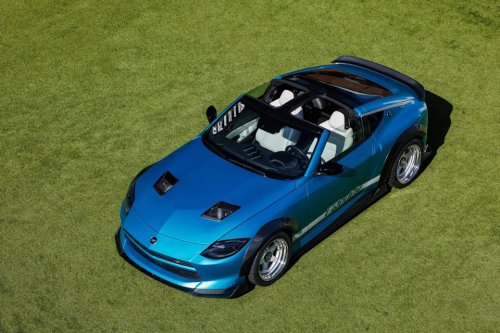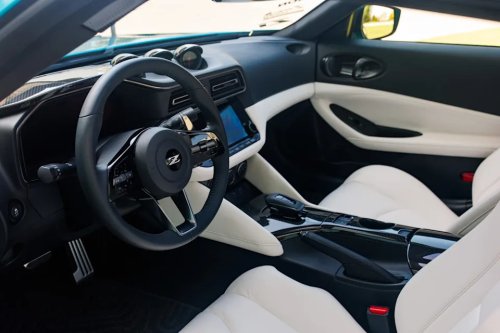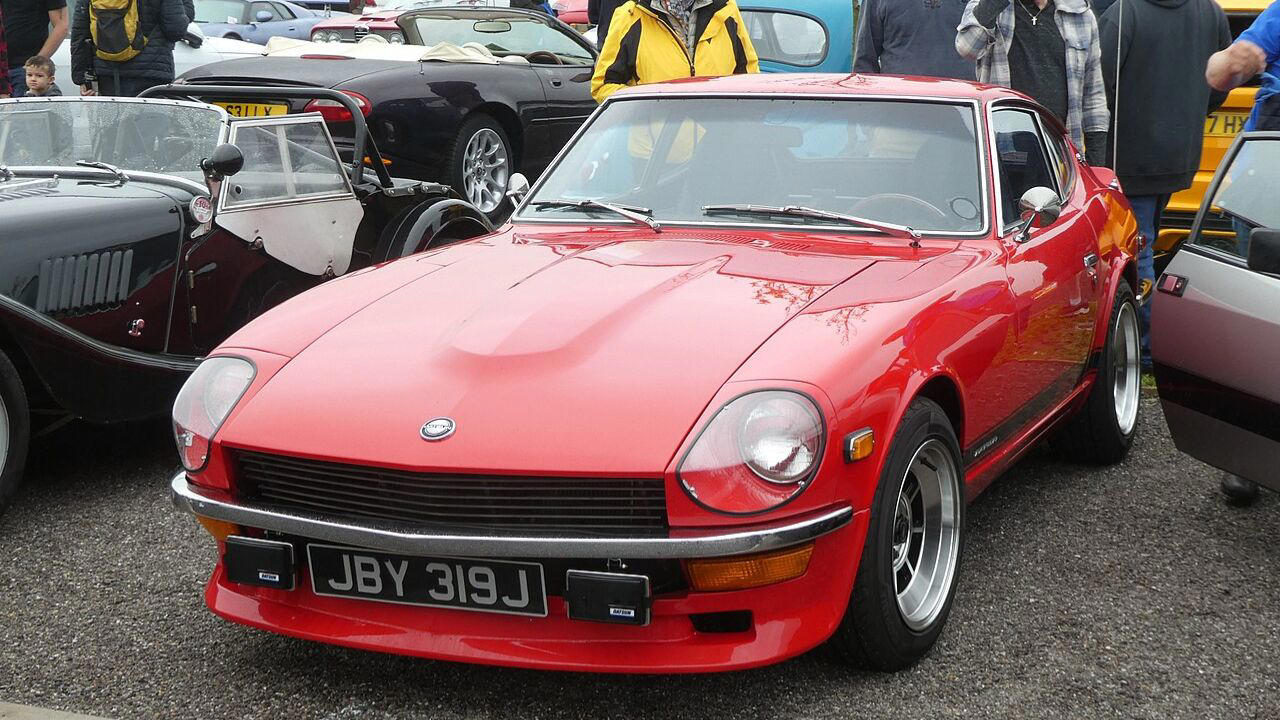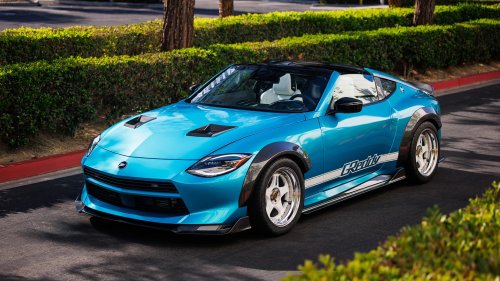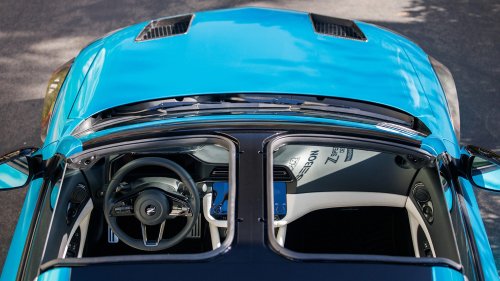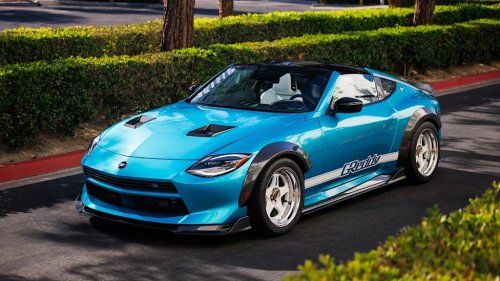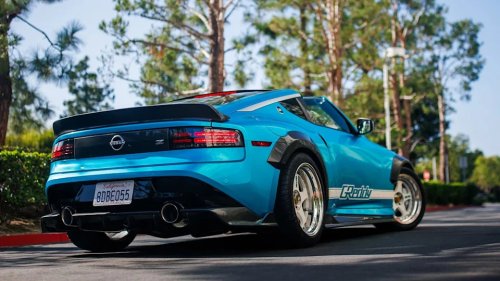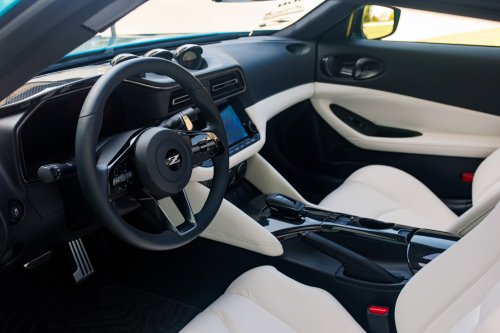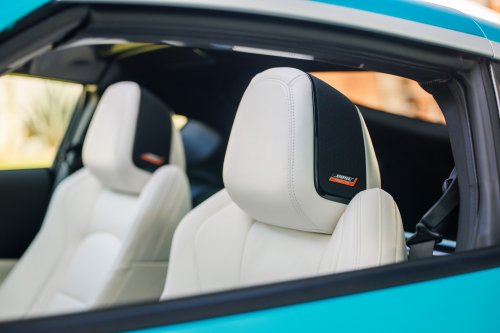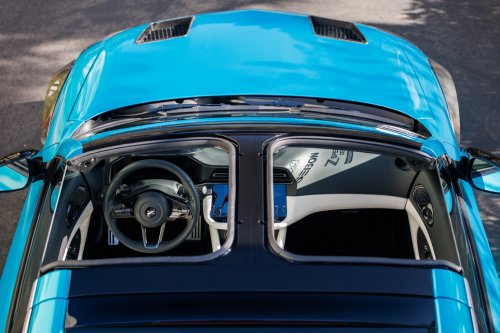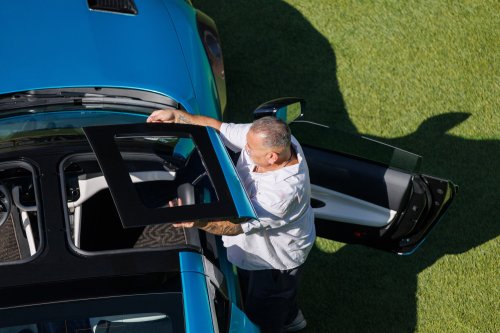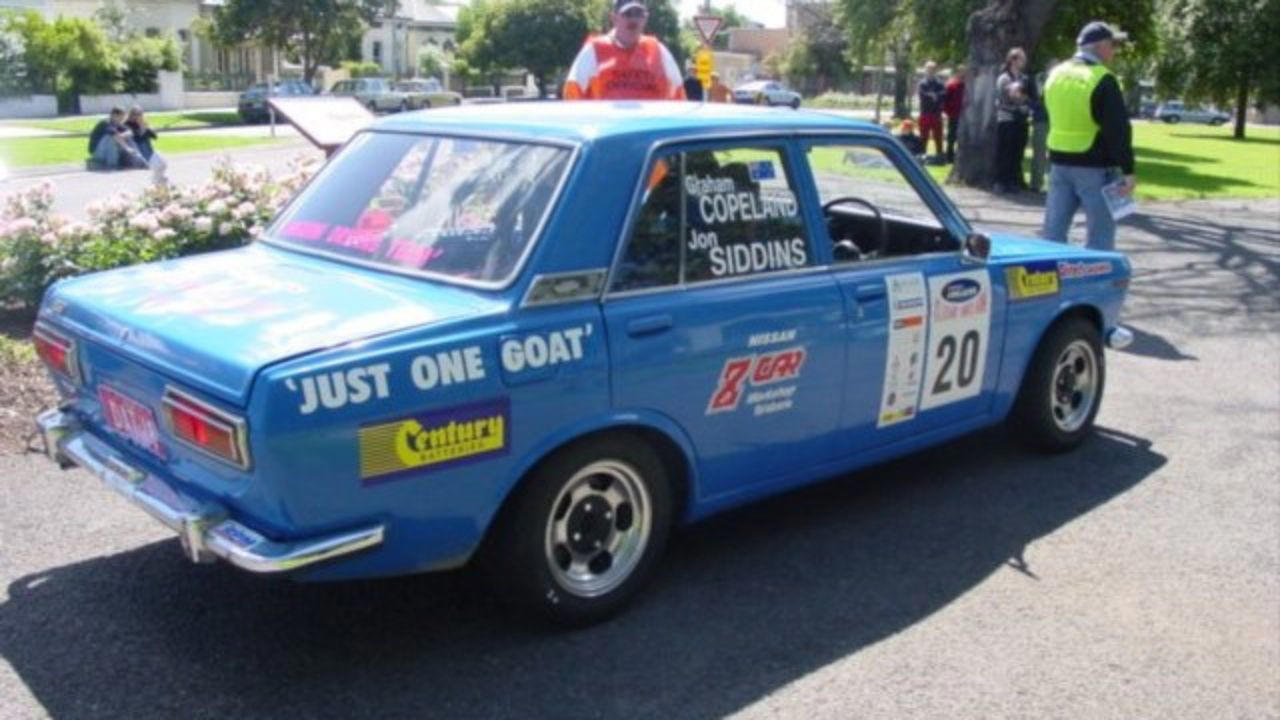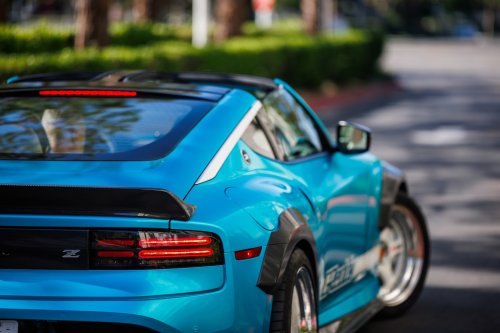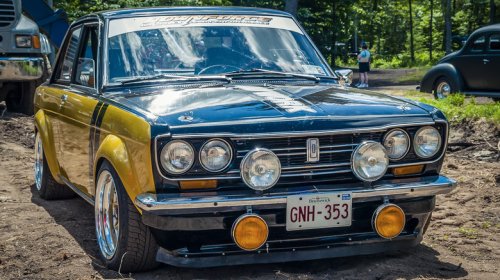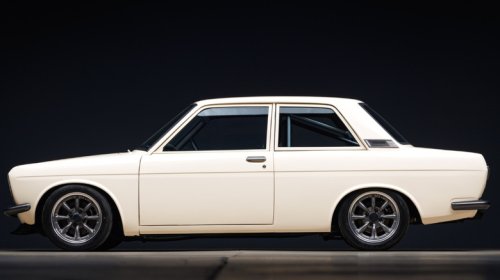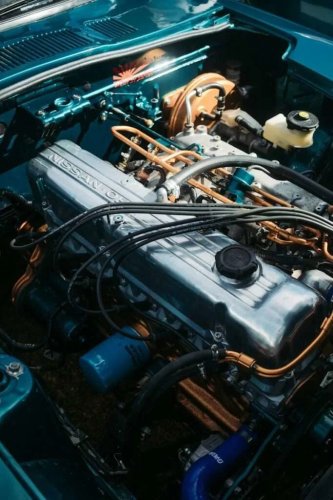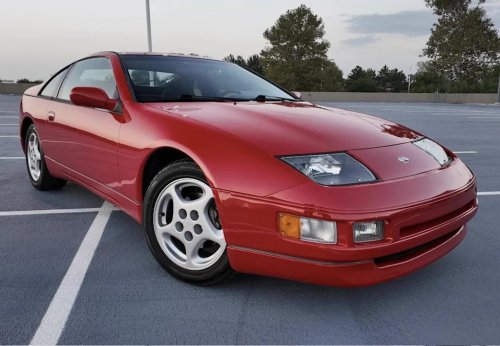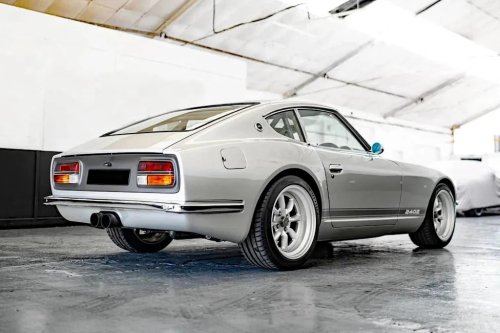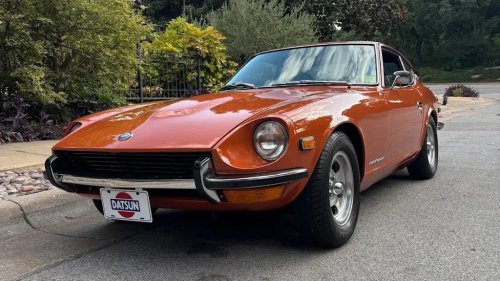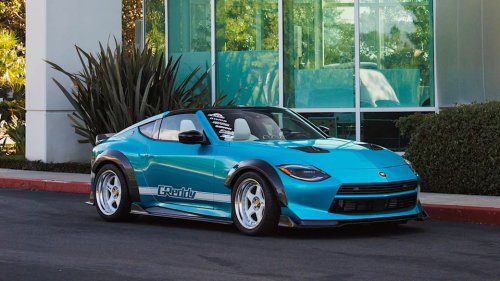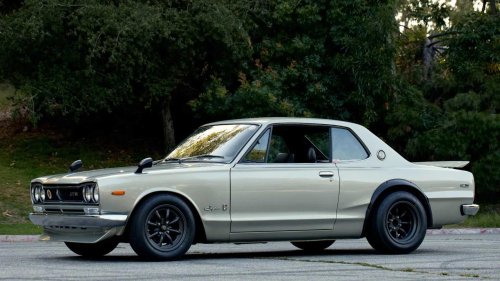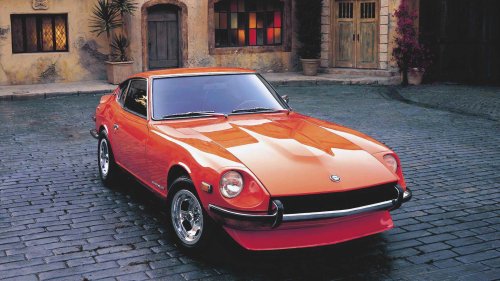
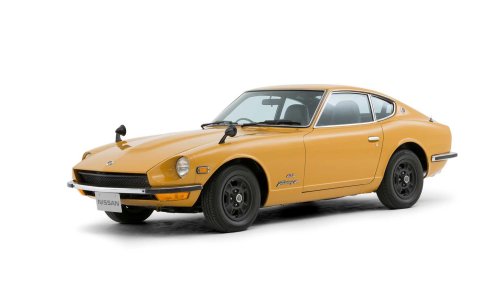
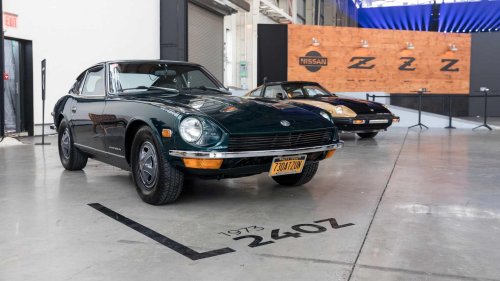
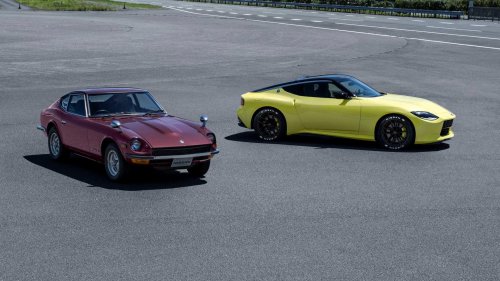
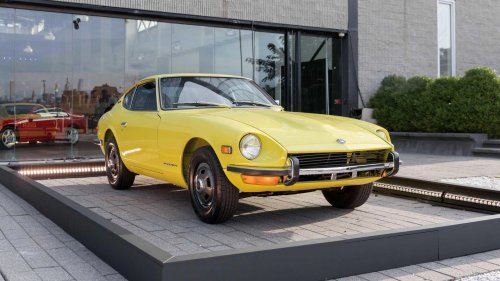
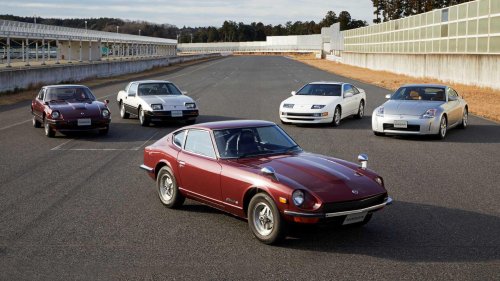
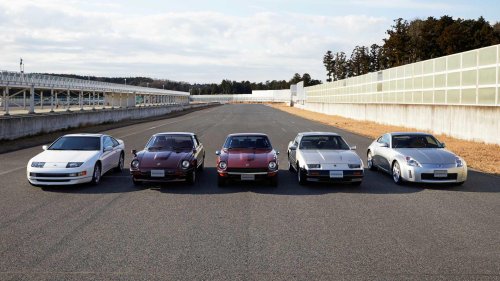
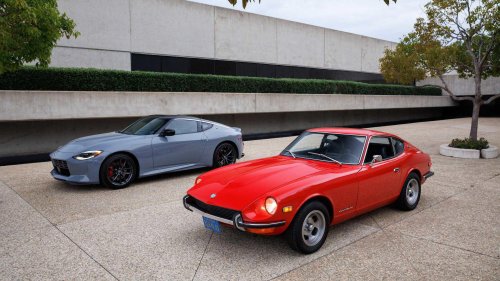
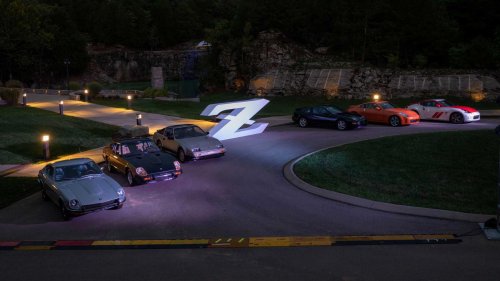
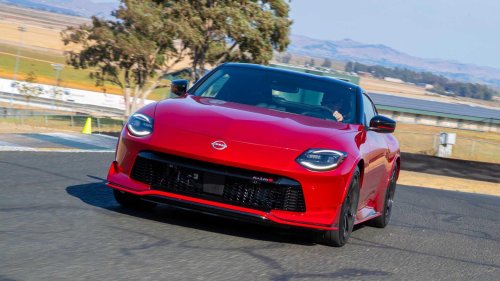


















In the wake of World War II, Japanese automakers were frowned upon in the USA. We won't highlight the names reserved for Japanese cars, but they were seldom spoken of with any reverence, making it difficult for the manufacturer to crack into what was, at the time, the largest automotive market in the world. Automotive manufacturing was an important cornerstone Japan used to rebuild society and industry, but if the country was to truly reestablish itself, it needed to break out beyond its own borders.Different manufacturers tried different tactics: Honda leveraged its motorbikes, while Toyota used the Land Cruiser's history to establish itself. Nissan, however, tried another tactic, aiming to conquer the US with a sports car. Spoiler alert: it worked.NissanThe car in question was the first Z-car, and its influence on Nissan's American ambitions cannot be overstated.Nissan had been building mass-production cars since 1937, but it only entered the US market in 1958 when the Datsun 1000 debuted. This set the tone for small cars sharing platforms, but it was clear from the beginning that these cars were never built for American buyers. The Datsun 240Z changed this. Nissan's First Global Sports Car Was A Love Letter To America NissanThe Datsun 240Z, also known as the Fairlady Z, was the brainchild of Yutaka Katayama (affectionately known as "Mr. K"), who convinced the Japanese automaker to introduce a sports car for the global market and not just the Japanese market. Before this, Mr. K had been influential in Nissan entering the US market, convincing his bosses in Japan that it was the right move, and then championing larger engines in the Datsun 510 to suit the tastes of Americans.Mr. K saw the need for a global sports car that would help the manufacturer expand and improve growth. Yamaha was brought into the fold to help develop the replacement for the Fairlady that was available before the Fairlady Z was realized.NissanBut even the might of Yamaha couldn't deliver what Nissan wanted. The conceived prototype did not meet Nissan's requirements, and the partnership between the Japanese manufacturers ended in 1964, leaving Yamaha to work with Toyota on the Toyota 2000GT. With Yamaha out of the picture, Nissan turned to Prince Motor Company, which had previously worked on the first Skyline, to finalize the creation of what would be its flagship offering.The idea was to make a low-cost sports car that could borrow parts from other Nissan models. Along with a handful of Nissan employees, Mr. K began designing and developing the Datsun 240Z. In 1969, the Nissan Fairlady was born and introduced to the American market. A Sports Car Styled To Steal American Hearts NissanCompared to previous Datsun models, the Datsun 240Z was a radical change in performance and styling. It was immediately recognizable because of its long hood accented by round headlights nestled into the front wheel arches and mirrors mounted on top of them. Not only that, but it also featured a fastback tailgate design and a stout rear end punctuated by split taillights.Two powertrain configurations were offered for the Datsun 240Z: The Japanese version of the Datsun 240Z was powered by a 2.0-liter, gasoline inline six-cylinder engine with an output of 130 hp. The American version of the sporty coupe was motivated by a larger 2.4-liter inline six-cylinder engine with a high power output, giving the 240Z its name here while it went simply by Fairlady Z in Japan.Nissan The American-spec Datsun 240Z's engine was a 12-valve single-overhead-camshaft power unit paired with a four-speed manual transmission. However, models in other markets were offered a five-speed transmission. With the straight-six's power sent to the rear wheels, the 2,330-pound coupe could sprint from a standstill to 60 mph in roughly eight seconds.It was powerful and lightweight for its era, but also revered for its handling capabilities resulting from its independent suspension system: MacPherson struts on the front axle and Chapman struts at the rear. The result of Mr. K's efforts was a small, agile, and fun car that looked great; a package Americans would love. An Immediate Success With A Lasting Legacy NissanThe 240Z was an affordable and exciting sports car that was appealing from both the design and performance perspectives. As such, the North American market's reception of it was overwhelmingly positive, with roughly 16,215 examples of the 240Z being sold in its first year on sale. Priced at roughly $3,600 (approximately $26,000 in today's values), the price was a definite factor in influencing American buyers.NissanIn its second year on the market, Nissan sold over 33,000 examples of the Datsun 240Z, double that of the first model year. America's love for the new Datsun 240Z did not wane thereafter; quite the opposite. 1972 was the best sales year for the Datsun 240Z, with close to 53,000 units sold, incentivizing Nissan to continue production of the affordable sports car. The Z Legacy Lives On NissanAlthough it was not the first Fairlady, the Datsun 240Z laid down the foundation for Nissan's Z car dynasty. Throughout its history, many important moments shaped the Nissan Z. Seven generations of the Nissan Z have been produced, with the latest model featuring the same proportions and design cues as the 240Z that started it all.The second generation Z model would arrive in 1978 and was designed to appease the consumer market's need for a more luxurious GT car. It may have lacked the sharpness of the original, but it represented the push for a more luxurious model that featured a well-appointed interior. After the Datsun 280Z bowed out, it was replaced by the Nissan 300ZX (Z31), which was based on the 280Z but featured several revisions that resulted in better handling than its predecessor.NissanThe fourth-generation model followed in 1990, retaining the 300ZX nameplate of its predecessor but based on a new chassis bearing the internal designation of Z32. It was distinguished from the previous generation by an all-new design and had variants powered by a twin-turbocharged V6 beating heart.NissanFrom there, the Z-car entered its modern year, with the 350Z, 370Z, and the current Nissan Z sharing an evolving platform that has spanned over two decades. The 350Z was a return to natural aspiration, with the 370Z refining the recipe into a sharper driving tool with (subjectively) better looks. The new Z course-corrected with turbo power, a nod to the popular models from the 1990s and more proof that the Z's spirit was never defined by its engine. It had more throwbacks than just its choice of engine. This model blended retro design elements with classic proportions as an homage to all the Z cars that came before, cementing the Z-car's legacy in American car culture for another generation.Sources: Nissan