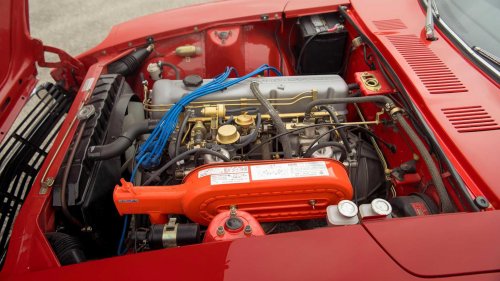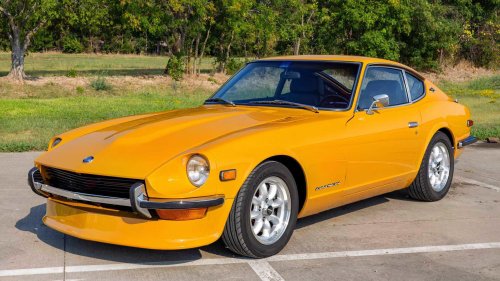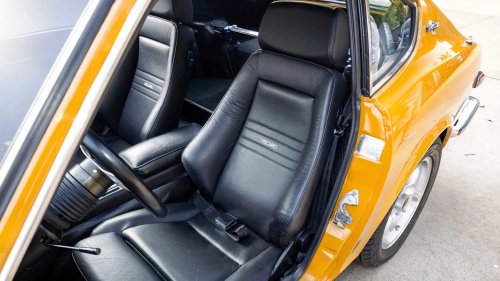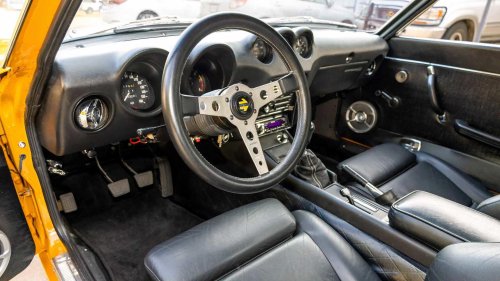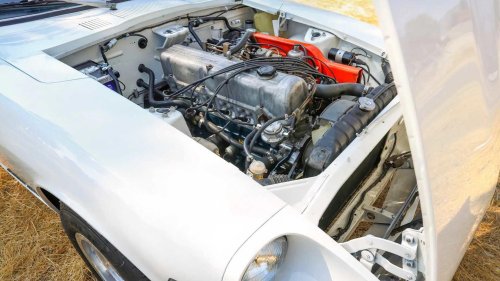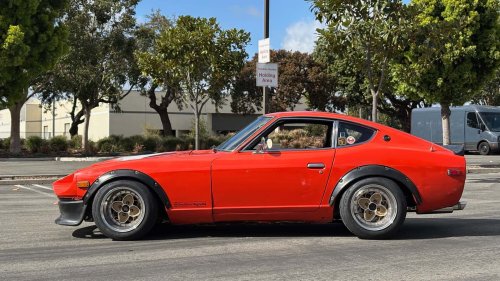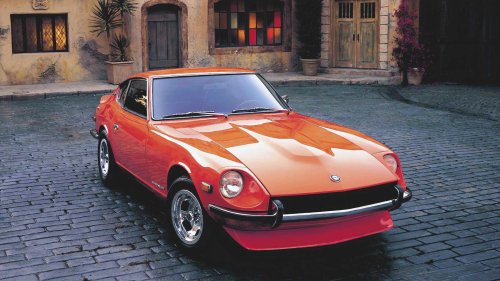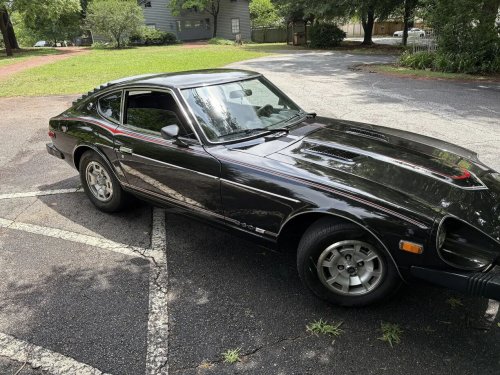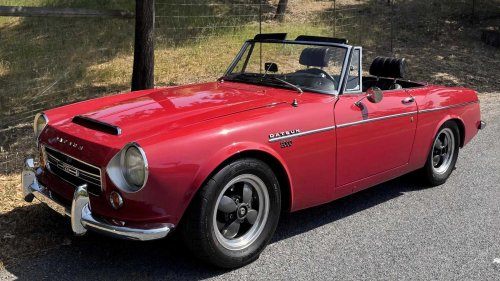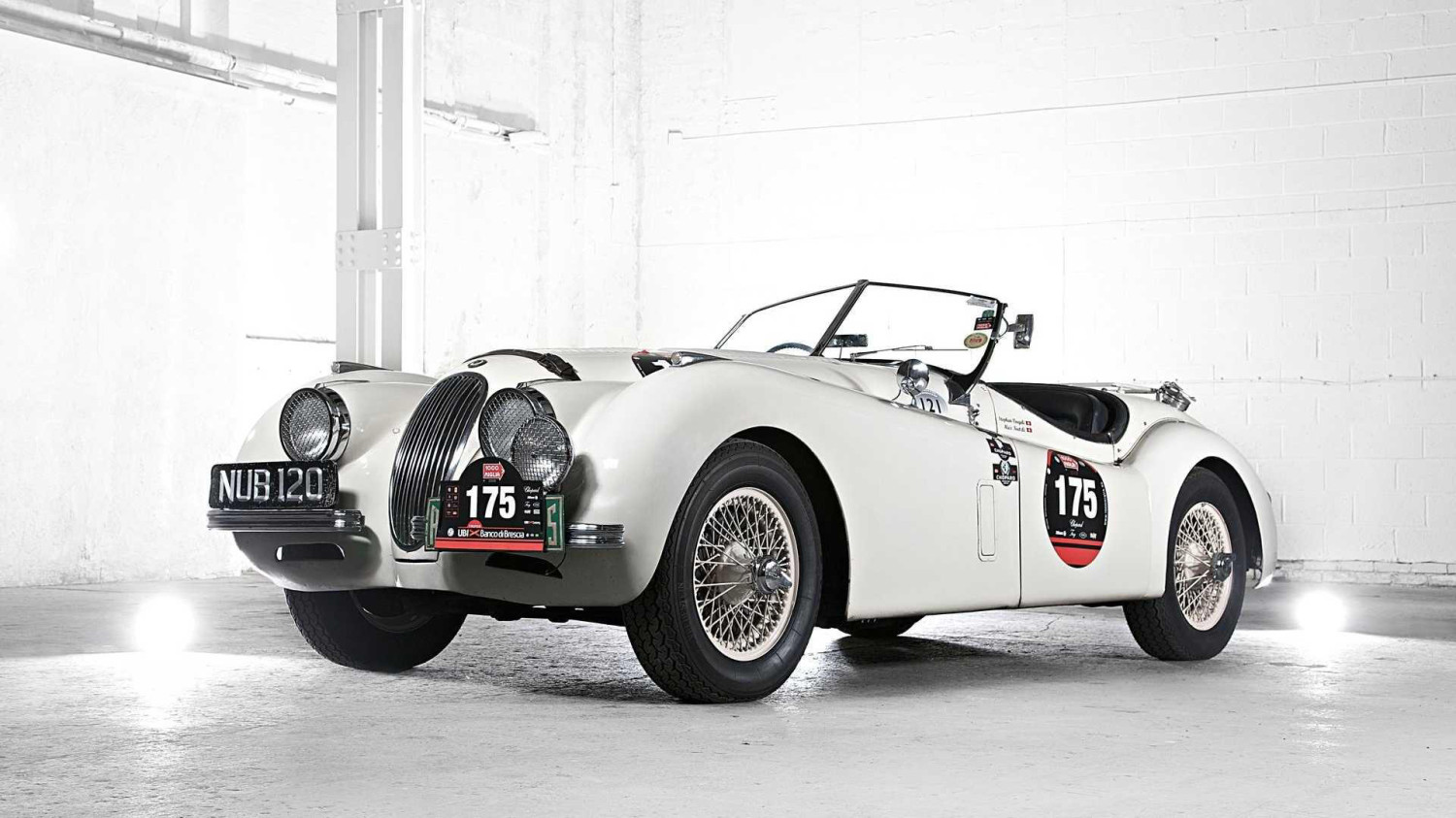



















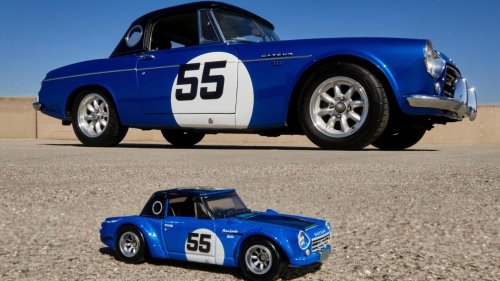
If you just read the above headline casually, you might think that 124 mph is an oddly specific number, but it does, of course, translate to 200 km/h. And back in the 1960s, that nice round figure represented a globally understood performance threshold with real prestige and plenty of punch. In that evolving era, top speed was still a form of shorthand for engineering accomplishment, and European manufacturers were quick to tell everyone if their vehicles topped that glorious threshold.So, this may explain why the Japanese were so elated when one of their own finally crossed the barrier. This significant statement showed that a domestic sports car was indeed capable of meeting an international benchmark on international terms and that the Japanese car industry was quite grown up after all. Why 124 MPH Mattered In The 1960s Manufacturers had been using the 200 km/h target as a point of pride for a long time before any Japanese OEMs caught up. For example, Jaguar claimed that it had the world's fastest production car in its XK120, while Porsche was keen to boast when it's 356 pushed through the 200 km/h barrier also. Slowly, other carmakers joined the 200 km/h club and treated that figure as a meaningful dividing line. If you could break the barrier, you could enter into a much more serious conversation and wow the market with your flying achievements.Over in Japan, Japanese manufacturers like Nissan were perfectly aware of the 200 km/h club and were taking aim at the speed figure that carried so much international weight. Nissan wasn't necessarily chasing a domestic bragging right but conscious that if it did break 200 km/h, it would be known for building credible sports cars. This would mean that a Japanese manufacturer could turn out a road car that can stand against all the rest and top one of the best-known performance benchmarks in the world. The Datsun Roadster That Broke The Barrier In the 1960s, Nissan sold the Fairlady 2000 SR311 as part of the Datsun sports roadster family. And while there were other similar cars in the lineup, the SR311 version was the first Japanese car to break through that 200 km/h barrier. This was a proper production sports car, not some kind of experimental mash-up, and it was sold as a real showroom model. It was also one of the first true top-end performers for the company and became a crucial part of Nissan's broader rise as a performance brand.The Fairlady 2000 SR311 had a 2.0-liter U20 inline-four engine with an overhead cam (rather than overhead valve) layout, twin Mikuni-Solex carburetors, and a five-speed manual transmission featuring Porsche-type synchromesh. The factory listed its output at 145 hp, and the fact that it could reach 205 km/h made it the fastest Japanese production car of its time. What started out as a charming small sports car turned into a really competitive machine that could somehow chase the benchmark most people associated with established European names.The Fairlady 2000 was also able to compete on the track to underline its credentials, with strong results in events like the 1967 Japan Grand Prix and the 1968 Monte Carlo Rally. This performance was not one-dimensional and although the 200 km/h claim sat at the top of any company press release, the vehicle was clearly capable across the board. In other words, there was always a sense that this car represented far more than just the headline speed figure alone. How Nissan Built Toward the Moment Nissan worked particularly hard to achieve its ultimate goals with this car, laying the first foundation in 1962. And when the second-generation Fairlady line commenced with the SP310 Fairlady 1500, the roadster-based journey was underway to eventually produce the famous Fairlady 2000. The SP310 mattered because it was a credible sports car platform at its origin and formed the basis for gradual development through the years that followed. Crucially, Nissan could stick with this platform as its aspirations grew and didn't have to start from scratch every few years.The early Fairlady was successful in its own right, winning the Sports Car B-II class at Suzuka during the 1963 Japanese Grand Prix. In doing so, it beat rivals like Triumph's TR4, as well as MGB and Fiat entries, and this was a milestone at the time, not just for the company but for the broader Japanese auto industry. A domestic sports car had finally beaten established foreign rivals at their own game and in a category where those imports should have dominated.Buoyed by their early success, Nissan aimed higher. Back home, there was a lot more interest in sports cars, and the market in general started to seek out higher-performance automobiles. As enthusiasts and manufacturers alike took high-brow road cars more seriously, the Fairlady program matured. And by the time its engine grew from 1500 cc to 2000 cc, Nissan was fully ready for the challenge. The Engineering That Made It All Possible The biggest breakthrough for Nissan was in the workshop rather than on the racetrack, and the decisive mechanical change was the company's move to the U20 engine. This was a 2.0-liter overhead cam four-cylinder unit, representing a crucial increase in displacement and giving the engine a lot more breathing and revving capability. This suddenly moved the Fairlady from the realm of early roadsters into something far more serious.The car’s five-speed gearbox upgrade was a significant part of the story as well and, back then, represented a genuinely sophisticated feature in a relatively compact sports car. As simple as it may seem today, that extra ratio spread gave the Fairlady 2000 a lot more flexibility. The U20 could now utilize much more of its power band and still have the longer legs it needed for a high top-speed run. The Fairlady 2000 used its power very effectively and could sustain acceleration deep into triple-digit territory. And the transmission also made good use of its Porsche-type synchromesh, which was an integral part of the design and not an afterthought.After working on the engine, Nissan upgraded the rest of the car so it could cope with the added performance. The Sports 2000 now had a rear suspension torque rod to manage the stronger engine, plus it was fitted with three-point seat belts and laminated glass. Nissan was very confident in its chassis design, and the braking and suspension hardware would also support the car's higher pace. As a total package, the Sports 2000 had plenty of structural maturity that made it work very well for the enthusiast as well as the racer. The First Cars Around The World To Hit 124 Mph Jaguar Jaguar is one of the most famous members of the 200 km/h club, reminding everyone that its XK120 (named after the threshold itself) hit 124.6 mph, making it the world's fastest production car at launch. Porsche treated this barrier with great marketing respect as well, noting that the 356A Speedster was the first production Porsche to break through at that time. And even though Porsche was already synonymous with focused sports car engineering, it still took the time to remind people of its 200 km/h achievements. That tells you a lot about how important that barrier was, even as the market was filling up with faster machinery.It's true to say that the world's most respected sports carmakers had already used that mythical speed line as their statements of intent long before Nissan came along. But this company stood up for Japan's reputation by crossing the barrier as well, signaling that the Japanese could also speak a performance language the rest of the world was familiar with. Why The Milestone Changed Everything In retrospect, the Fairlady 2000 turned out to be a pivotal moment for Nissan. It was the culmination of the company's work on its Fairlady Roadster program, but it also sat just before the arrival of the Fairlady Z in 1969. That particular car would help to define Nissan's sterling sports car reputation on a much larger scale and might have taken a lot away from the Fairlady 2000. But before Nissan could actively sell its Z aspirations to everyone else, it had to show that it was capable and that it could indeed build a sports car with genuine international credibility.And this may be why the Fairlady 2000 was so important. After all, Nissan had been able to turn a steady development program into a measurable, very visible performance result and, in doing so, paved the way for its significant future ahead.Sources: Nissan, Jaguar, Porsche