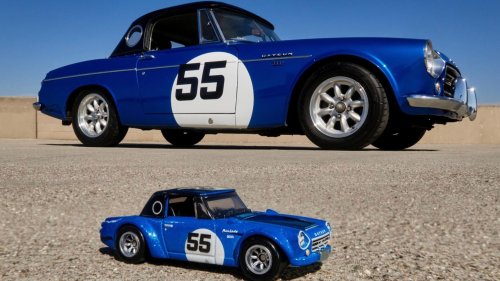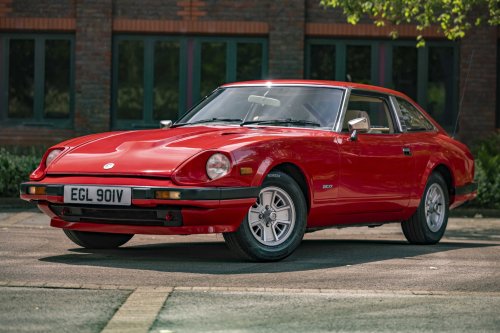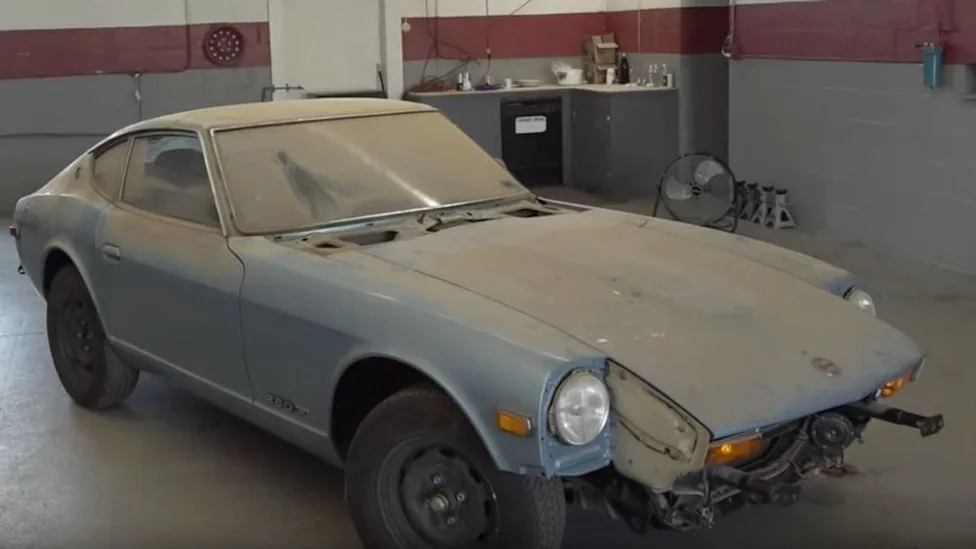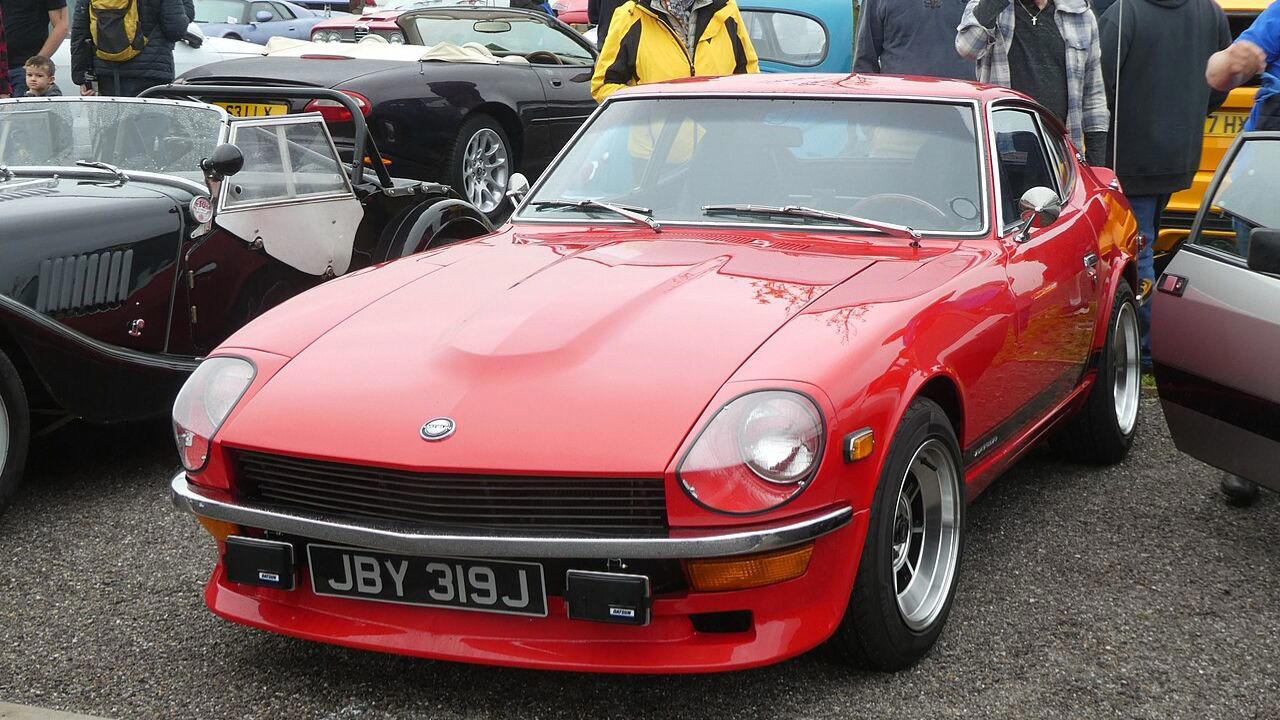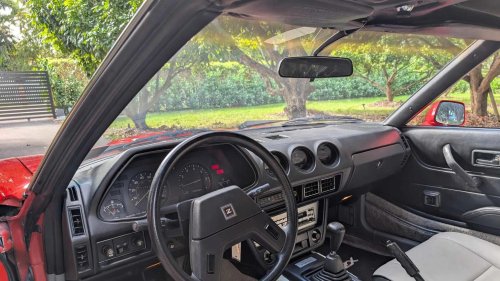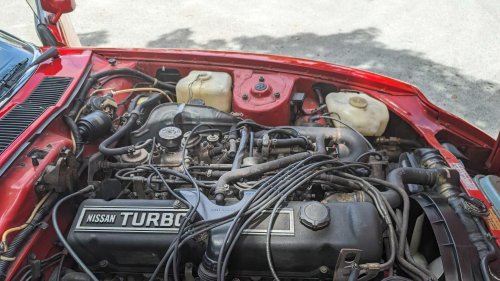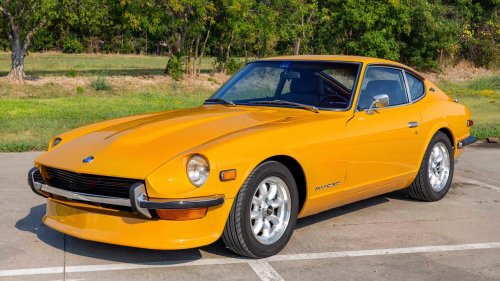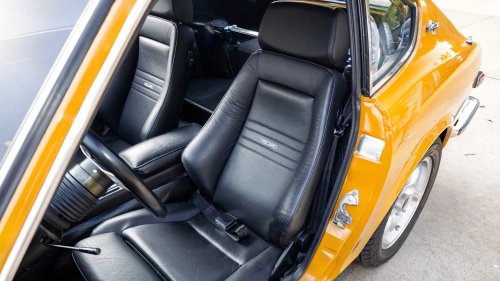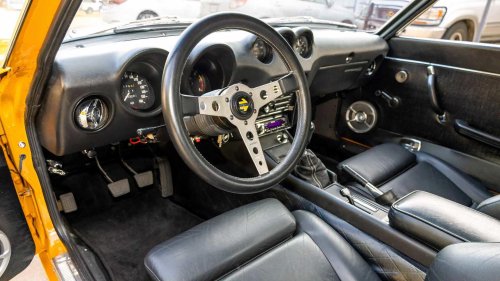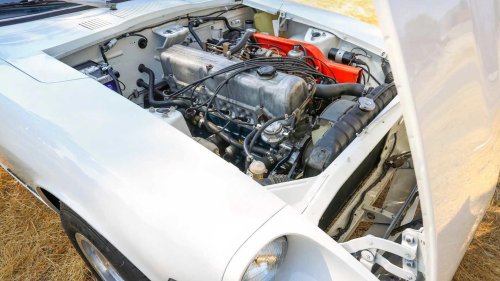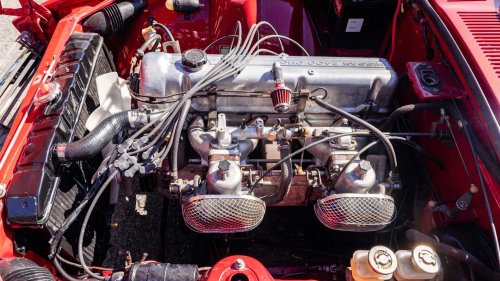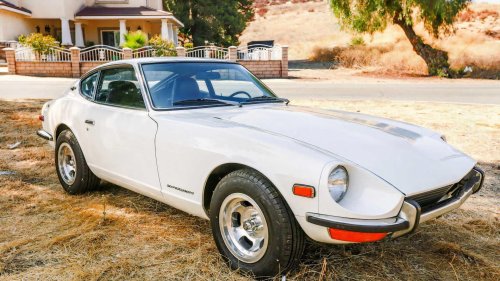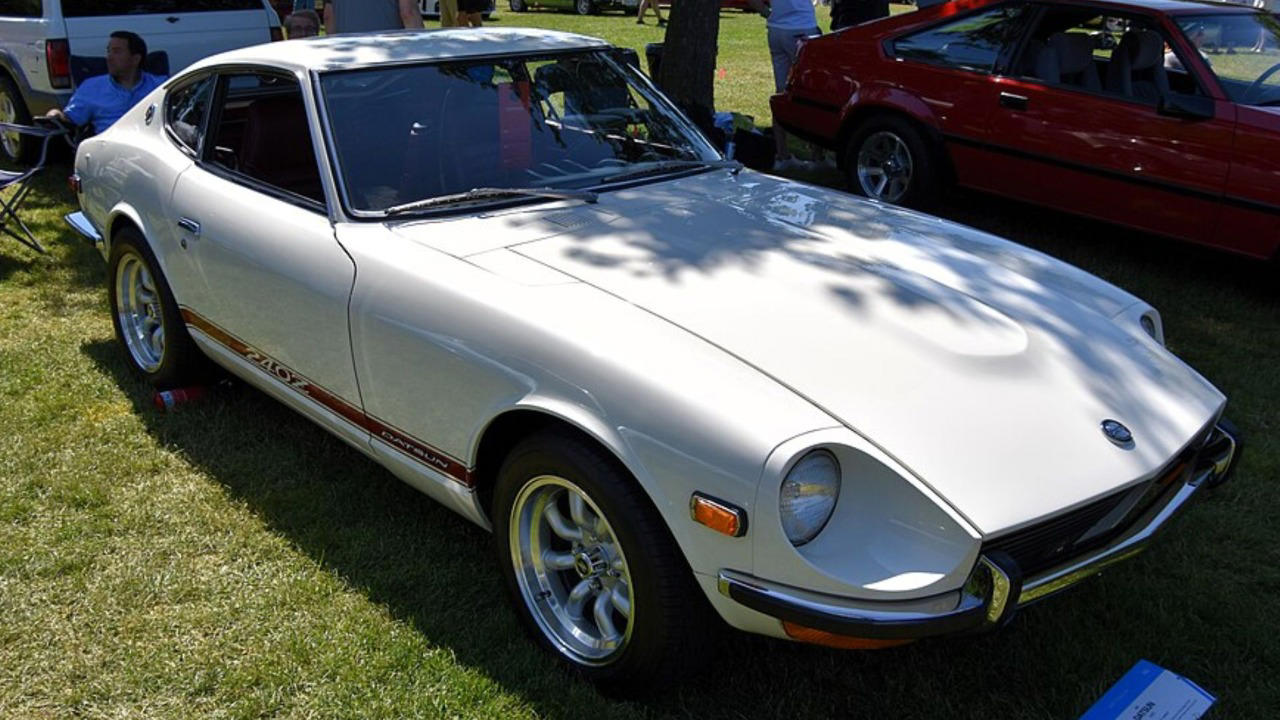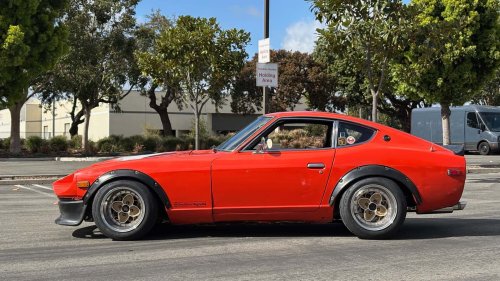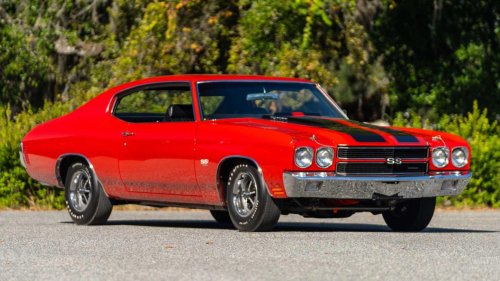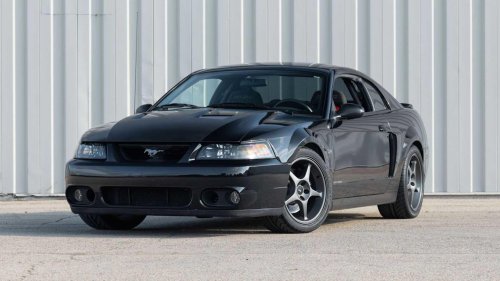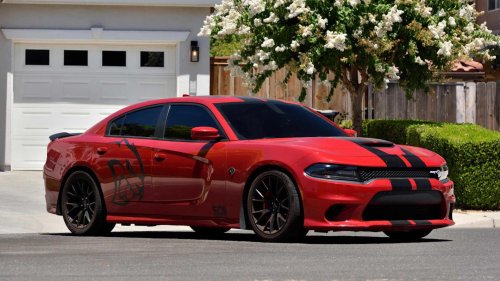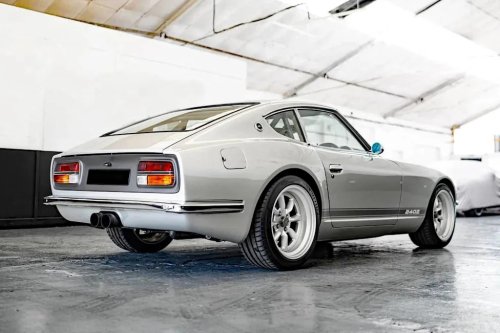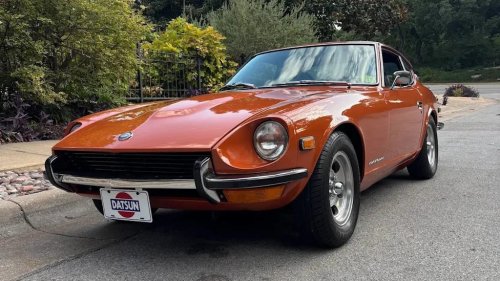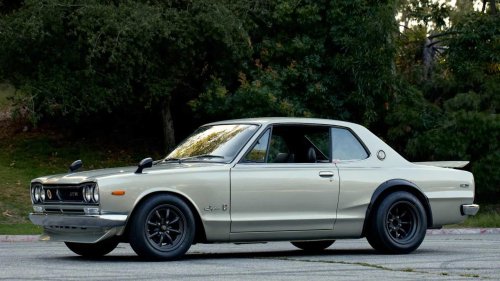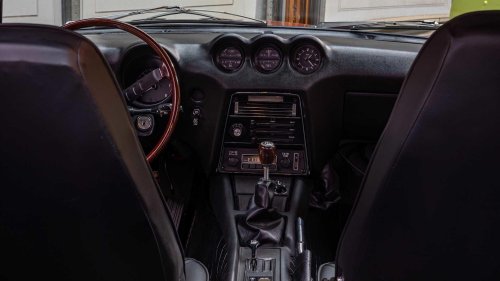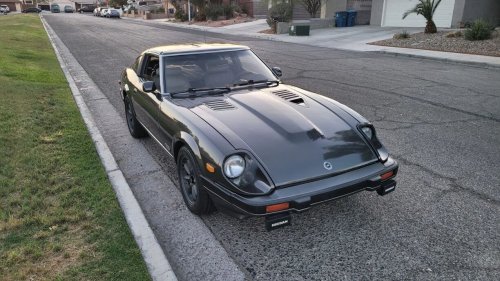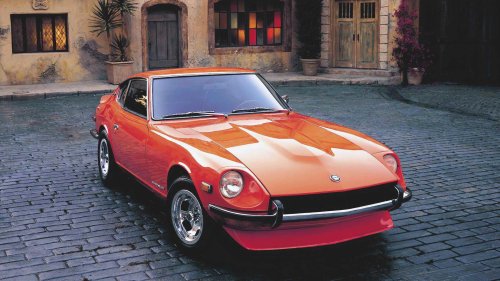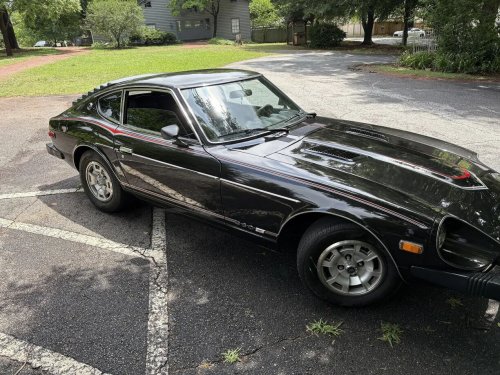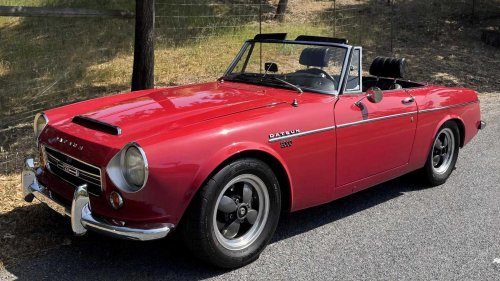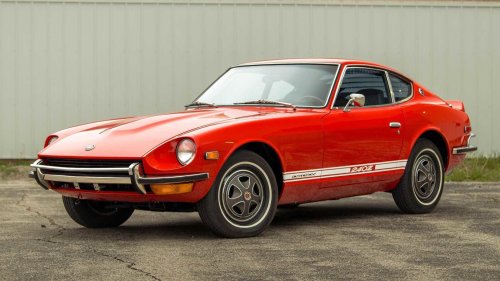
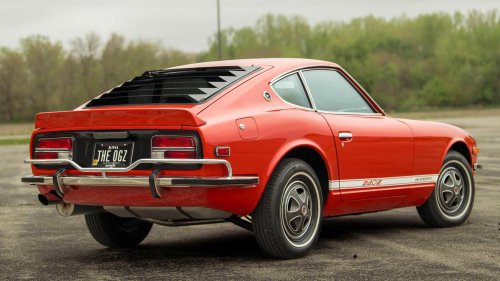
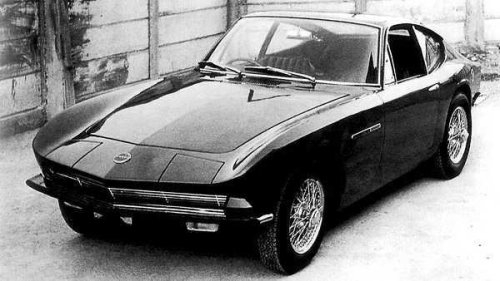
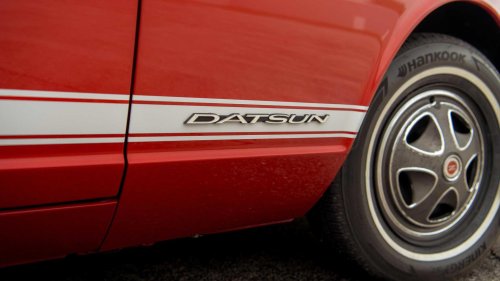
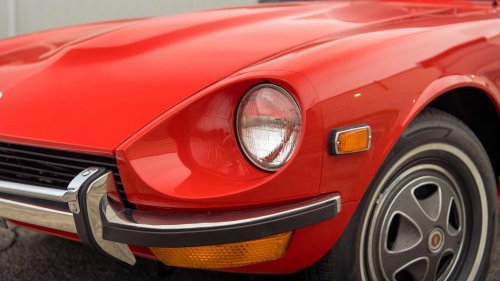
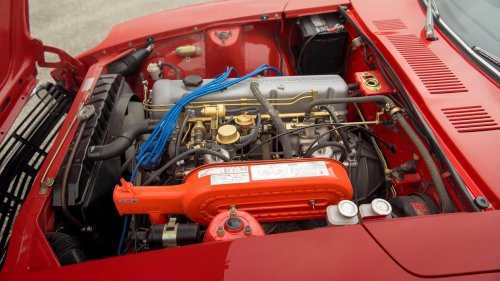
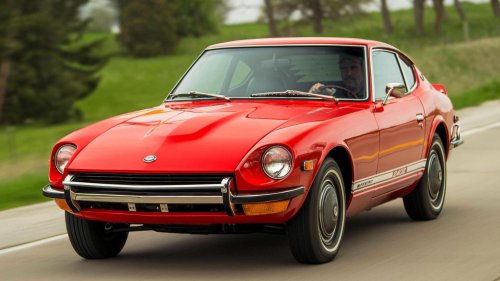
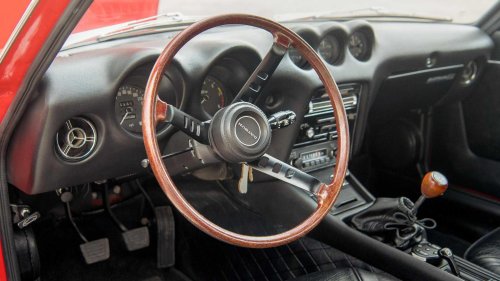
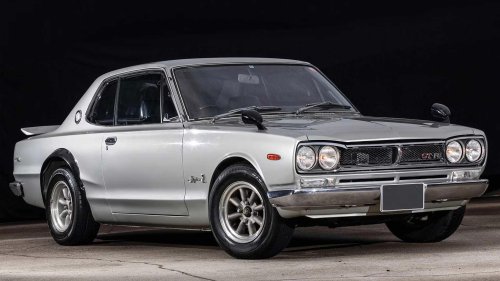
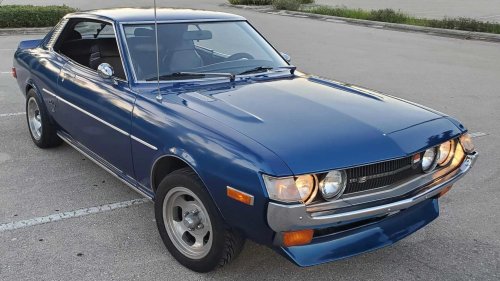
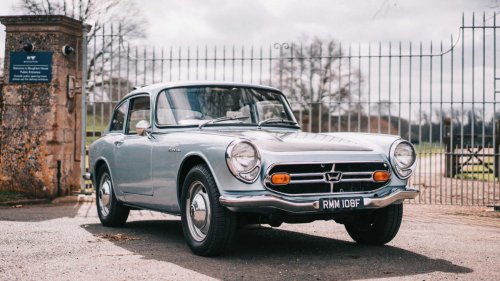



















The 1990s are often considered the best era for cars, especially in Japan. With respect to new technology and reliability, the '90s were a masterclass in Japanese car building, and the icons that came from it are undeniably legendary. But before all that – the twin-turbos, all-wheel steering, and clever electronics –one company would build a car that redefined how the West looked at Japanese automobiles forever.It was beautiful, fast, rapid through a corner, and everything else you could want from a pure sports car – so good that buyers all but forgot about American muscle cars of the time. It even made European cars feel overpriced and cheaply made. So, let's take a trip more than 50 years back in time to discover what this car is, and why it's so special. The Datsun 240Z: A Tiny Giant Killer Cars & Bids Of course, you and every other enthusiast know what the 240Z is, but its existence is far more unlikely than you'd think. In the 1960s, Nissan, or as it was known in America at the time, Datsun, was selling a car called the Fairlady 2000 Roadster. That's right, the Z isn't the first to use the "Fairlady" name. It was a small, two-seat roadster that was directly inspired by the British roadsters of the 1950s and 1960s.Cars & Bids It was a decent success for the company, but as the late 1960s approached, Nissan now faced a crossroads with its sports car offerings. They were eager to design and build a car specifically targeted towards the American market, and though building a new generation of the Fairlady Roadster would be easy, American regulations were primed to outlaw convertibles for fear of rollover safety (or a lack thereof). A New Partnership Retro Rides The open-top concept that had worked for years was now out the window if they wanted to succeed in the U.S. In light of this setback, Nissan quickly called up Yamaha, which, at the time, also operated as a design consulting business for automotive companies, in order to help build a hardtop coupe concept that would pass the impending U.S. regulations.What they came up with was the A550X. It had sexy, curvy coupe styling, retractable headlights, and a special monocoque chassis that housed an experimental four-cylinder that somehow came from an aerospace project in America. Weird, right? But that's not important. What actually mattered was how Nissan's higher-ups would react.Spoiler alert... they hated it. Maybe "hate" is a strong word, but the fact is, Nissan didn't believe it was worthy of production. Subsequently, Nissan left the partnership with Yamaha, abandoned the whole project, and left the two-door coupe as an item of the past. That is, until 1965, when Yamaha brought a heavily modified version of that project to Toyota, which, after further development and a ton of changes from the original A550X, became the world-beating, and now iconic, Toyota 2000GT. For lack of a better term, Nissan was jealous. They realized that the hardtop coupe sports car concept was still something that could be done successfully, and now, they were back in the game. The 240Z's Development Cars & Bids Using what was left over from the original A550X project, Nissan began on what we now know as the 240Z. They took the basic chassis design from the existing blueprints and made it as simple as possible. At the back, a new Chapman strut independent rear suspension was fitted, and up front, Nissan used the Datsun 510's MacPherson front struts.Cars & Bids As opposed to the A550X's four-wheel disc brakes, which were extremely uncommon for the era, Nissan opted for only front disc brakes, leaving the rears as conventional drums. Still, having disc brakes at all in the late 1960s was a high-performance option on its own. The team also massaged the body lines. The A550X was cool-looking, but too overstated and cartoonish: the designers simplified the design language and wound up creating what we think is one of the most gorgeous sports cars of all time.Under the hood was an engine with a backstory just as complicated as the car itself. The motor started its life as a Mercedes-Benz straight-six, which they had the rights to manufacture thanks to their new merger with Prince Motors, who originally signed that deal with Mercedes. They had to remove two of that engine's cylinders to fit it into the Datsun 510, but now that the new Z needed a straight six, they added two cylinders back onto it.Cars & Bids When finished, the engine was now a single overhead-cam, 2.4-liter straight-six that produced 151 horsepower and 146 pound-feet of torque. For its first model year in the U.S. (1970), the Z was only available with a four-speed manual transmission, though in mid-1971, it would also come with an optional 3-speed automatic.It drove so well and cost so little ($3,526 MSRP in 1970), that Datsun/Nissan sold over 140,000 units over its short four-year run from 1970 through 1973, before being replaced by the Datsun 260Z. The Datsun 240Z Vs. The World Cars & BidsThe early 1970s were an odd time for performance cars, especially those sold in America. The final iterations of the most intimidating muscle cars had now been abandoned, and one by one, they were turning into downsized, underpowered economy cars as they entered the gas-crisis, malaise era.This meant that upon debut in 1970, the Nissan 240Z didn't quite keep up with the hi-po stuff from America. Cars like the Mustang Mach 1, Chevelle SS, Corvette LT-1 and Charger R/T could all get to 60 mph in about 6 seconds or less. But by 1973, the Datsun's small and symphonic straight-six would retain its output, while the competition was forced to cut back on power.Cars & Bids In 1973, the 151-horsepower 240Z could do 0-60 in 7.8 seconds. The Mustang Mach 1 with a 351? Only 8 seconds. The Dodge Charger SE 400? About 8.5 seconds. The base model Corvette? Try 8.0 seconds. It was also faster than the Ferrari 246 Dino GTS, which could only manage about 8.0 seconds from 0-60 mph.The 240Z had a much more complete philosophy than the American cars of that era, including its ability to grip in the corners. In fact, when the Z was in production, not even the European cars were safe. The Z posted skidpad numbers of around 0.78-0.80 Gs, which were better than the contemporary Jaguar E-type, Chevrolet Corvette, and Porsche 911T.Cars & Bids The Datsun was also praised for its build quality. The Z's fit and finish, plus its high standard for materials, were on par with, if not better than, cars like the Ferrari 365 GT or Jaguar E-Type, which cost around five times as much money.Before the Z debuted, the vast majority of Japanese cars sold in America were viewed as novelties - smaller, fuel-efficient cars that were often ripoffs of American-style automobiles. But the Z changed that. It showed the masses that Japanese cars could be not just faster and more capable than American cars, but also feature better materials and build quality than the best from around the world. Other Cool Japanese Coupes From The 1970s We love the 240Z, but when it comes to spicy Japanese coupes from the same era, it's hard to pick just one. There are many more like the 240Z that we thought were worthy of sharing as honorable mentions. Here are a few. Nissan Skyline GT-R (KPGC10) wsupercarsWhen the Prince Motor Company, a high-end Japanese brand, merged with Nissan, they went racing with a car called the Skyline 2000GT. It dominated the track in the 1960s to the point where they decided to build a roadcar out of it and sell it to the public. They chose to use the 2.0-liter inline-6 engine (S20) from the Nissan R380 prototype racecar in their new car and rework the body into a stunning and timeless shape.This was the first Skyline GT-R. Nicknamed "Hakosuka," the GT-R made 160 horsepower, 130 pound-feet of torque, and revved to more than 7,000 rpm, which was extremely high for the time. It had four valves per cylinder, three individual carburetors, and two cams, which ended up being the inspiration behind the "432" moniker of the 1969 Nissan Fairlady Z 432, which featured the same engine. Toyota Celica ST(A20/A30) Bring A TrailerThe Celica is now a classic among Japanese car enthusiasts. It first debuted for the 1970 model year and continued for the A20 and A30 generations until 1977. The first-gen carsin the North American market came with a range of engines, though the trim and motor we are featuring is the ST model with the 8R 1.9-liter inline-four.It produced 108 horsepower and 117 pound-feet of torque. Of course, that's child's play compared to cars like the 240Z and Skyline GT-R, but this was intended to be the everyman's coupe, so it didn't need high-performance parts or engines. However, these are still fun cars to drive and are not as expensive as the other examples we've featured so far. Honda S800 Coupe Via: Financial TimesDid you read the specs for the S800 and let out an audible gasp? We did, too. The S800 was the final iteration of Honda's very first car, a tiny 1700-pound lightweight that was available in coupe and roadster body styles. The tiny engine was a 791 cubic-centimeter unit that made 70 horsepower and 49 pound-feet of torque.But what it lacked in power, it made up for with revs. The tiny motor could scream up to a ridiculous 8500 rpm, and was shifted via a four-speed manual gearbox. As we said earlier, the S800 was the last in the series of Honda's S roadsters. The S360, S500 and S600 came before it, with the S600's engine being capable of 9500 rpm.