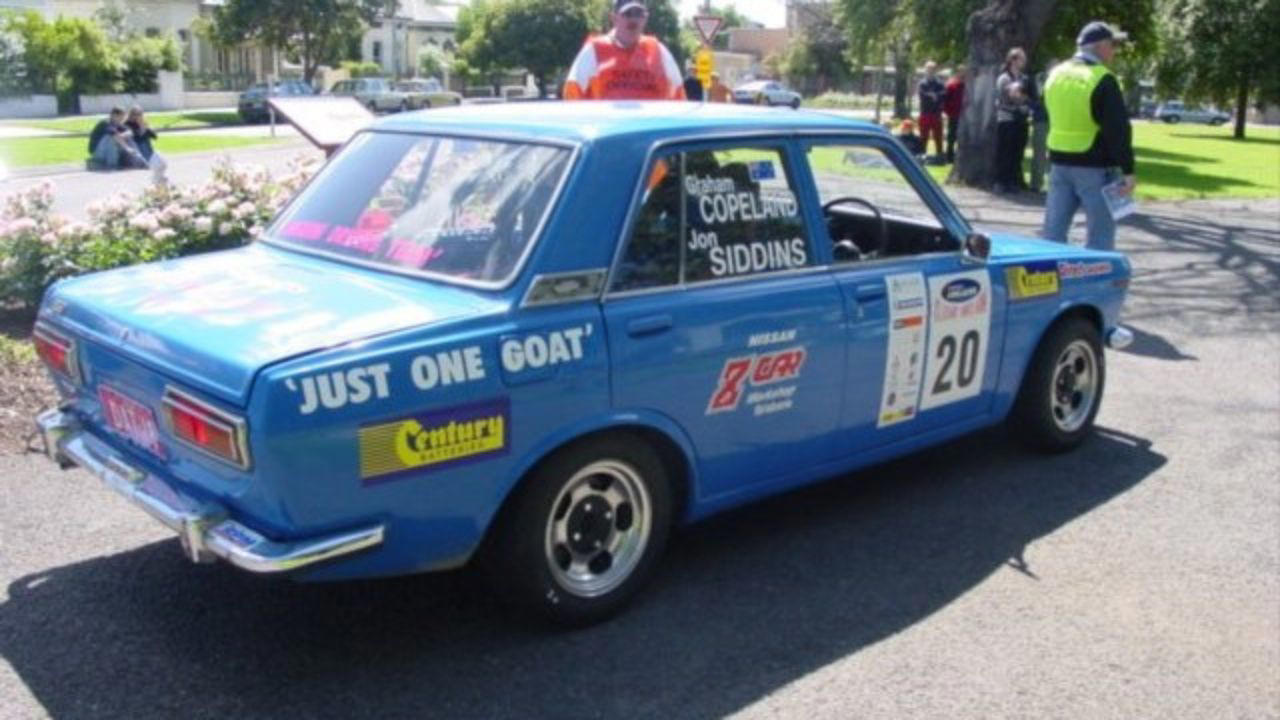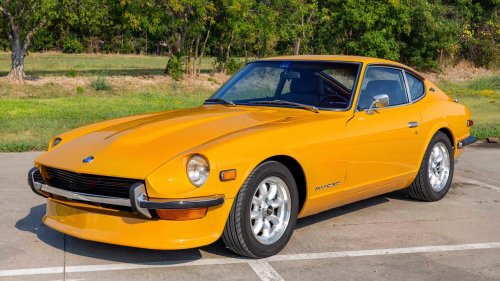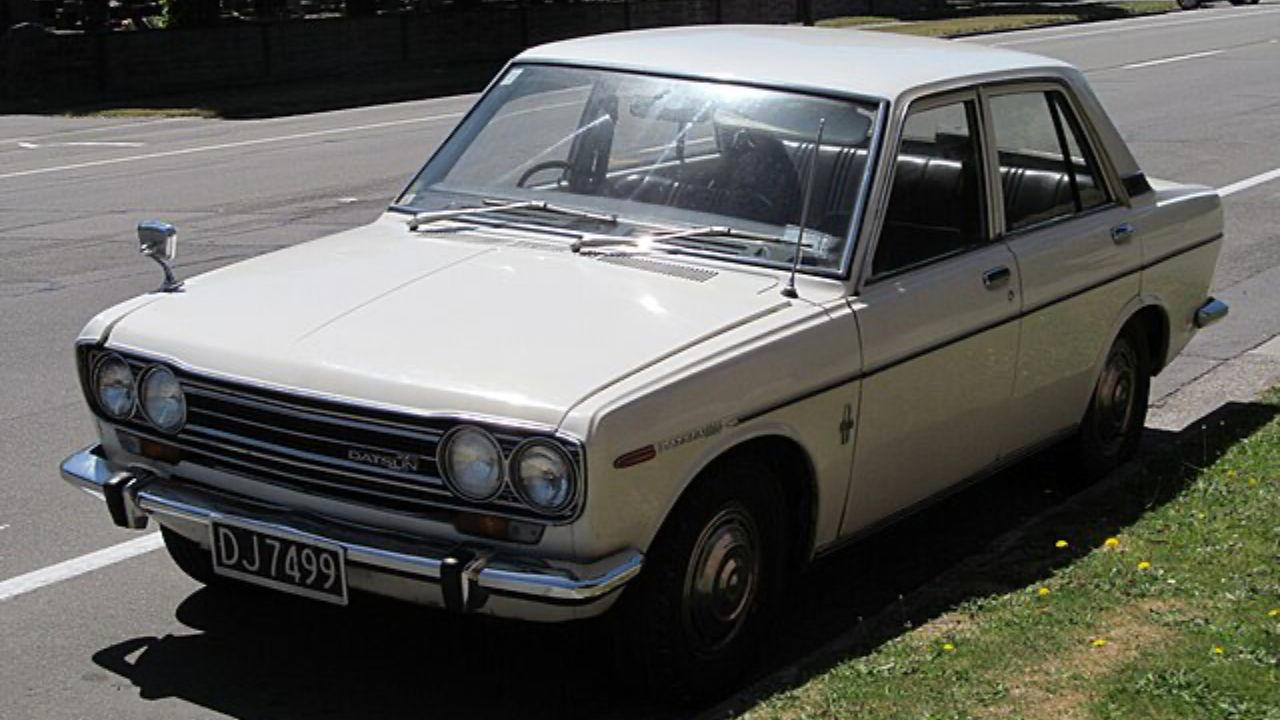


















Buying a 1971 Datsun 510 sounds simple until rust becomes part of the storyFrom a distance, a 1971 Datsun 510 promises simple fun: light weight, clean lines, and a reputation for punching above its class. Up close, the car often tells a different story, one written in bubbling paint, soft floorboards, and missing metal. Once rust enters the conversation, the easy dream of buying a cheap classic turns into a careful negotiation with physics, history, and a grinder. For buyers who treat the 510 as a blank canvas for period-correct builds or track toys, understanding how and where these cars dissolve is no longer optional. Rust dictates price, shapes the work ahead, and in some cases decides whether a particular shell should be saved at all. The 510’s appeal, and why rust matters more than power The Datsun 510 earned its cult status by offering independent front suspension, tidy three-box styling, and an eager four-cylinder in an affordable package. Sedans used semi-trailing arm independent rear suspension, while wagons relied on a live rear axle, a layout that gave the car a sophisticated feel for its era and helped it punch above its weight on twisty roads, as detailed in period Sedans coverage. Enthusiasts still chase that balance of simplicity and performance. A 1971 car can be light, tossable, and easy to modify with parts shared across the Datsun family. None of that matters, however, if the structure is compromised. A tired engine can be rebuilt. Worn suspension can be refreshed. Rust in the wrong places can quietly turn the whole project into scrap. Why classic Datsuns rust so aggressively Rust is not just a cosmetic issue on older Datsuns. It is baked into the way these cars were built. Galvanising did not become widespread on mass-market bodies until the 1980s, which left earlier steel panels largely unprotected. Owners of older imports have long noted that this lack of galvanising ended the life of many otherwise perfectly serviceable cars, a pattern discussed in detail by enthusiasts examining why Galvanising arrived too late for models like the 510. Moisture traps and thin coatings did the rest. Inner cavities in rocker panels, wheel arches, and front frame rails collected water and road salt, then slowly corroded from the inside out. By the time paint started to bubble, the metal underneath was often far more compromised than the surface suggested. For the 510, that means rust is not an accident or a one-off flaw. It is the default condition for any car that has seen real weather and less than perfect storage. Buyers who assume they can simply sand and respray are often surprised to find that what looked like surface crust hides missing structure. The worst-hit areas on a 1971 Datsun 510 Specialists who live with these cars see the same patterns repeatedly. Guides to common problems in classic Datsuns warn that rust in the Body Panels and Undercarriage is a notorious issue on models like the 240Z and the 510, with particular attention paid to how corrosion creeps along seams and hidden cavities in these older Datsuns. Once these areas are compromised, the car’s alignment, crash protection, and long-term stability all come into question. The issue is not just that the car looks tired. It is that the basic geometry that made the 510 so satisfying to drive can quietly drift out of spec. Borrowing lessons from the 240Z rust map Although the 510 and 240Z are different shapes, they share a family approach to construction and corrosion. Guides focused on the Z-car point to a familiar list of danger zones. Under the battery tray is flagged as the number one place to look on a typical Z-Car, since spilled acid and trapped moisture eat away at the inner fender and frame rail beneath, a pattern laid out in a widely cited Under the inspection guide. Specialists who document hidden rust on a 240Z shell also highlight the structural supports at the front of the car. Those supports keep the front end held together and help distribute weight and stress evenly across the chassis. When they rot, the car can twist under load, which makes accurate alignment and safe handling difficult, as explained in a detailed piece on Hidden Rust Spots. For a 1971 Datsun 510, the lesson is simple. Any area that combines structural duty with moisture exposure deserves extra scrutiny. That includes the firewall, front frame rails, and the junctions where inner fenders meet the cowl and floor. Rust in these areas is rarely isolated and often indicates that more hidden damage is waiting nearby. How experienced buyers inspect a 510 shell Seasoned buyers approach an in-person inspection of a 510 like a structured checklist, not a casual walkaround. They expect sellers to highlight the shiny parts and instead focus on the dull, dirty corners. Body specialists who work on classic muscle cars and trucks recommend a simple kit that translates perfectly to a small Japanese sedan: a magnet, a small screwdriver, and a flashlight with a mirror. Used correctly, those tools can save thousands by revealing where filler hides missing metal. One widely shared guide advises checking the Passenger side area around the firewall, fender bottoms, and other seams where moisture and dirt collect, advice that applies directly to an old Datsun even though it was written about Passenger cars of a different stripe. Enthusiasts on Datsun forums echo the same approach when discussing potential purchases. One Reddit thread about looking at a 240Z points buyers toward under the battery tray and floor pans, where rust can seep onto the frame rails as well as the visible panels, advice that translates directly to a 510 with similar underhood architecture and is captured in a conversation that begins with a simple Sweet thank you from a nervous shopper. Buyers who skip these steps often discover the truth only when the car is stripped for paint, at which point walking away is no longer an option. When rust is fixable, and when it is a parts car The line between a savable 510 and a parts donor is rarely sharp. It depends on skills, budget, and emotional attachment. Still, there are patterns in how experienced owners talk about their projects. In one Reddit discussion titled “Is this rust repairable?”, a user named Pale-Dust2239 responds in the Comments Section with practical advice: Buy a cheap mig welder and practice, practice, practice on thin sheet. Once you get the hang of it, even ugly rocker and floor repairs become possible, a mindset that shows up in the guidance to When a novice should start cutting. Video diaries of 510 builds tell similar stories. One creator nicknames his car Dot Vicado and documents how rocker panel rust repair requires cutting away entire sections of outer and inner rocker, fabricating patches, and carefully stitching them back into place to avoid warping. His Jun update makes clear that what looked like a small blister in the paint turned into a major surgery once the grinder came out, a transformation that plays out on screen as he works through the Dot Vicado shell. At some point, however, even optimists draw a line. When rust reaches the tops of the strut towers, the junction of the firewall and floor, or the main rails under the cabin, the cost and complexity of repair can exceed the value of the finished car. That is especially true for buyers who have to pay professional rates instead of doing the welding themselves. The cost question: how rust reshapes the budget Rust does not just add hours to a project. It multiplies costs in ways that are hard to predict. A buyer who expects to spend a modest sum on paint and interior work can quickly find that structural repairs consume the entire budget. In one discussion about a reasonable restoration budget, the same user Pale weighs in on how parts choices can affect costs, advising another Datsun owner to Look into Z Therapy for help with swapping to 240 style carburetors, a reminder that even mechanical upgrades carry hidden expenses that stack on top of bodywork, as outlined in a Therapy for focused thread. Rust multiplies those expenses. Patching floors and rockers demands sheet metal, welding supplies, seam sealer, and paint, plus the labor to strip, align, and finish the work. If the buyer cannot weld, shop rates can easily eclipse the purchase price of the car. That is before considering the opportunity cost of chasing a severely rusted shell instead of paying more up front for a cleaner example. Specialist suppliers help by offering reproduction panels and repair sections. Guides to Common Issues in Classic Datsuns and the Parts Needed to Fix Them emphasize that owning a classic Datsun is a rewarding experience, but also list the specific patch panels and hardware required to address typical rust areas. Those guides frame rust as the first of several Common Issues and treat Classic Datsuns and the Parts Needed to Fix Them as a matched set, rather than separate problems, which is reflected in a detailed overview of Common Issues. For the 510 specifically, dedicated vendors exist to fill the gaps. One such supplier, found via a buyer’s guide, focuses on body panels and trim for the 510 and other Datsun models, making it possible to replace entire sections rather than fabricate everything from scratch, an ecosystem that has grown around the 510 and its siblings. More from Fast Lane Only Unboxing the WWII Jeep in a Crate 15 rare Chevys collectors are quietly buying 10 underrated V8s still worth hunting down Police notice this before you even roll window down