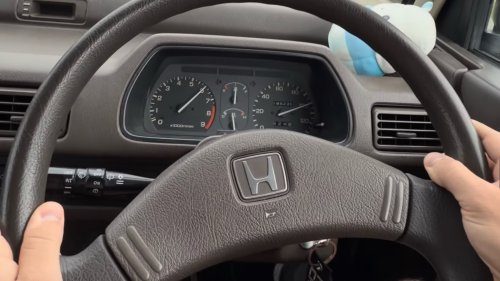
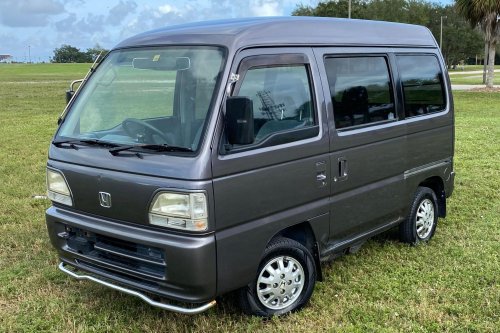
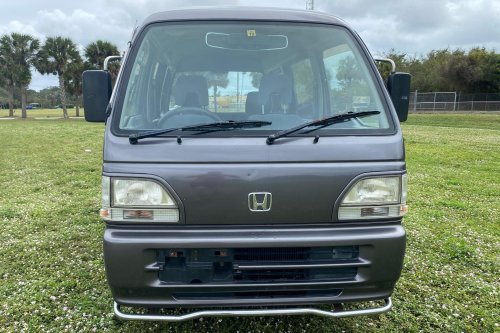
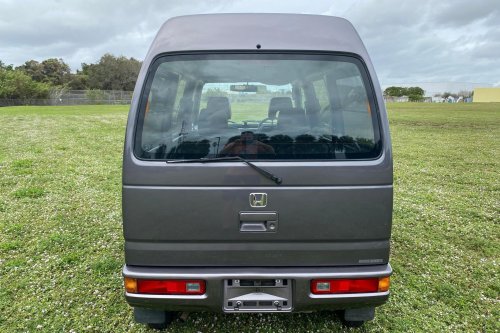
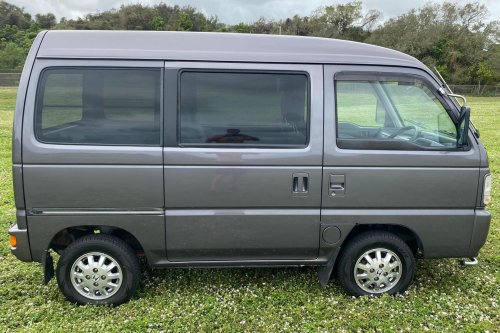
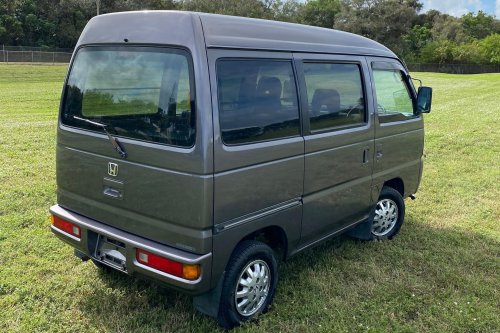
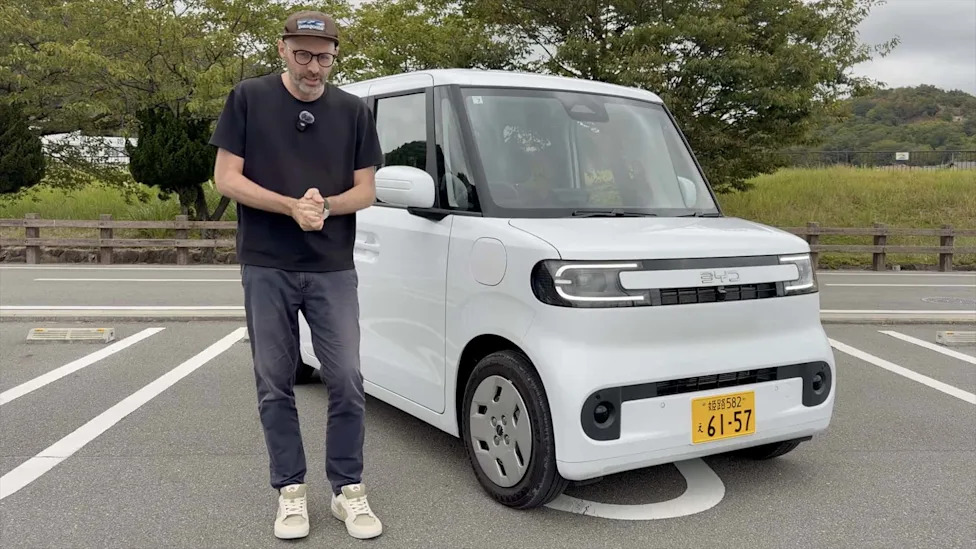
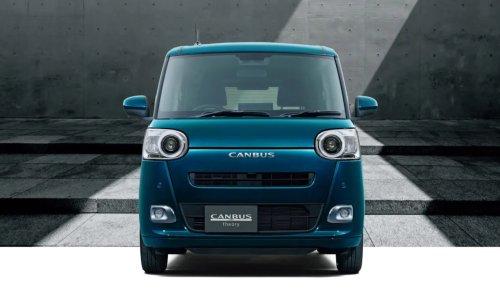
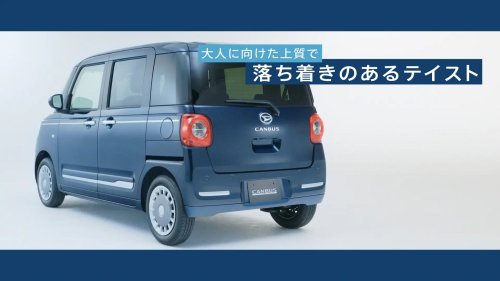
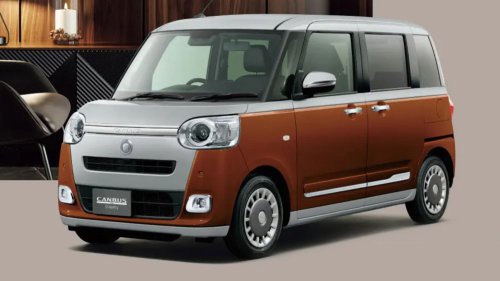
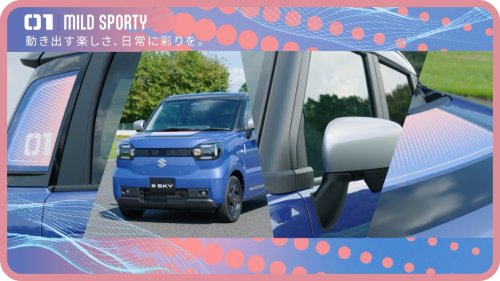
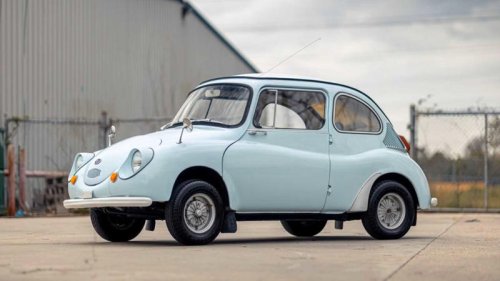
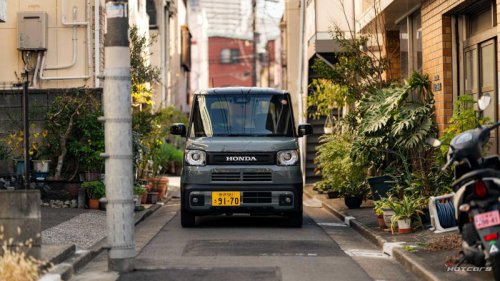
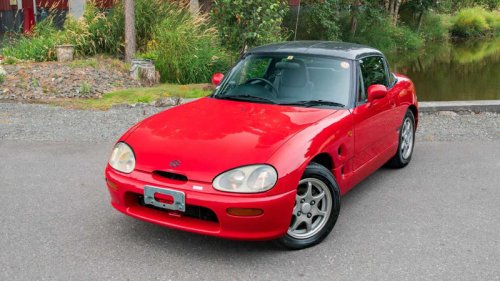
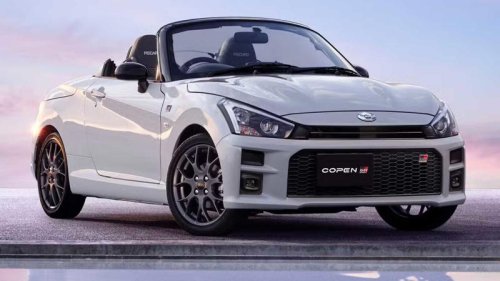
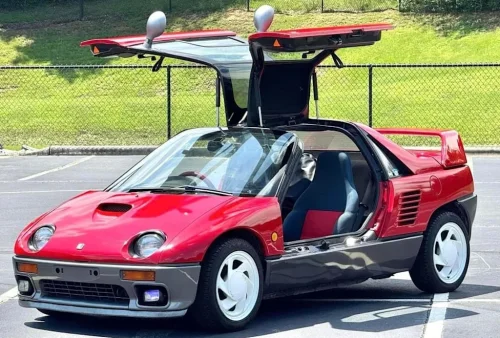
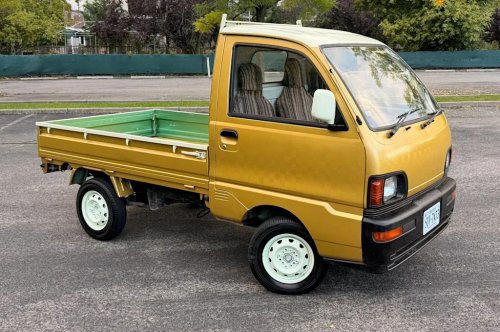
In the Japanese domestic market, seeing a 660cc mini truck fit into a space that’s barely larger than a sofa isn’t new—it’s a normal aspect of everyday transportation. Such cars are called Kei cars, and more than a third of all new car sales in Japan are made up of this category of ultra-compact vehicles, in a country aiming for efficient vehicles, lower taxes, cheaper insurance, and much more simplified ownership requirements. As a result, it has evolved into one of the most efficient automotive solutions in the world. For this unique category of vehicles to succeed, Japan imposes strict size and engine limits.In markets outside Japan, these kei cars are gaining serious momentum. Import volumes of kei trucks into the United States have seen an increase of roughly 300% between 2019 and 2024, reaching up to 7,500 units annually. Currently, there are approximately tens of thousands of such vehicles already in operation across North America, showing that the demand is there. If the U.S. focuses on regulations that accommodate smaller vehicles, it's safe to say that kei cars that cost under $10,000 could be a welcome disruption to a market where the average new car now costs a minimum of $48,000. History Of Kei Cars: From 150cc Origins To The Turbo Era Subaru Japan introduced the kei car category in 1949 as part of the nation’s effort to make vehicle ownership accessible and rebuild its economy. As a result, the first set of regulations was extremely restrictive, with vehicles being limited to a length of 2.8 meters, a width of one meter, and small 150cc engines. These tight boundaries forced many innovations from manufacturers. In 1958, Subaru made the first major breakthrough with the Subaru 360. This rear-engined, two-stroke, two-door kei city car ran on a 356cc engine that produced just 16 horsepower. Subaru sold nearly 400,000 units between 1958 and 1971, proving that these small cars could succeed at scale. Nine years after the Subaru 360 made its splash, Honda introduced the 31-horsepower N360, with a 354cc, air-cooled, 2-cylinder, 4-stroke engine, that outsold the Subaru with around 250,000 units. This further validated the kei concept.In March 1990, Japan expanded engine limits to 660cc, bringing about the famous kei "turbo wars" championed by manufacturers like Suzuki and Daihatsu, who did everything to push engineering to its limits. This was the period during which the maximum engine displacement was increased from 550cc to 660cc. Suzuki upgraded the engine in their Suzuki Carry truck from 550cc to 660cc, upgraded the similarly sized engine in the Suzuki Every van to 657cc, and did the same on the Suzuki Jimny. Daihatsu did the same thing as Suzuki. The 1990 versions of the Mira and HiJet also went from 550cc to 660cc. The 660cc limit made intercoolers, turbochargers, and high-revving engines common, allowing Suzuki and Daihatsu to eventually produce iconic models like the Suzuki Alto Works and Daihatsu Mira TR-XX Avanzato. Kei car regulations eventually hit their modern form in 1998, shaping the segment today, increasing the maximum length to 3.4 meters, making the width 1.48 meters, and the height to 2.0 meters. Engine displacement remained capped at 660cc. Kei Car Specs Explained: 660cc Engines, Horsepower Limits, And Real-World Performance Ayesh Seneviratne / HotCarsWith the kei car engine limit at 660cc, many Japanese manufacturers keep their largest engines at 658cc to stay within the limit and produce the most efficient and powerful engines. Even with displacement this small, kei cars still deliver performance that’s practical enough for everyday use. The long-standing gentleman's agreement between top manufacturers in Japan keeps most kei cars under a horsepower cap of 64 horsepower because, with vehicles that typically weigh between 700 and 1,000 kilograms, it's both sufficient for city and highway driving and safe. Most kei cars with turbocharged engines are capable of 0–60 mph times of around 12 to 13 seconds, as well as top speeds of approximately 87 mph.One example is the Honda N-Box, a 660cc 3-cylinder engine that produces 58 horsepower with the naturally aspirated engine and 64 horsepower on the turbocharged engine. The Honda is capable of 0–60 mph times of about 19 seconds with the naturally aspirated engine, and 13 seconds with the turbocharged engine. On the Suzuki Spacia, the 52-horsepower naturally aspirated engine can hit a top speed of 87 mph, while the turbocharged engine can hit 99 mph. The vast majority of modern kei cars run on a continuously variable transmission (CVT). There are a few options, especially trucks like the Daihatsu HiJet and the Suzuki Carry that use 5-speed manual transmissions or automatic gearboxes, with performance vehicles like the Suzuki Alto Works or Honda S660 using 5-speed or 6-speed manual transmissions. In dense environments where larger vehicles struggle, these vehicles are exceptionally maneuverable, especially due to their large glass areas, upright driving positions, and tight turning radii. Types of Kei Cars: Hatchbacks, Sports Cars, And 660cc Mini Trucks Explained Although kei cars are defined by strict size and engine limits, they are not defined by shape, allowing manufacturers to create a wide variety of vehicle body styles. Dominating the market are everyday models like the tall wagon, boxy-shaped Honda N-Box, which don't let their compact exterior dimensions stop them from offering the practicality of family-friendly vehicles, with features like sliding doors and a spacious interior. Priced at $8,600, the Suzuki Alto hatchback is one of the most affordable vehicles in the world, with its mild-hybrid system and approximately 65 mpg fuel economy being the driving factors behind over 16 million units sold worldwide since its introduction. The retro-styled 5-door microvan Daihatsu Move Canbus produces a fuel economy rating of 48 mpg on a 64-horsepower 660cc turbo engine. It also has features like touchscreen infotainment, adaptive cruise control, and LED lighting.The Honda S660 is a mid-engine, 2-seater sports car with a targa top body style. Its 660cc 3-cylinder engine produces anywhere from 63 to 64 horsepower. The Suzuki Cappuccino is a 2-door, 2-seater vehicle available either as a roadster or a convertible. This is the same as the Daihatsu Copen. These vehicles deliver engaging driving experiences, relying on their low weight and precise handling, despite their limited horsepower. Vehicles like the Daihatsu Hijet have made the kei mini truck segment particularly popular outside Japan. With cargo beds measuring just over six feet in length and under five feet in width, the impressive practicality of these trucks rivals some full-size pickups, with the HiJet’s bed longer than the Ford F-150 short and standard bed configurations. These mini trucks are used for construction, agriculture, and small business operations. With cargo beds measuring just over six feet in length and under five feet in width, the impressive practicality of these trucks rivals some full-size pickups, with the HiJet's bed longer than the Ford F-150 short and standard bed configurations. Kei Car Buying Guide: Import Rules, Costs, And What To Check Before Buying BaT Outside the Japanese domestic market, especially in the United States, there are many import regulations to understand before purchasing a kei car. In the United States, the National Highway Traffic Safety Administration allows vehicles at least 25 years old to bypass modern safety standards. The Environmental Protection Agency (EPA) also exempts vehicles over 21 years old, meaning that in 2025, most kei cars built before or around 2000 are eligible for import. However, this is not the end of the approval process as these vehicles need state-level registration before they become road-legal. In states like Indiana, Florida, Texas, and Washington, kei cars can be used on public roads, but this permission often comes with restrictions on speed or road type. However, kei mini trucks are not permitted on interstate highways in any state.25-year-old Kei cars typically cost between $1,000 and $8,000, with Suzuki Alto models generally cheaper, and specialty models like the Suzuki Cappuccino and the early 1990s Autozam AZ-1 generally costing upwards of $10,000. Before the car can be permitted in the US, you must file a DOT Form HS-7 and EPA Form 3520-1 to declare the vehicle exempt based on its age. However, before purchasing, carefully inspect any kei vehicle. For vehicles bought and imported directly from Japan, maintenance records are generally better due to stricter inspection systems, but be more careful with those already in the United States, as they may have been subjected to heavier use. Your pre-purchase inspection should include checking drivetrain condition, suspension components, and the overall structural integrity of the vehicle to avoid costly issues. There's the possibility that Kei cars will be produced in the United States in the near future, with President Donald Trump expressing his interest in the vehicle segment, which would affect regulations restricting them. Kei Car Market Trends: Import Growth, Pricing, And Collector Investment Potential Daihatsu Outside Japan, the kei car market continues to expand rapidly, driven by both the affordability and practicality of the vehicles offered. Since 2019, import volumes into North America have increased by approximately 300%, with approximately 7,500 units imported annually. With most kei cars priced under $10,000, kei cars are an attractive alternative for cost-conscious buyers to American pickups like the Ford F-150 Raptor, which starts at over $80,000. Beyond practicality, many kei cars are becoming collector vehicles. Turbo models like the Daihatsu Mira TR-XX Avanzato and the Suzuki Alto Works are attracting the interest of many enthusiasts. Meanwhile, inside Japan, domestic demand remains strong, with approximately 1.3 million units annually and models like the Honda N-Box leading sales charts.FAQQ: What is a kei car?A kei car is a Japanese ultra-compact vehicle limited to 3.4 m length, 1.48 m width, and a 660cc engine, with a voluntary 64 hp cap.Q: Are kei cars legal in the U.S.?Yes, under the 25-year import rule. State laws determine road legality.Q: How much does a kei car cost?Imported models typically cost $7,000–$15,000 total, depending on condition and shipping.Q: What is the most popular kei car?The Honda N-Box is Japan’s best-selling kei vehicle.Q: Can you drive a kei car on the highway?In Japan, yes. In the U.S., it depends on the state, but kei trucks are not allowed on interstate highways.






























!['What the [Expletive] Is That?:' Customer Complains Car is 'Shaking Like Crazy.' Then His Mechanic Takes a Closer Look At The Tire](https://cdn.topcarnews.net/thumb/id/aHR0cHM6Ly9jZG4ubW90b3IxLmNvbS9p-bWFnZXMvbWdsLzQwRTk0cS9zMS9tYXpk-YS1taWF0YS1vbi1zdHVkZGVkLXdpbnRl-ci10aXJlcy10ZXN0LmpwZw/79e14514a276098b50ad4c871b42cc60.jpg?t=20261010&post_id=3458)
!['What the [Expletive] Is That?:' Customer Complains Car is 'Shaking Like Crazy.' Then His Mechanic Takes a Closer Look At The Tire](https://cdn.topcarnews.net/thumb/id/aHR0cHM6Ly9jZG4ubW90b3IxLmNvbS9p-bWFnZXMvbWdsL01rWVFNNC9zMS9pbWdf-ODY0Mi5qcGc/6f1ec4b4318a8b257cc3e8a877ffe35f.jpg?t=20261010&post_id=3458)
!['What the [Expletive] Is That?:' Customer Complains Car is 'Shaking Like Crazy.' Then His Mechanic Takes a Closer Look At The Tire](https://cdn.topcarnews.net/thumb/id/aHR0cHM6Ly9jZG4ubW90b3IxLmNvbS9p-bWFnZXMvbWdsL2xFM3dsVy9zMS9pbWdf-ODY0OC1jb3B5LmpwZw/347bc674f00c1700fd29d2c57e842287.jpg?t=20261010&post_id=3458)
!['What the [Expletive] Is That?:' Customer Complains Car is 'Shaking Like Crazy.' Then His Mechanic Takes a Closer Look At The Tire](https://cdn.topcarnews.net/thumb/id/aHR0cHM6Ly9jZG4ubW90b3IxLmNvbS9p-bWFnZXMvbWdsL2JnMTJHdi9zMS9tYXpk-YS1taWF0YS1vbi1zdHVkZGVkLXdpbnRl-ci10aXJlcy10ZXN0LTAxLmpwZw/93bb67d2c8cc97fba8d2ff15175061ca.jpg?t=20261010&post_id=3458)
!['What the [Expletive] Is That?:' Customer Complains Car is 'Shaking Like Crazy.' Then His Mechanic Takes a Closer Look At The Tire](https://cdn.topcarnews.net/thumb/id/aHR0cHM6Ly9jZG4ubW90b3IxLmNvbS9p-bWFnZXMvbWdsL3BiM3E5by9zMS9tYXpk-YS1taWF0YS1vbi1zdHVkZGVkLXdpbnRl-ci10aXJlcy10ZXN0LTAyLmpwZw/99624eda68d3f45fcbd7939f0443e37f.jpg?t=20261010&post_id=3458)
!['What the [Expletive] Is That?:' Customer Complains Car is 'Shaking Like Crazy.' Then His Mechanic Takes a Closer Look At The Tire](https://cdn.topcarnews.net/thumb/id/aHR0cHM6Ly9jZG4ubW90b3IxLmNvbS9p-bWFnZXMvbWdsL1hCNlBYVi9zMS9tYXpk-YS1taWF0YS1vbi1zdHVkZGVkLXdpbnRl-ci10aXJlcy10ZXN0LTAzLmpwZw/544d73fd805018640d3a35252e9dbb76.jpg?t=20261010&post_id=3458)