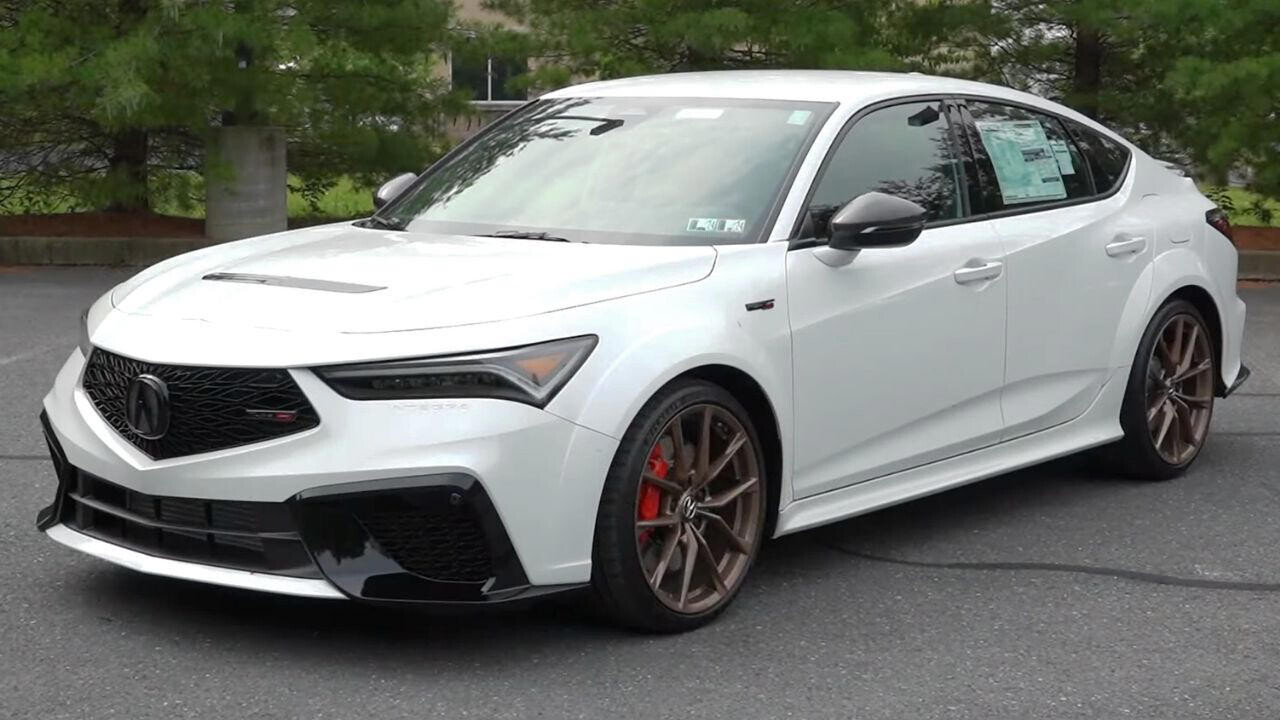
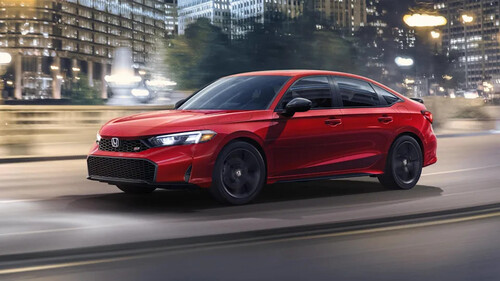
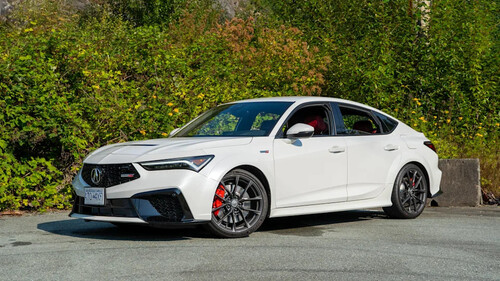
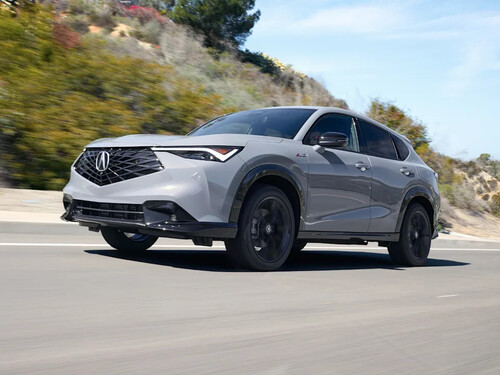
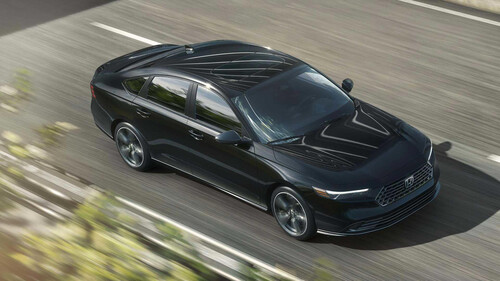
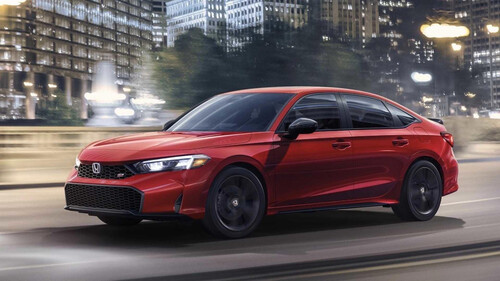
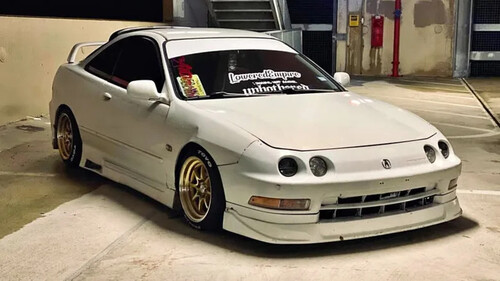
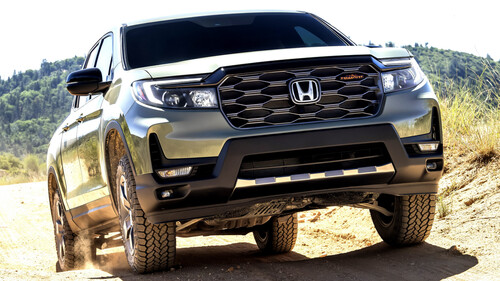
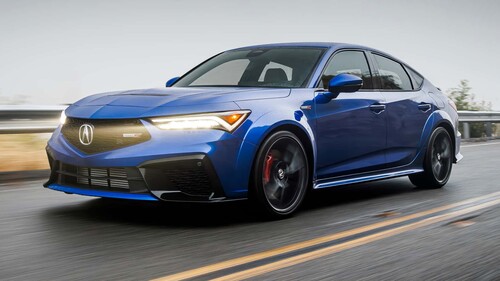
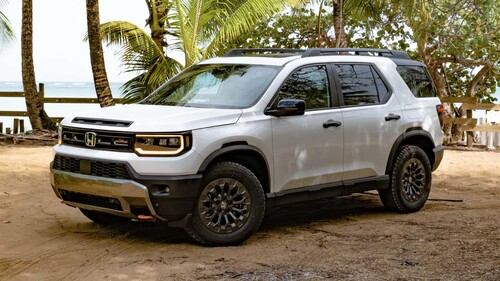
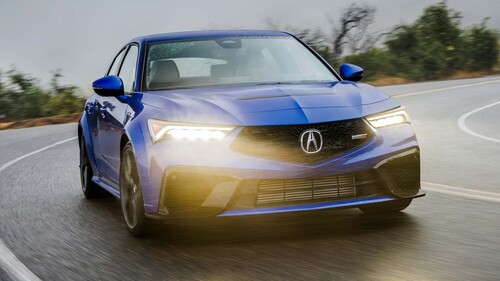
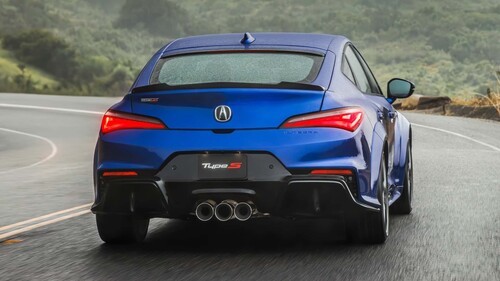
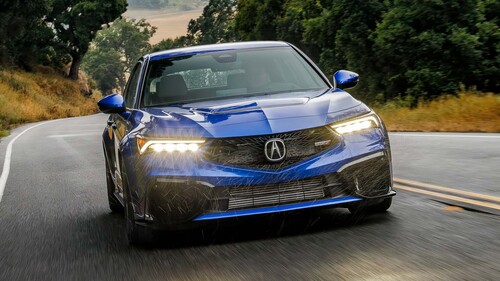
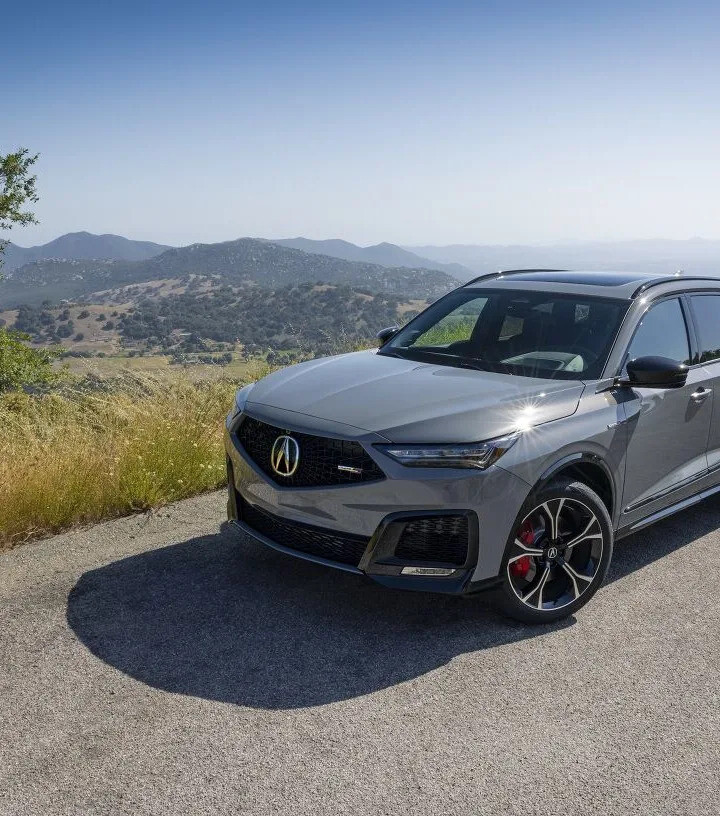
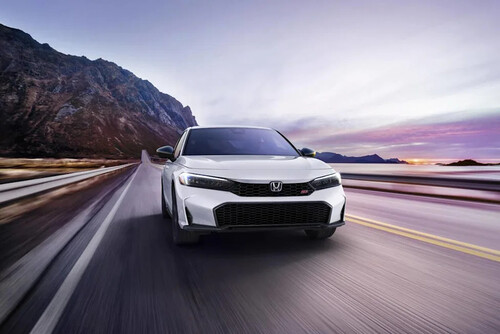
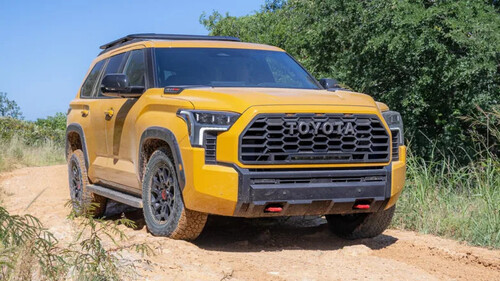
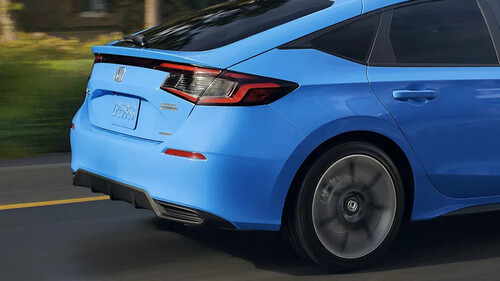
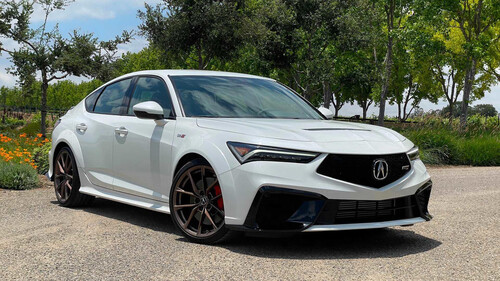
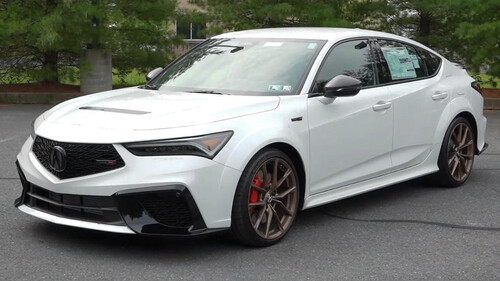
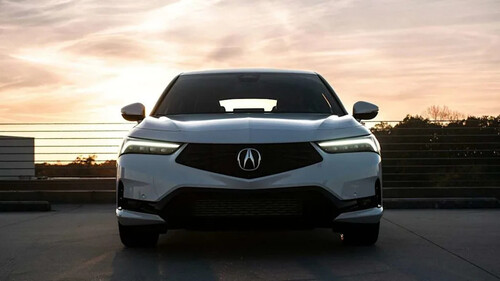
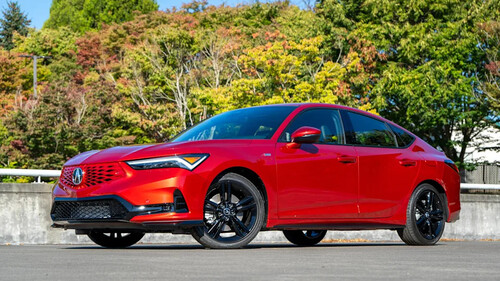
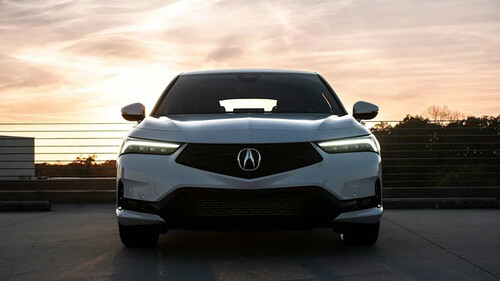
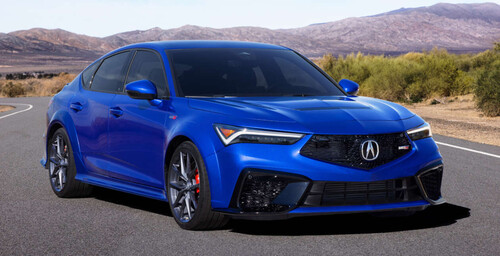
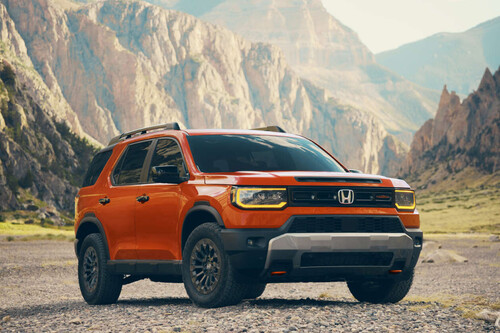
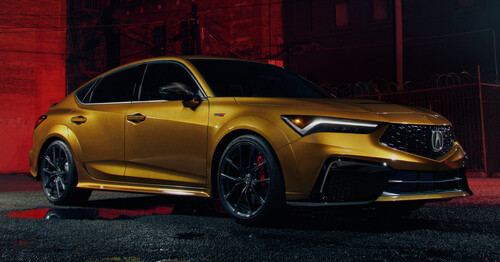
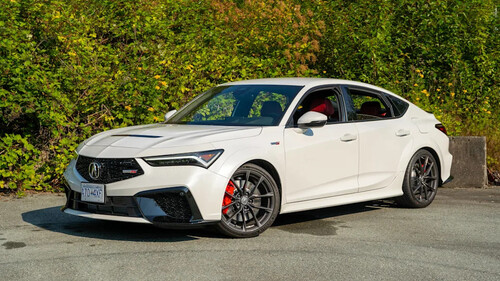
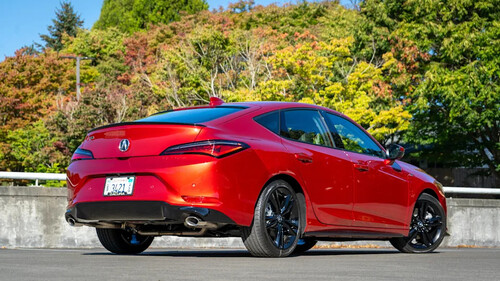
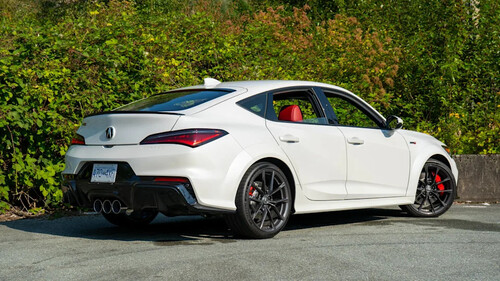
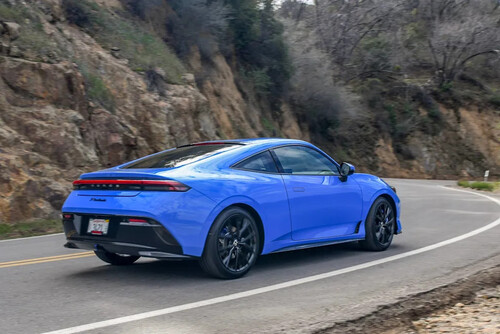
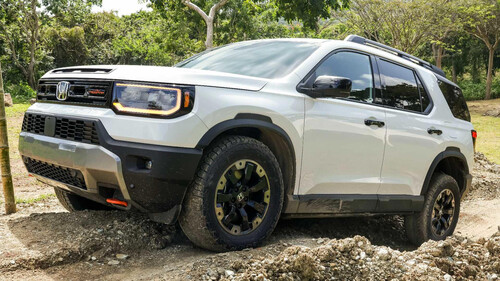
Honda and Acura to export US models to Japan as kei car talks advanceHonda is preparing a rare reversal in the flow of global car trade, sending American-built Honda and Acura models to Japan while policymakers on both sides of the Pacific debate how to treat kei cars in the United States. The move signals a new phase in the relationship between the two markets, with U.S. factories building vehicles tailored for Japanese buyers even as Washington pressures Japan to open up its own mini car segment. By pairing exports of the Acura Integra Type S and Honda Passport TrailSport with talks over kei car access, Honda is positioning itself as both a beneficiary and a test case of a more reciprocal auto trade. The strategy could reshape how automakers think about where they design, build, and sell vehicles at a moment when regulations, consumer tastes, and political expectations are all shifting. Acura’s first step into Japan and the new export flow Honda Motor Co is using the Acura brand to make a statement at home, choosing a performance flagship as the spearhead for exports from the United States to Japan. The company has confirmed that the Acura Integra Type S will be built in America, then shipped to Japan in the second half of 2026 as the first Acura model ever sold in its domestic market, a symbolic break from the long period in which Japanese plants supplied the world while U.S. factories mostly served North America. Corporate materials describe the Integra Type S as an expression of Acura Precision Crafted, which Honda now wants Japanese buyers to experience in imported form. The decision arrives nearly 40 years after Honda created Acura for the North American market, and nearly 40 years after U.S.-built vehicles began to define the brand’s identity. For decades, the flow of trade largely moved in one direction, from Japan to the United States, yet Honda now plans to send the Acura Integra Type S and a U.S.-built Honda Passport TrailSport back to Japan as part of a broader effort to refresh its domestic lineup and show that American plants can compete on quality and engineering in one of the world’s most demanding markets. Passport TrailSport, Integra Type S and the two way pipeline The export plan is not limited to Acura. Honda has also selected the Honda Passport TrailSport, a mid-size SUV built in the United States, as a second model for shipment to Japan, creating a two-vehicle package that blends performance and family utility. Reporting on which Acura and identifies the Acura Integra Type S and Honda Passport TrailSport as the two nameplates that will make the trip, underscoring how carefully Honda and Acura have chosen vehicles that already resonate with American buyers. The company is betting that Japanese customers will respond to the same blend of size, capability, and styling that has helped these models stand out in the United States. Honda executives have framed the move as part of a deliberate strategy to improve the domestic product mix and to use American plants more flexibly. Corporate statements on how Honda will begin sales of U.S.-built vehicles in Japan describe the Integra and Passport as additions that can lift the appeal of the lineup without requiring new Japanese production lines. At the same time, separate disclosures that Honda will sell a China-made electric vehicle in Japan while, separately, beginning to ship these two U.S. models into the country show how the automaker is turning its global manufacturing footprint into a two-way pipeline serving its home market from multiple overseas hubs. Trade politics, kei car talks and U.S. pressure on Japan Honda’s export decision lands in the middle of a sensitive political conversation about how open each country’s auto market truly is. In Washington, former president Donald Trump has pushed for Asia’s pint-sized kei cars to be made and sold in the United States, arguing that Japanese companies should build those vehicles locally if they want access to American buyers. Industry voices such as Yoshida have countered that pricing and costs do not match U.S. expectations, and that kei cars, which are tailored to narrow roads with strict size and engine limits, would face a niche market at best under current regulations. Japanese officials have also been wary of opening the kei segment too quickly, in part because those vehicles enjoy tax and insurance advantages that help sustain domestic producers. Meanwhile, U.S. negotiators have long complained about barriers to American-made cars entering Japan, and Honda’s choice to send an Acura performance model and a Honda SUV from American plants into Japan offers a concrete example of the reciprocity Washington has sought. By moving first, Honda gives Japanese policymakers a visible case of U.S.-assembled cars entering Japan, even as Tokyo weighs how far to go in accommodating kei car ambitions in the United States, and that may influence how future trade discussions are framed. Strategic stakes for Honda, Acura and the wider industry For Honda and Acura, the export program is as much about brand positioning as it is about volumes. Company materials describing how Honda will introduce Acura to Japan by importing U.S.-made Integra and Passport models emphasize that these vehicles will be sold in relatively low volumes, yet they will carry high visibility. The Integra Type S in particular is expected to showcase American build quality and engineering in a segment where Japanese buyers are accustomed to domestic performance icons, while the Passport TrailSport will test whether a U.S.-sized SUV can command a premium as an imported Elite-style product in a crowded field. Industry analysts have also pointed to the signal this sends other automakers. One report on how Honda is effectively flipping the script by sending two vehicles to Japan notes that, for decades, Japan’s auto business largely moved east to west, but now companies are experimenting with reverse flows that reflect a more integrated global supply base. Additional coverage of how the Japan bound Integra will be produced in the United States and shipped in modest volumes suggests that success will be measured less by raw sales and more by how these models influence perceptions of American-made vehicles among Japanese consumers, and by whether they help Honda argue for a more balanced, two-way approach to trade as kei car talks continue. More from Fast Lane Only Unboxing the WWII Jeep in a Crate 15 rare Chevys collectors are quietly buying 10 underrated V8s still worth hunting down Police notice this before you even roll window down The post Honda and Acura to export US models to Japan as kei car talks advance appeared first on FAST LANE ONLY.