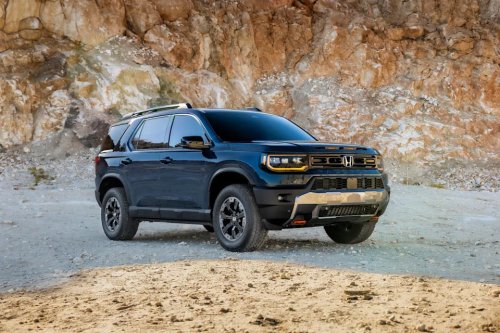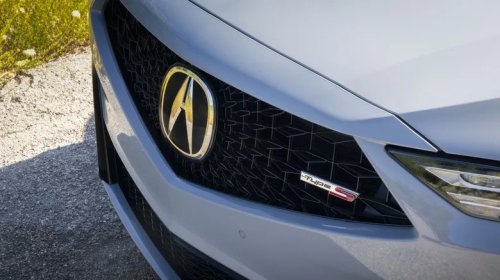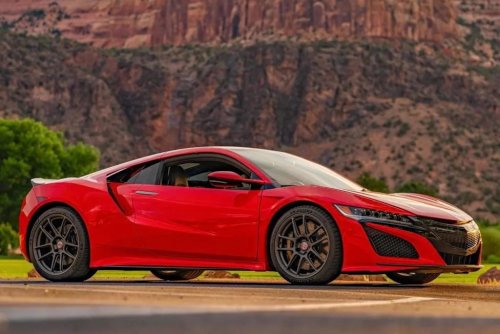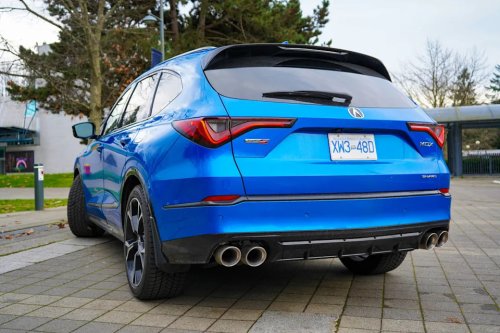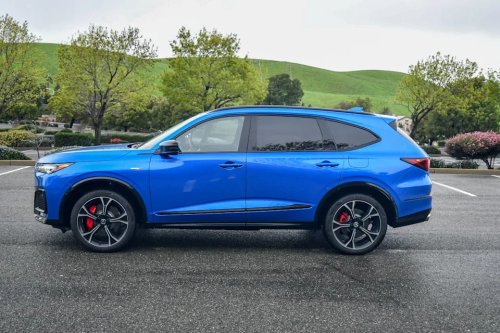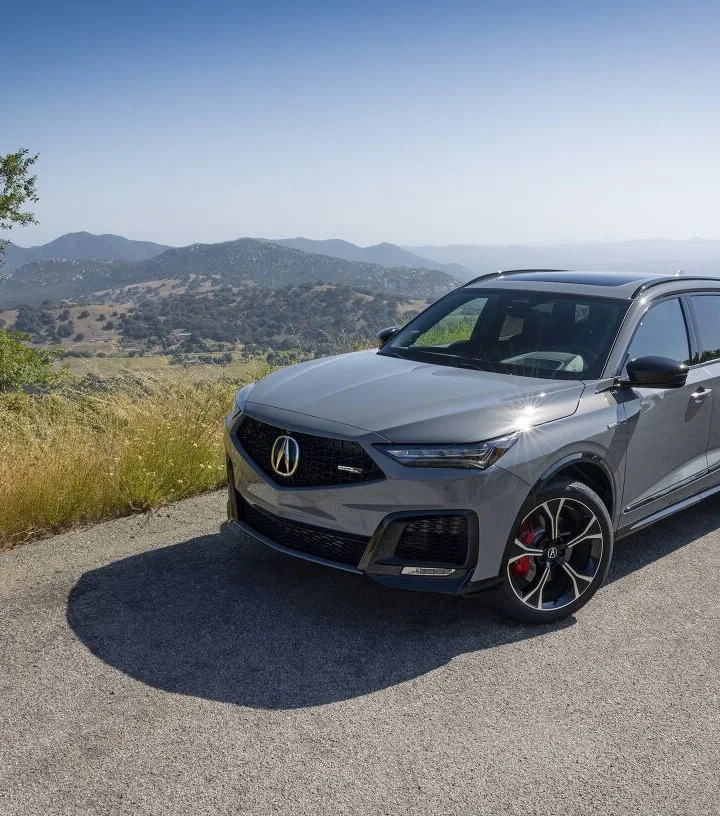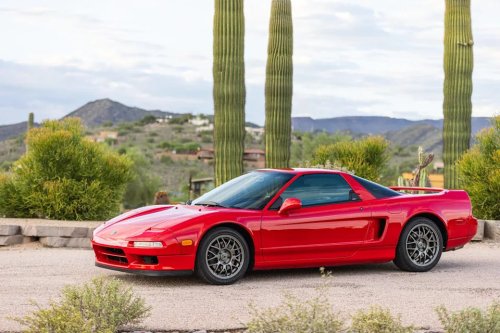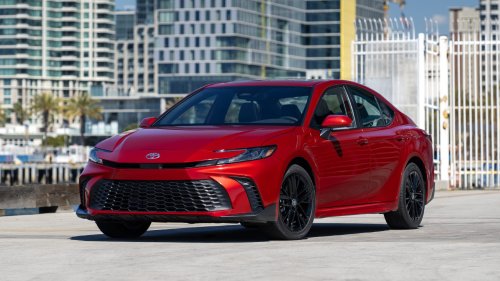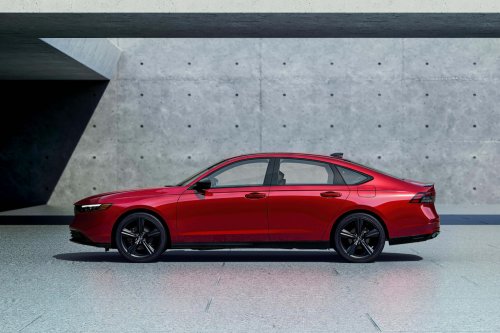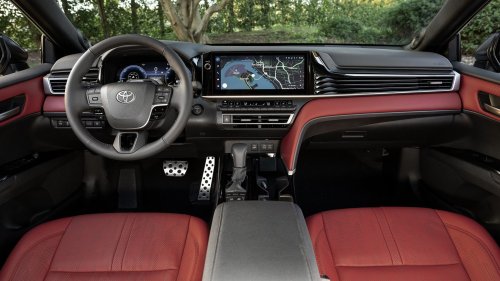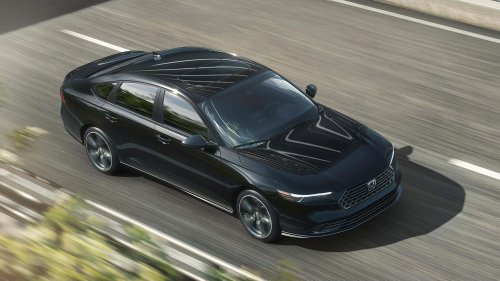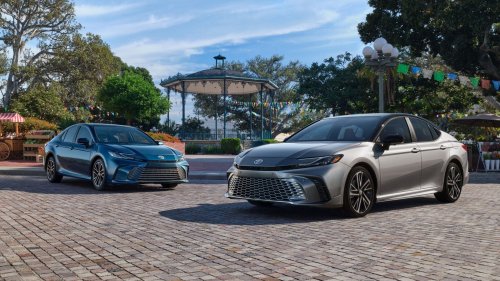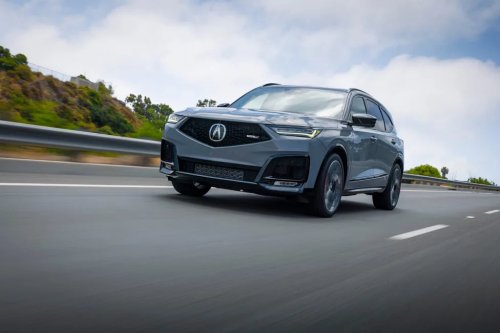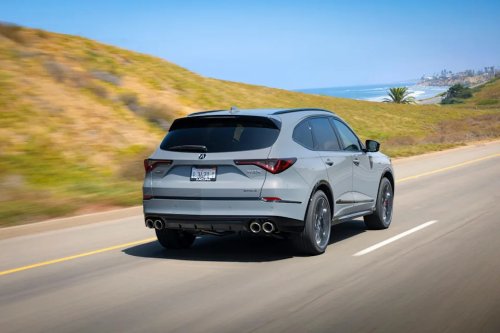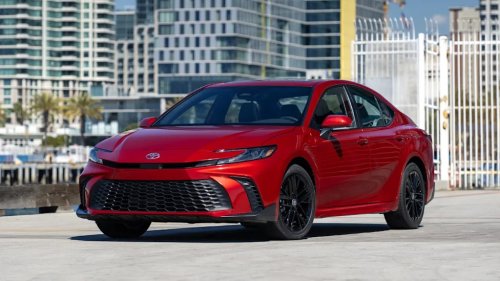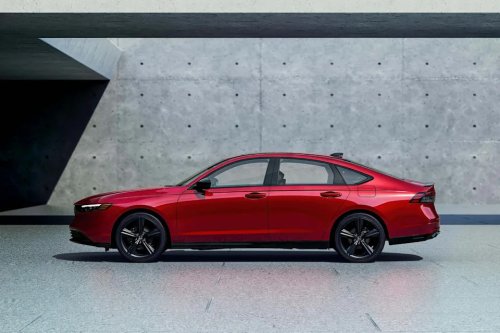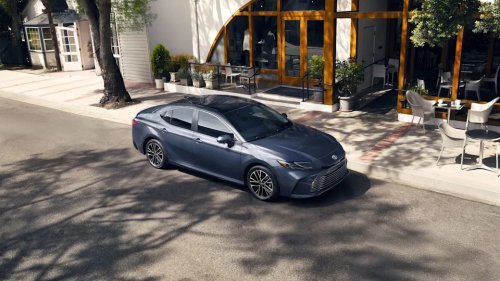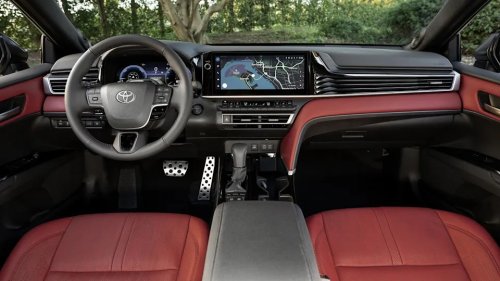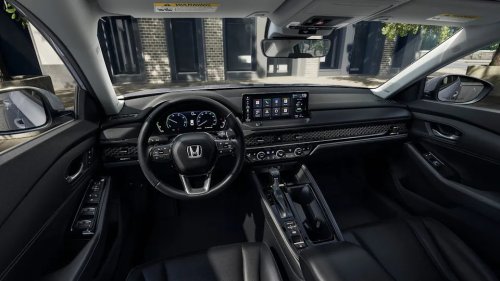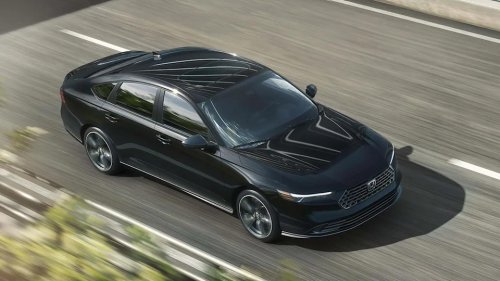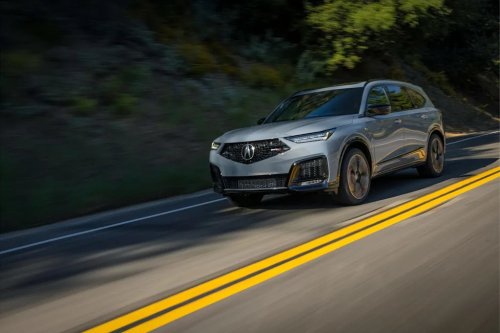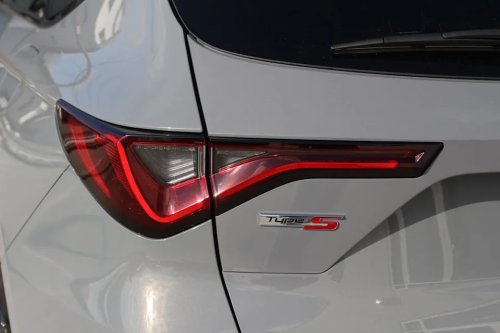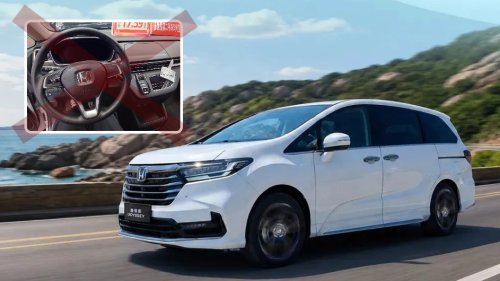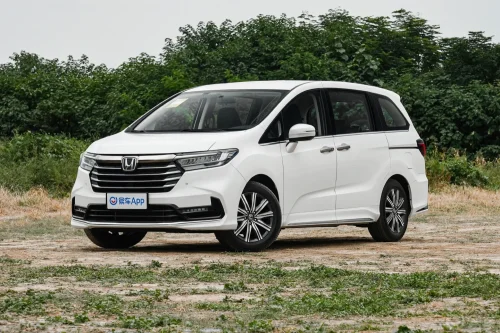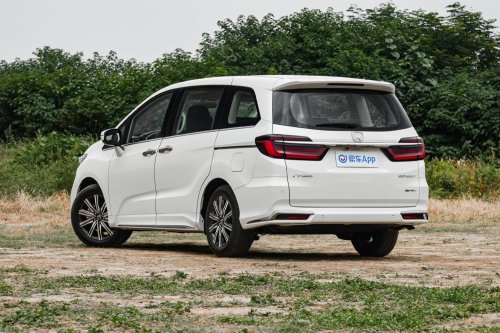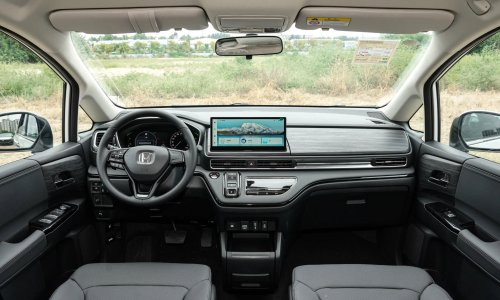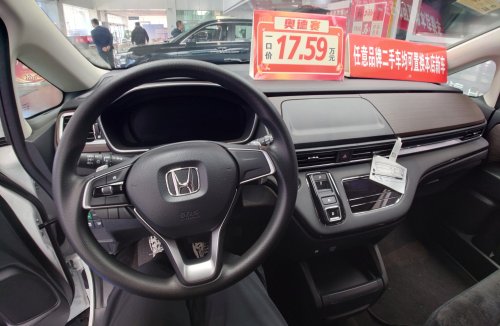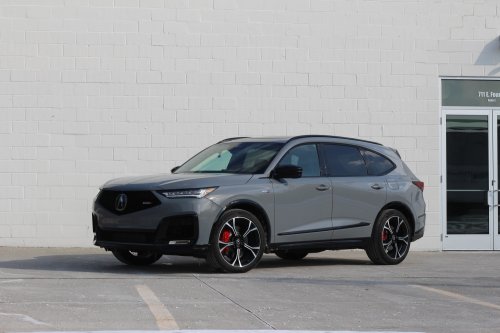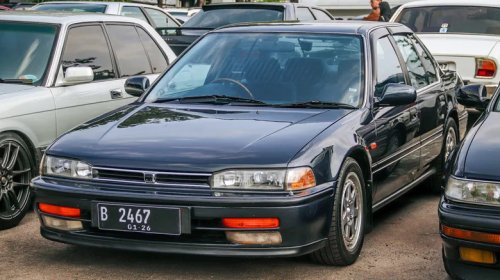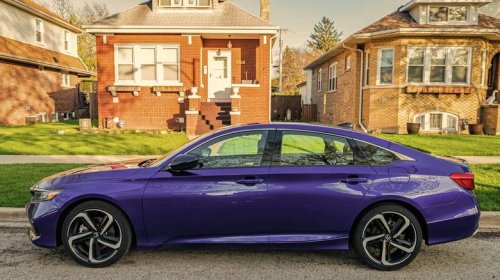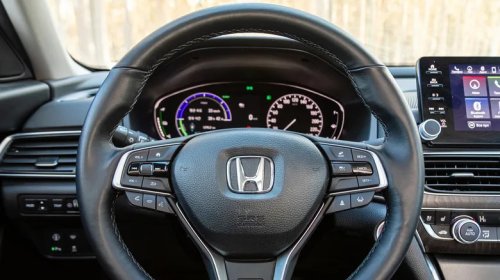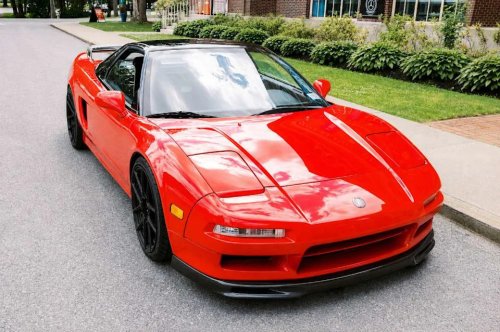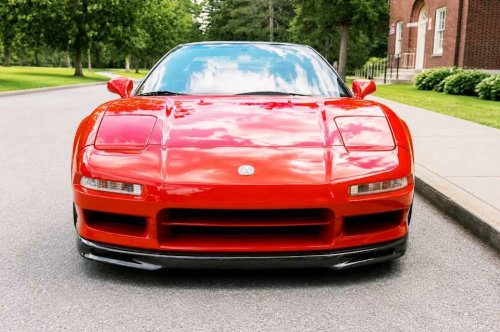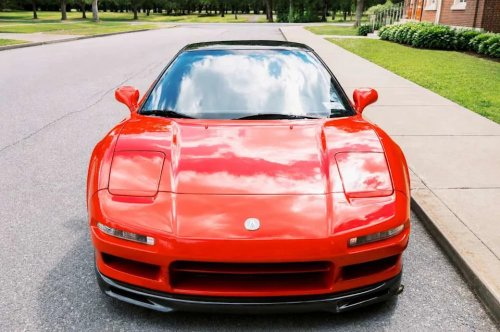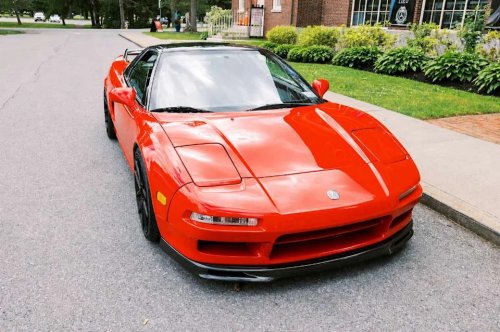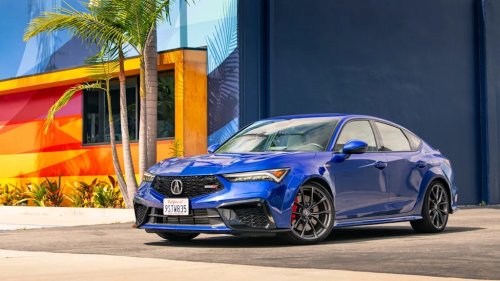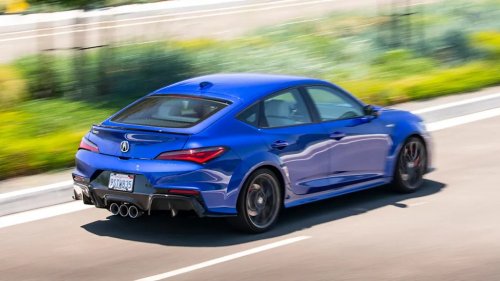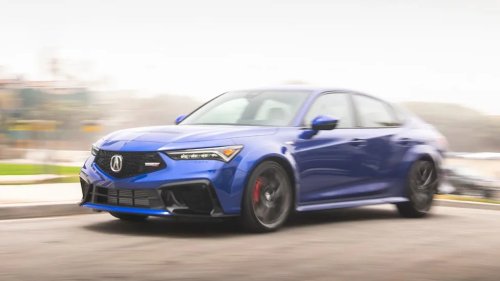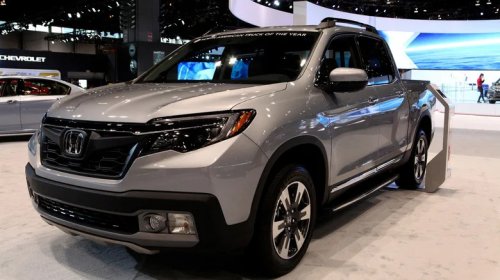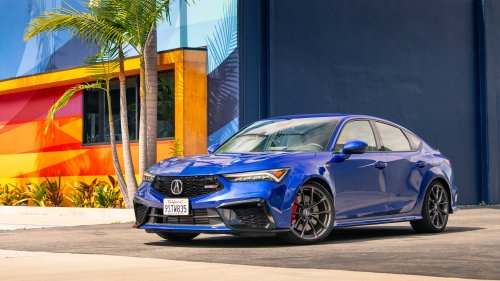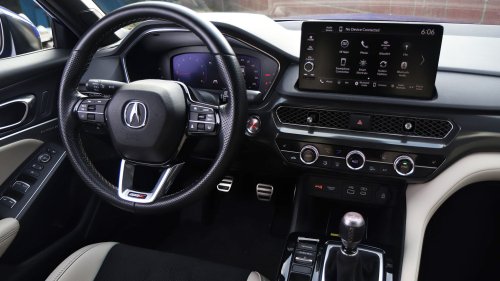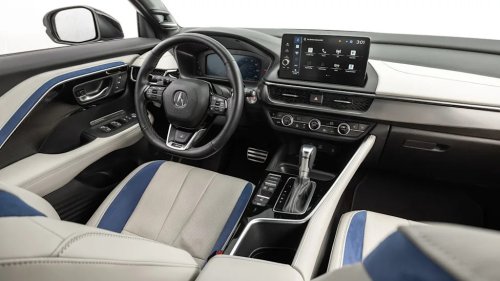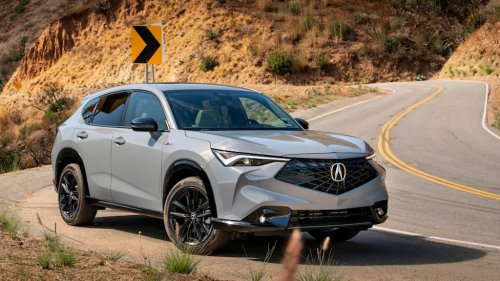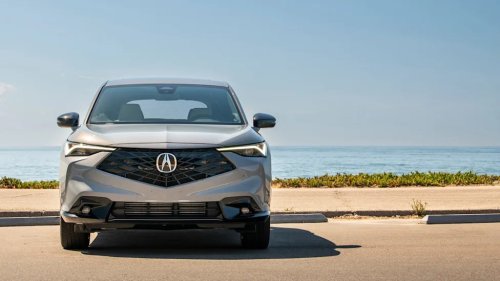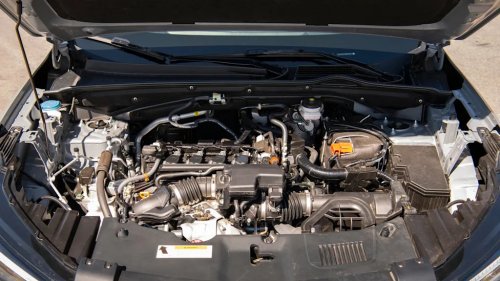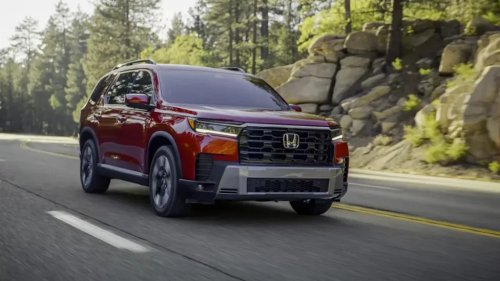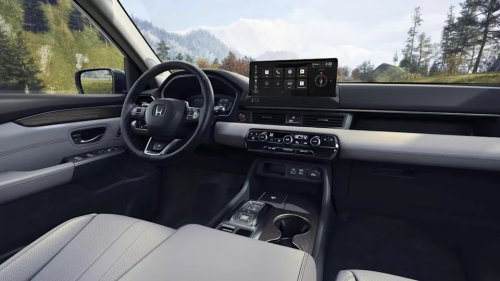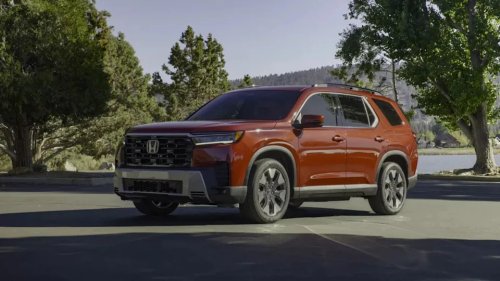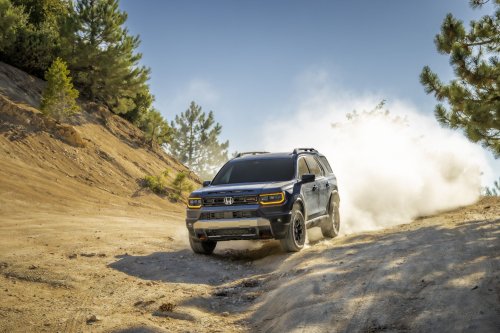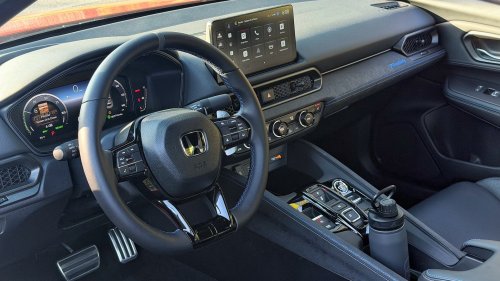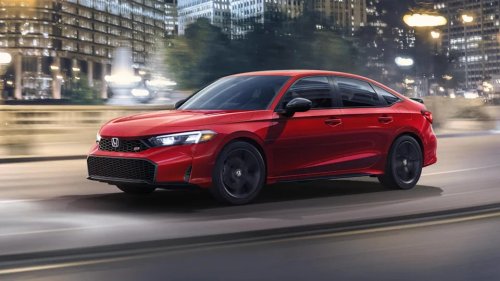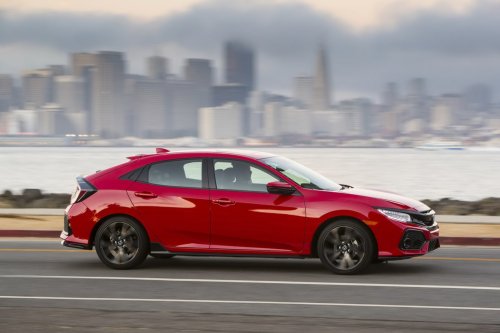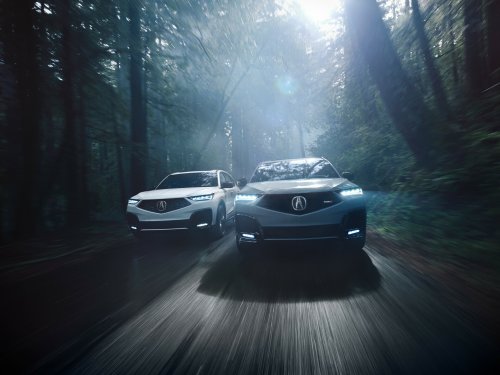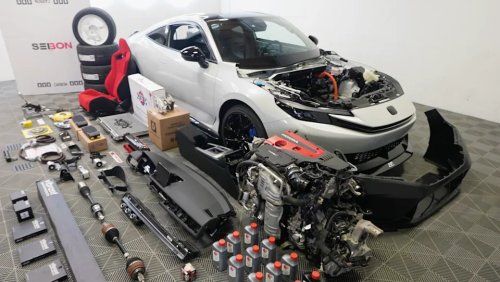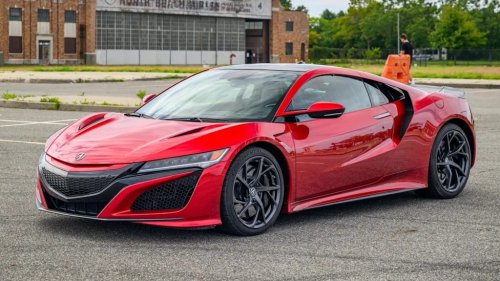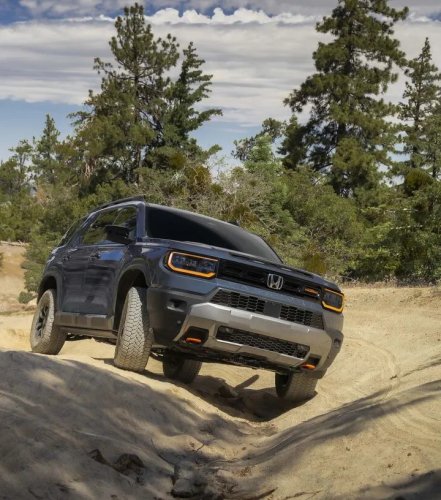





















Source: AutoGuide / Kyle Patrick Source: AutoGuide / Kyle Patrick Rapid technological developments on the front of production and consumer wants/needs have, for the most part, shortened vehicle life cycles over the last few decades. However, as the last year has been fairly tumultuous, some automakers-in this case Honda and Acura-are leaning further into their long-standing core models to help brace sales as other variables (hopefully) settle down. Source: Honda Source: Honda 2026 Porsche 911 Turbo S Cabriolet: All the Details This week, Honda broke the news that they will be keeping a few of their big-selling models alive in their current form rather than doing refreshes or complete overhauls. This is supposedly in order to abate the financial losses suffered as a result of the automaker's electric vehicle flip-flopping, and we suspect it's also to see how interest in these vehicles progresses over the next few years. Demand is fairly strong for Honda's core models as is; we'll see how long that lasts as competitors get reworked while the Honda showroom stagnates. All of this comes by way of Automotive News, which reports that the current Odyssey minivan will stick around until 2032, with the next generation of the vehicle arriving in March of 2030. There will in turn be some overlap, but fleet and discounted sales will help bolster that (just as Ram and GM have done with their "Classic" lines of pickups). Note that the current Odyssey has been around since 2018, which means by 2032 it will have a lifetime spanning around the same length as that which the 5th generation 4Runner endured. Yes, by then it'll be properly ancient. Their already-dated form can't be helping sales, either; the minivan is down 18.4% year-over-year. Source: AutoGuide / Kyle Patrick Source: AutoGuide / Kyle Patrick In addition to the Odyssey, the existing HR-V and Accord have indefinite futures. Not in the sense of whether they will live or not, but rather how long the current models will remain in production until they are replaced. Again, slow sales may be part of the issue at hand, as the HR-V is down 21.2% YoY. Over on the luxury side of things, the Civic-based Acura Integra and Pilot-based MDX supposedly will soldier on largely unchanged until 2032 and 2031, respectively. Poor sales don't tell the whole story, though, as Accord sales are up 27.5% YoY while Integra sales increased 27.1%. The array of models being kept around through and beyond 2030 is certainly an interesting mix, though we know that behind the curtains Honda is scrambling to figure out what to do with itself in the wake of changing its overarching trajectory. This might mean leaning more into hybrids than full EVs, or it might mean something different altogether. We'll wait and see. 2026 Bentley Flying Spure Azure: All the Details