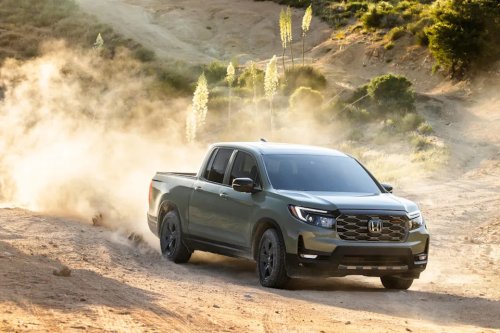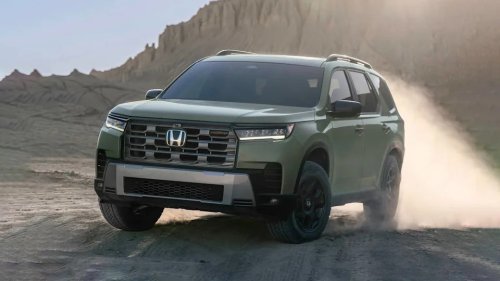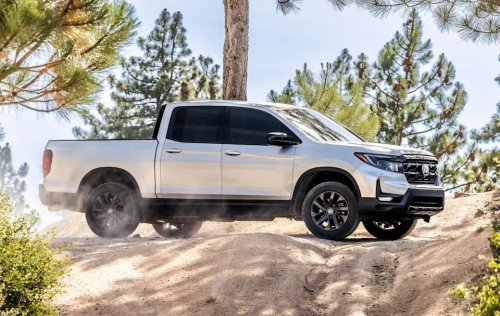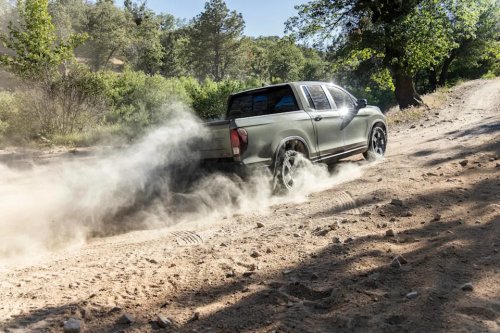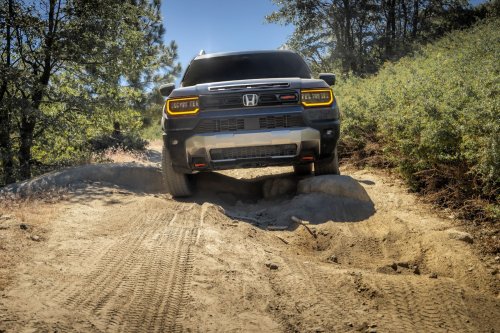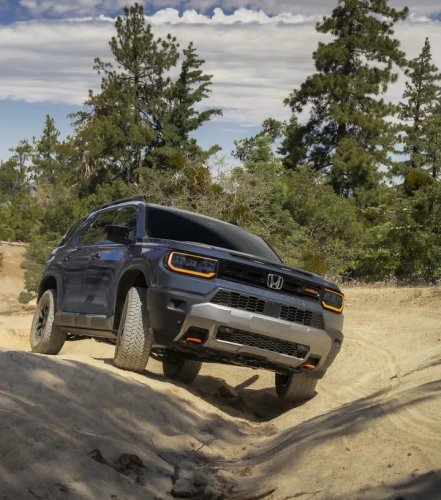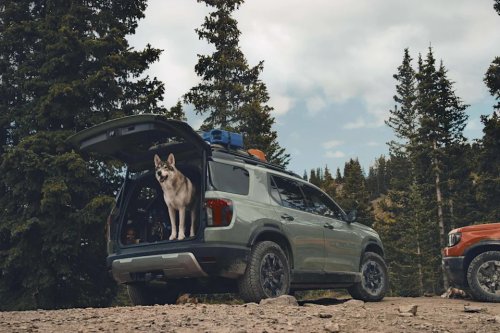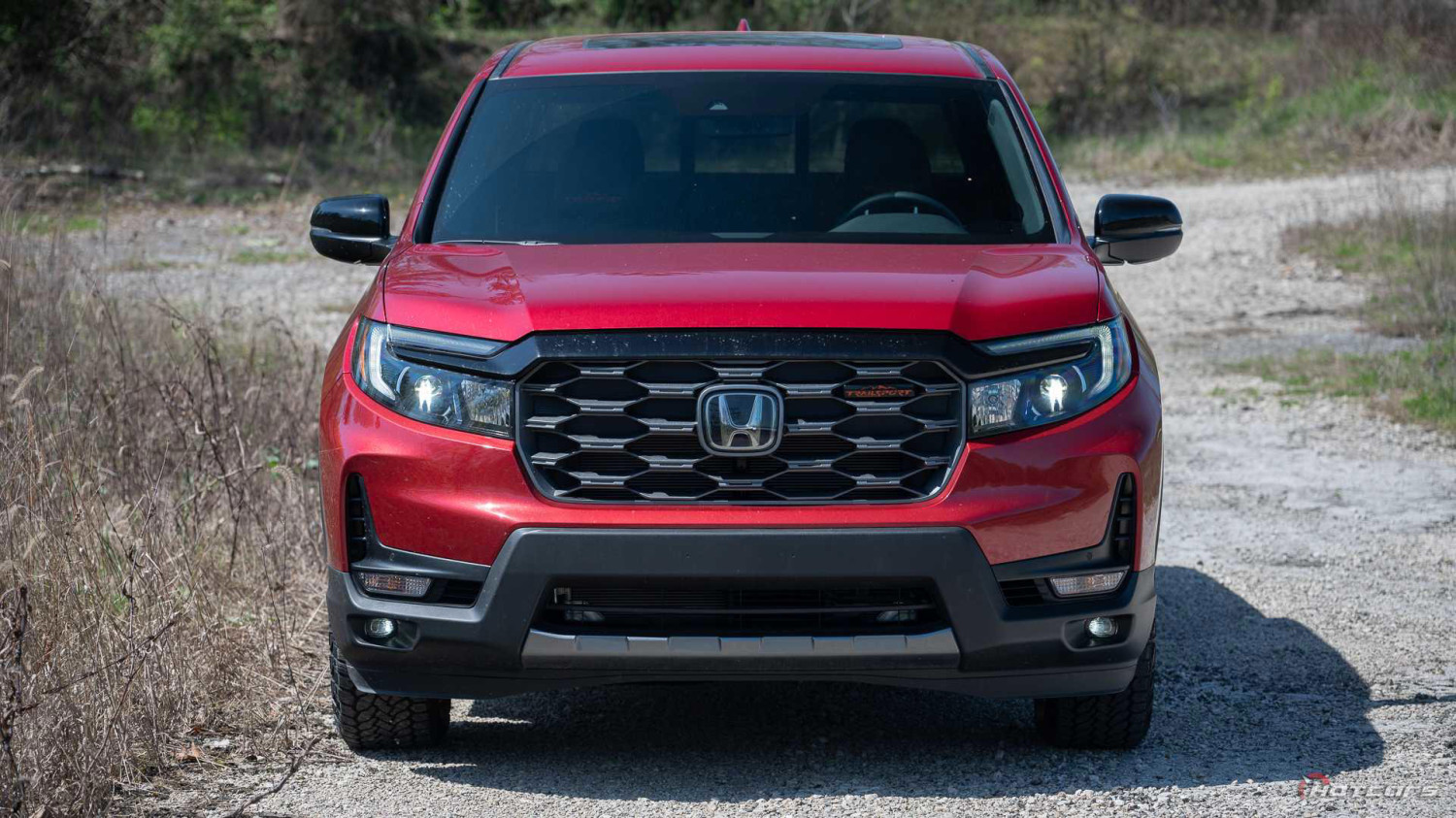
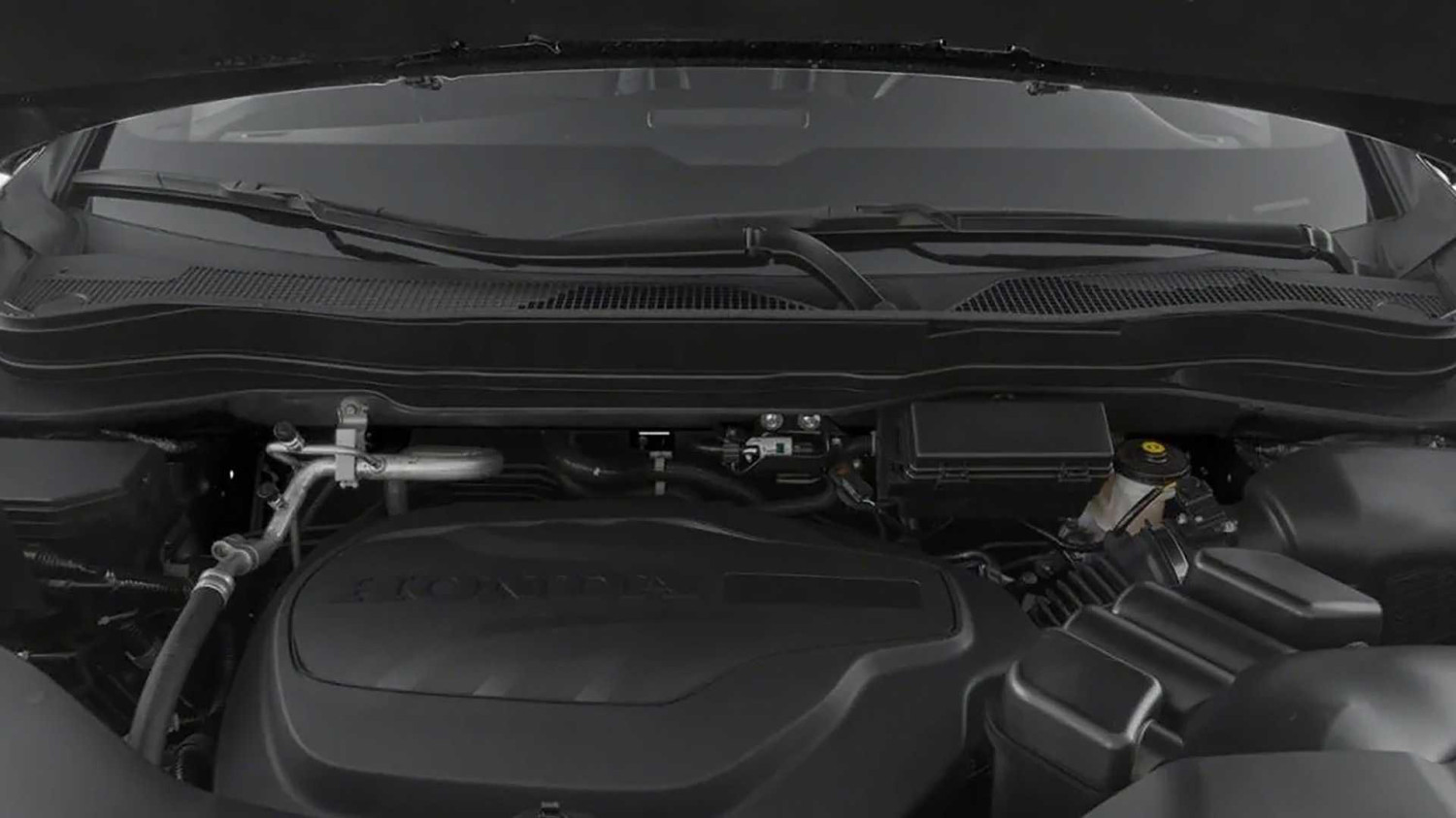
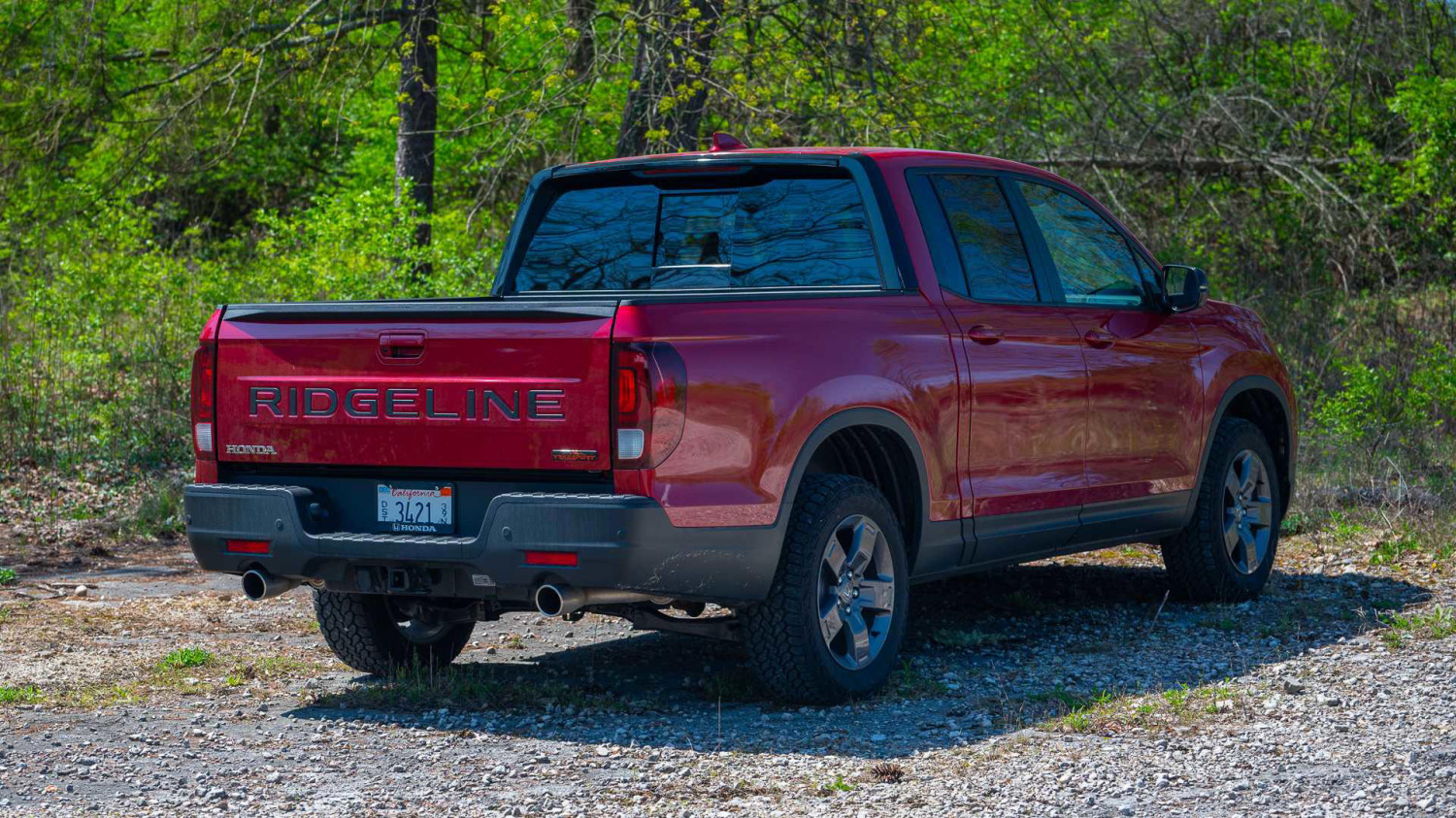



















Honda confirmed this week that Ridgeline production will go dark for roughly 18 months, with the truck's aging V-6 unable to clear tightening emissions standards. The pause bridges the current generation to a 2028 refresh, and on paper that sounds like bad news, but it isn't.For Ridgeline enthusiasts who've spent years arguing that the truck's platform deserves a better engine, this gap is exactly the kind of retooling window manufacturers use to slot in new powertrains. The chassis has always been the Ridgeline's strongest argument. Now Honda has the time and the regulatory pressure to finally build an engine worthy of it. Why The Current V-6 Became A Liability Chris Tonn/HotCars/Valnet The Honda Ridgeline's 3.5-liter J35 V6 is a known quantity, smooth, reliable, and genuinely capable in everyday use. It's also a design that traces its roots back to the late 1990s, and in a segment where rivals have moved aggressively toward turbocharged four-cylinders and sophisticated hybrid systems, "reliable" stopped being enough. The numbers tell the story. The V6 produces 280 hp and returns EPA figures in the low-to-mid twenties, which is respectable for its era, underwhelming against a truck market that now rewards efficiency as much as output. Competitors have retooled around EcoBoost-style forced induction or two-motor hybrid setups that deliver more torque at lower rpm, better fuel economy, and a more modern towing feel. The Ridgeline's engine wasn't broken. It just got lapped.Emissions compliance pushed Honda's hand, but the underlying problem was already visible. The J35 is the one part of the Ridgeline package that enthusiasts have consistently flagged as the truck's ceiling, and now Honda has a hard deadline to address it. What Honda Could Slot In Before The 2028 Refresh HondaThree realistic paths exist, and Honda's recent product moves hint at which direction the company is leaning. The most straightforward option is a turbocharged four-cylinder. Honda's 2.0-liter VTEC Turbo already powers the Accord and CR-V in various states of tune, and a truck-optimized version with elevated torque output would clear emissions hurdles while cutting weight over the nose. The trade-off is character; a turbo four in a midsize truck is a harder sell to buyers who equate cylinder count with credibility, even if the performance numbers say otherwise.The more compelling case is a hybrid V6. Honda has been accelerating its two-motor hybrid architecture across its lineup, the Accord Hybrid has drawn praise for delivering a genuinely engaging driving experience without sacrificing efficiency, and Honda's broader product strategy is clearly pointed at hybrid-as-default across most segments. A truck-tuned version of that system, optimized for low-end torque and towing, would give the Ridgeline a powertrain story that no competitor in the unibody truck space currently owns. Honda has also recently shown hybrid sedan and SUV concepts that point toward a hybrid-heavy future, reinforcing that the technology investment is already in motion.A fully new architecture is the long shot — more likely reserved for a clean-sheet third generation than a mid-cycle refresh — but the 18-month window is longer than a typical model-year changeover, which leaves it on the table. What The Pause Signals About The Ridgeline's Future 2024 Honda Ridgeline TrailSport-14Production pauses driven by emissions compliance aren't unusual, but an 18-month gap is significant. That's enough time to validate a new powertrain, retool assembly, and run supplier qualification, not just swap calibration software. Honda isn't pressing pause to wait out a regulatory technicality. It's pressing pause to come back with something different.The Ridgeline has always occupied an awkward position in the truck market: too car-like for hardcore truck buyers, too trucky for SUV shoppers, and consistently underestimated by people who've never actually used one. A hybrid powertrain would sharpen that positioning rather than blur it. It would give the Ridgeline a concrete differentiator, better efficiency, more usable torque, a quieter driving experience that plays to the truck's existing strengths in comfort and versatility.The 2028 refresh isn't guaranteed to deliver everything enthusiasts want. But the conditions are right: Honda has the hybrid hardware, the regulatory pressure to act, and an 18-month window that's too long to waste on a simple facelift. The Ridgeline's platform has been making the case for itself for years. The engine might finally be ready to catch up.Source: Honda, Fueleconomy.gov