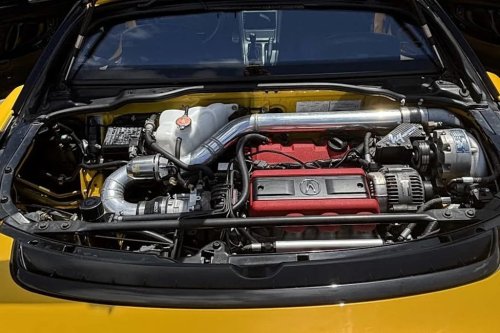
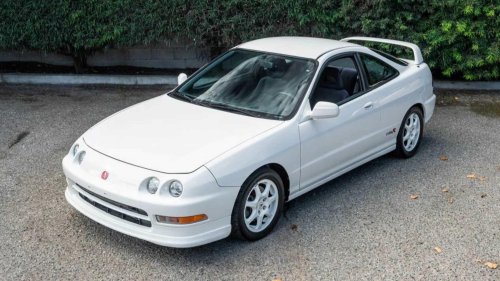
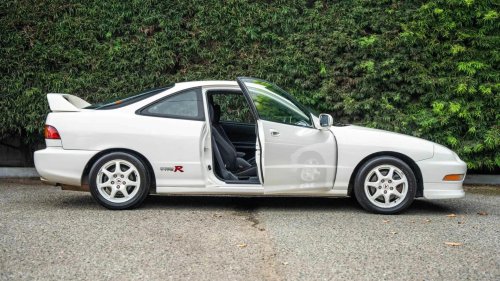
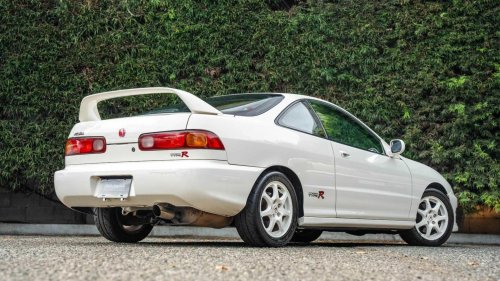
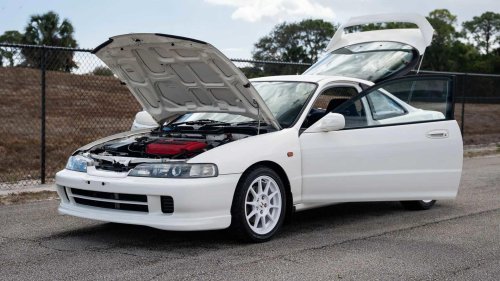
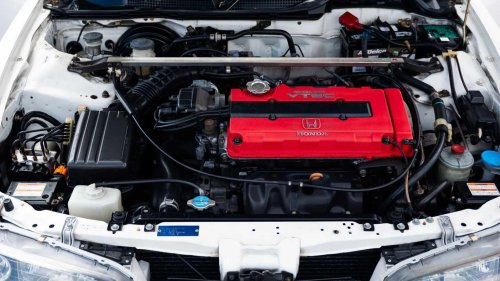
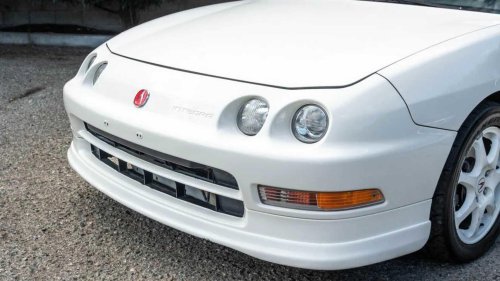
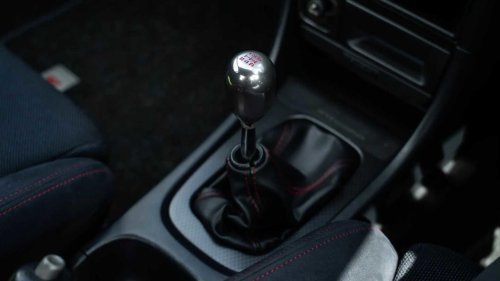
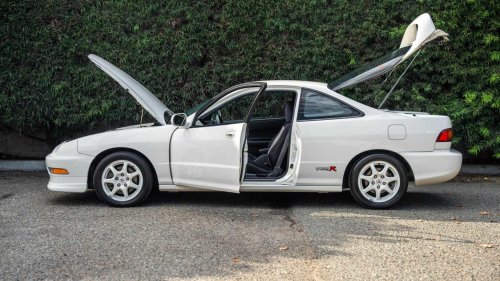
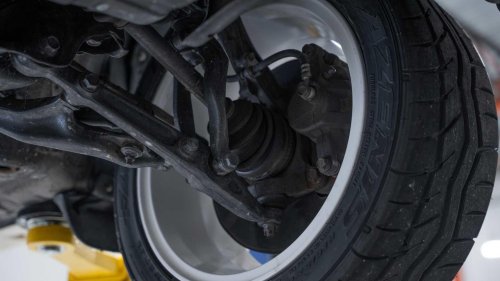
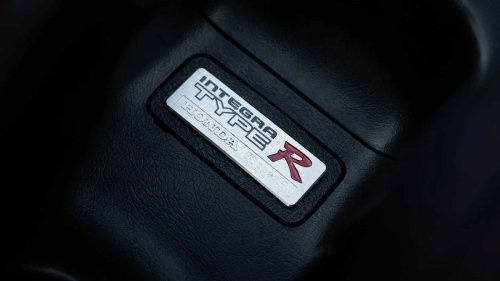
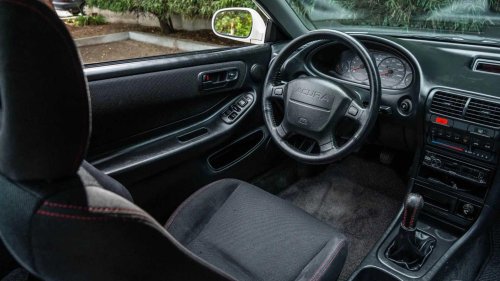



















For decades, the blueprint for a true driver’s car seemed almost set in stone. Power went to the rear wheels, steering duties were left to the front, and anything that deviated from this formula was often dismissed before it even had a chance to prove itself. Front-wheel-drive cars, in particular, were boxed into a reputation defined by practicality rather than passion. They were efficient, affordable, and predictable, but rarely exciting. Enthusiasts associated them with understeer, torque steer, and a lack of balance when pushed to the limit.Yet, as automotive engineering evolved through the 1990s, a handful of manufacturers began to question these assumptions. What if the perceived weaknesses of front-wheel drive could be engineered out, or even turned into strengths? What if lightweight construction, high-revving engines, and precision chassis tuning could deliver a genuinely thrilling experience, regardless of which wheels were driven?What followed was a quiet but significant shift in the sports car landscape. One compact sports coupe emerged as a defining moment in that transformation, challenging long-held beliefs and forcing even the most devoted purists to reconsider what truly makes a car fun to drive. The Rear-Wheel Drive Bias And Why Purists Once Dismissed Front-Drive Performance Porsche For decades, the performance car hierarchy was defined by a simple formula: power goes to the rear wheels, steering happens at the front, and the two should never mix. Rear-wheel drive (RWD) wasn’t just a layout; it was a philosophy rooted in balance, throttle adjustability, and the idea that a car should pivot around the driver. From European sports coupes to American muscle, this configuration dominated enthusiast thinking.Bring A Trailer Front-wheel drive (FWD), by contrast, was seen as a compromise. It was efficient, space-saving, and practical, perfect for economy cars and daily commuters, but fundamentally flawed for performance driving. Critics pointed to torque steer, understeer, and the inherent challenge of asking the front tires to handle both steering and propulsion. When pushed hard, FWD cars tend to wash wide through corners, scrabbling for grip rather than carving precise lines.Bring A Trailer By the 1990s, this bias had hardened into dogma. Even as hot hatches began to emerge from Europe and Japan, many purists still viewed them as entertaining but ultimately inferior alternatives to “proper” sports cars. The assumption was simple: if you wanted purity, you needed rear-wheel drive. Then came a car that didn’t just challenge that belief; it dismantled it entirely. How The Acura Integra Type R Rewrote The Rules Bring a Trailer When the Acura Integra Type R arrived in North America for the 1997 model year, it didn’t look like a revolution. Based on the already popular Integra platform, it retained a compact footprint, a modest 1.8-liter engine, and front-wheel drive. But beneath its understated exterior lay one of the most focused engineering efforts applied to a front-drive car for the era.Bring a Trailer At its core, the Type R was about weight reduction and precision. Engineers removed sound deadening, simplified the interior, and even eliminated vanity mirrors to shave weight. The result was a curb weight of approximately 2,630 pounds, remarkably light by modern standards.Bring a Trailer Under the hood sat a naturally aspirated inline-four producing 195 horsepower at 8,000 rpm and 130 pound-feet of torque at 7,500 rpm. Those numbers may seem modest today, but in the late ’90s, they translated to one of the highest specific outputs of any naturally aspirated engine, over 108 horsepower per liter.Bring a Trailer Power was sent exclusively to the front wheels through a close-ratio five-speed manual transmission paired with a helical limited-slip differential. Instead of avoiding the limitations of FWD, Acura leaned into them and engineered solutions. The result was a car that could accelerate from zero to 60 mph in around 6.2 seconds and complete the quarter mile in the mid-14-second range. More importantly, it delivered a level of driver engagement that few cars, regardless of drivetrain, could match. High-Revving Perfection: Inside The Hand-Built B18C5 Bring a Trailer At the heart of the Acura Integra Type R’s brilliance was its engine: the B18C5. This wasn’t just a tuned version of an existing powerplant; it was a meticulously engineered masterpiece that redefined what a small-displacement engine could achieve. The 1.8-liter DOHC VTEC inline-four featured a high compression ratio of 10.6:1, aggressive cam profiles, and hand-polished intake and exhaust ports. Each engine was assembled with extraordinary care, including matched components to ensure optimal balance and performance.Bring a TrailerVTEC (Variable Valve Timing and Lift Electronic Control) played a central role in the engine’s character. Below 5,700 rpm, the engine behaved relatively calmly, with modest torque delivery. But once the system engaged, the cam profile switched to a more aggressive setting, unleashing a surge of power that carried all the way to an 8,400 rpm redline.Bring a Trailer The result was an engine that demanded commitment. To extract its full potential, drivers had to keep it on the boil, constantly working the gearbox, chasing the upper reaches of the rev range. It wasn’t about brute force; it was about precision and timing. The induction noise, the mechanical urgency, and the seamless transition into VTEC created a soundtrack that remains iconic to this day. Technically, the B18C5 featured: 81.0mm bore and 87.2mm stroke Forged pistons and lightweight connecting rods Dual-stage intake manifold High-flow exhaust system 62mm throttle body Chassis Tuning That Turned Torque Steer Into Corner-Carving Confidence Bring a Trailer If the engine defined the Integra Type R’s personality, the chassis defined its legacy. The suspension setup featured double wishbones at all four corners, a configuration typically reserved for more expensive cars. Spring rates were significantly stiffer than the standard Integra, and the ride height was lowered to improve the center of gravity and handling response. The Real Magic Lies In The Details Bring a Trailer The helical limited-slip differential ensured that power was distributed effectively between the front wheels, reducing wheelspin and improving traction during corner exits. Instead of fighting torque steer, the system harnessed it, allowing drivers to apply throttle earlier and more aggressively. Structural rigidity was also enhanced through additional spot welds and chassis bracing. This increased stiffness allowed the suspension to operate more precisely, translating driver inputs directly into vehicle response. Why This Icon Still Defines Front-Wheel Drive Purity Today Bring a Trailer Decades after its debut, the Acura Integra Type R remains a benchmark, not just for front-wheel-drive cars, but for driver-focused engineering as a whole. In an era increasingly defined by turbocharging, electrification, and digital intervention, its analog purity stands out more than ever. Modern hot hatches and performance coupes have become faster, more powerful, and more technologically advanced. But many have also grown heavier and more isolated. The Integra Type R, by contrast, offers an experience that is immediate, tactile, and deeply involving. Its Success Also Reshaped Industry Thinking Bring a Trailer Automakers began to take front-wheel-drive performance more seriously, investing in advanced differentials, suspension systems, and chassis tuning. Cars like the Honda Civic Type R, Renault Mégane RS, and Volkswagen Golf GTI owe a conceptual debt to what the Integra Type R achieved. Perhaps most importantly, it changed perceptions.Today, clean examples of the Integra Type R have become highly sought-after collector cars, with values reflecting their significance. But their true legacy isn’t measured in auction prices; it’s found in the way they continue to influence how enthusiasts and engineers think about performance. In the end, the Integra Type R didn’t just make front-wheel drive acceptable. It made it exceptional.