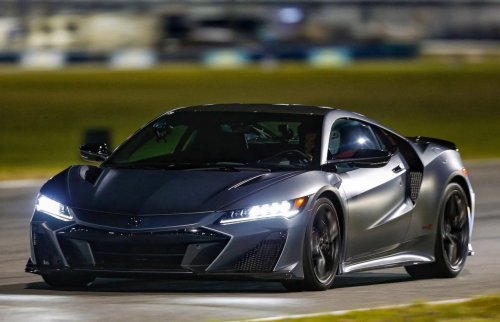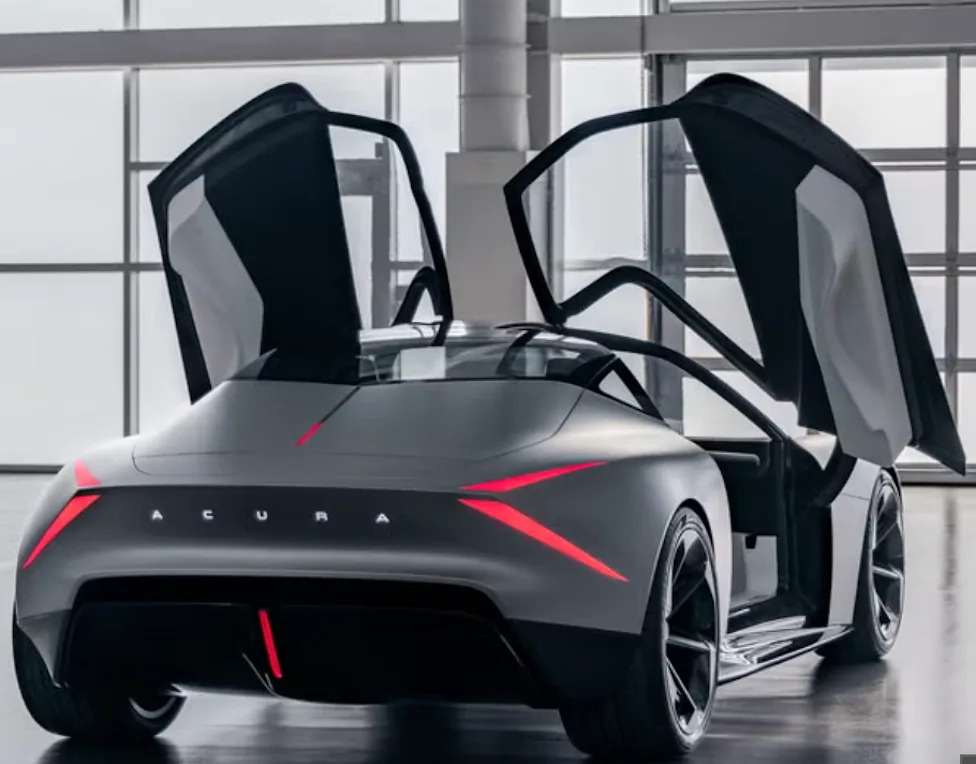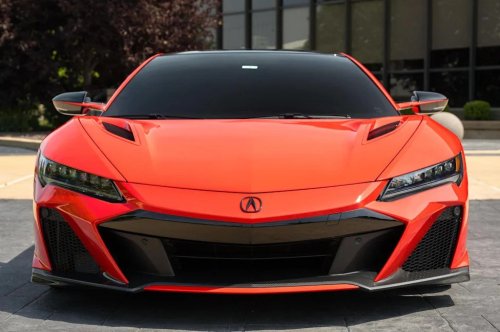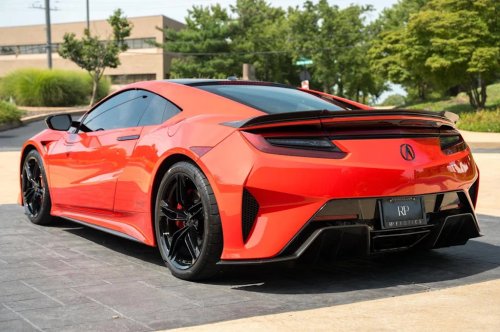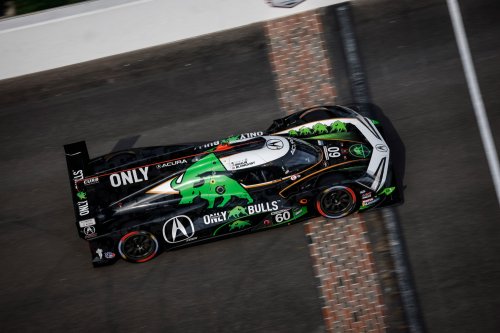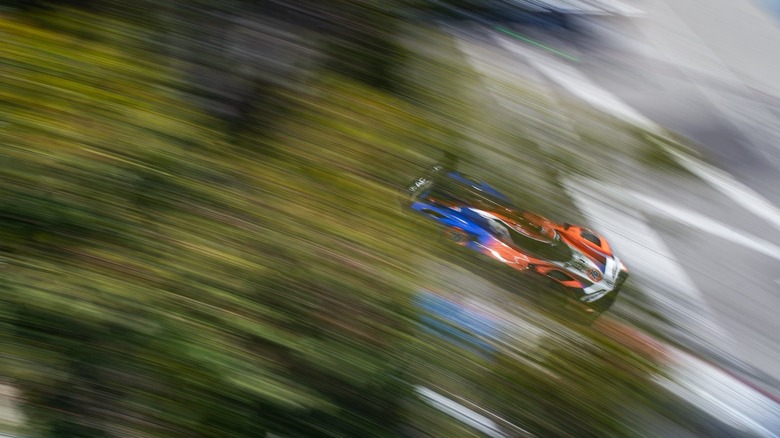
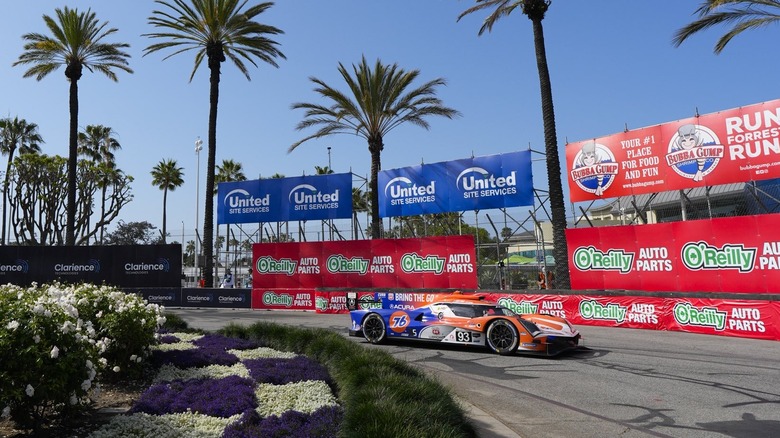

















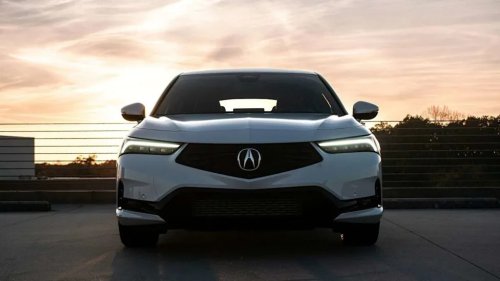
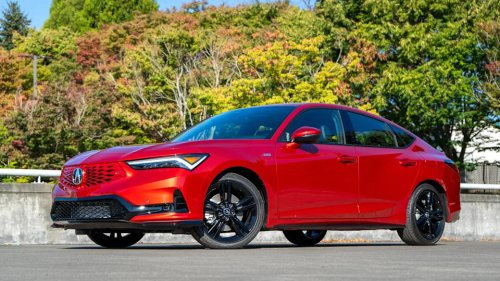
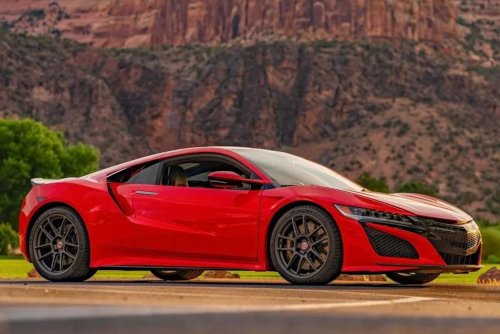
Meyer Shank Racing Acura celebrated securing its first IMSA victory of the season in Long Beach last weekend and then, almost immediately, followed it up with the news on Wednesday that its factory-backed two-car ARX-06 IMSA GTP program with Meyer-Shank Racing would be terminated at the close of the 2026 season. The US arm of Honda Racing Corporation controls Honda and Acura's involvement in IMSA, IndyCar, and other programs here in the states, but it is separate from Honda's other motorsports activities arms, like its efforts in Formula 1 as the engine supplier to Aston Martin. Despite IMSA's recent viewership and attendance records, HRC no longer views this series as viable. Considering Acura's tepid sales and Honda's expensive electric vehicle retreat, things aren't looking great. Welcome back to 2008/2009, my friends. For those motorsports fans too young to remember what happened back then, it was dire. Where the U.S. once had three completely different flavors of sports car racing and two different sanctioning bodies of regional open wheel, each featuring dozens of privateer and factory-supported efforts, the collapse of housing-backed securities sent everything into a tailspin. Champ Car and Grand Am died, SCCA Pro Racing collapsed, and basically every single automaker with a motorsports program retracted, paused, or died off altogether. Prior to President Donald Trump's haphazard tariff scheme and unprovoked international trade wars, IMSA and its GTP class were going gangbusters, with new OEM commitments announced practically every week. Honda typically has a very conservative view of its motorsport efforts, pulling out at the first sign of economic tension, but its Acura brand has been a fixture of IMSA competition since it re-joined in 2018. Acura's departure could be the first crack in the dam, with other manufacturers potentially to follow. It's a tale as old as time — when the recessions hit, it's the marketing budgets that are slashed first. Goodbye ARX-06 Meyer Shank Racing Meyer Shank Racing issued the following statement on Wednesday afternoon: "We are incredibly thankful for our partnership with Honda, Acura & HRC and the success we've shared together in IMSA competition. Their support and commitment have played a key role in the growth of our program and the accomplishments we've achieved as a team. As we look to the future, we are excited to expand our relationship with Acura into the NTT IndyCar Series, beginning with the Indianapolis 500 this May on the No. 66 Honda. At the same time, Meyer Shank Racing remains open to continuing its presence in IMSA competition and exploring opportunities with other OEM partners." Acura isn't completely done with motorsport in the U.S. As MSR's statement mentions, there will be an Acura-sponsored Indy 500 entry next month, and the expectation is that this sponsorship will be expanded for the full 2027 IndyCar season. With the series adding guaranteed charter entries for each of the engine suppliers, Honda is likely to move forward with a full-time third car in the MSR garage. Honda has been part of the IndyCar paddock uninterrupted since 1994. It's possible, though it seems unlikely, that HRC could find another team with whom to partner for the 2027 season. As it stands, any team that would take on this project would need to bankroll a significant portion of the effort. Right now, Meyer Shank Racing is effectively a contractor for HRC, getting paid to prepare the cars and deliver them to the track for HRC to engineer. Things are a little tenuous in IMSA right now, as the Penske Porsche team have been more or less dominating the field in 2025 and 2026. If BMW, Cadillac, and Aston Martin don't see improvements in their prospects soon, both on track and in their respective showrooms, they could join Acura in departing the series as well. It's a similar situation with Ford and McLaren, both of which are aiming to join the GTP grid in 2027, but they could cut their losses and run before the economic fire burns them too badly.