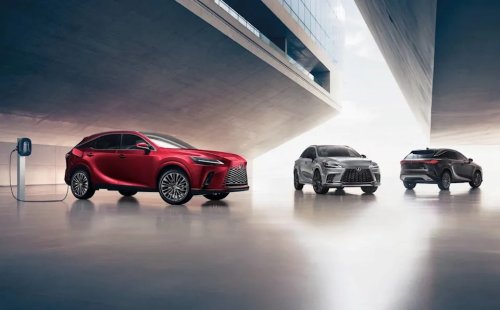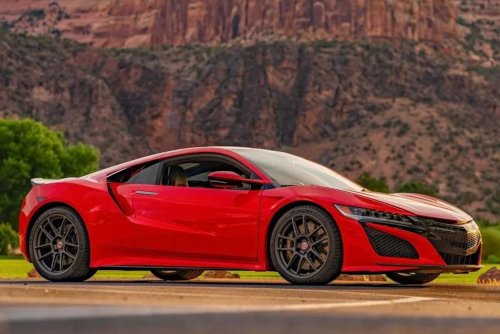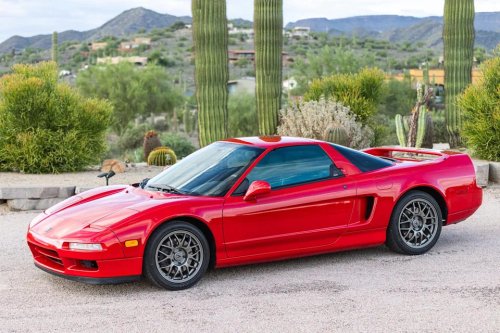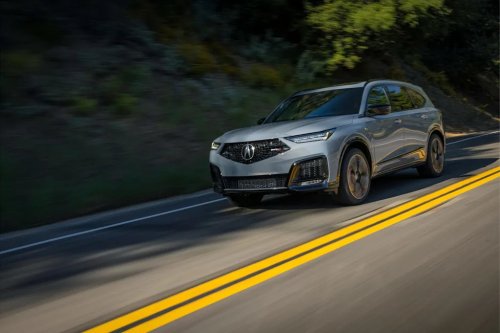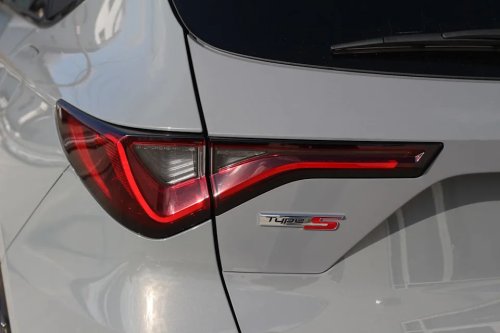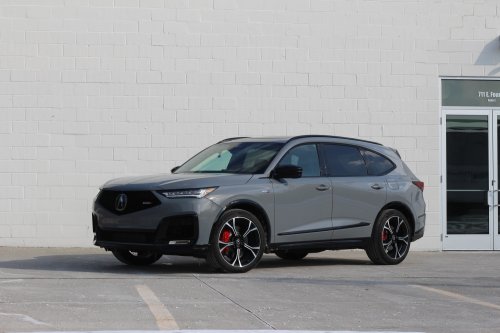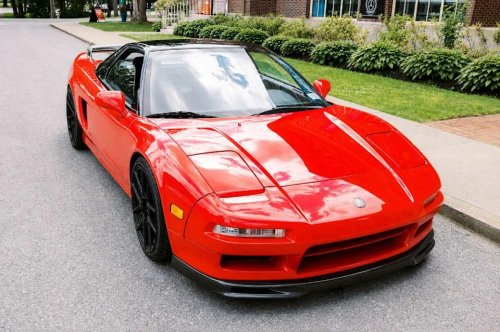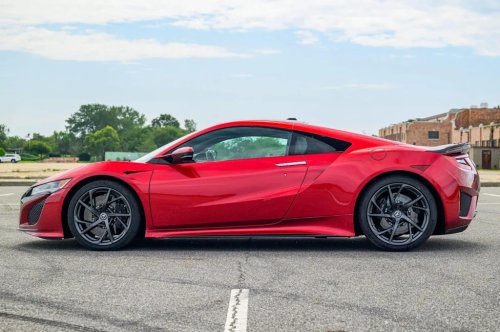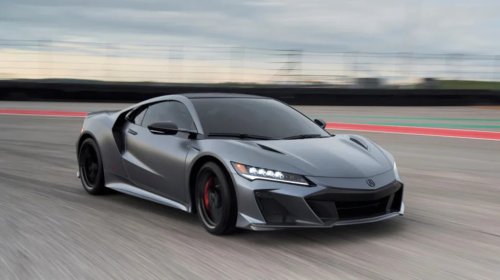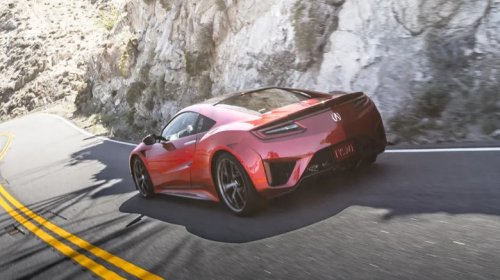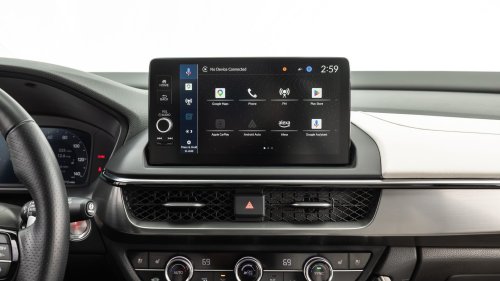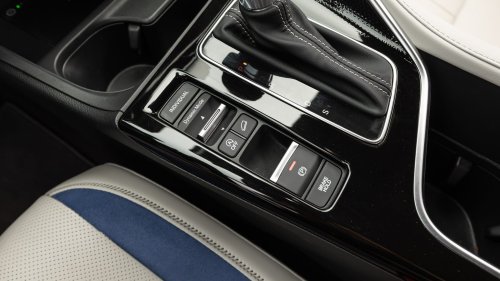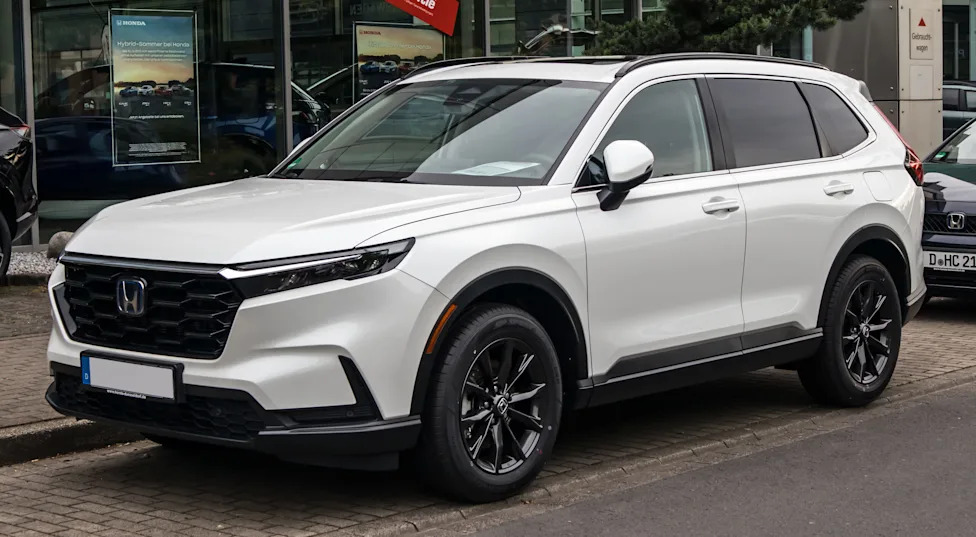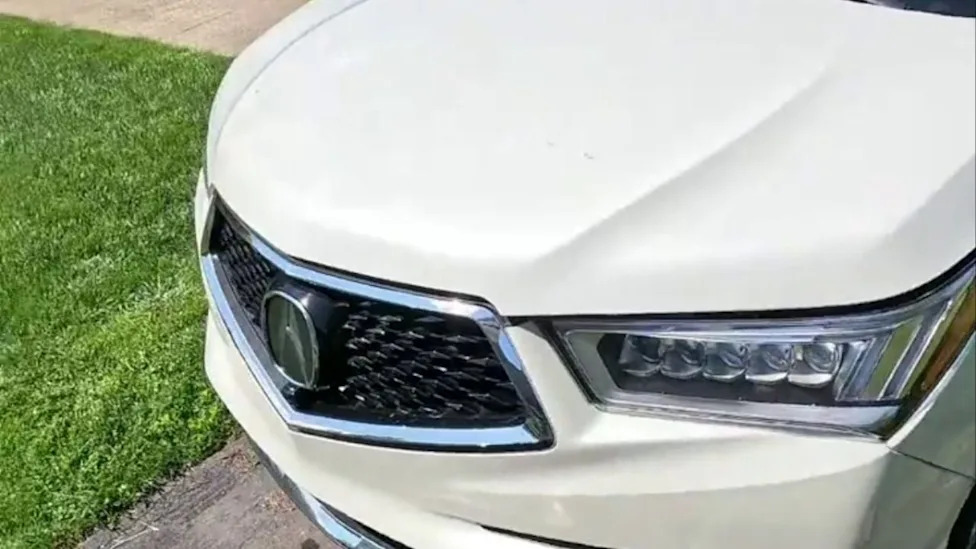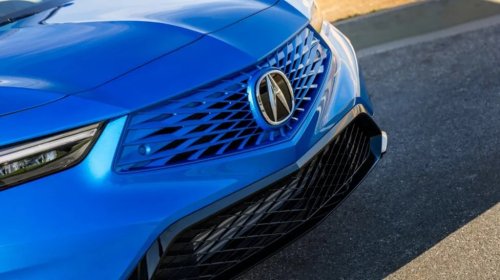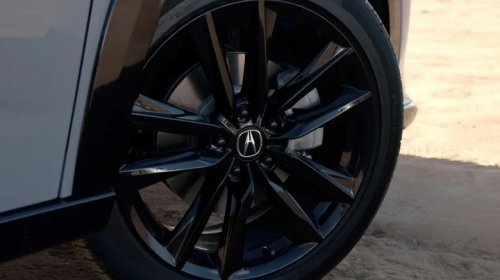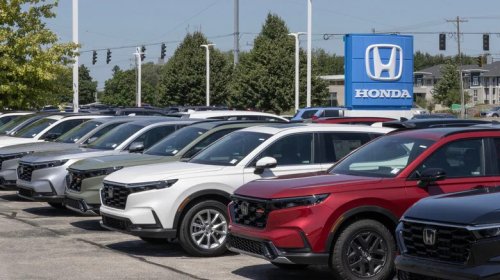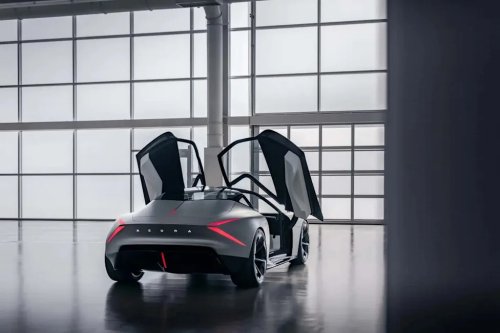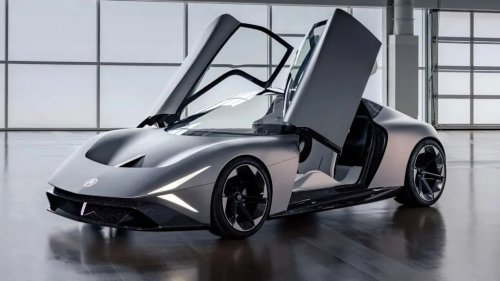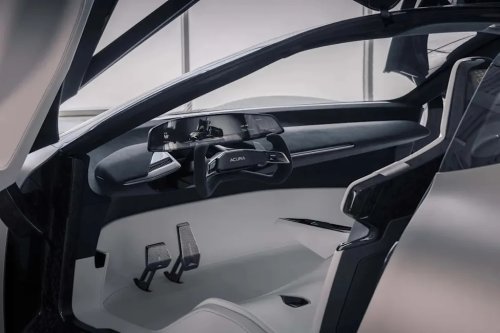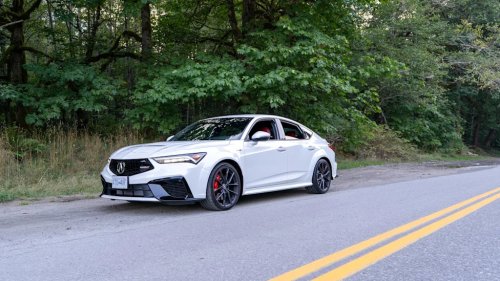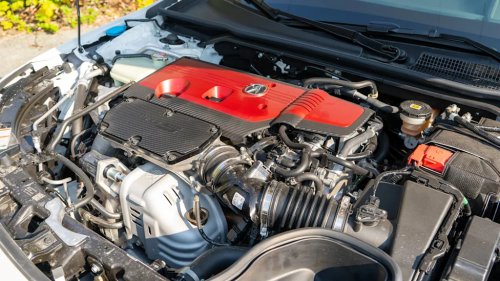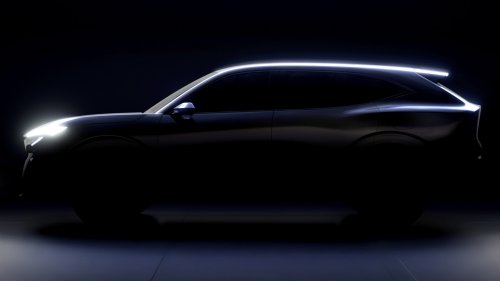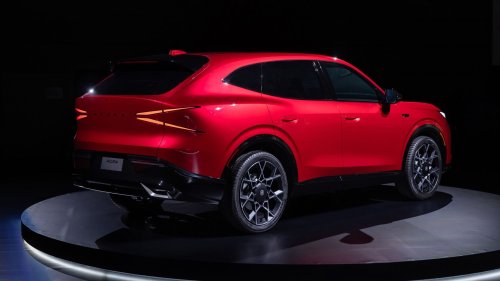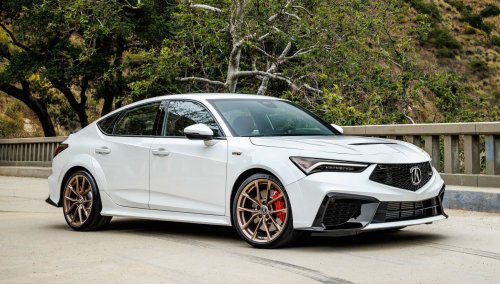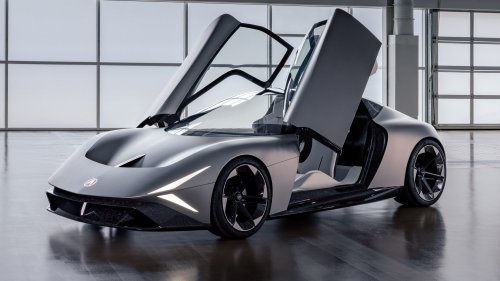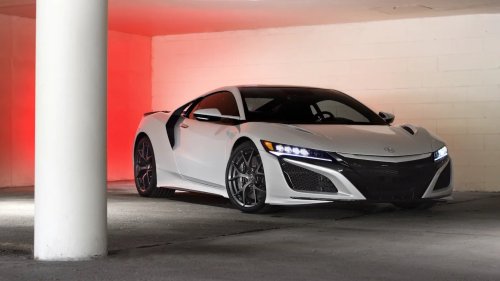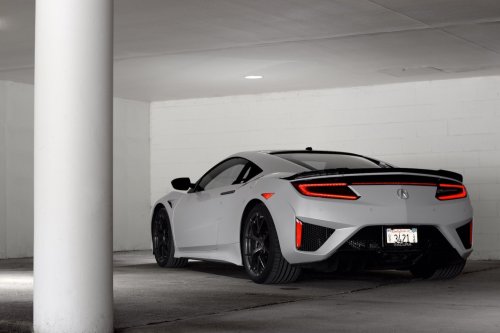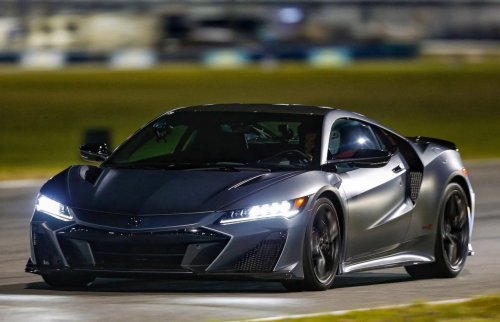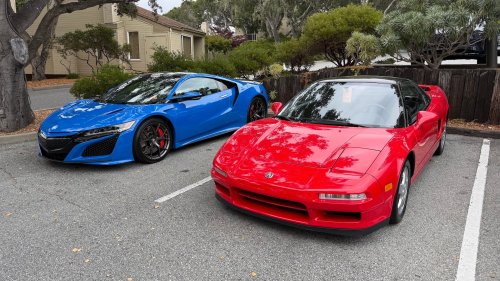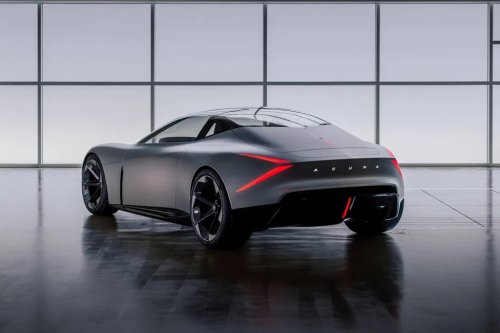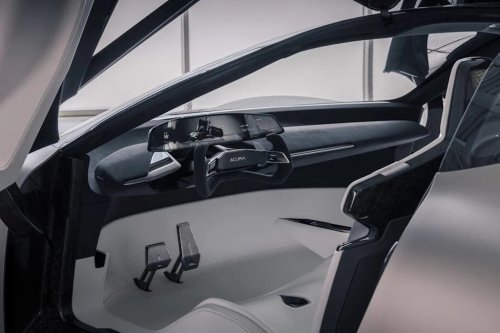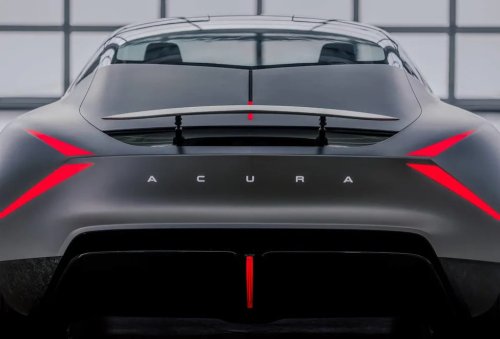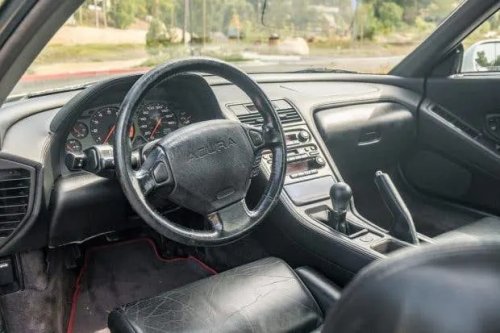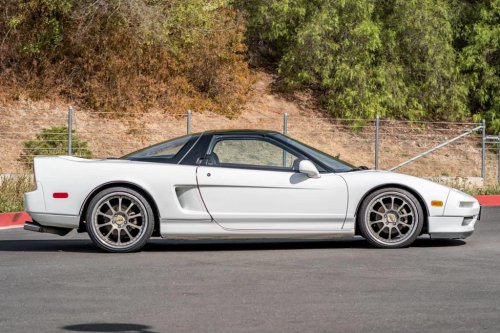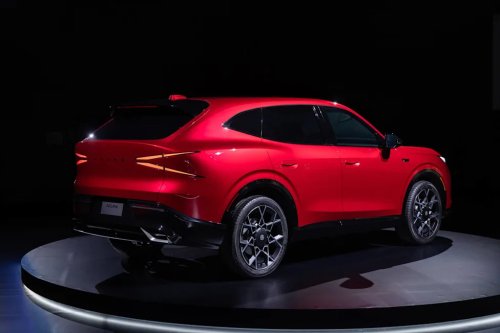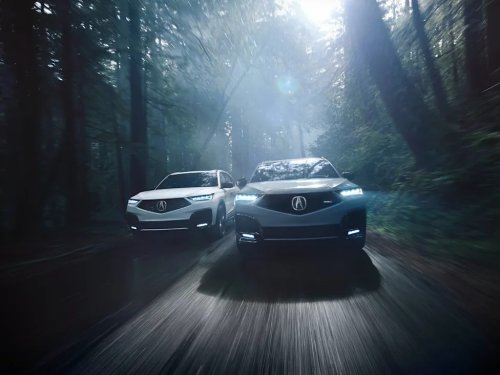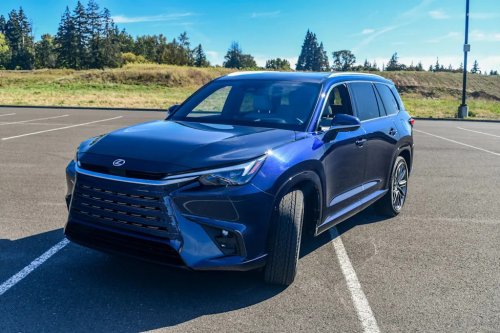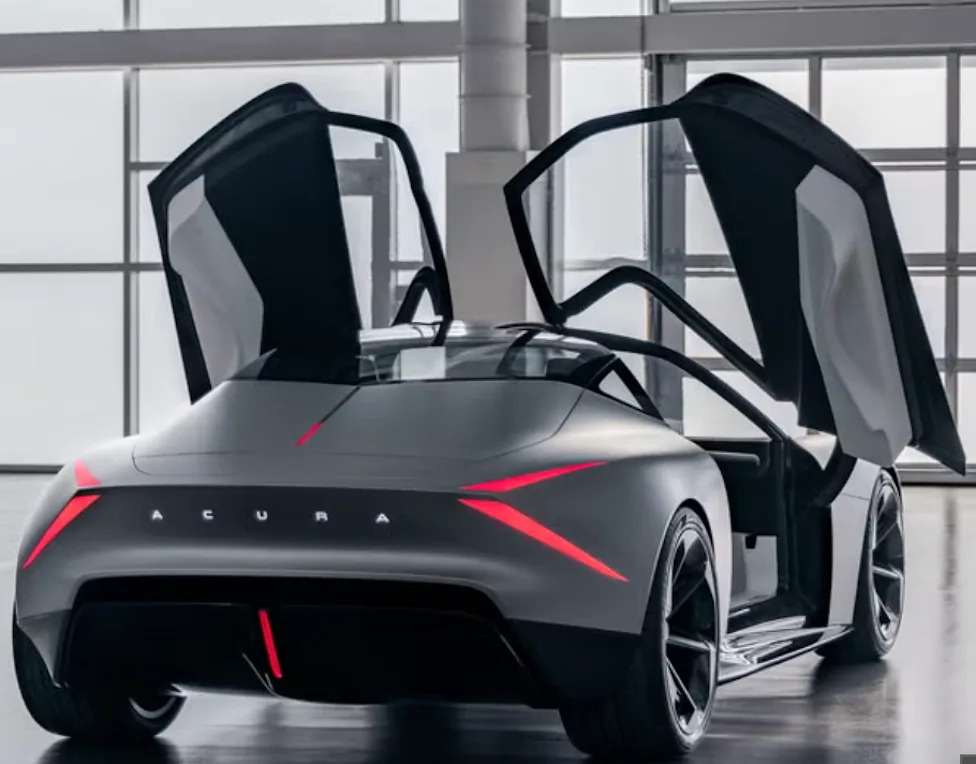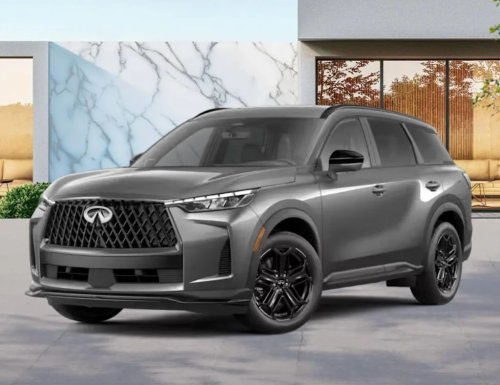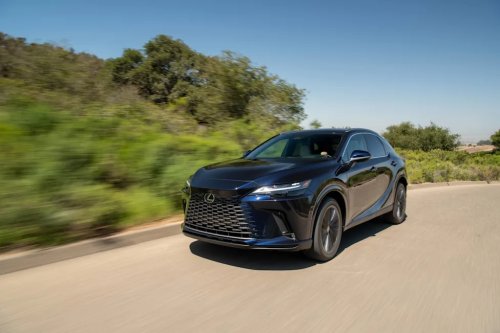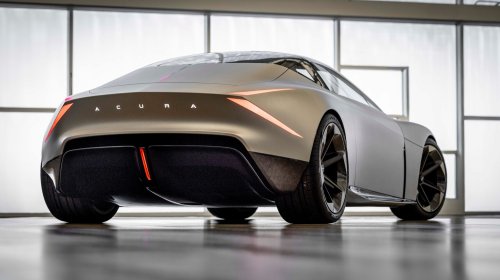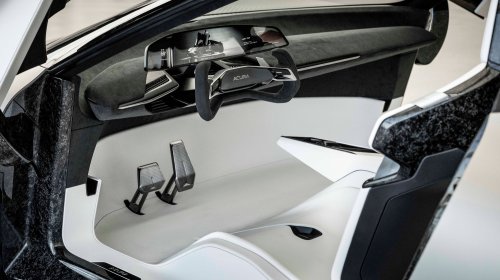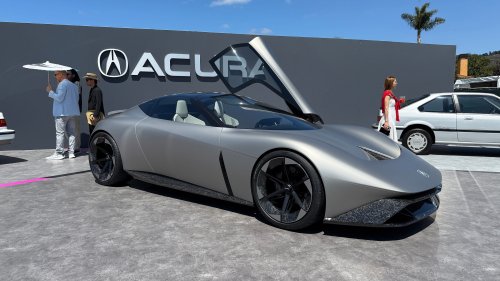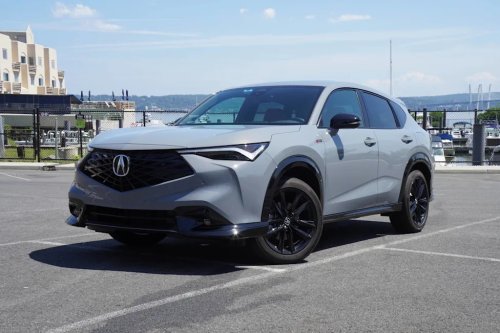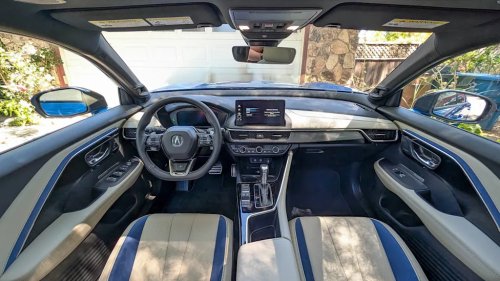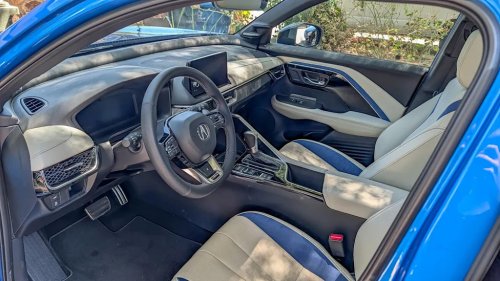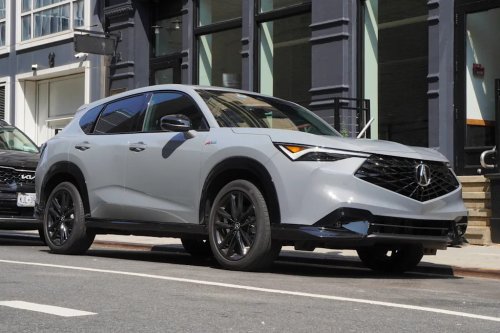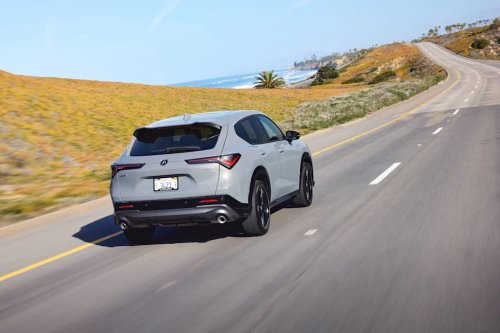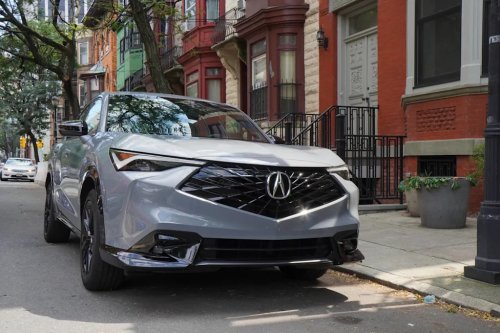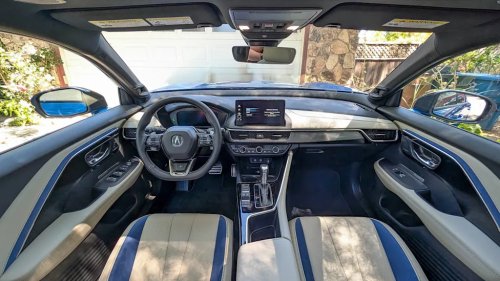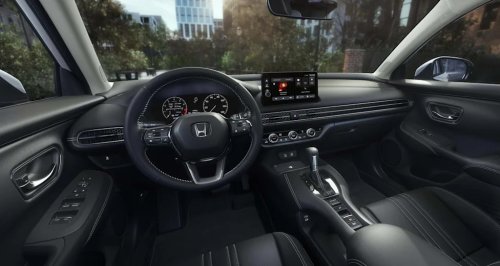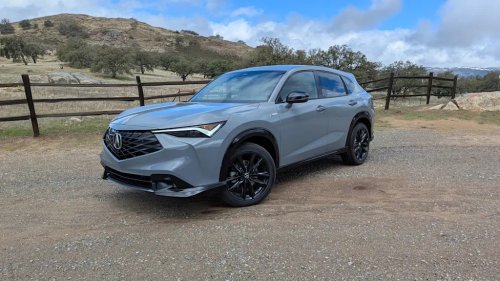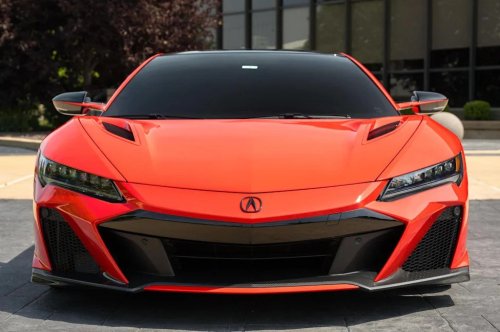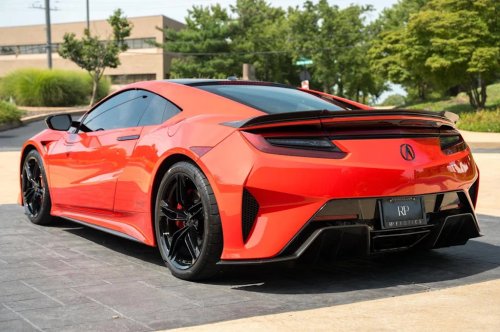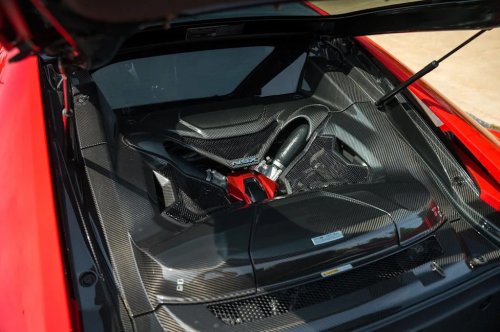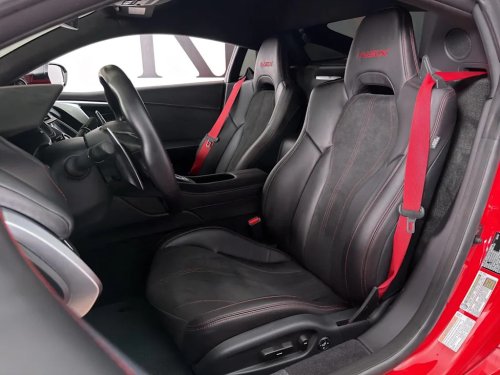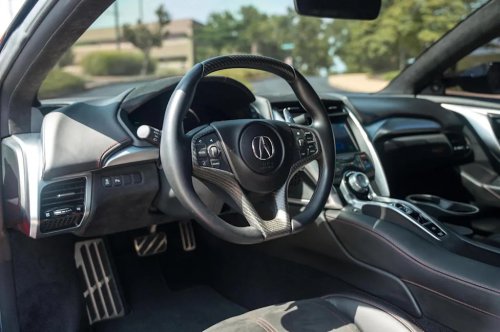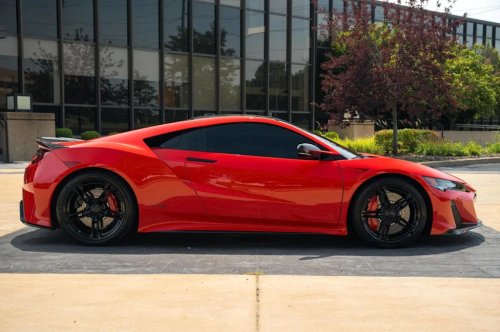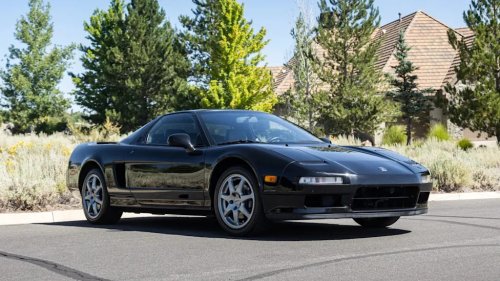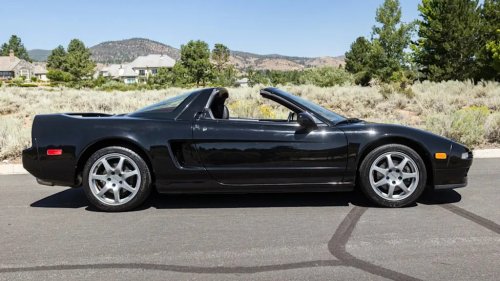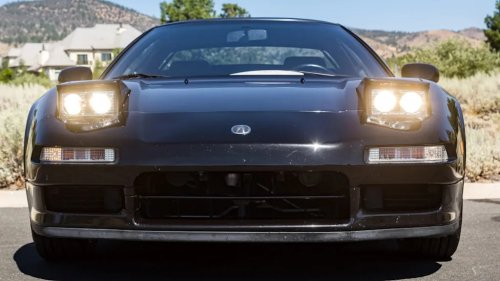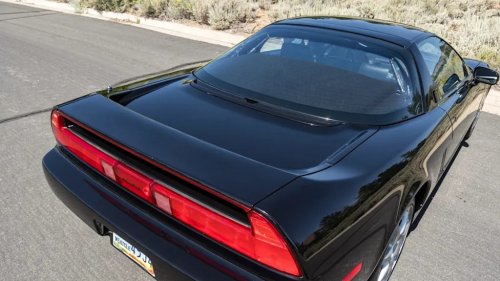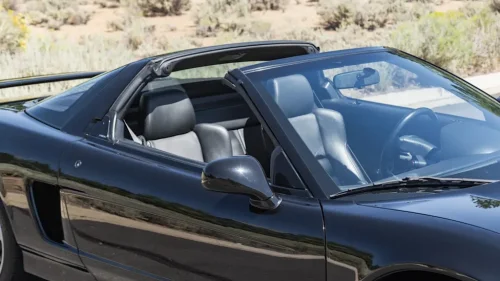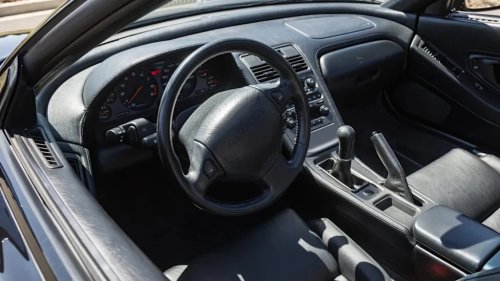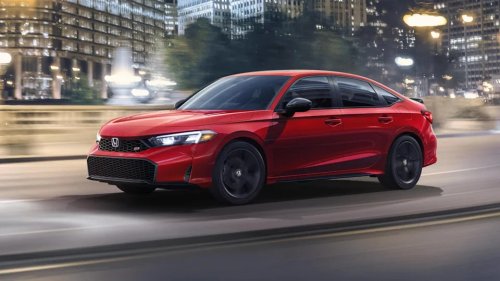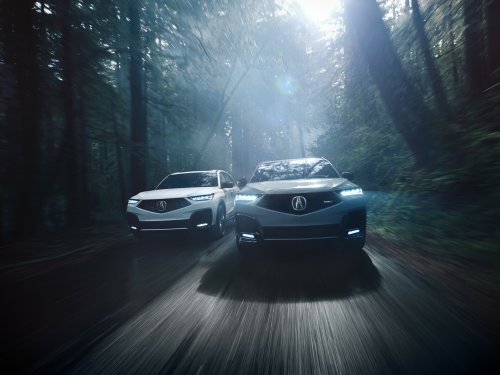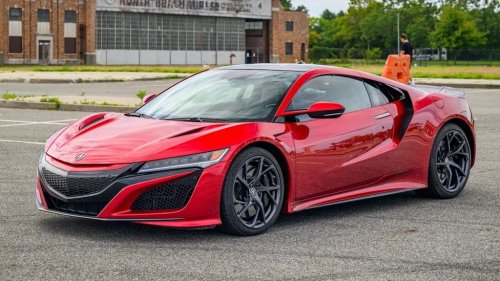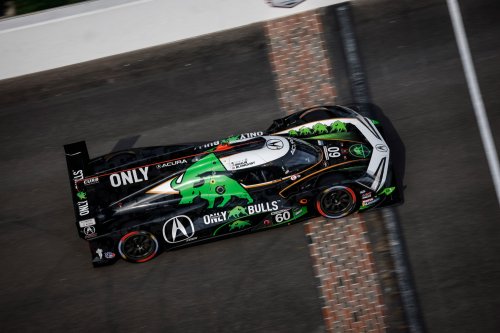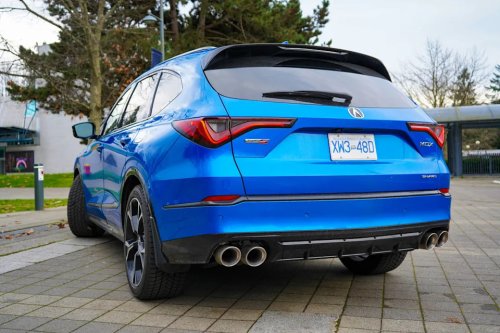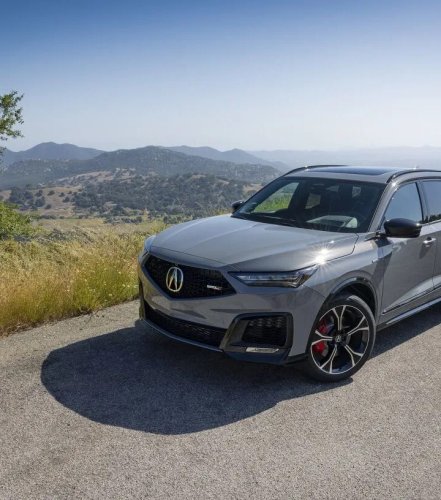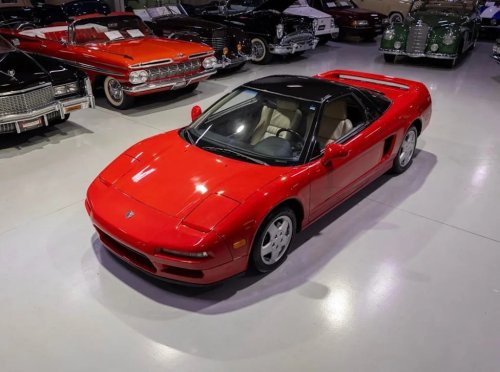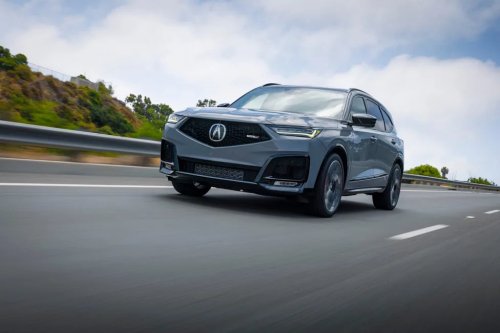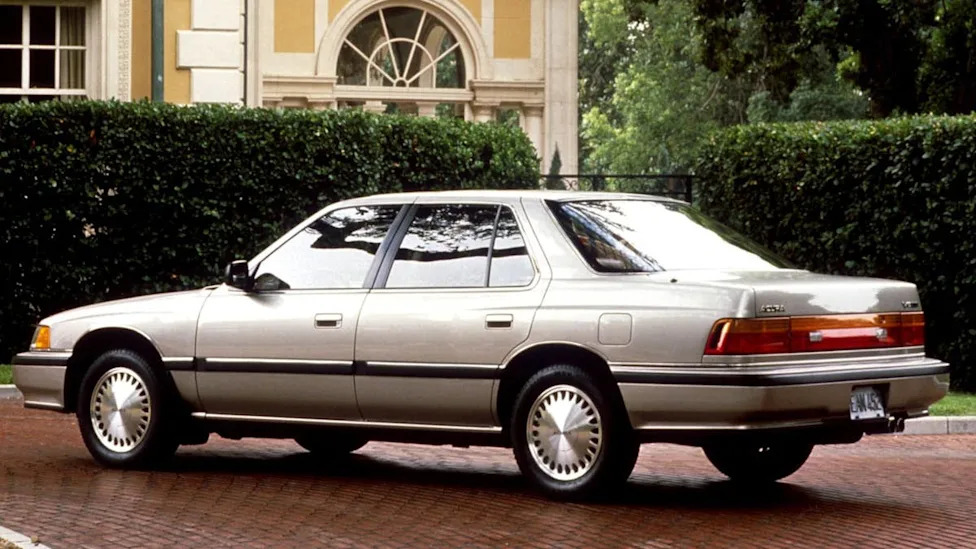
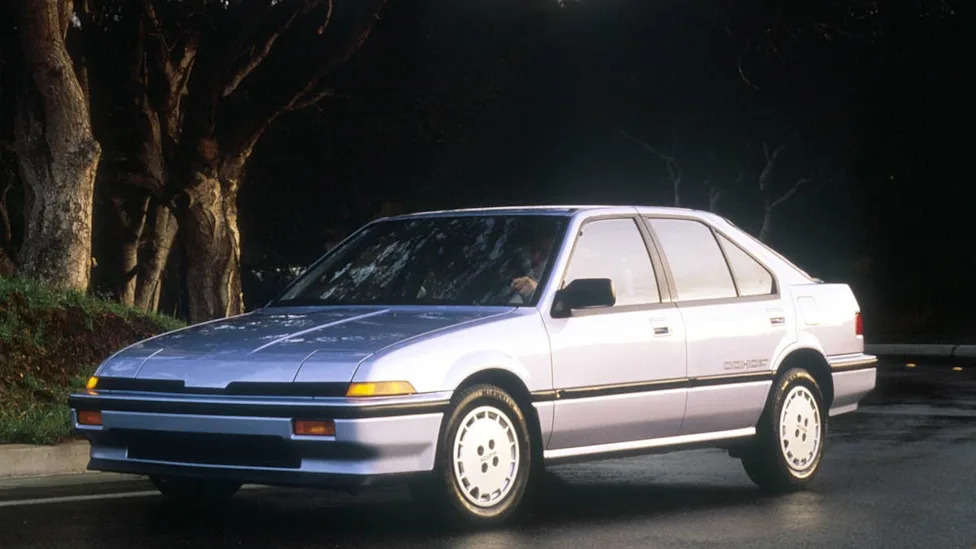



















Autoblog and Yahoo may earn commission from links in this article.Japanese cars had a luxury problem no one thought they could solveIn the early 1980s America, the luxury auto market was dominated by legacy brands like Cadillac and Lincoln, and, increasingly, European companies such as Mercedes-Benz and BMW. So, where was the Japanese luxury? The answer is that it essentially didn’t exist. Instead, brands like Honda, Datsun, and Toyota catered to economy buyers with reliability, efficiency, and affordability. Japanese cars as a whole didn’t even start gaining sales momentum in the U.S. until after the 1973 global oil crisis pushed Americans toward its more fuel-efficient vehicles. This momentum hit a roadblock when financially-strained U.S. companies began turning to the government for support, and President Reagan’s administration negotiated export restraints limiting Japan’s shipments of American automobiles in 1981. These restraints undermined Japan’s strategy of growth by volume, forcing the country’s manufacturers to consider moving upmarket for higher margins. Americans were also embracing premium vehicles at an expanding rate, with models such as BMW’s 733i becoming status symbols. The luxury opportunity for Japan’s automakers was clear, but what wasn’t was whether Americans would buy in.AcuraView the 3 images of this gallery on the original articleThe hardest part wasn't building a luxury car, it was convincing Americans to buy one Acura’s 1986 launch was a major gamble that challenged established assumptions about luxury. Japan had engineering down, as a UC Davis study released in 1994 showed that American cars had far more recalls over the previous 20 years. The study covered Chrysler, Ford, and GM, as well as Honda, Nissan, and Toyota. Regarding service, Japanese cars were also cheaper to repair on average than their American and German counterparts due to their straightforward, modular designs. In comparison, German luxury cars in the 1980s, for example, featured advanced technologies facilitating peak performance and innovation, but these technologies repair costs due to complexity and parts costs. Japan’s engineering advantage didn’t necessarily carry over into the 1980s luxury segment, as premium status was more linked to perception than reliability. Acura would ultimately challenge and reshape this mindset, and it’s quite the feat given that its parent company, Honda, would begin planning its upmarket move with just three cars in its lineup: The Civic, Accord, and Prelude. AdvertisementAdvertisementRelated: Acura vs Lexus Reliability: The Winner Isn’t Even CloseNeed new tires? Save up to 30% at Tire RackFind the perfect tires for your exact vehicle and driving style. Click here to shop all top-tier brands, including Michelin, Bridgestone, and more, directly at Tire Rack. The Legend and Integra made luxury ownership look surprisingly easyIn 1981, Honda began project HX, later released as the Acura Legend, to compete with BMW. The Legend was defined by its 24-valve fuel-injected V-6 engine, independent suspension and four-wheel disc brakes optimizing handling, smooth ride, and upscale accessories. These accessories would include a premium stereo, air conditioning, anti-lock brakes, and a plethora of power accessories. With a price tag almost twice that of the base Honda Accord at nearly $20,000, Honda recognized that its customers wouldn’t likely stretch their budgets for the Legend, and those who could afford it would gravitate toward established luxury brands. Honda responded to this dilemma by creating Acura to sell luxury vehicles, opening 60 dedicated dealerships across 18 states in 1986. These dealerships emphasized first-class customer service and a sales experience signaling that the brand wasn’t playing around. HondaView the 2 images of this gallery on the original articleAdvertisementAdvertisementRather than risking their entire launch on a single model, Acura released the Japanese-market Quint-Integra (Integra in the U.S.) beneath the Legend. Despite its lower price, the Integra attracted attention with its fuel-injected, twin-cam, 16-valve four-cylinder engine, chassis tuning combining motorsports-derived suspension geometry with NASA-computed structural engineering, and style distinguished by athletic, refined luxury. The Legend and Integra’s one-two punch set the stage for broad appeal. The public would quickly validate the strategy of Honda's luxury division following the two vehicles’ release. In 1986, the Legend and Integra sold 25,062 and 27,807 units in the U.S., respectively. A year later, those numbers grew to 54,713 and 54,757 units, respectively, with continued growth through 1988 and 1989.Final thoughts: Acura's success sparked a race to redefine Japanese luxury With Acura experiencing early and significant success, the luxury race was on among Japanese automakers. In 1989, Toyota and Nissan both launched their luxury divisions: Lexus and Infiniti. Backed by a $1 billion Toyota investment, Lexus released its LS 400 sedan and the ES 250 in 1989, undercutting BMW and Mercedes-Benz with more competitive pricing while mirroring Acura’s top-tier customer service. Lexus sold a whopping 63,594 units in its first full year of sales (1990), and in 1991, the brand finished first in J.D. Power and Associates’ Customer Service Index and Sales Satisfaction Index. Infiniti hit the U.S. market with its Q45 and M30, and while it had a slower start, moving 17,382 units in its first full year, Japan’s luxury footprint was expanding in America. G35 sales would subsequently accelerate Infiniti’s success in the early 2000s. The luxury segment looks very different today than it did pre-1986 because of what Acura did first. Acura didn’t just prove that Japanese brands could succeed in the U.S. luxury market. It showed how luxury cars could balance what buyers perceived as premium with reliability and less excessive pricing. Learn more about what Acura is up to nowadays, with models like its MDX Type S, and about the company's first import into Japan, on Road Ethos.Related: I Drove The 2026 Infiniti QX60 Sport: Here's My Honest Review Of The Three-Row Luxury SUV That Left Me ConflictedThis story was originally published by Autoblog on May 31, 2026, where it first appeared in the Features section. Add Autoblog as a Preferred Source by clicking here.