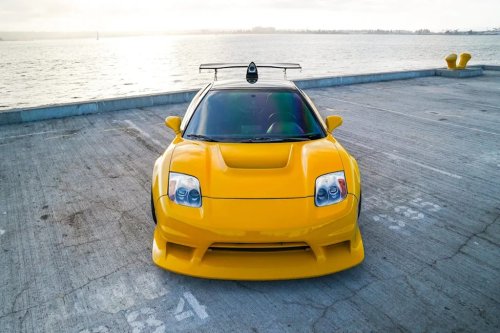
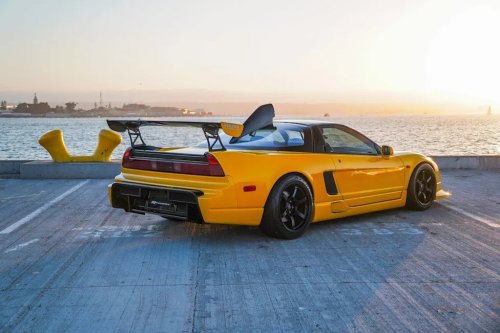
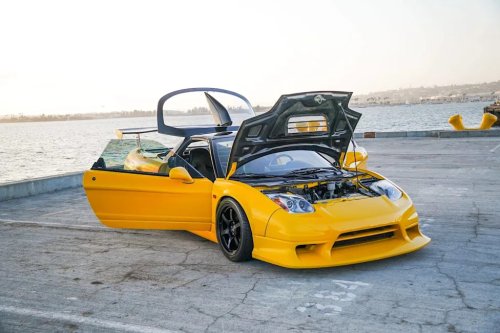
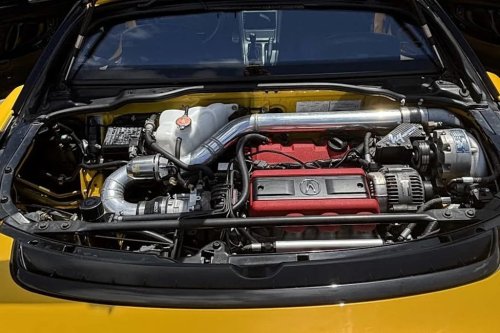
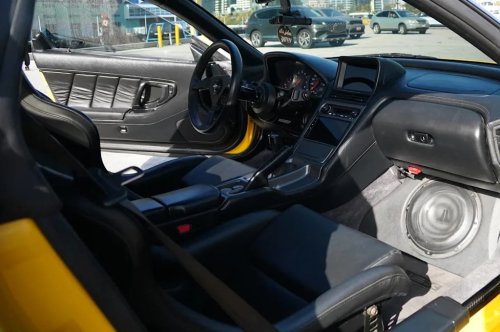
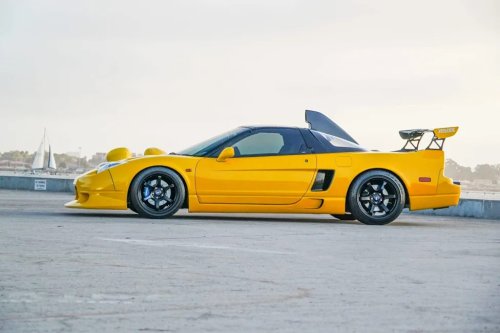
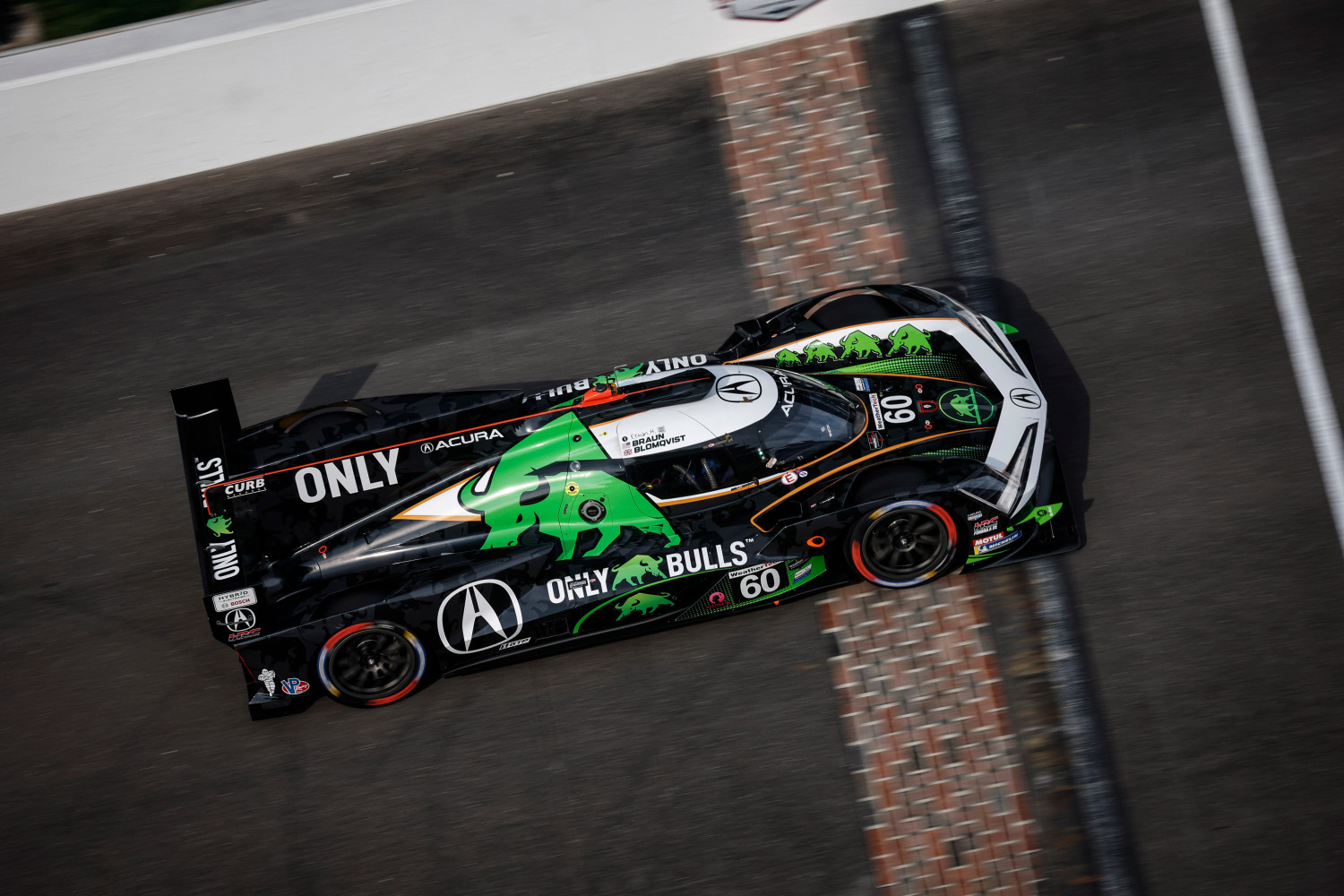
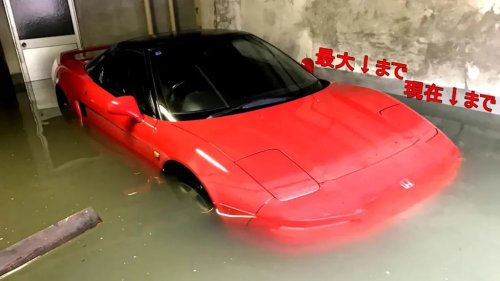
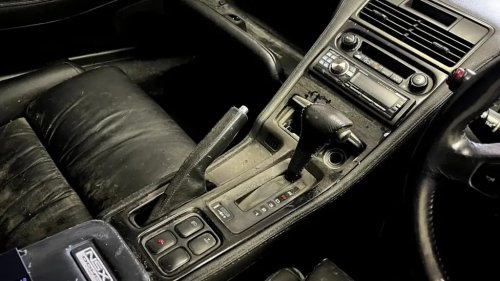
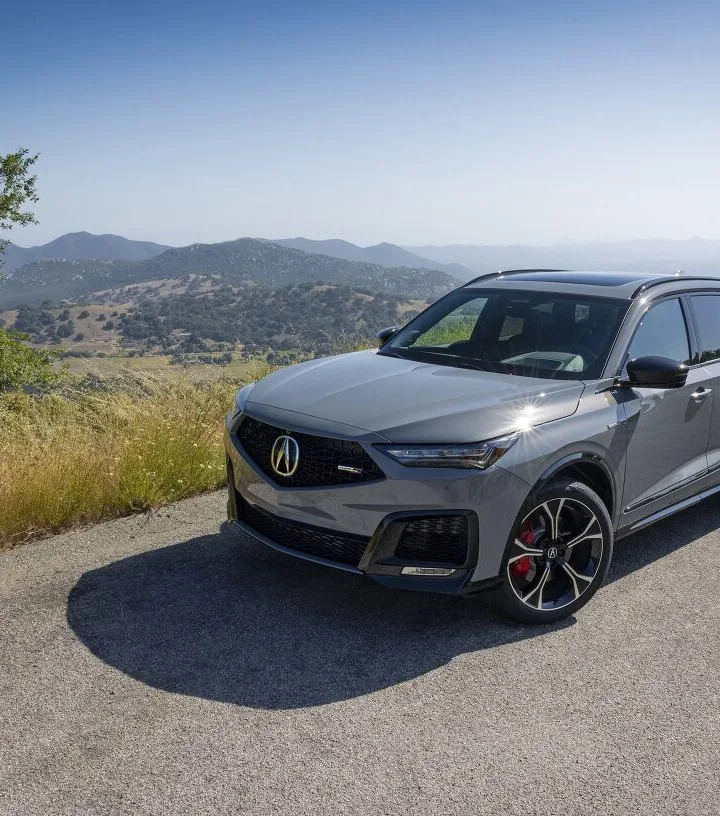
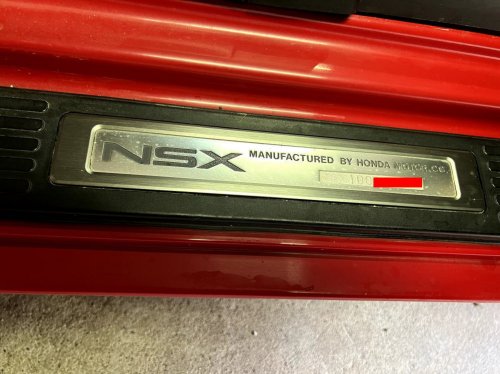
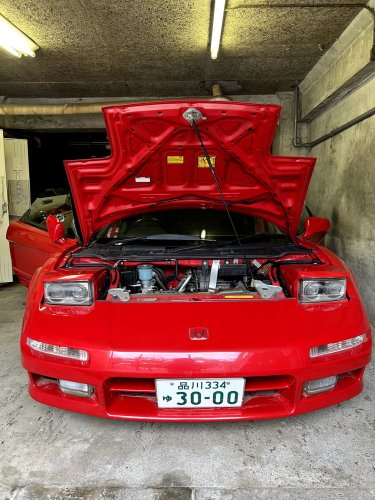
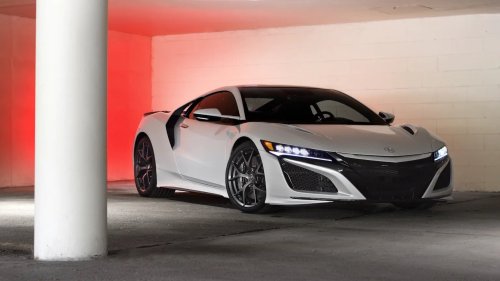
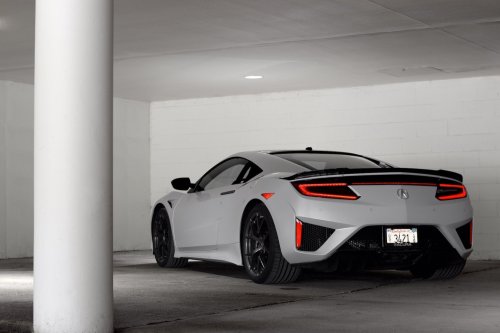
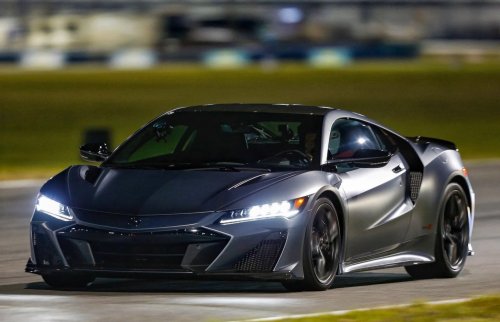
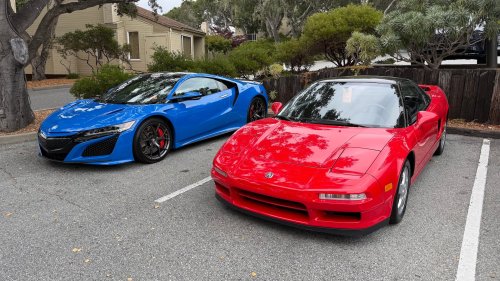
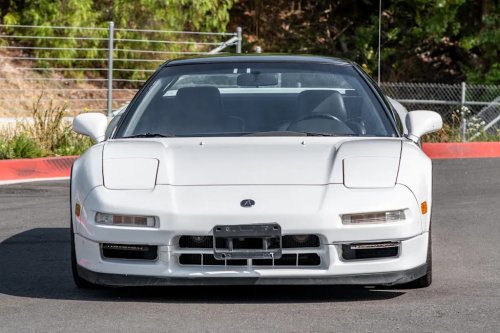
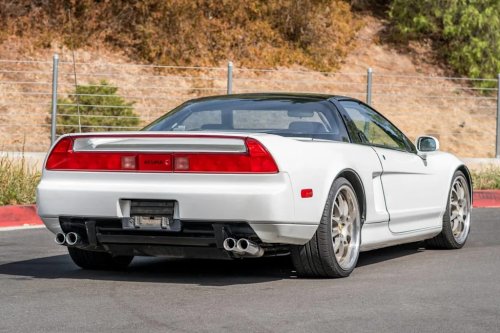
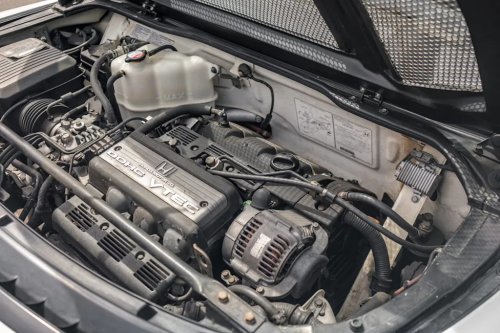
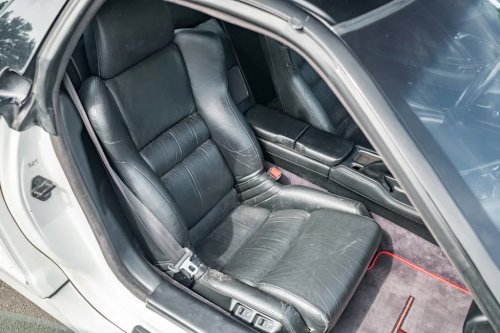
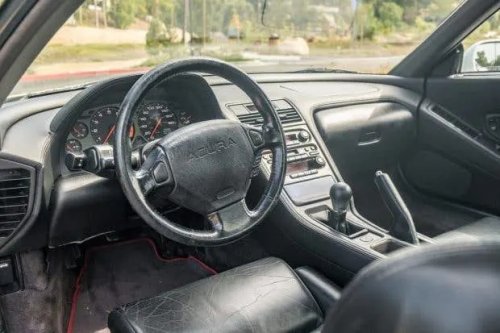
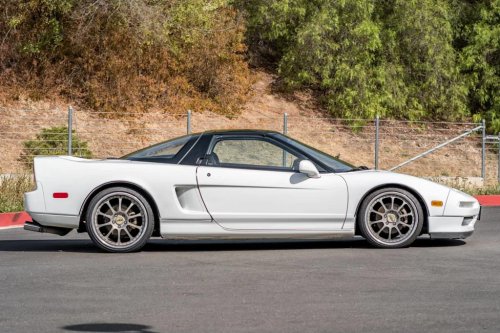
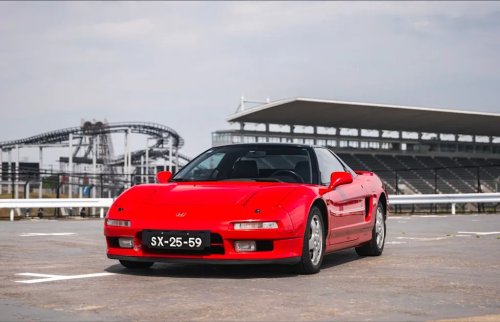
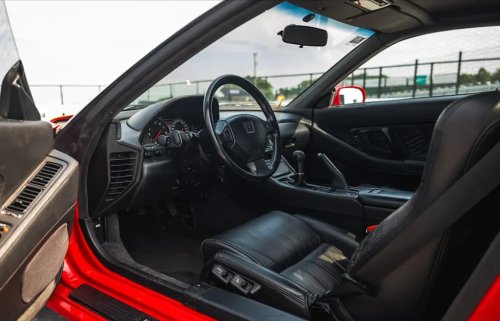
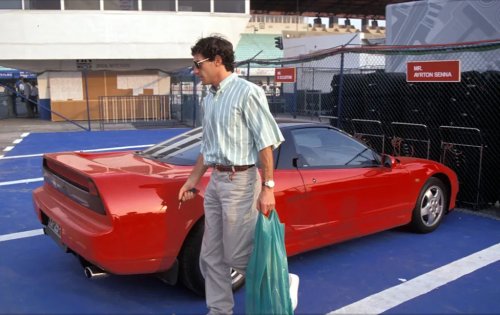
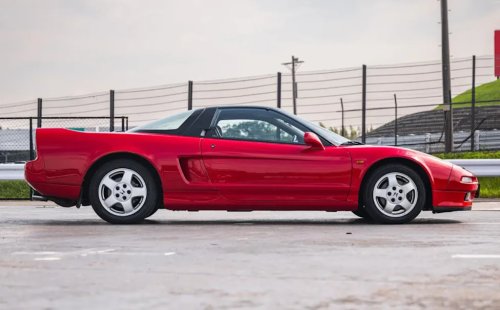
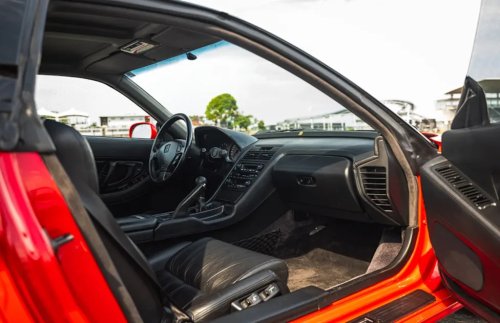
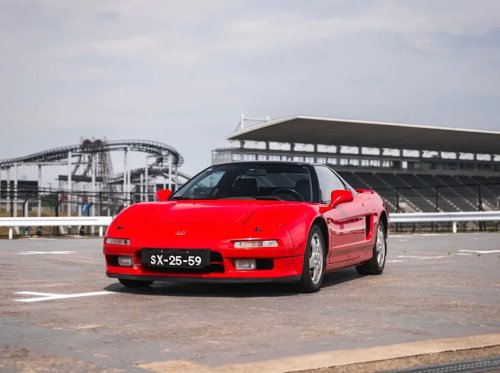
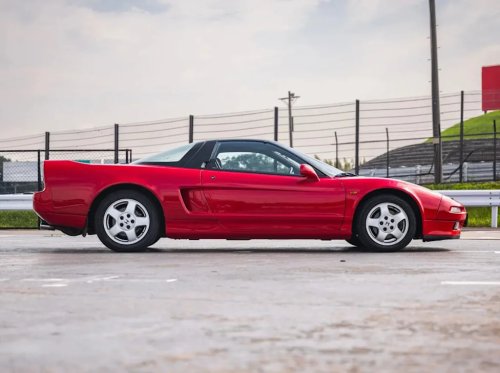
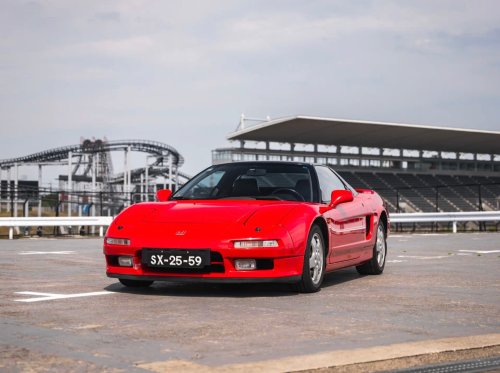
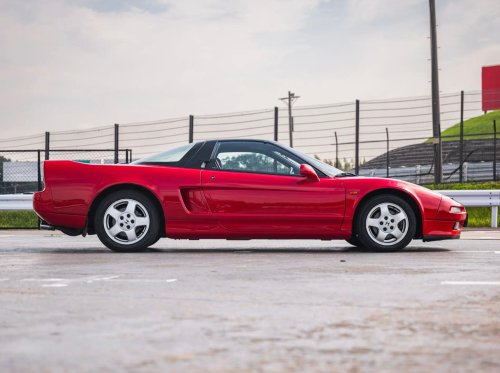
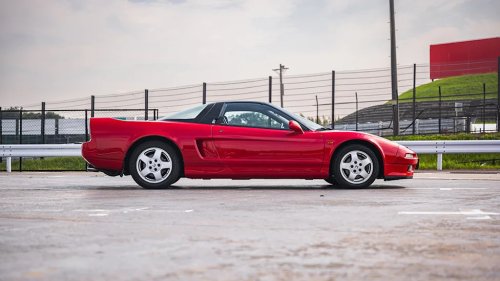
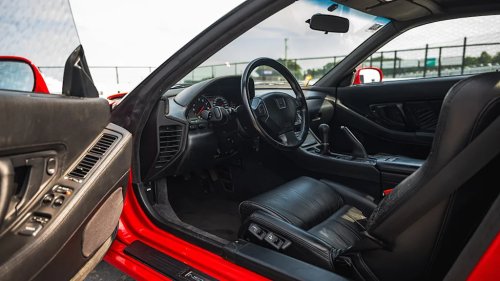
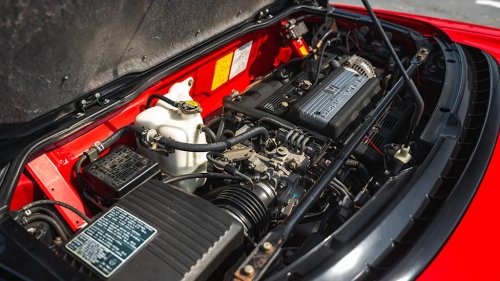
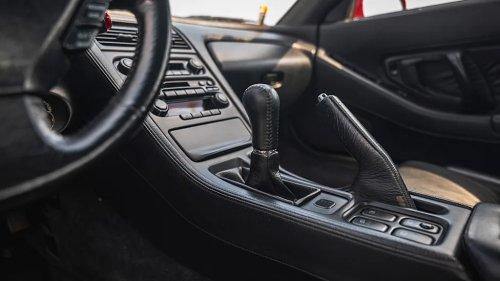
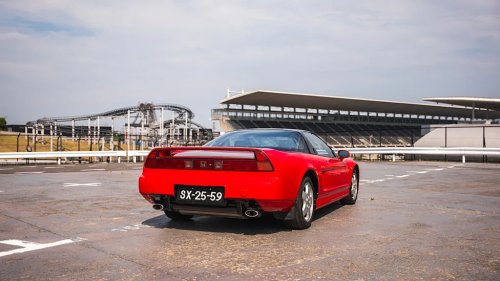
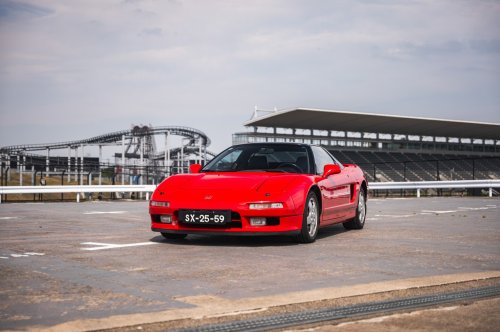
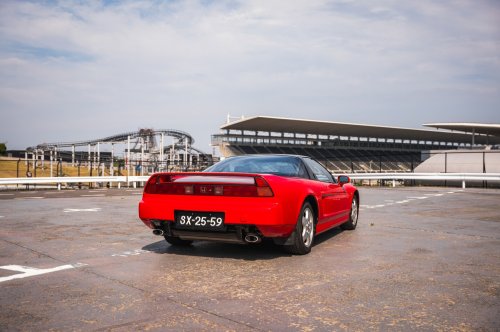
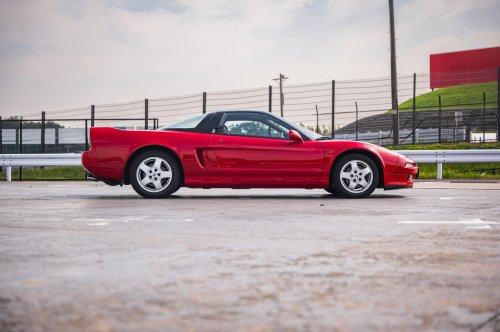
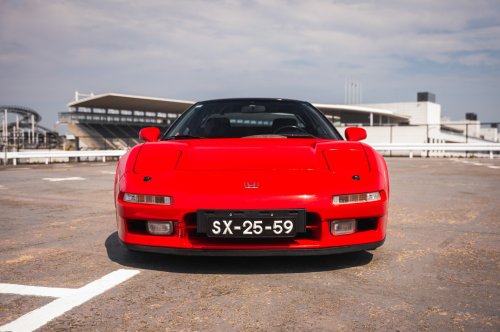
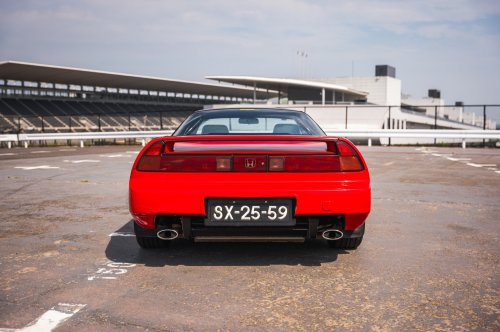
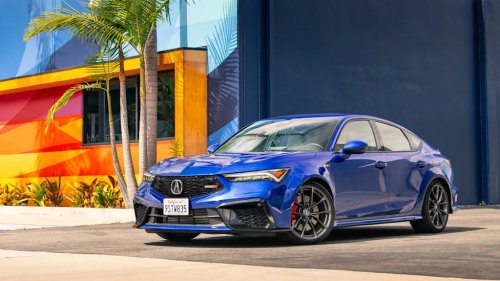
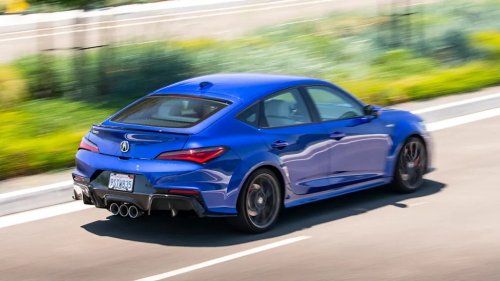
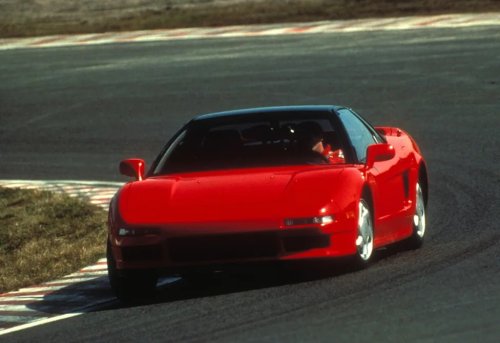
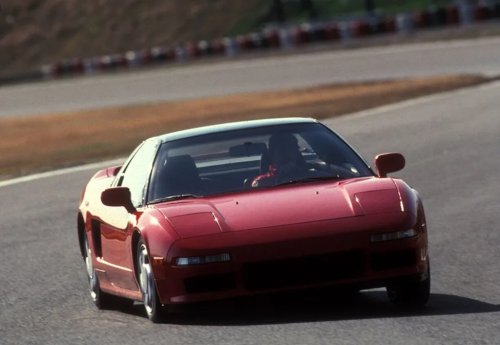
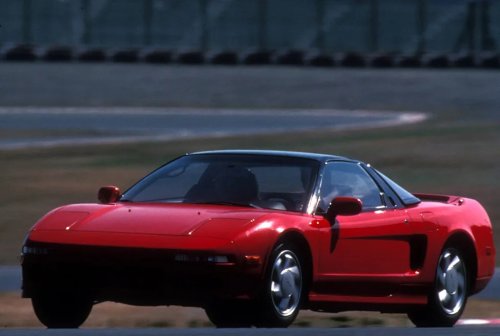
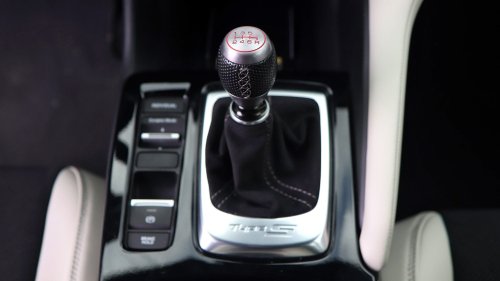
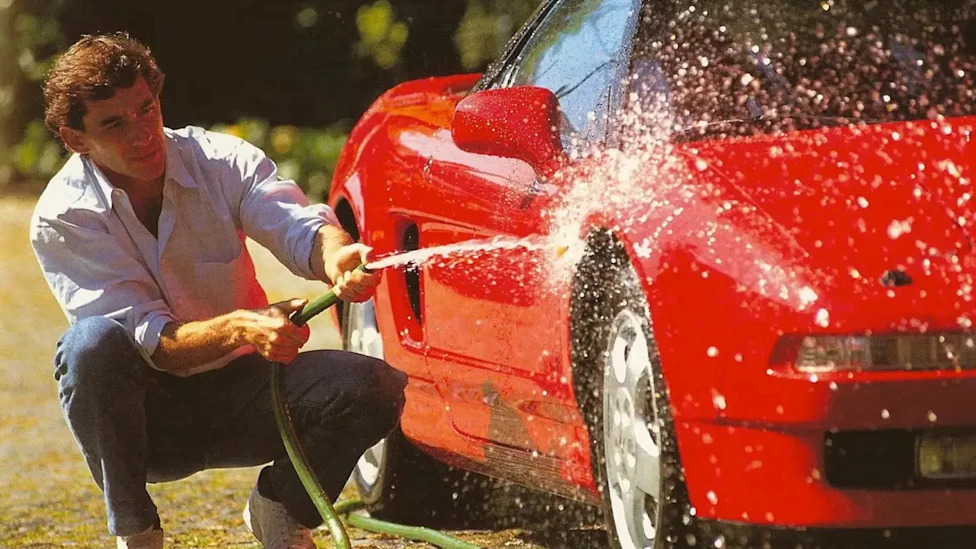
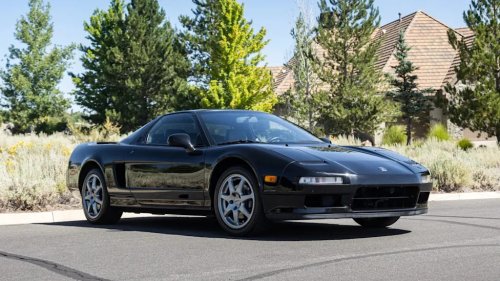
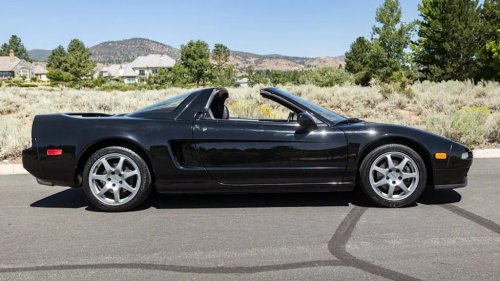
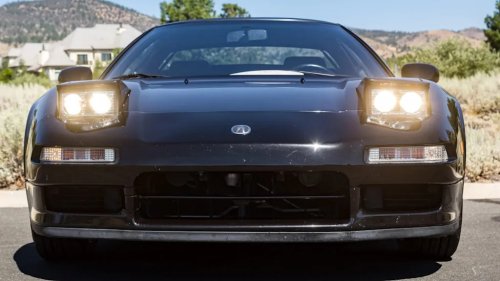
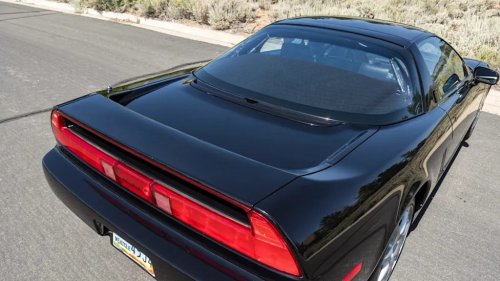
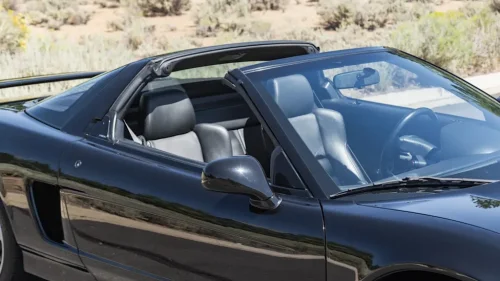
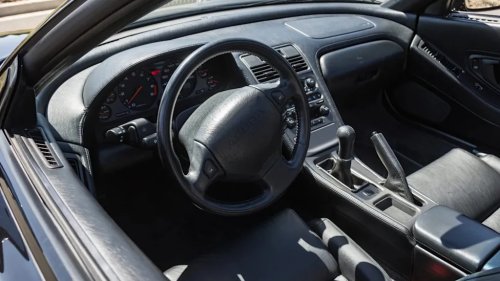
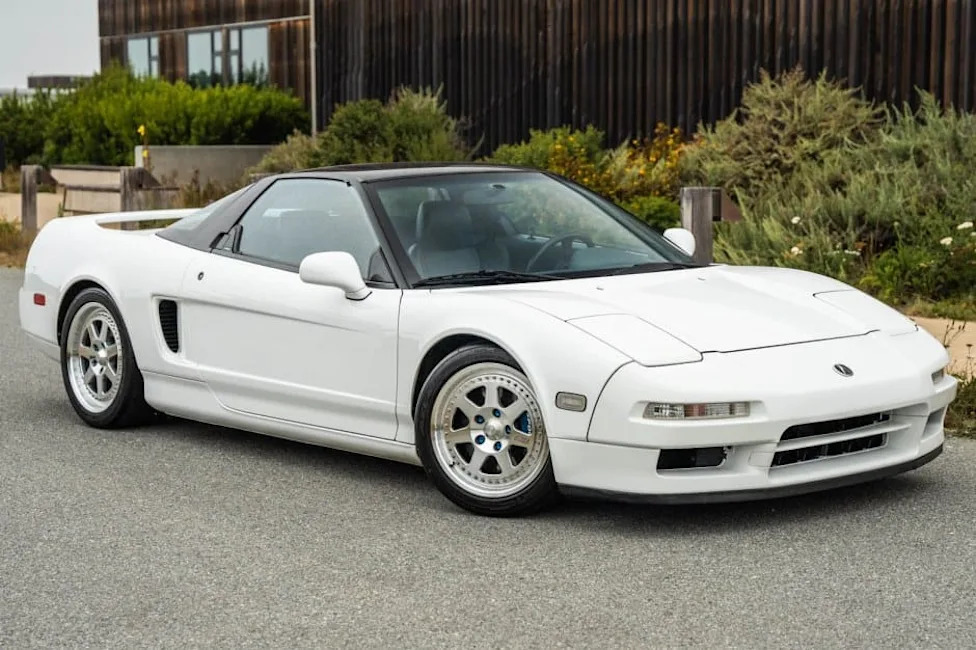
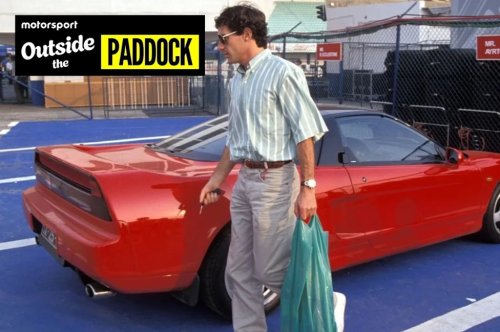
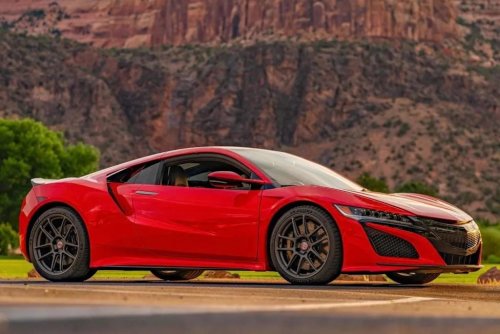
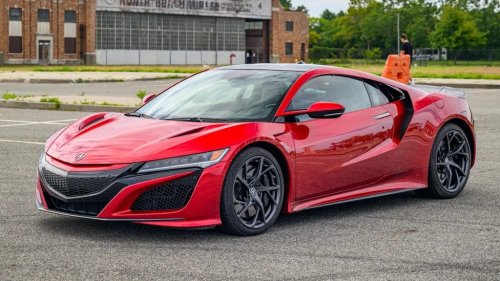
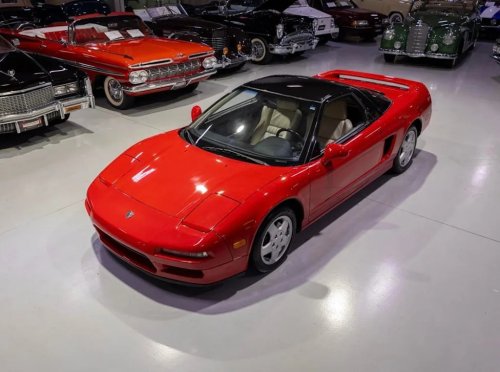
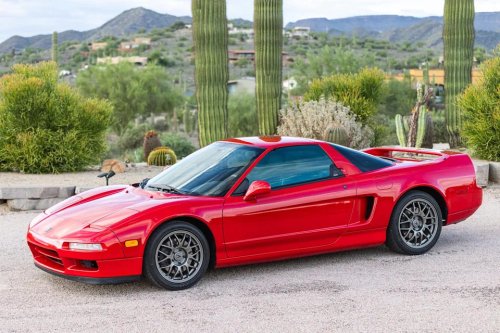
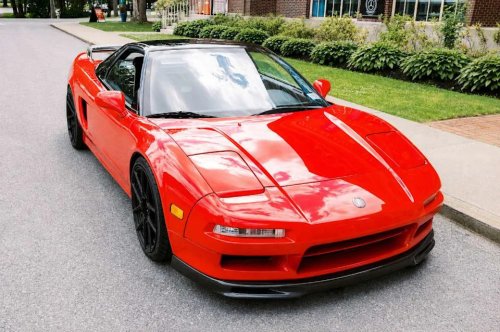
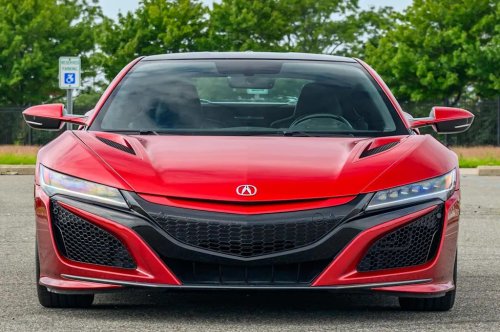
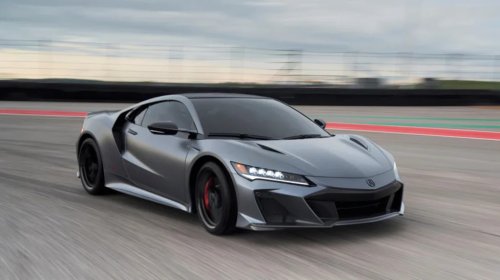
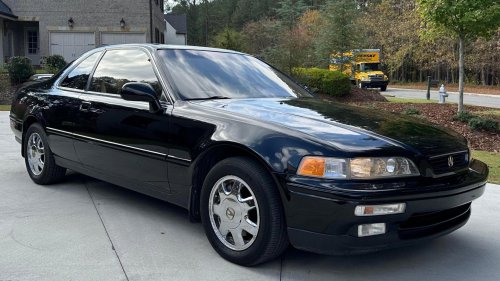
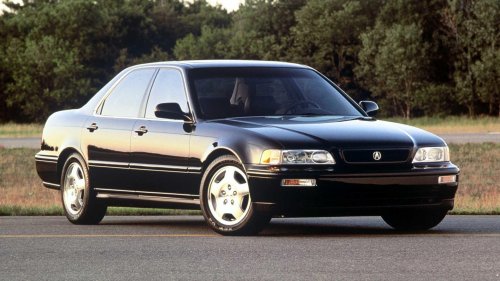
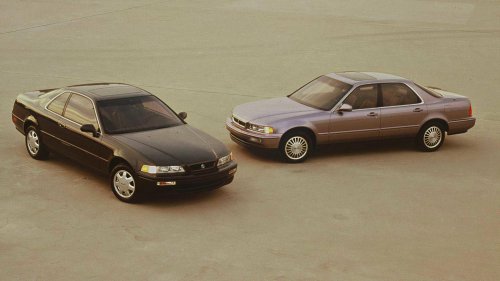
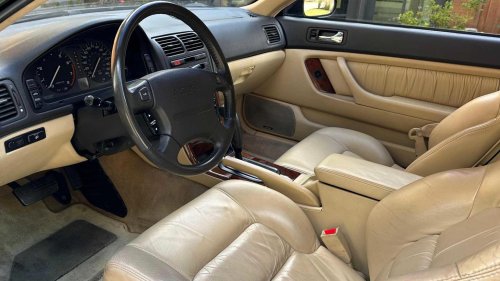
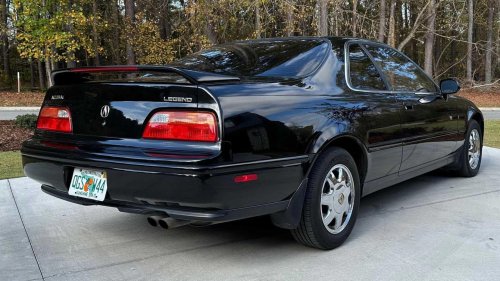
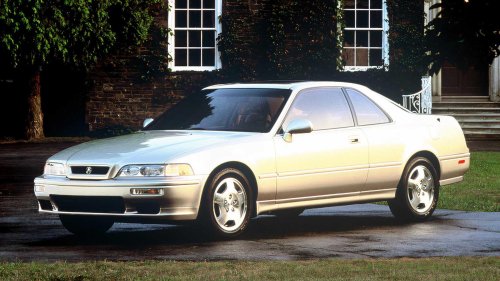
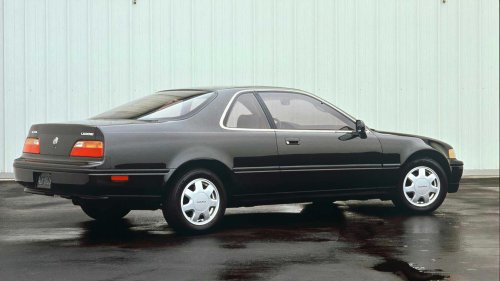
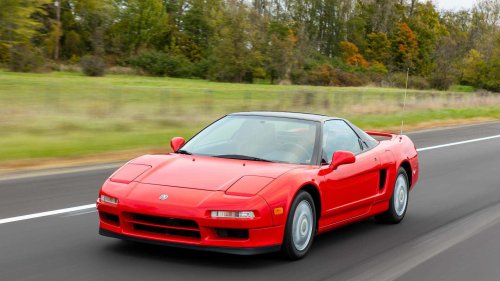
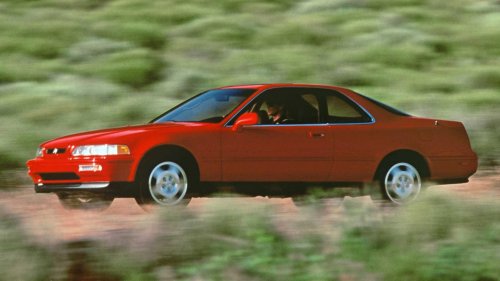
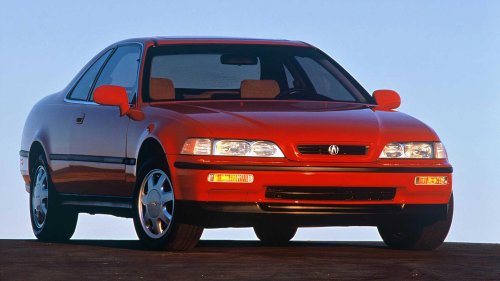
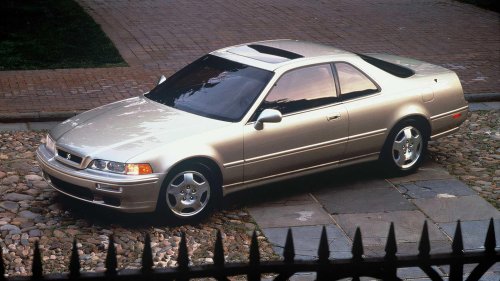
During the 1980s, Japanese auto companies were keen to cash in on the lucrative luxury market that had, up until that point, been dominated by European and American manufacturers. They decided that it would be easier to introduce new luxury sub-brands than introduce upmarket vehicles with nameplates that were already well established at the lower end of the market.That is how brands like Lexus (Toyota), Infiniti (Nissan) and Acura came into being. Honda offshoot Acura was the first, launching the Legend and Integra models in 1986. The Legend, in particular, was an opulent and luxurious vehicle, with V6 engines and several advanced features that were usually optional on its pricier rivals.The second-generation Legend was introduced in 1991, and it offered even more power, luxury, and features than ever before. It proved to be a very sporty vehicle indeed, especially if you picked the right model. The Acura Legend LS Coupe 1991 acura legend frontBy 1990, the Acura brand was well on the road to establishing itself in the US as an affordable and well-built alternative to the usual suspects from the US and Europe, and the introduction of the second-generation Legend sedan and coupe for the 1991 model year further cemented its reputation as a solid and sporty offering in the luxury segment.Acura As before, a four-door sedan and a two-door coupe were offered, both fitted with a 200-hp 3.2-liter V6 that was upgraded to 230-hp for the 1993 facelift. A 4-speed automatic was the default transmission choice throughout production, but a 5-speed manual was available for both body types, with the facelift introducing a 6-speed manual transmission on all but the base L trim sedan.Acura Newsroom Fans of the iconic Acura NSX from the same era may notice a close similarity in engine codes: the NSX had a 3.0-liter V6 called the C30A, while the Legend had a 3.2-liter C32A engine. While both were naturally aspirated 90-degree V6 engines with all-aluminum construction, the similarity ended there. The C30A was a double-overhead-cam unit fitted with VTEC variable valve timing, titanium connecting rods, and profiled to suit the sporty character of a mid-engined supercar.Cars & Bids The C32A was a simpler single-overhead cam design and did without variable valve trickery, instead being profiled to offer solid pulling power across a broader rev range. That said, the Legend's 3.2-liter V6 was potent for its time, especially the updated Type II engines, which gained an additional 30 hp. To many, the ultimate version was the 1993-1995 Legend LS Coupe paired with a six-speed manual transmission. It was considered a cut-price Acura NSX, in all the right ways. Pricing and Value Cars & Bids Taking a rather big step back to 1993, the base MSRP of a new Acura NSX was around $68,000. The entry-level 1993 Acura Legend Coupe was about half that figure, with the manual transmission LS Coupe costing approximately $37,850. In terms of desirability, overall performance, and street cred, the NSX beat the Legend. But the LS Coupe was barely a second and a half slower to 60 mph, still looked sporty, and offered a far more refined and comfortable ride. Thanks to the updates carried out to the suspension, it handled well, too.Acura Newsroom Three decades on, the NSX has become a desirable classic, with prices averaging over $110,000. Superb low-mileage examples have sold for well over twice that. Yet, despite its desirability and rarity, the Legend LS Coupe has followed a rather different path.With so few cars ordered with a manual transmission, we included all second-generation coupes in our pricing comparison. And while the LS Coupe with the more powerful Type II motor is considered to be the most desirable of them all, the pricing difference between the various trims is marginal. The term "low mileage" is relative here, as most cars sold had well over 100,000 miles on the clock, a common trend with Japanese classics, as few people bought them as investments back in the day.Interestingly, automatic transmission Legend Coupes start at just over $5,000, but enthusiasts are willing to pay up for great condition examples, and the best ones sell for as much as the manual cars. Is It A Good Classic? Acura Newsroom New cars need to meet several criteria to become a sales success. The Legend coupe and sedan models proved that Acura could produce a luxurious and solidly built vehicle for less than the competition, and these models often outperformed much pricier European rivals like Mercedes and BMW in the sales charts.Lexus The availability of a manual transmission, decent interior spec, and strong performance all played their part, but as time wore on, both Lexus and Infiniti entered the fray with even more luxurious and advanced V8 offerings. Acura decided to discontinue the Legend nameplate in the US, and its successor was called the RL, but its sales performance never quite attained the highs of the earlier models.When viewed as classic purchase, the Legend has to meet a very different set of requirements than when it was new. Classic car buyers tend to look for cars with interesting period technologies, unique designs and other quirks that help them stand out from the crowd. The Legend Coupe didn't offer any of these things as it was designed to be a reliable and unassuming luxury car, traits that have seen these models fall through the cracks in terms of value and desirability.Acura NSX vs Legend That is why the Acura NSX has seen such a surge in value. It featured cutting-edge tech, stunning styling, and was as quick as any contemporary rival. It was also the first-ever Japanese supercar, and forced rivals to reassess how they built their own offerings. The Legend, despite its competence, didn't have quite the same impact. In essence, it is a relatively straightforward front-wheel-drive vehicle, and its keen original pricing and well-specced interior don't necessarily make it a valuable classic. The Savvy NSX-Lite Alternative Acura Still, comparing a supercar to a luxury coupe is never going to be an even match-up, and that is not what this article is about. The Legend still has a lot to offer for those looking for a classic 1990s Japanese motoring experience, and in manual transmission LS trim, it is far more engaging and fun to drive than you might expect.Acura Newsroom Its impressive reliability is a major plus point if you are planning to drive your classic car. After all, even the last of the line LS Coupes are now over 30-years old. Aside from the usual perished seals and rubber suspension components that any old car will suffer from, be on the lookout for faulty vehicle speed sensors (VSS) (the speedo will drop to zero as you drive along), blown head gaskets, and drivetrain leaks. Due to the engine being mounted longitudinally, accessing the drivetrain and diff seals can be tricky.Avoid modified examples, especially cars that have aftermarket wheels and tires. Due to the unique layout of the Legend's front suspension, the tires can make contact with the steering and suspension parts, causing irritating rubbing sounds and eventual damage. Most of the issues mentioned above can be sorted out with some preventative maintenance, and the regular servicing costs aren't prohibitive either. Acura Newsroom In summary, the Legend Coupe is not going to blow your hair back like a first-generation Acura NSX, but at the same time, it won't blow a hole in your wallet either. Good LS Coupes can be found for a little over $15,000, although the real trick is finding a manual transmission example.If you do, you will have yourself a stylish classic coupe that is still as competent as ever, whether you plan to use it as your daily driver or only take it out for weekend drives. The NSX may have introduced us to the concept of a reliable and usable supercar, but the Legend LS Coupe did much the same for the sporty luxury segment.



















 +50 others