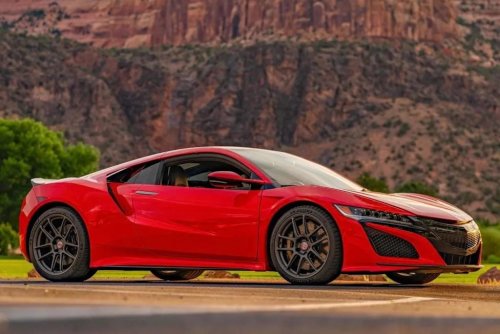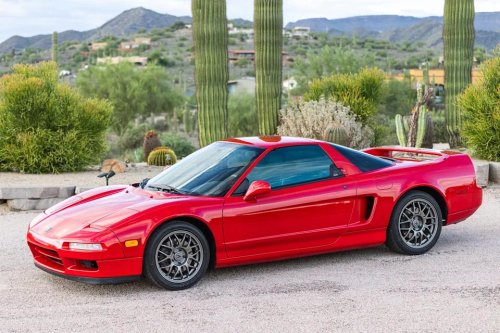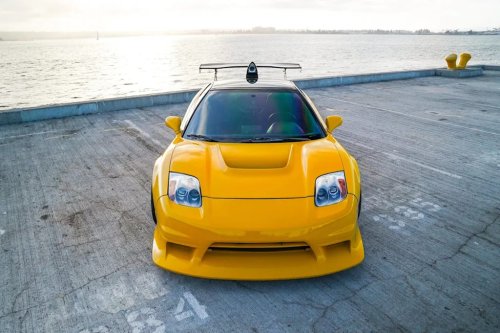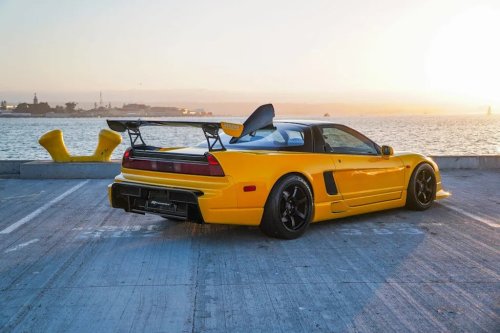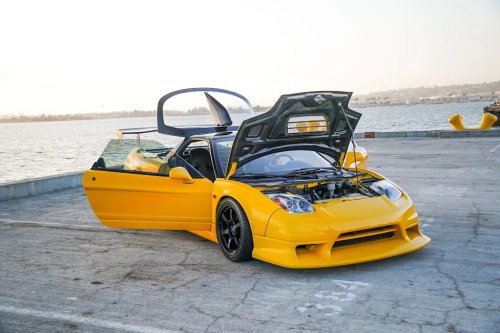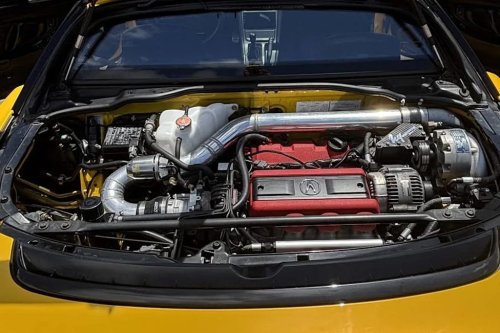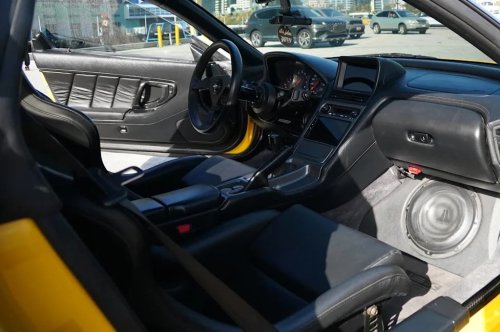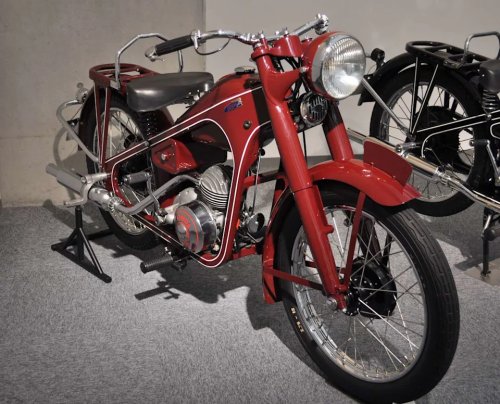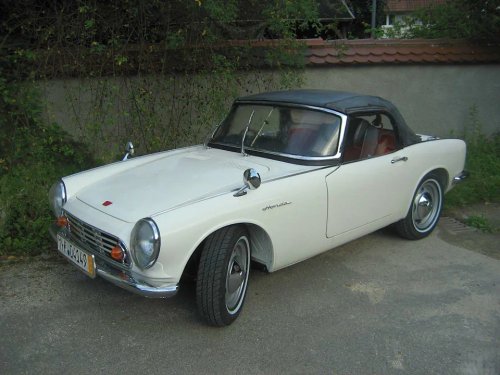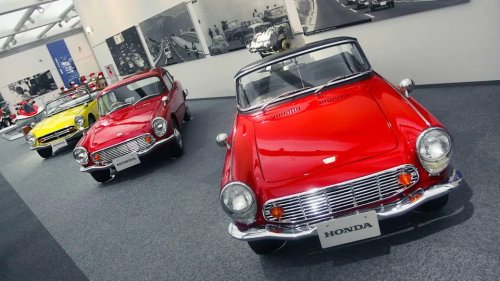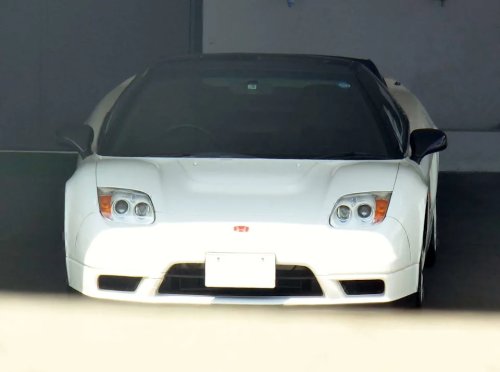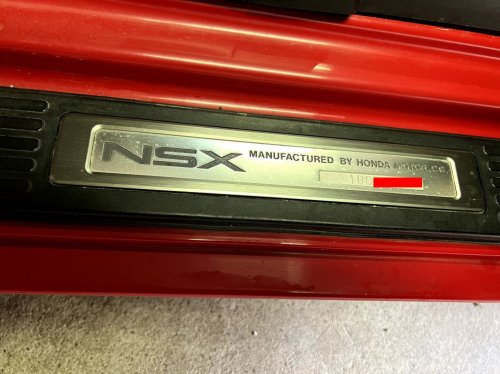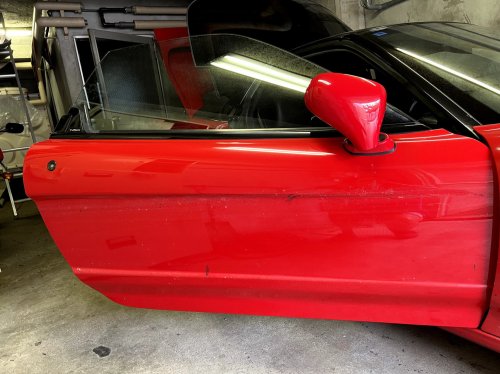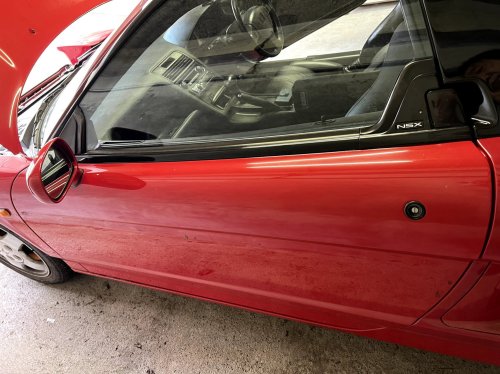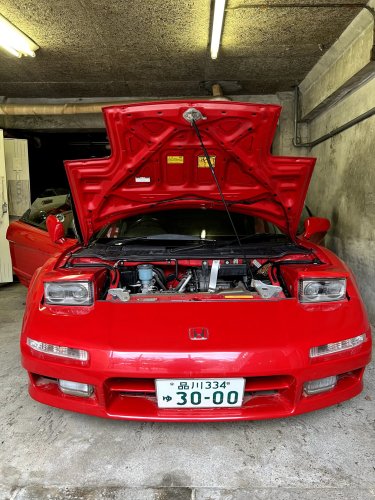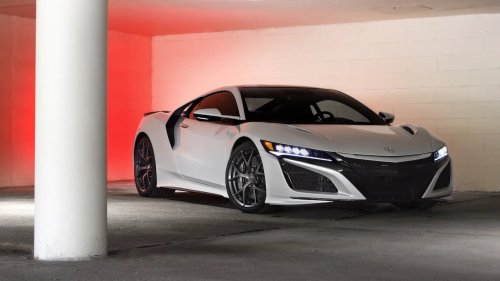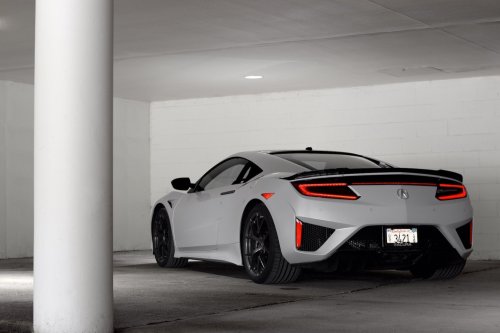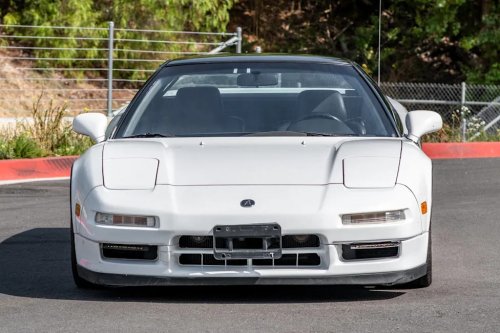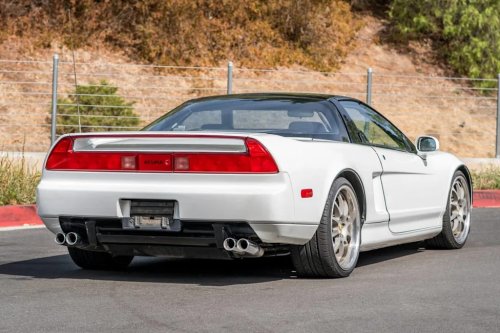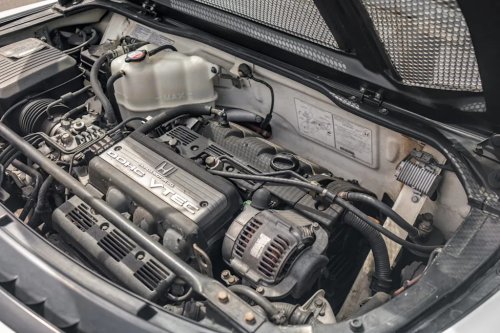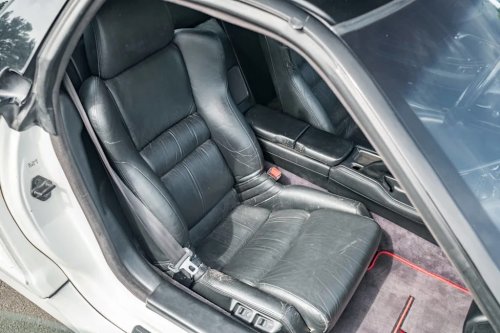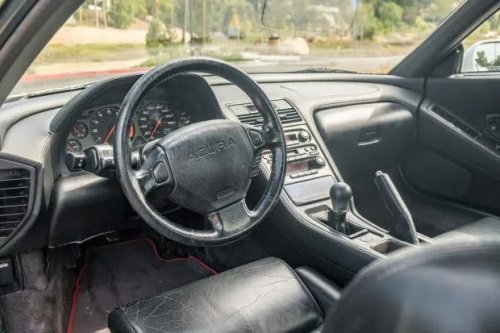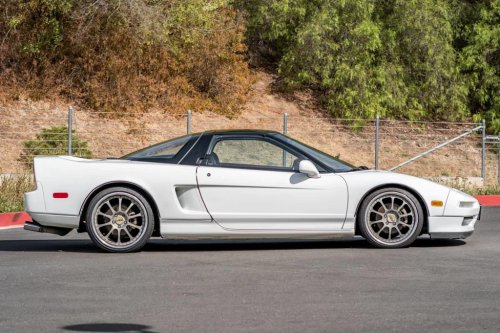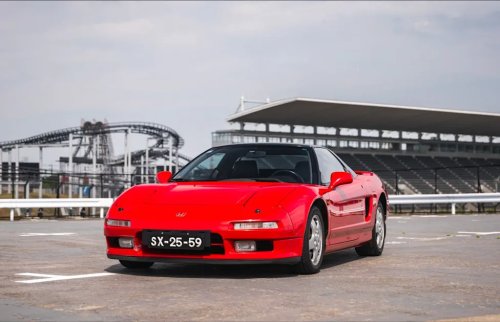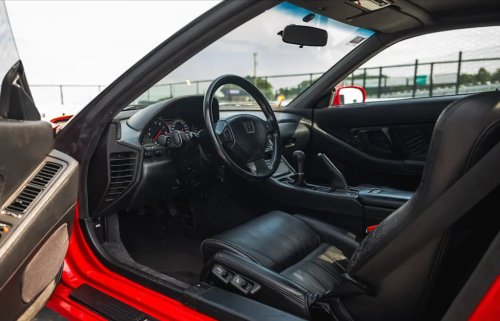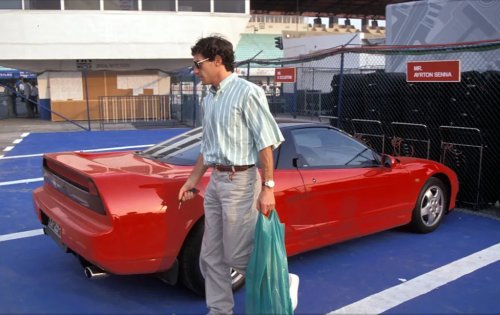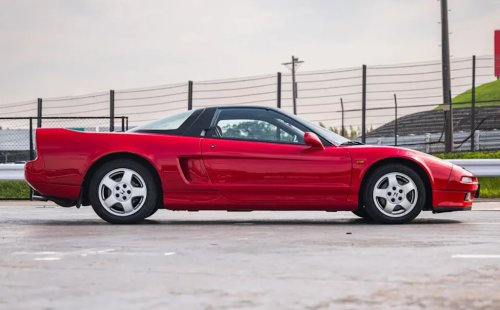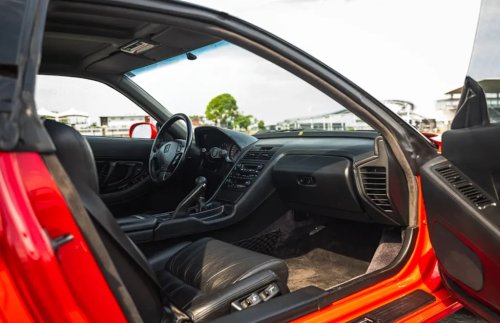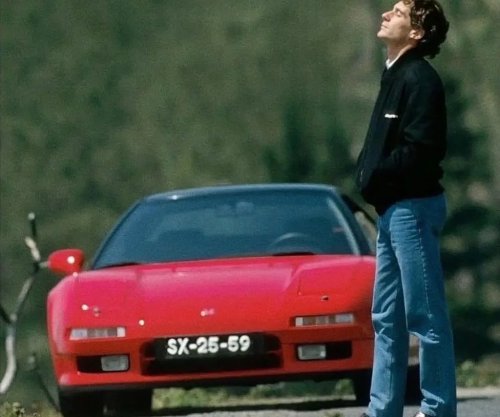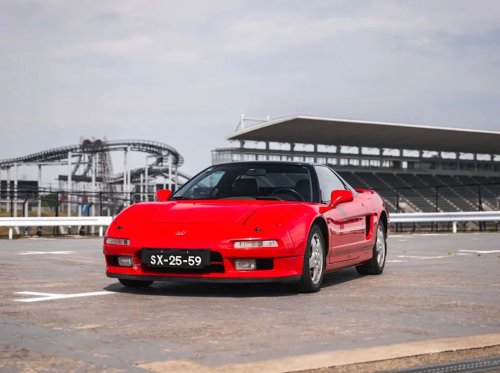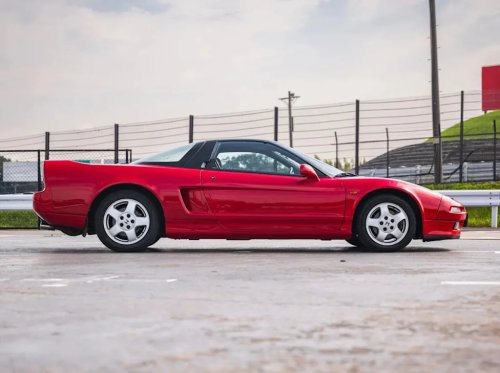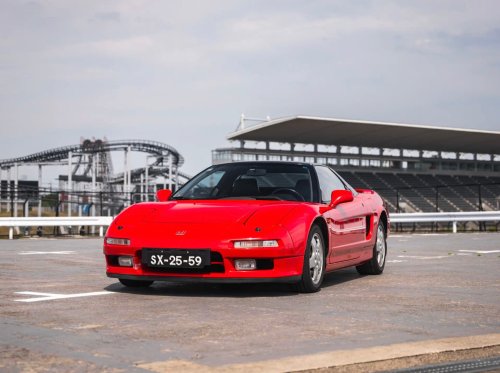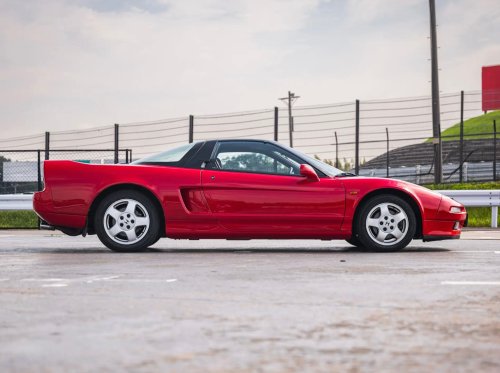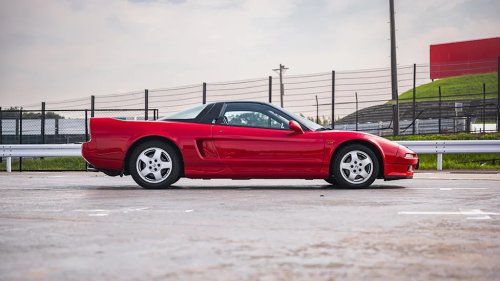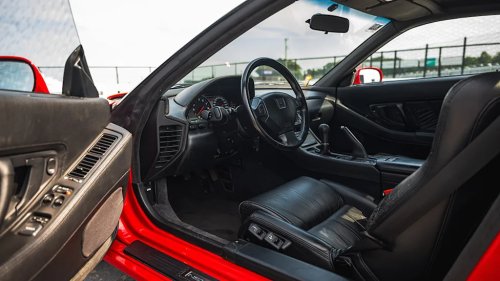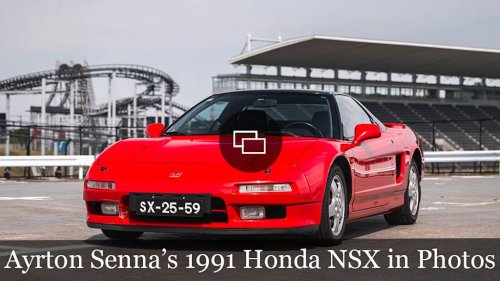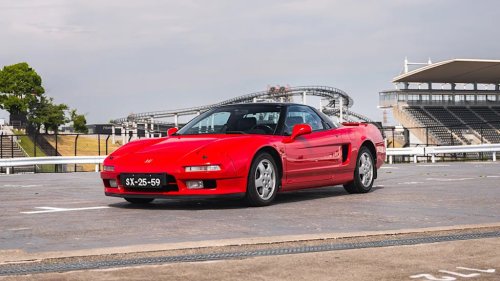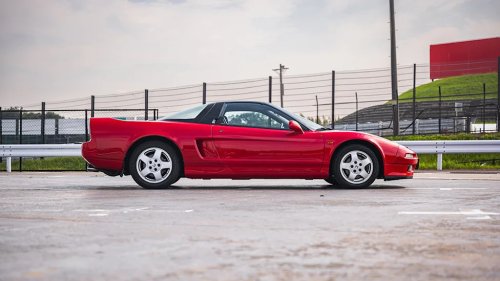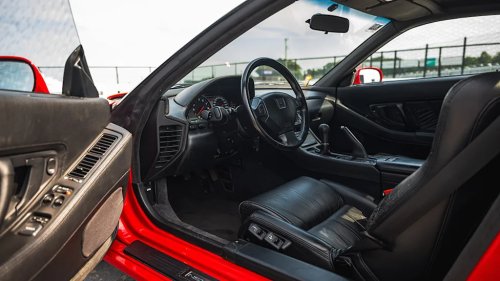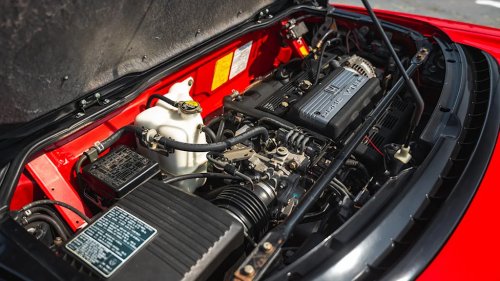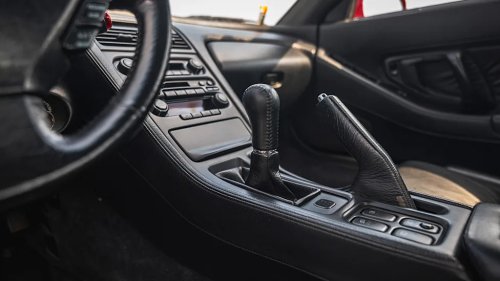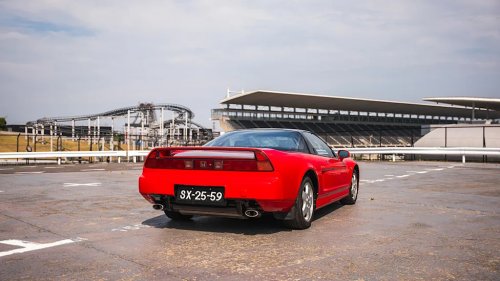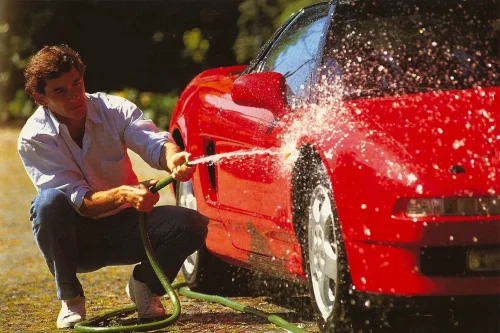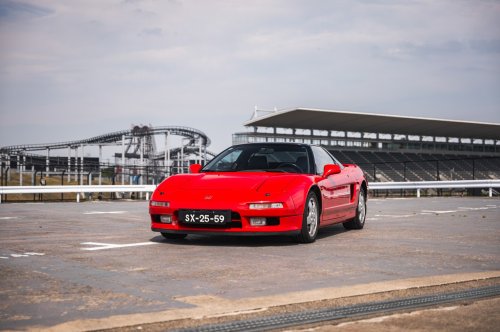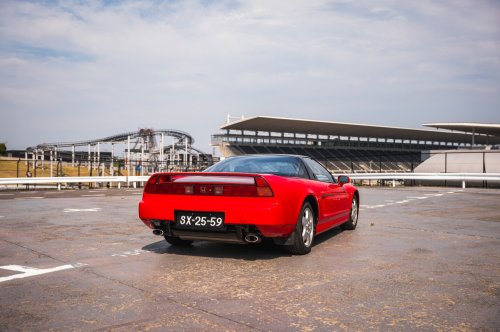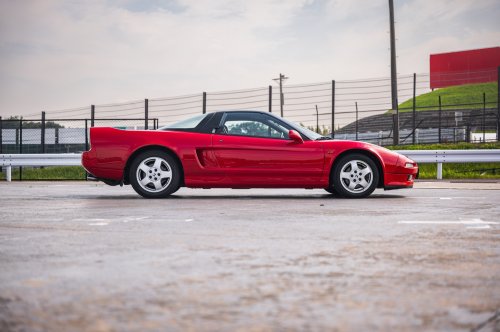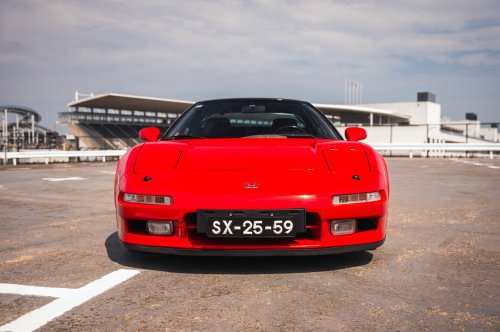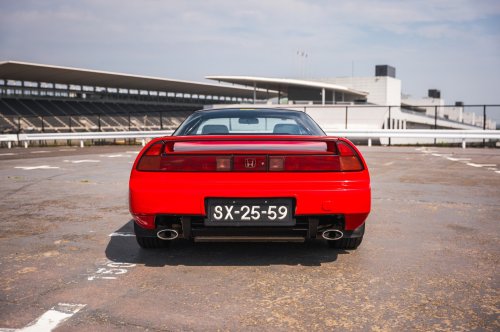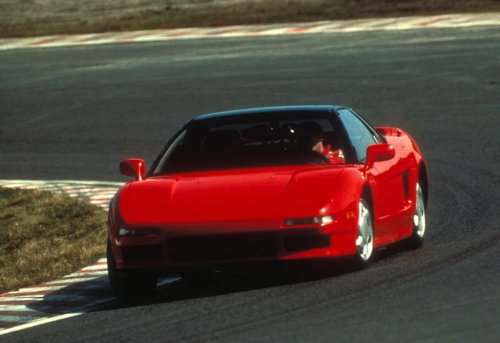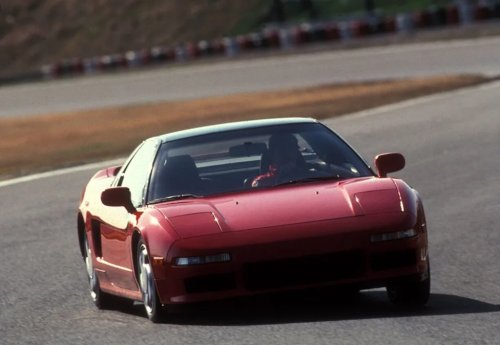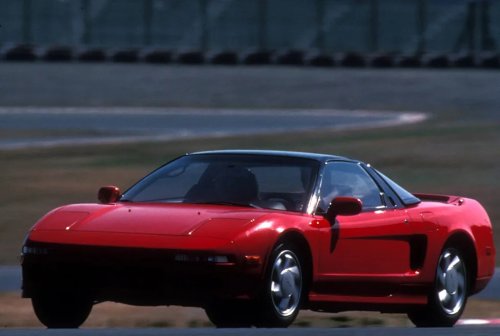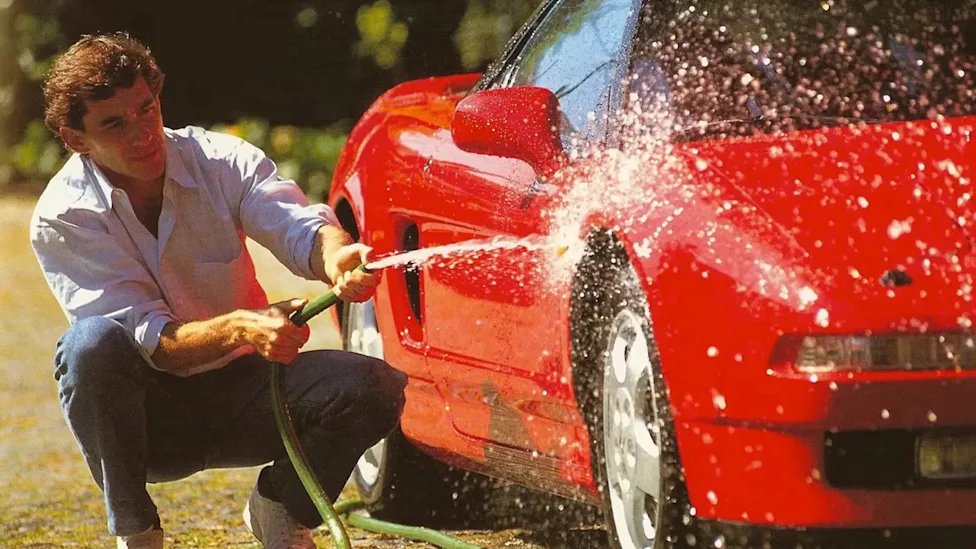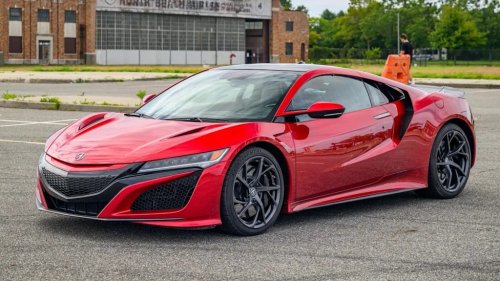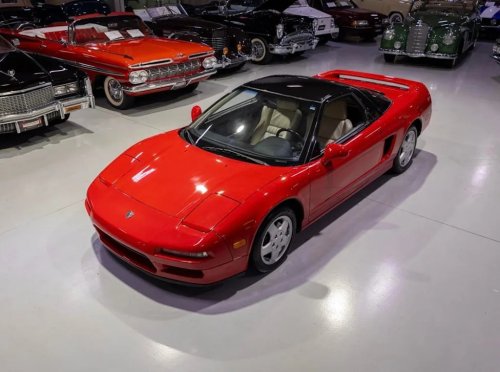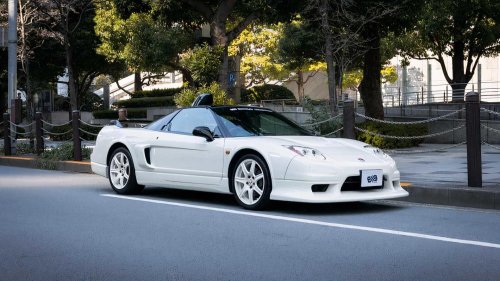
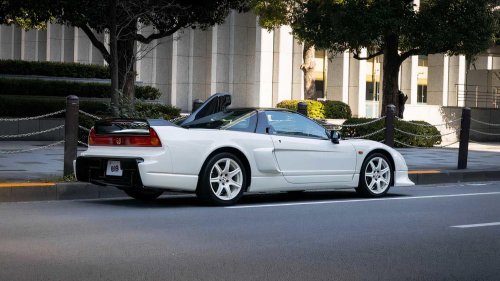
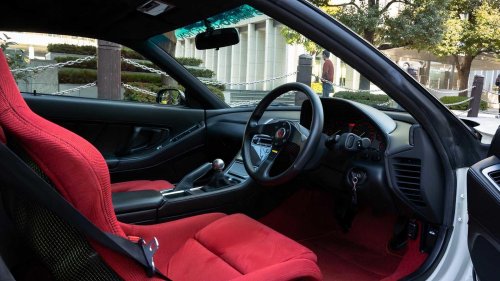
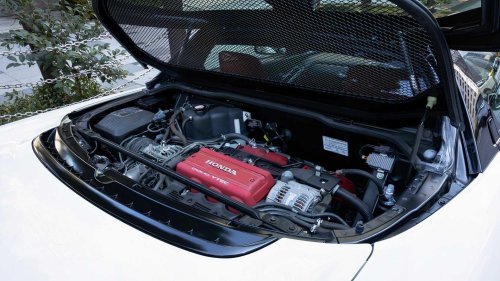
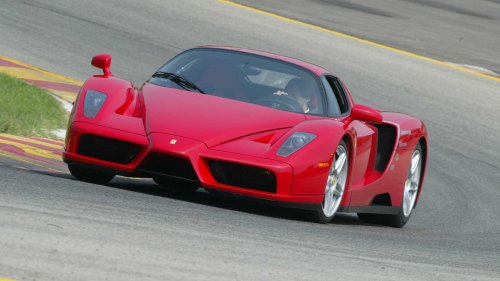



















Hondas were once the cars that we drove while dreaming about owning a Ferrari. The Japanese firm made its name in the US by offering small, affordable, and fun hatchbacks that kids took to high school while having posters of exotic supercars on their bedroom walls. Japanese cars progressed fast, entering the mainstream automotive sector in America in the '70s, before turning the fun up to 11 in the '80s with a range of esoteric JDM classics that captured the imagination of gearheads around the world.But Japan wasn't content with hitting cruise control just yet – there were even bigger fish to tempura. Entering the '90s, Honda decided that it was going to take on the Italian supercar establishment with a model that was outrageous in its sensibility. This stone-cold instant classic made other supercars seem overwrought, suggesting politely that owners of high-performance machines should be able to attend a track day on Sunday and drive work on a Monday morning in the same car. However, by the turn of the millennium, Honda's dream machine had shaken off its rational thinking – and that's when things went crazy. Here's the story of Honda's rarest car, and how it ended up being one of the most expensive hypercars in the world.HotCars used reputable sources for this article, including owners clubs. The Honda Went From Supercar To Hypercar Territory Bingo Sports When Honda's first supercar, the NSX, arrived in 1989, it initially wowed for perhaps the wrong reasons. Here was a car slap bang in the turbocharged JDM era, which had a naturally-aspirated 24-valve 3.0-liter V6 in the middle, plus the added benefits of good visibility and simple drivability. Shockingly, it was almost as easy to live with as a standard Honda hatchback or sedan. This is at a time when Lamborghini was still selling the most outrageous supercar of them all, the Countach Anniversary, a car that would spit out its cappuccino if it heard the word 'sensible'. The NSX Was Honed By One Of The All-Time Greats But it turned out that the Acura NSX, which had been co-developed with Ayrton Senna, was as much of a dream to drive as it was to own, with balletic balance and handling as sharp as a Yanagiba sushimi blade. The standard NA1 NSX could hit 60 mph in around 5.2 seconds and reach almost 170 mph, so it had the performance chops to match its looks. The 270-horsepower NSX undercut many of its rivals in price too, making it even more desirable. A 1995 Acura NSX-T cost from $86,642 at a time when the awesome 1995 Ferrari F355 (which is admittedly slightly faster) had a sticker price of $128,800. The recipe seemed to be perfect - and the NSX was a smash hit. Then Honda decided to spice things up a little. Honda Wanted The NSX To Be Successful On Both Road And Track Bingo SportsThe Type-R version was introduced in Japan with a lighter curb weight and tuned engine, making it the pinnacle of the range. In 1997, Honda decided to increase the performance of the NSX. The engine's displacement increased from 3.0 liters to 3.2 liters, thanks to a thinner fiber-reinforced metal cylinder liner. Honda also introduced a six-speed manual, and made changes to the exhaust manifold, with the header pipes now crafted from stainless steel rather than cast-iron, reducing weight and improving performance.Power climbed to 290 horsepower and 225 lb-ft of torque. This meant that the NSX climbed out of the fast sports car league in terms of performance and into bona fide supercar territory, with the sprint to 60 mph down to the mid-four-second range. Honda also launched the Japan-only NSX Type S and NSX Type S-Zero, which had a range of upgrades and stiffer suspension. The NSX Was Getting More Hardcore As It Got Older Bingo Sports Feeling that the NSX was getting on a bit by the 2000s, Honda launched the NA2 model in 2022, which had fared-in lights rather than pop-up units, as well as a few tweaks to the suspension set-up. The NA2 NSX-R also arrived, with a series of weight-reduction measures (to the tune of 220 lbs) that included the use of carbon fiber and binning bits of the cabin. The engines were precision-machined by engineers to ensure every part of the NSX-R had as low a tolerance as possible. It might have said 290 horsepower on the tin, but the NSX-R was significantly quicker than that standard car.For 2005, there were new guidelines at the Japanese Super GT racing series, which meant the NSX race car was losing ground. To fix this, Honda came up with a homologation car that would be called the NSX-R GT. Most of the oily bits, such as the 3.2-liter V6 and six-speed manual 'box were left unchanged, with focus instead turning to aerodynamic and bodywork changes that would make the car faster on track. The car was fitted with an F1-style snorkel on the roof, which was non-functional, although it would be hooked up in the race version, feeding air into an individual throttle body intake plenum.Bingo Sports The suspension was also lowered, with the bodywork being widened (180mm longer and 90mm wider body) and further weight-saving measures carried out. Honda only needed to make five examples of the NSX-R GT, so that's exactly what it did. The price tag was astronomical, however. The NSX-R had a sticker price in 2005 of $470,000, making it not only the rarest Honda ever but the most expensive. How The Honda NSX-R GT's Price Tag Stacks Up Against The Competition Ferrari Let's put that figure into perspective for a second. A 2004 Porsche GT - one of the most iconic hypercars ever built – would have cost you less than a Honda NSX-R GT. The Porsche is fitted with a 605-horsepower V10 and will hit 60 mph in 3.5 seconds, with a top speed of 205 mph. A V12 Ferrari Enzo from 2004 would have been a bit more expensive, at $650,000, but you could have bought a lesser Maranello model for your spouse and two kids in exchange for one NSX-R GT. A 2000 Ferrari 360 Modena, fitted with a 395-horsepower V8 and a 6-speed automatic, cost $153,500 - that's less than a third of the price of the NSX.Unsurprisingly, the NSX-R GT is almost never seen in public, let alone coming up for sale. If one ever did, it would be very hard to predict exactly what it would go for. The Porsche GT market has gone pretty crazy, with cars going for $1.4million in 2025, according to Classic.com, and the Ferrari Enzo now goes for $3.6million. We do know that one NSX-R GT was on the market through Tokyo-based BINGO Sports, a company that specializes in rare machinery from original 90s supercars to low-mileage Japanese classics. The company says it has the only example of an NSX-R GT that is in private ownership. The car, with identification number RGT001, has been with the same owner since new and has covered less than 1,000km. This elusive Honda now joins the BINGO Collection and will be a fixture in showrooms and car events.Sources: Classic.com; Bingosportsworld.com; Nsxclub.co.uk