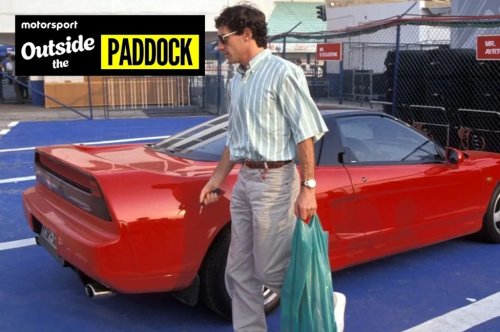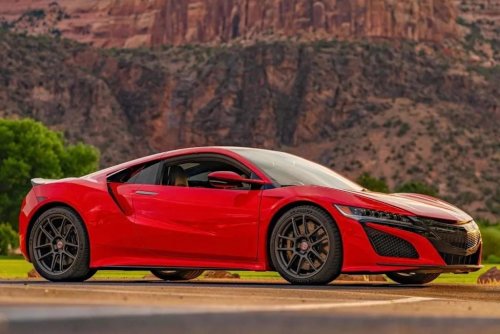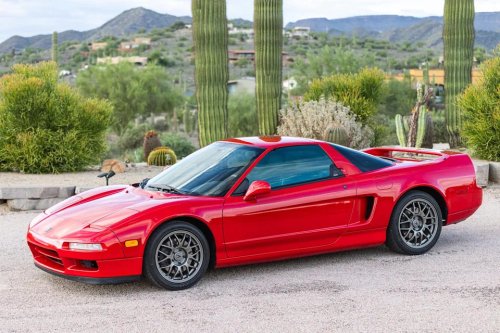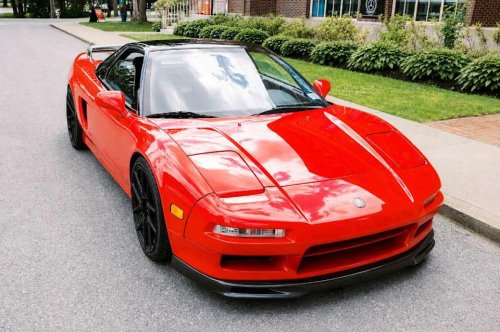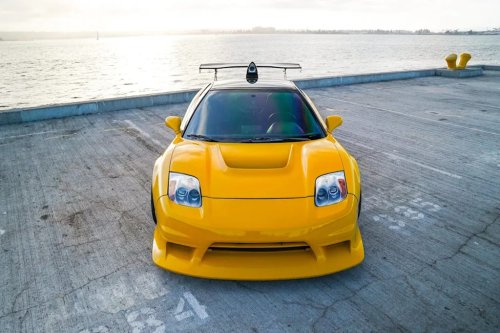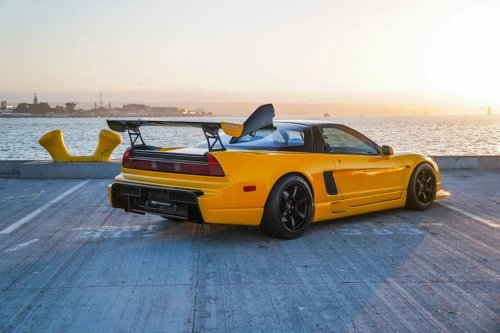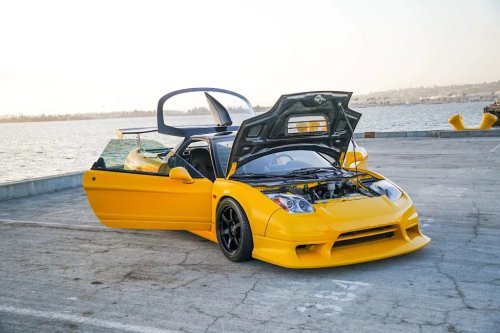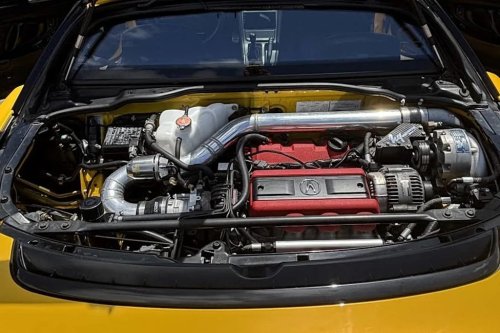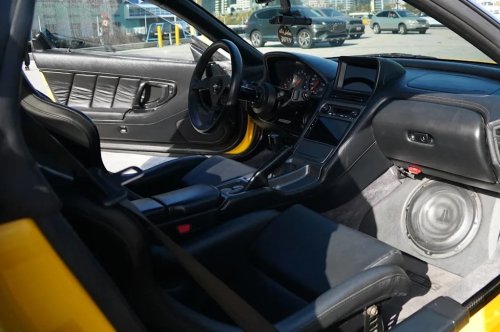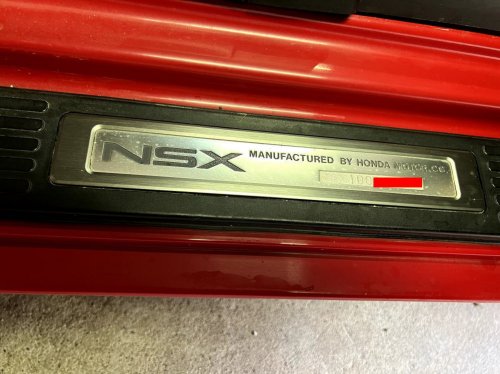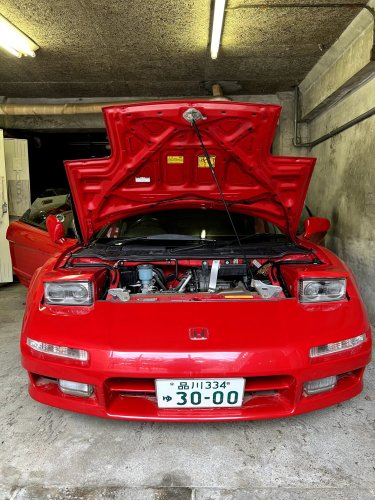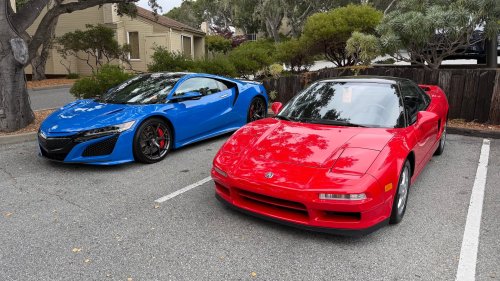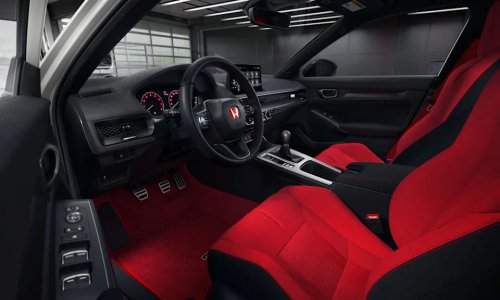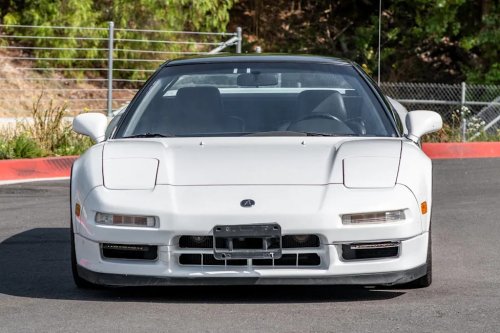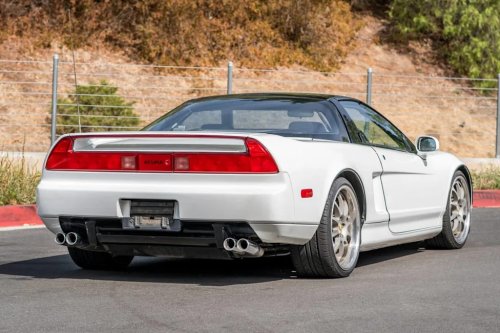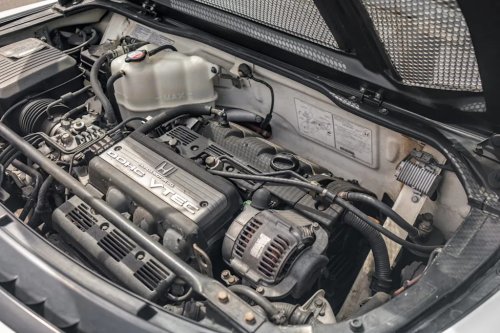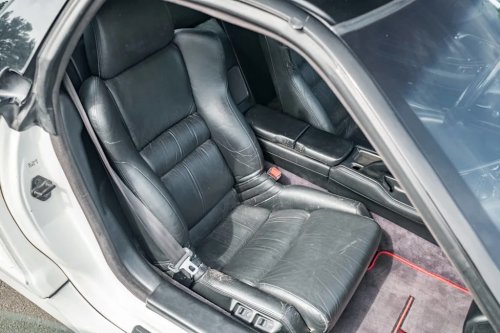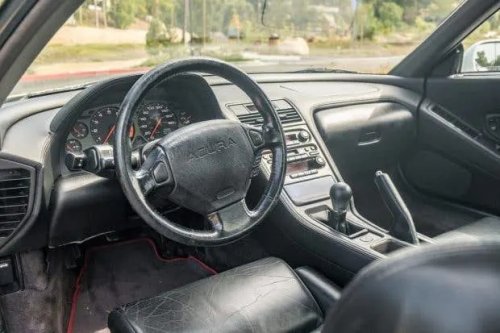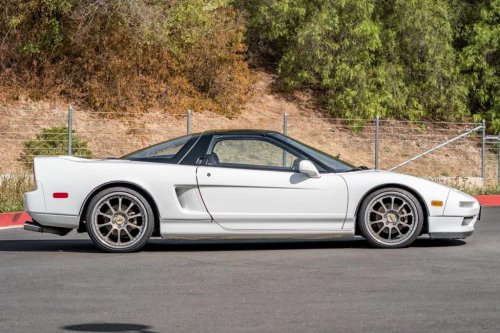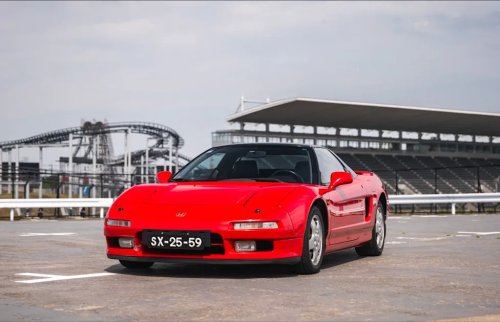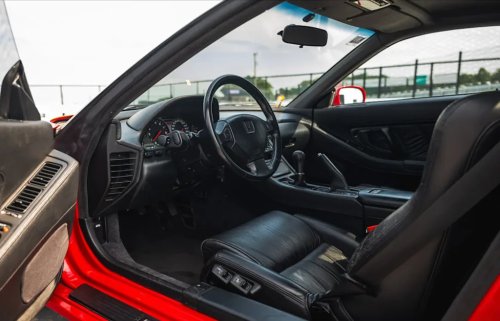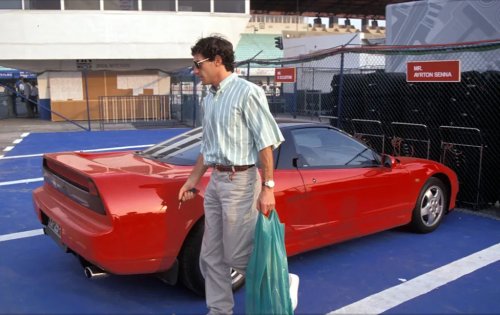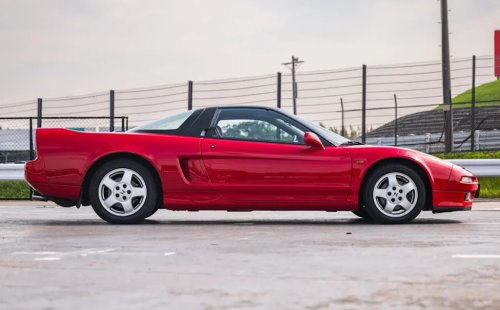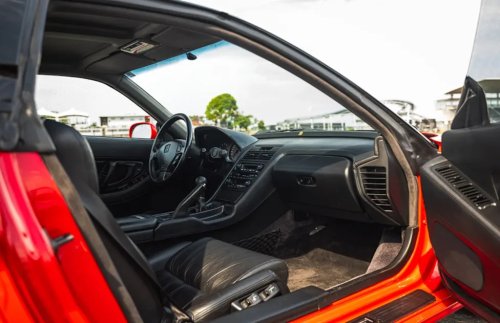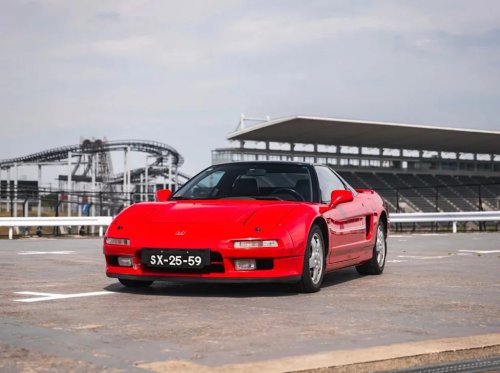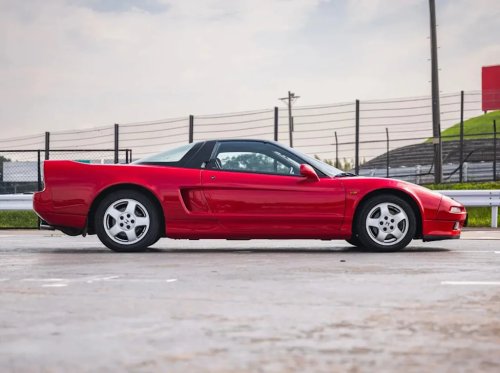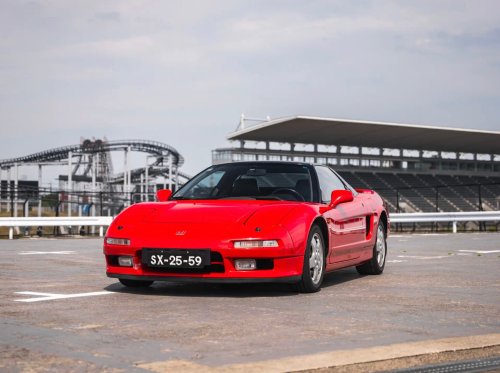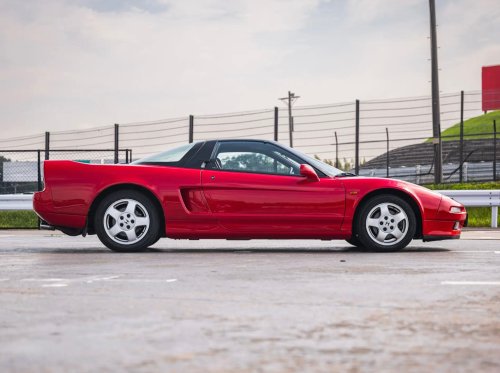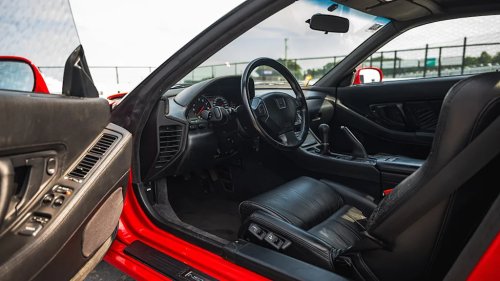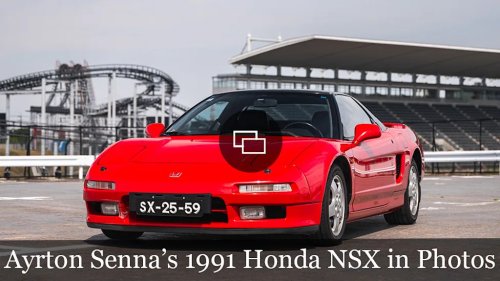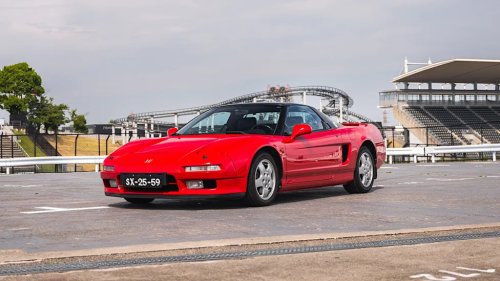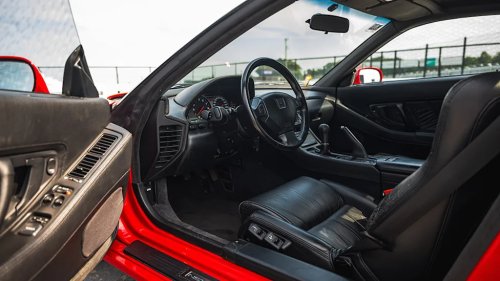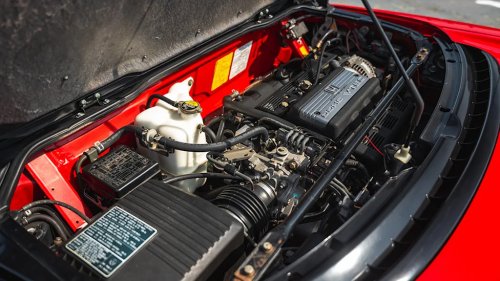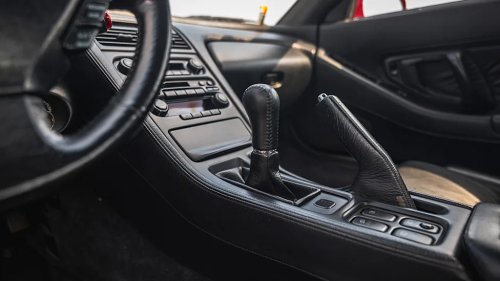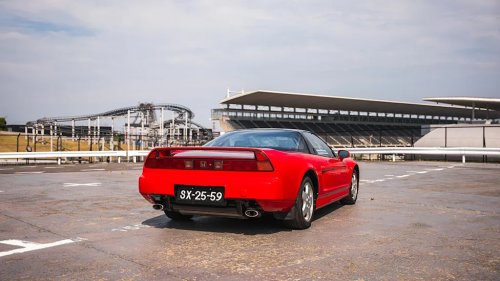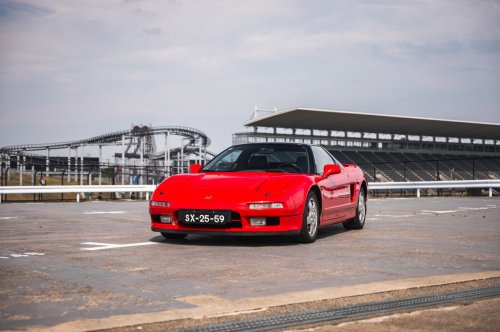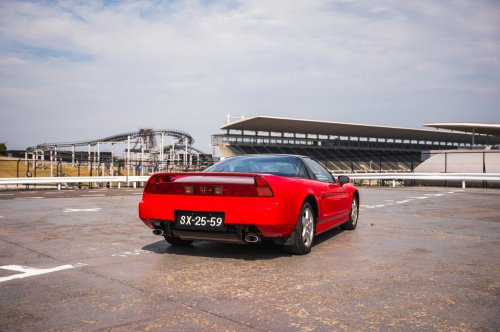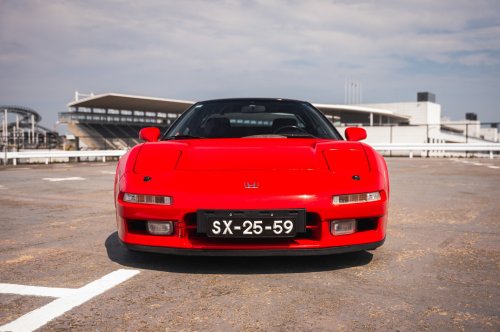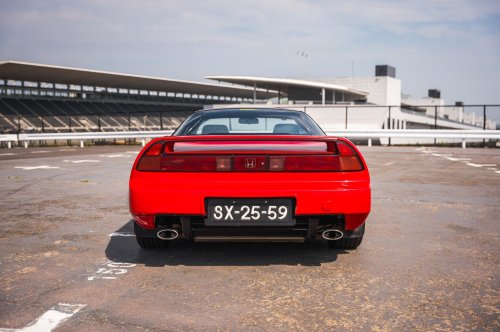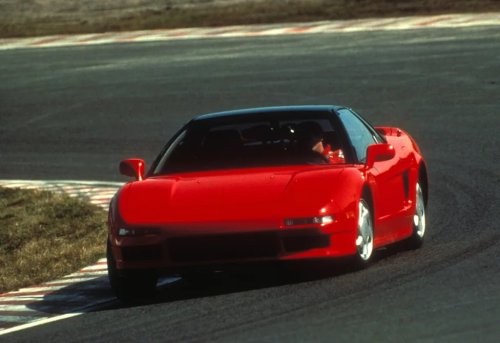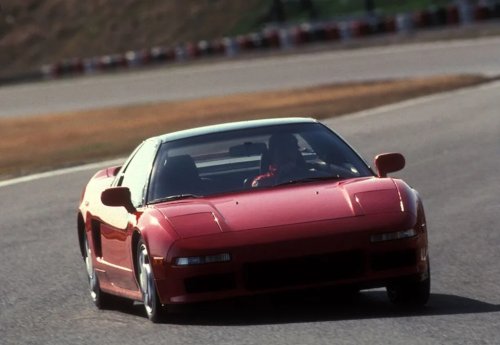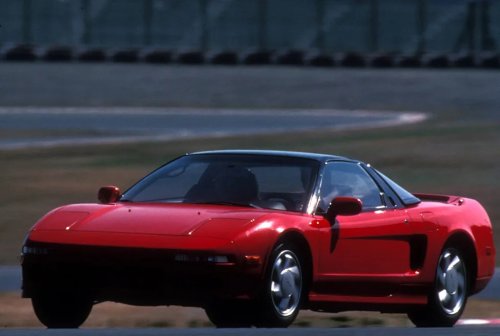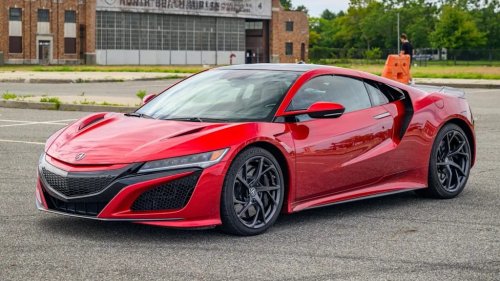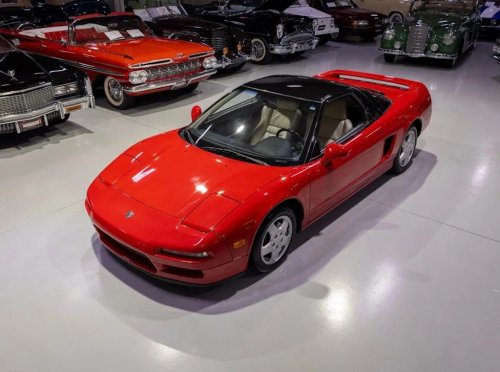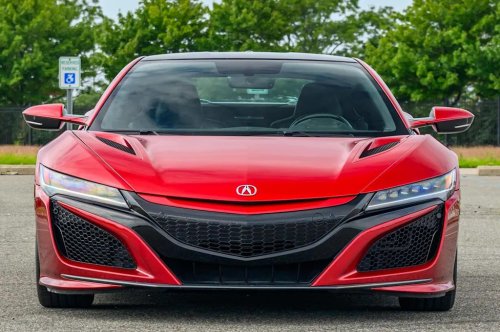

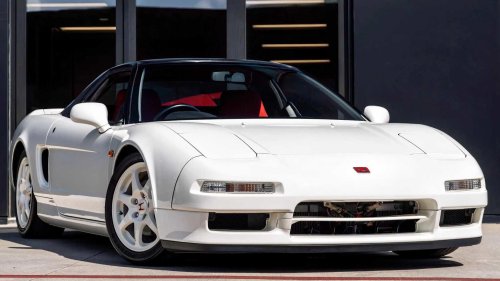
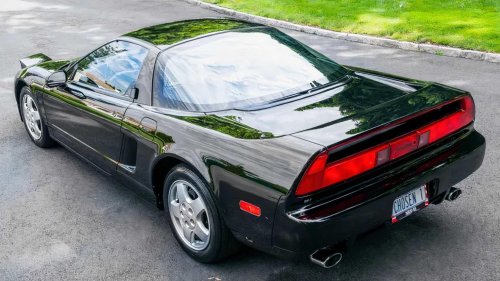
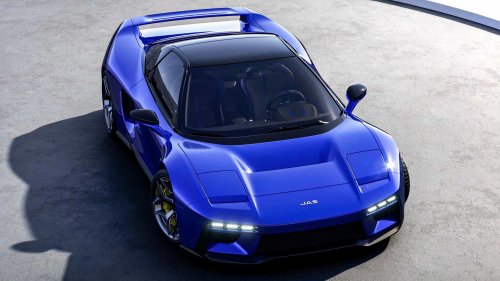
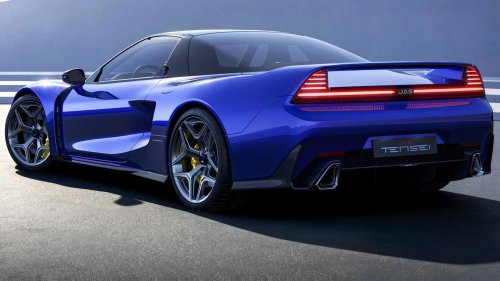
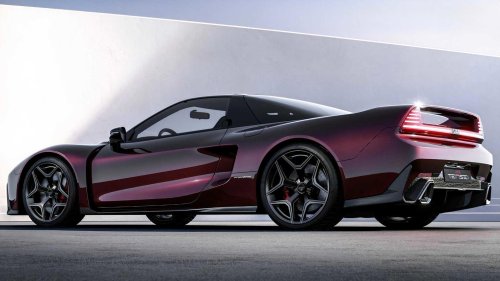
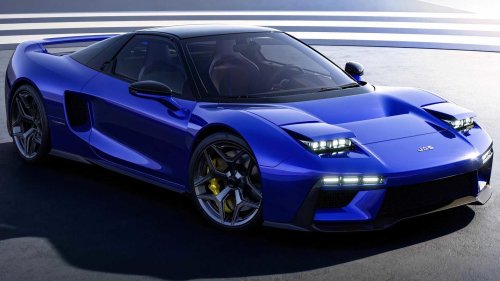
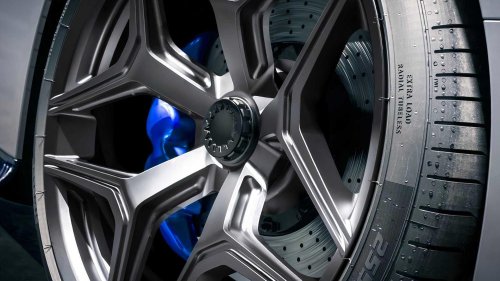
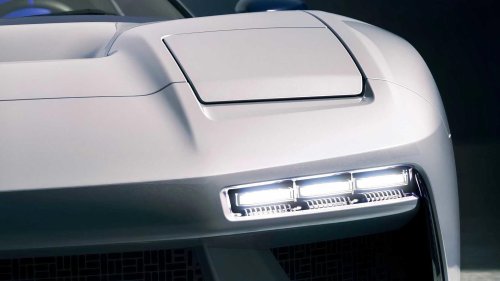
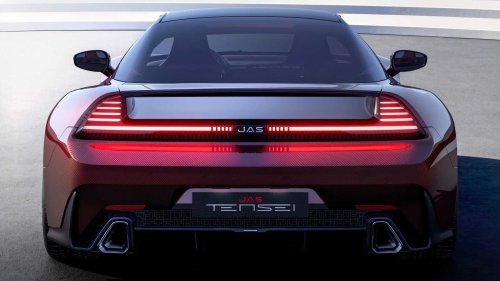



















Car restomodding is an increasingly popular practice of taking an iconic classic supercar and upgrading it. This update typically consists of modern mechanical components, electronics, and sometimes safety features, while meticulously preserving or enhancing its classic aesthetic. In 2026, this trend has reached a fever pitch as a dominant lifestyle movement. The trend is largely driven by a generational shift toward usability and emotional engagement over raw performance and advanced digital systems. High-end pioneers like Singer and David Brown Automotive have fundamentally redefined the market by shifting the focus from numbers-matching originality to bespoke craftsmanship and modern reliability.This surge in popularity stems from a growing fatigue with the increasingly automated and screen-heavy nature of contemporary supercars. Enthusiasts are now willing to pay a significant premium for the analog soul of an older icon, provided it is equipped with modern fuel injection, sophisticated suspension, and better interior comfort. As a result, the restomod has transitioned from a niche hobby into a recognized high-art form, where the ultimate goal is to preserve the past by remastering it for the realities of modern traffic and enthusiast expectations. The Art Of Restomodding A Classic Pininfarina and JAS A high-end restomod requires intensive and multidisciplinary engineering. These projects typically involve a complete ground-up reconstruction where the vehicle is stripped to a bare shell, chemically treated for corrosion, and often reinforced to handle modern power levels. The process is exceptionally expensive because it marries the high labor costs of traditional coachbuilding, which frequently requires more than 2,000 hours of labor. The process also requires specialized research and development to integrate contemporary systems, such as bespoke wiring harnesses, electronic fuel injection, and advanced multi-link suspension into a decades-old chassis.Singer Vehicle Design Costs are further driven by the move toward one-off customization, where owners commission unique interiors using premium leathers and CNC-machined components that must be hand-fitted with modern tolerances. Ultimately, you are paying for the complex engineering required to make two disparate eras of technology work in perfect harmony. This often necessitates custom fabrication for parts that no longer exist or were never designed to coexist. How The NSX Became A Legend Bring A Trailer Launched in 1990, the original Honda NSX disrupted the global supercar hierarchy by proving that performance and reliability can be packaged together. This is one of the world’s first production cars to feature an all-aluminum monocoque chassis. Adding to its appeal was the high-revving 3.0-liter V-6 with VTEC technology and a cockpit inspired by the F-16 fighter jet. Despite its proportions, the NSX offered impressive visibility and ergonomics that were unprecedented in its class.The NSX is now a transformative icon that has made a lasting impact on European manufacturers, prompting them to rethink their engineering standards for usability. Formula One champion and racing legend Ayrton Senna was famously consulted on the NSX’s development as part of McLaren’s engine partnership with Honda.Bring A Trailer In the decades since its debut, the NSX has transcended its accessible supercar origins to become an ambassador of the JDM world. This is also fueled by its presence in the 1990s pop culture and its reputation for bulletproof mechanical longevity. Today, it is revered as a peak expression of Japan's bubble-era design, with its timeless silhouette and analog-driven purity making it one of the most sought-after investment pieces in the modern collector's market. Pininfarina And JAS Give The NSX New Life Pininfarina and JAS Announced at the 2026 Milano Design Week, the Tensei is a high-performance road car developed through a partnership between JAS Motorsport and the design house Pininfarina. The project uses early 1990s donor cars as a mechanical foundation, replacing the original exteriors with entirely new carbon-fiber bodies available in both left- and right-hand drive.Named after the Japanese word for rebirth, the Tensei is heavily influenced by the first-generation Honda NSX, aiming to replicate that car’s famous balance of high speed and everyday reliability. Production will be limited to an ultra-exclusive series built in Arluno, Italy, with options for specialized custom work handled at Pininfarina’s facility in Turin. By combining modern engineering with a classic mid-engine chassis, the creators intend to offer a technically advanced driving experience that stays true to the spirit of the original 1990s icon. Staying True To The Original Model Pininfarina and JAS For Pininfarina, the Tensei project is a way to honor the legacy of the original Honda NSX while drawing on its own long-standing relationship with the Japanese manufacturer. This partnership dates back to 1984 with the creation of the HP-X, a mid-engine concept car that subtly teased the street-legal NSX. This concept explored similar themes of lightweight construction and precision engineering.By collaborating with JAS Motorsport on this new model, Pininfarina is effectively completing a circle that began over forty years ago. The Tensei serves as a modern bridge between these eras, utilizing a contemporary design vision to celebrate the balanced performance and daily usability that first defined the 1990s icon. Uplifting The Visual Presence Pininfarina and JAS The Pininfarina design team developed the Tensei by determining which classic traits to preserve and which to modernize through extensive collaboration with JAS Motorsport. By adjusting the vehicle’s fundamental layout, it moved beyond a standard restoration to create a more aggressive stance featuring a longer wheelbase, wider track, and shorter rear overhangs.These revised proportions are highlighted by flared fenders and sharp, triangular design elements that enhance the car's road presence without relying on visual gimmicks. While the final product remains recognizable as an evolution of the original car, the integration of modern aerodynamics and a lower, wider profile results in a contemporary supercar with a distinct and more assertive character.Pininfarina and JAS The Tensei retains the most recognizable features of the original car, such as the pop-up headlights, the rectangular side intakes, and the rear wing integrated into the taillight design. These elements have been modernized to fit a more athletic profile, using a refined design language that ensures the vehicle remains immediately identifiable. Designers placed a strong emphasis on the lighting, specifically creating a unique rear signature to give the car a distinct and contemporary character. The result is a balance between heritage-focused details and a much sharper, more updated aesthetic. Usability Remains The Priority Pininfarina and JAS The Tensei’s interior carries forward the original car’s focus on ergonomics and driver visibility while significantly upgrading the materials and overall build quality. The cabin is designed to foster a direct connection between the driver and the vehicle, prioritizing a minimalist and functional layout over unnecessary digital clutter. Beneath the carbon-fiber exterior, the car features a naturally aspirated V-6 engine that mirrors the original architecture, but with the added benefit of increased power and responsiveness.This engine is paired exclusively with a six-speed manual transmission to ensure a more engaging and mechanical driving experience. Ultimately, the project represents a collaborative effort to combine high-level engineering with Italian craftsmanship, resulting in a modern supercar that values driving purity and emotional connection. A Partnership That Just Makes Sense Pininfarina and JASPininfarina is a legendary Italian car design firm and coachbuilder founded in 1930 by Battista Farina. Based in Cambiano, Turin, the company has spent over nine decades defining automotive aesthetics, most famously through its long-standing partnership with Ferrari. It has previously styled icons like the Testarossa and the 458 Italia. Beyond Ferrari, Pininfarina has collaborated with multiple manufacturers globally, including Alfa Romeo, Maserati, and Honda, while also expanding into architecture, industrial design, and high-speed rail. In 2026, the firm remains a global benchmark for Italian excellence, operating both as a high-end design consultancy and a manufacturer of ultra-exclusive, limited-series vehicles that prioritize aerodynamic efficiency and timeless elegance.Pininfarina and JAS JAS Motorsport, founded in 1995 and based near Milan, is an Italian engineering and racing powerhouse that has served as an official partner to Honda for over 25 years. While the team began by racing Alfa Romeos, its identity is now deeply tied to Honda’s competitive success. It has since developed and campaigned championship-winning cars in the World Touring Car Championship and global TCR categories.Unlike a traditional design house, JAS specializes in the high-stakes mechanical side of the industry, managing everything from chassis engineering and engine development to the assembly of the GT3 Evo variant of the 2017 Acura NSX for international customers. The Tensei project represents a significant evolution for the company, as it leverages decades of track-proven technical expertise to move into the boutique road car market, transforming vintage donor vehicles into precision-engineered modern supercars.Sources: JAS Motorsport, Pininfarina, Honda