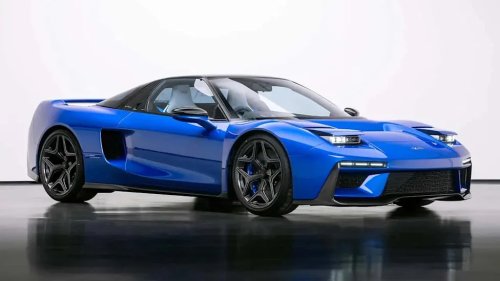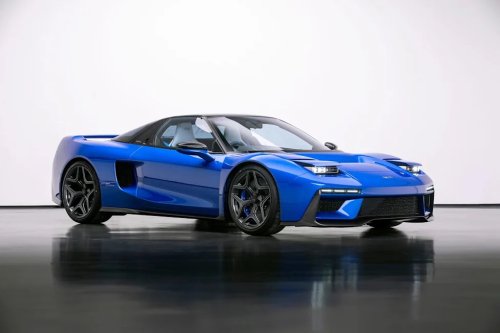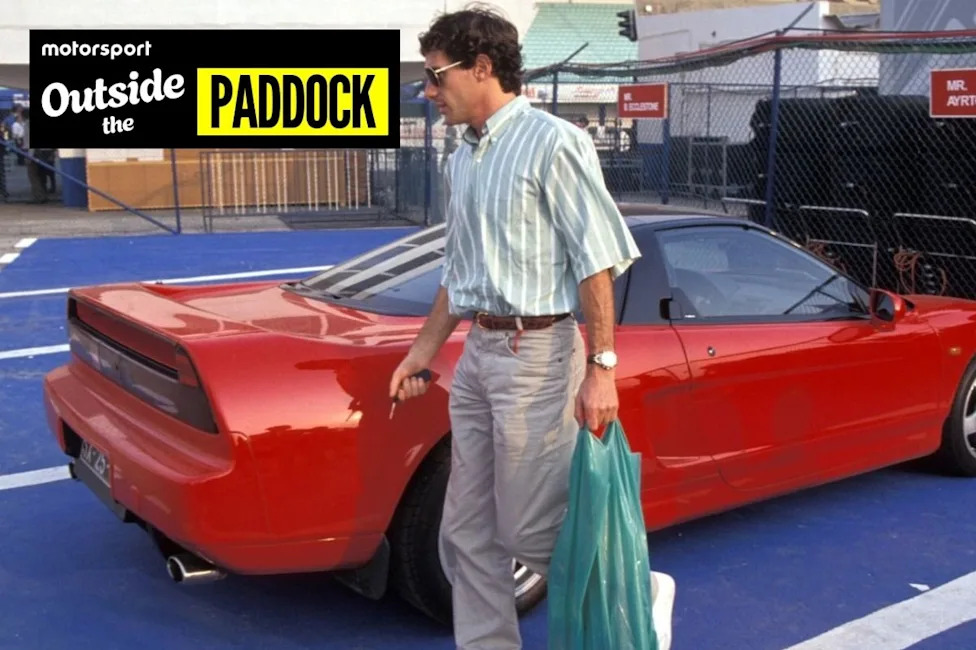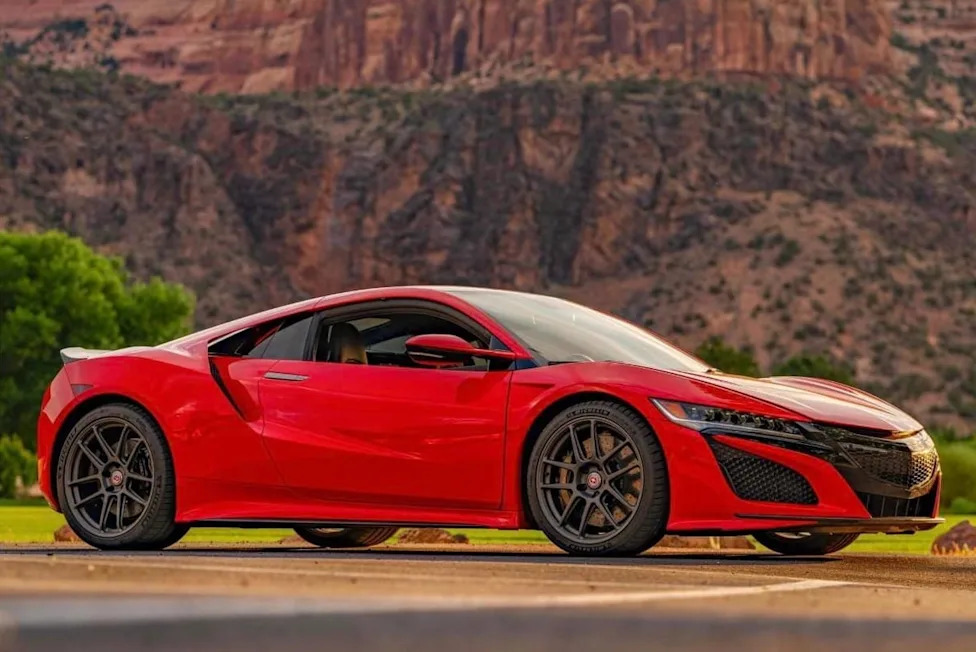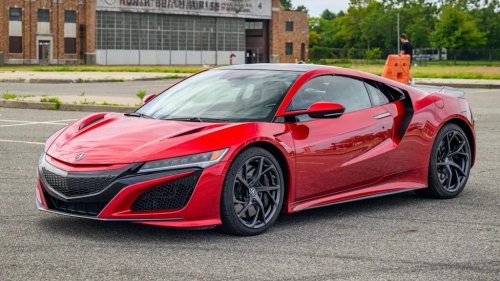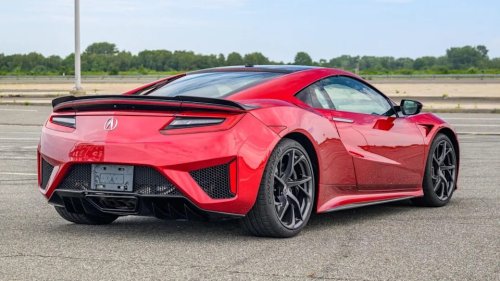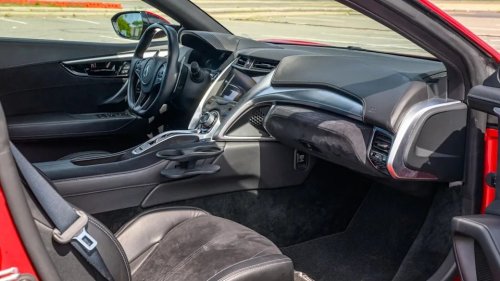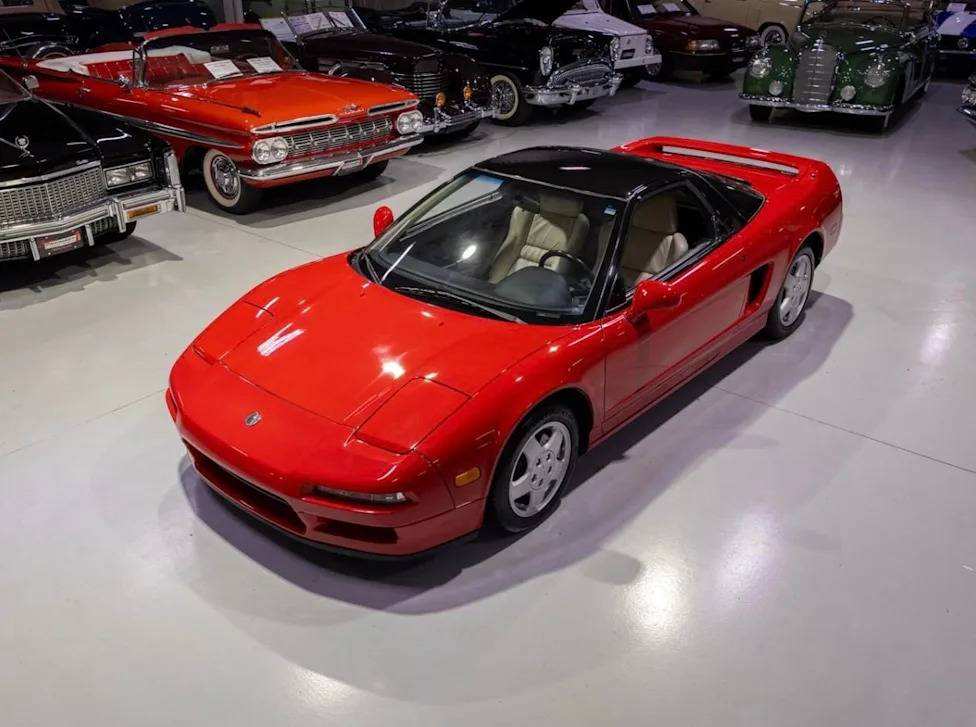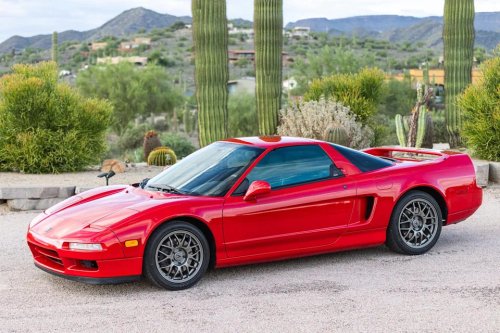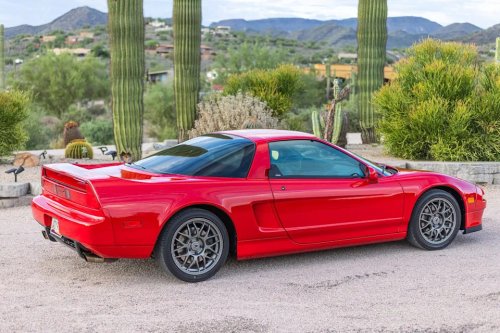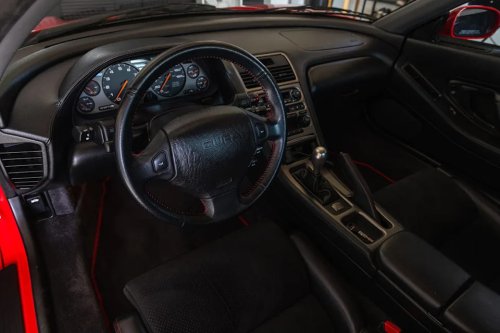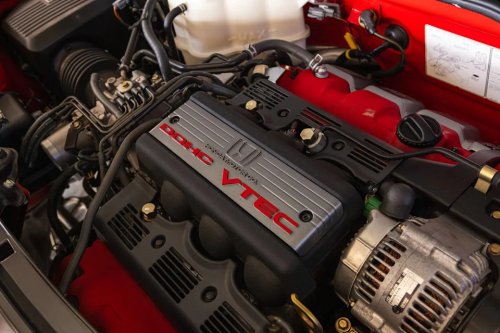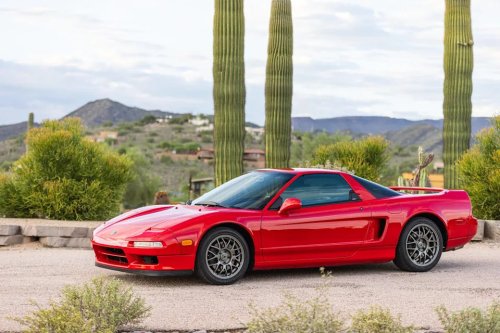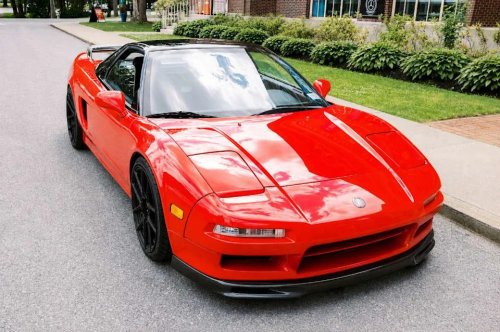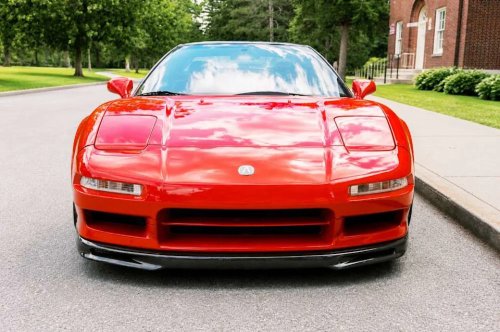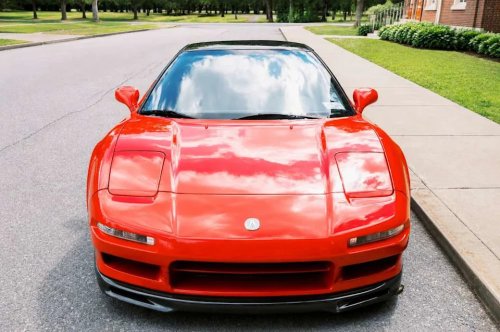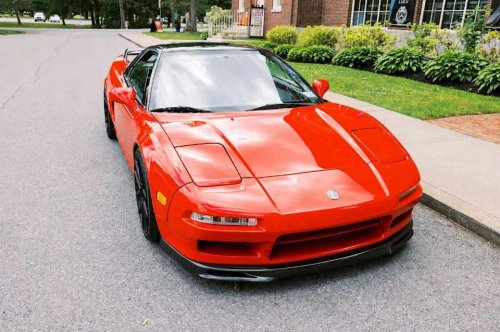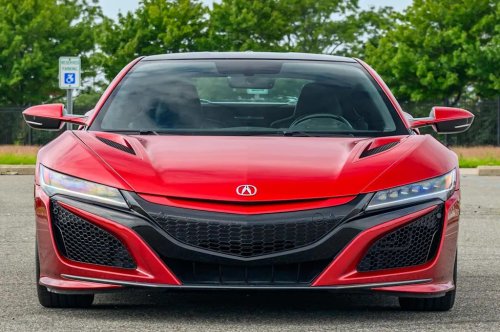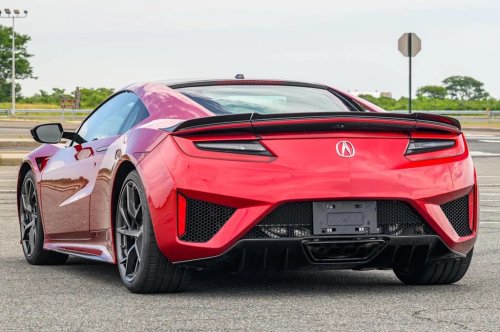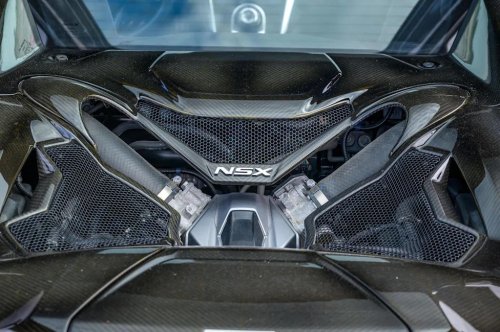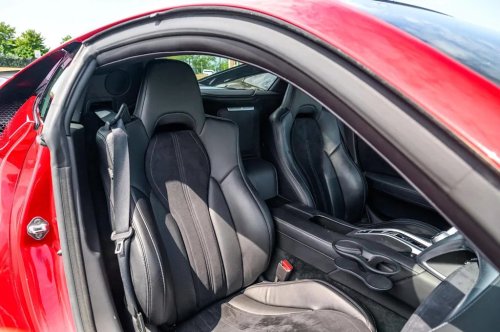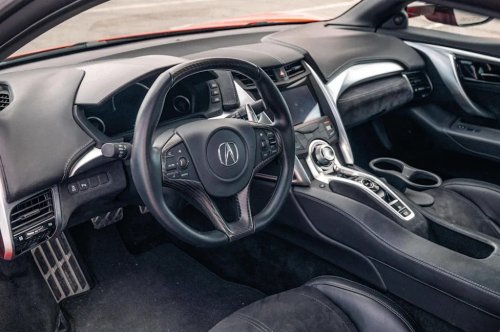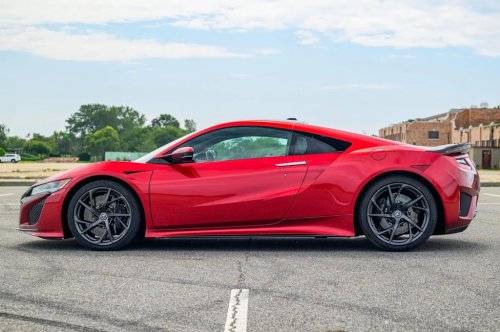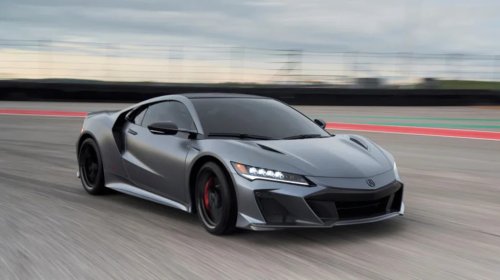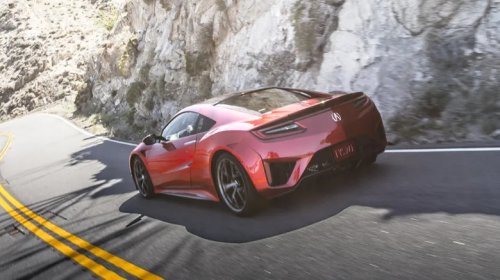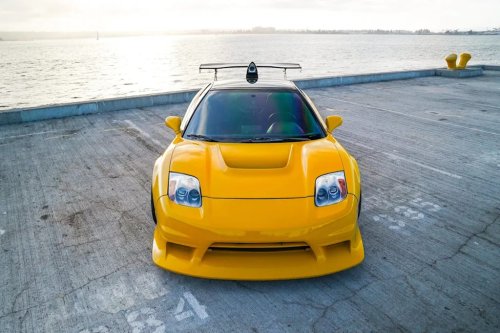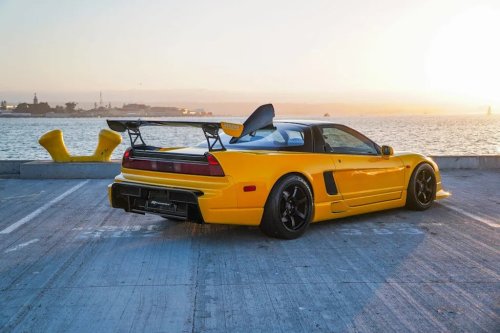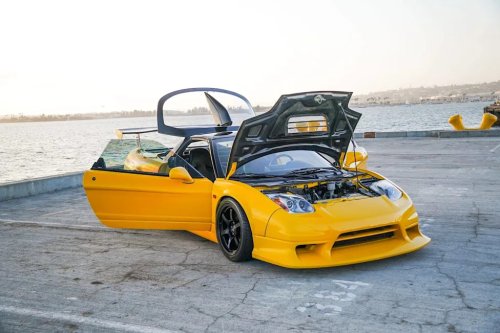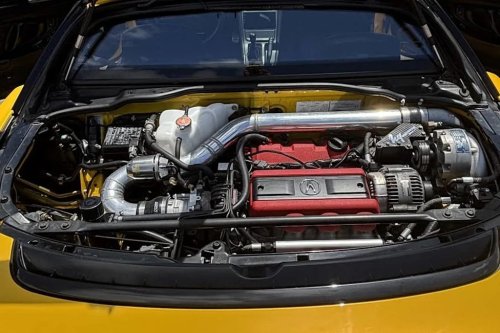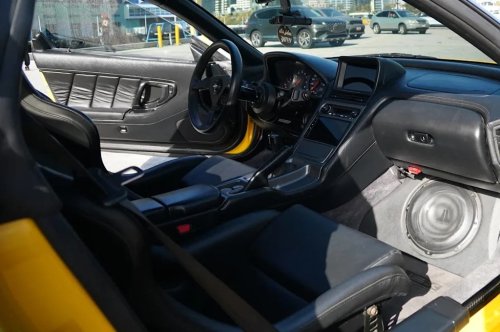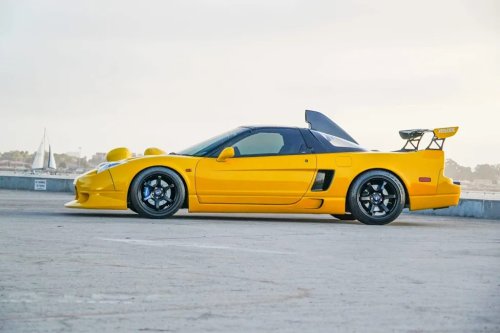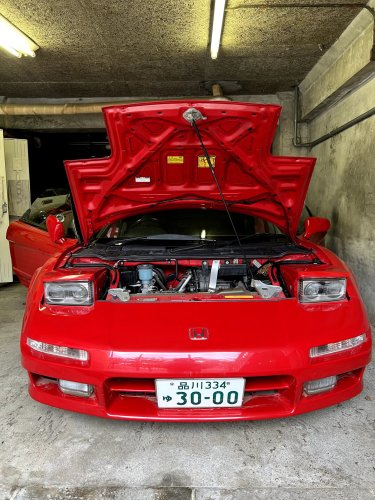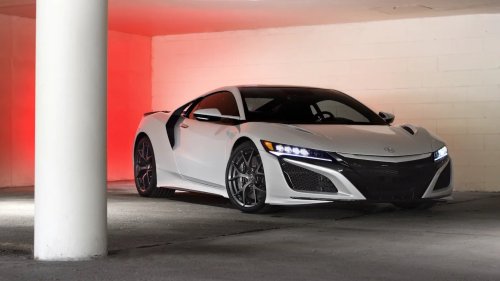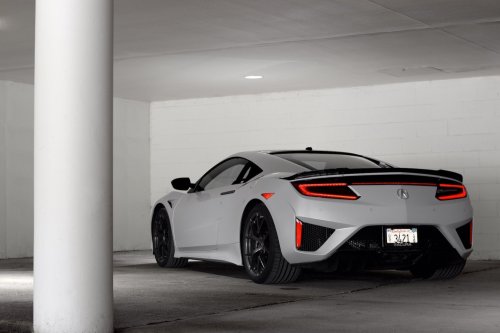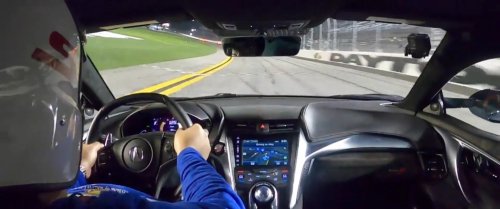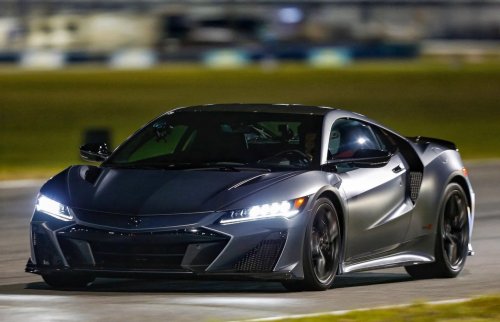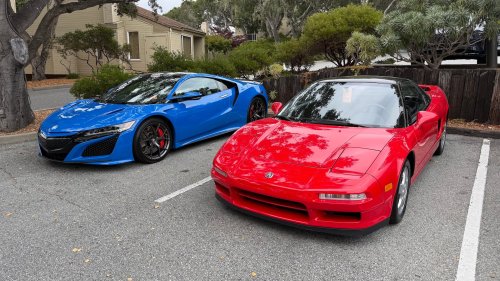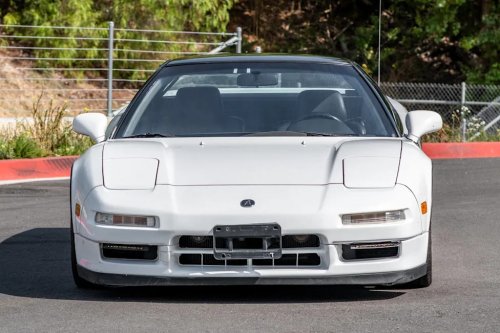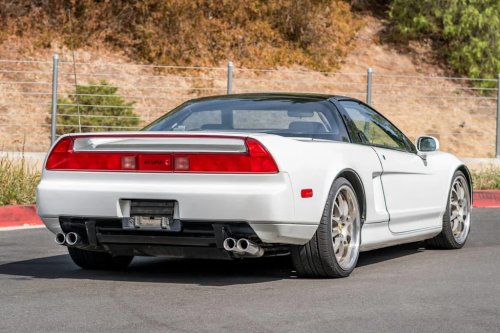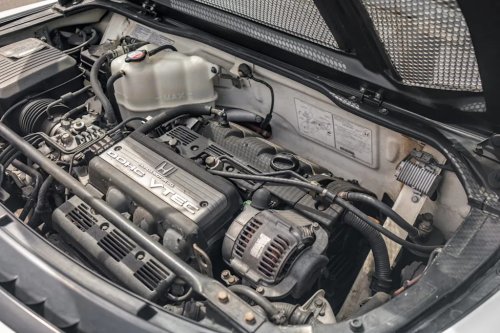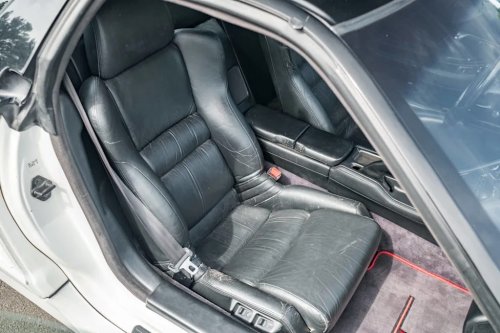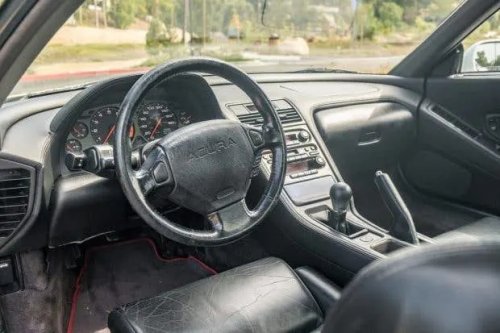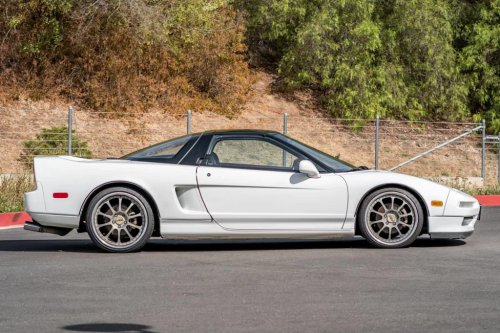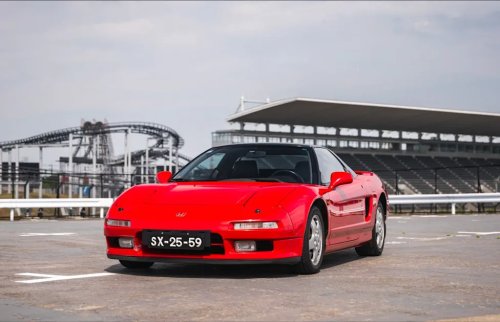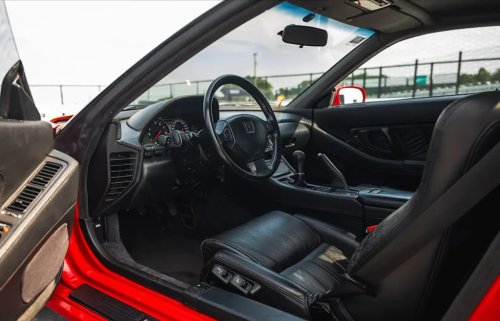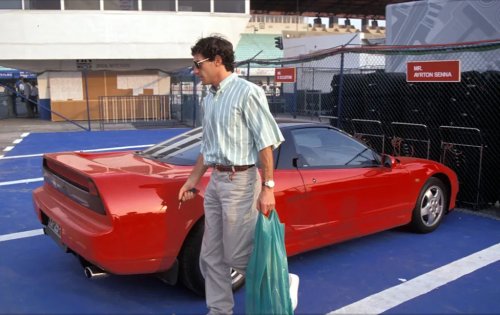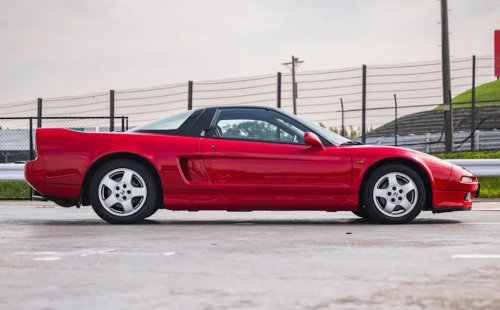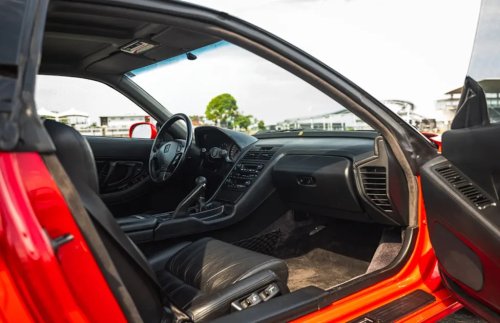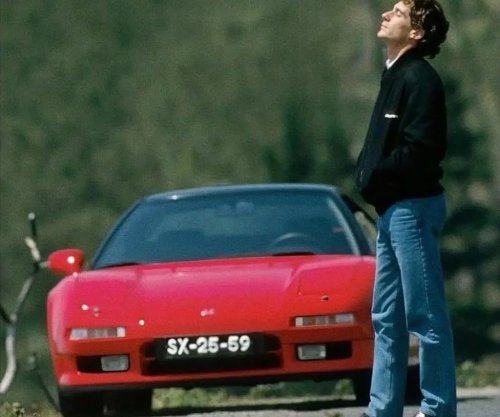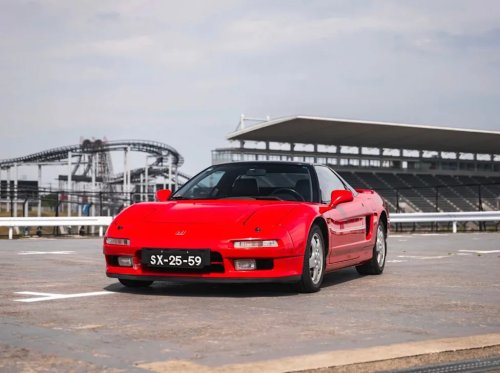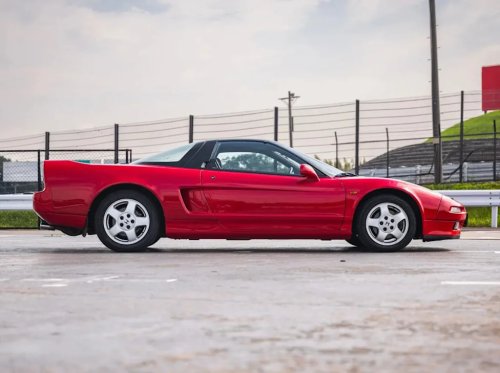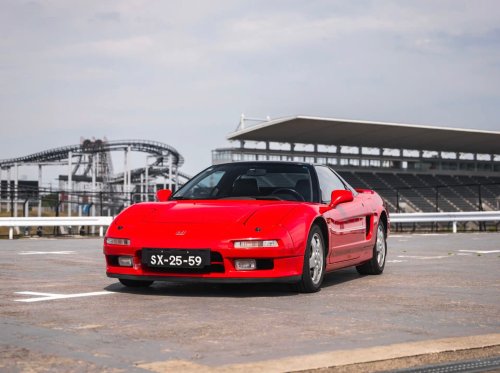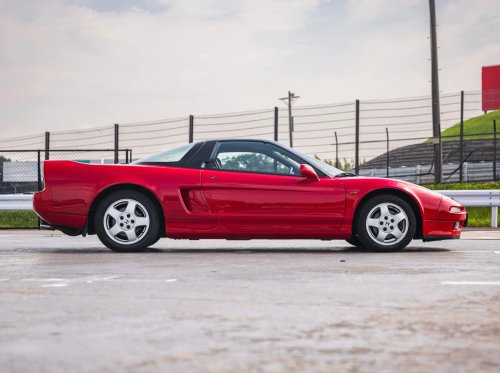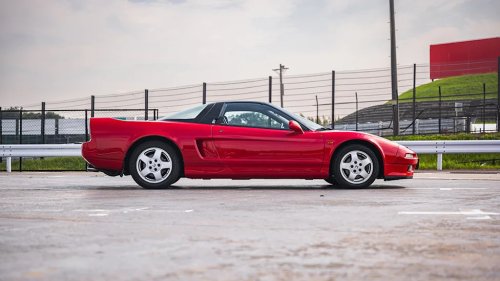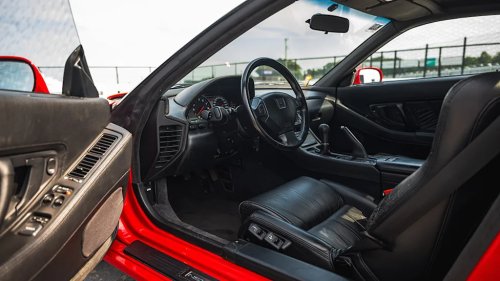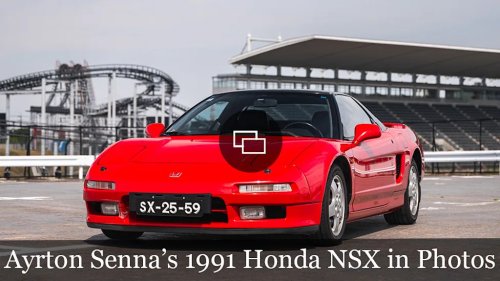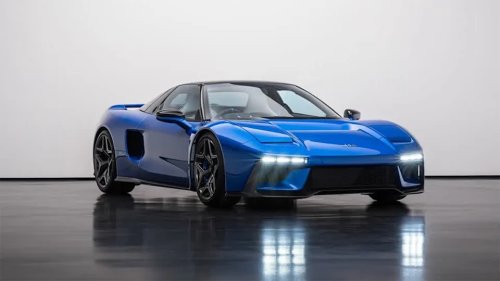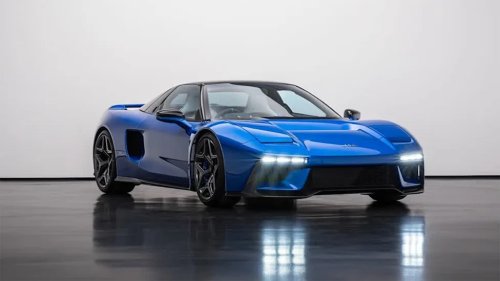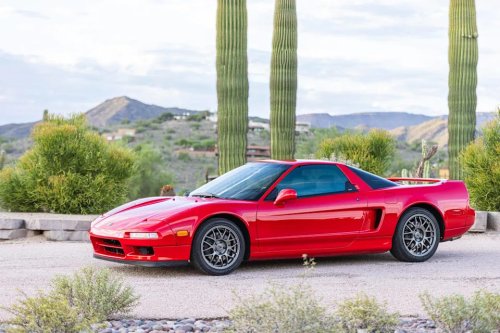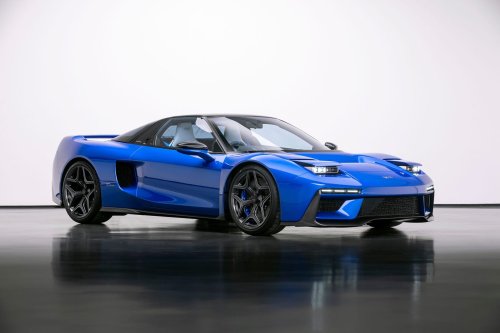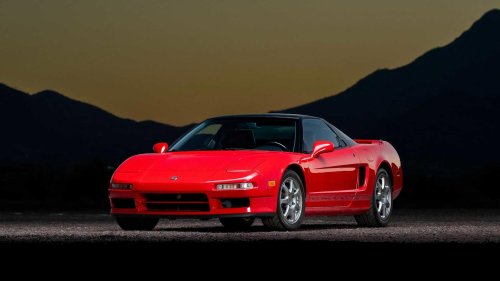
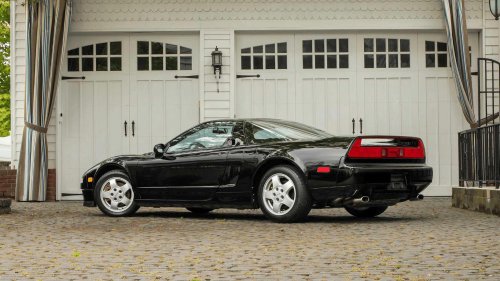
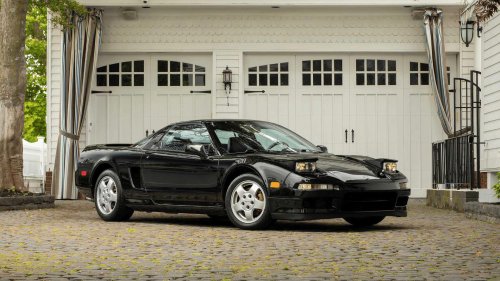
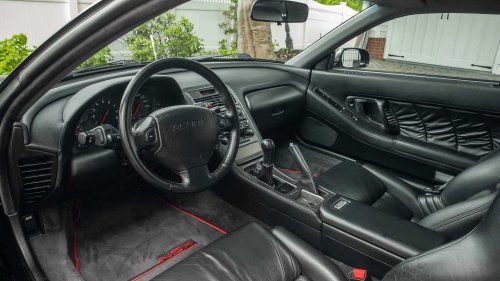
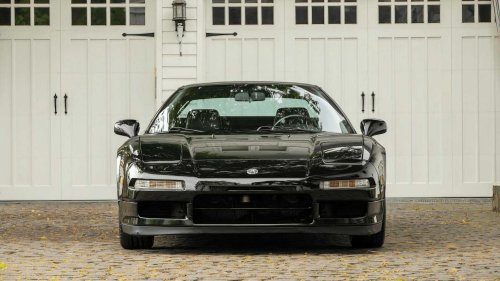
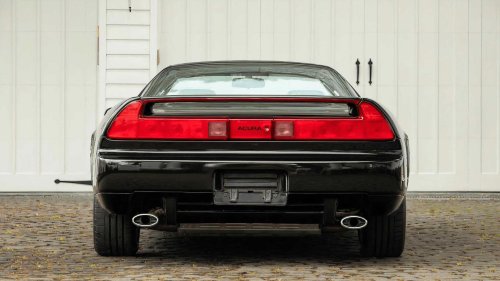
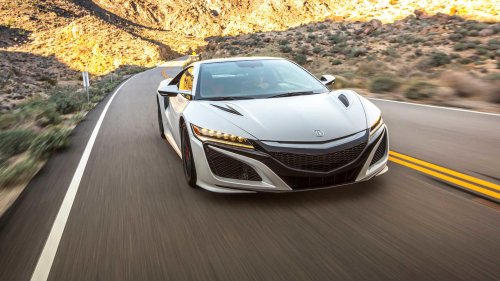
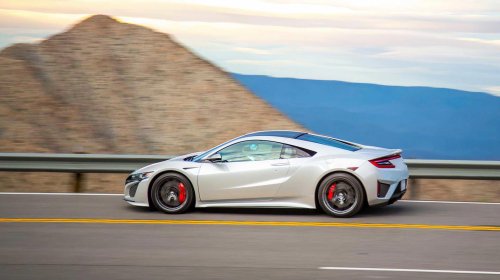


















Any movie buff will tell you that sequels are often a bit of a gamble. Sometimes they succeed in continuing a beloved story and capturing the essence of the original work; other times they end up becoming even more popular. Sometimes, however, the sequel fails to live up to the first movie and becomes a complete flop, unloved by the public and critics alike.The same logic also applies to the automotive world. A car that enjoyed success in its early years can gradually morph into a shadow of its former self over the course of its life (look what happened to the Chevrolet Nova, for example). In some cases, the transformation is sudden rather than gradual, with the second generation of a car failing to live up to the first.One such model is the Acura NSX. Its 2016 revival was – to go back to our earlier movie metaphor – a flop to rival the likes of Grease 2. This model was only sold for six years against the first generation’s 15, and despite its rarity on the used market (since so few were sold in the first place), it’s still cheaper than some examples of the first-gen car.Let’s take a look back at everything that made the original Acura NSX so exciting, what you can expect when shopping for one on the used market today, and why its follow-up model was not so successful. The First-Gen NSX: A Beloved Classic Bring A TrailerThe Acura NSX, known outside North America as the Honda NSX, is a car with a multifaceted character. Unveiled in 1989 at the Chicago Auto Show after a design and development process that lasted around five years, the NSX was an “everyday supercar”, which combined performance that could tackle the track with the comfort and reliability of a daily driver. It went on sale for the 1991 model year, entering a production run that would last a decade and a half. Several variants of the model were produced over the years, including the performance-oriented NSX-R, the targa-top NSX-T, and the Japan-exclusive NSX Type S among others.The model was powered by a 3.0-liter V6 engine, which combined reliability with performance (the latter being helped by the presence of VTEC technology). It produced 270 hp and 210 lb-ft of torque. Three transmissions were available: a six-speed manual, five-speed manual, or four-speed automatic, sending power to the rear wheels. The widespread use of aluminum in the chassis, body, and suspension made the car light and agile, further enhancing its performance both on the road and on the track.Bring A Trailer Comfort was also one of Honda’s top priorities when designing the model. The company used the keyword “balance” as a guiding principle, never losing sight of the NSX’s dual character: everyday journeys alongside the occasional high-performance drive. The design always kept one eye towards comfort, with plenty of room to stretch out thanks to the mid-engined layout, climate control, and a Bose audio system.The NSX eventually went out of production after the 2006 model year, and the model wouldn’t make a return until a decade later. However, its “daily supercar” philosophy was embraced by a different model that arrived in 2007: the Audi R8. These two models helped popularize the idea of a sports car versatile enough to balance performance and everyday comfort. The First-Gen NSX On The Used Market Today Bring A Trailer The first-gen NSX has become an automotive icon over the three and a half decades since its debut. Its looks, character, motorsport-influenced DNA, and low production numbers have meant this car is now a sought-after classic among enthusiasts all over the world. Prices have soared accordingly, to the point where there is now an overlap between the most expensive examples of the first-gen model and the least expensive examples of the far more recent second-gen model.Bring A Trailer The first-gen NSX starts around the $50,000 mark, for cars with a higher mileage and in poorer condition. The upper end of the price range sits around $150,000, although some individual cars in an especially good condition have sold for even more than that (such as a 1993 NSX sold on the Reggia Auto Group website, which sold for almost $220,000).The second-gen model is not quite as beloved among enthusiasts. The cheapest examples on the used market today are priced around $115,000, while the most expensive ones (excluding the limited-run Type S farewell edition) hover just below the $150,000 mark. What Made The First-Gen NSX So Popular Bring A Trailer The NSX offered a combination of features that made it highly sought-after among car enthusiasts. From its performance to its versatility to its highly advanced design and tech, there was plenty to be excited about when this model was released, and even today the first-gen NSX is still a firm favorite with gearheads all over the world. Here are some of the core traits that earned the NSX a place in so many car enthusiasts’ Top 10 lists. An Advanced Design The NSX was equipped with a lightweight aluminum engine, equipped with Honda’s legendary VTEC technology for superior performance. It had a mid-engined layout; like its concept predecessor, the HP-X (Honda Pininfarina eXperimental), it placed the engine behind the rear seats and in front of the rear axle, which improved weight distribution and chassis balance. An Everyday Supercar The NSX was created not just to be a sports car, but also to be a comfortable daily driver. While performance was a key aspect of its design, there were also plenty of features on board that made it suitable for all types of driving needs.Visibility was enhanced by a fighter-jet style canopy, which provided the driver with a clear view of their surroundings in all directions. The seats were comfortable and supportive, offering the best possible experience during both everyday driving and laps around the track. The model also offered Honda’s trademark reliability, with a sturdy V6 engine and a three-year or 36,000-mile warranty.Bring A Trailer Formula 1 DNA Motorsport has long been an influence on the way road cars are built, and the NSX is a perfect example of this: its design incorporated several technological advancements that had first originated in the world of Formula 1. Legendary racing driver Ayrton Senna was also a part of the car’s development, testing it multiple times and providing valuable input regarding its performance.The NSX was the first ever production car with both a chassis and body built from aluminum, which kept its weight down. The double-wishbone suspension was also made from aluminum. The model also claimed another motorsport-inspired first: it was the first production car to be equipped with a four-channel ABS system, which rapidly adapted to the loss of grip in each individual wheel. The New NSX That Didn't Quite Live Up To Its Predecessor Acura From the mid-2000s onwards, Honda began to consider the possibility of launching a successor to the legendary NSX. Although the 2008 financial crisis had an impact on the process – delaying the development of the new model – eventually an early concept version was presented to the world in 2012. The production car itself was introduced in 2015.Acura This time around, the NSX offered something new: in an age of eco-friendly driving and increased attention to emissions, Honda put a new twist on the “everyday supercar” concept. The second-gen model was highly focused on being environmentally friendly, with a hybrid powertrain that incorporated a 3.5-liter twin-turbo V6 and three electric motors. The combined output was 573 hp and 476 lb-ft of torque, which a nine-speed automatic transmission sent to all four wheels rather than just the rear ones.Although Honda attempted to capture the magic of the first generation, building what it described as a “human-centered supercar”, the second-gen NSX never quite lived up to its ancestor. Its first model year, 2017, only sold 581 units; sales subsequently fell, dropping to 124 units within just four years.In 2022, a high-performance Type S version was released to bring the new NSX’s production run to a close. The Type S was equipped with upgraded fuel injectors, turbochargers, and intercoolers, producing 600 hp and 492 lb-ft of torque. Today, four years after the model’s demise, Honda is contemplating building an all-electric third generation, carrying forward the legacy of the NSX name.Sources: Acura