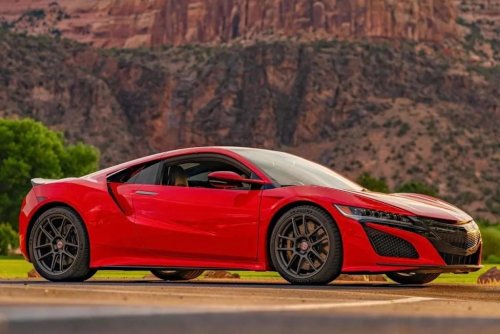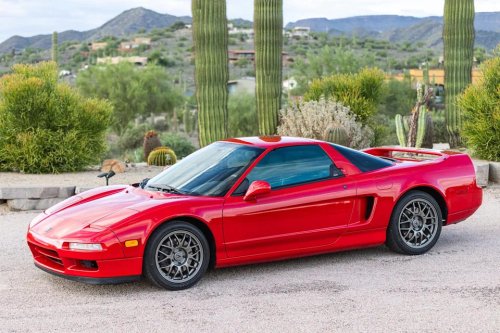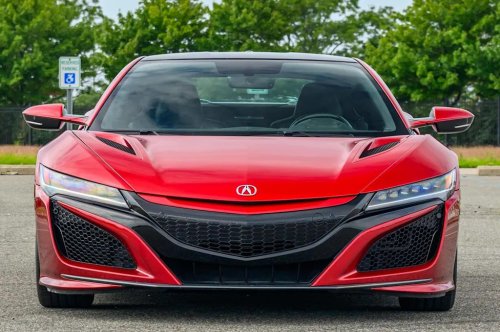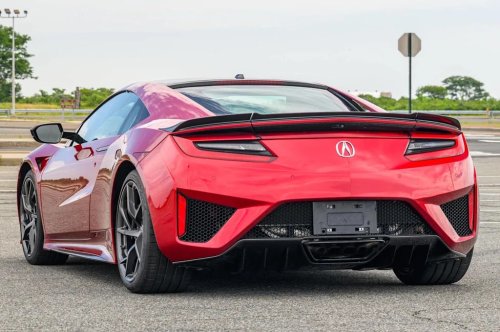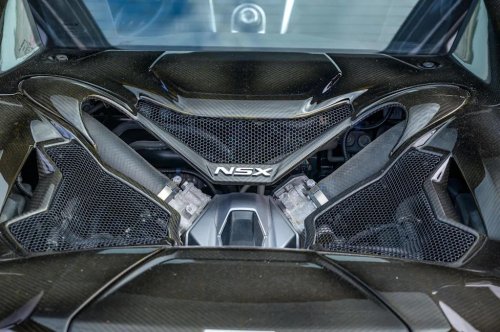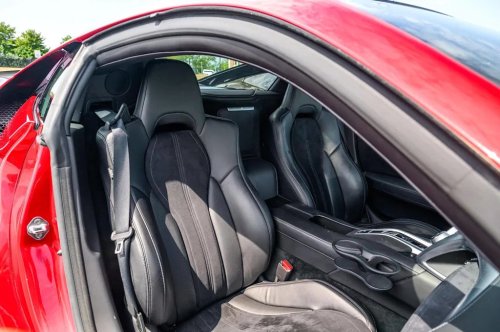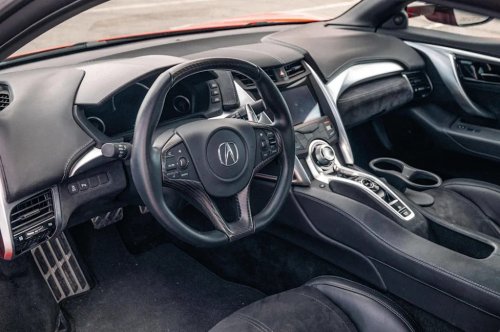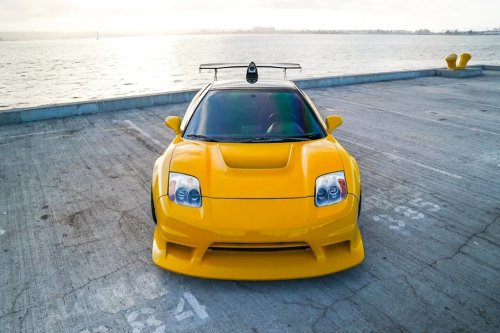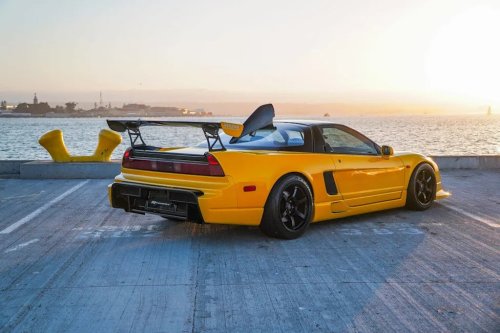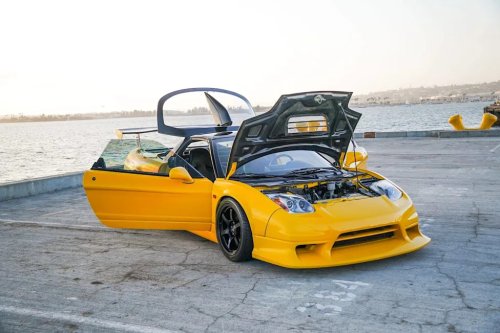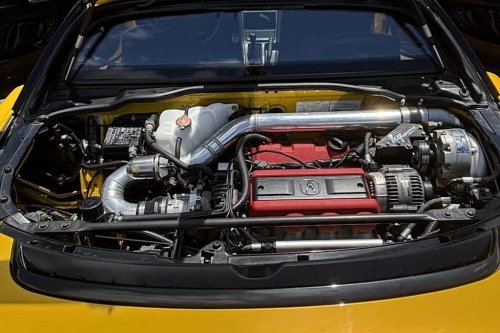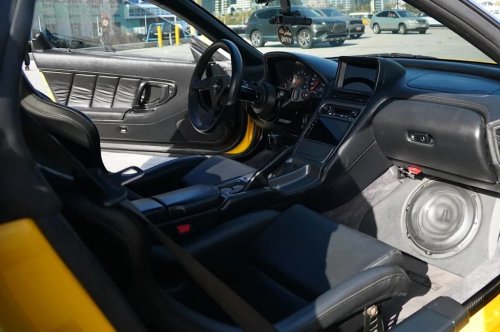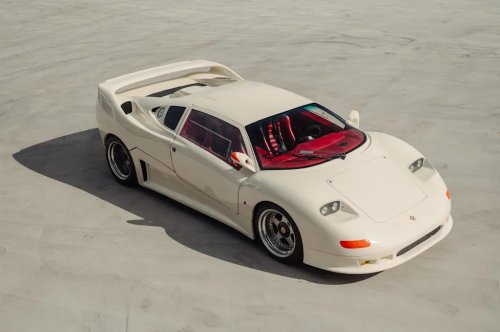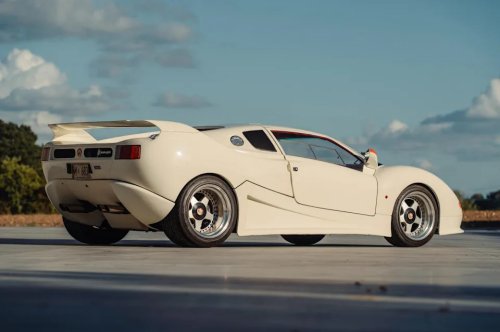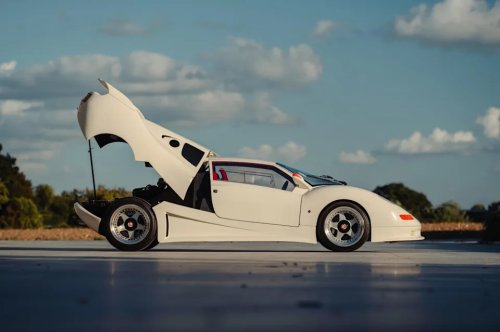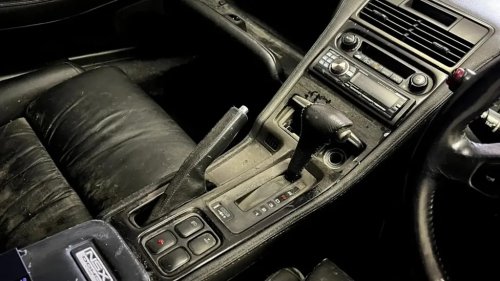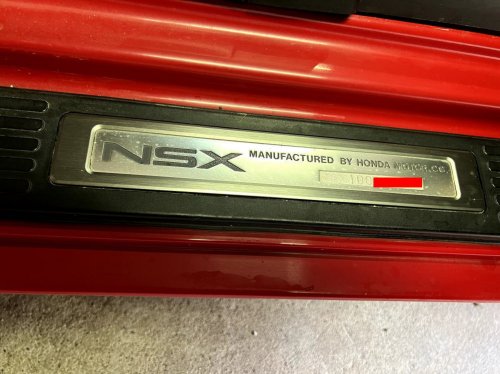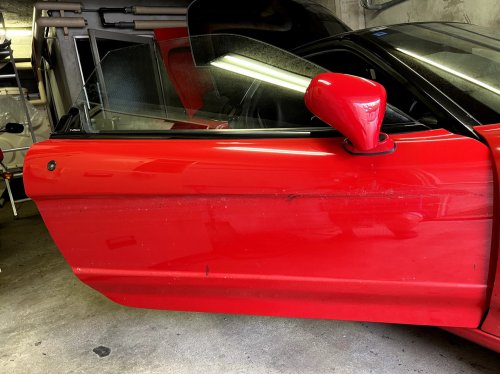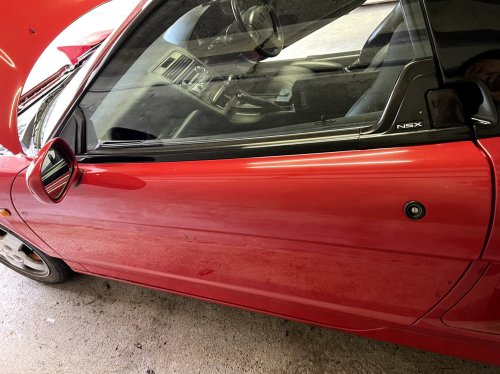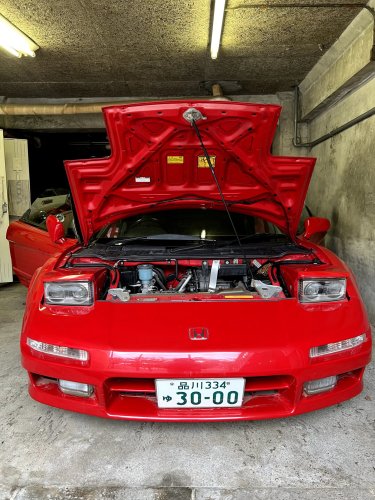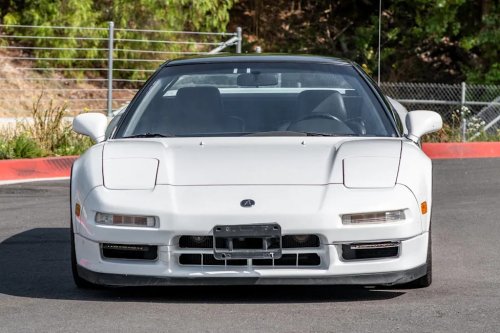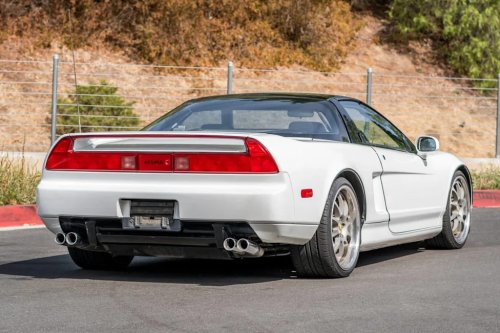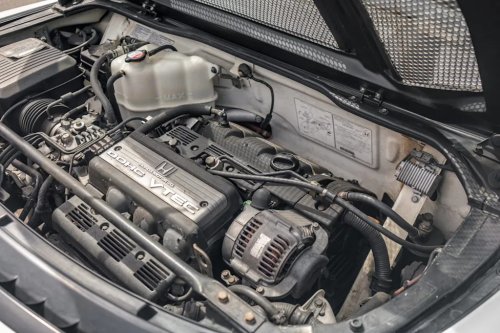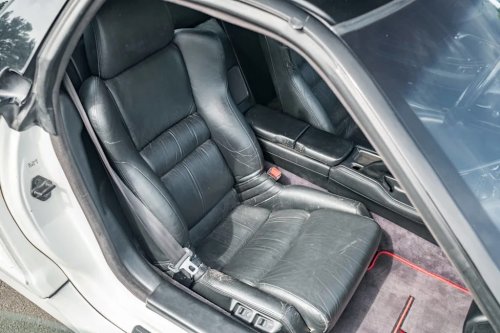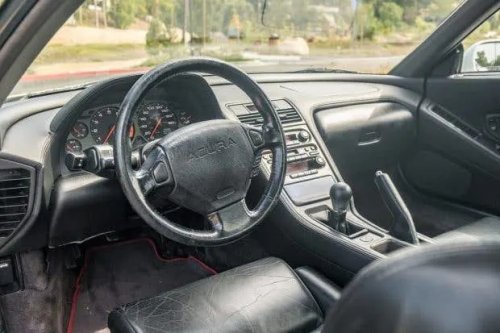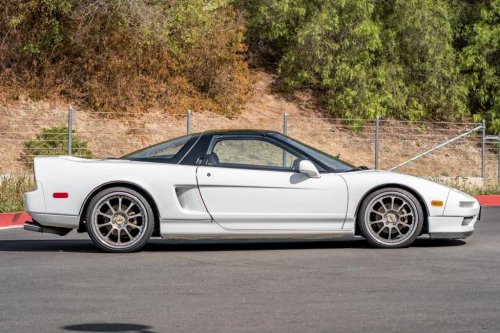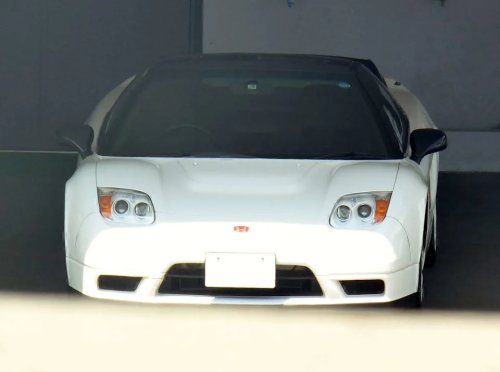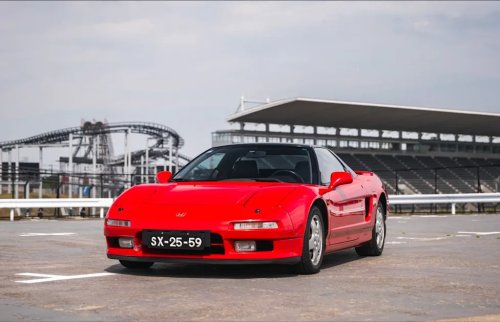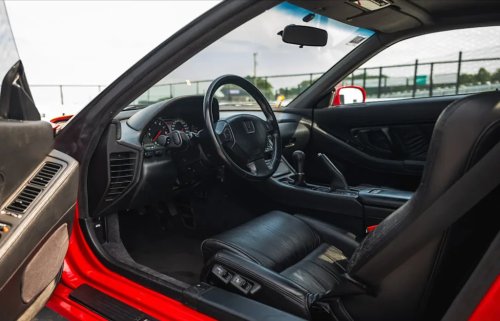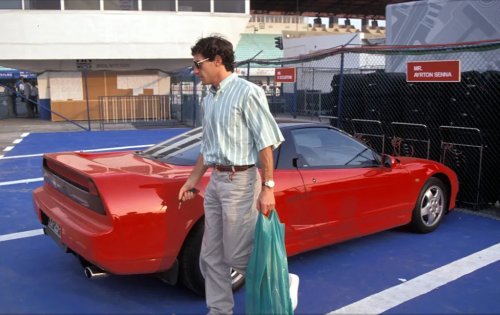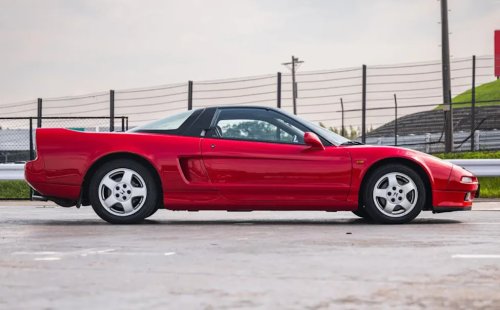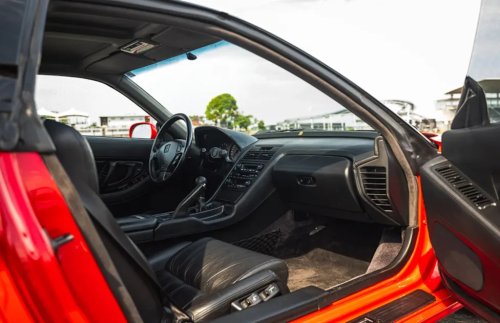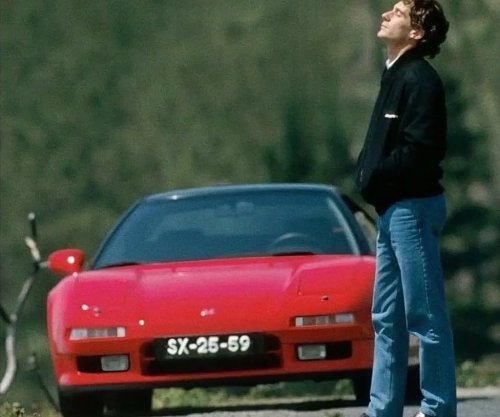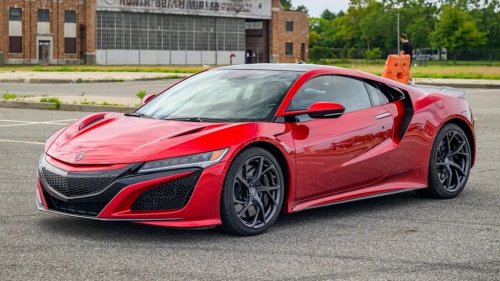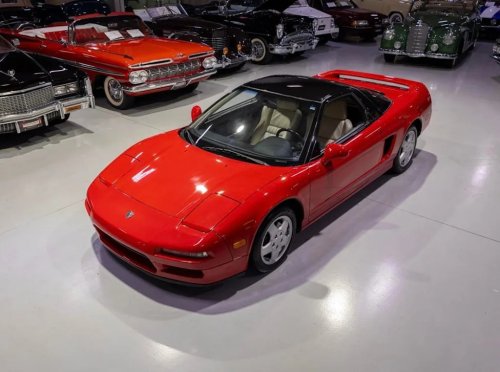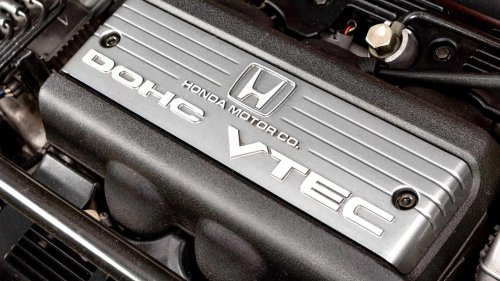
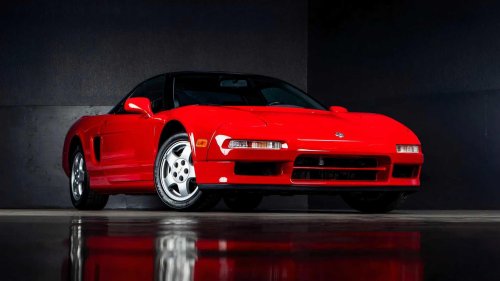
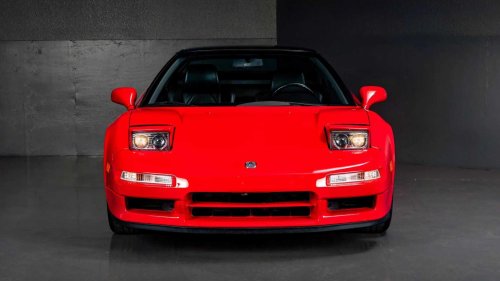
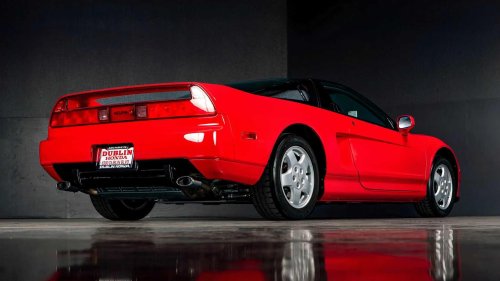
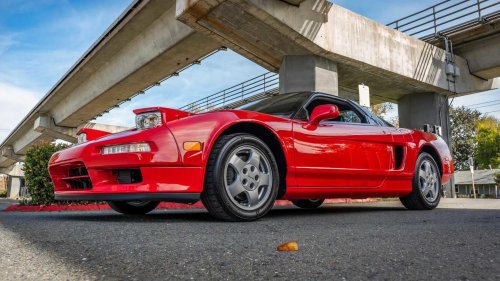


















Without a doubt, the ‘90s were the best possible time to be alive as a JDM aficionado. The legendary cars we were blessed with back then will forever hold a very special place in our hearts, and there is no shortage of them for us to name-drop here. From the fourth-gen Toyota Supra with its tunable 2JZ-GTE powerplant and the rotary-powered Mazda RX-7, to Subaru’s rally-bred Impreza WRX, the Lancer Evolution from Mitsubishi and our beloved Nissan Skyline GT-R. There are so many others we could mention, as Japan’s economic bubble at the time encouraged manufacturers to push boundaries like never before. The JDM Heydays Were A Wild Time Bring a TrailerThe rise of tuning culture also played a key role in making this decade so exciting, with a ton of aftermarket support available for those looking to really go nuts. Add that on top of already ambitious Japanese engineering, and you had the stuff of a gearhead's wildest dreams. Four-wheel steering and highly advanced AWD were just two of the Skyline's many notable features, the Supra's turbocharged three-liter could handle as much as 1,000 horsepower without breaking much of a sweat, and WRC icons like the Lancer Evo or Impreza WRX brought a nice bit of rally DNA onto public roads. That’s why the golden JDM era was pure bliss, eternally bound to remain one of the most exciting chapters in the automotive chronicles.One particular nameplate from back then seems to stand out in a number of ways, having challenged existing standards for supercars and forced premium brands like Ferrari to up their game. You could say that it predicted the future from both a stylistic and engineering standpoint, perhaps more so than even the mighty Skyline. And, like so many great things in the car and motorcycle world, it came as a result of Honda’s desire to rewrite the rulebook while changing people’s perception of what high performance could mean. As a supercar owner before 1990, you would simply learn to live with the inherently unreliable nature of these machines. When Honda Beat Ferrari At Its Own Game Bring a TrailerThen folks were introduced to the NSX and their expectations shifted drastically, realizing that a high-end sports car could also be dependable. Good old Japanese reliability wasn't the only standout feature of this engineering marvel, though, so join us for a deep dive into its fascinating story to remember what made it this good. Starting with the development process, Honda teamed up with Pininfarina for the car’s design while putting executive chief engineer Shigeru Uehara and chief designer Masahito Nakano in charge of the project. The company’s racing division was heavily involved, as well, but then you also had the great Ayrton Senna testing the car at the Suzuka Circuit and Nürburgring.His input was indispensable and the primary reason why the chassis was so over-engineered. After test-driving the NSX prototype at Suzuka, he famously stated it felt “a little fragile” and prompted Honda to enhance the chassis’ rigidity. Speaking of which, the NSX was the world’s first production car to feature an all-aluminum monocoque body - a remarkable feat of engineering in and of itself. Five different alloys were used in its construction, and a new forming process was implemented in order to work around the material's innate limitations. All the headaches were worth it in the end, as they resulted in a full aluminum body that was over 400 lbs lighter than a similar steel structure. The Supercar Of The Future Bring a TrailerSubsequently perfected with Senna’s help, the chassis became one of the most significant developments on the NSX. But it was far from the only one, mind you, because the car's mid-engine layout brought it close to perfect 50:50 weight distribution. This made it incredibly balanced and predictable, whereas other sports cars at the time had a tendency to immediately punish drivers for their mistakes. The NSX was very forgiving by contrast, and more of Honda’s technological genius could be found in the engine bay.Sitting in there was a three-liter V6 codenamed C30A, capable of producing 270 horsepower and 210 pound-feet of torque. It boasted an 8,000-rpm redline and, more importantly, Honda’s fabled VTEC system, making the NSX the very first car to arrive on American shores with the company’s variable valve timing technology. Power made its way to the rear wheels via a five-speed manual or a four-speed automatic, enabling the NSX to hit 60 mph from a standstill in 5.3 seconds. Moreover, top speed was rated at 168 mph.Another area where Honda excelled while others lacked were the ergonomics, so the cockpit offered much better visibility and comfort compared to your typical supercar. Inspired by the F-16 fighter jet, it played a key role in ensuring the NSX was easy to live with on a daily basis, not just for the occasional spin around the racetrack or twisty back roads. This proved that practicality could coexist with high-end performance, thus paving the way for many future sports cars to strike a fine balance between the two. Similarly, the NSX didn’t introduce Americans to VTEC on a large scale, but it did enable the Acura Integra GS-R to do so a bit later on. Why The NSX Failed Commercially Bring a TrailerThe first-generation NSX (dubbed NA1) was unveiled at the Chicago Auto Show in 1989, then it appeared once again at the Tokyo Motor Show that same year. It ultimately went on sale in 1990, marketed under the Acura brand in North America. The initial hype was huge and it seemed like the model was well on its way to becoming a massive commercial success, but things didn’t quite work out as they should have. Honda sold just over 18,000 units globally, including the NA2 facelift from 1997 with its larger 3.2-liter engine, six-speed manual gearbox and 290 horsepower. Production ended in 2005, and the reason it was so underappreciated is a two-sided argument.On the one hand, traditional sports car enthusiasts deemed it too well-mannered, claiming it lacked character and were unimpressed by the fact that it didn't come with eight or 12 cylinders. Then, a big chunk of the market was simply outpriced, even if the NSX was considerably cheaper than a contemporary Ferrari 348 at around $60k. It may not sound like much today, but keep in mind that it works out to $145,000 when adjusted for inflation, so Honda’s groundbreaking sports car was far from affordable. Even if it failed commercially, however, the NSX did succeed in other ways. Why It Still Mattered Bring a TrailerIts impact on future supercars was monumental, even acting as Gordon Murray’s main reference when designing the iconic McLaren F1. Ferrari was forced to address the well-known issues of the 348, which led to the release of the vastly improved F355 in 1994. Besides that, it brought VTEC to America while also proving that an aluminum unibody could work and that sports cars didn't need to be unreliable. The first-gen NSX was thus an outright prophecy, cementing its reputation as one of the most important JDM legends to ever grace the streets.