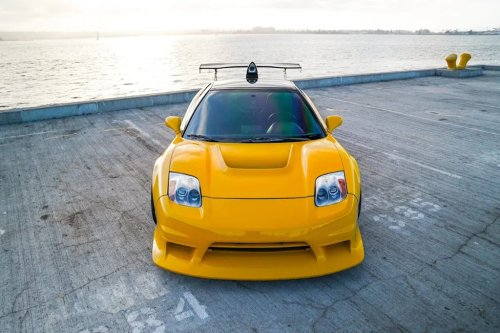
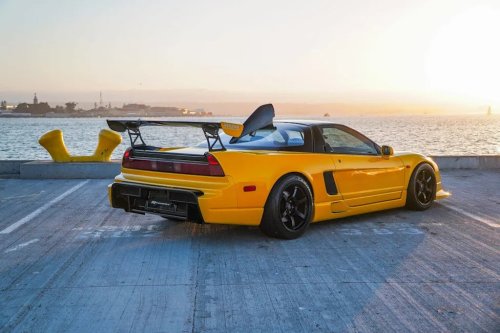
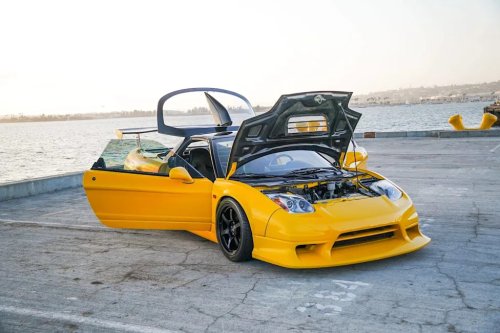
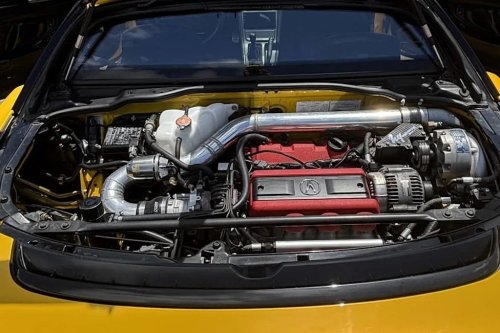
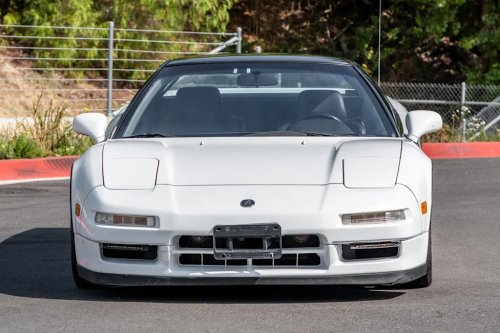
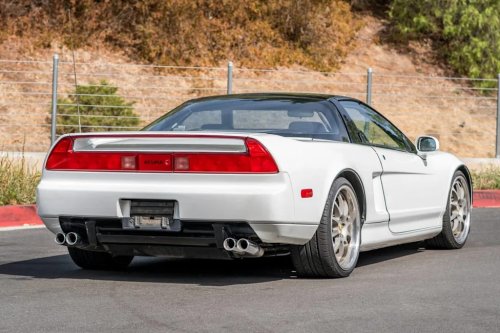
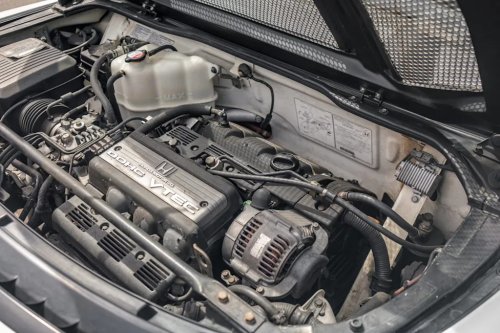
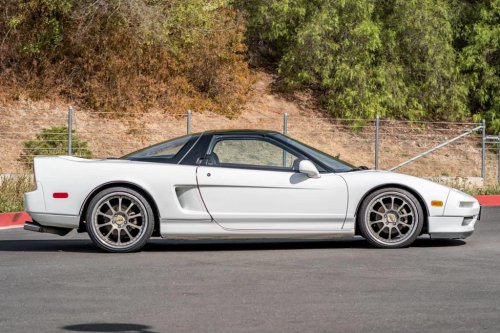
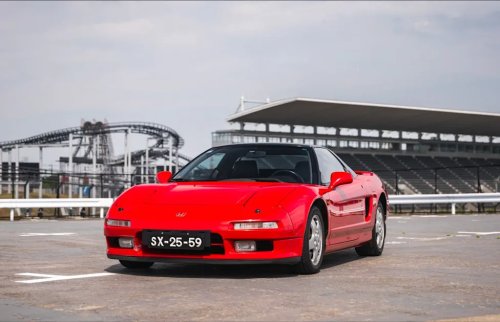
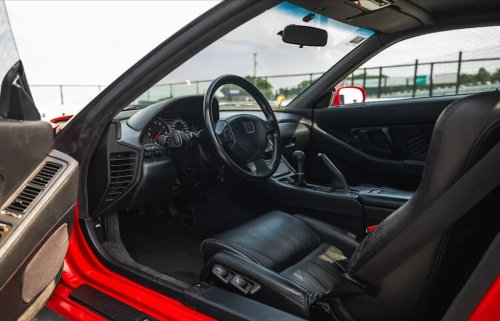
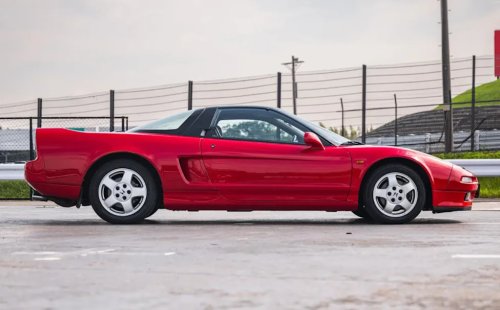
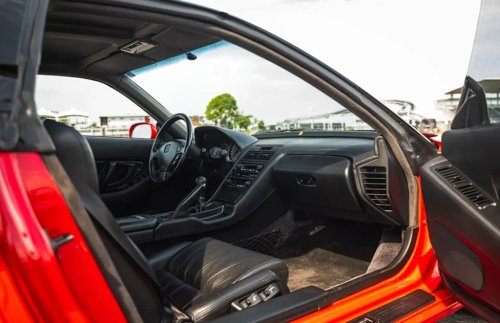
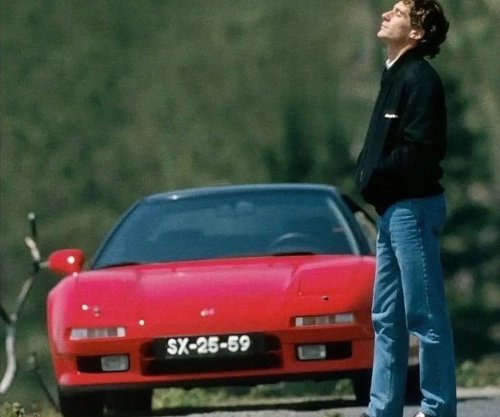
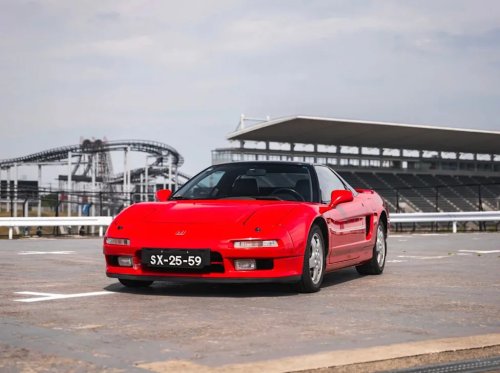
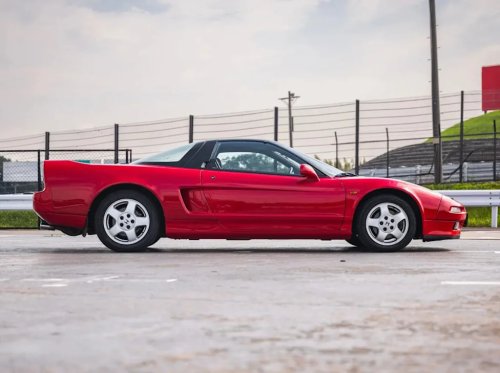
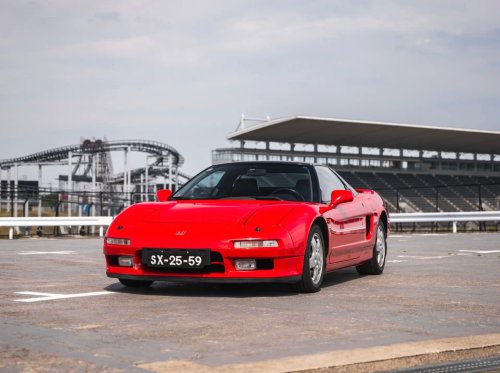
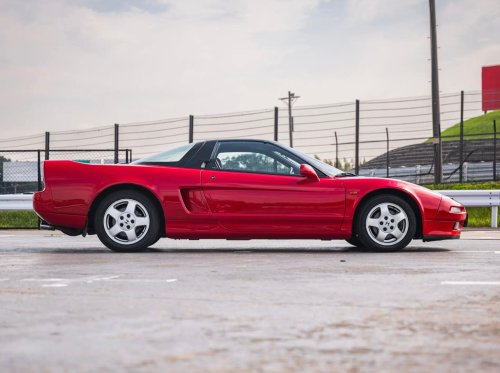
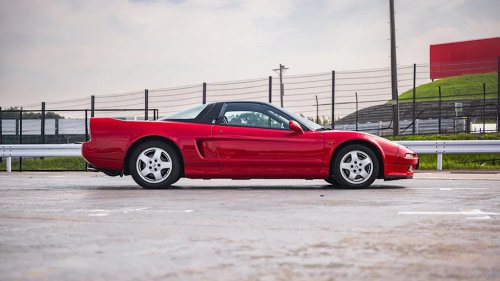
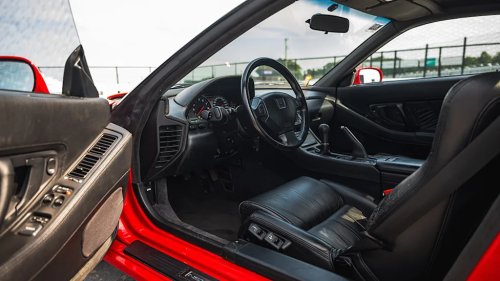
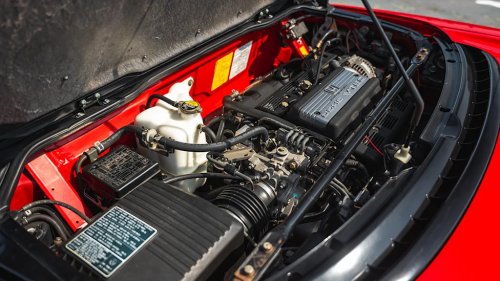
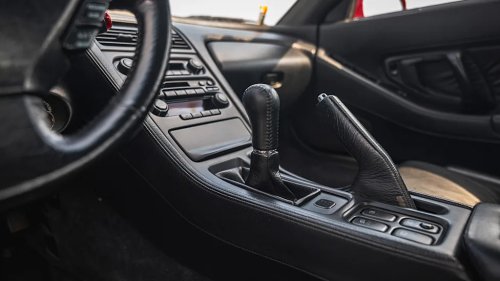
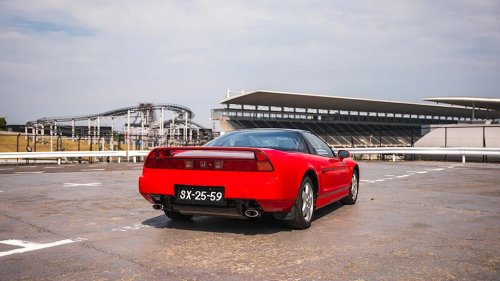
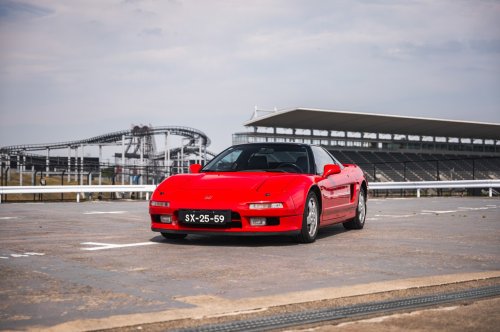
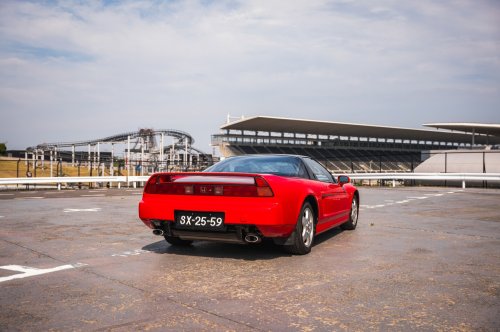
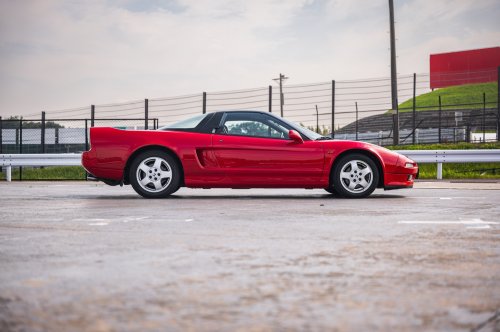
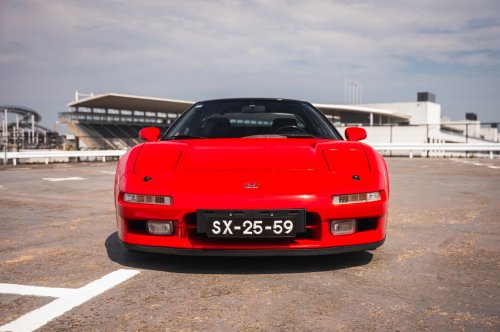
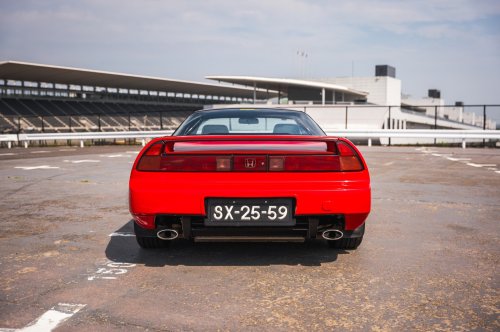
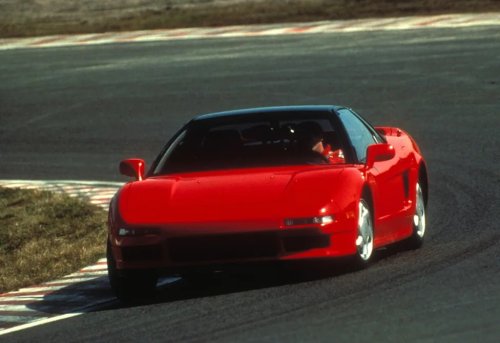
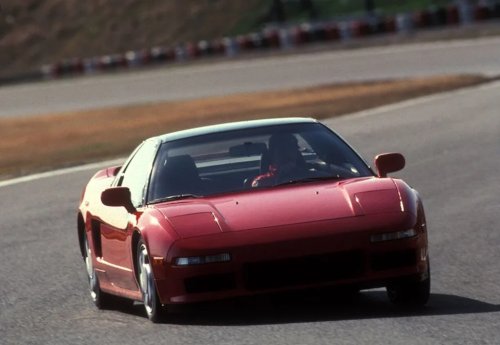
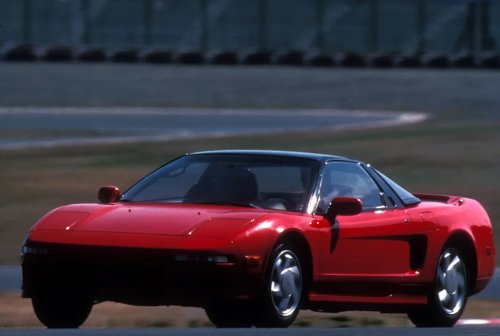
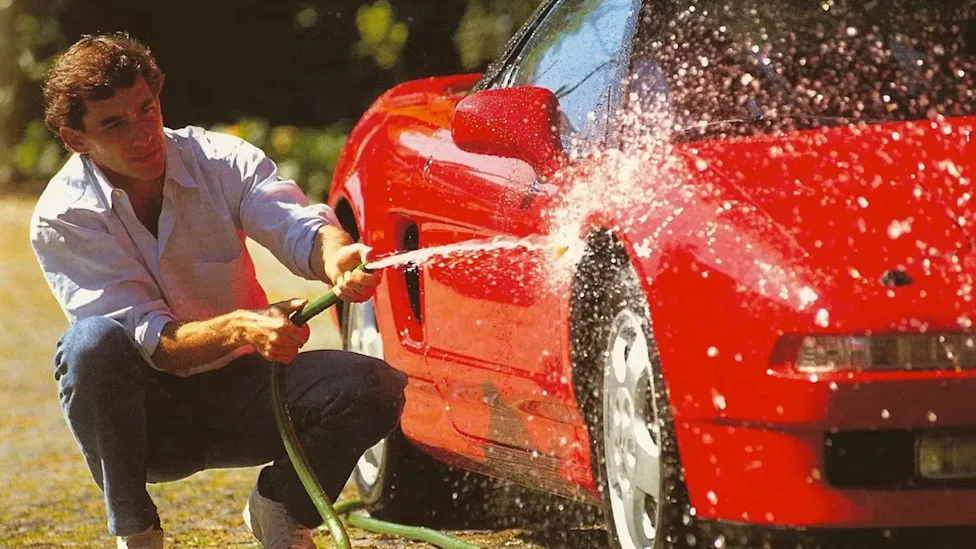
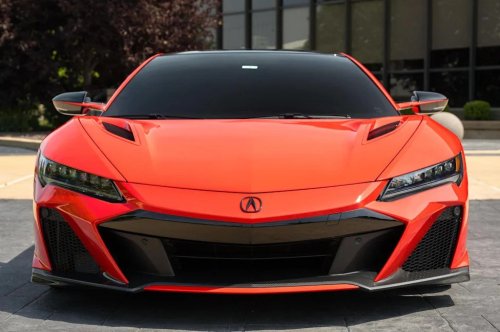
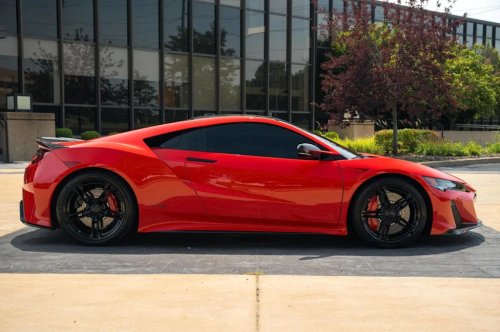
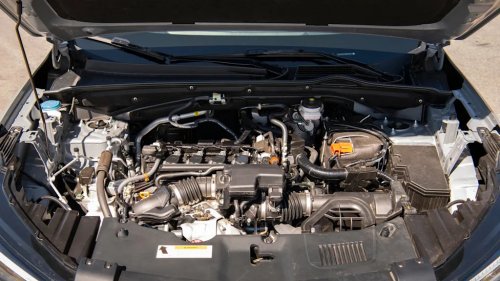
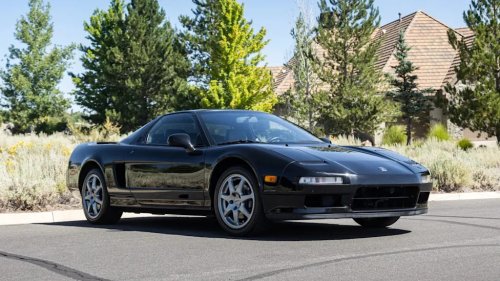
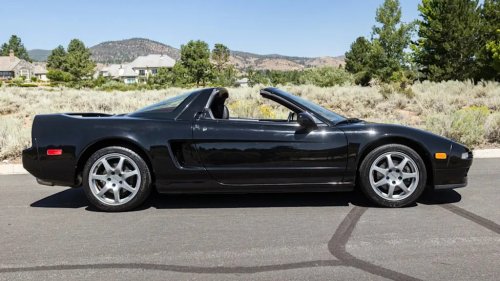
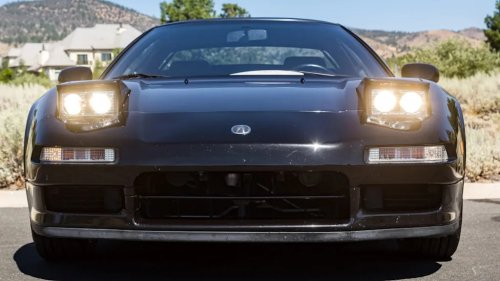
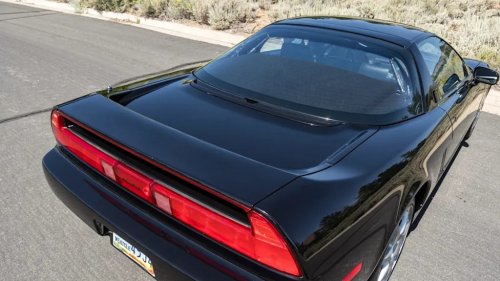
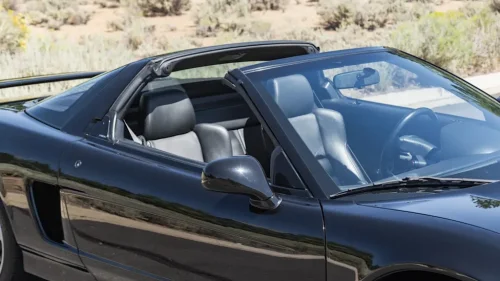
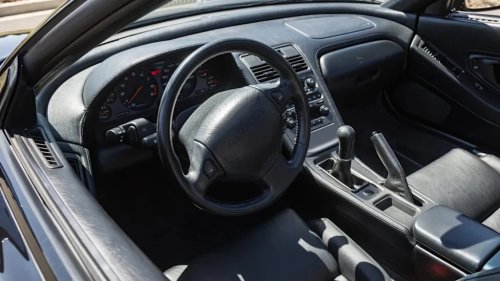
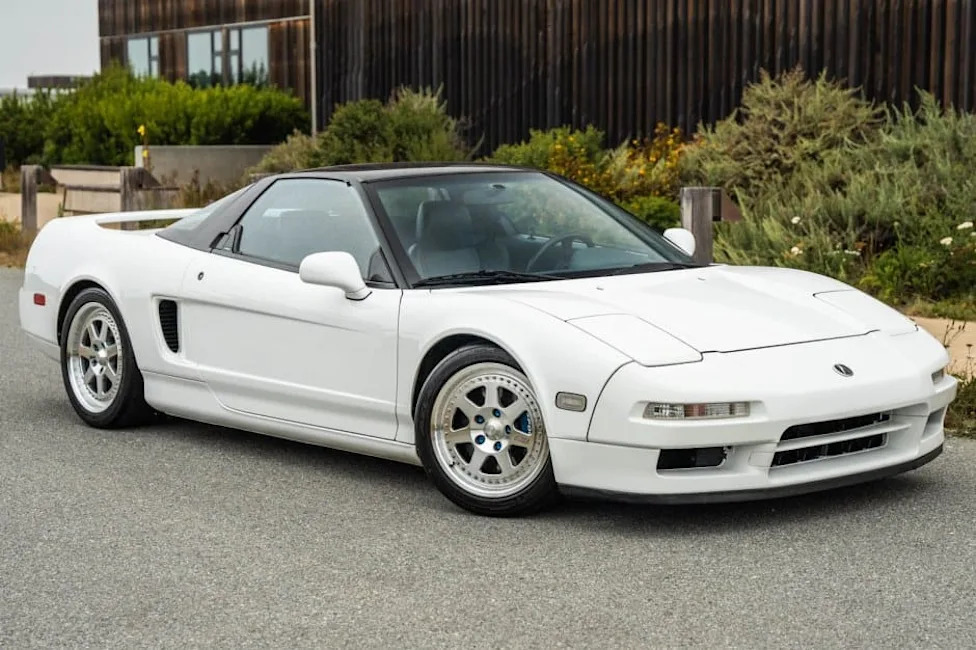
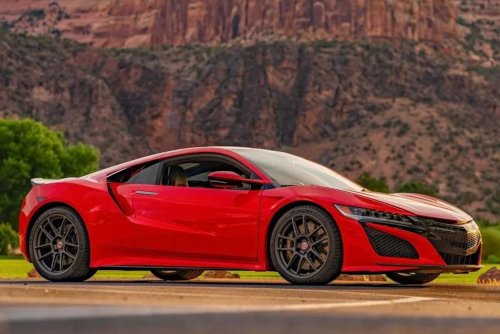
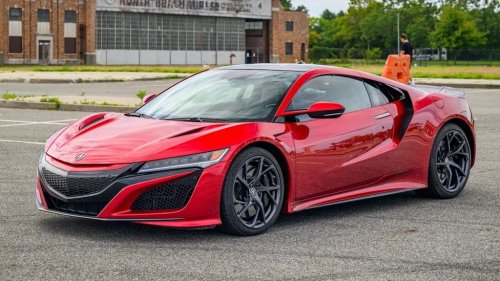
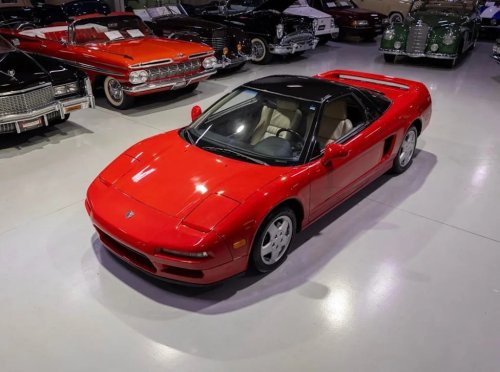
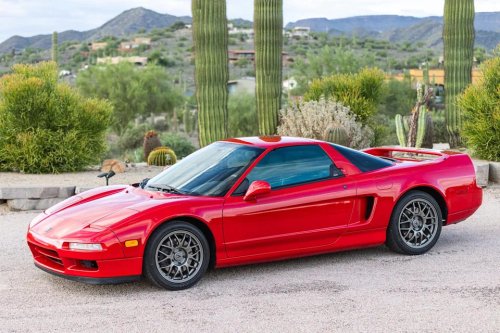
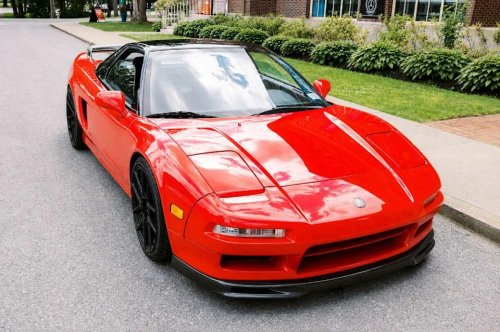
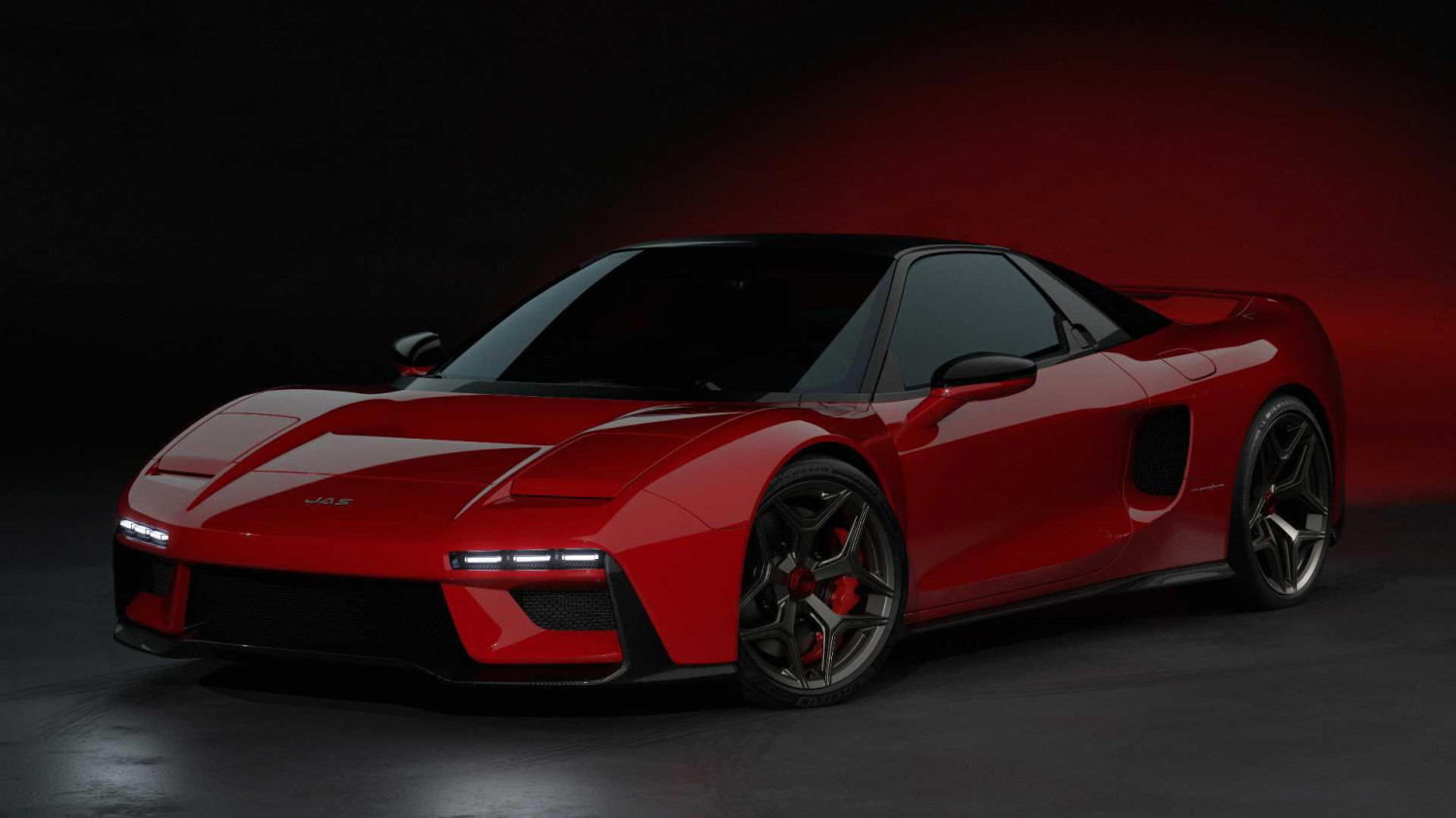
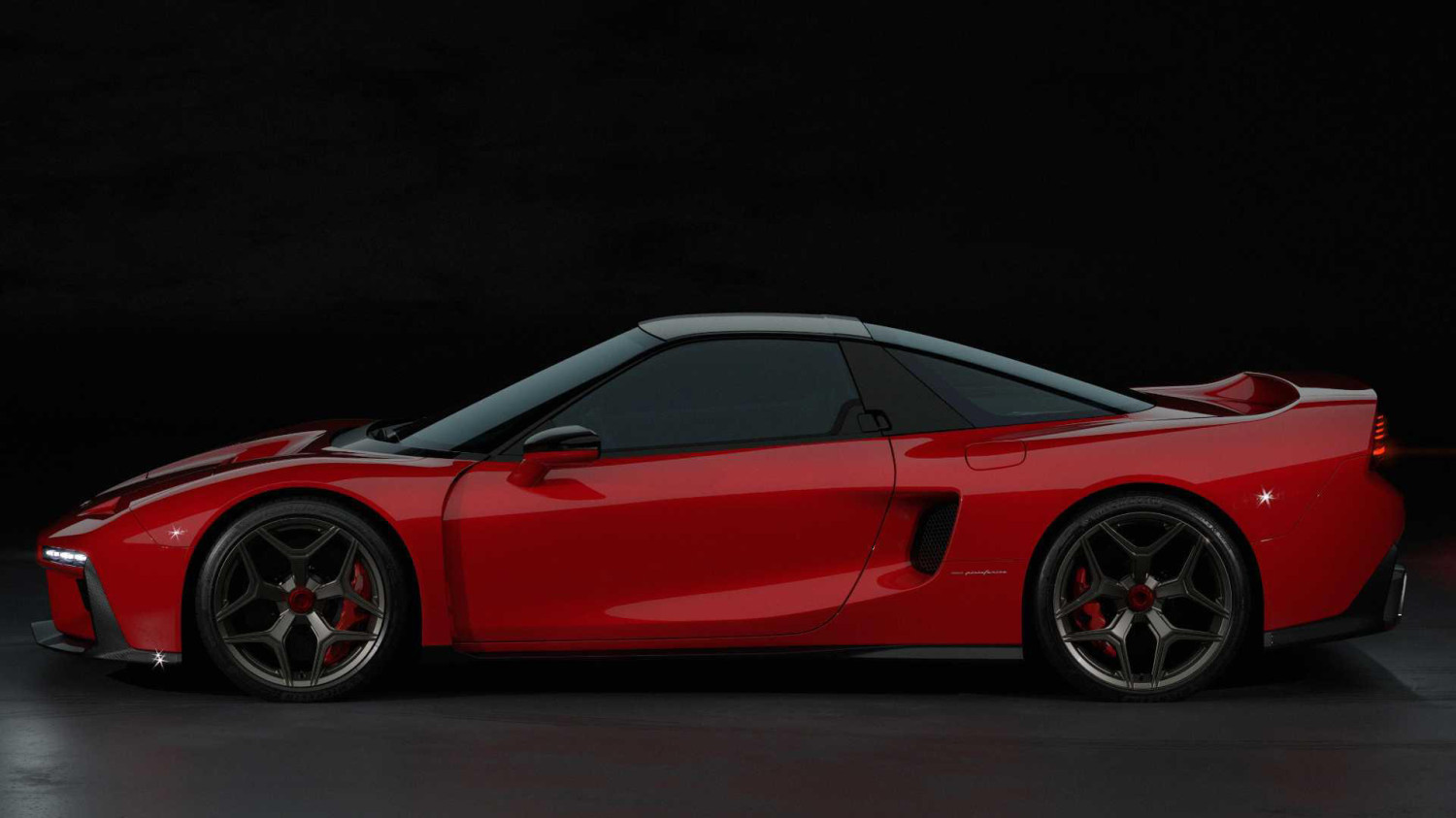
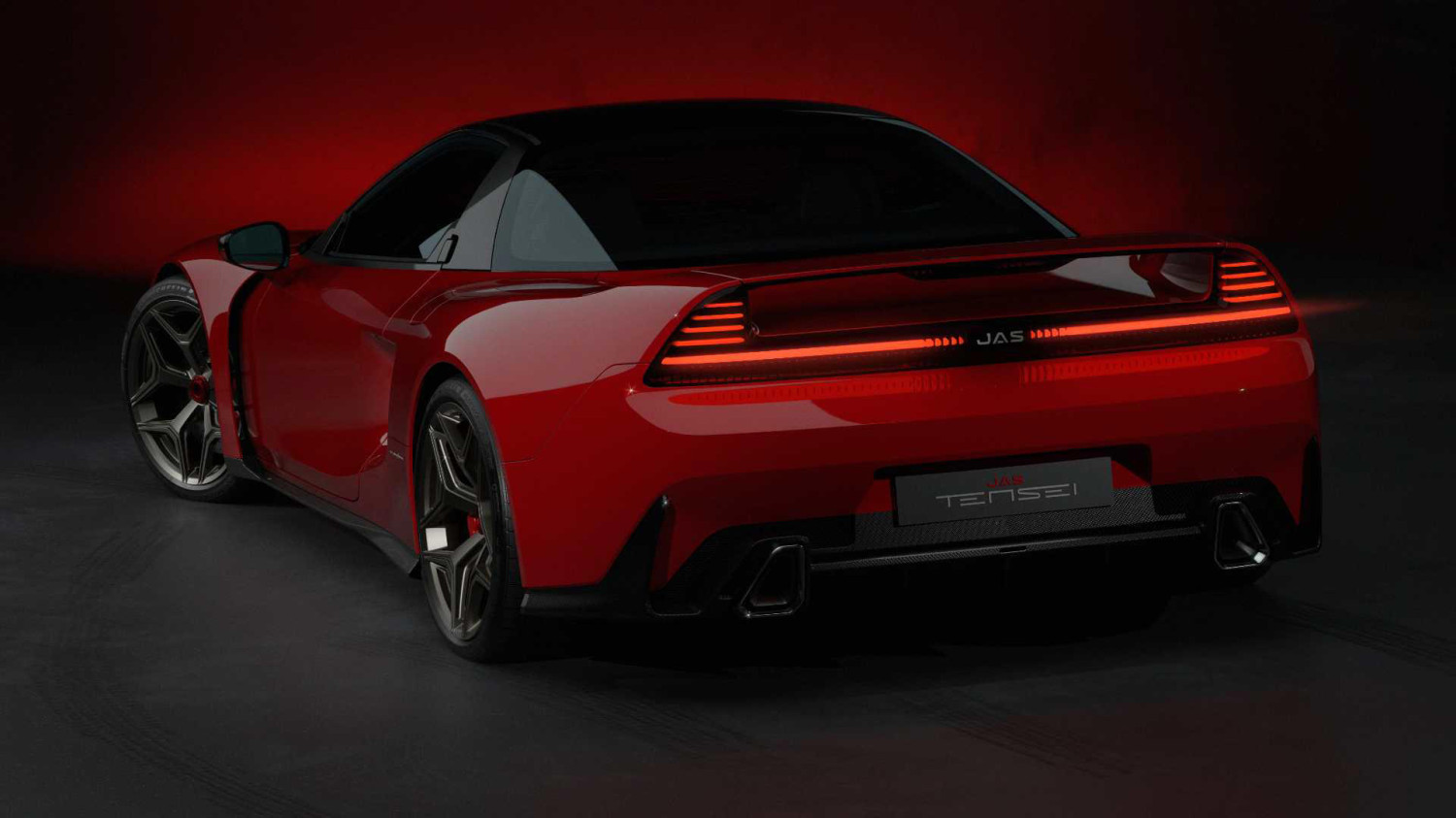
CarBuzz has been following the development of the upcoming classic Acura NSX restomod with a revised shape by the famed designers at Pininfarina. The company JAS Motorsport, which specializes in preparing Honda vehicles for racing, is spearheading the project and calls the reimagined classic supercar the Tensei, a Japanese word that roughly translates to "rebirth" or "reincarnation" in English.Now we know what's powering this NSX restomod, and it's not the original 3.0-liter V6. JAS Motorsport is partnering with the famed engine builders at Judd Power to build a new 3.5-liter V6 for the Tensei. The companies won't announce the power output until after the powerplant goes through dynamometer testing to verify and calibrate performance, but considering Judd has been building engines for IndyCar, Formula 1, and World Rally Championship for decades, we're sure the 3.5-liter will be pretty feisty. An Engine Fit For An Acura Restomod PininfarinaThe Judd-built engine in the Tensei uses the NSX's original V6 as a starting point. Given it now displaces 3.5 liters, the modifications clearly include an increase in cylinder bore, stroke, or both. Depending on how Judd achieves the larger volume, there could be new internals such as revised pistons, connecting rods, crankshaft, and other components. The builder is also promising to lighten the unit and make undisclosed "high-tech upgrades."We work on 3.5-liter engines, both modern and historic, on a daily basis and are looking forward to applying our engine knowledge to a '90s icon like the NSX in order to create a level of performance and drivability that makes it the envy of its class rivals in the modern world.–John Judd, Jr., Director of Judd PowerJohn Judd, Sr., and Sir Jack Brabham founded Judd Power in 1971. The company's achievements include serving as the spec engine supplier to the FIA F3000 series from 1996 to 2004. It also powered the Doran Lista Racing team car that won the 2002 Daytona 24 Hours and supplied powerplants to the LMP2 class winners at the 24 Hours of Le Mans in 2004 and 2005. The JAS Tensei PininfarinaPininfarina's reimagined shape for the NSX remains close to the original while also modernizing it a bit. The new exterior panels are all carbon fiber. Upgrades include integrated LED running lights, enlarged side inlets, and a revised rear bumper with an integrated diffuser. The classic pop-up headlights are still present, too. The Italian design firm is also handling Tensei's interior styling, but no details about the changes are available yet.JAS Motorsport hasn't disclosed how many examples of the Tensei it plans to build. Similarly, no pricing details are available yet. Putting The NSX's Engine Into Perspective PininfarinaThe NSX launched with a five-speed manual gearbox and a naturally aspirated 3.0-liter V6 making 270 horsepower at 7,300 rpm and 210 pound-feet of torque at 5,300 rpm. The redline was at 8,000 rpm, and the fuel cutoff was at 8,300 rpm. It was also available with a four-speed automatic transmission that reduced output to 252 hp and 210 lb-ft, with a redline of 7,500 rpm.The all-aluminum engine featured dual overhead camshafts with Honda's VTEC variable valve-timing system. A 90-degree bank angle is steeper than the 60 degrees of most other V6 engines, selected for its lower center of gravity and better weight distribution.There was also a Variable Volume Induction System with two intake plenums for the engine. Between 4,600 and 4,900 rpm, the secondary unit opened to increase airflow into the engine. In a 1992 press release about the NSX, Acura said: "The added volume of the secondary plenum creates a higher resonance frequency, which in turn creates a sonic pressure wave. This sonic pressure wave hits each pair of intake valves just as they open, promoting more rapid and complete cylinder filling."Inside, the engine used high-tech components, including titanium connecting rods, the first application in a factory road car. There was also a fully counter-weighted forged-steel crankshaft.In the decades since this V6's arrival, there have been advancements in computer-controlled machining, capable of making even more powerful naturally aspirated engines. Judd is a top name building powerplants for motorsports, so we can't wait to see what the company does with the famous mill from the original NSX.



















 +55 others