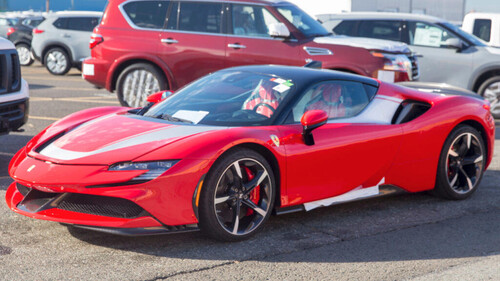
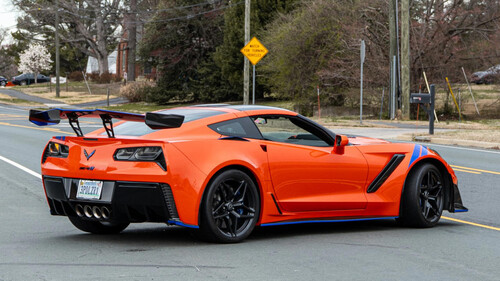
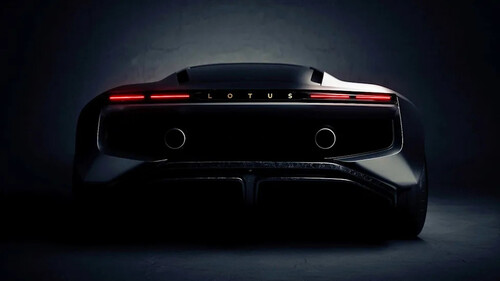
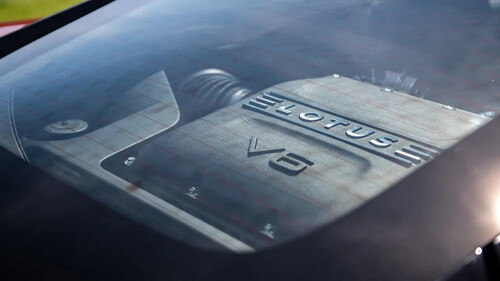
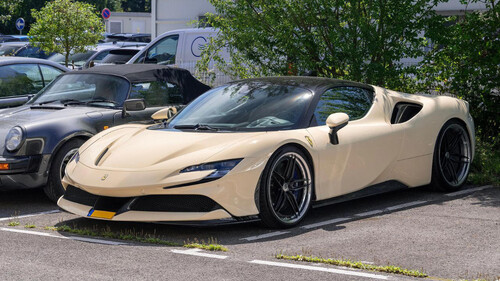
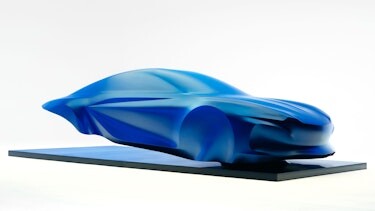
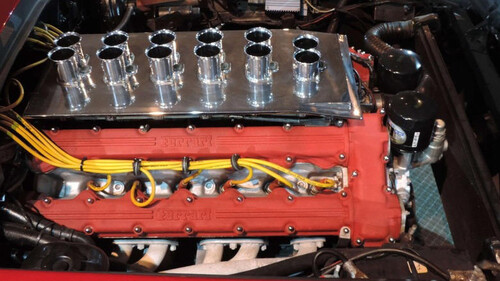
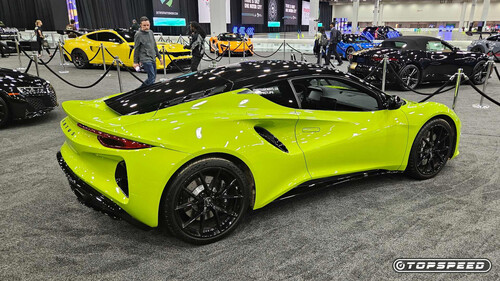
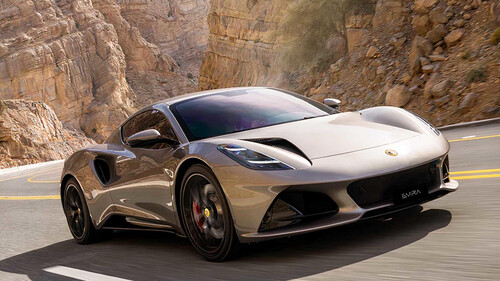
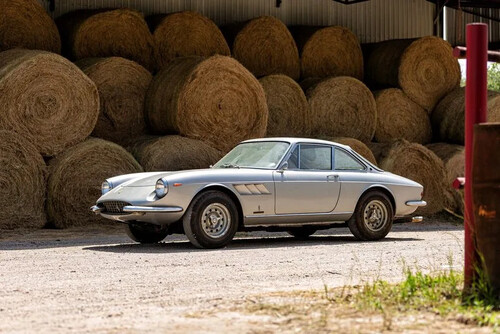
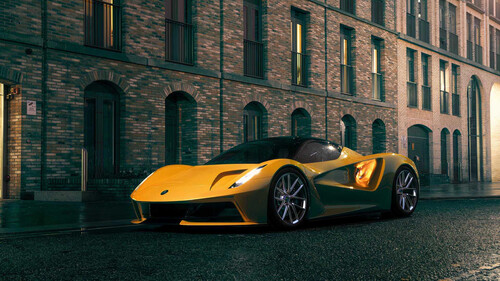
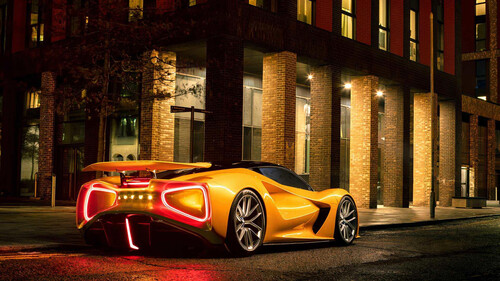
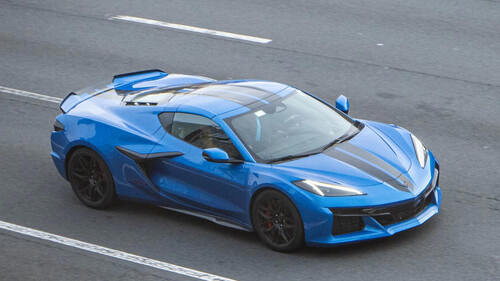
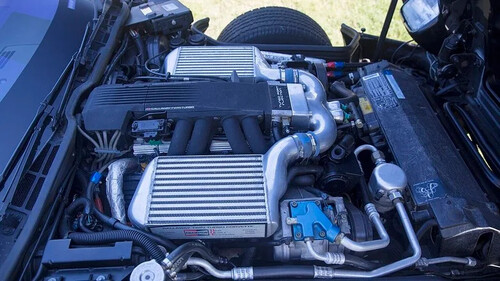
Despite Colin Chapman never saying the words “add lightness” when conducting his orchestra of engineers, it rings true to the philosophy and guiding principles of his cars. The term was conjured up to explain the simplicity of his sports cars and their ability to stir the soul with nothing more than small, zingy engines that didn’t rage an assault on the senses. In the 60s and 70s, the English were renowned for their cars that did just that, with Lotus chief among them.Lotus Cars Limited quickly earned its place as the de facto lightweight sports car masters, creating cars weighing less than two sets of hands on Big Ben (which, in Yankee terms, is about 1,500 lbs). Today, the horsepower wars are at full-throttle and the cars cranked out for battle, it seems, weigh as much as the entire clock tower. Lotus – and its latest hybrid V8 concoction with help from its parent company, Geely – is unfortunately preparing to fight a battle in which it doesn’t belong. Type 135: A Step in a New, Different Direction LotusLike most others, Lotus abandoned its all-electric goals to refocus on hybrid powertrains. Lotus fans, rejoice! The marque that brought the Seven and Elan into this world is working to keep a euphony of snaps, crackles, and burbles, in its future offerings, which should be sufficient cause for celebration among even the snarkiest of pessimists. But when the paper reads “hybrid V8 producing 986 horsepower,” speculation ensues. Some of which could even be stretched as far to claim Lotus is making its own Ferrari SF90, but the truth isn’t too far from it.Mecum Auctions Lotus promotes the Type 135 as a mid-engine sports car propelled by a hybrid V8 powertrain producing 1,000 PS, which renders to 986 horsepower. Another car that fits this description exactly is, you guessed it, the Ferrari SF90. Granted, Lotus has not specified what type of hybrid system will be put to use in its new supercar.ChevroletA plug-in hybrid system would slot it directly in-line with the SF90, whereas a conventional hybrid system brings it closer to a Chevrolet Corvette ZR1X, which uses a twin-turbo V8 at the back and an electric motor up front to spin all four wheels with a combined output of 1,250 hp.The key term for hybrids, however, is added weight. The Corvette ZR1X coupe weighs a full linebacker more than the normal ZR1 at 3,914 lbs, with the Ferrari ringing in at a healthier 3,454 lbs. If the similarities are as close as we think, there won’t be any saving the Type 135 from itself in terms of how light its powertrain will allow it to be. The Ferrari, however, sets an excellent precedent for Lotus to make its own case. The Horsepower War Rages On Lotus Had we been warned two decades ago that nearly all the automakers on Earth would be entangled in the largest game of Top Trumps ever, we’d have said “bring it on!” without batting an eye. Each decade since the early 20th century, we have witnessed manufacturers contesting for each era's distinct calling card. The 20s saw which automaker could bore the most cylinders into a block of iron, just as those same companies competed in the 50s for the pointiest, chrome-cladded atomic age cruiser. The dreaded malaise era saw a shift of effort to produce the least-horrible automobile, flowing smoothly into the 80s and 90s, which gave way to the cheap sports car competition.The main event today, after many rounds, is who can pack the most horsepower into their cars. Where other powertrain-specific rivalries were speed-centric or saw winners crowned for having the largest displacement, nary has there been a decade where manufacturers were as hell-bent on producing the most power by any means necessary.Historic brands that let the fumes of 94 octane rush to their heads are BMW, Audi, and Mercedes-Benz. Together, they are the three kings of sports sedans that boast road manners akin to purpose-built roadsters, while offering grand touring levels of comfort by virtue of their size and original intent.All three brands have electrified their offerings in the sport sedan segment to supplement thirstier engines, while simultaneously boasting high horsepower. In a daily driver, the margins between the power used and what’s left on tap are being stretched farther than ever before. And that’s no different in other segments, too.We accept that the latest potent, road-going sports cars will never see their peak output unless they’re turned loose at a track, but there was always one brand that stood out from the rest. Lotus used to – and still does with the Emira – let drivers tap into more of the available power without spending the weekend in jail. That’s something we’re less likely to see with the new norms being who can cram the most horsepower between the bumpers.As an added bonus, Lotus was switching to Toyota engines in 2004 to bring itself into the 21st century and provide more reliability to its iconoclastic offerings. How thoughtful of it, an English marque, looking to get with the times and not make new owners part-time mechanics. Lotus, You’ve Done it Before, Why Not do it Again? Lotus Even the Loti of old that have sat at the peak of the model range followed suit by being lightweight and fast, but not by packing the largest powertrain possible. The V8-powered Esprit made just 350 hp, which was a lot for its debut year of 1996, but not as much as the Ferrari F355 or Lamborghini Diablo, two Italian brutes that, believe it or not, the Lotus could run circles around when it came to tight mountain passes. Where it matters most, a Lotus can do more with less, but the arrival of the brand’s new supercar officially means it’s stretching its appeal to a broader audience at the cost of abandoning its roots.Half a decade ago, Lotus introduced the Evija. At 2,011 hp, the all-electric leviathan is a spirit distilled to be so potent, its serving size is heavily constrained and likely requires supervision when enjoyed. If any firm was going to make an electric supercar handle gracefully, it would be Lotus. And it did. With a curb weight between 3,704–4,160 lbs, it’s just a hair over the competition using internal combustion to produce half the horsepower, and almost 1,000 lbs less than the Rimac Nevera, one of the few other all-electric powerhouses available at the same price of $2.2 million.The crown jewel of electric hypercars is how it makes you feel like you’re strapped to a rocket with a course set for the moon, whether you like it or not. It’s instant power, almost uncontrollable at times, which feels like it doesn’t need a driver to coax the horsepower out and just someone with ample motor skills to depress the accelerator and enough common sense to stomp the brakes when things get hairy. As for the edition of a V8 and a power cut of 1,025 horsepower, the Type 135 shapes up to be a better Lotus than the Evija ever was, but it still won’t be the kind of Lotus we’re used to. Missing the Mark, Just not by Much Simply Sports Cars We can already speculate that first among the list of requirements for the Type 135 was anything but spectacular handling. If it was, it’s a real shame that it’s not being touted as loudly as its power figures. That’s not to say it won’t have any good genes passed down to it, given that Lotus has sprinkled its magic across many brands who sought improved dynamics of their cars. Heck, the very first Corvette ZR1 received assistance from Lotus, where it helped develop the chassis and engine, including the LT5’s cylinder heads. Even Hyundai reached out to the firm for chassis development for the second-generation Genesis sedan when it was still in the fold of Hyundai’s guise.The gambit Lotus used historically to gain an advantage on the chess board was by being among the lightest offerings in the segment. No mention of unusually high horsepower, no thoughts of enacting all-wheel drive to put power down. Just a simple, elegant shape that doesn’t break the scales and skates around the British B-roads it was built to feel best on. The alchemy here is no mystery as to how it was brewed. The Type 135’s weight is questionable with the stated powertrain, as well as its projected reliability now that Lotus will be sourcing all its engines from within Geely’s portfolio of brands.No one has driven the Type 135, let alone seen it with their own eyes. But at first glance of the specifications, it clearly raises a few eyebrows as to what we can expect from a brand that’s never got itself caught in the crossfire as the decades have gone by. If Lotus is throwing away the book and playing dirty like the rest when it comes to its flagship offering, here’s to hoping it’s the best handling, lightest, most driver-friendly 986-hp supercar there is.Sources: Lotus, Ferrari, Chevrolet